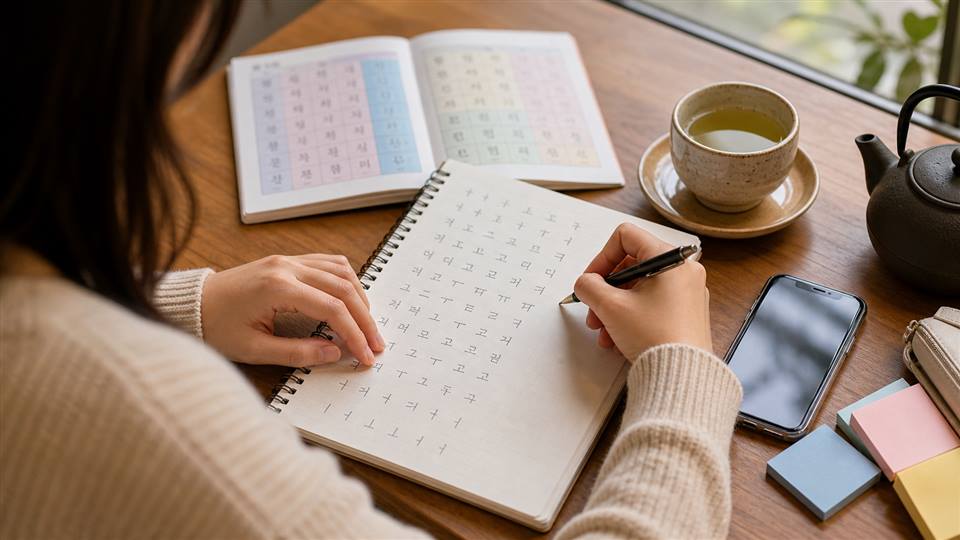
Korea Best / Culture

Best 30 Korean Phrases Foreigners Should Learn First

Best 30 / All Korea / first-time-korea

Best 30 Korean Phrases Foreigners Should Learn First guide
Category
Culture
List size
Best 30
Region
All Korea
Reading time
6 min read
Intent
What Korean culture differences should I know?
Best for
First-time visitors, Trip planning, Korea basics

Top picks in this guide

  1. Annyeonghaseyo
  2. Gamsahamnida
  3. Joesonghamnida
  4. Juseyo
  5. Igeo juseyo
  6. Eolmayeyo

Quick answer

Visitors do not need fluent Korean to travel comfortably. A small set of polite phrases for greeting, ordering, paying, directions, spice level, and help can solve many daily situations.

What this guide covers

Best 30 Korean Phrases Foreigners Should Learn First is written for visitors who want a practical, search-friendly starting point before traveling in Korea. It explains practical Korean phrases visitors can use immediately in a clear list format so readers can compare choices, avoid common confusion and move into more specific ComeKR guides.

Who this guide is for

  • Culture basics
  • Daily situations

How we selected this list

This list is an editorial travel shortlist for foreign visitors to Korea. Items are selected based on first-time visitor usefulness, search demand, ease of understanding, practical travel value, and how often the topic causes confusion for foreigners.

This is not an official national ranking. Use it as a practical starting point and check official information when needed.

Best 30 list

1

Annyeonghaseyo

Annyeonghaseyo is useful because a short Korean phrase can make ordering, asking, thanking or apologizing feel smoother. Use polite tone first, and keep the sentence simple if you are not confident with grammar.

Quick tip

Use Annyeonghaseyo as a practical starting point, then adjust for the place, time, and people around you.

Best for

Visitors who want a quick Korea travel decision around annyeonghaseyo.

How to use/order

Use Annyeonghaseyo in a simple, polite way and adjust based on the person, place, and formality of the situation.

Why it matters

Annyeonghaseyo matters because it turns practical Korean phrases visitors can use immediately into a specific action visitors can remember during the trip.

Example situation

You notice annyeonghaseyo during a real Korea travel moment and need a simple, polite response.

Common mistake

Do not treat annyeonghaseyo as a rigid rule for every person or every situation.

Useful phrase

Excuse me, could you help me?

Related tool. Korea Situation Helper

2

Gamsahamnida

Gamsahamnida is useful because a short Korean phrase can make ordering, asking, thanking or apologizing feel smoother. Use polite tone first, and keep the sentence simple if you are not confident with grammar.

Quick tip

Use Gamsahamnida as a practical starting point, then adjust for the place, time, and people around you.

Best for

Visitors who want a quick Korea travel decision around gamsahamnida.

How to use/order

Use Gamsahamnida in a simple, polite way and adjust based on the person, place, and formality of the situation.

Why it matters

Gamsahamnida matters because it turns practical Korean phrases visitors can use immediately into a specific action visitors can remember during the trip.

Example situation

You notice gamsahamnida during a real Korea travel moment and need a simple, polite response.

Common mistake

Do not treat gamsahamnida as a rigid rule for every person or every situation.

Useful phrase

Excuse me, could you help me?

Related tool. Korea Situation Helper

3

Joesonghamnida

Joesonghamnida is useful because a short Korean phrase can make ordering, asking, thanking or apologizing feel smoother. Use polite tone first, and keep the sentence simple if you are not confident with grammar.

Quick tip

Use Joesonghamnida as a practical starting point, then adjust for the place, time, and people around you.

Best for

Visitors who want a quick Korea travel decision around joesonghamnida.

How to use/order

Use Joesonghamnida in a simple, polite way and adjust based on the person, place, and formality of the situation.

Why it matters

Joesonghamnida matters because it turns practical Korean phrases visitors can use immediately into a specific action visitors can remember during the trip.

Example situation

You notice joesonghamnida during a real Korea travel moment and need a simple, polite response.

Common mistake

Do not treat joesonghamnida as a rigid rule for every person or every situation.

Useful phrase

Excuse me, could you help me?

Related tool. Korea Situation Helper

4

Juseyo

Juseyo is useful because a short Korean phrase can make ordering, asking, thanking or apologizing feel smoother. Use polite tone first, and keep the sentence simple if you are not confident with grammar.

Quick tip

Use Juseyo as a practical starting point, then adjust for the place, time, and people around you.

Best for

Visitors who want a quick Korea travel decision around juseyo.

How to use/order

Use Juseyo in a simple, polite way and adjust based on the person, place, and formality of the situation.

Why it matters

Juseyo matters because it turns practical Korean phrases visitors can use immediately into a specific action visitors can remember during the trip.

Example situation

You notice juseyo during a real Korea travel moment and need a simple, polite response.

Common mistake

Do not treat juseyo as a rigid rule for every person or every situation.

Useful phrase

Excuse me, could you help me?

Related tool. Korea Situation Helper

5

Igeo juseyo

Igeo juseyo is useful because a short Korean phrase can make ordering, asking, thanking or apologizing feel smoother. Use polite tone first, and keep the sentence simple if you are not confident with grammar.

Quick tip

Use Igeo juseyo as a practical starting point, then adjust for the place, time, and people around you.

Best for

Visitors who want a quick Korea travel decision around igeo juseyo.

How to use/order

Use Igeo juseyo in a simple, polite way and adjust based on the person, place, and formality of the situation.

Why it matters

Igeo juseyo matters because it turns practical Korean phrases visitors can use immediately into a specific action visitors can remember during the trip.

Example situation

You notice igeo juseyo during a real Korea travel moment and need a simple, polite response.

Common mistake

Do not treat igeo juseyo as a rigid rule for every person or every situation.

Useful phrase

Excuse me, could you help me?

Related tool. Korea Situation Helper

6

Eolmayeyo

Eolmayeyo is useful because a short Korean phrase can make ordering, asking, thanking or apologizing feel smoother. Use polite tone first, and keep the sentence simple if you are not confident with grammar.

Quick tip

Use Eolmayeyo as a practical starting point, then adjust for the place, time, and people around you.

Best for

Visitors who want a quick Korea travel decision around eolmayeyo.

How to use/order

Use Eolmayeyo in a simple, polite way and adjust based on the person, place, and formality of the situation.

Why it matters

Eolmayeyo matters because it turns practical Korean phrases visitors can use immediately into a specific action visitors can remember during the trip.

Example situation

You notice eolmayeyo during a real Korea travel moment and need a simple, polite response.

Common mistake

Do not treat eolmayeyo as a rigid rule for every person or every situation.

Useful phrase

Excuse me, could you help me?

Related tool. Korea Situation Helper

7

Yeong-eo haseyo?

Yeong-eo haseyo? is useful because a short Korean phrase can make ordering, asking, thanking or apologizing feel smoother. Use polite tone first, and keep the sentence simple if you are not confident with grammar.

Quick tip

Use Yeong-eo haseyo? as a practical starting point, then adjust for the place, time, and people around you.

Best for

Visitors who want a quick Korea travel decision around yeong-eo haseyo?.

How to use/order

Use Yeong-eo haseyo? in a simple, polite way and adjust based on the person, place, and formality of the situation.

Why it matters

Yeong-eo haseyo? matters because it turns practical Korean phrases visitors can use immediately into a specific action visitors can remember during the trip.

Example situation

You notice yeong-eo haseyo? during a real Korea travel moment and need a simple, polite response.

Common mistake

Do not treat yeong-eo haseyo? as a rigid rule for every person or every situation.

Useful phrase

Excuse me, could you help me?

Related tool. Korea Situation Helper

8

Hangugeo jal motaeyo

Hangugeo jal motaeyo is useful because a short Korean phrase can make ordering, asking, thanking or apologizing feel smoother. Use polite tone first, and keep the sentence simple if you are not confident with grammar.

Quick tip

Use Hangugeo jal motaeyo as a practical starting point, then adjust for the place, time, and people around you.

Best for

Visitors who want a quick Korea travel decision around hangugeo jal motaeyo.

How to use/order

Use Hangugeo jal motaeyo in a simple, polite way and adjust based on the person, place, and formality of the situation.

Why it matters

Hangugeo jal motaeyo matters because it turns practical Korean phrases visitors can use immediately into a specific action visitors can remember during the trip.

Example situation

You notice hangugeo jal motaeyo during a real Korea travel moment and need a simple, polite response.

Common mistake

Do not treat hangugeo jal motaeyo as a rigid rule for every person or every situation.

Useful phrase

Excuse me, could you help me?

Related tool. Korea Situation Helper

9

Cheoncheonhi malhae juseyo

Cheoncheonhi malhae juseyo is useful because a short Korean phrase can make ordering, asking, thanking or apologizing feel smoother. Use polite tone first, and keep the sentence simple if you are not confident with grammar.

Quick tip

Use Cheoncheonhi malhae juseyo as a practical starting point, then adjust for the place, time, and people around you.

Best for

Visitors who want a quick Korea travel decision around cheoncheonhi malhae juseyo.

How to use/order

Use Cheoncheonhi malhae juseyo in a simple, polite way and adjust based on the person, place, and formality of the situation.

Why it matters

Cheoncheonhi malhae juseyo matters because it turns practical Korean phrases visitors can use immediately into a specific action visitors can remember during the trip.

Example situation

You notice cheoncheonhi malhae juseyo during a real Korea travel moment and need a simple, polite response.

Common mistake

Do not treat cheoncheonhi malhae juseyo as a rigid rule for every person or every situation.

Useful phrase

Excuse me, could you help me?

Related tool. Korea Situation Helper

10

Hwajangsil eodi-yeyo?

Hwajangsil eodi-yeyo? is useful because a short Korean phrase can make ordering, asking, thanking or apologizing feel smoother. Use polite tone first, and keep the sentence simple if you are not confident with grammar.

Quick tip

Use Hwajangsil eodi-yeyo? as a practical starting point, then adjust for the place, time, and people around you.

Best for

Visitors who want a quick Korea travel decision around hwajangsil eodi-yeyo?.

How to use/order

Use Hwajangsil eodi-yeyo? in a simple, polite way and adjust based on the person, place, and formality of the situation.

Why it matters

Hwajangsil eodi-yeyo? matters because it turns practical Korean phrases visitors can use immediately into a specific action visitors can remember during the trip.

Example situation

You notice hwajangsil eodi-yeyo? during a real Korea travel moment and need a simple, polite response.

Common mistake

Do not treat hwajangsil eodi-yeyo? as a rigid rule for every person or every situation.

Useful phrase

Excuse me, could you help me?

Related tool. Korea Situation Helper

11

Mul juseyo

Mul juseyo is useful because a short Korean phrase can make ordering, asking, thanking or apologizing feel smoother. Use polite tone first, and keep the sentence simple if you are not confident with grammar.

Quick tip

Use Mul juseyo as a practical starting point, then adjust for the place, time, and people around you.

Best for

Visitors who want a quick Korea travel decision around mul juseyo.

How to use/order

Use Mul juseyo in a simple, polite way and adjust based on the person, place, and formality of the situation.

Why it matters

Mul juseyo matters because it turns practical Korean phrases visitors can use immediately into a specific action visitors can remember during the trip.

Example situation

You notice mul juseyo during a real Korea travel moment and need a simple, polite response.

Common mistake

Do not treat mul juseyo as a rigid rule for every person or every situation.

Useful phrase

Excuse me, could you help me?

Related tool. Korea Situation Helper

12

Maepji anke haejuseyo

Maepji anke haejuseyo is useful because a short Korean phrase can make ordering, asking, thanking or apologizing feel smoother. Use polite tone first, and keep the sentence simple if you are not confident with grammar.

Quick tip

Use Maepji anke haejuseyo as a practical starting point, then adjust for the place, time, and people around you.

Best for

Visitors who want a quick Korea travel decision around maepji anke haejuseyo.

How to use/order

Use Maepji anke haejuseyo in a simple, polite way and adjust based on the person, place, and formality of the situation.

Why it matters

Maepji anke haejuseyo matters because it turns practical Korean phrases visitors can use immediately into a specific action visitors can remember during the trip.

Example situation

You notice maepji anke haejuseyo during a real Korea travel moment and need a simple, polite response.

Common mistake

Do not treat maepji anke haejuseyo as a rigid rule for every person or every situation.

Useful phrase

Excuse me, could you help me?

Related tool. Korea Situation Helper

13

Gyesan haejuseyo

Gyesan haejuseyo is useful because a short Korean phrase can make ordering, asking, thanking or apologizing feel smoother. Use polite tone first, and keep the sentence simple if you are not confident with grammar.

Quick tip

Use Gyesan haejuseyo as a practical starting point, then adjust for the place, time, and people around you.

Best for

Visitors who want a quick Korea travel decision around gyesan haejuseyo.

How to use/order

Use Gyesan haejuseyo in a simple, polite way and adjust based on the person, place, and formality of the situation.

Why it matters

Gyesan haejuseyo matters because it turns practical Korean phrases visitors can use immediately into a specific action visitors can remember during the trip.

Example situation

You notice gyesan haejuseyo during a real Korea travel moment and need a simple, polite response.

Common mistake

Do not treat gyesan haejuseyo as a rigid rule for every person or every situation.

Useful phrase

Excuse me, could you help me?

Related tool. Korea Situation Helper

14

Pojang haejuseyo

Pojang haejuseyo is useful because a short Korean phrase can make ordering, asking, thanking or apologizing feel smoother. Use polite tone first, and keep the sentence simple if you are not confident with grammar.

Quick tip

Use Pojang haejuseyo as a practical starting point, then adjust for the place, time, and people around you.

Best for

Visitors who want a quick Korea travel decision around pojang haejuseyo.

How to use/order

Use Pojang haejuseyo in a simple, polite way and adjust based on the person, place, and formality of the situation.

Why it matters

Pojang haejuseyo matters because it turns practical Korean phrases visitors can use immediately into a specific action visitors can remember during the trip.

Example situation

You notice pojang haejuseyo during a real Korea travel moment and need a simple, polite response.

Common mistake

Do not treat pojang haejuseyo as a rigid rule for every person or every situation.

Useful phrase

Excuse me, could you help me?

Related tool. Korea Situation Helper

15

Yeogi anjeodo dwaeyo?

Yeogi anjeodo dwaeyo? is useful because a short Korean phrase can make ordering, asking, thanking or apologizing feel smoother. Use polite tone first, and keep the sentence simple if you are not confident with grammar.

Quick tip

Use Yeogi anjeodo dwaeyo? as a practical starting point, then adjust for the place, time, and people around you.

Best for

Visitors who want a quick Korea travel decision around yeogi anjeodo dwaeyo?.

How to use/order

Use Yeogi anjeodo dwaeyo? in a simple, polite way and adjust based on the person, place, and formality of the situation.

Why it matters

Yeogi anjeodo dwaeyo? matters because it turns practical Korean phrases visitors can use immediately into a specific action visitors can remember during the trip.

Example situation

You notice yeogi anjeodo dwaeyo? during a real Korea travel moment and need a simple, polite response.

Common mistake

Do not treat yeogi anjeodo dwaeyo? as a rigid rule for every person or every situation.

Useful phrase

Excuse me, could you help me?

Related tool. Korea Situation Helper

16

Igeo meogeodo dwaeyo?

Igeo meogeodo dwaeyo? is useful because a short Korean phrase can make ordering, asking, thanking or apologizing feel smoother. Use polite tone first, and keep the sentence simple if you are not confident with grammar.

Quick tip

Use Igeo meogeodo dwaeyo? as a practical starting point, then adjust for the place, time, and people around you.

Best for

Visitors who want a quick Korea travel decision around igeo meogeodo dwaeyo?.

How to use/order

Use Igeo meogeodo dwaeyo? in a simple, polite way and adjust based on the person, place, and formality of the situation.

Why it matters

Igeo meogeodo dwaeyo? matters because it turns practical Korean phrases visitors can use immediately into a specific action visitors can remember during the trip.

Example situation

You notice igeo meogeodo dwaeyo? during a real Korea travel moment and need a simple, polite response.

Common mistake

Do not treat igeo meogeodo dwaeyo? as a rigid rule for every person or every situation.

Useful phrase

Excuse me, could you help me?

Related tool. Korea Situation Helper

17

Eodi-eseo taya haeyo?

Eodi-eseo taya haeyo? is useful because a short Korean phrase can make ordering, asking, thanking or apologizing feel smoother. Use polite tone first, and keep the sentence simple if you are not confident with grammar.

Quick tip

Use Eodi-eseo taya haeyo? as a practical starting point, then adjust for the place, time, and people around you.

Best for

Visitors who want a quick Korea travel decision around eodi-eseo taya haeyo?.

How to use/order

Use Eodi-eseo taya haeyo? in a simple, polite way and adjust based on the person, place, and formality of the situation.

Why it matters

Eodi-eseo taya haeyo? matters because it turns practical Korean phrases visitors can use immediately into a specific action visitors can remember during the trip.

Example situation

You notice eodi-eseo taya haeyo? during a real Korea travel moment and need a simple, polite response.

Common mistake

Do not treat eodi-eseo taya haeyo? as a rigid rule for every person or every situation.

Useful phrase

Excuse me, could you help me?

Related tool. Korea Situation Helper

18

I yeolcha majayo?

I yeolcha majayo? is useful because a short Korean phrase can make ordering, asking, thanking or apologizing feel smoother. Use polite tone first, and keep the sentence simple if you are not confident with grammar.

Quick tip

Use I yeolcha majayo? as a practical starting point, then adjust for the place, time, and people around you.

Best for

Visitors who want a quick Korea travel decision around i yeolcha majayo?.

How to use/order

Use I yeolcha majayo? in a simple, polite way and adjust based on the person, place, and formality of the situation.

Why it matters

I yeolcha majayo? matters because it turns practical Korean phrases visitors can use immediately into a specific action visitors can remember during the trip.

Example situation

You notice i yeolcha majayo? during a real Korea travel moment and need a simple, polite response.

Common mistake

Do not treat i yeolcha majayo? as a rigid rule for every person or every situation.

Useful phrase

Excuse me, could you help me?

Related tool. Korea Situation Helper

19

Yeogiseo naeryeoyo?

Yeogiseo naeryeoyo? is useful because a short Korean phrase can make ordering, asking, thanking or apologizing feel smoother. Use polite tone first, and keep the sentence simple if you are not confident with grammar.

Quick tip

Use Yeogiseo naeryeoyo? as a practical starting point, then adjust for the place, time, and people around you.

Best for

Visitors who want a quick Korea travel decision around yeogiseo naeryeoyo?.

How to use/order

Use Yeogiseo naeryeoyo? in a simple, polite way and adjust based on the person, place, and formality of the situation.

Why it matters

Yeogiseo naeryeoyo? matters because it turns practical Korean phrases visitors can use immediately into a specific action visitors can remember during the trip.

Example situation

You notice yeogiseo naeryeoyo? during a real Korea travel moment and need a simple, polite response.

Common mistake

Do not treat yeogiseo naeryeoyo? as a rigid rule for every person or every situation.

Useful phrase

Excuse me, could you help me?

Related tool. Korea Situation Helper

20

Gireul ileosseoyo

Gireul ileosseoyo is useful because a short Korean phrase can make ordering, asking, thanking or apologizing feel smoother. Use polite tone first, and keep the sentence simple if you are not confident with grammar.

Quick tip

Use Gireul ileosseoyo as a practical starting point, then adjust for the place, time, and people around you.

Best for

Visitors who want a quick Korea travel decision around gireul ileosseoyo.

How to use/order

Use Gireul ileosseoyo in a simple, polite way and adjust based on the person, place, and formality of the situation.

Why it matters

Gireul ileosseoyo matters because it turns practical Korean phrases visitors can use immediately into a specific action visitors can remember during the trip.

Example situation

You notice gireul ileosseoyo during a real Korea travel moment and need a simple, polite response.

Common mistake

Do not treat gireul ileosseoyo as a rigid rule for every person or every situation.

Useful phrase

Excuse me, could you help me?

Related tool. Korea Situation Helper

21

Dowajuseyo

Dowajuseyo is useful because a short Korean phrase can make ordering, asking, thanking or apologizing feel smoother. Use polite tone first, and keep the sentence simple if you are not confident with grammar.

Quick tip

Use Dowajuseyo as a practical starting point, then adjust for the place, time, and people around you.

Best for

Visitors who want a quick Korea travel decision around dowajuseyo.

How to use/order

Use Dowajuseyo in a simple, polite way and adjust based on the person, place, and formality of the situation.

Why it matters

Dowajuseyo matters because it turns practical Korean phrases visitors can use immediately into a specific action visitors can remember during the trip.

Example situation

You notice dowajuseyo during a real Korea travel moment and need a simple, polite response.

Common mistake

Do not treat dowajuseyo as a rigid rule for every person or every situation.

Useful phrase

Excuse me, could you help me?

Related tool. Korea Situation Helper

22

Gwaenchanayo

Gwaenchanayo is useful because a short Korean phrase can make ordering, asking, thanking or apologizing feel smoother. Use polite tone first, and keep the sentence simple if you are not confident with grammar.

Quick tip

Use Gwaenchanayo as a practical starting point, then adjust for the place, time, and people around you.

Best for

Visitors who want a quick Korea travel decision around gwaenchanayo.

How to use/order

Use Gwaenchanayo in a simple, polite way and adjust based on the person, place, and formality of the situation.

Why it matters

Gwaenchanayo matters because it turns practical Korean phrases visitors can use immediately into a specific action visitors can remember during the trip.

Example situation

You notice gwaenchanayo during a real Korea travel moment and need a simple, polite response.

Common mistake

Do not treat gwaenchanayo as a rigid rule for every person or every situation.

Useful phrase

Excuse me, could you help me?

Related tool. Korea Situation Helper

23

An dwaeyo

An dwaeyo is useful because a short Korean phrase can make ordering, asking, thanking or apologizing feel smoother. Use polite tone first, and keep the sentence simple if you are not confident with grammar.

Quick tip

Use An dwaeyo as a practical starting point, then adjust for the place, time, and people around you.

Best for

Visitors who want a quick Korea travel decision around an dwaeyo.

How to use/order

Use An dwaeyo in a simple, polite way and adjust based on the person, place, and formality of the situation.

Why it matters

An dwaeyo matters because it turns practical Korean phrases visitors can use immediately into a specific action visitors can remember during the trip.

Example situation

You notice an dwaeyo during a real Korea travel moment and need a simple, polite response.

Common mistake

Do not treat an dwaeyo as a rigid rule for every person or every situation.

Useful phrase

Excuse me, could you help me?

Related tool. Korea Situation Helper

24

Dwaeyo

Dwaeyo is useful because a short Korean phrase can make ordering, asking, thanking or apologizing feel smoother. Use polite tone first, and keep the sentence simple if you are not confident with grammar.

Quick tip

Use Dwaeyo as a practical starting point, then adjust for the place, time, and people around you.

Best for

Visitors who want a quick Korea travel decision around dwaeyo.

How to use/order

Use Dwaeyo in a simple, polite way and adjust based on the person, place, and formality of the situation.

Why it matters

Dwaeyo matters because it turns practical Korean phrases visitors can use immediately into a specific action visitors can remember during the trip.

Example situation

You notice dwaeyo during a real Korea travel moment and need a simple, polite response.

Common mistake

Do not treat dwaeyo as a rigid rule for every person or every situation.

Useful phrase

Excuse me, could you help me?

Related tool. Korea Situation Helper

25

Jal meokgetseumnida

Jal meokgetseumnida is useful because a short Korean phrase can make ordering, asking, thanking or apologizing feel smoother. Use polite tone first, and keep the sentence simple if you are not confident with grammar.

Quick tip

Use Jal meokgetseumnida as a practical starting point, then adjust for the place, time, and people around you.

Best for

Visitors who want a quick Korea travel decision around jal meokgetseumnida.

How to use/order

Use Jal meokgetseumnida in a simple, polite way and adjust based on the person, place, and formality of the situation.

Why it matters

Jal meokgetseumnida matters because it turns practical Korean phrases visitors can use immediately into a specific action visitors can remember during the trip.

Example situation

You notice jal meokgetseumnida during a real Korea travel moment and need a simple, polite response.

Common mistake

Do not treat jal meokgetseumnida as a rigid rule for every person or every situation.

Useful phrase

Excuse me, could you help me?

Related tool. Korea Situation Helper

26

Jal meogeotseumnida

Jal meogeotseumnida is useful because a short Korean phrase can make ordering, asking, thanking or apologizing feel smoother. Use polite tone first, and keep the sentence simple if you are not confident with grammar.

Quick tip

Use Jal meogeotseumnida as a practical starting point, then adjust for the place, time, and people around you.

Best for

Visitors who want a quick Korea travel decision around jal meogeotseumnida.

How to use/order

Use Jal meogeotseumnida in a simple, polite way and adjust based on the person, place, and formality of the situation.

Why it matters

Jal meogeotseumnida matters because it turns practical Korean phrases visitors can use immediately into a specific action visitors can remember during the trip.

Example situation

You notice jal meogeotseumnida during a real Korea travel moment and need a simple, polite response.

Common mistake

Do not treat jal meogeotseumnida as a rigid rule for every person or every situation.

Useful phrase

Excuse me, could you help me?

Related tool. Korea Situation Helper

27

Masisseoyo

Masisseoyo is useful because a short Korean phrase can make ordering, asking, thanking or apologizing feel smoother. Use polite tone first, and keep the sentence simple if you are not confident with grammar.

Quick tip

Use Masisseoyo as a practical starting point, then adjust for the place, time, and people around you.

Best for

Visitors who want a quick Korea travel decision around masisseoyo.

How to use/order

Use Masisseoyo in a simple, polite way and adjust based on the person, place, and formality of the situation.

Why it matters

Masisseoyo matters because it turns practical Korean phrases visitors can use immediately into a specific action visitors can remember during the trip.

Example situation

You notice masisseoyo during a real Korea travel moment and need a simple, polite response.

Common mistake

Do not treat masisseoyo as a rigid rule for every person or every situation.

Useful phrase

Excuse me, could you help me?

Related tool. Korea Situation Helper

28

Joayo

Joayo is useful because a short Korean phrase can make ordering, asking, thanking or apologizing feel smoother. Use polite tone first, and keep the sentence simple if you are not confident with grammar.

Quick tip

Use Joayo as a practical starting point, then adjust for the place, time, and people around you.

Best for

Visitors who want a quick Korea travel decision around joayo.

How to use/order

Use Joayo in a simple, polite way and adjust based on the person, place, and formality of the situation.

Why it matters

Joayo matters because it turns practical Korean phrases visitors can use immediately into a specific action visitors can remember during the trip.

Example situation

You notice joayo during a real Korea travel moment and need a simple, polite response.

Common mistake

Do not treat joayo as a rigid rule for every person or every situation.

Useful phrase

Excuse me, could you help me?

Related tool. Korea Situation Helper

29

Sillyehamnida

Sillyehamnida is useful because a short Korean phrase can make ordering, asking, thanking or apologizing feel smoother. Use polite tone first, and keep the sentence simple if you are not confident with grammar.

Quick tip

Use Sillyehamnida as a practical starting point, then adjust for the place, time, and people around you.

Best for

Visitors who want a quick Korea travel decision around sillyehamnida.

How to use/order

Use Sillyehamnida in a simple, polite way and adjust based on the person, place, and formality of the situation.

Why it matters

Sillyehamnida matters because it turns practical Korean phrases visitors can use immediately into a specific action visitors can remember during the trip.

Example situation

You notice sillyehamnida during a real Korea travel moment and need a simple, polite response.

Common mistake

Do not treat sillyehamnida as a rigid rule for every person or every situation.

Useful phrase

Excuse me, could you help me?

Related tool. Korea Situation Helper

30

Dasi han beon malhae juseyo

Dasi han beon malhae juseyo is useful because a short Korean phrase can make ordering, asking, thanking or apologizing feel smoother. Use polite tone first, and keep the sentence simple if you are not confident with grammar.

Quick tip

Use Dasi han beon malhae juseyo as a practical starting point, then adjust for the place, time, and people around you.

Best for

Visitors who want a quick Korea travel decision around dasi han beon malhae juseyo.

How to use/order

Use Dasi han beon malhae juseyo in a simple, polite way and adjust based on the person, place, and formality of the situation.

Why it matters

Dasi han beon malhae juseyo matters because it turns practical Korean phrases visitors can use immediately into a specific action visitors can remember during the trip.

Example situation

You notice dasi han beon malhae juseyo during a real Korea travel moment and need a simple, polite response.

Common mistake

Do not treat dasi han beon malhae juseyo as a rigid rule for every person or every situation.

Useful phrase

Excuse me, could you help me?

Related tool. Korea Situation Helper

Key facts

  • Phrase content supports restaurants, shopping and transport guides.
  • Best 30 fits because phrase lists need enough coverage.
  • Polite expressions help avoid awkward moments.

Category-specific practical guide

Etiquette rules that matter most

  • Use polite speech first, respect queues, keep public transport quiet, and watch shared dining pace.
  • Two-hand gestures are appreciated in formal or service moments.

What foreigners should not worry too much about

  • Koreans do not expect visitors to be perfect.
  • A quick apology, calm tone, and willingness to follow local cues usually matter more than memorizing every rule.

Common situations: restaurants, subway, drinking, homes

  • Restaurants are fast-paced, subway rides are usually quiet, drinking has group rhythm, and homes may require shoes off.

Common mistakes and tips

  • 1

    Check official information before relying on schedules, access rules, prices, or availability.

  • 2

    Use this list as a practical starting point, not as an official ranking.

  • 3

    Open related ComeKR guides when you need payment, address, transport, or phrase help.

Why this Korea Best topic matters

  • 1

    culture is a frequent first-trip question for Korea visitors.

  • 2

    The list format makes the topic easy to scan before a trip.

  • 3

    Each point can link to deeper Korea travel, food, culture or etiquette pages.

Visitor tips

  • 1

    Start with the top three items if you are short on time.

  • 2

    Open the official source before making a final travel or purchase decision.

  • 3

    Use the related links to move from broad planning into detailed guides.

Official information

For official and updated travel information, check the links below.

VisitKorea

Official Korea travel information for foreign visitors.

Open VisitKorea

External site opens in a new tab.

Visit Seoul

Official Seoul visitor information for public transport, attractions, and daily travel context.

Open Visit Seoul

External site opens in a new tab.

Best 30 Korean Phrases Foreigners Should Learn First FAQ

Who is this culture guide for?

It is mainly for first-time visitors and foreigners who want fast, practical context before making Korea travel or daily-life decisions.

Why does this Korea Best guide include an official source?

Official sources make it easier to verify public information, travel guidance and cultural context before relying on a recommendation.

How should I use this list?

Use it as a quick shortlist first, then open the linked ComeKR detail pages for deeper tips, routes, phrases or etiquette notes.