Historical Site of Wangin (왕인박사 유적지)
440 Wangin-ro, Yeongam-gun, Jeollanam-do
Quick answer
Historical Site of Wangin (왕인박사 유적지) is a attraction in 440 Wangin-ro,. The hometown of Wangin Baksa (Wangin the Great Scholar) is located at the foot of Munpilbong Peak to the east of Gurim Village. Use the address, map link, visitor details, and official links below before deciding whether it fits your Korea itinerary.
About Historical Site of Wangin (왕인박사 유적지)
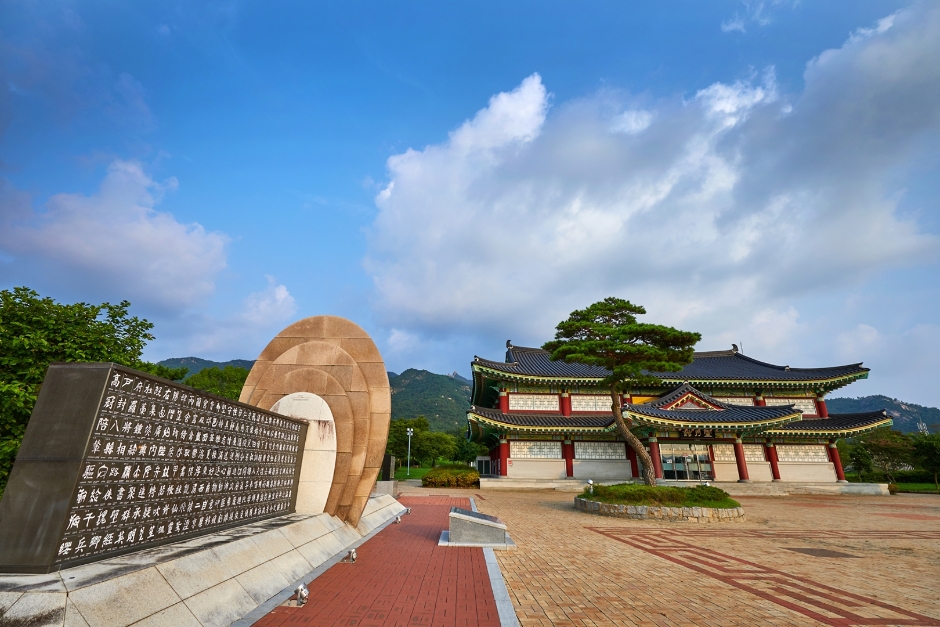
The hometown of Wangin Baksa (Wangin the Great Scholar) is located at the foot of Munpilbong Peak to the east of Gurim Village. Due to Wangin’s importance and contributions to Korean history, this historical attraction is preserved and maintained in honor of his memory and achievements. Seonggidong is the official birthplace of Wangin (marked by the Yuheobi memorial monument) and is also home to Seongcheon, the well Wangin is believed to have drunk from. Halfway up Wolchulsan Mountain are Chaekgul, Munsanjae and Yangsajae where Wangin is said to have studied as well as nurtured local pupils. To commemorate the significance of these areas, a memorial is held every March at Munsanjae and Yansanjae. In front of Chaekgul is a statue of Wangin which is said to symbolize his benevolent character. Just west of Seonggidong is Doljeonggogae, a hill from which it is believed Wangin made a sorrowful look back at his countrymen before leaving for Japan. Wangin departed for Japan from Sangdaepo, which at the time was an international trading port. The renowned Baekje scholar was beginning his journey at the request of Japanese Emperor Eungshin. He took with him ten books on the Analects of Confucius and a book of Cheonjamun, a text of one thousand Chinese characters. Over time, he earned the trust of the emperor and became instructor to the crown prince. Wangin is well-known for his part in the development of Japanese culture and his name appears often in Japanese history. Wangin educated beyond textbooks and made great contributions to the development of arts, crafts and music and is revered as the originator of Japan’s Asuka culture. This historic site was originally reconstructed from 1985 to 1987 and is continually receiving improvements to improve accessibility for visitors.
- Type
- Attraction
- Address
- 440 Wangin-ro, Yeongam-gun, Jeollanam-do
- Postal code
- 58434
- Phone
- +82-61-470-6643
- Opening hours
- Summer 09:00-18:00 / Winter 09:00-17:00
- Fees
- Confirm before visiting
- Parking
- Available (150 parking spaces)
- Updated
- 2024-01-10
- Data last synced
- 2026-06-25
Best for
- First-time visitors comparing Korea places by area.
- Travelers who need official address and map context.
- Visitors building a day route with nearby attractions.
Visitor tips
- 1
Check current opening hours, tickets, reservations, and holiday notices before visiting Historical Site of Wangin (왕인박사 유적지).
- 2
Save the Korean address and nearest station or landmark before leaving your hotel.
- 3
Prepare a taxi destination card if you are arriving late, carrying luggage, or traveling with family.
Directions and official information
Open this location in Google Maps. Confirm official access details before visiting.
External sites open in a new tab.
Address tools
Use these tools when a taxi driver, hotel, shopping form, or delivery service needs a Korean address, postal code, phone number, or destination card.
Historical Site of Wangin (왕인박사 유적지) FAQ
Where is Historical Site of Wangin (왕인박사 유적지) located?
440 Wangin-ro, Yeongam-gun, Jeollanam-do
How can I check current opening information?
Use the official tourism or place website before visiting because operating information can change.
How do I find nearby places?
Return to the Korea travel list to explore more official attractions and destinations.
Can I rely on this page as official information?
No. Use ComeKR as practical travel guidance and confirm opening hours, prices, reservations, transport details, and notices with official or provider sources before visiting.