TRAVEL IN KOREA
Korea Museums, Galleries and Cultural Venues
Find Korea museums, galleries, performance venues, and cultural experience centers from official tourism listings.
Data last synced: 2026-06-25. Some details may change. Please confirm official information before visiting.

10y Ground (10년후그라운드)
1 Yangchon-gil, Nam-gu, Gwangju
10y Ground, also known as 10 Years Later Ground, was originally built in 1969 as a church and gymnasium. It was later transformed into Eunseong Kindergarten in 1975. For over 50 years, it has served as a learning space that nurtured countless dreamers, preserving layers of memories and history across generations. Now reimagined as a village concierge in Yangnim-dong, the space offers a range of unique, locally rooted experiences found only in the area. It brings together diverse knowledge-based services, including education, community, and publishing, as well as food experiences that introduce new lifestyles. A variety of cultural and artistic programs are also available to enrich everyday life. 10y Ground hosts events and gatherings, operates docent tours and hands-on art programs, and features a curated selection of local goods. Signature beverages, including the 1890 Vienna latte and a classic Americano, are also available.
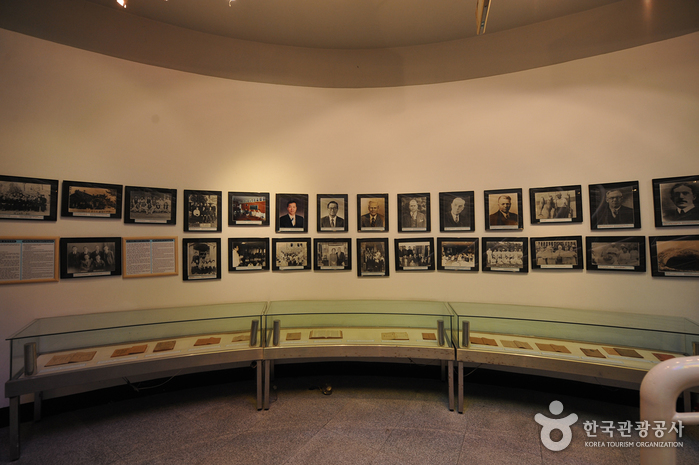
Aeyangwon Church - Reverend Son Yangwon Martyr Memorial Hall) (애양원 - 손양원목사 순교기념관)
70-62, Sandol-gil, Yeosu-si, Jeollanam-do
Located in Sinpung-ri, Yulchon-myeon, Yeosu-si, Jeollanam-do, Aeyangwon Church (Reverend Son Yangwon Martyr Memorial Hall) commemorates Reverend Son Yangwon. He began his religious activities and relief efforts at a group home for patients suffering from Hansen's Disease located in Aeyangwon Church, but he was later detained at Yeosu Police Office because he refused to honor Japanese Shinto shrines in 1940. The Memorial Hall's construction was completed on March 27, 1994 in order to commemorate Son Yangwon, who was shot and killed by the North Korean army during the Korean War. The exhibition hall on the first floor displays photos of Son, photos related to Christianity, keepsakes and calligraphy artwork, and the exhibition hall on the second hall displays his prison writings and old books.
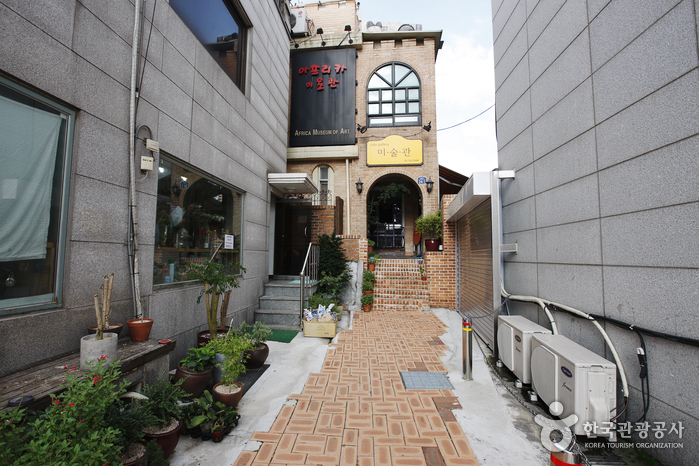
Africa Museum of Art (아프리카미술관)
24-1, Samcheong-ro, Jongno-gu, Seoul
The Africa Museum of Art was established with the purpose of hosting various art festivals and providing the grounds for researching various art themes. A major principle of the gallery is to promote works of art that actively attempt to explore the human mind.
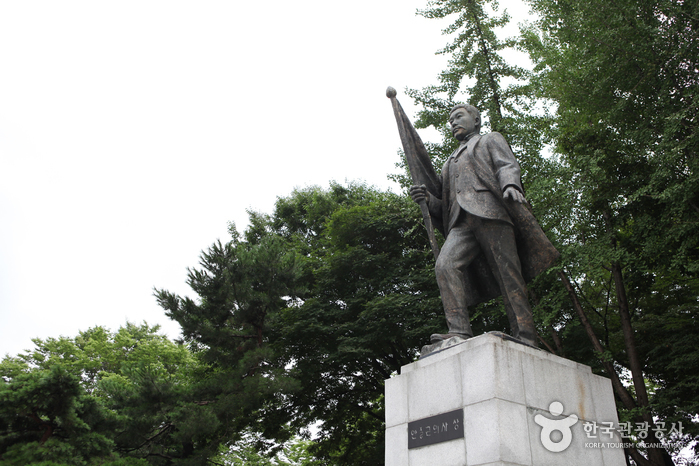
Ahn Junggeun Memorial Museum (안중근의사기념관)
91, Sowol-ro, Jung-gu, Seoul
The Ahn Junggeun Memorial Museum honors the memory of Ahn Junggeun (1879-1910), an independence activist and soldier who advocated for Korean independence and peace in Asia. He fought against the Japanese to defend the Korean Empire (1897-1910). He was executed in 1910 for assassinating Hirobumi Ito, the Japanese who led the invasion of Korea in 1909, in Harbin, China.
Alive Museum - Jeju Island Jungmun Branch (박물관은 살아있다 (제주중문점))
42, Jungmungwangwang-ro, Seogwipo-si, Jeju-do (Saekdal-dong)
"Alive Musuem" is a cultural playground, consists of five themes namely - optical illusion art, media art, object art, sculpture art and provence art, where imaginations can be turned into reality. Visitors can participate actively and take many interesting pictures while posing with the art in a variety of fun and unique ways.
![Alive Museum (Insa-dong Branch) [박물관은 살아있다(인사동점)]](http://tong.visitkorea.or.kr/cms/resource/27/3109227_image2_1.JPG)
Alive Museum (Insa-dong Branch) [박물관은 살아있다(인사동점)]
(B1 and B2, Daeil Building), 12, Insadong-gil, Jongno-gu, Seoul
The Alive Museum is a media theme park located in Insa-dong. The exhibition here is made up of optical illusion art, large objet, and digital media pieces, which allow you to delve into the land of mystery. It is made up of different sections like the Insadong Photo Studio, Game Village, and the Toy Village.
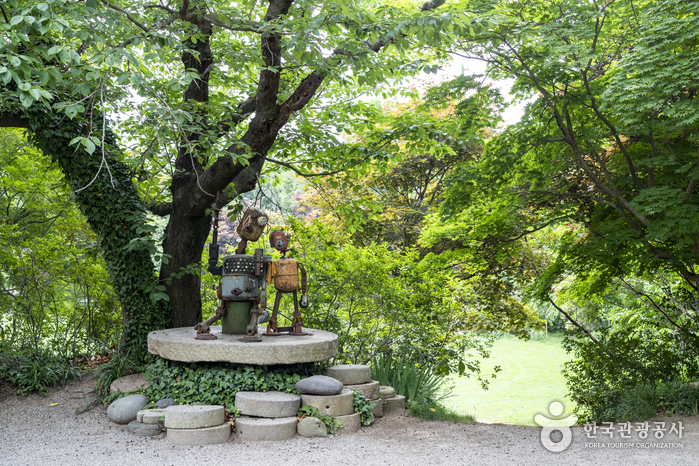
AMI Art Museum (아미미술관)
753-4 Nambu-ro, Sunseong-myeon, Dangjin-si, Chungcheongnam-do
AMI Art Museum is a private art museum opened in the previous Yudong Elementary School building. The museum aims to preserve traditional culture and the current natural environment through exhibiting local architecture, culture, customs, and lifestyles as they are. The museum breaks away from simple exhibitions through the creation of new content to revitalize museum culture.
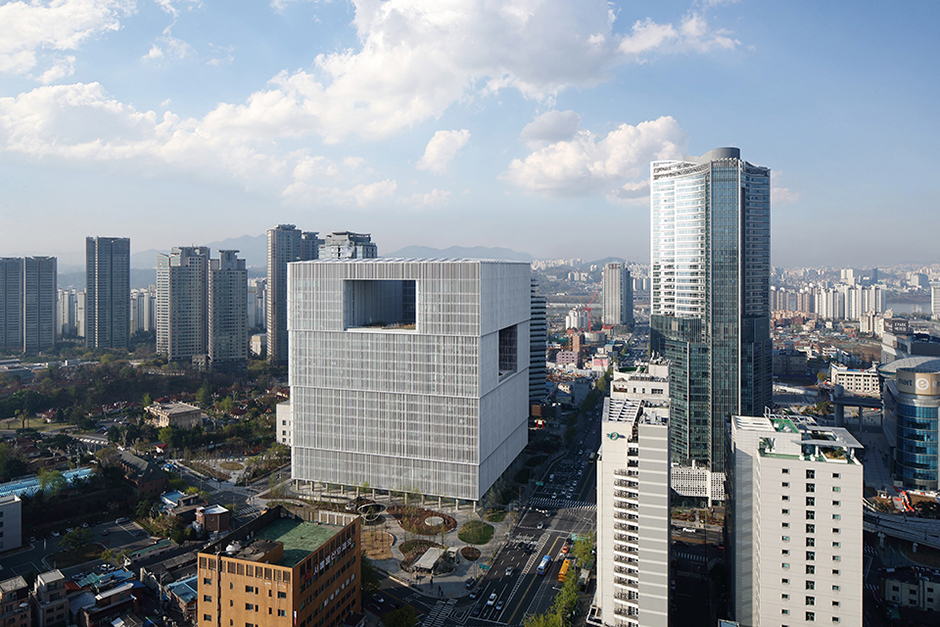
Amorepacific Museum of Art (아모레퍼시픽미술관)
100 Hangang-daero, Yongsan-gu, Seoul
Amorepacific Museum of Art, located in Yongsan-gu, Seoul, was originally a museum exhibiting artworks collected by the late Seo Seong-hwan, the founder of Amorepacific, but later changed its name to Amorepacific Museum of Art, or APMA, in 2009 and has since been operating as an art exhibition hall. The mission upon its foundation was seeking to be "a space where beauty in the midst of daily lives is discovered" and communicating with the public. In accordance with this objective, the museum collects, researches, and exhibits Korean ancient art and both Korean and international contemporary art while, also, aiding researchers, scholars, and young artists. The underground exhibition hall hosts diverse exhibits encompassing ancient art, contemporary art, and Korean art. The 1st floor of the "Atrium," an enormous space that continues from the 1st to 3rd floors, features the museum lobby, a museum shop, an exhibition space called "APMA Cabinet" and apLAP, which is a library of art exhibition brochures from around the world. The art museum is located on the 1st floor of the new Amorepacific headquarters building, a famous work of architectural beauty of Yongsan designed after white porcelain.
Amsa-dong Prehistoric Site Museum (암사동선사유적박물관)
875 Olympic-ro, Gangdong-gu, Seoul
The archaeological sites in Amsa-dong, Seoul, were a collective settlement where people lived during the Neolithic Age about 6,000 years ago and became known to the world after the sand dunes along the Hangang River caved in during the great flood of 1925, exposing numerous pieces of comb-patterned pottery. The area designated as a historic site in 1979, and excavation of the site took place from 1981 to 1988. The cultural heritage protection area was expanded to a total area of 78,133㎡. Currently, nine Neolithic dugout huts and one experiential dugout hut have been restored. The exhibitions currently open to the public are Exhibition Hall 1, which displays a restoration of a Neolithic Age dugout, and Exhibition Hall 2, which displays various panels and models to help understand the prehistoric era as a whole.
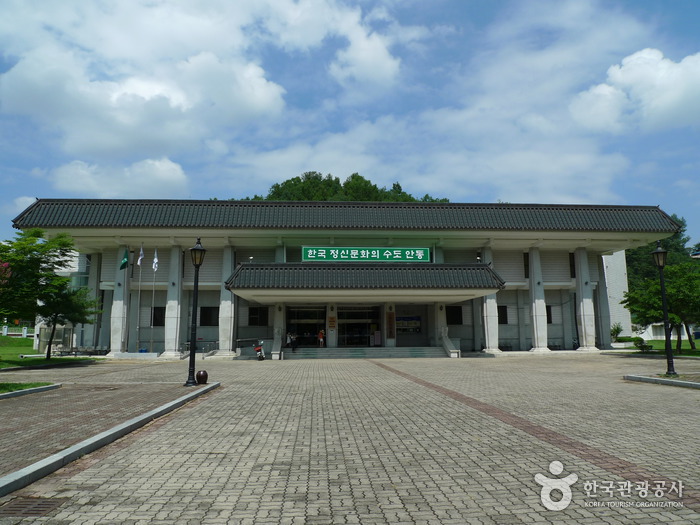
Andong Folk Museum (안동민속박물관)
13, Minsokchon-gil, Andong-si, Gyeongsangbuk-do
Andong Folk Museum is located within the Andong Dam Folk Village, a collection of houses and items collected before being submerged after the creation of the dam. The museum preserves and educates visitors on folk, Buddhist, and Confucian cultures. The museum is divided into an indoor section and an outdoor section. The indoor section in particular focuses on the unique cultural aspects of Andong through various exhibitions, as well as in the video screening room. The outdoor section features nearly 20 traditional structures, including hanok houses and old ice storage rooms, providing a closer look at the lifestyle of the past.
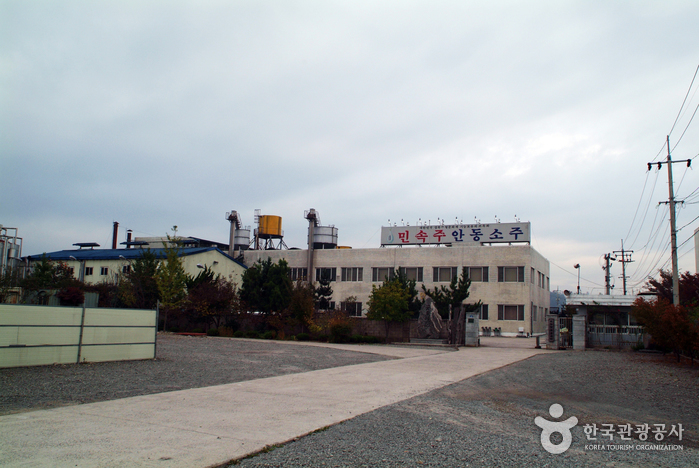
Andong Soju & Traditional Food Museum (안동소주·전통음식 박물관)
71-1, Gangnam-ro, Andong-si, Gyeongsangbuk-do
Andong Soju & Traditional Food Museum was established in 1995 to promote and pass down the history and cultural characteristics of Andong Soju (Gyeongsangbuk-do Intangible Heritage). Andong Soju is a liquor distilled from wheat with 45 percent ABV that originated during Silla period. This regional liquor became widely known outside of Andong when the Korean government strongly supported the development of regional liquors in anticipation of the Asian Games in 1986 and Seoul Olympic Games in 1988.
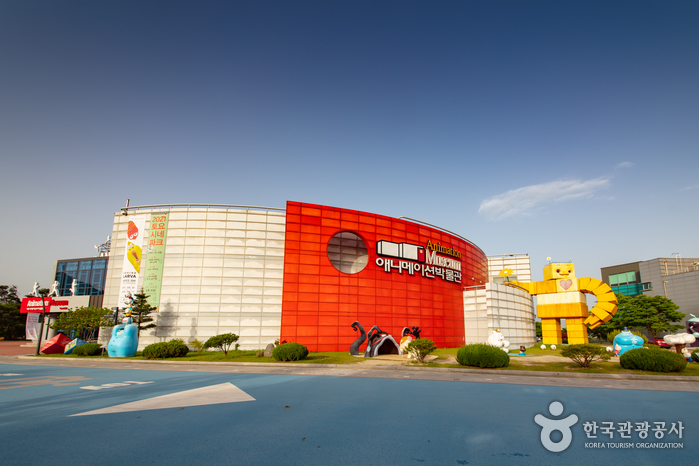
Animation Museum & Toy Robot Studio (춘천 애니메이션박물관&토이로봇관)
854 Baksa-ro, Seo-myeon, Chuncheon-si, Gangwon-do
The Animation Museum, which researches, collects, preserves, and exhibits materials related to animation, opened on October 1, 2003. It features sections introducing the origins, birth, and development of animation, as well as different animation genres, production techniques, and the animation-making process. Visitors can also explore the history of animation-related technology, the development of Korean animation, and the history of world animation, along with hands-on experiences such as creating sound effects and dubbing for animation. The Toy Robot Museum can be visited together with the Animation Museum. This space offers interactive experiences with a wide variety of robots. Robots, like animation, are industries that have grown out of human creativity and imagination. Visitors can see robots familiar from childhood animated films and take part in activities involving drones, spider robots, RC cars, and other technologies, providing an engaging introduction to the world of IT.
Anmyondo Jurassic Museum (안면도 쥬라기박물관)
37-20 Gomseom-ro, Nam-myeon, Taean-gun, Chungcheongnam-do
The Anmyondo Jurassic Museum is a natural history museum boasting Korea's largest collection of dinosaur fossils. Its collection features dinosaur specimens such as Diplodocus and Tyrannosaurus, along with dinosaur eggs, sourced from the United States and Argentina. Nearby attractions include Anmyondo Jurassic Park, a meteorological observatory, and various accommodations such as pensions.
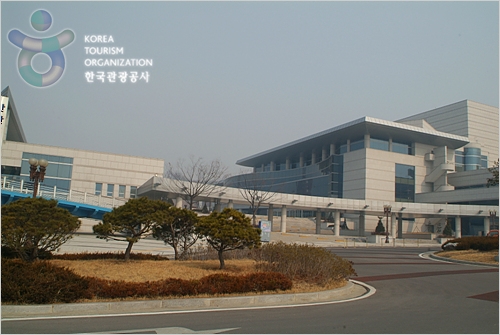
Ansan Arts Center (안산문화예술의전당)
312, Hwarang-ro, Danwon-gu, Ansan-si, Gyeonggi-do
The Ansan Arts Center officially opened on October 2, 2004, following its success at the Ansan Yeormio Festival and Harmony Festival. The center boasts state-of-the-art stage facilities capable of holding any type of production orchestrated by Korean and international theater directors.
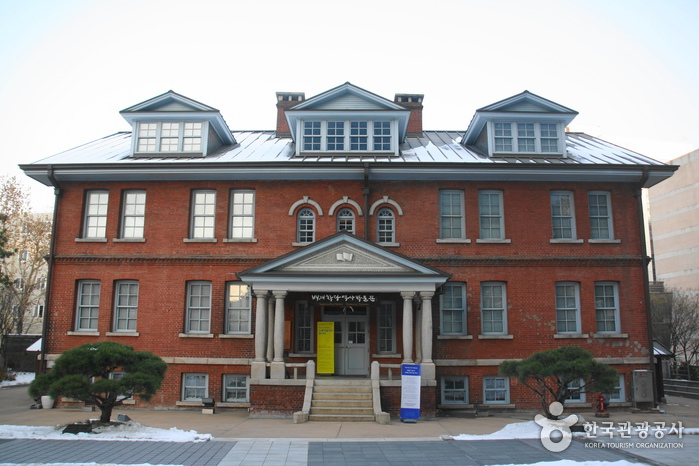
Appenzeller Noble Memorial Museum (배재학당 역사 박물관)
19, Seosomun-ro 11-gil, Jung-gu, Seoul
The Appenzeller Noble Memorial Museum is dedicated to Henry Gerhart Appenzeller, the missionary who opened the first Western-style educational institution in Korea in 1885. The school started with English and core subjects, but expanded into the Pai Chai University, Pai Chai High School, and Pai Chai Middle School and has many famous alumni, including Rhee Syng-man. The memorial hall opened in 2008 in the east wing of the original school building, which was built in 1916 and designated as a Seoul Monument. With dynamically arranged permanent exhibitions, annual special exhibitions and special lectures, the museum offers a unique learning experience to visitors and people with an interest in the history of education in Korea.

Aqua Planet Ilsan (아쿠아플라넷 일산)
282 Hallyu world-ro, Ilsanseo-gu, Goyang-si, Gyeonggi-do
Aqua Planet Ilsan is one of the largest aquariums in the metropolitan area and the first to incoporate an indoor zoo with an aquarium. Visitors can observe exotic land and marine animals from across the world. The aquarium also hosts a variety of events and performances to entertain and educate visitors about marine life.
About Korea Museums, Galleries and Cultural Venues
Active cultural venues across Korea — national museums, art galleries, traditional performance theaters, and hands-on cultural experience centers. These are distinct from heritage sites: cultural facilities are living, operating venues you can visit for exhibitions, performances, and workshops.
Culture FAQ
What is the difference between a cultural venue and a heritage site?
Cultural venues (this section) are active facilities — museums, theaters, galleries — where events and exhibitions happen. Heritage sites are historically designated locations protected by the National Heritage Administration. Both are worth visiting for different reasons.
Which museums are best for English-speaking visitors?
The National Museum of Korea (Yongsan), National Folk Museum of Korea (inside Gyeongbokgung), National Museum of Modern and Contemporary Art (MMCA), and Leeum Samsung Museum of Art all offer strong English signage and audio guides.
Can I see traditional Korean performances?
Yes. The National Gugak Center in Seoul offers regular performances of traditional music and dance. The Korea House near Namsan also runs evening dinner performances. Check official schedules before visiting as times vary.
Are there hands-on cultural experiences for tourists?
Many cultural centers offer paid workshops: kimchi-making, hanbok (traditional dress) fitting, pottery, hanji (Korean paper) crafts, and taekwondo demonstrations. Insadong, Bukchon, and Jeonju Hanok Village are good areas to look.
Plan your Korea trip
Korea travel FAQ
How do I use the travel search?
Enter a place or interest, then narrow the results by region, category or sort order.
Will my filters stay selected on the next page?
Yes. Your search and filter choices stay in the page URL while you move through the results.
Can I find directions to each place?
Place pages include an external Google Maps search when coordinates or an address are available.
Source: Korea Tourism Organization, official website (https://knto.or.kr).