TRAVEL IN KOREA
Korea Places to Visit
Find attractions, culture, festivals, stays, restaurants, shopping and travel courses for a clear Korea trip plan.
Data last synced: 2026-06-25. Some details may change. Please confirm official information before visiting.
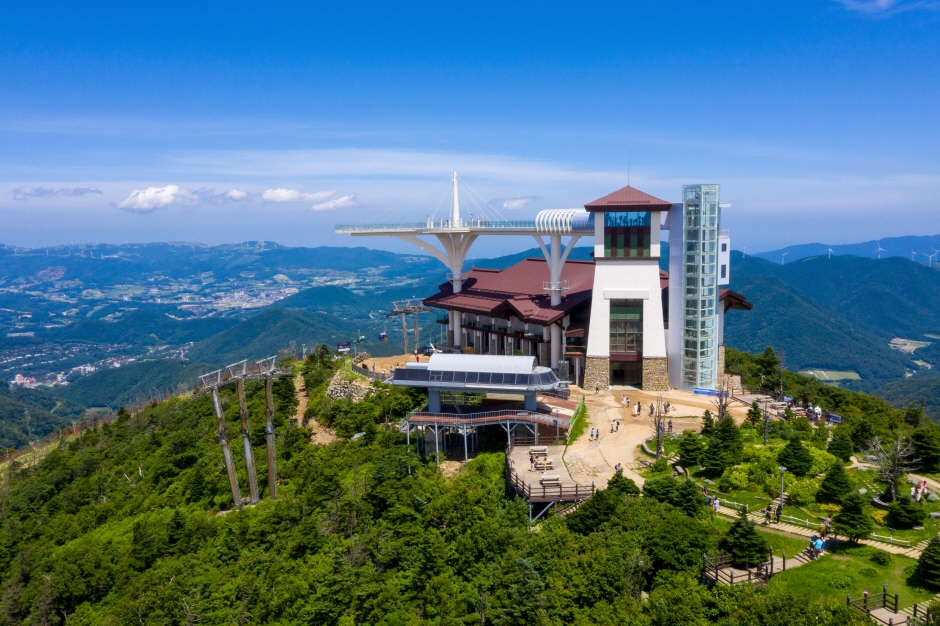
Mona YongPyong Mt. Balwangsan (모나 용평 발왕산)
715, Olympic-ro, Pyeongchang-gun, Gangwon-do
Mona YongPyong Mt. Balwangsan is located in Balwangsan Mountain, one of the major mountains in Pyeongchang-gun, Gangwon-do. Called a mecca for skiing in Korea, the resort opened the first ski resort in Korea in 1975. The resort was certified by the FIS for its capacity to hold international competitions, the second in Asia. Daegwallyong-myeon, where the resort is situated, has 250 centimeters of snowfall each year, and winter here is longer than in other regions. So visitors can enjoy skiing on slopes filled with natural snow. The resort also has a hotel, a condominium, a golf course, a water park, and the Balwangsan Cable Car. Balwangsan Mountain (1,458 meters from sea level), where Mona YongPyong Mt. Balwangsan is located, is an excellent eco-tourism destination, home to rare species of trees and wildflowers. Various wellness programs are available here, allowing visitors to enjoy the beautiful nature of the mountain. Visitors can listen to stories about the mountains and rare trees from forest guides; experience true relaxation through music therapy using a singing bowl (Tibetan meditation tool); or do some healing yoga, while surrounded by the clean nature of the mountain. Balwangsan Ki Skywalk, located at the peak, is the ideal spot to enjoy panoramic views of the area. Shuttle busses run regularly between the KTX Jinbu Station and the resort.
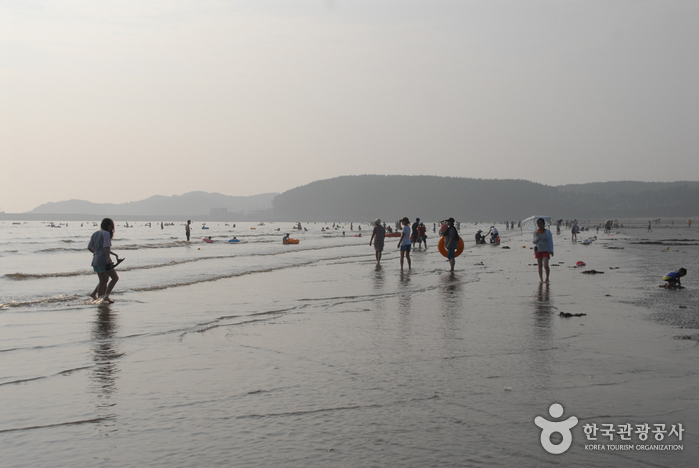
Mongsanpo Beach (몽산포해수욕장)
65-27, Mongsanpo-gil, Taean-gun, Chungcheongnam-do
Mongsanpo Beach, part of Taeanhaean National Park, stretches 18 kilometers southwest of Seosan, 9 kilometers south of Taean and along the west coast of the Nammyeon Peninsula. Mongsanpo's white sand beach is around 3 kilometers long and has a 5 degree tilt. The water is 1~2 meters deep with an average temperature of 22 degrees Celsius. The beach is surrounded by a dense forest of pine trees. The pine tree forest along the beach serves as a good auto-camping location to enjoy some fresh air and the natural beauty of the surroundings. During low tide, the muddy sediments deposited by the tide provide a place where people come to catch clams and mud crabs or as a field trip for children to learn the mudflat ecosystem. A 1-kilometer drive in the western direction while passing through the spectacular pine tree tunnel brings visitors to Mongdaepogu Port where a number of fishing boats are docked. Near the port, there are a number of small seafood eateries to enjoy freshly sliced raw fish at reasonable prices.
Montmartre Park (몽마르뜨공원)
59 Banpo-daero 37-gil, Seocho-gu, Seoul
Montmartre Park, situated above Seorae Village, earns its name due to the significant number of French residents in the vicinity. This small park exudes an atmosphere of art and romance, fitting its namesake. Adorned with poems and sculptures contributed by French poets and artists, the park also features busts depicting renowned figures like Vincent Van Gogh, Paul Gauguin, and Pablo Picasso. Towards the park's conclusion, Nue Bridge connects it to the Seoripul Neighborhood Park.
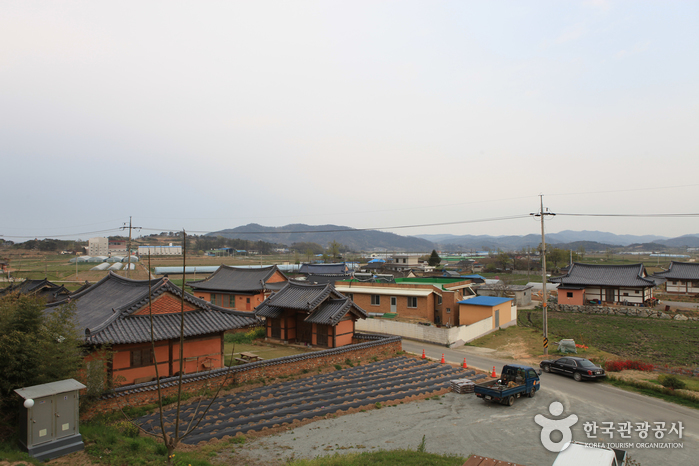
Mopyeong Village (모평마을)
80, Sangmo-gil, Hampyeong-gun, Jeollanam-do
Located in Hampyeong-gun, Jeollanamdo, Mopyeong Village is a scenic farming village that is rich in tradition and history. From the moment you start walking down the stonewall-lined path into town, this small village will capture your heart. The village’s important history (including its title as the origin of Hampyeong-gun of Jeollanam-do Province) is evident in everything you see: from the traditional houses to the 500-year old forest. The area is home to 27 historical and cultural sites and the beautiful Haebochoen Stream, which is shaded by over 40 different types of trees including zelkova trees, nettle trees, and willow trees. Some of the town’s traditional houses, which are about 80 years old, offer guesthouse accommodations to tourists. They include Mopyeongheon, Sopungga and Hisomun (a house made of yellow sod). In addition to the beautiful country scenery, there is a great selection of available programs that highlight the area’s specialties, including: mulberry-picking, silkworm-feeding and Korean traditional sauce-making. You can also visit a traditional watermill, which has been restored, and swim and splash around in the forest stream. Visitors are encouraged to try their hand at making green tea cakes at the traditional teahouse nearby. The area of Mopyeong is full of things to entertain visitors, including a number of attractions and special events. Some of the area’s most praiseworthy attractions are the Hampyeong Butterfly Festival, the Cluster Amaryllis Festival in Yongcheonsa Temple, the Chrysanthemum Festival, and the Hampyeong Eco Park and Folk Museum. Other towns well worth a visit in the Mopyeong area are Hamo Maeul, Ungok Maeul and Wonsan Maeul. A stay at Wonsan Maeul gives visitors a chance to experience firsthand the reality of an agricultural lifestyle by doing some activities like mulberry-picking. For a more low-key trip, make your way over to Ungok Maeul, where you can enjoy the fantastic scenery at the lake or take a relaxing walk along the hiking trails of Mt. Wolyangsan.
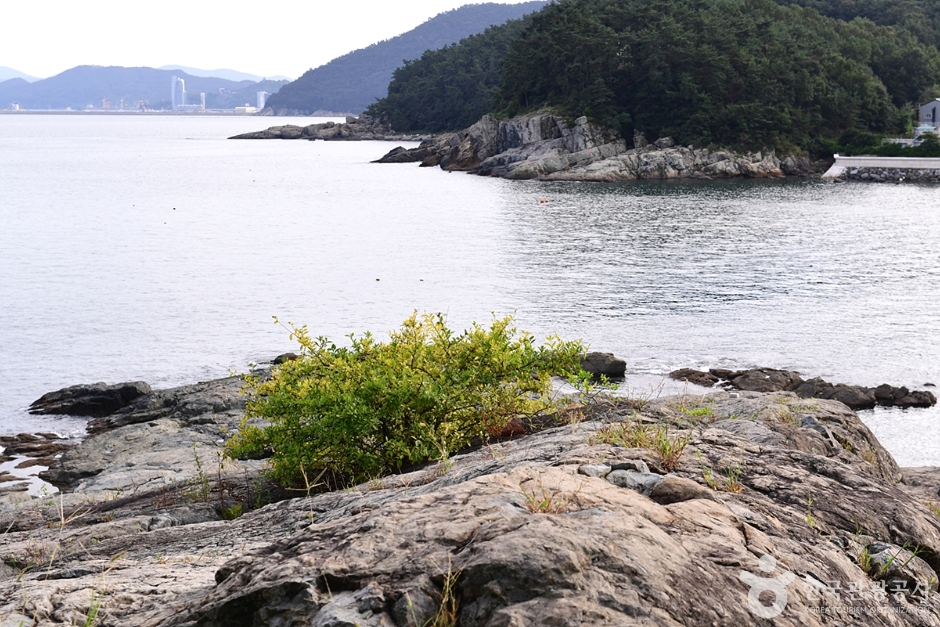
Mosageum Beach (모사금해수욕장)
Ocheon-dong, Yeosu-si, Jeollanam-do
Mosageum Beach is a beach located on Odongdo Island within the Hallyeohaesang National Park. With a pristine shoreline stretching 225 meters, it offers shallow waters and clean seawater, perfect for swimming. Surrounded by beautiful scenery and offering a tranquil atmosphere, it's an ideal destination for a relaxing vacation during the peak season. The coastal road around the beach is also famous for its sunrise views.

Mosan Airfield (모산비행장)
Goam-dong, Jecheon-si, Chungcheongbuk-do
BTS‘EPILOGUE Young Forever’ This is the endless runway where the 7 members of BTS walked side by side. It was built for flight training in the past, but is now being used as a public park. Depending on the season, there is a flower field where sunflowers, verbena, crape myrtle, and pink muhly are in full bloom, so it is perfect for viewing and taking pictures. There are cafes around the runway to add a break to sightseeing.
MS Eye Clinic (엠에스안과의원)
2F, 189 Sinbanpo-ro, Seocho-gu, Seoul
MS Eye Clinic has attracted international patients by establishing MOUs with several countries. The clinic has nine branches across Korea, with potential for further development. The clinic offers improved K-medical services through non-discriminatory treatments and prices for both domestic and overseas patients. It takes pride in its medical expertise and technological power with its university and general hospital partners, which have MOUs with the clinic and refer patients who require surgery to the clinic. To provide better medical services, the clinic has examination and surgical equipment and surgical staff members of university hospital-level or higher. One of the merits of the clinic is that it provides general outpatient care in addition to treatments for presbyopia/cataract surgery, Silk SMILE LASIK, Dream Lenses, dry eye syndrome, retinal diseases, and oculoplastic surgery.
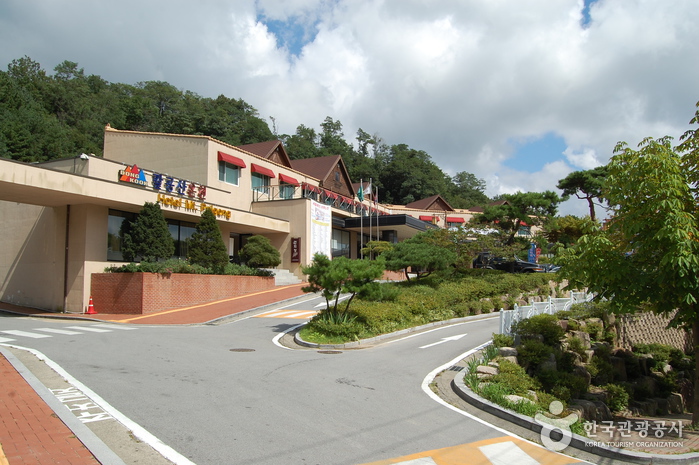
Mt. Palgong Hot Spring Tourist Hotel (팔공산온천관광호텔(온천))
11 Palgongsan-ro 185-gil, Dong-gu, Daegu
Mt. Palgong Hot Spring Tourist Hotel is nestled near Birobong Peak of Palgongsan Mountain. It features a hot spring bath with sodium chloride alkaline water (pH 8.0), sourced from 687 meters below the granite surface of a nearby valley. The spring water, at a temperature of 28.9 ℃, is renowned for its properties that soothe the skin, enhance blood circulation, and relieve fatigue. The facility includes hot and cold baths, jet benches for water massages, a sauna, and open-air baths. Additionally, the surrounding Palgongsan Mountain area boasts numerous tourist attractions, including Donghwasa Temple, a cable car, and various hiking trails.
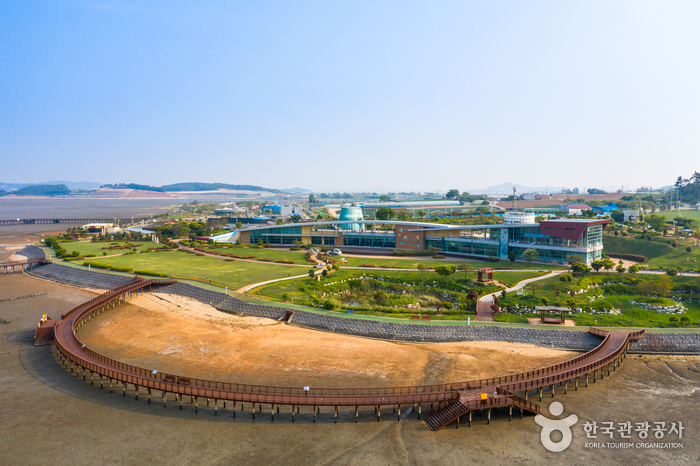
Muan Ecological Tidal Flat Land (무안황토갯벌랜드(구 무안생태갯벌센터))
36, Mansong-ro, Muan-gun, Jeollanam-do
Muan Ecological Tidal Flat Land in Muan, Jeollanam-do was established in an effort to raise awareness of the ecology and importance of natural wetlands. It is the nation’s largest educational center for natural ecology. In addition to the main research center, visitors can enjoy a variety of exhibitions and experiences, ranging from bonzai plants to structures made with red clay bricks, and convenience facilities such as restaurants and cafes.
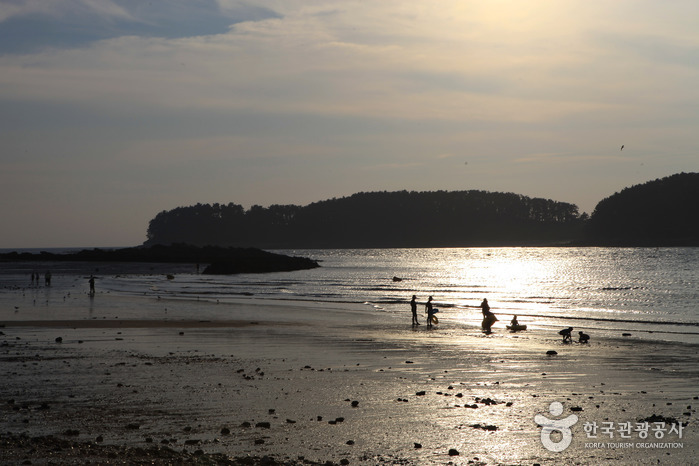
Muchangpo Beach (무창포해수욕장)
10 Yeollinbada 1-gil, Boryeong-si, Chungcheongnam-do
Muchangpo Beach was a military site during the Joseon dynasty and was the first beach to open on the west coast in 1928. The beach has a length of 1.5 kilometers and x_width of 50 meters. The water level is 1-2 meters and the water temperature is approximately 22 degrees Celsius. The surrounding pine forest is lush and beautiful. In particular, there is a fishing spot with a large rock formation in front of the beach. For one to two days each month, there is a phenomenon known as "Moses' Miracle," where the tides subside and reveal a 1.5-kilometer-long path in the middle of the sea. This mysterious sea road was thought to only appear during summer, however it was later revealed that it actually occurs every lunar month. In 1996, the beach was open to the general public. The red lighthouse towering at the end of the long breakwater is as impressive as a picture. The pretty pensions right in front of the sandy beach add to the scenery. Also, Daecheonhang Port is a 20 minutes drive away, and there visitors can enjoy fresh seafood and grilled shellfish at an affordable price.
Mudeungsan Lift Monorail (Jisan Park) (무등산 리프트모노레일 (지산유원지))
14-10 Jiho-ro 164beon-gil, Dong-gu, Gwangju
To use the lift and monorail located at Jisan Park in Gwangju, visitors can purchase a ticket at the ticket office in the convenience store on the first floor and go up to the boarding area on the second floor. Get on the lift with a track length of 745 meters and an operating speed of 12 m/sec and climb for about 20 minutes while enjoying the scenery of Mudeungsan Mountain to arrive at Bitgoeul Station. From here, visitors can transfer to the monorail. Passengers can feel the thrill of riding toward the top on a monorail which can accommodate about 20 people at a time. A spectacular view of Mudeungsan Mountain will unfold in all directions. The view of Gwangju from Palgakjeong Observatory at the end of the monorail is a beautiful sight that visitors to Gwangju must see at least once as it is a famous attraction to enjoy the view of Gwangju.

Mudeungsan National Park (Gwangju) (무등산국립공원(광주))
Geumgok-dong, Buk-gu, Gwangju
Mudeungsan National Park is a mountain park lining the edge of Hwasun-gun, Damyang-gun and Gwangju. Mudeungsan Mountain (1,186 meters) features three rock peaks called Cheonwangbong, Jiwangbong, and Inwangbong, also known as the "Jeongsang Three." Mudeungsan Mountain's gradual slope makes it an easy climb for all. Among the more majestic of these sites are the Seoseokdae, Gyubong, and Ipseokdae peaks. At the base of the mountain are several famous temples including Yaksasa, Jeungsimsa, and Wonhyosa Temples. Mudeungsan Mountain is also known for its beauty throughout the year. The autumn leaves around Gyubongam Hermitage and silver grass of Baengma Ridge are quite spectacular. In winter, snow and ice on the mountain create exquisite scenery as well. Below the mountain, there are a variety of recreational facilities and tourist sites for visitors.
Mudiocean Inc. (주식회사 뮤디오션)
4F, 7 Bongeunsa-ro 49-gil, Gangnam-gu, Seoul
Mudiocean Inc., is a professional medical tourism agency that has successfully launched the Holistic Beauty Tour, a tourism brand. It started as an IT-based AI solution provider and later transformed itself into a tourism startup by obtaining a venture business certification and a tourism venture business certification (for businesses in their early phase). Based on this, the company provides differentiated services by combining IT and medical tourism services. Mudiocean Inc., is currently engaged in various activities to promote the superiority of Korean medical tourism around the globe, particularly focusing on attracting Chinese tourists. The company actively participates in medical tourism events in Thailand, Japan, Indonesia, etc., to expand its presence in the global market. Moving forward, Mudiocean Inc., will recommend business models that combine Korean medical services and tourism. The company will strive to provide the best experience for domestic and overseas customers.
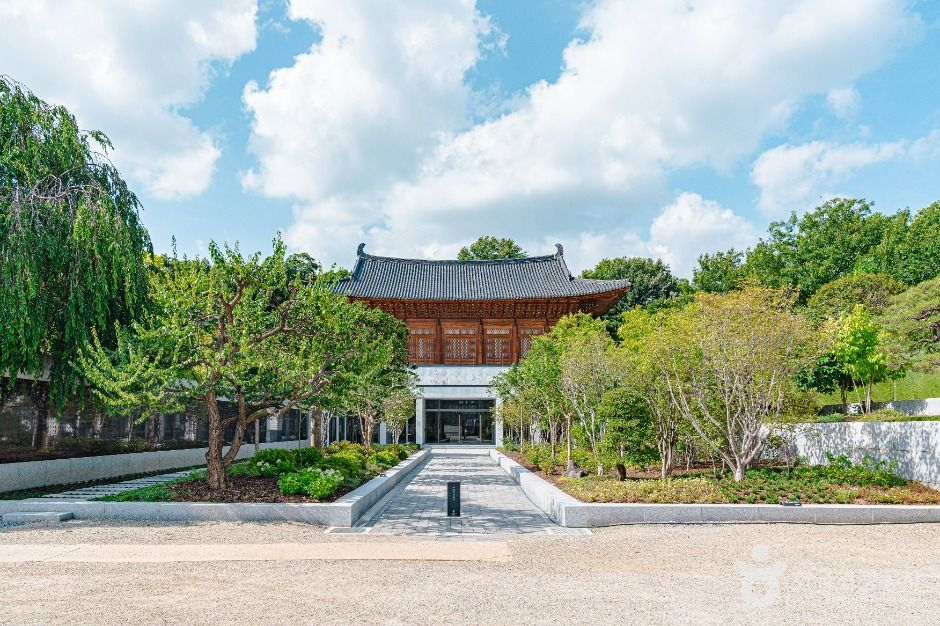
Mugaksa Temple (무각사)
230, Uncheon-ro, Seo-gu, Gwangju
Nestled at the foot of Yeouisan Mountain in the business center of Gwangju, Mugaksa Temple is an urban Buddhist Temple. Unlike other urban Buddhist Temples, Mugaksa Temple has all the elements of a traditional temple. The temple is used as a cultural resting area and artistic spot for meetings without any religious barrier. The temple is also the starting point of the 2 kilometer walking trail to the 5.18 Memorial Park, leading to a constant flow of visitors.
Mujinjeong Pavilion (무진정(함안))
25 Goesan 4-gil, Haman-gun, Gyeongsangnam-do
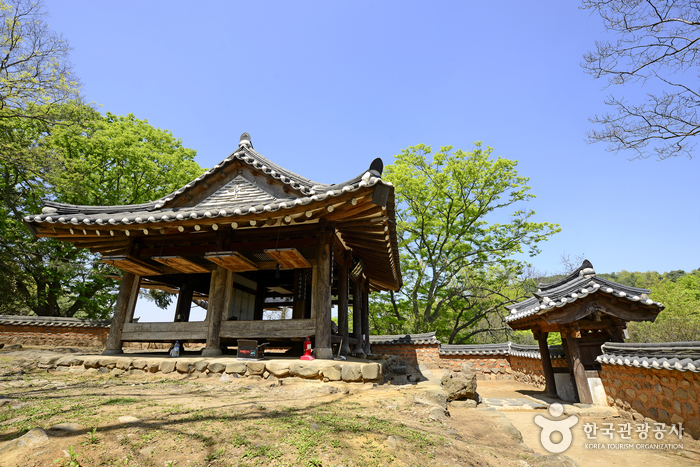
Mujinjeong Pavilion was built atop a hill to enjoy the surrounding scenery. It was built in 1567 by the descendants of Mujin in honor of his memory. Mujin passed the government officer exam in 1483 and was promoted in 1507. The pavilion is built with three kan (space between pillars) in the front and two kan on the side, and a gabled roof. The floor is raised off the ground. There are no decorations on atop the pillars, showcasing the style during the early Joseon period.
Muju Anguksa Temple (안국사 (무주))
1050, Sanseong-ro, Muju-gun, Jeonbuk-do
As the only temple in Jeoksangsan Mountain, Anguksa Temple was built in 1227 (during the 3rd year of King Chungryeol’s reign) by Monk Wolin. A secret historical archives, called Sagak, was built to store Joseonwangjo Sillok (annals of the Joseon dynasty) in 1614 (during the 6th year of King Gwanghaegun’s reign) within the mountain, while Seonukgak was built in 1641 (during the 19th year of King Injo’s reign) to store Seonwonrok (royal genealogical records). The two sites were designated as Jeoksangsan Historical Archives during the Joseon dynasty. Hoguksa Temple was also built at that time to prevent accidents from affecting the archives. The temple, along with the existing Anguksa Temple, was used to house monk soldiers who protected the archives. Because of the construction of Muju Power Plant, Anguksa Temple was relocated to the Hoguksa Temple site and rebuilt in 1995. Consisting of 15 buildings, the temple is surrounded by Sanjeong Lake. Boasting exquisite fall foliage, the temple can be easily reached by vehicle along a paved road. The nearby attractions include Muju Resort and Muju Gucheondong Valley.
Plan your Korea trip
Korea travel FAQ
How do I use the travel search?
Enter a place or interest, then narrow the results by region, category or sort order.
Will my filters stay selected on the next page?
Yes. Your search and filter choices stay in the page URL while you move through the results.
Can I find directions to each place?
Place pages include an external Google Maps search when coordinates or an address are available.
Source: Korea Tourism Organization, official website (https://knto.or.kr).