TRAVEL IN KOREA
Korea Places to Visit
Find attractions, culture, festivals, stays, restaurants, shopping and travel courses for a clear Korea trip plan.
Data last synced: 2026-06-25. Some details may change. Please confirm official information before visiting.
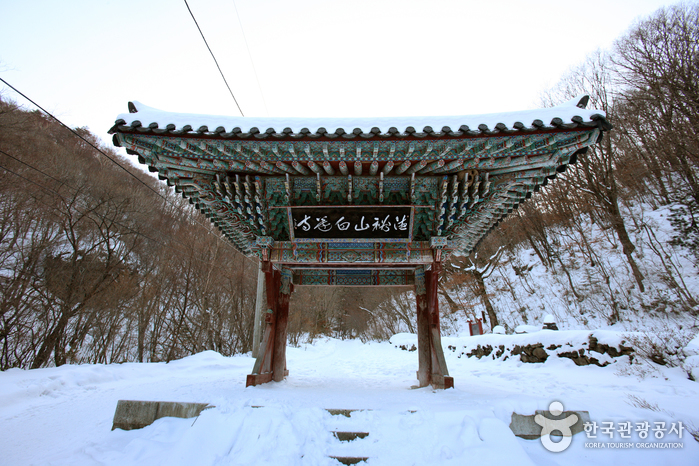
Muju Baengnyeonsa Temple (백련사(무주))
580, Baengnyeonsa-gil, Muju-gun, Jeonbuk-do
Baengnyeonsa Temple is located in the upper part of Gucheondong Valley on Deogyusan Mountain. It is said that during the Silla Kingdom, a white lotus flower bloomed here, and that's why the temple is called Baengnyeonsa (lit. White Lotus Temple). The temple is the only remaining temple out of 14 that were built in the Gucheon-dong area of Muju. After walking over Baengnyeongyo Bridge at the entrance of the temple, you will come to a stone stairway. At the top is the main sanctuary. The majesty and beauty of the main sanctuary is well complemented by the mountains. The Mokjosamjonbul Stone Buddha within the main building is presumed to have been built in the latter half of the Joseon dynasty. Past Myeongbujeon is Baengnyeonsa’s Sajeokbi tombstone, and the workmanship of the carved calligraphy is very highly regarded.
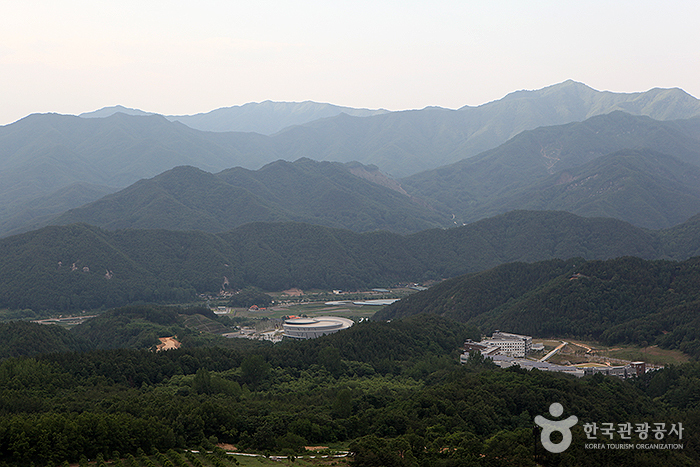
Muju Gucheong-dong Special Tourist Zone (무주구천동관광특구)
Seolcheon-myeon, Muju-gun, Jeonbuk-do
At the heart of the Muju Gucheondong Special Tourist Zone is Muju Gucheondong Valley. The outer parts of Deogyusan National Park and the mountain’s natural recreation forest are also part of the special tourist zone. The 30-kilometer-long Muju Gucheondong Valley is located to the north of Deogyusan National Park. The calm and soothing sound of the water flowing through a lush forest make this a great summer destination. The 33 scenic points of Gucheondong include Eunguam Rock, Haksodae Falls, Waryongdam Pond, Gucheon Waterfall and Yeonhwa Waterfall. In the summer, visitors can see the rare sight of fireflies in their natural habitat. The fall foliage in autumn and the winter snowscape are also quite exquisite. Within the vicinity of Muju Gucheondong is Muju Resort. The resort complex is made up of a family hotel, resort condominium and various recreational facilities where visitors can enjoy skiing, hiking, horseback riding and mountain biking. Visitors can take the gondola from the resort all the way up to Deogyusan Mountain’s Seolcheonbong Peak (1,520 meters). From, there, they can easily reach the summit at Hyangjeokbong Peak (1,614 meters). Taekwondowon, located near the Muju Gucheondong Special Tourist Zone, offers a hands-on Taekwondo experience program. Those who are interested in learning Taekwondo can take part in a 1-day program which includes a Taekwondo demonstration, a Taekwondo class (basic movements), and board breaking. [Muju Gucheondong Special Tourist Zone] Areas Covered: Mupung-myeon (Samgoe-ri) and Seolcheon-myeon (Samgong-ri and Simgok-ri) in Muju-gun, Jeollabuk-do Area size: 7,610,000 ㎡ Tourist Attractions: Deogyusan National Park, 33 Scenic Views of Muju, Gucheondong Valley, Muju Resort, forest park, Taekwondowon, Muju Hyanggyo (Confucian school), Baengnyeonsa Temple, Jeoksansanseong Fortress, etc.
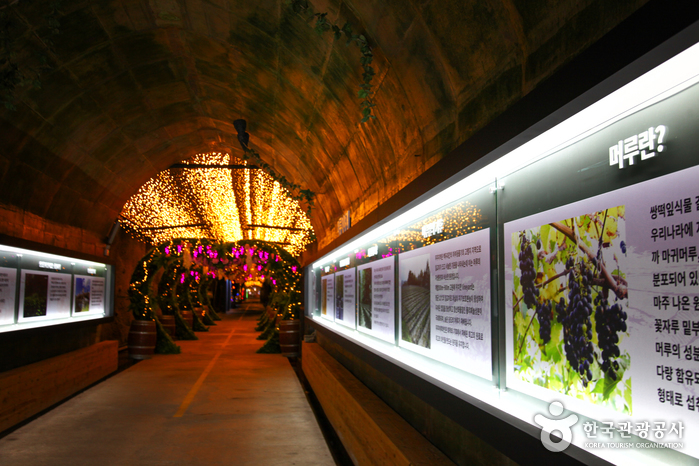
Muju Meoru Wine Cave (무주머루와인동굴)
359, Sanseong-ro, Muju-gun, Jeonbuk-do
Muju Meoru Wine Cave is surrounded by a beautiful natural landscape and various cultural heritages. The wine tunnel used to be an excavation working site to build the Muju Water Power Plant. The cave makes for an ideal place to mature and store wine as it blocks light and maintains a consistent temperature. Visitors can enjoy the taste and charm of sanmeoru (wild grape) wine and also experience a unique wine foot bath.
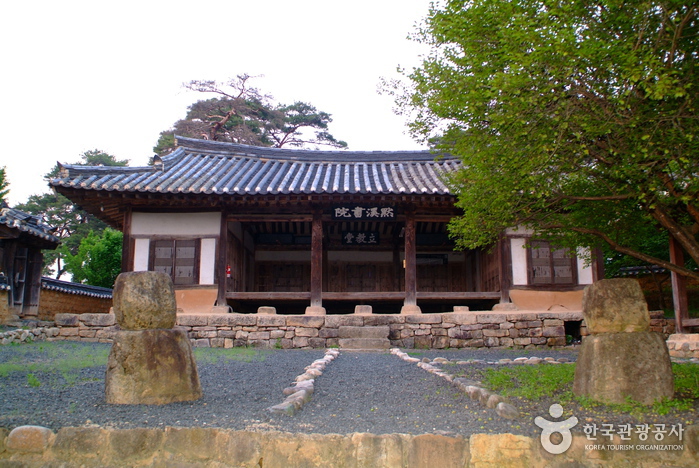
Mukgyeseowon Confucian Academy & Mukgye Head House of Andong Kim Clan (묵계서원 및 안동김씨 묵계종택)
1736-5 Chunghyo-ro, Giran-myeon, Andong-si, Gyeongsangbuk-do
Mukgyeseowon Confucian Academy was founded in 1687, but was mostly destroyed in 1869, leaving just the lecture hall behind. Recently, these removed buildings have slowly been rebuilt to restore the academy to its former glory. Mukgye Head House of the Andong Kim Clan is located near the Confucian academy and features a shrine to Bobaekdang, the founder of the academy. The house was built in a square shape with an open courtyard in the middle and has been maintained in good condition.
Mukho Lighthouse (묵호 등대)
300, Haemaji-gil, Donghae-si, Gangwon-do
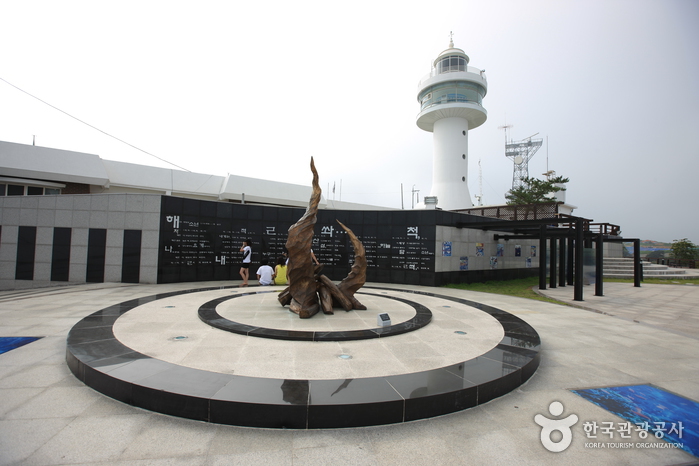
Established on June 8, 1963, Mukho Lighthouse serves as a guarding beacon of ships coming and going at Mukho port. Mukho Lighthouse is a 12 meter-tall white circular concrete structure with two floors located at an altitude of 67 m. It is surrounded by a cozy park where forsythias blossom in spring and visitors can overlook the sea. The park is home to the Maritime Fishing Exhibition Hall, where visitors can learn about the history of fishing in the area. The lighthouse and its surrounding area are full of quiet and comfortable spots to relax and enjoy the scenery. Because of its location, the lighthouse is absolutely crucial to the safety of ships and boats coming into the port. The lighthouse’s large light, installed in October 2003, was developed by Korean scientists and uses a rotating prism lens that can shine beams of light as far as 42 km.
Mulhyanggi Arboretum (물향기수목원)
211, Cheonghak-ro, Osan-si, Gyeonggi-do
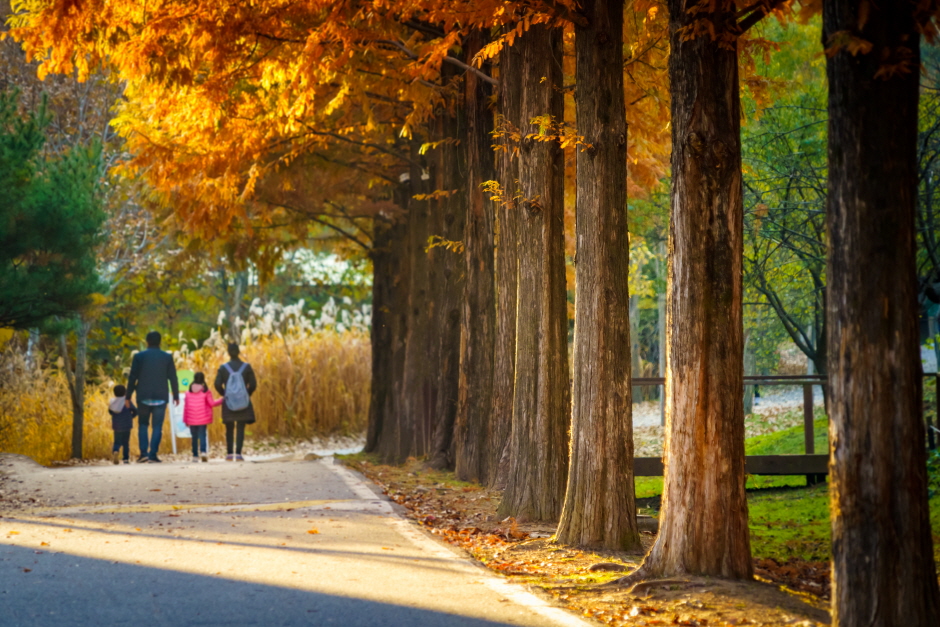
Mulhyanggi Arboretum is located in Sucheong-dong of Osan, Gyeonggi-do, known since the past to have clear flowing water. The arboretum is 34 hectare in size with 19 different themed gardens with over 1,920 different plants and flowers.
Mungwang Reservoir (문광저수지)
16 Yanggok-ri, Mungwang-myeon, Goesan-gun, Chungcheongbuk-do
Encircled by a 2-kilometer stretch of roads lined with ginkgo trees, this reservoir lies at the heart of Yanggok-ri, a quintessential small farming village. Its primary role is agricultural water supply, yet it doubles as a serene haven for both locals and tourists to stroll and reflect. Established in May 1978, this semi-valley reservoir boasts a rich, dense woodland and an array of ancient trees, contributing to its picturesque allure. The entrance is graced with an avenue of trees, which, come autumn, transforms into a golden canopy as the ginkgo leaves change hue. It’s a popular locale for families to convene, enjoying leisurely fishing and the peaceful surroundings.
Mungyeong Dansan Monorail (문경단산 모노레일)
Mungyeong-si, Gyeongsangbuk-do
Mungyeong Dansan Monorail allows riders to take in the beauty of the Baekdu Mountain Range that surrounds Mungyeong over a 3.6 km-long course. Dansan Mountain has been famous for its pure environment for a long time. More recently, the area has become known as a filming site for various dramas.

Mungyeong Eco World (문경에코월드)
114 Wangneung-gil, Gaeun-eup, Mungyeong-si, Gyeongsangbuk-do
◎ Travel information to meet Hallyu’s charm – TV series “Queen of Tears” This is the amusement park Da-hye visited with her family before parting ways. This park is loved by many family visitors because of its various attractions. As you walk through the park and enjoy the sights, you will undoubtedly recall the emotional scene from the drama, where Da-hye hesitated to leave and Soo-cheol’s heartfelt plea to hold onto her brought tears to the audience.
Mungyeong Omija Theme Tunnel (문경오미자테마터널)
1356-1 Mungyeong-daero, Maseong-myeon, Mungyeong-si, Gyeongsangbuk-do
Omija Theme Tunnel is located under Gomosanseong Fortress in Jinnamgyoban, Mungyeong. The Seokhyeon Tunnel, used to transport coal between Jeomchon and Mungyeong, was reborn as a 540-meter-long tunnel for tourism. In addition to cultural spots like the Starlight Tunnel and amazing trick arts, there are also craft shops where visitors can buy Omija, Mungyeong's specialty, and pottery. It is warm in winter and cool in summer because the average temperature is maintained at 15 to 18 degrees throughout the year.
Mungyeong Seonyudonggyegok Valley (선유동계곡(문경))
Wanjang-ri, Mungyeong-si, Gyeongsangbuk-do
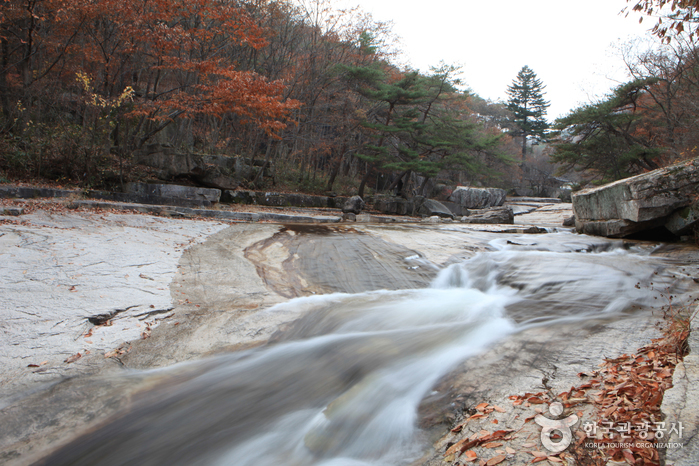
Seonyudonggyegok Valley in Mungyeong is longer and more beautiful than the valley of the same name in Goesan. Daeyasan Mountain (931 meters) runs across both valleys, which are 10 kilometers apart from each other. The valley is relatively untouched as it is not yet well known to the public. At the beginning and the end of the trail are Hakcheonjeong and Chirujeong Pavilions, respectively. Both sides of the valley are lined with thick forests of ancient pine trees. A number of stone carvings can be found in the forest, and the most famous one reads “Seonyugyegok.” It was written by Choi Chi-won, a leading scholar of the Silla kingdom.
Mungyeong Spa (문경종합온천)
24, Oncheon 2-gil, Mungyeong-eup, Mungyeong-si, Gyeongsangbuk-do (Mungyeong-eup)
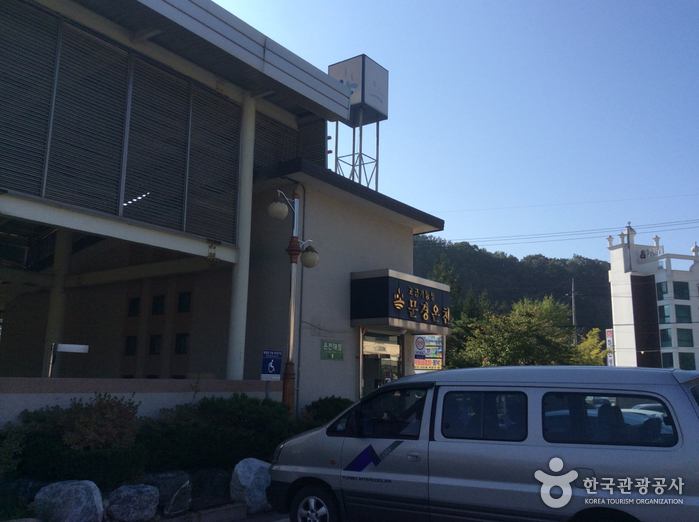
Mungyeong Spa is an enormous hot springs complex that first opened in March 2001 and is able to accommodate up to 2,500 visitors at one time, as well as up to 1,000 vehicles in the spacious parking lot. It offers two types of hot springs water. The yellow earth-colored hot springs water comes from 900 meters underground and the other hot springs water comes from 750 meters below the ground.
Mungyeongsaejae Open Set (문경새재 오픈세트장)
932, Saejae-ro, Mungyeong-si, Gyeongsangbuk-do
Mungyeongsaejae Open Set has been used for a variety of historical publications, including “Taejo Wang Geon (2000),” “Dae Jo Yeong (2006),” “Sungkyunkwan Scandal (2010),” “Moon Embracing the Sun (2012),” “Jeon Woo-chi (2012),” and “Masquerade (2012).” In 2008, the Goryeo Dynasty set was dismantled and redesigned into a Joseon-era set. Visitors can get a glimpse of life in the past through the replica houses and various structures throughout the open set.
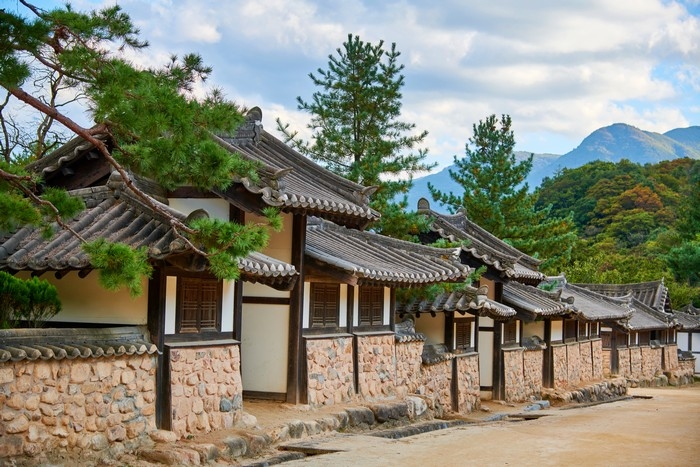
Mungyeongsaejae Open Set (문경새재 오픈세트장)
932 Saejae-ro, Mungyeong-si, Gyeongsangbuk-do
This open set is a filming location for popular historical dramas such as "Kingdom (2019)," "The Red Sleeve (2021)," and "The Moon Embracing the Sun (2012)," and is connected to Mungyeong Provincial Park. One of the most famous spots is the Gwanghwamun Set, which vividly embodies Gwanghwamun Gate. The set has various settings such as a hanok village, downtown area, and a common people's village, spread over a large site, making visitors feel as if they have traveled back in time to the Joseon dynasty.
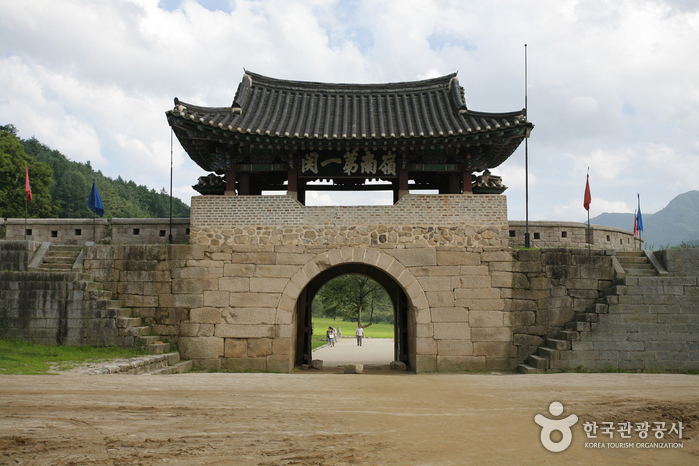
Mungyeongsaejae Provincial Park (문경새재도립공원)
932, Saejae-ro, Mungyeong-si, Gyeongsangbuk-do
Mungyeongsaejae Pass, which crosses Joryeongsan Mountain, has always been the highest and most dangerous mountain pass in Korea, being reputed to be too tall for even birds to fly over. The three gates of Juheulgwan, Jogokgwan, and Joryeonggwan were built for national defense after the Imjin War (1592-1598). These three gates are designated collectively as Historic Site No. 147. The area between the three gates was designated a provincial park in 1981. The path from the first gate to the last passes through beautiful forests and takes roughly four hours round-trip. Also located within the park boundaries is Mungyeongsaejae Open Set, used for filming historical dramas.
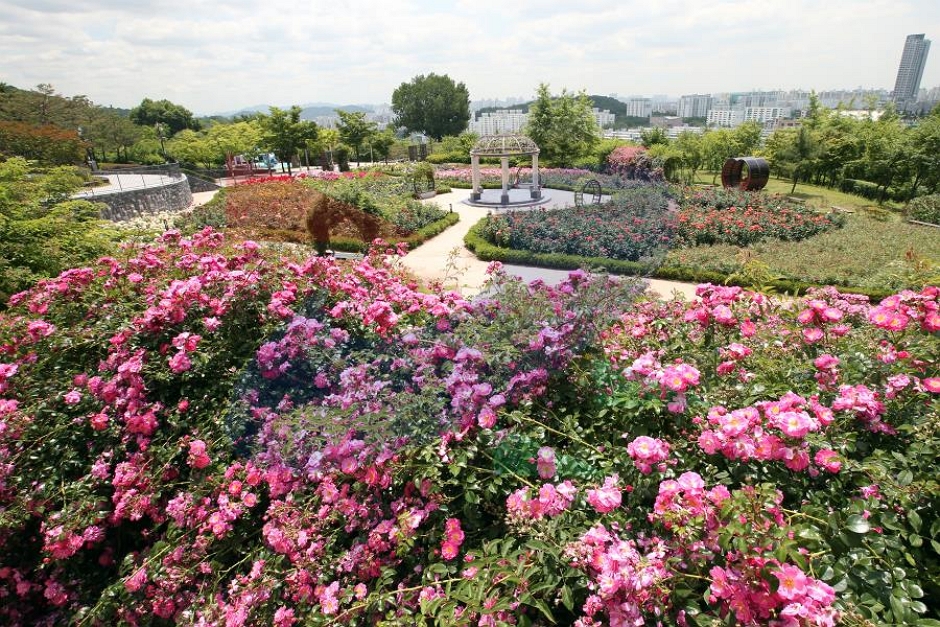
Munhak Rose Park (장미공원)
인천 연수구 연수동 137-40
Munhak Rose Park is situated at the base of Munhaksan Mountain. The park features a central rose garden boasting over 40 varieties of roses, alongside a pond, a lawn area, and multi-purpose sports facilities. It includes several photo zones, such as a rose-adorned staircase with trick art, a porch evoking a European garden, and an arched bench embellished with roses. The roses are in full bloom during May and June.
Plan your Korea trip
Korea travel FAQ
How do I use the travel search?
Enter a place or interest, then narrow the results by region, category or sort order.
Will my filters stay selected on the next page?
Yes. Your search and filter choices stay in the page URL while you move through the results.
Can I find directions to each place?
Place pages include an external Google Maps search when coordinates or an address are available.
Source: Korea Tourism Organization, official website (https://knto.or.kr).