TRAVEL IN KOREA
Korea Places to Visit
Find attractions, culture, festivals, stays, restaurants, shopping and travel courses for a clear Korea trip plan.
Data last synced: 2026-06-25. Some details may change. Please confirm official information before visiting.

Oegosan Onggi Village (외고산옹기마을)
36 Oegosan 3-gil, Ulju-gun, Ulsan
Oegosan Onggi Village was established when earthenware master Heo Deok-man settled in the area in 1975. The village today showcases a massive collection of various earthenware products, which creates a unique sight. Over 50% of the country's earthenware products are crafted at this village. The village also features several attractions for visitors to enjoy, such as the Ulsan Onggi Museum, which houses the largest earthenware pottery recognized by the Guinness Book of World Records; and the annual Ulsan Onggi Festival, with many diverse activity programs.
Oeongchihaebyeon Beach (외옹치해변)
596-2 Daepo-dong, Sokcho-si, Gangwon-do
Oeongchihaebyeon Beach is a small white sand beach with a length of 400 meters and a x_width of 50 meters, located between Sokchohaebyeon Beach and Daepohang Port. If you want to enjoy the peaceful waters of Sokcho, this is the place to go. The beach is open for swimming in the summer, and you can easily buy and enjoy freshly prepared raw fish from the nearby Oeongchi Port. Facilities such as restrooms and parking area are available.

Oeosa Temple (오어사(포항))
1 Oeo-ro, Ocheon-eup, Nam-gu, Pohang-si, Gyeongsangbuk-do
Oeosa Temple, located on Unjesan Mountain, is a historic Buddhist temple founded in the 7th century during the reign of King Jinpyeong of the Silla dynasty. Originally known as Hangsasa Temple, it is associated with the renowned monk Wonhyo. According to legend, the temple’s name, which can literally be translated as “My Fish Temple,” comes from a story in which Wonhyo and another monk competed to revive fish in a nearby stream through spiritual power. The oldest structure in the temple is Daeungjeon Hall, rebuilt in 1741 during the Joseon dynasty. The temple is home to important cultural treasures, including the Daeungjeon Hall.
Oganacell Dermatology Clinic (오가나셀피부과의원)
(2nd Floor, Building A, Cheongdam Square), 420 Dosan-daero, Gangnam-gu, Seoul
Oganacell Dermatology Clinic provides 1:1 personalized skin revision. Oganacell Dermatology Clinic aims for ‘skin revision’ for ideal skin conditions that naturally become healthy from their root, rather than temporal improvement with simple cosmetic procedures. Our dermatologists are skilled specialists who have been studying skin for over 10 years. With their treatment experience and know-how, they perform treatments suitable for each customer's skin condition, ensuring high reliability and satisfaction. We have premium laser equipment supporting the sophisticated technology of Oganacell specialists. Our dermatologists prescribe the most necessary treatment for each individual after diagnosing the skin, and provide customized and specialized medical services using high-spec & high-performance premium equipment.
Ogeum Park (오금공원)
363 Ogeum-ro, Songpa-gu, Seoul
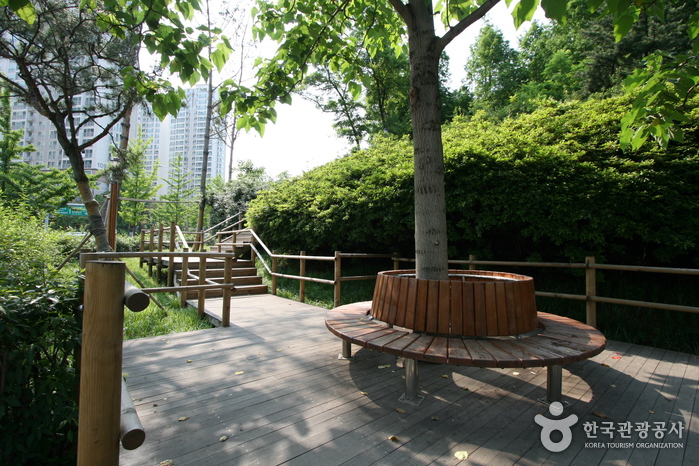
Ogeum Park is a park created by cultivating a mountain with an altitude of 200 meters, providing a panoramic view of Seoul's Songpa district. The park features walking trail, various exercise equipment, and facilities such as badminton and tennis courts. The lawn bowling court is available for use by reservation. There is a toddler forest experience ground and an adventure playground for children, offering activities like rope climbing, rock climbing, net climbing, slides, and spider web climbing.
Ohkims Dermatology Clinic (오킴스피부과의원)
(10th Floor, New Samchang Building), 123 Gangseok-ro, Ilsandong-gu, Goyang-si, Gyeonggi-do
Ohkims Dermatology Clinic is a hospital that continues to strive, study, and stay ahead of the curve with a constant touch of care so that you can enjoy every moment as the best time of your life. We are staffed exclusively by dermatology specialists. Dr. Cho Hang-rae is a board-certified dermatologist and doctor of dermatology with a specialty in hair transplantation surgery. During his international residency in cosmetic dermatology at Mount Sinai University Hospital in Manhattan, New York City, he studied hair transplantation under Dr. Unger, a world-renowned hair transplantation expert. Ohkims Dermatology Clinic also winds back time. Our “Secret Well Aging Program” is different. With over 20 years of experience in the field of wellness aesthetic treatments, we are committed to achieving constant innovation based on our 20 years experience and delivering a sophisticated touch of skin science masters under the leadership of Dr. Cho Hang-rae.
Oido Island (오이도)
175 Oido-ro, Siheung-si, Gyeonggi-do
Located off the western coast of the city of Siheung, Oido Island was originally an island and then connected to the mainland during the Japanese occupation as its tidal flats were used as a salt plant. During the day, the blue sea and the red lighthouse, the symbol of Oido, create a picturesque scene. In the evening, visitors can enjoy the spectacular sight of red sunsets over the sea. It also includes the largest prehistoric site on the west coast. The expansive tidal flats are home to a wide variety of creatures, attracting seasonal migratory birds.
Oil Tank Culture Park (문화비축기지)
87 Jeungsan-ro, Mapo-gu, Seoul
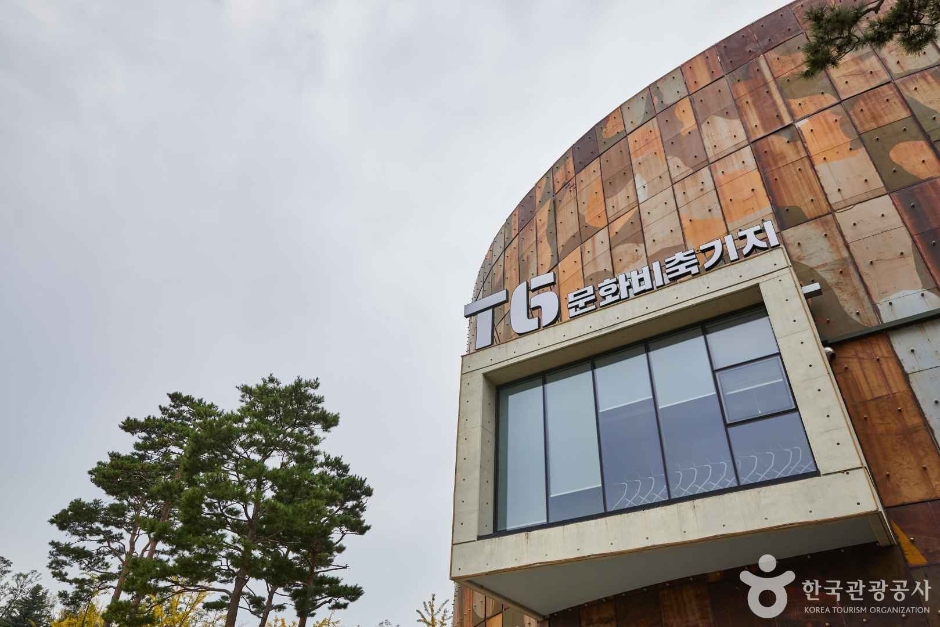
After being used as an oil tank for 41 years, the tanks were reborn into a culture space. The five tanks were transformed into performance halls, exhibition halls, and a multi-purpose pavilion, while one new tank was built to be used as an information center. In addition, the temporary parking lot turned into a culture yard where visitors can relax as well as enjoy activities or performances.
Ojukheon House (강릉 오죽헌)
24 Yulgok-ro 3139beon-gil, Gangneung-si, Gangwon-do
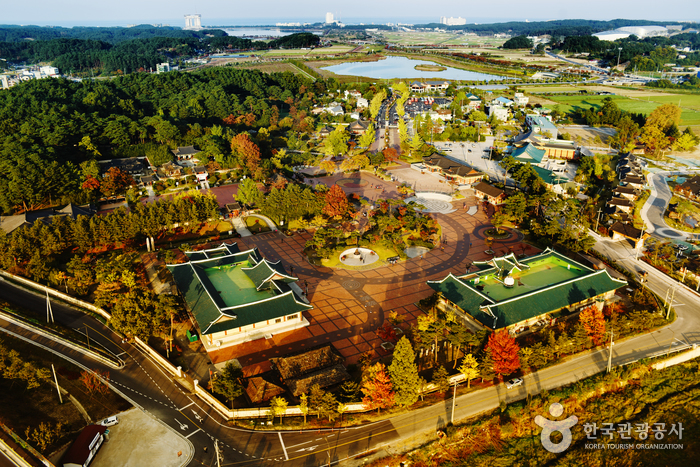
Ojukheon House was where Yi I (penname Yulgok; scholar and politician of the Joseon Period) was born. It was built during the early Joseon dynasty and was designated as a Treasure in 1963 for its historical value. Inside the house is Mongryongsil, where Yi I was born. The household complex also features the household shrine (Munseongsa), the sarangchae (men's quarters), Eojaegak Pavilion, Yulgok Memorial Hall, and Gangneung Municipal Museum. Since 1961, the city of Gangneung has held a memorial ceremony at Yulgok Memorial Hall from October 25 to 26.
Okcheon Yongamsa Temple (용암사(옥천))
400, Samcheong 2-gil, Okcheon-gun, Chungcheongbuk-do
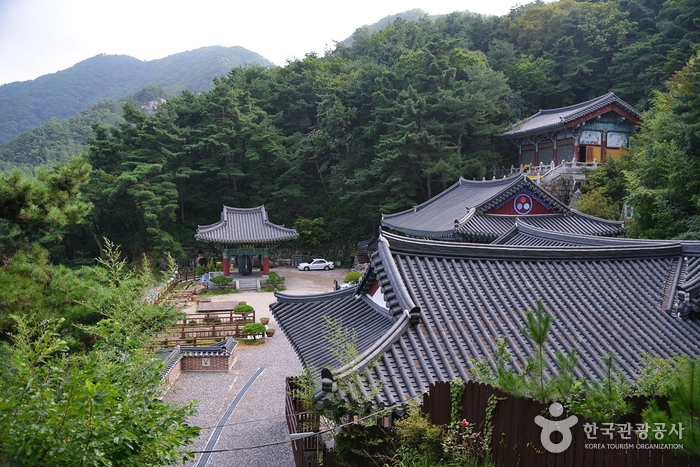
Yongamsa Temple, located in the mid-slope of Jangyongsan Mountain, is a branch of Beopjusa Temple. It was built during the Silla period. Unlike the more common temple arrangements, the stone pagoda in Yongamsa is uniquely situated on a low peak in the north with a view on all sides. The East and West Three-story Stone Pagodas of Yongamsa Temple, a designated Treasure, can be found here, as well as Rock-caved Buddha, and Wooden Seated Amitabha Buddha in Daeseongjeon Hall.
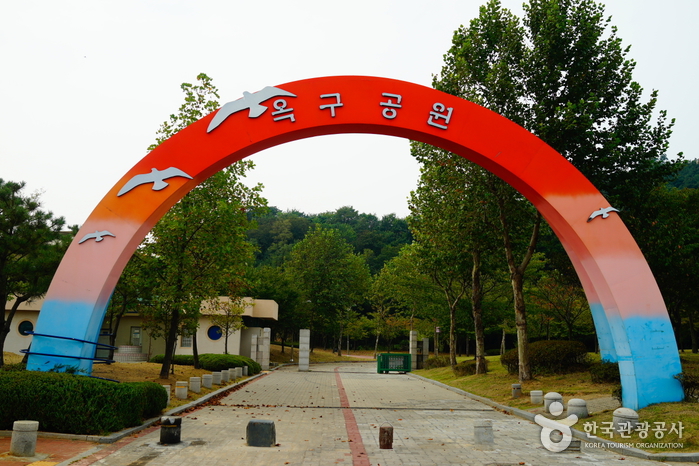
Okgu Park (옥구공원)
277 Seohaean-ro, Siheung-si, Gyeonggi-do
Okgu Park, situated near Oido Island and elevated at 93 meters, boasts a picturesque landscape adorned with sculptures, making it an ideal location for photography enthusiasts. The park features multiple attractions including a concert hall, a fountain square, and a captivating rose garden. In autumn, visitors can relish the beauty of the silver grass hill. Upon reaching the park's summit, breathtaking views of the sea await. Additionally, during the summer months, a water playground offers refreshing entertainment for visitors.
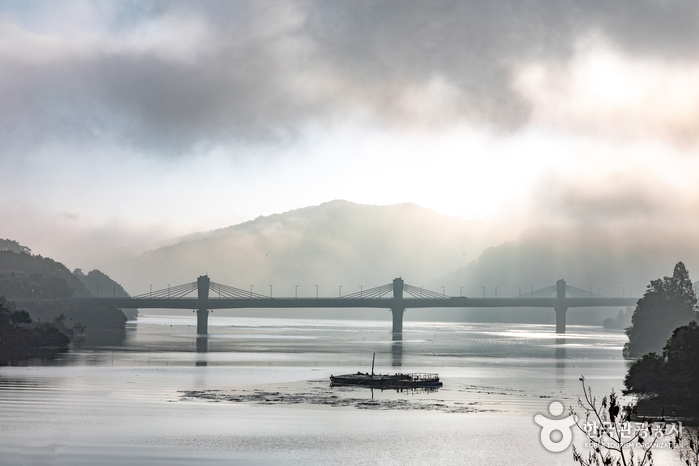
Okjeongho Lake (옥정호 (물안개길))
Unam-myeon, Imsil-gun, Jeonbuk-do
Okjeongho Lake is a manmade lake that was formed when Seomjingang River Dam was built. The 763-square kilometer drainage area is filled with 430 million tons of water. The picturesque lake is a popular photo spot for photographers across the nation with wet fog reflected under the morning sun being one of the most beautiful sight. A lakeside walking trail is also a popular attraction.
Okjeongho Lake Gujeolcho Theme Park (옥정호 구절초테마공원)
Maejuk-ri, Jeongeup-si, Jeonbuk-do
Okjeongho Lake Gujeolcho Theme Park was officially formed in 2006 in an area that used to be called Manggyeongdae Terrace. Out of the park’s 12 hectare of land, approximately 5 hectare of land is filled with Gujeolcho (Siberian chrysanthemum) and a pine tree forest. The park also has walking paths and rest areas for visitors to enjoy.
Okpo Shipyard of Daewoo Shipbuilding & Marine Engineering (대우조선해양(주) 옥포조선소)
3370, Geoje-daero, Geoje-si, Gyeongsangnam-do
Okpo Shipyard of Daewoo Shipbuilding & Marine Engineering spans over a 4000,000㎡ land and consists of large-scale specialized facilities and equipments for shipbuilding and repairs such as a dock that can handle a 1,000,000 ton vessel and a 900 ton Goliath crane. The shipyard builds various vessels, offshore plants, drill ships, FPSO/FPUs, submarines and destroyers all year round and offers plant tour programs for visitors.
Oksanseowon Confucian Academy [UNESCO World Heritage] (옥산서원 [유네스코 세계문화유산])
216-27, Oksanseowon-gil, Gyeongju-si, Gyeongsangbuk-do
Oksanseowon Confucian Academy was built to commemorate the academic achievements and virtues of Confucian scholar Yi Eon-jeok (1491-1553). It was founded in 1572, the fifth year of King Seonjo’s reign, and received its current name the following year. It was one of the 47 Confucian academies that was ruled out from the Confucian academy abolition order made by Heungseon Daewongun. Although the building structures do not carry significant meaning in architectural aspect, the distinguished space arrangement of the buildings is hard to go unnoticed. Dokrakdang Hall, which was Yi Eon-jeok’s vacation annex as well as his study room, is situated 700 meters away to the north from Oksanseowon.
Oktokki Space Center (옥토끼우주센터)
403 Ganghwadong-ro, Ganghwa-gun, Incheon
Oktokki Space Center is Korea's first aerosepace theme park. The center collects, preserves, and exhibits materials related to aerospace engineering to educate and promote to the public. It is open to visitors all year round, offering diverse activity programs and experience rides that can be enjoyed by people of all ages. The center is especially well equipped with fun learning materials as well as educational programs to spark children's insterest in the field.
Plan your Korea trip
Korea travel FAQ
How do I use the travel search?
Enter a place or interest, then narrow the results by region, category or sort order.
Will my filters stay selected on the next page?
Yes. Your search and filter choices stay in the page URL while you move through the results.
Can I find directions to each place?
Place pages include an external Google Maps search when coordinates or an address are available.
Source: Korea Tourism Organization, official website (https://knto.or.kr).