TRAVEL IN KOREA
Korea Places to Visit
Find attractions, culture, festivals, stays, restaurants, shopping and travel courses for a clear Korea trip plan.
Data last synced: 2026-06-25. Some details may change. Please confirm official information before visiting.
Ongals(옹알스)
서울특별시 종로구 대학로12길 49 (동숭동) Sewoo Art Center 1
Ostrich Boys(타조소년들)
서울특별시 종로구 대학로8가길 85 (동숭동) 대학로TOM(티오엠) 1관
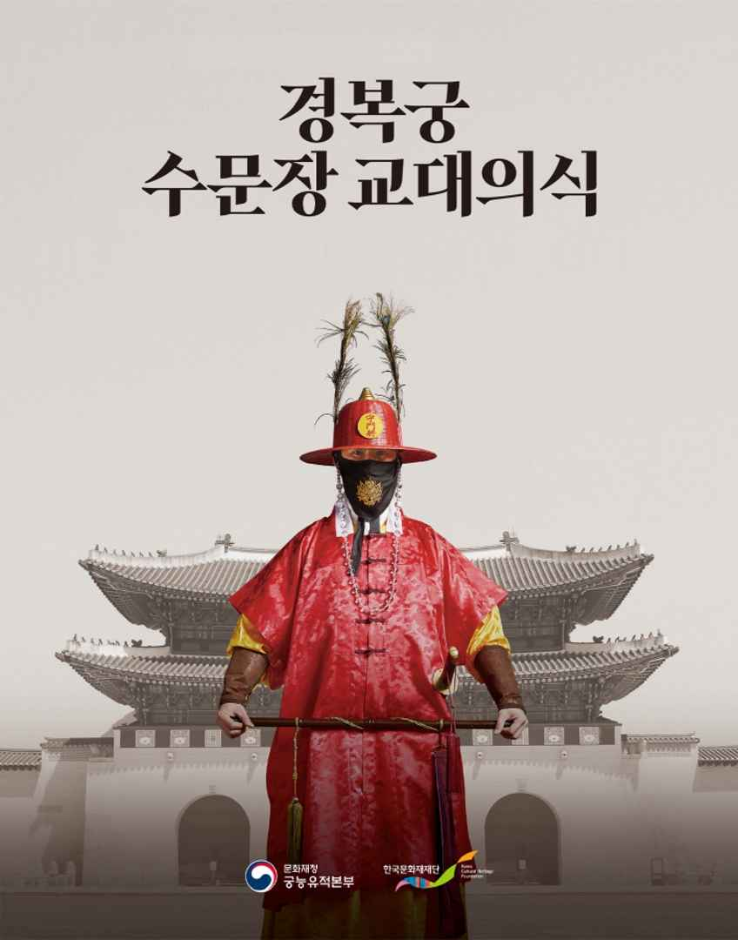
Palace Royal Guard Changing Ceremony (수문장 교대의식)
161 Sajik-ro, Jongno-gu, Seoul
In the Joseon dynasty, the royal guards of the palace were gatekeepers who were responsible for guarding the the main gates of Gyeongbokgung Palace as well as the main gates of the city such as Heunginjimun Gate and Sungnyemun Gate. The royal guards worked in shift duties and were in charge of opening and closing Gwanghwamun Gate. Before the royal guard system was enforced in 1469, the palace gates were protected by soldiers of the central army. The Palace Royal Guard Changing Ceremony held at Gyeongbokgung Palace and the Gwanghwamun area reenacts the guard-changing procedure that took place during the Joseon dynasty, along with the reproduction of costumes and weapons, based on historical records.
Paradise(낙원)
서울특별시 종로구 동숭길 123 (동숭동) 링크아트센터드림 드림3관

Pohang International Fireworks Festival (포항국제불빛축제)
Duho-dong, Buk-gu, Pohang-si, Gyeongsangbuk-do
*The information below is based on the 2025 festivals. Details for the 2026 festivals will be updated as they become available.*The Pohang International Fire & Light Festival is an internationally renowned event themed around the images of “light,” symbolizing the global steel city of Pohang, and “fire,” representing the hot blast furnaces. Performers and local citizens dress up in all sorts of costumes and masks to join in the Fire & Light Parade, which marks the colorful beginning of the festival. The festival culminates in the International Fireworks Show, the highlight of the evening. The world’s best teams participate in the festival every year to give a spectacular show of fireworks against the backdrop of Yeongilman Bay. The festival began in 2004 to commemorate Pohang Citizens Day with a fireworks show and has since become a beloved celebrated annual festival, showcasing the pride of Pohang to its citizens.◎ TipYou can see the fireworks from Yeongildae Beach and Songdo Beach. Although you can’t hear the music from the show, you can watch the fireworks show peacefully at a less crowded seashore. After the show, you can move to Hyeongsangang Sports Park, the festival venue, to enjoy the rest of the festival’s programs.
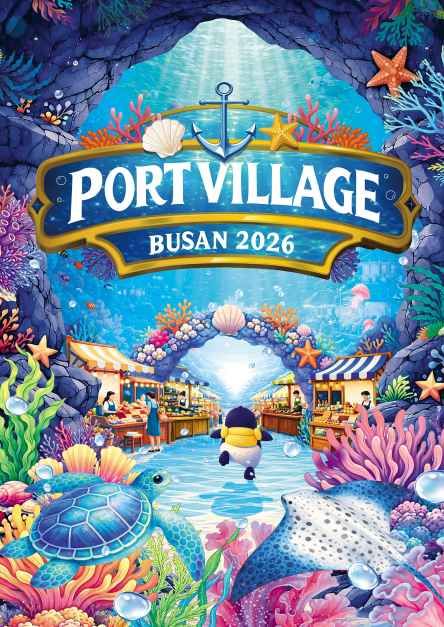
Port Village Busan (포트빌리지 부산)
Jungang-dong 4-ga, Jung-gu, Busan Busan Port No. 1 Dock
Port Village Busan takes place at Pier 1 of Busan Port, transforming a 4,300-pyeong site (approximately 14,200 ㎡) into a unique underwater-themed village. The event will bring together over 60 of Busan’s most popular local brands. Visitors can explore everything from limited-edition foods available only within this mysterious “underwater village” to signature menus from well-loved eateries. The market will also feature a curated living and lifestyle shop, along with a variety of pop-up stores. As a large-scale, 12-day market, Port Village Busan offers an exclusive opportunity to experience a diverse range of food, shopping, and activities centered around its immersive underwater theme.
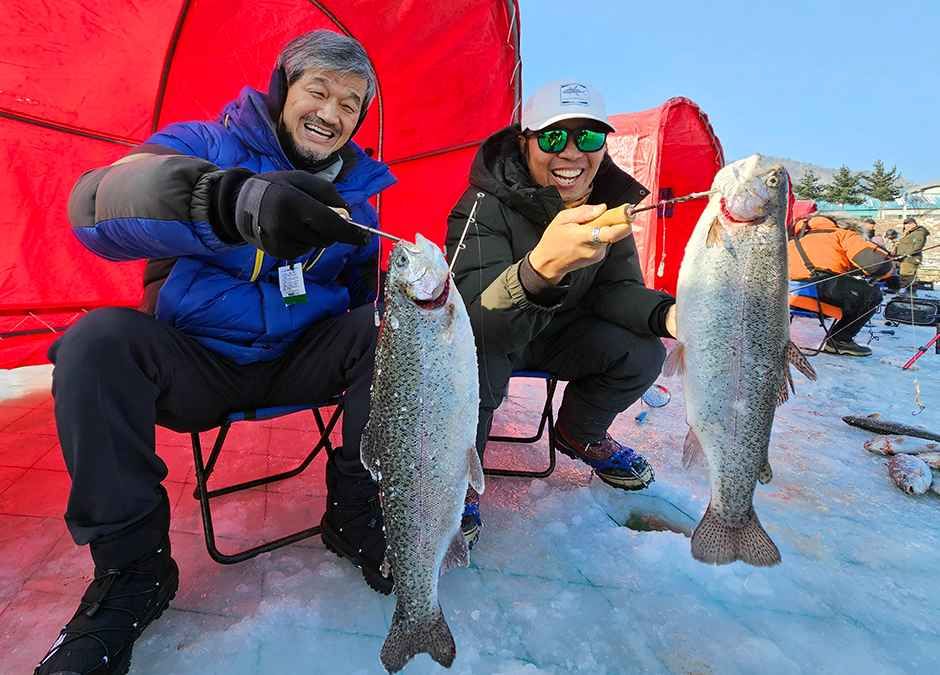
Pyeongchang Trout Festival (평창송어축제)
3562, Gyeonggang-ro, Jinbu-myeon, Pyeongchang-gun, Gangwon-do
In the past, winters in this region were unforgiving. Heavy snowfalls buried villages, and neighbors would stretch ropes between their homes, carving tunnels through the snow to find their way from one house to another. When the bitter winds sweeping across the river caused the shallow channels to freeze and merge early in the season, people would hammer at large rocks beneath the ice catch fish and secure a precious meal. Today, the hardships endured by our ancestors have been transformed into celebration. Every year from late December through late January, the Pyeongchang Trout Festival brings this winter heritage to life under the theme, “A Winter Story of Snow, Ice, and Trout.” Visitors can experience the thrill of trout fishing on the frozen Odaecheon Stream, where the crystal-clear ice reveals fish swimming beneath the surface. Along with a variety of winter activities, the festival offers an opportunity to enjoy the true charm and excitement of a Korean winter.
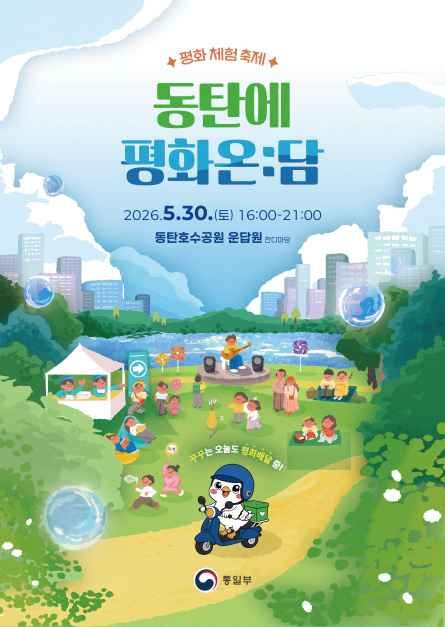
Pyeonghwa Ondam (평화온담)
69 Dongtansunhwan-daero, Dongtan-gu, Hwaseong-si, Gyeonggi-do
“Peace On: Dam” in Dongtan is a cultural event designed to bring the theme of “peace,” which often feels distant, into everyday life. As part of the regional peace consensus-building project first launched by the Ministry of Unification in 2026, the event provides an opportunity to engage with the concepts of peace and unification in a familiar, local setting. Held near residential communities, the event invites residents to participate in a variety of cultural experiences, share stories with family and neighbors, and reflect on topics that are not often considered in daily routines. At the venue, visitors of all ages can enjoy a diverse lineup of hands-on programs, performances, and interactive activities. Through moments of laughter, creativity, and connection, “Peace On: Dam” fosters a warm and welcoming festival atmosphere that encourages a renewed appreciation for peace through small but meaningful experiences.
Rachmaninoff(라흐마니노프)
서울특별시 종로구 대학로12길 21 (동숭동) YES 24 Stage Hall 1
Raftman(뗏꾼)
강원특별자치도 정선군 정선읍 애산로 51 정선아리랑센터 아리랑홀

Red Food Festival (장수 한우랑 사과랑 축제)
393 Hannuri-ro, Jangsu-eup, Jangsu-gun, Jeonbuk-do
The Red Food Festival celebrates the famous agricultural products of Jangsu, such as Hanu beef, apples, tomatoes, and omija, all themed around the color red. With the slogan “Falling for the Color, Savoring the Taste,” the festival features red agricultural products as the main attractions. The event includes food-related experiences, various performances, apple harvesting experiences, and the Hanu Bale Carrying Contest.
RUCKUS: the SKOOL(러커스 : 더 스쿨)
경기도 구리시 아차산로 453 (교문동) 구리아트홀
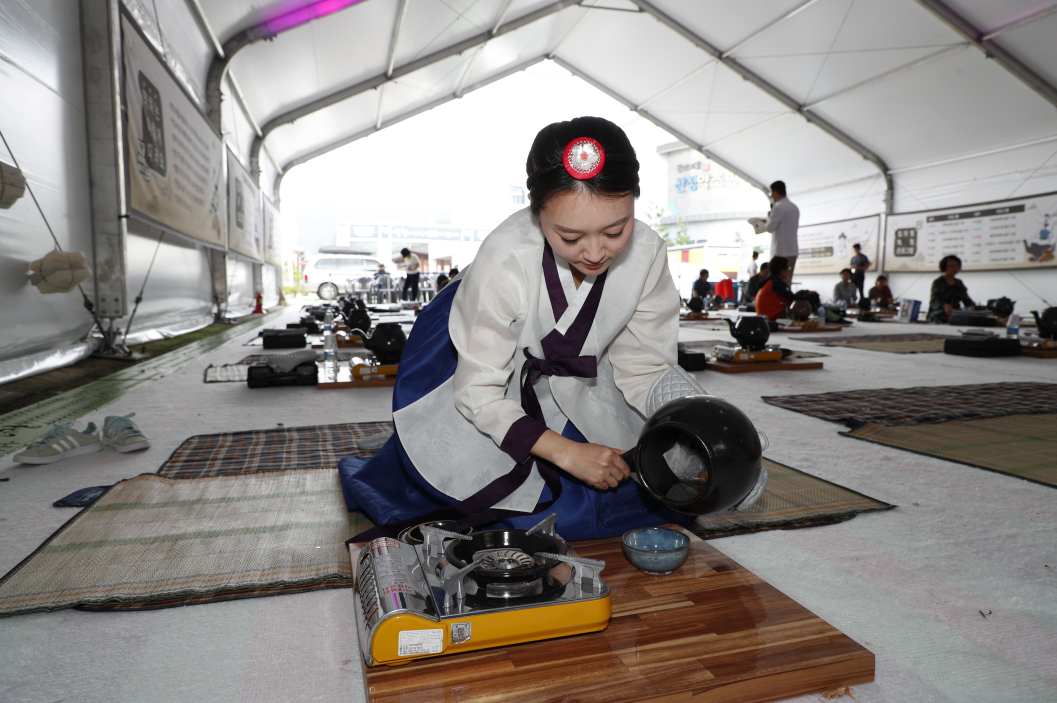
Sancheong Medicinal Herb Festival (산청한방약초축제)
61 Donguibogam-ro 555beon-gil, Geumseo-myeon, Sancheong-gun, Gyeongsangnam-do
The Sancheong Herbal Medicinal Festival is a celebration for those interested in traditional herbal medicine. Donguibogam (Principles and Practice of Eastern Medicine) and its author, Heo Jun, are highly regarded in Korean medicine. Sancheong, where Heo Jun studied, is home to Jirisan Mountain, which is often seen as a treasure trove by Korean medicine doctors due to being a habitat of over 1,000 species of medicinal herbs. The festival features Korean medicine clinics offering treatments like acupuncture, while the festival square is transformed into an herbal garden with photo zones, tea drinking spots, spaces for making herbal flower pots, and exhibitions and sales of herbal flower pot goods. Visitors can also participate in making herbal sweet rice puffs, nostalgic herbal dalgona candy, herbal cocktails, and herbal tea brewed in a large decoction pot.◎ Dongui bogamDongui bogam is a medical encyclopedia completed in 1610, written by Heo Jun after a meticulous study and observation of medical books and practices of China and Joseon. It is considered the best medical encyclopedia in the East and was registered as a UNESCO Memory of the World in 2009.
Saturday Gugak Concert(토요명품)
2364, Nambusunhwan-ro, Seocho-gu, Seoul

Sejong Hangeul Festival (세종한글축제)
216, Dasom-ro, Sejong-si
The Sejong Hangeul Festival is the only festival in Korea dedicated to Hangeul, the Korean alphabet. Held every year around Hangeul Day, it is Sejong City’s signature celebration of the Korean writing system. Launched in 2013, the festival honors the vision behind King Sejong’s creation of Hangeul. In 2025, it was renamed the Sejong Hangeul Festival from its former name, the Sejong Festival. The festival brings the beauty and creativity of Hangeul to life through performances, exhibitions, and hands-on programs with a fresh, contemporary touch. Open to visitors of all ages and nationalities, it offers an easy and engaging way to experience the appeal of Hangeul and the spirit of King Sejong in the heart of the city. Blending traditional and contemporary arts and culture, the festival continues to grow as a distinctive cultural tourism event unique to Sejong City.
Seopyeonje; The Original(서편제; The Original)
서울특별시 중구 정동길 43 (정동) 국립정동극장
Plan your Korea trip
Korea travel FAQ
How do I use the travel search?
Enter a place or interest, then narrow the results by region, category or sort order.
Will my filters stay selected on the next page?
Yes. Your search and filter choices stay in the page URL while you move through the results.
Can I find directions to each place?
Place pages include an external Google Maps search when coordinates or an address are available.
Source: Korea Tourism Organization, official website (https://knto.or.kr).