TRAVEL IN KOREA
Korea Places to Visit
Find attractions, culture, festivals, stays, restaurants, shopping and travel courses for a clear Korea trip plan.
Data last synced: 2026-06-25. Some details may change. Please confirm official information before visiting.
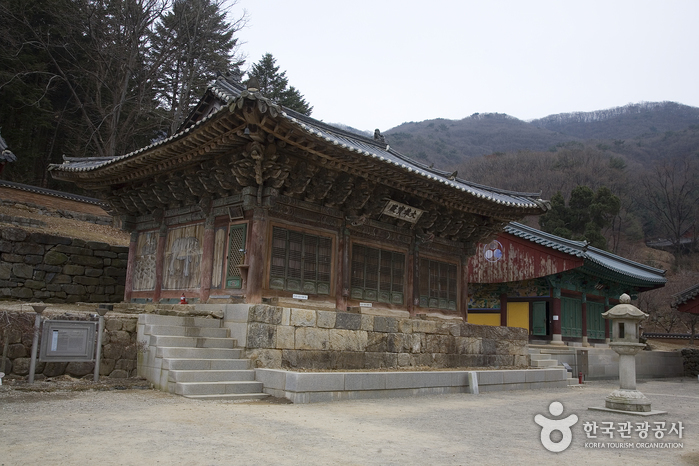
Paju Bogwangsa Temple (보광사(파주))
87, Bogwang-ro 474beon-gil, Paju-si, Gyeonggi-do
Bogwangsa Temple is a traditional temple located on the foothills of Goryeongsan Mountain in Paju. It was built by Great Monk Doseonguksa during the Silla Kindom period under the order of Queen Jinseong in AD 894. At the time, it was considered a hidden national treasure and one of the six grand temples located on the northern side of the Hangang River. In was once ruined during the Imjin War, and reconstructed in 1622 by Monk Seolmi and Monk Deogin. In 1667, Monk Jigan and Monk Seok Ryeon reconstructed Daeungbojeon Hall and Gwaneumjeon Hall.
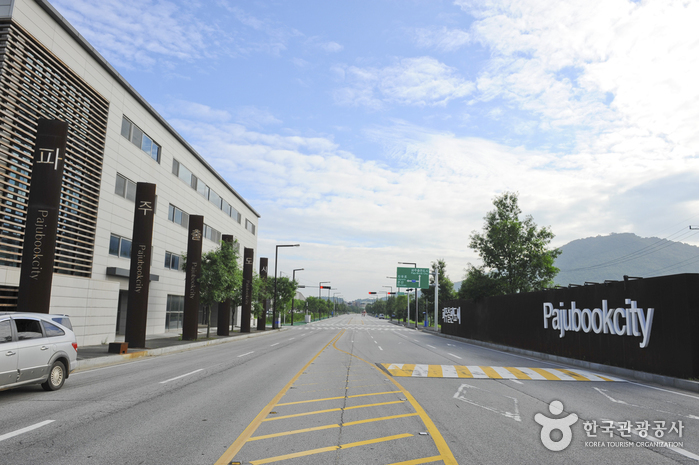
Paju Book City (파주 출판도시)
Munbal-dong, Paju-si, Gyeonggi-do
Paju Book City was formed in 1989 by a group of publishers who sought to modernize the distribution structure of Korea’s publishing industry. The addition of structures later on created its current form as a cultural complex. Today, Paju Book City is home to a large collection of publishing houses, printing companies, and bookbinding companies. Some publishing houses run their own libraries, secondhand book shops, and thematic libraries. There are plenty of book cafés and art shops in the area, and visitors can also occasionally enjoy cultural events, lectures, and concerts by publishing houses.
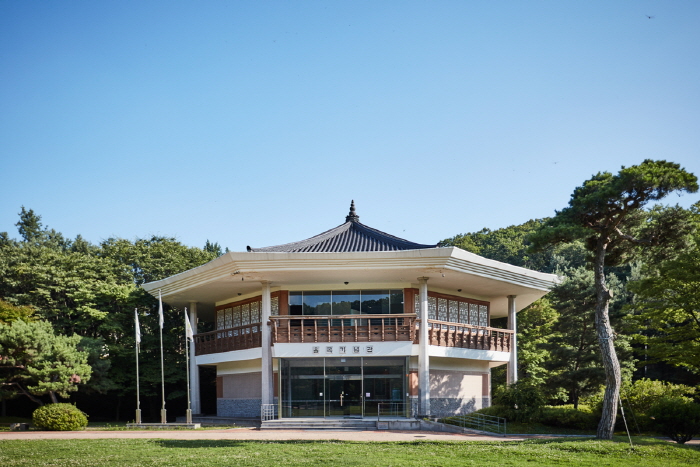
Paju Historical Site Related to Yi I (파주이이유적)
204, Jaunseowon-ro, Paju-si, Gyeonggi-do
Paju Historical Site Related to Yi I is dedicated to a great scholar of the mid-Joseon dynasty. He was born to Lee Wonsu and Shin Saimdang in 1536. He passed Saengwonsi, a type of preliminary exam in 1564 (the 9th year of King Myeongjong), and another 9 exams so he was called Gudo Jangwongong. He served in key positions. He is thought to be one of the top two scholars along with Yi Hwang. Jaunseowon Confucian Academy is home to the tablets of Yulgok Yi I and his family’s graveyard, located at the foot of Jaunsan Mountain. Jaunseowon Monument and Memorial Stone of Yi I Scholar are located here as well. Yulgok Memorial Hall displays his goods, and his biography. In February 2013, Jaunseowon Confucian Academy and the tombs of Yulgok Yi I and his mother Shin Saimdang were individually designated as Gyeonggi-do Cultural Assets, but the whole area as a whole is a designated National Historic Site under the name Historic Site related to Yi I.
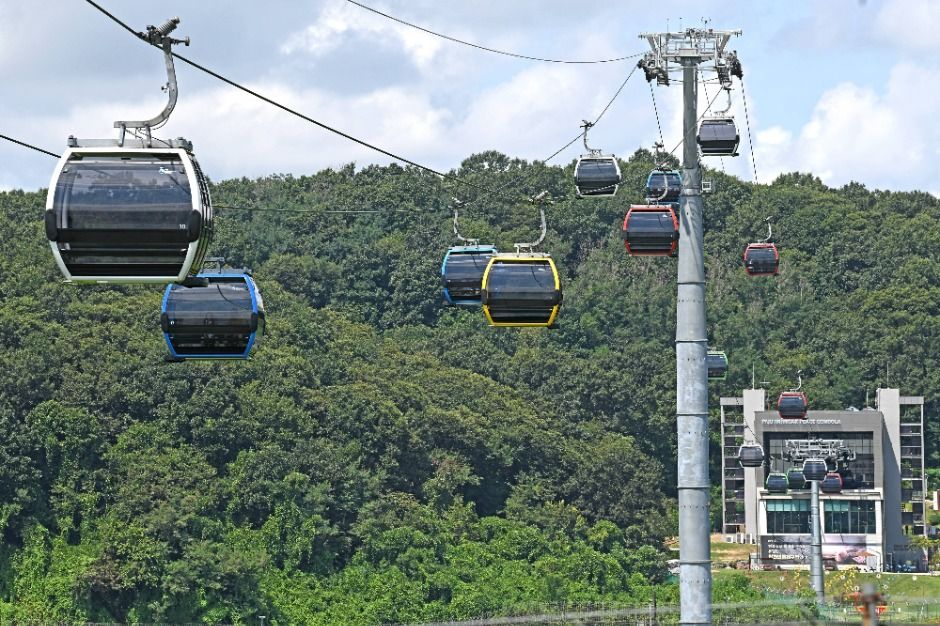
Paju Imjingak Peace Gondola (DMZ Peace Gondola) (파주 임진각평화곤돌라(파주 DMZ 곤돌라))
148-73 Imjingak-ro, Munsan-eup, Paju-si, Gyeonggi-do
Located in the Imjingak Tourist Complex, the Paju Imjingak Peace Gondola is Korea’s first gondola to cross over the Civilian Control Zone. Connecting Imjingak Resort and Camp Greaves, the gondola is part of the peace and security tourism initiative, offering visitors a unique perspective on DMZ’s history and natural landscapes. As visitors glide across the river, they can see the barbed wire fences, surveillance posts, and other remnants of division. In addition to the general cabin, visitors can enjoy the transparent crystal cabin, which provides a unique and memorable experience. Note: All visitors to the Civilian Controlled Zone (CCZ) are required to fill out the security pledge
Paju Jangneung Royal Tomb [UNESCO World Heritage] (파주 장릉(인조, 인열왕후) [유네스코 세계문화유산])
90, Jangneung-ro, Paju-si, Gyeonggi-do
Located in Paju, Jangneung is the tomb of King Injo (1595-1649, reign 1623-1649), the 16th ruler of the Joseon dynasty, and Queen Inyeol. King Injo took the throne in 1623 after having overthrown the previous king, Gwanghaegun, in a military revolt. During his reign, King Injo faced challenges from two foreign invasions in 1627 and 1637. He died in 1649 in Changdeokgung Palace.
Pak Kyongni House (박경리문학공원)
1, Toji-gil, Wonju-si, Gangwon-do
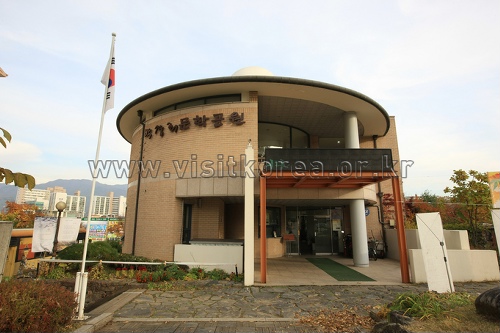
Pak Kyongni House is a place to explore the life and works of prominent novelist Pak Kyongni. The house's theme was based on Pak Kyongni's well-known novel "Toji" (The Land).The site used to be her old house before it was converted into a park. Covering an area of 10,578.51 ㎡, the garden and the house have been maintained in their original state. The park also features three themed areas recreated from the book: Hongi Dongsan, Pyeongsa-ri Madang, and Yongdurebeol.
Palgongsan Cable Car (팔공산 케이블카)
51 Palgongsan-ro 185-gil, Dong-gu, Daegu
Palgongsan Cable Car takes visitors a ride on an ascending slope, offering both thrill and beautiful views. The cable car's landing platform is at the top of Sinnimbong Peak of Palgongsan Mountain. This peak is considered one of the most famous prayer spots, together with the ritual alter on Birobong Peak and the Buddha statue on the eastern Gatbawi Rock.
Palgongsan National Park (Donghwasa Temple District) (팔공산국립공원(동화사지구))
1 Donghwasa 1-gil, Dong-gu, Daegu
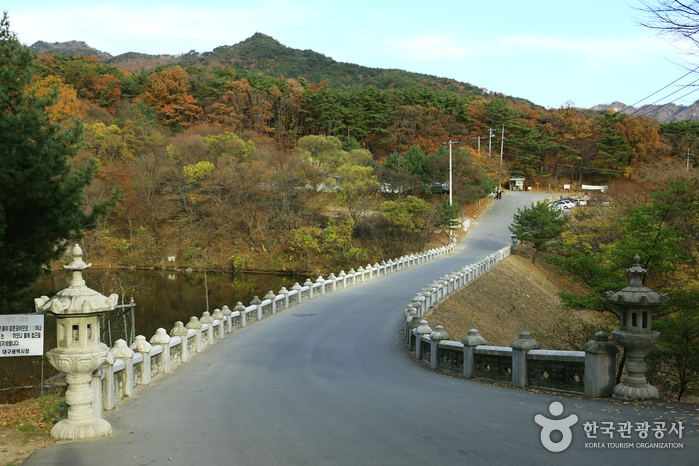
Palgongsan National Park is located close to Palgongsan Mountain, one of the larger mountains in the Taebaek Mountain Range. Palgongsan Mountain is located 20 kilometers northeast from downtown Daegu, where the Nakdonggang and Geumhogang Rivers meet. The mountain has three peaks in a row: Birobong Peak (1192.3 meters) in the center and Dongbong (aka ‘Mitabong,’ 1,155 meters) and Seobong (aka ‘Samseongbong,’ 1,150 meters) on each side. The park is within the administrative district of Dong-gu, with Daegu and four towns along its border, including Yeongcheon-si, Gyeongsan-si, and Chilgok-gun. A number of Buddhist temples including Donghwasa, the headquarters of the 9th Buddhist Parish, are located in the area. The park has numerous rocks and valleys and is carpeted with azaleas in the spring. In the autumn many visitors flock to the park to admire the fall leaves on the trees lining the 16.3-kilometer-long roadway that runs through the park. With vibrant green leaves in spring and a delicate snowscape in the winter, Palgongsan Mountain is an attractive destination for visitors throughout the year.
Palgongsan National Park (Eunhaesa Temple Section) (팔공산국립공원 - 은해사지구)
Geojo-gil, Yeongcheon-si, Gyeongsangbuk-do
Located east of Daegu downtown, Palgongsan Mountain (1,192.3m) was called both Jungaksan and Buaksan Mountain during the Silla period. The mountain has many ancient temples and historical sites such as the Gatbawi Stone Buddha, Wonhyosa Temple, Cheonseongsa Temple and Bulgulsa Temple.
Palgongsan National Park (Gatbawi Section) (팔공산국립공원(갓바위지구))
716-64 Gatbawi-ro 81-gil, Wachon-myeon, Gyeongsan-si, Gyeongsangbuk-do
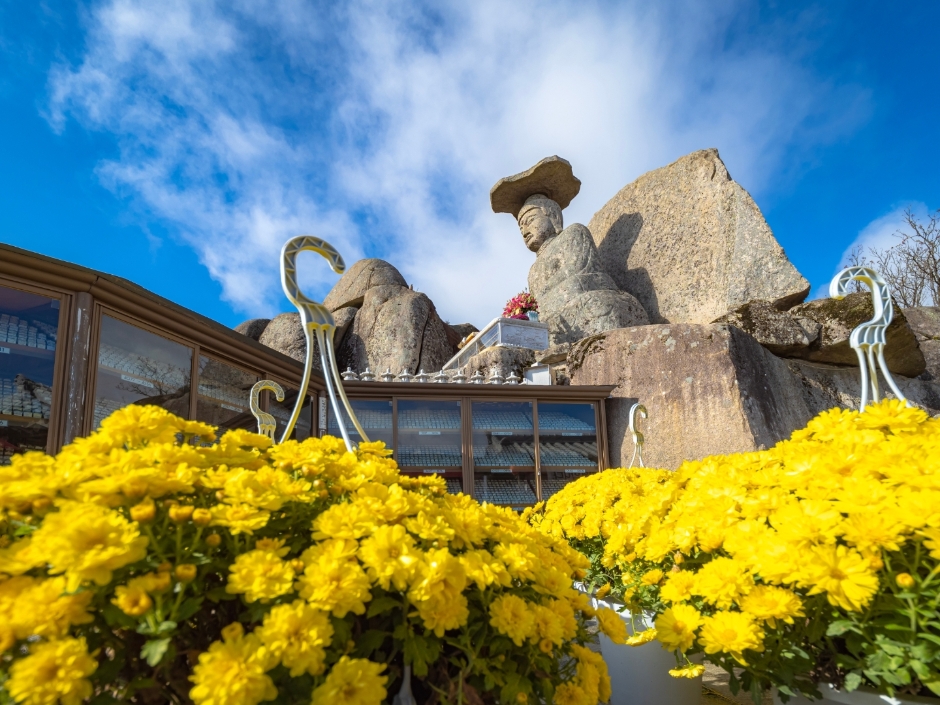
Located east of Daegu downtown, Palgongsan Mountain (altitude 1,192.3 meters) was called both Jungaksan and Buaksan Mountain during the Silla period. The mountain has many ancient temples and historical sites such as the Gatbawi Stone Buddha, Wonhyosa Temple, Cheonseongsa Temple and Bulgulsa Temple.
Palgongsan National Park (Pagyesa Temple District) (팔공산국립공원(파계사지구))
741 Pagye-ro, Dong-gu, Daegu
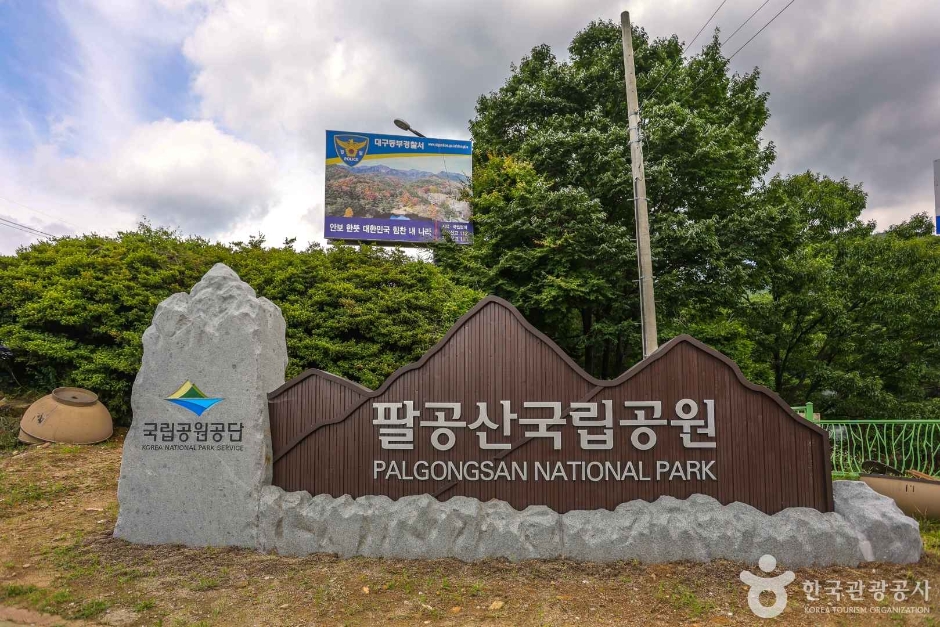
Palgongsan National Park is located close to Palgongsan Mountain, one of the larger mountains in the Taebaek Mountain Range. Palgongsan Mountain is located 20 kilometers northeast from downtown Daegu, where Nakdonggang River and Geumhogang River meet. The mountain has three peaks in a row: Birobong Peak in the center and Dongbong Peak (aka Mitabong, 1,155 m) and Seobong Peak (aka Samseongbong, 1,150 m) on each side. The park is within the administrative district of Dong-gu, Daegu and has four towns along its border including Yeongcheon-si, Gyeongsan-si, and Chilgok-gun. A number of Buddhist temples including Donghwasa Temple, the headquarters of the 9th Buddhist Parish, are located in the area. The park has numerous rocks and valleys and is carpeted with azaleas in the spring. In autumn, many visitors flock to the park to admire the fall foliage on the trees lining the 16.3 kilometer-long roadway that runs through the park. With vibrant green leaves in spring and a delicate snowscape in the winter, Palgongsan Mountain is an attractive destination for visitors throughout the year.
Palgongsan Nature Park (Gatbawi District) (팔공산자연공원(갓바위지구))
6-1 Palgongsan-ro 199-gil, Dong-gu, Daegu
Palgongsan Nature Park, located in the Taebaek Mountain Range, features three peaks: Birobong Peak (1,192m), Yeombulbong Peak (1,042m), and Seobong Peak (1,150m). This mountain area boasts stunning rock formations and valleys. At an elevation of 852 meters on Gwanbong Peak, the Gatbawi Rock is renowned for fulfilling wishes. Other attractions include Donghwasa Temple, the Palgongsan Cable Car, and the Donghwasa Tourist Complex.
Pangpang Yacht Tour (팡팡만원요트투어)
94 Jungnimhaean-ro, Gwangdo-myeon, Tongyeong-si, Gyeongsangnam-do
The Pangpang Yacht Tour offers visitors the chance to enjoy a luxury yacht ride at a great low price. Each yacht can take up to 11 passengers, and explores the calm sea around Tongyeong. Reservations are only accepted via phone call, but pets can also ride as long as they are in a carrier. The yacht club also offers private tours for special events.
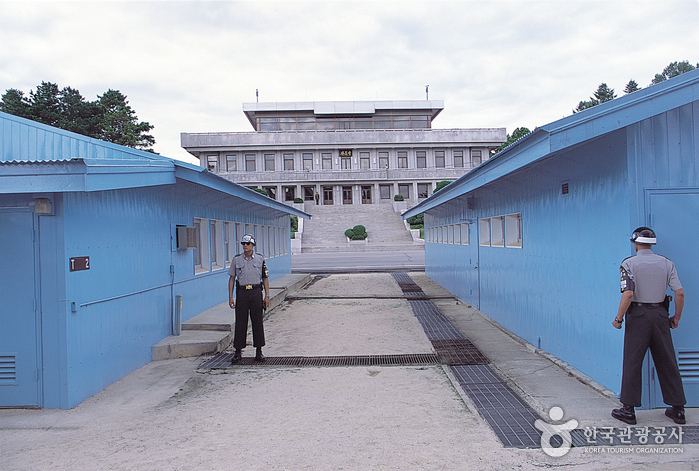
Panmunjeom (Joint Security Area) (판문점)
148-40 Imjingak-ro, Paju-si, Gyeonggi-do
Panmunjeom is the site of the Armistice Agreement that signaled the ceasefire of the Korean War (1950-1953) and is located in the Demilitarized Zone (DMZ), just 50 kilometers north of Seoul. It remains a venue for talks between South Korea and North Korea, allowing visitors to observe North Korean troops up close. Since it is a civilian-controlled area, individual tours are not permitted; they must be arranged in advance through a tour operator designated by the United Nations Command. Visitors must bring valid identification, such as a passport or alien registration card.
Panpo Port (판포포구)
2877-3, Panpo-ri, Jeju-si, Jeju-do
Panpo Port, located on the west side of Jeju, is a popular snorkeling spot. Thanks to its sand bed and clear water, it offers a mystical underwater scenery. Visitors who do not have snorkeling equipment can rent one from the Panpo-ri Youth Association during the summer season. There are shower facilities as well so there is no need to bring anything else. In addition to snorkeling gears, visitors can also rent paddle boats, life vests and, even a low wooden bench on which visitors sit and relax for enjoying the view of the port. Unlike a typical beach, it is a port so swimmers can be free from sandy mess and the water is relatively shallow, which makes it a perfect place for children to play safely and pleasantly in the water.
Paradise City (파라다이스시티)
186 Yeongjonghaeannam-ro 321beon-gil, Jung-gu, Incheon
Paradise City is Korea's first integrated resort that combines various hospitality and entertainment facilities such as a hotel, casino, plaza (shopping), spa, and club. It collaborates with world-class partners to present a quality incomparable to other facilities in Korea in all aspects, including facility design, content, and service. In addition, it claims to be the first "art-tainment" complex resort in Korea. In a cultural space like an art gallery where one can appreciate the works of top domestic and foreign artists as well as the works of emerging artists sponsored by Paradise, City it provides a variety of cultures throughout the four seasons. Furthermore, customers can enjoy rest and relaxation in Paradise City, a creative space where artistic and dynamic facilities are harmonized like a patchwork, allowing them to enjoy everything at once.<br /><br /><span>◎ Travel information to meet Hallyu’s charm</span><br />NewJeans walked under flashes of light in the iPhone 14 commercial shot in Paradise City, a 5-star hotel on Yeongjongdo Island. Known as Korea’s first integrated resort, it combines a hotel, casino, shopping malls, art galleries, spa, and more, making it a popular destination for entertainment.
Plan your Korea trip
Korea travel FAQ
How do I use the travel search?
Enter a place or interest, then narrow the results by region, category or sort order.
Will my filters stay selected on the next page?
Yes. Your search and filter choices stay in the page URL while you move through the results.
Can I find directions to each place?
Place pages include an external Google Maps search when coordinates or an address are available.
Source: Korea Tourism Organization, official website (https://knto.or.kr).