TRAVEL IN KOREA
Korea Places to Visit
Find attractions, culture, festivals, stays, restaurants, shopping and travel courses for a clear Korea trip plan.
Data last synced: 2026-06-25. Some details may change. Please confirm official information before visiting.
Sangju Silver Sand Beach (상주 은모래비치)
10-3, Sangju-ro, Namhae-gun, Gyeongsangnam-do
Sangju Silver Sand Beach is busy all year long, with professional athletes coming for physical training in the winter, students camping in the spring and fall, and vacationers visiting the beach in the summer. Sangju Silver Sand Beach is extremely popular especially in the summertime, attracting up to 1 million tourists who heard about the beach’s sands, waters, and groves. Families and vacationers in the summer especially love this beach, due to its beautiful white sands that stretch for 2 kilometers and slope lazily into the shallow waters that are perfect for children to play in. Behind the beaches lies Geumsan Mountain, a place well known for its sunrises. If you happen to arrive in the evening, it’s highly recommended that you see the sunrise at Geumsan Boriam in the morning, enjoy the beach’s water during the day, and at last, enjoy an evening of ocean fishing at either Namuseom Island or Dolseom Island (Rock Island), situated right in front of Sangju Beach. To one side of the white sands are campgrounds, and the surrounding area consists of shopping streets and accommodation.
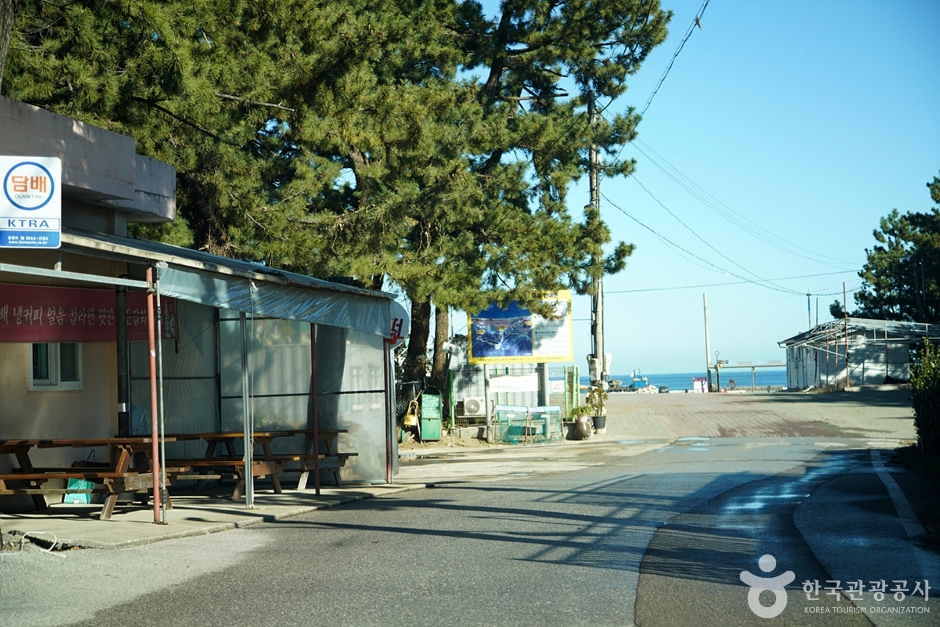
Sangmaengbanghaebyeon Beach (상맹방해변)
Sangmaengbang-gil, Geundeok-myeon, Samcheok-si, Gangwon-do
Sangmaengbanghaebyeon Beach is located 5 kilometers from downtown Samcheok and connected to Maengbanghaebyeon Beach. With a shallow average depth of 1-2 meters, its crystal clear water and white sand makes it a perfect location for a family vacation. The pine forest stretched across the beach allows visitors to enjoy forest bathing. Various beach events are held here such as clam collecting contest, bare-hand trout catching contest, and more. For those who enjoy sports, there is a golf practice range nearby. In spring, the nearby canola field blooms with flowers, creating a picturesque background for visitors to enjoy.
Sangnim Park (상림공원)
49, Pilbongsan-gil, Hamyang-gun, Gyeongsangnam-do
Hamyang is well known for its beautiful mountains and clean waters. Sangnim Park, located in Hamyang-gun, Gyeongsangnam-do, has beautiful sceneries throughout the year as well as various attractions including pavilions, memorial plaques, walking trails and more. The park was formed during the Unified Silla period, providing deep history as well as a place to relax.
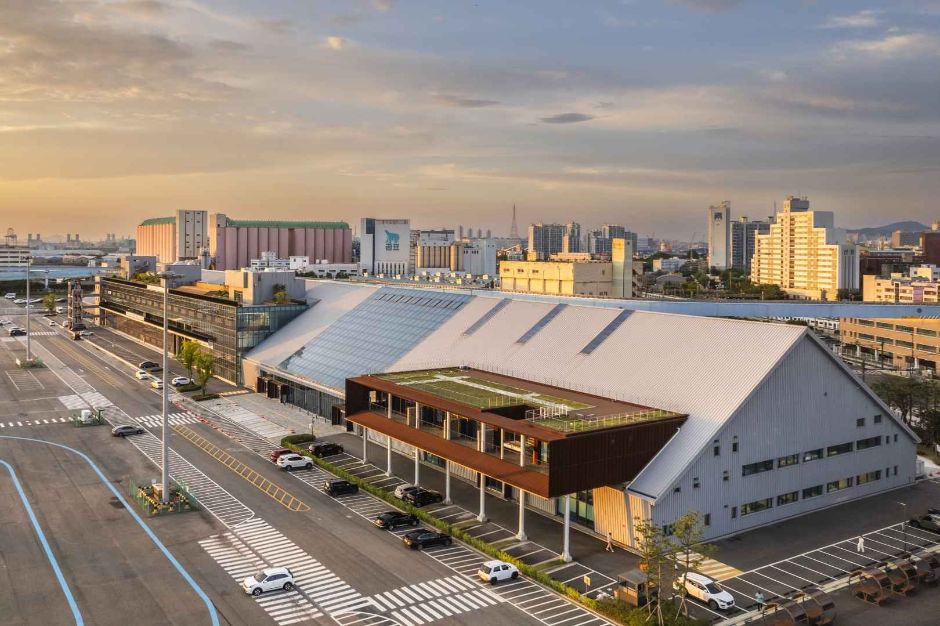
Sangsang Platform (상상플랫폼)
33 Wolmi-ro, Jung-gu, Incheon
When the Incheon port opened in 1883, the Wolmi-ro area became the gateway to Korea, welcoming vistiors from overseas countries via sea route. Before transforming into the cultural and art complex of today, Sangsang Platform located by the Incheon Open Port used to be Asia's largest granary. Sangsnag Platform is remodeld to preserve the old granary structure while adding a contemporary touch that matches modern-day aesthetics. As the building once connected Incheon to the world, it now serves connect Incheon's past and the future as a multipurpose cultural tourism complex.
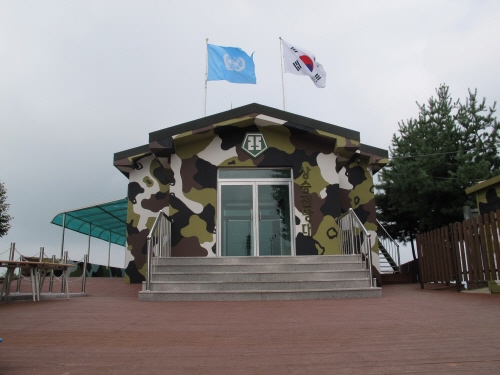
Sangseung Observation Post (First Tunnel) (상승전망대(제1땅굴))
Baeknyeong-ri, Yeoncheon-gun, Gyeonggi-do
Sangseung Observation Post is a popular security tourism destination, providing a unique vantage point to observe enemy activities near the Demilitarized Zone (DMZ). Due to its location within the DMZ, the actual First Tunnel is inaccessible; however, a full-size model is available at the nearby Sangseung Observation Post. Visitors are required to apply seven days in advance and present identification at the post for access.
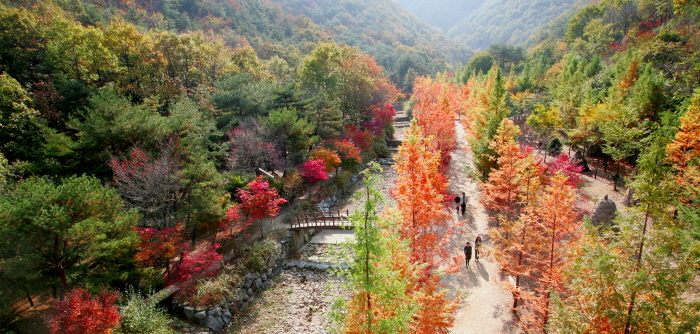
Sangso-dong Forest Park (상소동 산림욕장)
San 1-1, Sangso-dong, Dong-gu, Daejeon
Sangso-dong Forest Park is located at the point where the foothills of Maninsan Mountain and Sikjangsan Mountain meet. The road to the park is beautifully lined with sycamore trees. The park offers various facilities for enjoying nature and in particular, the stone pagodas placed throughout the park are a must-see. Visitors can stack their own rocks and make wishes relating to family, health, relationships, and more. The park is great for walks, hikes, or even just to relax as wild flowers bloom all throughout spring to fall.
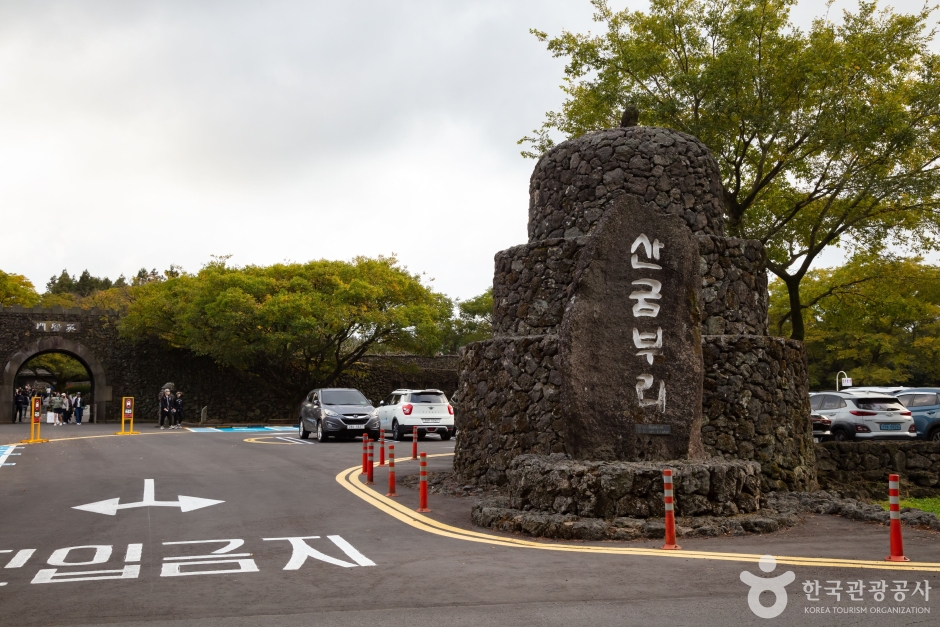
Sangumburi Crater (산굼부리)
768 Bijarim-ro, Jeju-si, Jeju-do
Sangumburi Crater has been designated as a Natural Monument. It is located on the southeast side of Jeju, and is a flat crater, about 650 meters wide, 100 meters deep, and 2,070 meters in circumference. If you look at the crater from above up, it looks like a man-made circular stadium. There is a variety of plant-life in the crater. On the north side, Nandaeseong vegetation such as red-thorn trees, and magnolia trees grow, along with the rare winter strawberries. On the south side of the crater, Ondaerim vegetation such as evergreens, maples, and mountain strawberry trees cover the area. Because so many different kinds of trees and plants grow in such a limited space, it attracts the attention of researchers as well.
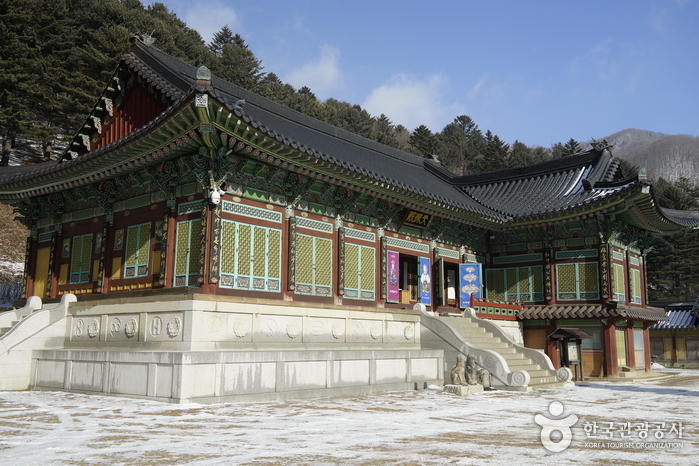
Sangwonsa Temple (상원사(오대산))
1215-89, Odaesan-ro, Pyeongchang-gun, Gangwon-do
Sangwonsa Temple is located 8 kilometers north of Woljeongsa Temple. The temple was built by Buddhist monk Ja Jang in the 12th year of Silla Queen Seondeok, and rebuilt in 705 during the 4th year of King Seongdeok's reign. It burned down in 1946, but was restored once again in 1947. The temple is home to the Bronze Bell of Sangwonsa (a National Treasure), the oldest bronze bell in the nation. The bell, built during the 24th year of King Seongdeok, has a x_height of 1.67 meters and a diameter of 91 centimeters with a beautiful, clear ring. Other relics at the temple include Statue of Child Manjusri, said to have been seen directly by King Sejo, as well as a tablet commending the rebuilding of Sangwonsa Temple, written by King Sejo. Gwangdaegeori, located at the temple entrance, is also connected with King Sejo through a story of his bathing in the pure mountain stream one day while visiting Sangwonsa Temple.
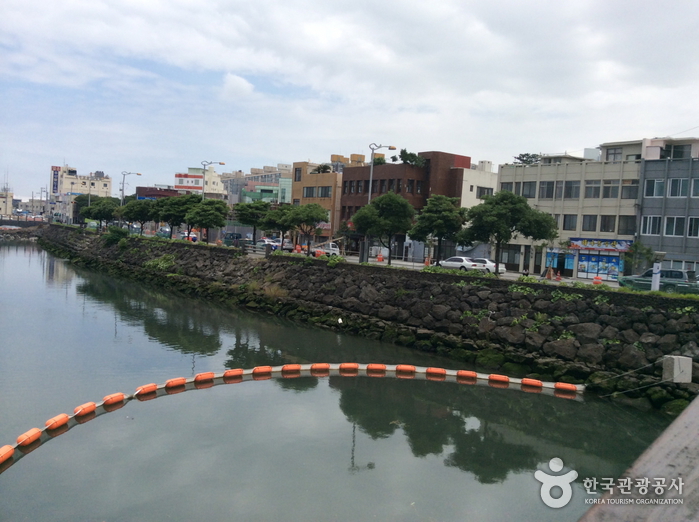
Sanjicheon Stream (산지천)
Geonip-dong, Jeju-si, Jeju-do
Running across from Dongmun Market in Jeju City, Sanjicheon Stream is home to a rich array of freshwater fish (e.g. sweetfish, gray mullets, Amur goby, and carps). In summer, it attracts hundreds of thousands of anglers as well as children. The port, downstream from Sanjicheon Stream, is renowned for picturesque views of fishing boats, egrets, and seagulls. A restored Chinese sailing vessel is exhibited at the end of the stream for visitors. Along the stream are walking paths, a park, and music fountains, in which Sanjicheon Art Festival and a slew of cultural events and performances are held every summer and winter, attracting many visitors.
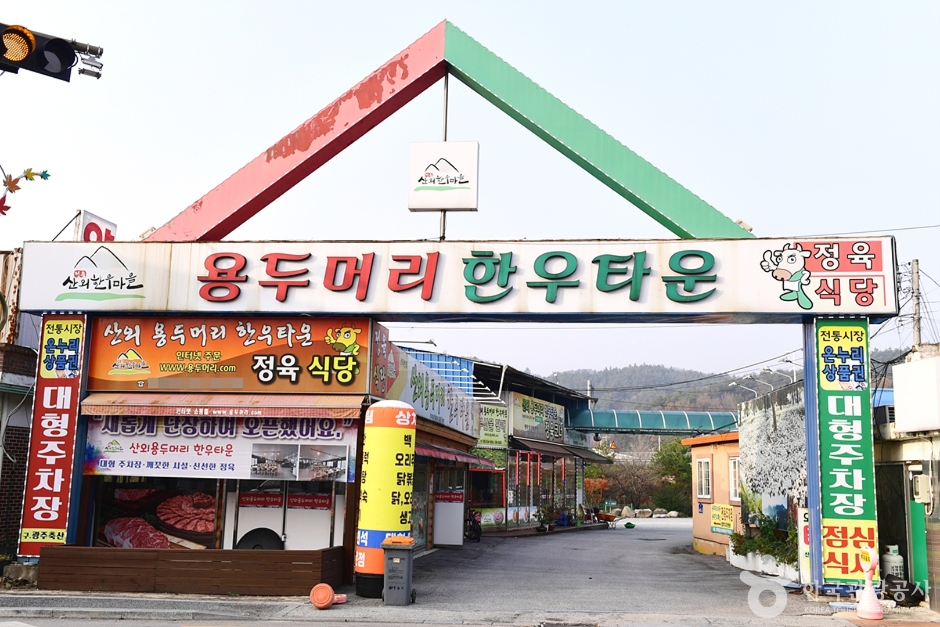
Sanoe Hanu Village (산외한우마을)
450 Sanoe-ro, Sanoe-myeon, Jeongeup-si, Jeonbuk-do
Sanoe Hanu Village is situated approximately 30 minutes from downtown Jeongeup. This establishment exclusively deals in hanu (Korean beef), facilitating direct transactions between producers and businesses, which allows for lower prices due to its family-oriented business model. Here, visitors can savor delicious, nutritious, and affordably priced beef. Most shops at the village function as both butcher shops and restaurants, so one can select their preferred cut of meat. Upon ordering, guests will receive a simple table setting, which includes five to six side dishes, priced at around 5,000 won per person, and the chosen meat will be served.
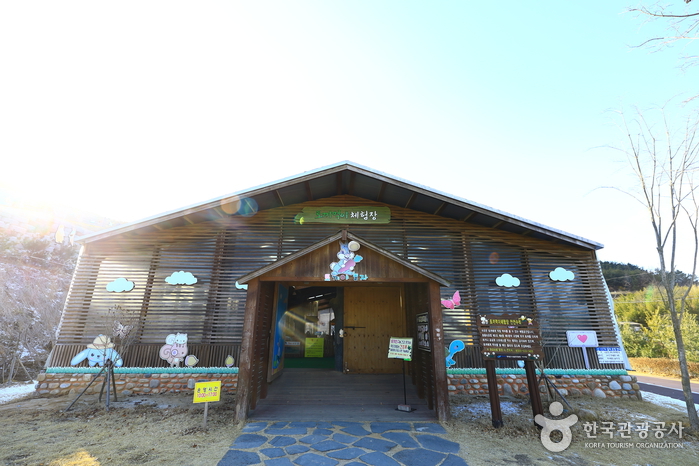
Santokki Park (산토끼 노래동산)
623 , Ibang-ro, Changnyeong-gun, Gyeongsangnam-do
Santokki Park is a recreational space located behind Ibang Elementary School in Changnyeong-gun. The park was inspired by the children's song "Santokki," meaning mountain rabbit, composed and written by Lee Il-lae who was a staff at Ibang Elementary School. The park comprises a variety of things to do and see related to rabbits, including a rabbit village, rabbit cave, and rabbit feeding experience. There are also spaces dedicated to Lee Il-lae, his work, and small animals. The park is kids-friendly with recreational places where children can freely run around as well as other amenities that help visitors rest and relax.
Sapgyoho Amusement Park (삽교호놀이동산)
15 Sapgyocheon 3-gil, Sinpyeong-myeon, Dangjin-si, Chungcheongnam-do
Sapgyoho Amusement Park is located in a place overlooking the Yellow Sea, Sapgyoho Lake, and Seohaedaegyo Bridge, known for its particularly beautiful night view. In addition to amusement park rides like the Ferris wheel, viking ship, disco ride, and carousel, there are also other entertaining facilities such as a shooting range, a 4D theater, and a batting range. Maintaining a retro atmosphere is also a characteristic of this place.
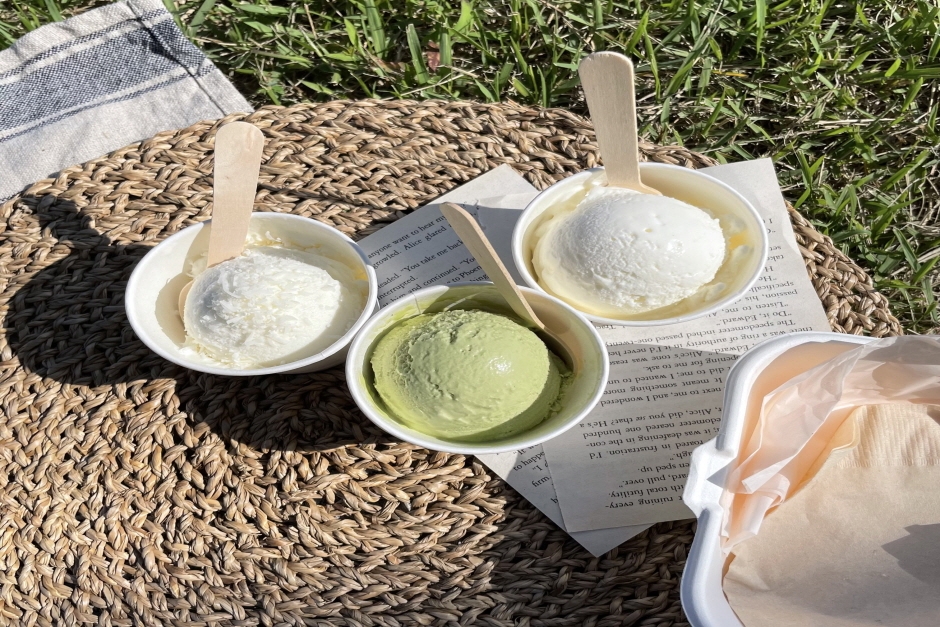
Saruru Farm (사르르목장)
130 Sanjeonghosu-ro, Yeongbuk-myeon, Pocheon-si, Gyeonggi-do
Saruru Farm is a café known for its bright and neat atmosphere, with large windows providing views of rice fields and farms. The café's signature menu items include homemade soft ice cream made from Pocheon ranch's fresh milk and homemade kaymak. They also offer unique ice cream topped with Korean-style toppings like konggomul (roasted soybean powder).
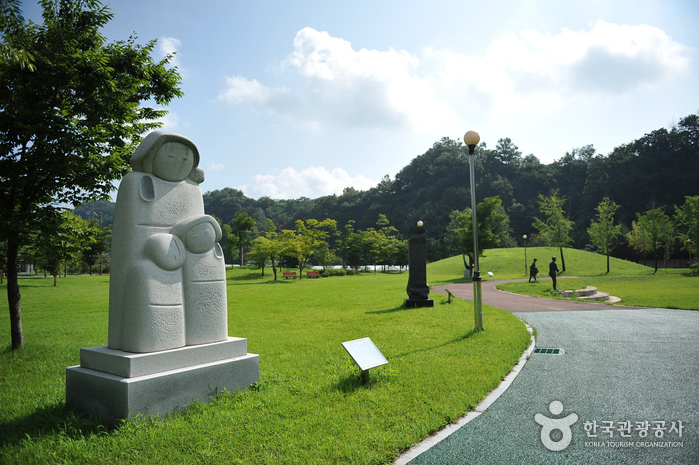
Saseondae Tourist Resort & Sculpture Park (사선대관광지&조각공원)
68-7, Saseon 2-gil, Imsil-gun, Jeonbuk-do
Saseondae Tourist Area was established around the upper region of the Seomjingang River. The pine trees are dense, cherry blossoms bloom in spring, and autumn leaves are spectacular in fall in this area. At the Sculpture Park next to the Saseondae Tourist Area, visitors can enjoy sculptures by local sculptors and international artists from the nearby Ogung-ri Art Village.
Saseongam Hermitage (Gurye) (사성암(구례))
303 Saseongam-gil, Muncheok-myeon, Gurye-gun, Jeollanam-do
Saseongam Hermitage is a hermitage located at the peak of Osan in Gurye (elevation 531m). It is estimated to have been built during the Baekje period (B.C. 18-A.D. 660). Many people visit it to see the sanctuary where the 53 statues of the Buddhist Avatamsaka Sutra are enshrined. The view of the Seomjingang River and the village from the temple is magnificent, and the refreshing breeze feels as if it penetrates through one's body, leading to its designation as a scenic spot in August 2014.
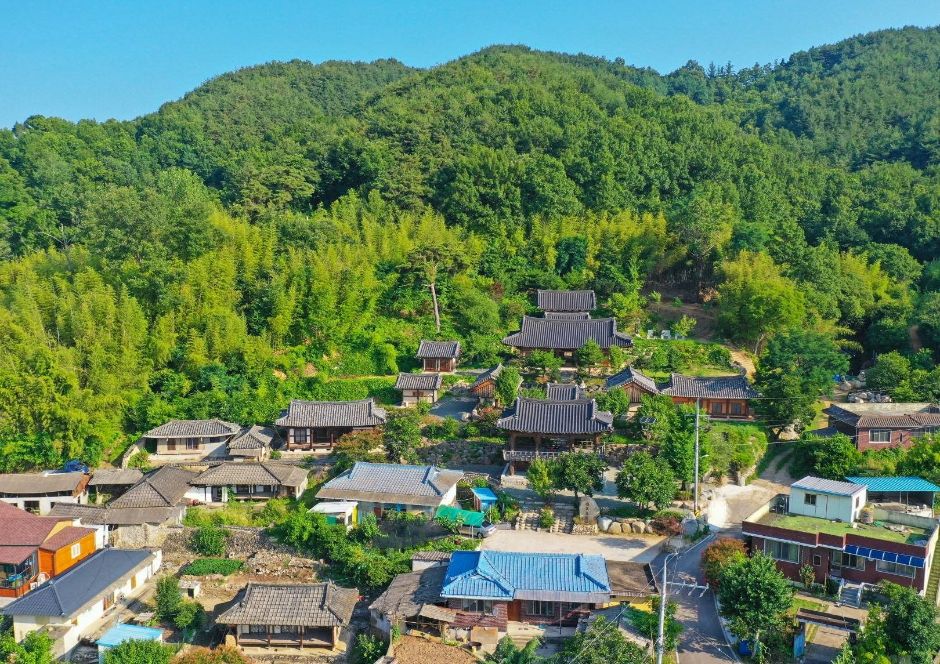
Saudang Head House (사우당 종택)
54-4 Suryun-gil, Suryun-myeon, Seongju-gun, Gyeongsangbuk-do
Saudang Head House, located in Yundong Village in Seongju, Gyeongsangbuk-do, is the ancestral home of Kim Yong-cho, one of the founding contributors of the Joseon dynasty. The name Saudang is derived from the pen name of Kim Kwan-seok, who settled in Yundong Village. Since the scholar Kim Kwan-seok settled here during the mid-Joseon period, Yundong Village has remained a clan village of the Uiseong Kim Clan. Within the village are Seodeoksa Shrine, a historic monument, and 13 additional buildings for ancestral rites in honor the clan's ancestors. For 600 years, Saundang Head House has continued the legacy as the ancestral home of Uiseong Kim Clan Commonly referred to as the "head house," this ancestral home is not only the residence of the firstborn but also serves as the spiritual pillar and center of the village. Additionally, it has been a place for nurturing future scholars, recognized for its influence on the local academic culture and its architectural preservation value, and is registered as a cultural heritage site of Gyeongsangbuk-do. Currently, the 21st head of the clan, Kim Gi-dae, and his wife, Ryu Jeong-sook, are safeguarding the ancestral home and promoting the fading culture of clan houses.
Plan your Korea trip
Korea travel FAQ
How do I use the travel search?
Enter a place or interest, then narrow the results by region, category or sort order.
Will my filters stay selected on the next page?
Yes. Your search and filter choices stay in the page URL while you move through the results.
Can I find directions to each place?
Place pages include an external Google Maps search when coordinates or an address are available.
Source: Korea Tourism Organization, official website (https://knto.or.kr).