TRAVEL IN KOREA
Korea Places to Visit
Find attractions, culture, festivals, stays, restaurants, shopping and travel courses for a clear Korea trip plan.
Data last synced: 2026-06-25. Some details may change. Please confirm official information before visiting.
Sayouwon (사유원)
1150 Chisanhyoryeong-ro, Bugye-myeon, Gunwi-gun, Daegu
Sayouwon, a calm place for contemplation, has old trees that have endured the test of time, stone statues created from the heart, and beautiful architecture. It goes beyond a simple arboretum as you can look around the area, reflect upon yourself, and engage in deep thinking -- a true garden for contemplation. Experts from different fields, such as architects Hyo-sang Seung, Alvaro Joaquim de Melo Siza Vieira, and Wook Choi, as well as landscape architect Young-sun Jung and calligrapher Wei Liang joined together to create this arboretum. The Soyoheon (art pavilion), Myeongjeong, and Pungseol Gicheonyeon are well-known here. Visitors are required to make a reservation on the website before visiting.
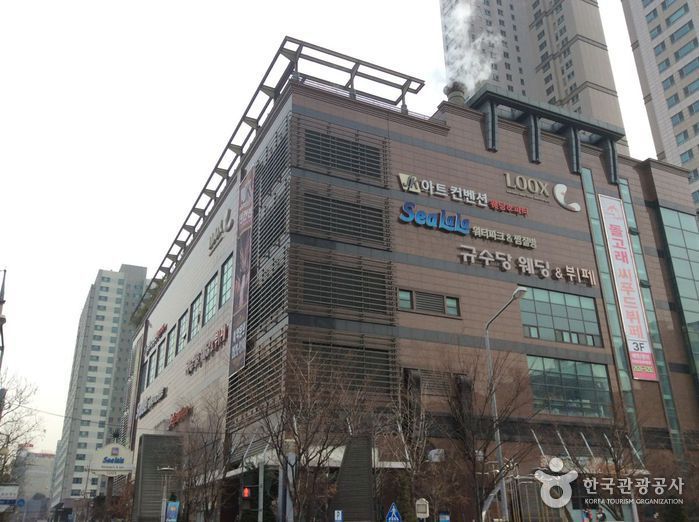
Sealala Water Park (씨랄라 워터파크)
(2nd underground floor), 164, Mullae-ro, Yeongdeungpo-gu, Seoul
Sealala Water Park is a water park at the heart of the city where one can enjoy water activities across the four seasons. Its name is a portmanteau of the sea and lala, symbolizing the fun one can have in the water park. Inspired by the Mediterranean, the water park has water flowing pool, slides, beach pools, the Kids Land, bath pools, and rotating slides. Amenities onsite include convenience stores, manhwa cafe, and a swimming equipment store. Nearby tourist sites include the Yeongdeungpo Park, The National Assembly Building, and the Yeouido Park.
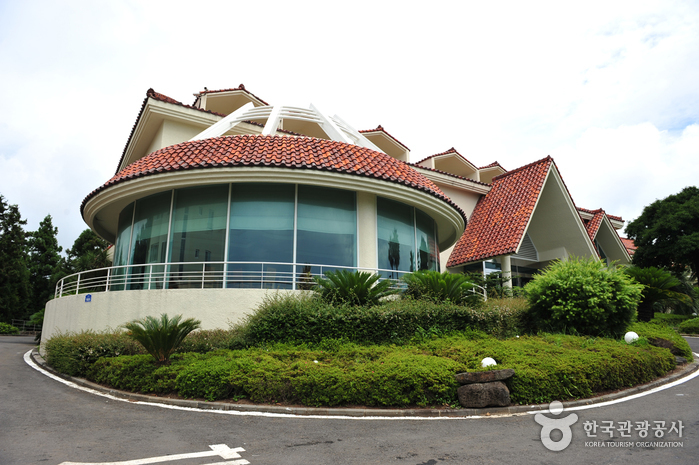
Seaore Resort (씨오르리조트)
989, Ieodo-ro, Seogwipo-si, Jeju-do
Seaore Resort, located in Seogwipo, offers outstanding views of the southern sea around Jeju and Hallasan Mountain at the center of the island. The hotel offers two outdoor swimming pools, making it a perfect summer vacation destination. The resort is also suited to outdoor activities such as golf, hiking, seafishing, and scuba diving. Nearby attractions include Jeju World Cup Stadium, Jungmun Beach Resort, Jeju Convention Center, Yeomiji Botanical Garden and Jungmun Resort.
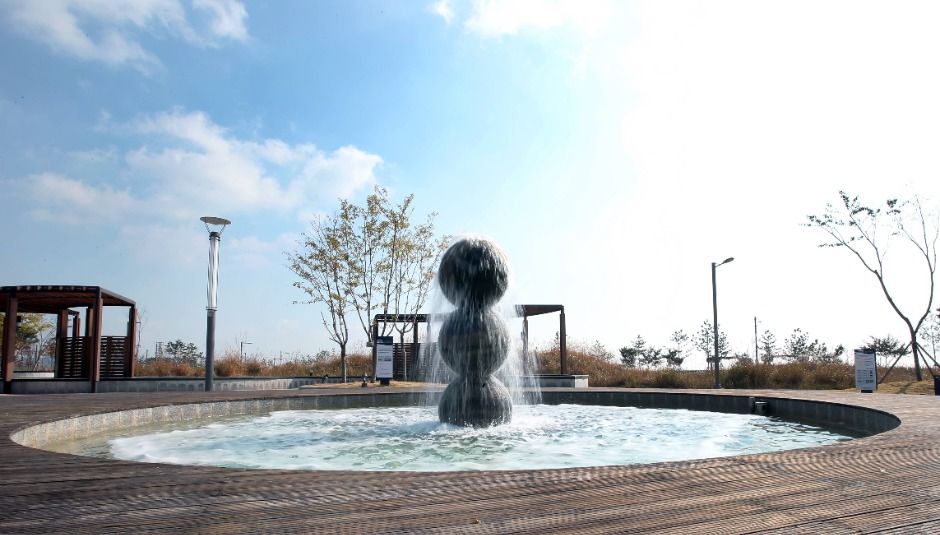
Seaside Park Foot Spa (씨사이드파크해수족욕장)
12 Yongsumal-ro 28beon-gil, Jung-gu, Incheon
Seaside Park Foot Spa is located inside Seaside Park, which is divided into various zones. It features various sports facilities and playgrounds, as well as an artificial rock waterfall, outdoor performance hall, sculptural fountain, observatory, and sculptures. Visitors can enjoy a variety of sights along with an open sea view. The foot spa is equipped with foot washing stations, allowing visitors to wash their feet before soaking. There are separate indoor and outdoor spaces to choose from according to personal preference, with outdoor areas having screens installed for comfortable use even on sunny days. Foot baths are known to be beneficial for blood circulation, making them popular among local residents.
Seated Rock-carved Buddha at Golgulam Temple (경주 골굴암 마애여래좌상)
101-5, Girim-ro, Gyeongju-si, Gyeongsangbuk-do
The Seated Rock-carved Buddha at Golgulam Temple consists of a Maebul (a Buddha carved in a cliff) at the very top of 12 Buddha images carved in natural rock caves located in a steep cliff of Girimsa Valley. A painting of the caving titled "Golgulseokgul" by Gyeomjae Jeongseon, a famous painter of the era, revealed that there was once a wooden room located in front of the Maebul, but today only a hint of the room remains on the rock. The head of the Buddha (Yukgye) is perched solid and high on the body with a clear profile of the face – sharp eyes, small lips and a long and narrow nose. In contrast to the three-dimensional face, the body is broader and flatter. The neck and upper chest sections have eroded over time. The folds in the clothing are nearly parallel, and the arm area has a v-pattern wrinkle, giving it a more realistic and three-dimensional quality. Around the head of the Buddha is a lotus-shaped halo, while the body is surrounded by a rhythmic flame-like halo. The Maebul is believed to have been created during the late Unified Silla Kingdom, as it shows similar craftsmanship to Seated Stone Vairocana Buddha (National Treasure), which was created in the year 876 and is located in Chukseosa Temple.
Sebang Sunset Observatory (세방낙조 전망대)
Jisan-myeon, Jindo-gun, Jeollanam-do
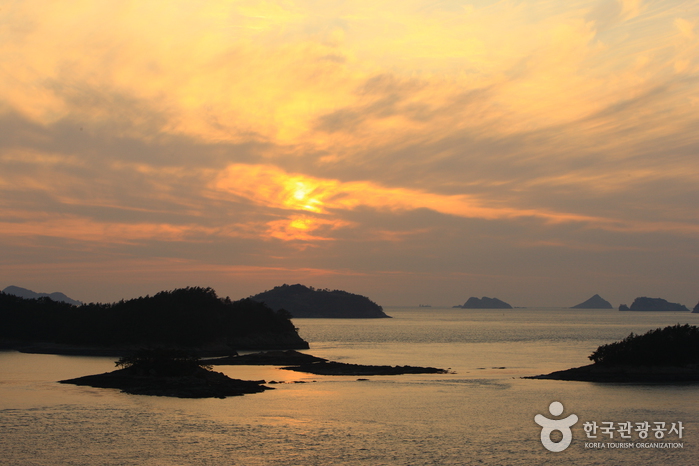
The scenery viewed from Sebang Sunset Observatory is thought to be one of the most beautiful scenes along the coast of Jindo Island. Visitors can see the beautiful red sunset just like a painting filling the sky between islands. Weather Central picked this site as the best sunset observing spot in the southernmost part of the Korean peninsula. Driving on the road offers views of breathtaking islands with a lot of forests and fresh air.
Sebang Village (세방마을)
6, Sebang-gil, Jindo-gun, Jeollanam-do
Known as the home to the most beautiful sunset, the town of Sebang-ri is quickly becoming a popular spot in Jindo-gun. Visitors can overlook at the Dadohaehaesang National Park from the observatory and enjoy the scenery of many islands that appear and disappear under the sea fog. View of a sunrise above the islands is stunning.
Secret Forest (비밀의 숲)
2173,Songdang-ri, Jeju-si, Jeju-do
Secret Forest, located in Gujwa-eup, Jeju-si, is a natural forest path that became famous as a must-visit selfie spot on social media. It shows its own unique appeal different from that of other well-known forests on Jeju Island such as Bijarim Forest and Saryeonisup Forest Trail. It consists of diverse elements from the rare cypress forest and vast grassland to stone walls and log cabins, and also features photo spots that contain sentiments and vibes unique to Jeju Island. Here, visitors can enjoy the beautiful four seasons of nature through canola blossoms and pink muhly. However, since it is a privately-owned land, it is prohibited to take pictures in the area until completely passing through the entrance, and must refer to the address shown on the website to get to the paved road.
Sehwa Beach (세화해변)
Sehwa-gil, Jeju-si, Jeju-do
Sehwa Beach, located in Sehwa-ri in Gujwa-eup, is a white sandy beach with black basalt that harmonizes perfectly with the emerald waters. Sehwa Beach is well-known in Jeju Island due to its close proximity with Bellongjang Market and Sehwa Folk Fifth-day Market, opening right next to Sehwa Beach, as well as the flea market at Bellongjang Market attracting many visitors.

Sejong Central Park (세종중앙공원)
60 Junganggongwon-ro, Sejong-si
Sejong Central Park spans 1.38 million square meters and offers a relaxing green space filled with diverse plants and themed gardens. Opened in phases starting in November 2020, the park features plazas, family leisure and arts forests, and extensive water elements such as ponds, a musical fountain, and cooling mist. With observation decks, visitor facilities, and over 12 sports amenities, including baseball, soccer, and basketball, the park supports both rest and active leisure in harmony with nature.
Sejong Cheongansa Temple (청안사(세종))
128-23, Ganeusil-gil, Jeonui-myeon, Sejong-si
Sitting at the foot of a mountain near Ganeusil Village, Cheongansa Temple belongs to the Jogye Order of Korean Buddhism. It had been believed to have been built in 1900, but the roof tile and white porcelain pieces from the mid-Joseon dynasty period found near the temple suggested that it might have been built even earlier. Cheongsansa had also been thought to be a branch of Biamsa Temple, which is presumably built in the 7th century during the late Baekje kingdom period.
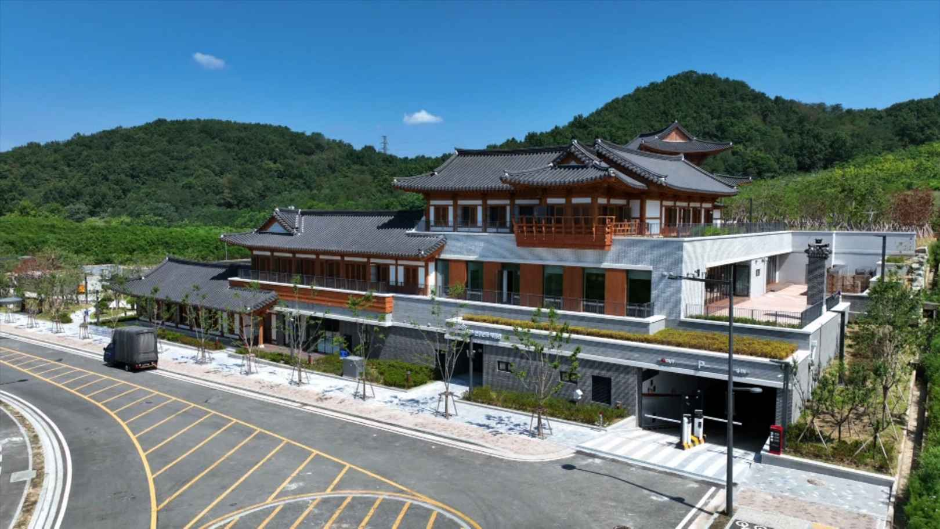
Sejong Cultrual Center of Korean Tradition (세종전통문화체험관)
94 Morongji-ro, Sejong-si
The Sejong Cultrual Center of Korean Tradition provides visitors with an immersive experience of traditional Korean crafts and culture, capturing the essence of Korea. The exhibition and promotional halls showcase crafts and traditional paintings depicting the daily life and rituals of Buddhist temples, along with an interactive experience room. Visitors can participate in traditional arts activities such as samulnori (percussion performance), mask dancing, decorative painting, folk painting, and calligraphy. Cultural experiences include temple food workshops focusing on vegan and fermented dishes, as well as meditation, yoga, and tea ceremonies.

Sejong Lake Park (세종호수공원 일원)
216 Dasom-ro, Sejong-si
Sejong Lake Park is a large scale man-made park and is one of the major tourism destinations in Sejong. On weekends, the area is packed with visitors who come to relax and enjoy performances, festivals and cultural events.

Sejong National Arboretum (국립세종수목원)
136 Sumogwon-ro, Sejong-si
The Sejong National Arboretum, designed as the first urban arboretum in Korea, was built adjacent to the Sejong Government Complex, where several government ministries are located. It is largely divided into three sections: the community program center, the educational center, and the garden exhibition center. Each center consists of different themed gardens that exhibit a variety of plant species that align with the center's purpose.
Sejong Singwangsa Temple (신광사 (세종))
24, Togolgogae-gil, Sejong-si
Singwangsa Temple is located on Nojeoksan Mountain. It is estimated to have been built 160 years ago, and renovated in 1920 by head monk Lee Gyeong-jik. The temple, originally called Togoljeol or Suryangsa, was renamed Singwangsa by monk Hyewon in 1980. Visitors will discover that this temple is filled with youthful energy. Although the temple has a short history, its location near Hongik University Sejong Campus has helped the temple become popular among college students.
Sejong Village Food Street (세종마을 음식문화거리)
Chebu-dong, Jongno-gu, Seoul
Previously known as Geumcheongyo Market, it was officially named Sejong Village Food Street in 2011, as King Sejong was born in this village. The street is full of lively energy and features both long-standing restaurants, also known as nopo in Korean, and recently established trendy eateries. Its convenient location and inviting atmosphere make it a popular place to visit.
Plan your Korea trip
Korea travel FAQ
How do I use the travel search?
Enter a place or interest, then narrow the results by region, category or sort order.
Will my filters stay selected on the next page?
Yes. Your search and filter choices stay in the page URL while you move through the results.
Can I find directions to each place?
Place pages include an external Google Maps search when coordinates or an address are available.
Source: Korea Tourism Organization, official website (https://knto.or.kr).