TRAVEL IN KOREA
Korea Places to Visit
Find attractions, culture, festivals, stays, restaurants, shopping and travel courses for a clear Korea trip plan.
Data last synced: 2026-06-25. Some details may change. Please confirm official information before visiting.
Sejong Yeonhwasa Temple (연화사 (세종))
28-1, Yeonhwasa-gil, Sejong-si
Yeonhwasa Temple is said to have been built by Hong Mun-seop. After having a dream, Hong dug the current site of Yeonhwasa Temple to find two stone Buddha statues and built a temple there. It was designated a traditional temple in 1988. The temple features Muryangsujeon Hall, Samseonggak Hall, and Yosachae (monks’ residence). There used to be a building with a tile roof, but following the discovery of a stele with the inscription of “Muin Year” and a pedestal, the roof was improved. The side of the stele is in a trapezoid shape with a wider bottom. It is thought to date back to the Unified Silla era. The temple is also home to a stele with seven relief Buddhist images. Together with the stone images of Biamsa and Jeonganmyeon, this stele is considered to have cast a new light on the Ancient Art.
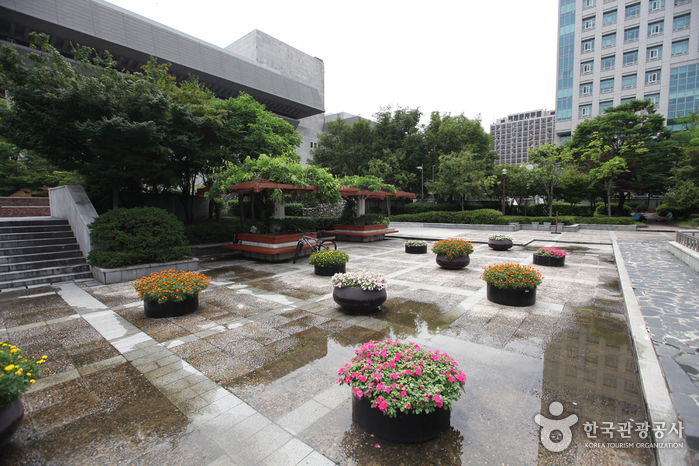
Sejong-ro Park (세종로공원)
jiha 189, Sejong-daero, Jongno-gu, Seoul
Sejong-ro Park is located next to Sejong Center for the Performing Arts in central Seoul. Inside the park, there are wooden benches and shaded areas where people can sit and relax. Also available are water fountains, a round outdoor stage, and various sculptures. The lunch crowd from the nearby office buildings often come to the park during weekdays. On the weekends, the park is also used as a venue for outdoor weddings. Seoul's anthem and the poem "Bulnori" by Ju Yo-han are written on a memorial stone that can be found inside the park.
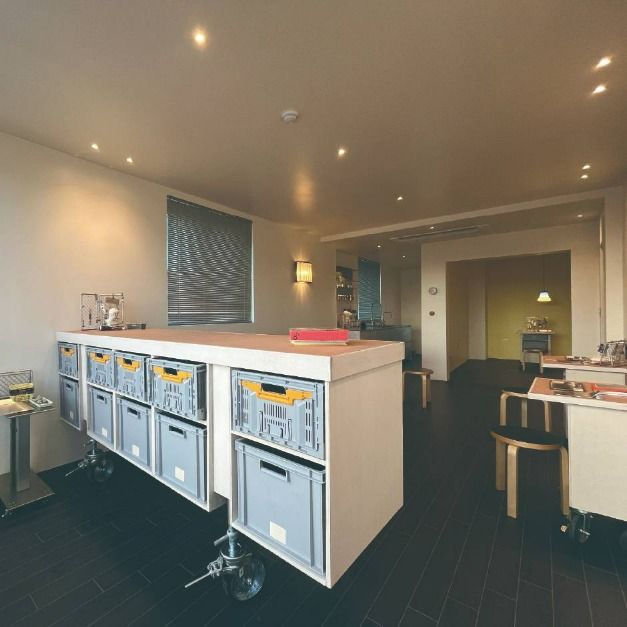
SEMIPUBLIC (세미퍼블릭)
3-1 Jochiwon-ro, Jochiwon-eup, Sejong-si
As implied by its name, SEMIPUBLIC is a cultural art space that blends semi-public and semi-private qualities. A studio and local art community centered on creativity, it inspires artistic activities and expereinces using a variety of art materials, design books, and art installations. Visitors can experience the world of art and contemporary aesthetics as well as enjoy the perks of local city life.
Semiwon (세미원)
93, Yangsu-ro, Yangpyeong-gun, Gyeonggi-do
Semiwon is a botanical garden solely focused on lotus flowers. The garden houses the world’s only museum dedicated to showcasing lotus flowers in daily living, cooking, and writing. The 180,000 square-meter park consists of ponds through which water is filtered and purified before flowing back into the Hangang River. The park is most beautiful in summer when the lotus blossoms are in full bloom but is also decorated with seasonal flowers throughout the year. Additional facilities at Semiwon include the Environment Learning Center, Experience Center, and exhibition areas.
Seoamjeongsa Temple (서암정사(함양))
27-79 Gwangjeom-gil, Macheon-myeon, Hamyang-gun, Gyeongsangnam-do
Seoamjeongsa Temple belongs to Byeoksongsa Temple, which is at the entrance of the Chilseongyegok Valley of Jirisan Mountain. Monk Woneung rebuilt Byeoksongsa Temple, which had been damaged during the Korean War in 1950. This hermitage features the Buddha statues Woneung carved into the natural bedrock, a grotto sanctuary with statues of the Pure Land, Daebanggwangmun Gate, and Sajagul Cave.
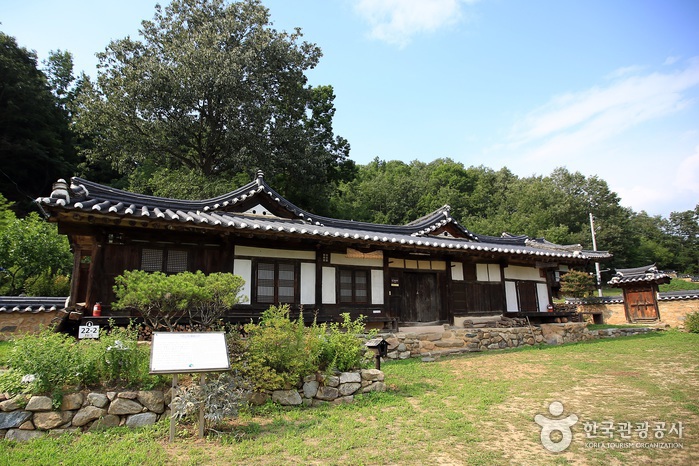
Seobyeok Historic House (서벽고택)
22-2, Jungdeul 2-gil, Cheongsong-gun, Gyeongsangbuk-do
Located in Jungpyeong-dong at the family village of the Pyeongsan Sin clan, the Seobyeok Historic House was originally created when Sin Hanchang, a scholar from late Joseon dynasty, got married and moved out of his parents’ house. The house was expanded by Sin Chigu in 1739. The house and is built in a rectangular shape with 6 kan (traditional Korean measurement; space between two pillars) in the front, 4 kan on the sides and a courtyard in the middle.
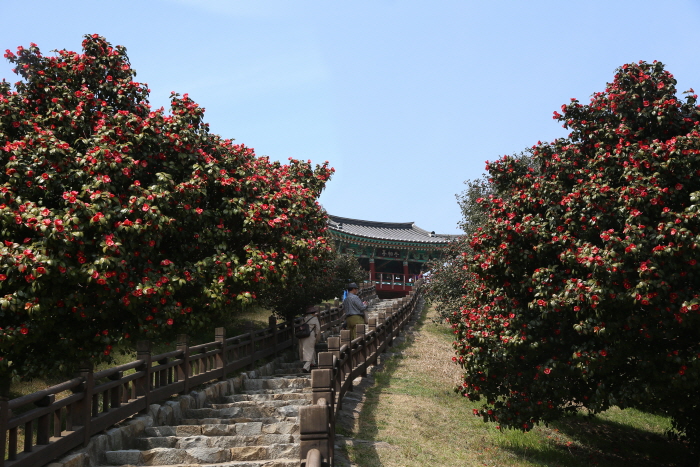
Seocheon Maryang-ri Camellia Forest (서천 마량리 동백나무 숲)
103, Seoin-ro 235beon-gil, Seocheon-gun, Chungcheongnam-do
One of the eight scenic views of Seocheon, Maryang-ri Camellia Forest is designated as a Natural Monument. The lush forest covers an area of 8,265 ㎡ with the trees being nearly 500 years old. The best time to enjoy the camellias is from late March to early May. Dongbaekjeong Pavilion standing at the peak of the hill offers a beautiful view of the nearby Oryeokdo Island in the blue sea and is also a prime spot for taking in the sunset. The western side of the forest has few remaining trees, but the eastern side is still lush with over 70 trees. While camellia trees typically grow to be 7 meters tall, the strong sea breeze has caused the trees in this forest to have a stunted growth of just 2 meters, as well as growing at a slant.
Seochon Village (서촌마을)
45 Pirundae-ro, Jongno-gu, Seoul (Nuha-dong)
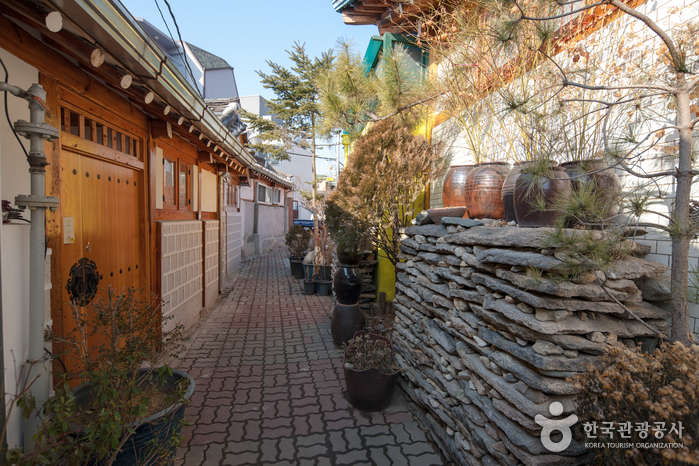
Seochon Village is the name given to the area to the west of Gyeongbokgung Palace. It is a historic village, home to old shops and hanok buildings that have stood the test of time. Korean traditions and contemporary sensibilities coexist within Seochon Village’s maze-like alleyways, creating the unique ambience that makes the district so beloved. One can find shops, guesthouses, cafés, and restaurants in the village.
Seodaejeon Park (서대전공원)
30 Gyeryong-ro 904beon-gil, Jung-gu, Daejeon
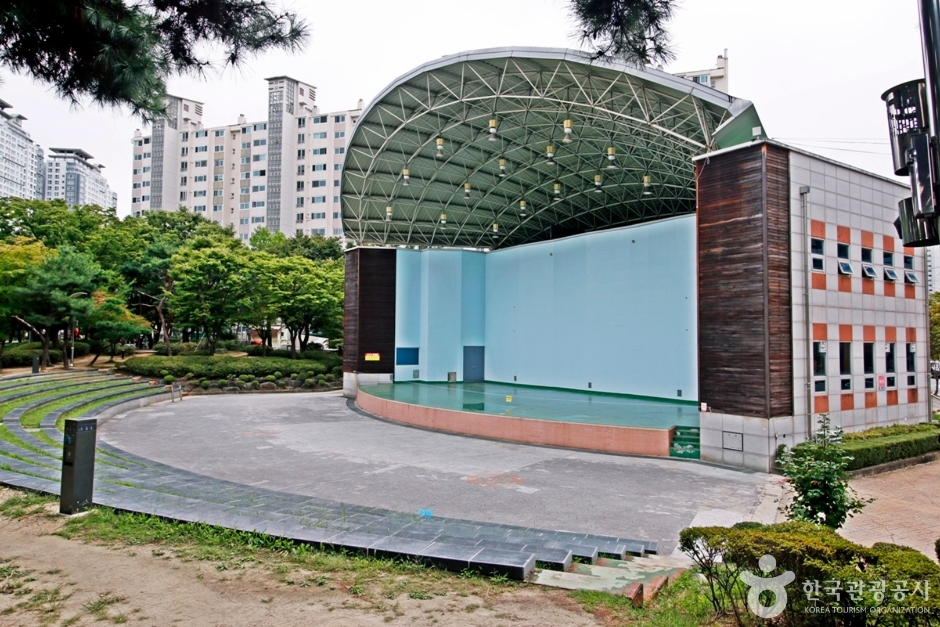
Seodaejeon Park is located at the site of a previous military base that closed in 1975. The site served as the venue for the 1993 Daejeon Expo, and was turned into the current park visitors see now at that time. The park features a large grassy field, outdoor performance stage, and more. The park serves as the venue for various festivals throughtout the year, including a Children's Day event and Kalguksu festival.
Seodaemun Independence Park (서대문독립공원)
251, Tongil-ro, Seodaemun-gu, Seoul
Seodaemun Independence Park was built on the former Seoul Detention Camp. It was used to imprison thousands of Korean independence activists until the liberation from the Japanese occupation on August 15, 1945, as well as the political prisoners during the political turmoil in the 1960s. When the prison was moved to Uiwang-si, Gyeonggi-do in November 1987, the area was restored and turned into a memorial park in August 15, 1992 to honor the sacrifices of the martyrs. The park preserves seven prison buildings, an execution ground, underground women’s prison, and the March 1st Movement Monument that has been moved from Tapgol Park in Jongno. One of the most significant monuments of the Seodaemun Independence Park is Dongnimmun Gate (Independence Gate), which has been designated a Historic Site. Nearby is Dongnipgwan (Independence Hall), originally called Mohwagwan, which was used to greet Chinese envoys during the Joseon dynasty. Today, the hall enshrines 2,327 tablets inscribed with the names of Koreans who died for the cause of national independence. Standing right next to Dongnimmun Gate are the remnants of Yeongeunmun Gate, another Historic Site. Other sights inside the park include the Patriotic Martyr Monument, Declaration of Independence Monument, and Statue of Dr. Seo Jae-pil, who was an independence activist and publisher of Korea’s first independent newspaper. The main highlight of the park is the Seodaemun Prison History Hall, a former prison building that was renovated into a history museum.
Seodong Park (서동공원)
41-14, Godo 9-gil, Geumma-myeon, Iksan-si, Jeonbuk-do
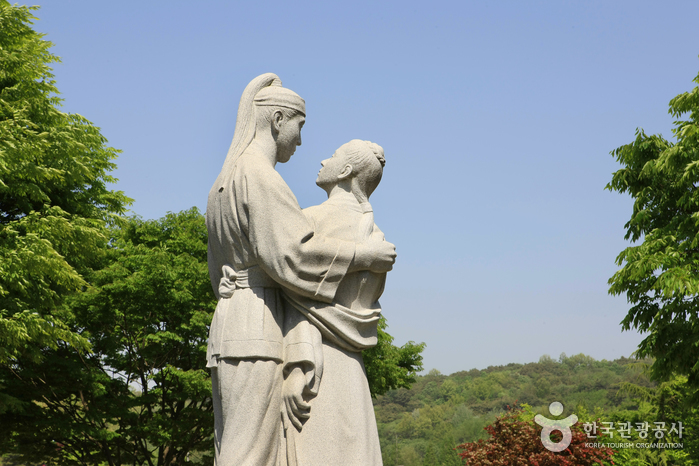
Built alongside the Geumma Reservoir, Seodong Park traces its origins to ancient records from the 600 AD with historical figures (Princess Seonhwa and Seodong, King Mu). More than 100 works of art can be found in the park, including twelve Chinese zodiac animal statues and sculptures of Princess Seonhwa and Seodong. The central plaza features a statue of King Mu, and various amenities such as the Mahan Museum, a children's forest playground, a picnic area, a fountain, and a riverside plaza enrich the experience for visitors.
Seodong Park and Gungnamji Pond (서동공원과 궁남지)
52 Gungnam-ro, Buyeo-gun, Chungcheongnam-do
Gungnamji Pond, a Historic Site located in Seodong Park, is Korea’s first artificial pond and was created by King Mu from the Baekje dynasty, who fell in love with and eventually married Princess Seonhwa. Gungnamji, literally means a pond in the south of the royal palace in Korean, was the given name according to the Samguksagi records. According to a record in the Samguksagi, the History of the Three Kingdoms, King Mu dug this lake south of his palace in the 35th year of his reign (634) and connected it by a 7800-meter long waterway to the water source. The king then had willow trees planted around the bank and had an artificial mound constructed in the middle of the lake.
Seodongyo Theme Park (서동요 테마파크)
616 Chungsin-ro, Buyeo-gun, Chungcheongnam-do
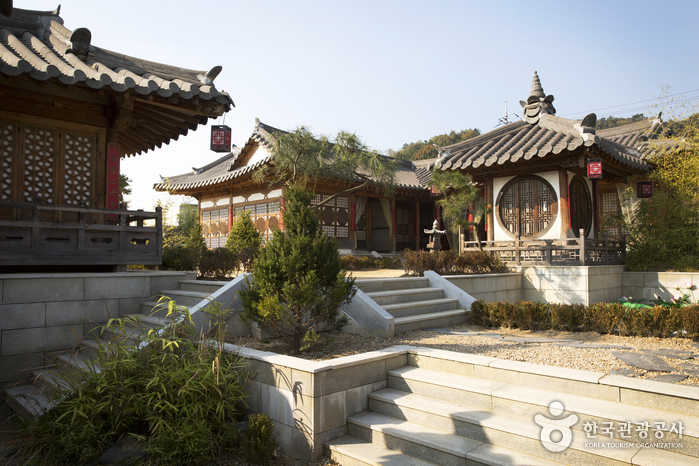
Seodongyo Theme Park is an open film set studio in a huge 33,000 square meter plot of land. The theme park offers various sets from Goryeo to Joseon dynasty as well as royal residences of Baekje dynasty, the commoners’ village, the village of the nobles and more. The set was the backdrop of various dramas including “Ballad of Seodong (2005), “The Great Sheer (2012)” and more. Visitors can also engage in various experience programs.◎ Travel information to meet Hallyu’s charm - TV series "Moon Lovers: Scarlet Heart Ryeo"Seodongyo Theme Park is a Baekje-themed set. The buildings that preserve the traditional architectural style and quaint scenery will make you feel like you’ve traveled back in time along with Hae-soo.

Seogwang Tea Garden (서광차밭)
15 Sinhwayeoksa-ro, Andeok-myeon, Seogwipo-si, Jeju-do
Seogwang Tea Garden, located in Seogwipo-si, Jeju, is known as the most well managed and largest tea plantation in Korea. Here, the tea leaves receive just the right amount of sun for it to be made into the highest quality product. Occupying an area 528,928m², the green field is spread out across the slopes of Seogwangseo-ri, attracting many visitors to the site. The fields didn't use to be this green though; the ground was rocky and the soil composition wasn't fertile enough for plants to survive. Seogwang Tea Garden's transformation from a barren land to a lush green plantation became a good example of successful agriculture in the mountain areas. The garden was also where Kim Jeong-hui (pen name Chusa), one of the most celebrated practitioners of calligraphy in the Joseon dynasty, spent his life of exile growing tea plants.

Seogwi Dawon (서귀다원)
717 516-ro, Seogwipo-si, Jeju-do
Seogwi Dawon was originally operated as a tangerine farm but has been transformed into a tea plantation since 2005. This quiet tea garden cultivates Jeju green tea at an altitude of 250 meters on Hallasan Mountain. Compared to other tea gardens, it attracts fewer visitors, making it ideal for a leisurely visit. Tree-lined paths, lush camellia trees, basalt sculptures, and expansive tea fields blend harmoniously, creating a serene landscape where Hallasan Mountain and the green tea fields come together to create a breathtaking panorama.
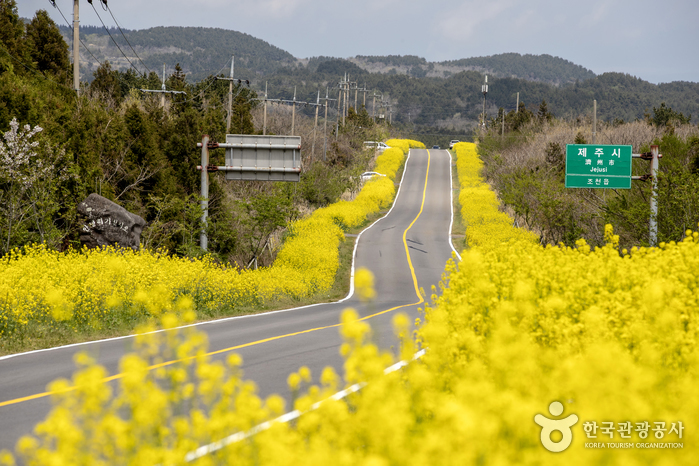
Seogwipo Gasiri Village (Noksan-ro Canola Flower Road) (서귀포 가시리마을 (녹산로 유채꽃도로))
20 Gasi-ro 565beon-gil, Pyoseon-myeon, Seogwipo-si, Jeju-do
Seogwipo Gasiri Village is where canola flowers and cherry blossoms bloom simultaneously over a 10-kiliometer section from its access road every April, boasting a picturesque driving route. The combination of yellow canola flowers and light pink cherry blossoms is very special. Selected as one of the “100 Beautiful Roads in Korea,” Gasiri Noksan-ro Road is a road that passes through Noksanjang and Gammajang, which were the best horse farms of the Joseon period, and is currently one of the best canola flower roads in Jeju. As such, it is called the "First Sight of the Ten Sights of Gasiri Village." In addition, visitors can enjoy beautiful natural scenery unique to Jeju, such as Ttarabioreum and Keunsaseumioreum Parastic Cones.
Plan your Korea trip
Korea travel FAQ
How do I use the travel search?
Enter a place or interest, then narrow the results by region, category or sort order.
Will my filters stay selected on the next page?
Yes. Your search and filter choices stay in the page URL while you move through the results.
Can I find directions to each place?
Place pages include an external Google Maps search when coordinates or an address are available.
Source: Korea Tourism Organization, official website (https://knto.or.kr).