TRAVEL IN KOREA
Korea Places to Visit
Find attractions, culture, festivals, stays, restaurants, shopping and travel courses for a clear Korea trip plan.
Data last synced: 2026-06-25. Some details may change. Please confirm official information before visiting.
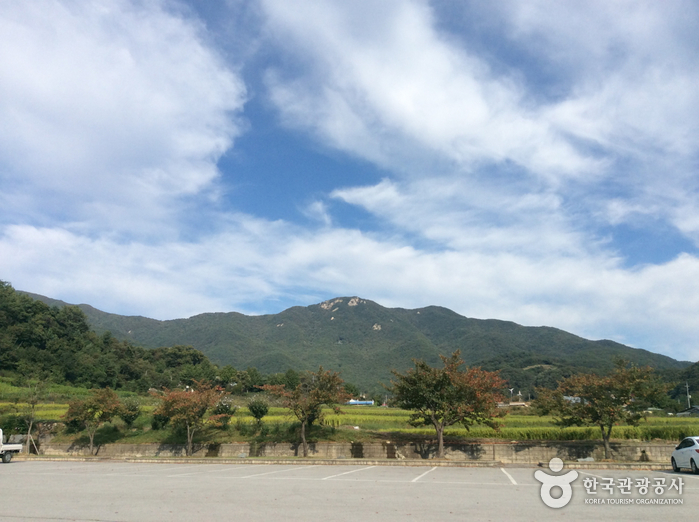
Seosan Gayasan Mountain (가야산(서산))
Sansu-ri, Seosan-si, Chuncheongnam-do
Gayasan Mountain has easy and enjoyable hiking trails connecting Gayabong Peak, the main peak, with other peaks and mountains, namely Wonhyobong Peak (677 m), Ogyangbong Peak (621.4 m), Illaksan Mountain (521.4 m), Sujeongbong Peak (453 m), and Sangwangsan Mountain (307.2 m). The trails are as easy and suitable for all hikers including the elderly and young hikers. A distant view of the west sea is even visible from the top of the mountain. Gayasan Mountain offers amazing scenery all year round, most notably in spring when azaleas, royal azaleas, and an array of wildflowers are in full bloom. The mountain also contains the Seosan Rock-carved Buddha Triad (National Treasure), which is considered the best rock-carved Buddha from the Baekje period. The mountain is also home to Bowonsa Temple Site, Gaesimsa Temple, and Illaksa Temple. With one National Treasure, six Treasures, and four cultural heritages preserved on the mountain, it is safe to say that Gayasan Mountain is the heart of Naepo Culture Zone (northwestern region of the province of Chungcheongnam-do), making the entire mountain a cultural asset.
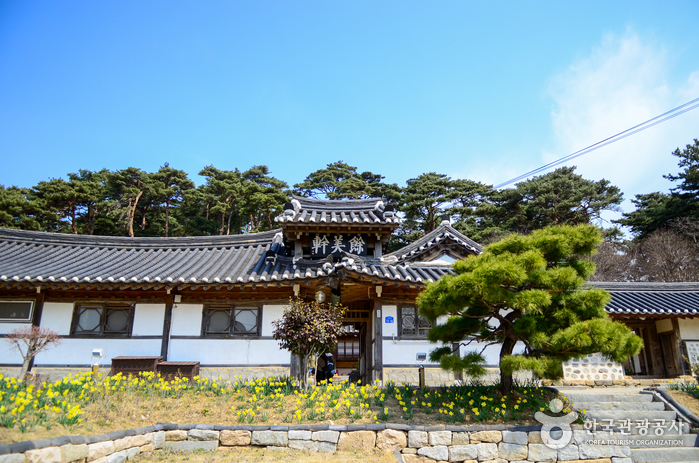
Seosan House of Yu Gibang (서산 유기방가옥)
72-10 Imunan-gil, Seosan-si, Chungcheongnam-do
House of Yu Gibang was built in the early 1900s and measures 4,770㎡. As a valuable historical asset, it was designated as a Chungcheongnam-do Folk Culture Heritage on October 31, 2005. The house faces south on a low mountain with a thick pine forest background. A courtyard is at the center of the house, created by the straight line-shaped anchae to the north, the haengnangchae to the west, and a chat room with anchae to the east. Initially, there was a middle gate in front of the anchae, but it was demolished in 1988 and replaced with a pavilion-shaped gate as seen now.
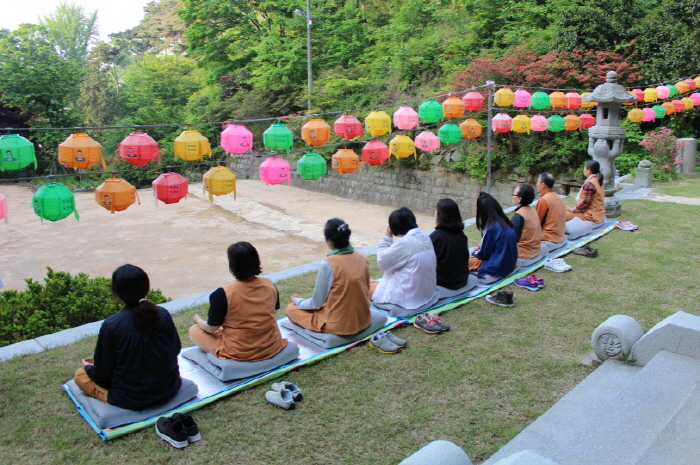
Seosan Seogwangsa Temple (서광사(서산))
44, Buchunsan 1-ro, Seosan-si, Chungcheongnam-do
Seongwangsa Temple is located in the quiet downtown area of Eupnae-dong, Seosan in Chungcheongnam-do. Its convenient location makes it easily accessible from almost anywhere in town. The temple was built by Great Monk Daegyeong in 928 in the late Silla period and the scholar Choi Chiwon came here to study while he was serving as the governor of Buseong-gun (currently Seosan) in 893. Originally, the temple was called Samseonam, or Three Hermitages, for there had been three hermitages in the upper, middle, and lower part of Buchunsan Mountain. During the late Joseon dynasty, the hermitages in the upper and middle part were closed and only the one at the bottom survived. In 1987, the name was changed to Seogwangsa Temple.
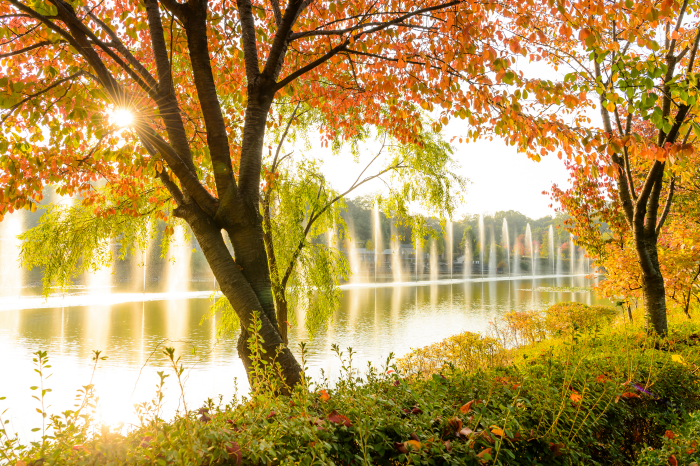
Seoseoul Lake Park (서서울호수공원)
20, Nambusunhwan-ro 64-gil, Yangcheon-gu, Seoul
Covering over 225,000 ㎡ of land in the southwestern part of Seoul, Seoseoul Lake Park, also known as West Lake Park, was to resolve the regional imbalance in the city. The park is a eco-friendly park designed with the themes of "water" and "recycling." Before turning into a park, the area was used as a purification plant that produced approximately 120,000 tons of tap water to Seoul. The park has a children's playground, sports facilities like the soccer field, basketball court and badminton courts, and a cultural plaza. With its vast space and 24-hour operation, the park provides a relaxing ground for the citizens of Seoul.
Seosomun Historical Park (서소문역사공원)
5, Chilpae-ro, Jung-gu, Seoul
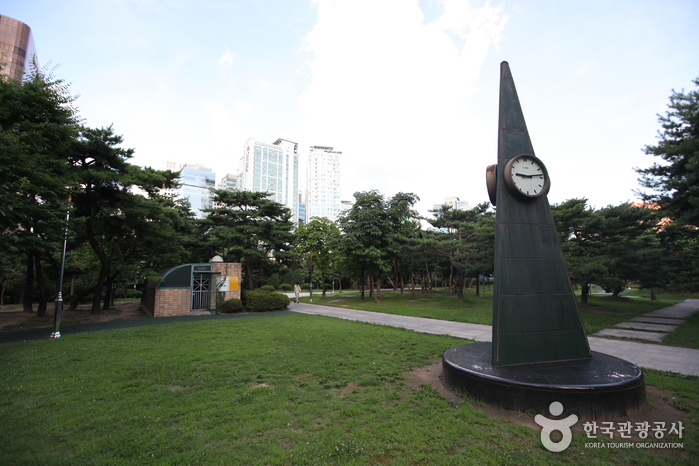
The Seosomun Gate area, which is located outside Seosomun Gate, was used as a persecution site in the 19th century before it turned into the local park of today. Many Catholics were suppressed and martyred here, making the area a holy site for Korean Catholics. Seosomun Gate was a gateway to Chilpae Market located near Namdaemun Gate. It was always busy with passerbys and the persecution site was established outside the gate to set an example of crime punishment to all the witnesses. On May 15, 1999, a memorial tower was raised at the center of the park in honor of the martyrs. In 2013, Seoul's Jung-gu district also founded Seosumun Holy Shrine History Museum with a memorial exhibition hall in their honor.
Seosulla-gil Road (서순라길)
150-3 Jong-ro, Jongno-gu, Seoul
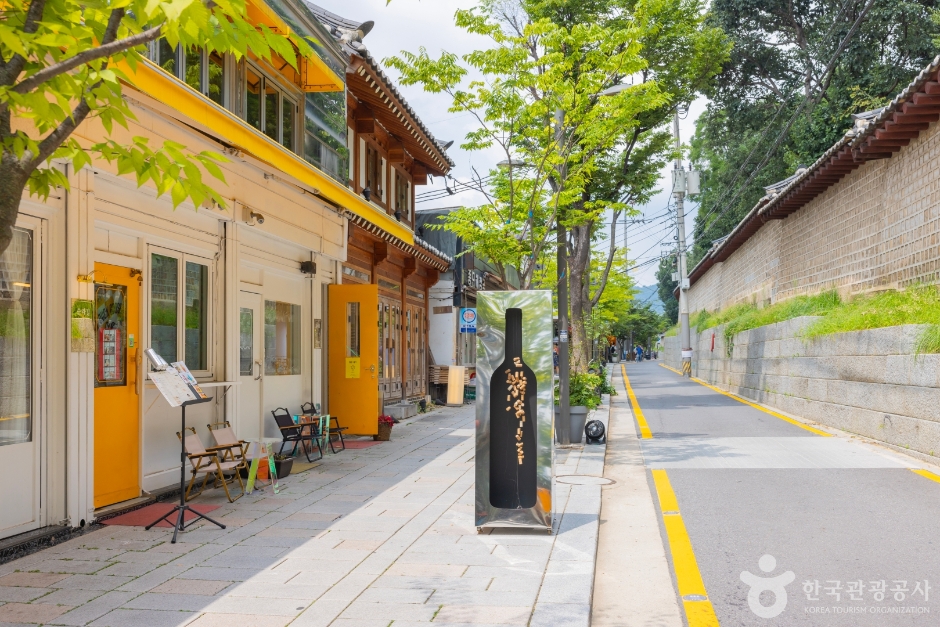
Seosulla-gil Road is a road that was used by the nightguards during the Joseon dynasty. The road is on the west of Jongmyo Shrine with various attractions nearby including Ikseon-dong, Insa-dong, Bukchon, and Samcheong-dong, as well as restaurants, cafes, and handicraft workshops. The road is also a beautiful date course with flowers in spring and fall foliage in autumn..
Seoul Bangidong Ancient Tombs (서울 방이동 고분군)
219, Ogeum-ro, Songpa-gu, Seoul
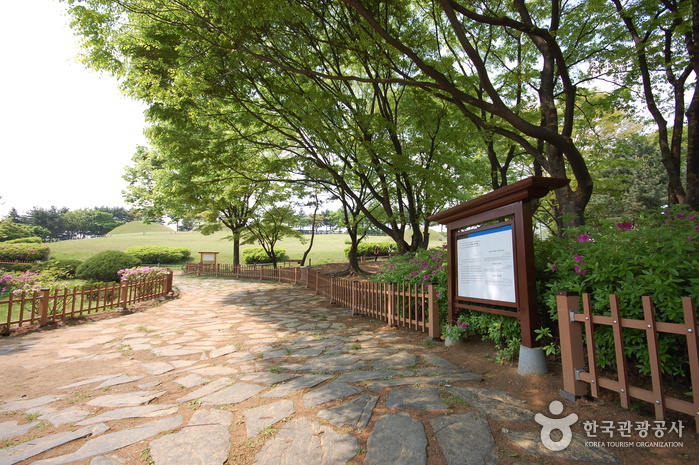
The ancient tombs in Bangi-dong were discovered during the land readjustment project of Jamsil-jigu District in 1975. A total of eight ancient tombs were excavated until 1976, and the site was restored into a park in 1983. The Bangi-dong area was originally a low line of hills with an altitude of 30-50 meters above sea level, but it has been made into flatland for urban development purposes. Tomb numbers 1 to 6 lie on the same hill, while tomb no. 7 and 8 are located on another hill a short distance away. All eight tombs have circular burial mounds. The insides of the a tomb feature a square or rectangular-shaped burial chamber with earthen ground and stone walls, and a passage leading from the tomb entrance to the chamber. However, details of the burial chambers vary by tomb. Most of the tombs had been robbed before the investigation, but a few relics such as plates and pots have been excavated. At the time of excavation, the relics were presumed to have come from the Baekje dynasty (18 BC-660 AD), but it is now estimated that they date back to the Unified Silla Period (676-935 AD).
Seoul Battleship Park (서울함공원)
407 Maponaru-gil, Mapo-gu, Seoul
Seoul Battleship Park is the city's first-ever battleship-themed park established through a sisterhood relationship with the city of Seoul and by using three retired vessels - Seoul-ham, Chamsuri, and a submarine - that had retired after serving the mission of protecting Korea's waters for 30 years. The three vessels whose original appearances have been preserved intact offer unique exhibits and entertainment and aim to present a special experience to citizens who visit Seoul Hangang Park through new and exciting things to see and enjoy.
Seoul BGSS Eye Clinic (서울밝은세상안과)
2F & 5F-7F, 823 Seolleung-ro, Gangnam-gu, Seoul
BGSS Eye Clinic has specialized in vision correction since its establishment in 1997. It is the first-generation eye clinic that introduced LASIK and LASEK surgeries in Korea. The clinic consists of the Vision Correction Precision Examination Center, General Surgery Center, General Consultation Center, and the Vision Correction Research Center perched over four floors. The Vision Correction Precision Examination Center is divided into the LASIK Precision Examination Center and the Post-surgery Consultation Center. The Vision Correction Precision Examination Center conducts approximately 50 types of precision examinations and a 10-phase special diagnostic examination, leveraging the largest number of examination devices in Korea. The clinic's DNA Genetic Testing Lab conducts the Avellino Lab Universal Test for all surgical patients to ensure safer surgeries. It is the only clinic in Korea capable of handling the entire process in-house, from collecting DNA to in-house analysis and result confirmation, so patients can get surgery on the day of the test.
Seoul Bongeunsa Temple (봉은사 (서울))
531 Bongeunsa-ro, Gangnam-gu, Seoul
Once known as Gyeonseongsa Temple, Bongeunsa Temple is located north of COEX, and was constructed in the 10th year of Silla King Weongseong’s reign (794). In 1498, Queen Jeonghyeon refurbished Gyeonseongsa Temple and renamed it Bongeunsa Temple. Originally located near the Royal Tomb of King Seongjong, the temple was transferred to its current location during Joseon King Myeongjong’s reign. The temple is home to 3,479 Buddhist scriptures of 13 types, including the works of Kim Jeong-hee. The Buddhist ceremony called Jeongdaebulsa is held on the ninth day of the eighth month of the lunar calendar, where monks march carrying the scriptures on their heads and recite the Beopseongge (Buddhist rites).
Seoul Botanic Park (서울식물원)
161 Magokdong-ro, Gangseo-gu, Seoul
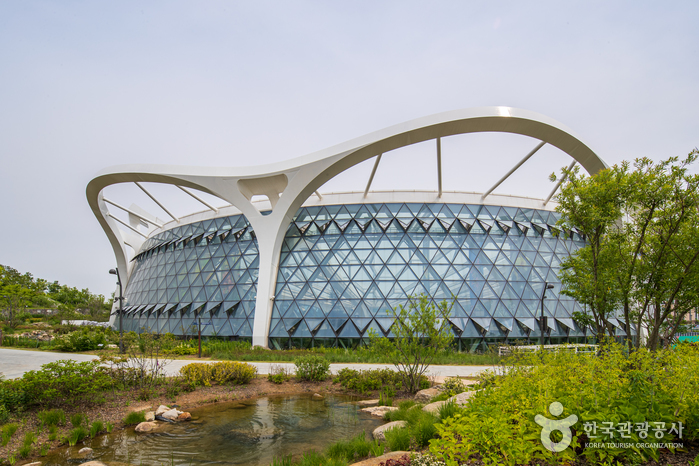
The Seoul Botanical Garden was created in Magok, the last remaining development site in Seoul, to introduce native plants and horticulture of 12 different cities from around the world and raise ecological awareness in the city. Seoul Botanic Park integrates a botanical garden and a public park, and the area is the size of 70 soccer fields. It serves as a bridgehead and lifelong education institution with the aim of spreading urban garden culture while staying true to its original role as a plant research conservation institution through expanding endangered wild plant habitats, researching the proliferation of species, and developing varieties. The botanical garden is divided into four spaces: Open Forest, Themed Garden, Lake Garden, and Wetland Garden. The main highlight is the Themed Garden that comprises the Botanic Center, Mogok Cultural Hall, and an outdoor themed garden.
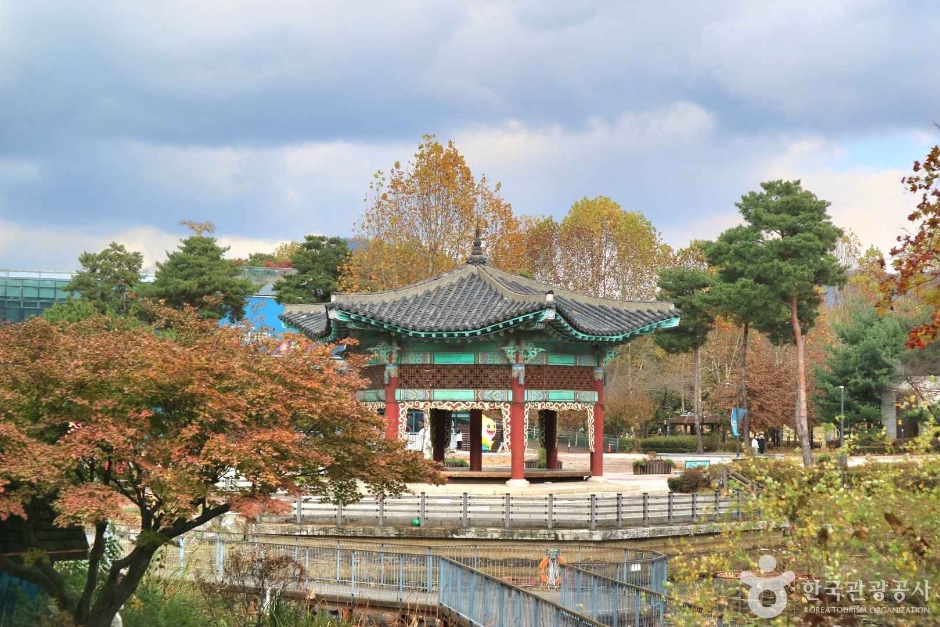
Seoul Children's Grand Park (서울어린이대공원)
216 Neungdong-ro, Gwangjin-gu, Seoul
Opened in May 1973, Seoul Children’s Grand Park is a theme park situated among green forests and fields with a total area of 56,552㎡. It contains a zoo, arboretum, amusement park, and performance venues. Seoul Children’s Grand Park has been a beloved part of Seoul, a paradise for children and a living venue for education. For grown-ups, it functions as an area of refuge and culture within the city. The Grand Park offers facilities that everyone in the family can enjoy, so everyone can find their own fun in the Grand Park.
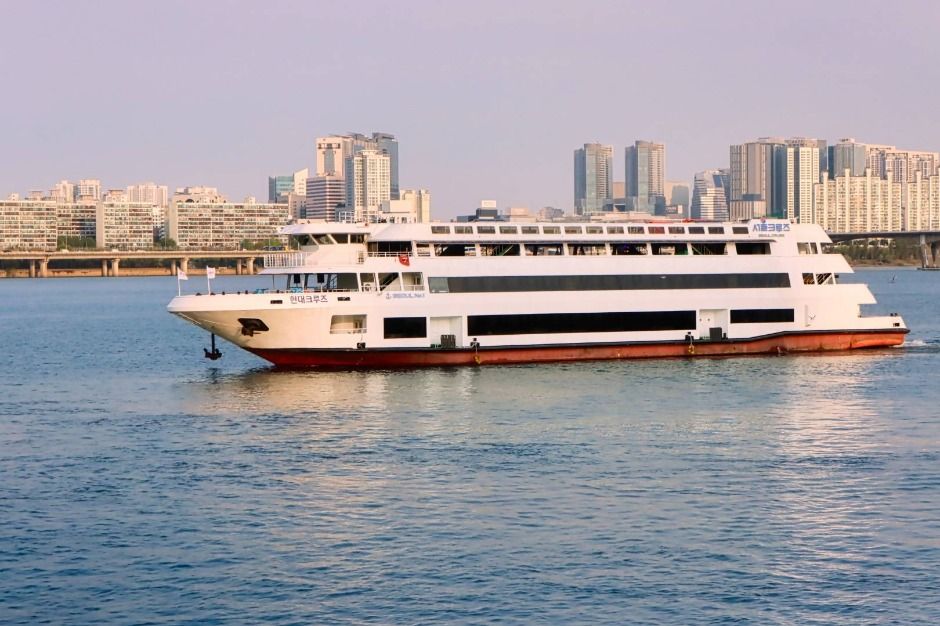
Seoul Cruise (서울크루즈)
231 Yeouidohanganggongwon-gil, Yeongdeungpo-gu, Seoul
Hyundai Cruise Line, Korea's first marine tourism cruise operator, was founded in 1983 and renamed Seoul Cruise after building a new terminal in Yeouido. With Yeouido Ferry Terminal as its base, Seoul Cruise is the only passenger cruise operator that can travel from the Hangang River to the West Sea, passing through the Ara West Sea Lock. The company currently operates from two terminals: Yeouido Ferry Terminal and Ara Gimpo Terminal. In addition to offering tours that showcase the scenic beauty of the Hangang River, Seoul Cruise also provides other options, such as the Dinner Fireworks Cruise, which lets passengers enjoy a fireworks show along the Ara Waterway in Gimpo.
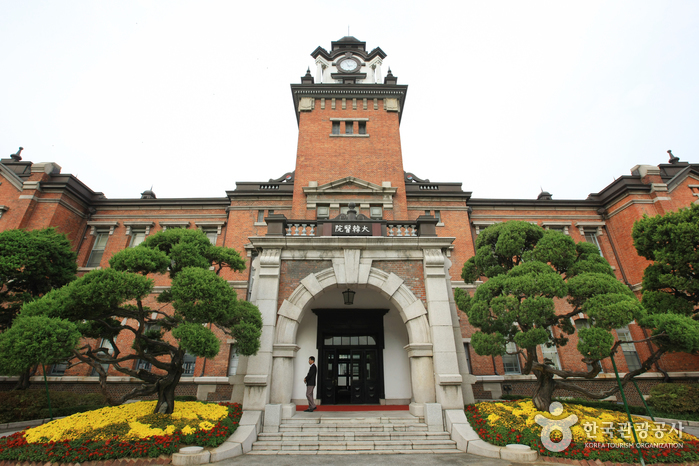
Seoul Daehan Hospital (서울 대한의원)
101, Daehak-ro, Jongno-gu, Seoul
Daehanuiwon (Daehan Medical Center) is an antique two-story brick building within the grounds of Seoul National University Hospital. It was established under the direct administration of the Uijeongbu (State Council), combining the Gwangjewon (under the Home Ministry), Gyeongseong Medical School and the Korean Red Cross Hospital (under the Royal Household). Built in the Madubong Hill area, this location where Hamchunwon, the outer garden of Changgyeonggung Palace, once stood in 1484 (15th year of King Seongjong), was also once the site of Gyeongmogung Palace, where King Jeongjo enshrined the mortuary tablet of his birth father Crown Prince Sado Seja in 1776 (the year King Jeongjo ascended to the throne). These places that held importance for the royal family were destroyed as the Japanese built Gyeongseong Empire University in its place. In 1907, with the announcement of the plan to establish Daehan Medical Center, construction began on the main building, seven wards and affiliated buildings. Construction was completed in November 1908. The Daehan Medical Center opened in Gwangjewon, but upon Japanese colonization in 1910, its name was changed to the Japanese Viceroyalty Hospital. In 1926, it was included as a part of Gyeongseongjeguk University to become a university hospital. Since the liberation of Korea in 1945, it has been a hospital affiliated with Seoul National University.
Seoul Doseonsa Temple (도선사(서울))
504 Samyang-ro 173-gil, Gangbuk-gu, Seoul
Doseonsa Temple was established 1,100 years ago during the latter part of the Silla Kingdom when the renowned Buddhist priest Doseonguksa was traveling through the mountains. After visiting the site, Doseonguksa made a prophecy that led to the construction of the temple. According to legend, he used only his walking stick to carve the large Bodhisattva that sits at the temple. Interestingly enough, the statue does not show any evidence of chisel marks, further adding to the mystery of how the statue was made. During the 7th year of King Gwangmu of the Joseon dynasty, Doseonsa Temple was officially named the representative temple of Korea with the purpose of promoting Cheongdamdaejongsa's Korean Buddhism movement, aiming at a religious revival. Due to these special circumstances Deseonsa Temple gained a high reputation and much recognition, which have held strong to this day. Inside the temple, visitors can view the remains and written works of Cheongdamdaejongsa in the Cheongdamdaejongsa Memorial Hall. Next to the road leading to Cheonbuljeon Hall is a pond where you can toss a coin and make a wish and just past Yongammun Gate is a hiking path connecting Baegundae Cliff and Insubong Peak. Inside the Ksitigarbha Hall are portraits of President Park Chung-hee, Yuk Yeong-su, and Hyundai Chairman Chung Ju-yung. In front of the hall is a tree that is said to have been planted by a Buddhist priest who brought it from India 200 years ago. Historical artifacts can be found throughout the temple.
Seoul Eungbongsan Mountain (응봉산(서울))
1540 Geumho-dong 4-ga, Seongdong-gu, Seoul
From Eungbongsan Mountain, one can easily see the Hangang River, Seoul Forest, Jamsil Sports Complex and more in the eastern part of Seoul. With such a great view of the Hangang River, the mountain is often packed with visitors including many photographers. The mountain serves as a venue for diverse events, including a sunrise festival on New Year's Day and forsythia festival around April during the flowering season.
Plan your Korea trip
Korea travel FAQ
How do I use the travel search?
Enter a place or interest, then narrow the results by region, category or sort order.
Will my filters stay selected on the next page?
Yes. Your search and filter choices stay in the page URL while you move through the results.
Can I find directions to each place?
Place pages include an external Google Maps search when coordinates or an address are available.
Source: Korea Tourism Organization, official website (https://knto.or.kr).