TRAVEL IN KOREA
Korea Places to Visit
Find attractions, culture, festivals, stays, restaurants, shopping and travel courses for a clear Korea trip plan.
Data last synced: 2026-06-25. Some details may change. Please confirm official information before visiting.
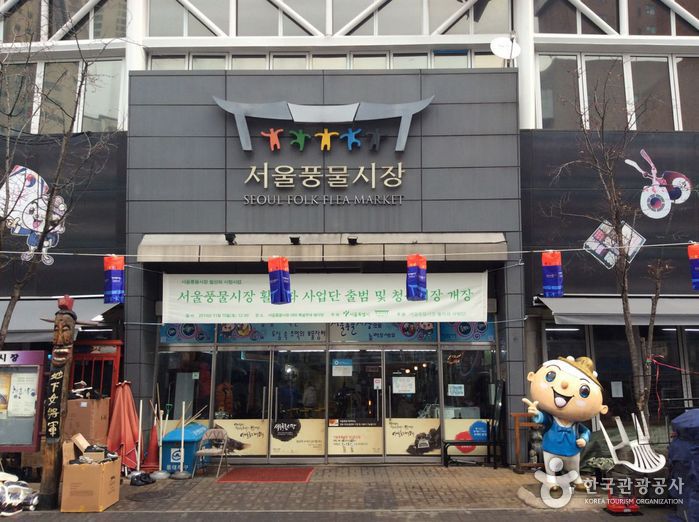
Seoul Folk Flea Market - Traditional Arts & Crafts Studio (서울풍물시장 전통문화체험관)
21, Cheonho-daero 4-gil, Dongdaemun-gu, Seoul
The Traditional Arts & Crafts Studio in Seoul Folk Flea Market was created to give both locals and international visitors a chance to experience the traditional arts of Korea first-hand. For international visitors, programs serve as a brief introduction to some of the finer points of Korean art. For many Koreans, the studio’s programs are ways to relive childhood memories or experience traditional culture as a family.

Seoul Forest (서울숲)
273 Ttukseom-ro, Seongdong-gu, Seoul
Seoul Forest is a city park opened on June 18, 2005 in what was originally a water treatment facility. Consisting of four themed parks spread across spacious land, Seoul Forest is an eco-friendly zone appreciated not only by the people of the city but also those visiting Seoul.
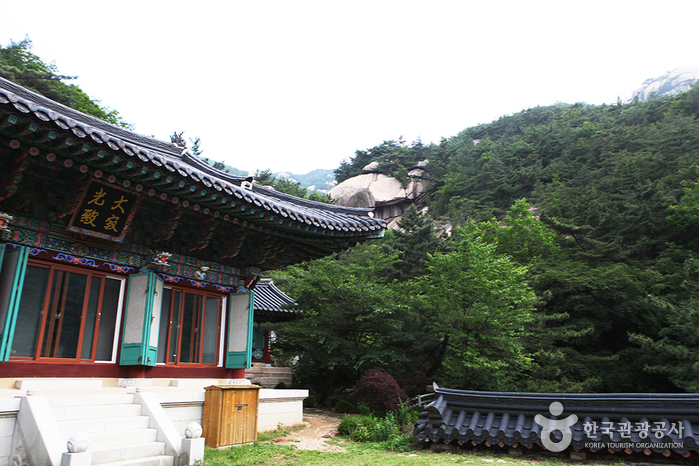
Seoul Geumseonsa Temple (금선사(서울))
137, Bibong-gil, Jongno-gu, Seoul
Geumseonsa Temple is located within Bukhansan National Park, just behind Cheong Wa Da (The Blue House) and Gyeongbokgung Palace. The entrance to the temple is just off the hiking path to Bibong Peak. After passing Banyajeon Hall, where Buddhist services are held, visitors will see a pine tree over 200 years old, and beyond that, a staircase with 108 steps leading up to Daejeokgwangjeon Hall in the temple's main area. To the right is Samseonggak House and Hongyegyo Bridge over the clear waters flowing down from the mountain. Additional temple buildings include Mitajeon Hall and Yeonhwadang Hall, built in 2004 by Monk Beopan; and Jeokmukdang Hall, built using traditional construction techniques.
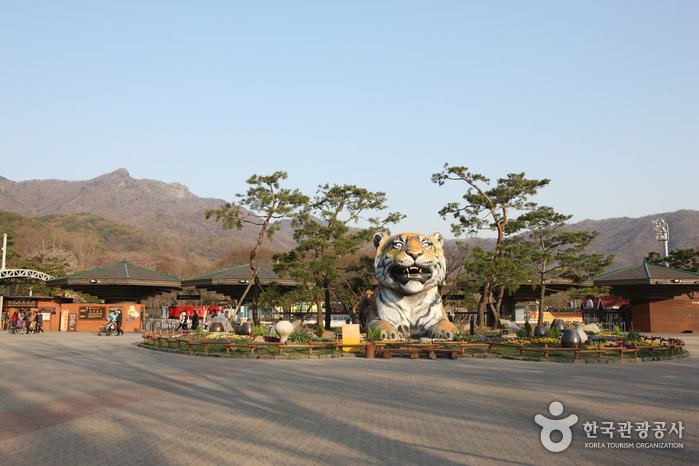
Seoul Grand Park (서울대공원)
102, Daegongwongwangjang-ro, Gwacheon-si, Gyeonggi-do
Seoul Grand Park is a family-friendly amusement park consisting of various themed facilities that promote the growth and preservation of diverse animals and plants. [Seoul Zoo] Seoul Zoo aims to provide an ideal environment for animals to grow and live as well as exhibit, preserve, and research rare animals and educate the public. As a result of the zoo's hard work and efforts, it is the only zoo in Korea to be certified as a member of both ISIS and IUDZG-WZO. [Botanical Garden] Seoul Grand Park's Botanical Garden was opened in 1985 amidst the lush forest situated at the foot of Cheonggyesan Mountain. The garden consists of a greenhouse, exhibition facilities, and themed gardens that boast a collection of over 41,000 plants from 1,262 different species. The greenhouse preserves and exhibits tropical and subtropical plants that are not found in Korea. Moreover, the Botanical Garden offers various activities and experience programs related to plants and forests. [Theme Garden] The Theme Garden is one of the most representative facilities of Seoul Grand Park. The Theme Garden consists of a Rose Garden and Children's Zoo. Seasonal plants and flowers as well as diverse themed garden programs are offered. [Healing Place] The Healing Place is a forest formed at the foothills of Cheonggyesan Mountain that surrounds the border of Seoul Grand Park. Main facilities consist of Healing Forest Walkway; Water, Wind & Sunshine Healing Zone; Barefoot Road; Aroma Garden; and Forest Plaza. [Healing Forest Walkway] Healing Forest Walkway is a walking path lined by diverse trees that form a lush forest serving as a habitat for small animals like squirrels, rabbits, raccoons, and more. The walking path is approximately 8 kilometers long and divided into four sections. The shortest course takes approximately 30 minutes to complete, while the full course requires 3 hours. [Campsite] The campsite within the Seoul Grand Park is the perfect place to camp out, hold picnics and enjoy recreational activities with friends and families. The main facilities consist of a campsite, volleyball court, basketball court, snack bar, and shower facilities. The campsite is open from March to November, except in the case of harsh weather conditions.
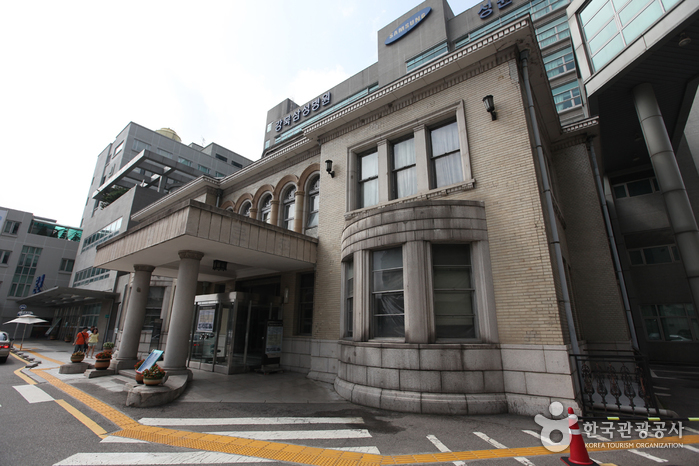
Seoul Gyeonggyojang House (서울 경교장)
29, Saemunan-ro, Jongno-gu, Seoul
Gyeonggyojang House, a designated Historic Site, was the location of the provisional government and the place where Baekbeom Kim Koo passed away. Seoul reproduced the historical site, Gyeonggyojang House, to use the area as an educational site. Also, the house exhibits the history of the provisional government in order to see the history more clearly. Restoration work included the demolition of the interior that was changed when the building was turned into a hospital facility and embassy after Kim Koo passed away in 1949. During the work, the remaining parts were maintained with the utmost care. Reconstructed parts were based on the building's floor plan written in Chosun and Architecture (8th edition in 1938). Visitors can see various contents related to the Korean Provisional Government history through relics, video, and information searching corners.
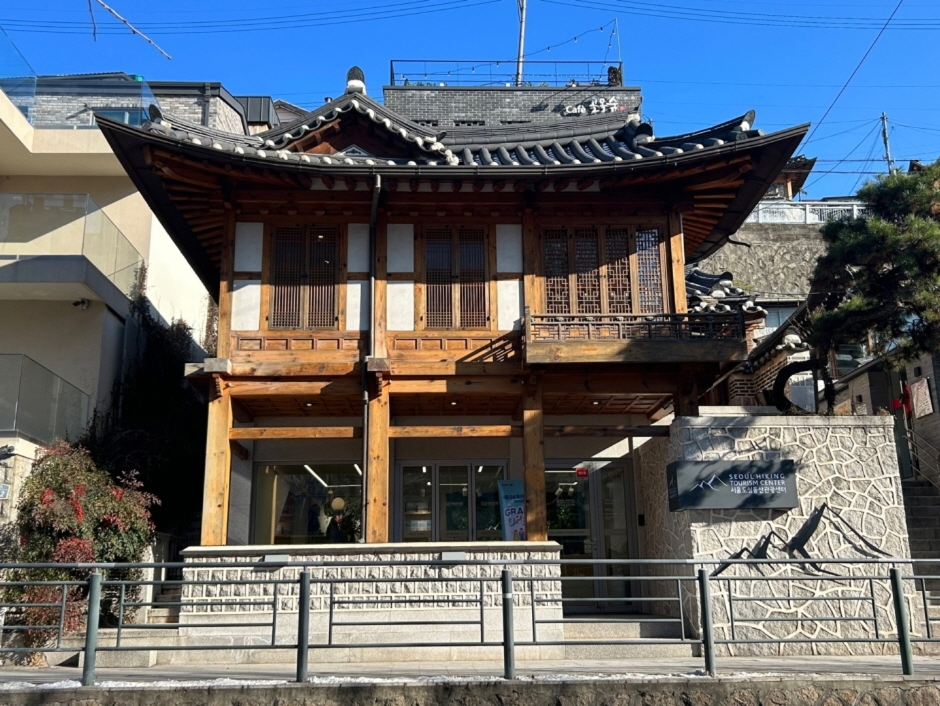
Seoul Hiking Tourism Center - Bugaksan Branch (서울도심등산관광센터(북악산))
88 Samcheong-ro, Jongno-gu, Seoul
The Bugaksan branch of Seoul Hiking Tourism Center is located on Samcheong-dong Culture Street and provides various services to hikers. It provides hiking course guidance and information (available in Korean, English, Chinese, and Japanese) about the mountains of Seoul, including Bukhansan, Bugaksan, and Inwangsan Mountains, as well as promotional materials such as Seoul hiking tourism guidebooks and maps. Also, it operates hiking tour programs with various themes every week for foreigners and offers hiking gear rental services such as hiking boots, hiking attire, trekking poles, gloves, and crampons for foreigners. (Koreans accompanied by foreigners can also rent the gear.) In addition, there is a storage locker and lounge for visitors, so they can pack up and rest before hiking.
Seoul Hiking Tourism Center - Bukhansan Branch (서울도심등산관광센터(북한산))
5F, 181-7 Ui-dong, Gangbuk-gu, Seoul
The Seoul Hiking Tourism Center is located 5 minutes on foot from Exit 2 of Bukhansan Ui Station and provides various services to hikers. It provides hiking course guidance and information (available in Korean, English, Chinese, and Japanese) about the mountains of Seoul, including Bukhansan, Bugaksan, and Inwangsan Mountains, as well as promotional materials such as Seoul hiking tourism guidebooks and maps. Also, it operates hiking tour programs with various themes every week for foreigners and offers hiking gear rental services such as hiking boots, hiking attire, trekking poles, gloves, and crampons for foreigners. (Koreans accompanied by foreigners can also rent the gear.) In addition, there is a storage locker and lounge for visitors, so they can pack up and rest before hiking.
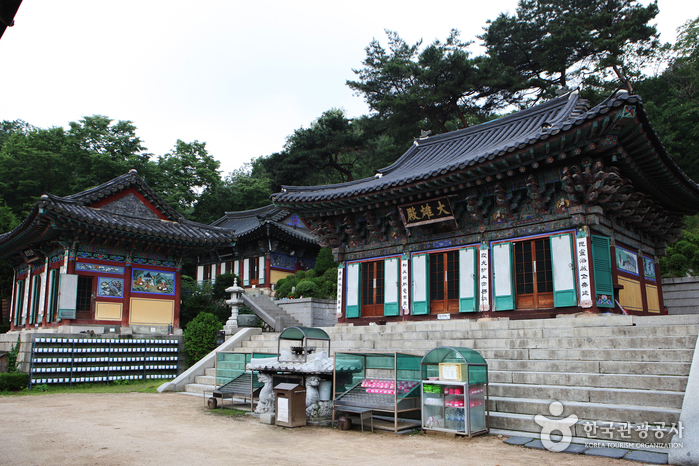
Seoul Hwagyesa Temple (화계사(서울))
117, Hwagyesa-gil, Gangbuk-gu, Seoul
Hwagyesa Temple was built in 1522 (the seventeenth year of the reign of King Jungjong of the Joseon dynasty) by monk Shinwol, but was destroyed in a fire in 1618. It was rebuilt the following year, and expanded In 1866 through the efforts of Monks Yongseon and Beomun. The temple also has various templestay programs for visitors. Hwagyesa Temple is located not too far from the city but also provides a natural environment.
Seoul Hyochang Park (서울 효창공원)
177-18 Hyochangwon-ro, Yongsan-gu, Seoul
Hyochang Park covers 122,245 square meters spanning across Hyochang-dong and Cheongpa 2-dong. It is a historic landmark that once contained several royal tombs, and was known at that time as Hyochangwon. The cemeteries that were originally located in Hyochangwon belonged to Crown Prince Munhyo, King Jeongjo’s first son who died at the age of five; Royal Noble Consort Uibin of the Seong Clan, King Jeongjo’s royal concubine and Crown Prince Munhyo’s mother; Royal Noble Consort Sugui of the Park Clan, King Sunjo’s royal concubine; and her daughter Princess Yeongon. The royal tombs were moved to Seooreung Tombs in the waning months of the Japanese colonial period. The Japanese empire began the development of Hyochangwon into a park in 1924, and the Japanese governor-general officially assigned the site as a park in 1940. Presently, several of Korea’s greatest leaders are buried in Hyochang Park. The remains mostly belong to independence activists including Yoon Bong-gil, Lee Bong-chang, and Baek Jeong-gi, whose graves are collectively known as Samuisa Tomb. A statue of Lee Bong-chang has been built in the graveyard. Among the other patriotic martyrs who are interred in the park are Kim Gu and some of the key figures of the provisional government such as Lee Dong-nyeong, Cha I-seok, and Cho Seong-hwan. An ancestral shrine named Uiyeolsa has been built along the main gate and holds the portraits of the deceased independence activists.
Seoul Jaeil Hospital (서울제일병원)
(1078 Jisan-dong), 70 Jisan-ro, Pyeongtaek-si, Gyeonggi-do
Based on a co-treatment system by a team of medical specialists with rich clinical experiences, the Hospital provides a personalized medical care to its patients. It has a one-stop medical care system, which specializes in the treatment of spinal cord, joint, hand, and foot disorders. Equipped with cutting-edge medical devices, it aims to improve the accuracy of diagnoses and treatments as well as to provides optimal nonsurgical care for patients if possible. Provides one-to-one personalized PT.
Seoul Miz Hospital (서울미즈병원)
1041 Cheonho-daero, Gangdong-gu, Seoul
Seoul Miz Hospital is a women’s specialized hospital located in Gangdong-gu, Seoul. It provides medical services in obstetrics and gynecology, breast and thyroid surgery, internal medicine, dermatology and plastic surgery, and pediatrics, while also operating a health promotion center. With its newly expanded building, the hospital has established an International Medical Center to support the treatment of foreign patients.
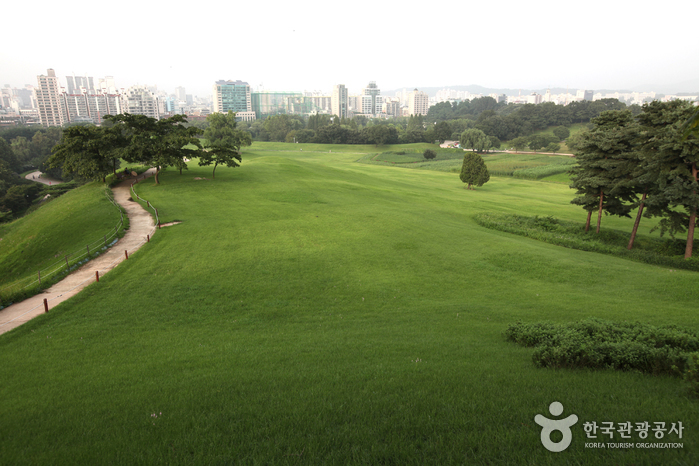
Seoul Mongchontoseong Earthen Fortification (서울 몽촌토성)
424, Olympic-ro, Songpa-gu, Seoul
Mongchontoseong Earthen Fortification is an ancient earthen fortress built during the Hanseong period of the ancient Korean kingdom of Baekje (BC 18-AD 660). It is believed to have been constructed in the 3rd to 4th centuries. Utilizing the natural advantages of the Hangang River, it served defensive purposes with its trench and log barrier. Excavated relics from the Baekje era are on display at the Seoul Baekje Museum. The site is situated within the Olympic Park in Songpa, Seoul.
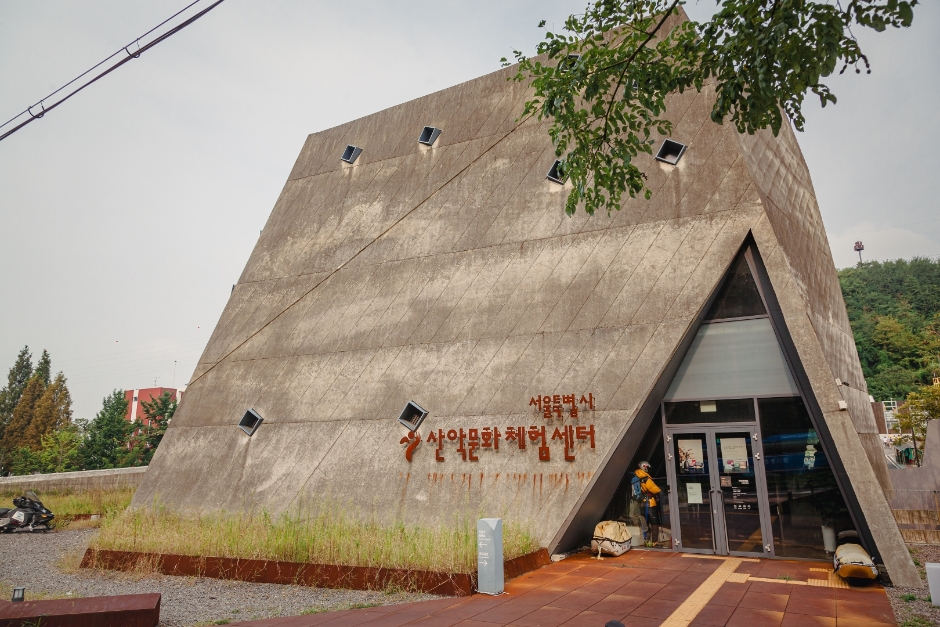
Seoul Mountain Climbing & culture center (산악문화체험센터)
112 Haneulgongwon-ro, Mapo-gu, Seoul
In episode 4 of the drama "Numbers," the character Shim Hyeong-woo goes climbing at the Seoul Mountain Climbing & Culture Center. This center offers a climbing facility where you can enjoy mountain culture and sports together. It features exhibition facilities for experiencing mountain culture and both indoor and outdoor sports climbing.
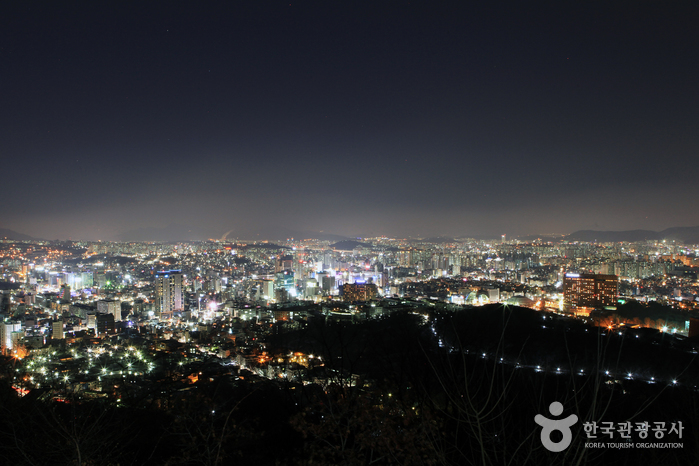
Seoul Namsan Park (남산공원(서울))
231 Samil-daero, Jung-gu, Seoul
Namsan Mountain rises in the heart of Seoul at an altitude of 265 meters and has been a significant landmark since the Joseon dynasty (1392-1897), leaving behind several ruins. It was heavily damaged in the early 20th century, but was partially restored in 1968 with the creation of the park. Highlights include Namsan Tower and love locks left by numerous couples. Visitors can also easily reach the top by a cable car or bus.
Seoul National Cemetery (국립서울현충원)
210, Hyeonchung-ro, Dongjak-gu, Seoul
Seoul National Cemetery is a national cemetery for individuals who worked or fought for Korea and sacrificed their lives. It encompasses those who fought for Korea's independence from the late 19th century to the early 20th century, those who perished in the Korean War (1950-1953), and former presidents, totaling over 165,000 individuals. There are exhibition halls and parks with related artifacts. Shuttle buses are provided for the convenience of visitors.
Seoul National University Bundang Hospital (분당서울대학교병원)
3rd Floor, Building 1, International Healthcare Center 82 Gumi-ro 173beon-gil, Bundang-gu, Seongnam-si, Gyeonggi-do
Seoul National University Bundang Hospital (SNUBH), established in 2003 as the world’s first fully digital hospital, is a global leader in healthcare. With 1,335 beds and over 7,000 daily outpatient visits, it carries the 130-year legacy of Seoul National University Medical School. SNUBH leads minimally invasive and robotic surgeries and enhances patient safety and efficiency through the BESTcare system. Its Outcome Book and Innovation Institute promote transparency and research, and the hospital is a GHA-accredited global medical institution.
Plan your Korea trip
Korea travel FAQ
How do I use the travel search?
Enter a place or interest, then narrow the results by region, category or sort order.
Will my filters stay selected on the next page?
Yes. Your search and filter choices stay in the page URL while you move through the results.
Can I find directions to each place?
Place pages include an external Google Maps search when coordinates or an address are available.
Source: Korea Tourism Organization, official website (https://knto.or.kr).