TRAVEL IN KOREA
Korea Places to Visit
Find attractions, culture, festivals, stays, restaurants, shopping and travel courses for a clear Korea trip plan.
Data last synced: 2026-06-25. Some details may change. Please confirm official information before visiting.
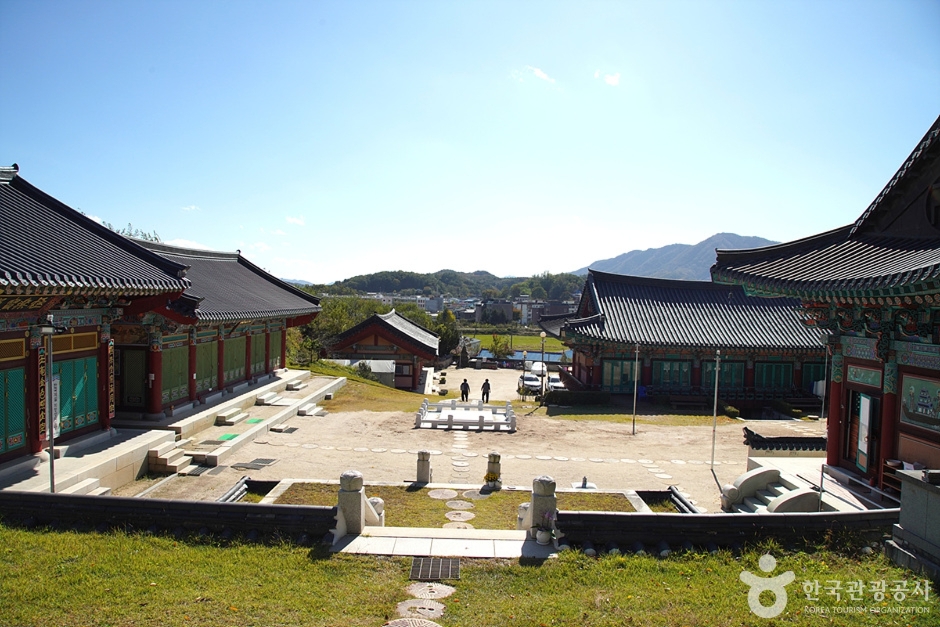
Simwonsa Temple (심원사(철원))
58 Sangno 1-gil, Dongsong-eup, Cheorwon-gun, Gangwon-do
This thousand-year-old temple is revered as a sanctuary dedicated to the living Ksitigarbha Bodhisattva. The temple complex comprises various buildings, including Daeungjeon Hall, Myeongbujeon Hall, and Samseonggak Hall. Myeongbujeon Hall is particularly notable as it enshrines the statue of Ksitigarbha, which has been designated a Treasure of Korea. It is believed that if one prays earnestly, a single wish will be granted. This belief continues to draw Buddhists on pilgrimages, eager to experience the spiritual wonder of this revered sculpture.
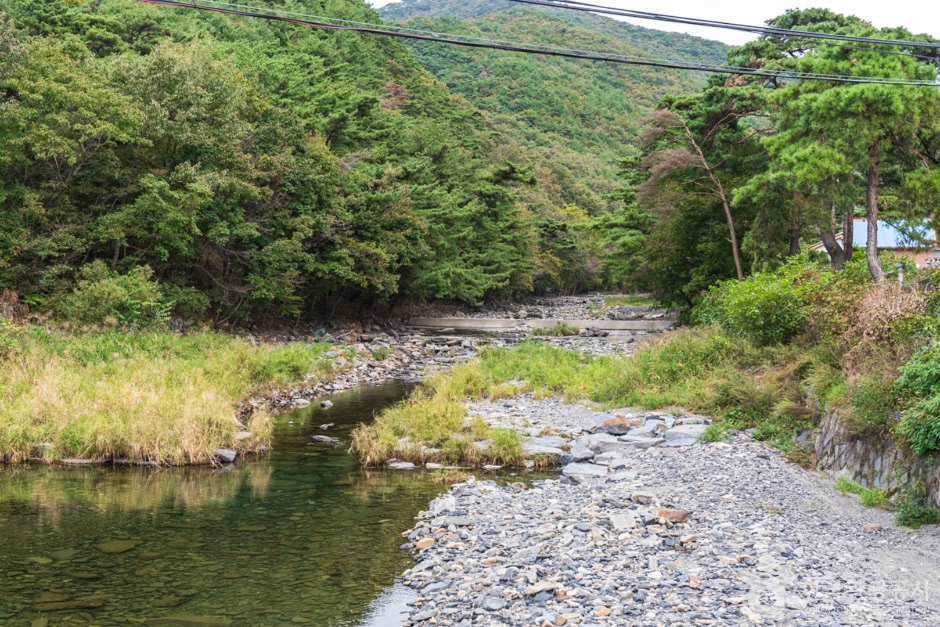
Simyeondonggyegok Valley (Seongjugyegok Valley) (심연동계곡(성주계곡))
Seongju-ri, Seongju-myeon, Boryeong-si, Chungcheongnam-do
Simyeondonggyegok Valley is a valley formed in an S-shape to the south of Seongjusan Mountain. The name "Simyeon" means deep pond. The landscape is picturesque, and visitors can enjoy forest bathing along the trail lined with pine trees. Even in the summer, the cool flowing water makes it an ideal destination for relaxation.
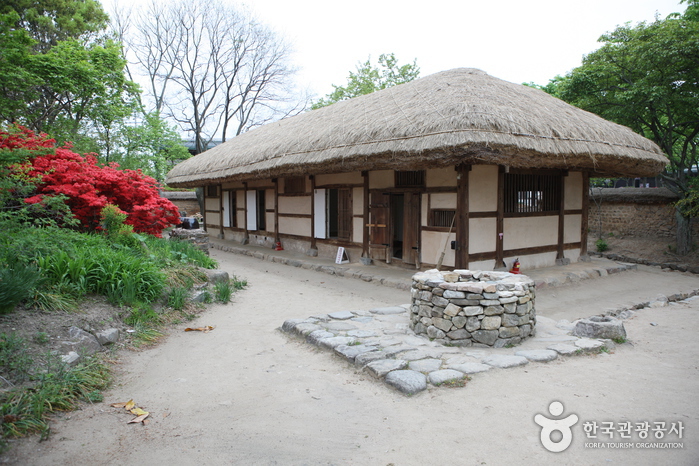
Sin Jae-hyo's House (고창 신재효 고택)
100, Dongni-ro, Gochang-gun, Jeonbuk-do
Sin Jae-hyo (1812-1884) was a legendary theorist, director, and sponsor of pansori (epic chant). Sin Jae-hyo's House in Gochang was built in 1850, and visitors can observe sarangchae (main room), an old well, and a paulownia tree preserved to this day. Sin was not a singer himself but a pansori enthusiast, and he used wealth to train potential singers and contribute to the growth of pansori. He also compiled and edited six pansori madangs (operas) titled Ttoggi Taryeong, Bak Taryeong, Simcheongga, Jeokbyeokga, Chunhyangga, and Garujigi Taryeong, of which only five are passed down. To honor his contributions and passion for pansori, Dongni Gugakdang was founded behind this house.
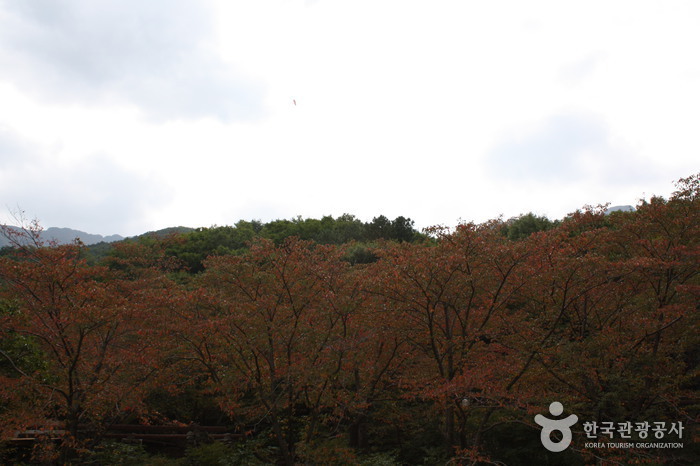
Sinbulsan County Park (신불산군립공원)
Sangbuk-myeon, Ulju-gun, Ulsan
Sinbulsan County Park is located in parts of the Sangbuk and Samnam districts of Ulju County. The massive area encompasses 11.66 square kilometers and is home to one of the most impressive peaks in the Yeongnam Mountain Range found in the southeast of Korea. The park’s hiking trails interconnect with those of neighboring Gangwolsan and Yeongchwisan Mountains and attract a large number of hikers year-round. Near the peak of Silbulsan Mountain sits a fortress with breathtaking views of silver grass. Water starts high above the clouds at Danjobong Peak and trickles down through streams and waterfalls to join the deep mountain valleys. One of the better known attractions in Silbulsan Mountain is Hongnyupokpo Falls which offers impressive views from its gentle cliffs. Also nearby the mountain are Deungeok Hot Springs and a number of restaurants for hikers to visit and enjoy after a full day on the mountain.
Sinchang Windmill Coastal Road (신창풍차해안도로)
1322-1 Sinchang-ri, Jeju-si, Jeju-do
Sinchang Windmill Coastal Road, which continues along the western tip of Jeju Island, presents a view of windmills lined up along the road from an offshore wind farm. The view of white windmills and emerald-colored sea along the winding coastline offer a pleasant fall scenery. There are many other things that unfold before one's eyes as while looking out upon the blue sea, like Chagwido Island afar. The road is well-known for its beautiful sunset so it is a great place to take pictures and watch the setting sun. Along the coastal road is a trail named Eco Experience. It features a Kelp grouper statue, Wondam Experience Site and a rest area where visitors can take selfies with many different backdrops. The observatory located in the middle of the trail is relatively quiet and visitors are recommended to head towards the observatory after taking a few photos on their walk up from Sinchang Windmill Coastal Road.
Sinchon Dain Dental Hospital (신촌다인치과병원)
(10th-11th Floors, Grand Plaza), 94 Sinchon-ro, Mapo-gu, Seoul
Our main dental hospital, spanning approximately 1,740 square meters, is conveniently located near Sinchon Station, just a 40-minute drive from both Gimpo International Airport and Incheon International Airport, making it easily accessible for international patients. We are staffed by around 60 specialized medical professionals and equipped with the latest technology, including an in-house laboratory for fast and precise dental work. Our team includes nine expert directors in orthodontics, prosthodontics, conservative dentistry, oral surgery, and periodontology, ensuring comprehensive and systematic care in each specialty. We offer a wide range of advanced procedures for our international patients, including implants, complex extractions, orthodontics, periodontal treatment, and prosthetic care, as well as high-quality neurological and aesthetic treatments.
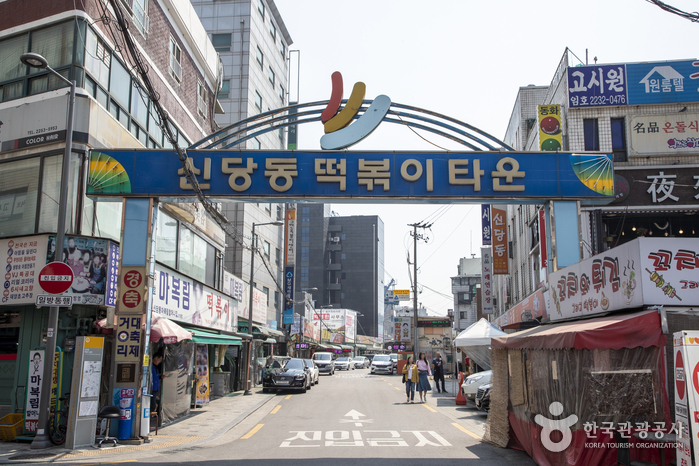
Sindang-dong Tteokbokki Town (신당동떡볶이골목)
10-18, Dasan-ro 33-gil, Jung-gu, Seoul
Sindang-dongTteokbokki Town started in the late '70s, although the alley did not become famous until the '80s. At that time, each restaurant had its own DJ booth, with the image of the "cool DJ" who played the music becoming a symbol of Sindang-dong Tteokbokki Town. In addition, this period also marked the prime time of high school baseball where students would crowd the streets on days when Duksoo Commercial High School and Sunrin Commercial High School (now Sunrin Internet High School) played against one another. Although these high school students have aged, they continue to visit the area, reliving their youth and continuing to indulge in the specialty tteokbokki. However, some claim the history of this alley began in the 1950s. The owner of Mabongnim Halmeoni Tteokbokki restaurant says tteokbokki was being sold as early as 1953 as the area used to be home to Donga Theater and she sold tteokbokki, corn and potatoes to those visiting the theater. At first, tteokbokki was simply made with gochujang (red chili paste) but as time went by, cooks decided the dish could be more than just a snack. By adding ingredients like eggs, cellophane noodles, fish cakes, instant noodles and more recently squid, prawn and cheese, tteokbokki can be made more delicious and turns this beloved snack into a full meal.
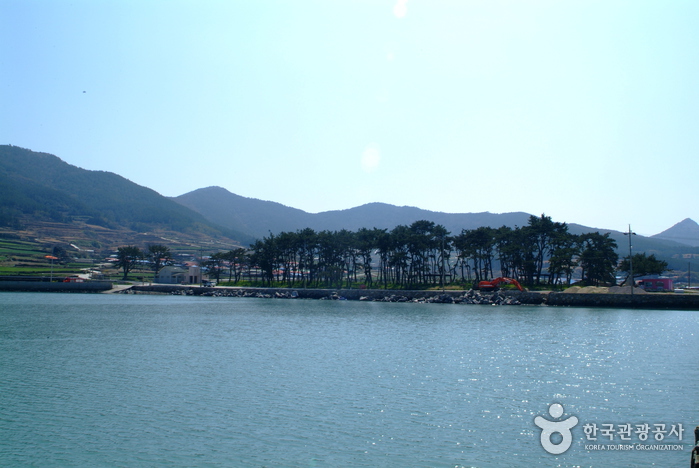
Sinheung Beach (신흥해수욕장)
4, Cheongsan-ro 672beon-gil, Wando-gun, Jeollanam-do
Sinheung Beach on Cheongsando Island is well known for its beautiful blue water. The beach also has a reputation as a great fishing spot. Located on the opposite side of the island from Jiri Beach, Sinheung Beach boasts a spacious shore but offers less amenities in comparison. However, the beach's best qualities are its clean waters and peaceful atmosphere. The nearby shores mostly serve as fishing spots and many visitors enjoy collecting clams during low tide.
Sinheungsa Temple (Seoraksan Mountain) (신흥사(설악산))
1137 Seoraksan-ro, Sokcho-si, Gangwon-do
Sinheungsa Temple is a temple located in Seoraksan Mountain near Sokcho. It belongs to the Jogye Order of Korean Buddhism. It was originally founded as Hyangseongsa Temple by the monk Jajang in the Shilla dynasty (A.D. 652). Within the temple grounds, cultural heritage sites such as Geungnakbojeon Hall, a wooden structure from the mid-Joseon period, and the Three-story Stone Pagoda at Hyangseongsa Temple Site. The temple offers a templestay program where visitors can experience temple life firsthand. Participants can engage in various activities such as Buddhist ceremonies, Buddhist prayer, 108 prostrations, and lotus lantern and rosary making.
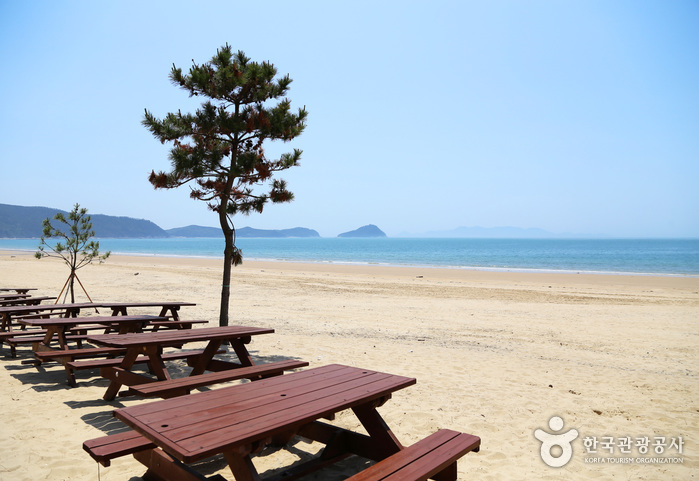
Sinji Myeongsasimni Beach (신지 명사십리해수욕장)
Sinji-myeon, Wando-gun, Jeollanam-do
Sinji Myeongsasimni Beach is located at the center of Dadohaehaesang National Park. The beach got its name from its singing sand, and the name can be literally translated to "sound of sand that can be heard from 4 kilometers away." The beach shore has a x_width of 150 meters and a length of 4 kilometers, covered with shimmering silver sand, and forms a gradual slope into the shallow water. The beach is not only popular for water activities, but also for its fine sand massage.
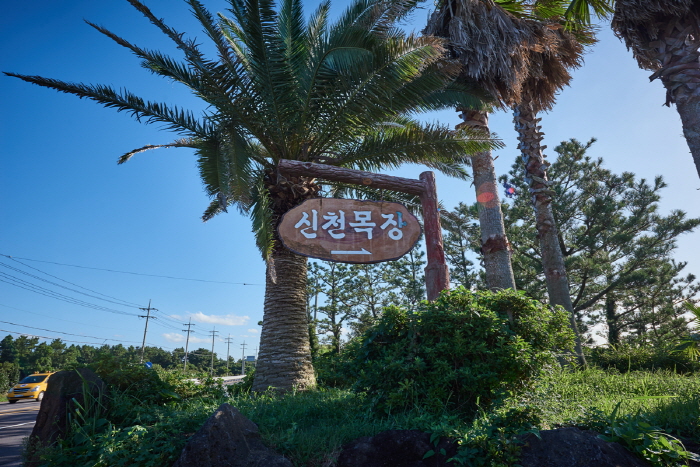
Sinpung Sincheon Seaside Ranch (신풍 신천 바다목장)
5417, Iljudong-ro, Seogwipo-si, Jeju-do
Jungsangangil Road, part of the Jeju Olle Trail, stretches 14 kilometers, and has a calm ambience. Old stone walls and dense trees line both sides of the road. The road also leads to Seaside Ranch Road, which is open to the public. The road is a unique location on Jeju with expansive green fields located next to the ocean.
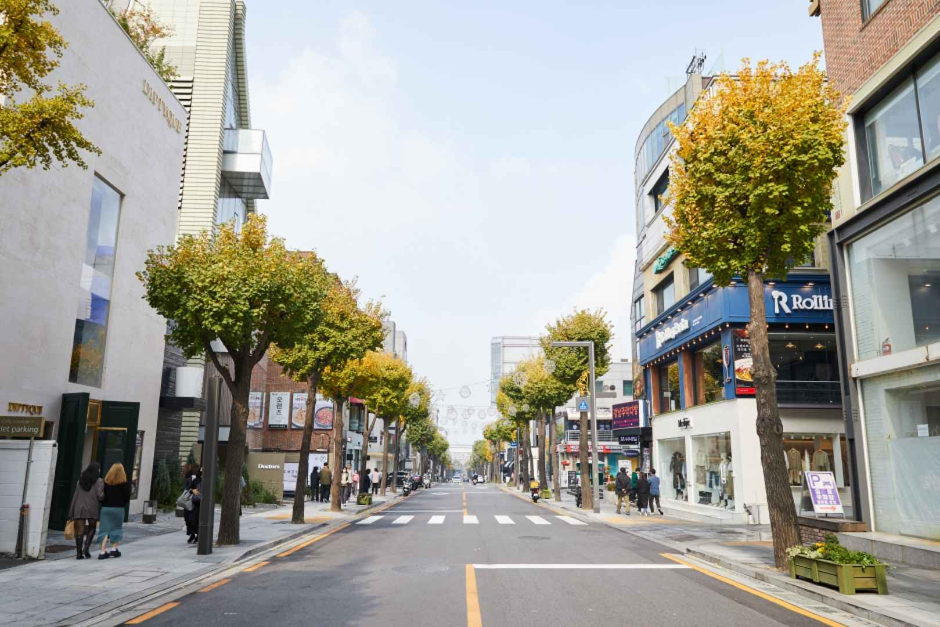
Sinsa-dong Garosu-gil Road (신사동 가로수길)
Sinsa-dong, Gangnam-gu, Seoul
The ginkgo tree-lined street (Sinsa-dong Garosu-gil) that runs from Sinsa Station (Subway Line 3) to Hyeondae High School is a popular, upscale street in Seoul. The street (also known as ‘artists' street’) has an eccentric flair thanks to its variety of charmingly decorated coffee shops, and designer stores. Garosu-gil is particularly popular in autumn when the golden ginkgo leaves begin to fall. Furthermore, with continous popularity, it has become one of the most attractive film locations in the city.
Sinse-dong Mural Village (신세동 벽화마을)
78, Taesa-gil, Andong-si, Gyeongsangbuk-do
Sinse-dong Mural Village is located in Dongmun-dong, Andong. Originally an informal settlement, the introduction of the Maeulmisul Art Project in 2009 and subsequent urban renewal projects transformed the village into one of Andong’s most famous tourist sites. Today’s village is home to numerous murals and monthly flea markets like the Geurimae Market and Woryeong Market.
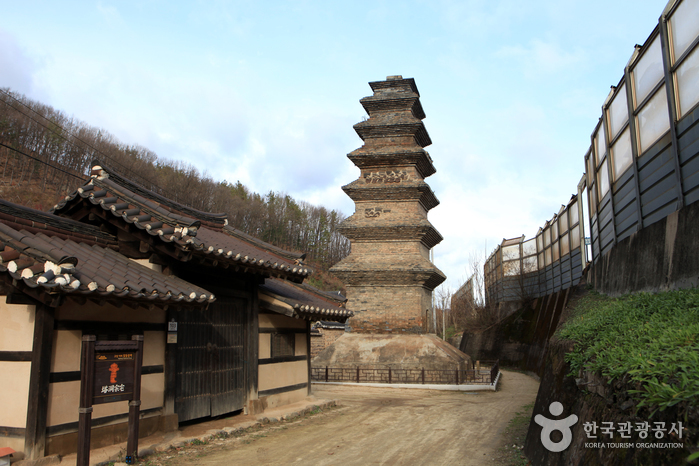
Sinsedong Chilcheung Jeontap - Sinsedong 7 stories Brick Pagoda (안동 법흥사지 칠층전탑)
Beopheung-dong, Andong-si, Gyeonsangbuk-do 8-1
Designated National Treasure No.16, Sinsedong Chilcheung Jeontap is Korea's oldest and largest stone pagoda. The pagoda measures 16.8 meters high with a x_width of 7.75 meters. The pagoda was originally built at Beopeungsa Temple during the eighth century of the Unified Silla Kingdom [654-935] and is the only remaining relic from the temple. The pagoda is presently located on the estate of the head house of the Goseong Lee family. The sangryunbu, the ornamental top portion of the pagoda, has been totally lost, but the lower tiered portions are intact with beautiful carvings of Buddhist tutelary deity. Traces of tiled roof were found on each story of the tower. Historical records show that the tower was rebuilt in 1487 and that around the same period, three parts of the temple remained.
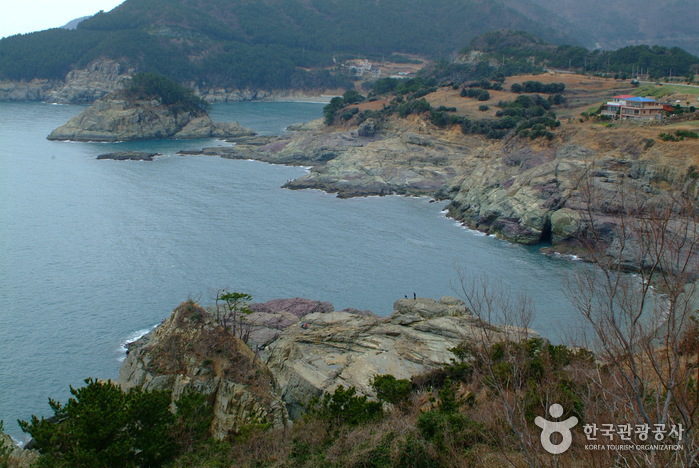
Sinseondae Observatory (신선대 전망대)
San 21-19, Galgot-ri, Geoje-si, Gyeongsangnam-do
Sinseondae Observatory, located between Dojangpo Maeul and Haegeumgang, offers picturesque views of the fantastically shaped rocks against the deep-blue ocean hues. "Sinseon" in Korean means supernatural beings; the beauty of this spot is said to attract such beings to come frolic. The blue and yellow colors layered on the rocks tell a unique history of the terrain. A stairway from the road leads directly to the lookout point. Just past a gas station along the coastal highway, Sinseondae Observatory reveals itself. Walking out onto the rocks of Sinseondae, views of the surrounding islands and incredible landscape open up to viewers. Many commercials and TV shows have been filmed here taking advantage of this amazing setting. April and May are the perfect times to see the bright-yellow canola flowers across the island.
Sinseongyegok Valley (신선계곡)
712-1 Seongu-ri, Onjeong-myeon, Uljin-gun, Gyeongsangbuk-do
Sinseongyegok Valley, located at the base of Baegamsan Mountain, is renowned for its crystal-clear waters. The valley is adorned with rugged cliffs and is densely forested with lush pine and oak trees. Its beauty is so enchanting that it earned the name Sinseongol, meaning 'Taoist Immortals' Valley', as it evokes the imagery of a mystical place where Taoist immortals might gather. Visitors exploring this scenic spot can follow wooden deck trails that weave through the changing terrain, leading them deep into the valley. In the vicinity, other notable tourist attractions include Eungbongsan Mountain, Gusan Beach, and the Geommasan Recreation Forest, each offering its unique natural beauty.
Plan your Korea trip
Korea travel FAQ
How do I use the travel search?
Enter a place or interest, then narrow the results by region, category or sort order.
Will my filters stay selected on the next page?
Yes. Your search and filter choices stay in the page URL while you move through the results.
Can I find directions to each place?
Place pages include an external Google Maps search when coordinates or an address are available.
Source: Korea Tourism Organization, official website (https://knto.or.kr).