TRAVEL IN KOREA
Korea Places to Visit
Find attractions, culture, festivals, stays, restaurants, shopping and travel courses for a clear Korea trip plan.
Data last synced: 2026-06-25. Some details may change. Please confirm official information before visiting.
Taejongdae Spa (태종대온천찜질방)
808 , Taejong-ro, Yeongdo-gu, Busan
Taejongdae Spa is located by the scenic Taejongdae Park. The nearby Yeongdo Island and Bongnaesan Mountain offer a beautiful view of the ocean and the mountains. The spa facility has hot springs and sauna facilities that offer therapeutic effects along with a fitness center with a variety of exercise equipment and a supervising trainer.
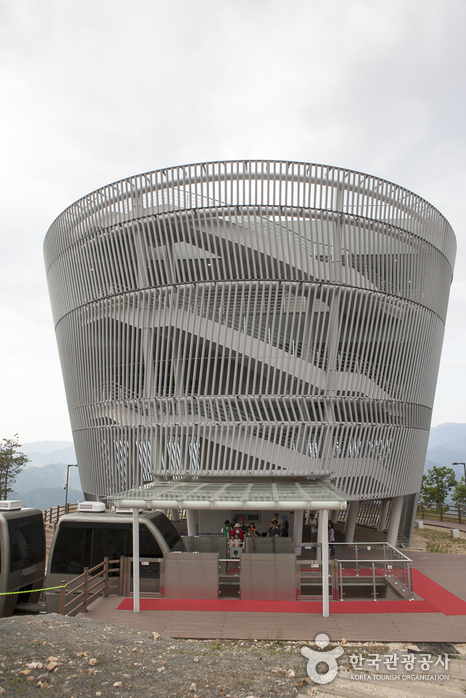
Taekwondowon Observatory (태권도공원 전망대)
1482, Museol-ro, Muju-gun, Jeonbuk-do
Taekwondowon located in Muju-gun, Jeollabuk-do, serves as a main center for the 60 million taekwondo practitioners in 182 countries worldwide. Covering an area of 2.31 million square meters, the park combines the traditional and modern style in their buildings.
Taepyung Salt Farm (태평염전)
1083-4 Jidojeungdo-ro, Jeungdo-myeon, Sinan-gun, Jeollanam-do
Taepyung Salt Farm, the largest salt farm in Korea, spans 4.62 million square meters. Located in Jeungdo-myeon, Sinan-gun, Jeollanam-do, it produces the largest volume of salt from a single salt farm in the country. This natural salt farm, situated in a pristine area, boasts clean, sun-dried salt made from pure seawater, rich in minerals.
![Taereung and Gangneung Royal Tombs [UNESCO World Heritage] (서울 태릉과 강릉 [유네스코 세계문화유산])](http://tong.visitkorea.or.kr/cms/resource/16/2658216_image2_1.jpg)
Taereung and Gangneung Royal Tombs [UNESCO World Heritage] (서울 태릉과 강릉 [유네스코 세계문화유산])
681, Hwarang-ro, Nowon-gu, Seoul
Designated as a Historic Site, Taereung & Gangneung Royal Tombs is comprised of two tombs. Taereung Royal Tomb houses the burial mound of Queen Munjeong who was the second queen of King Jungjong, the 11th King of the Joseon dynasty, and Gangneung Royal Tomb houses the burial mounds of King Myeongjong, the 13th King of Joseon dynasty, and Queen Insun. King Myeongjong ascended the throne after his elder brother, King Injong, when he was twelve years old at Geunjeongjeon Hall in Gyeongbokgung Palace in 1545. The king’s mother, Queen Munjeong ruled behind the scenes, acting as guardian for eight years.
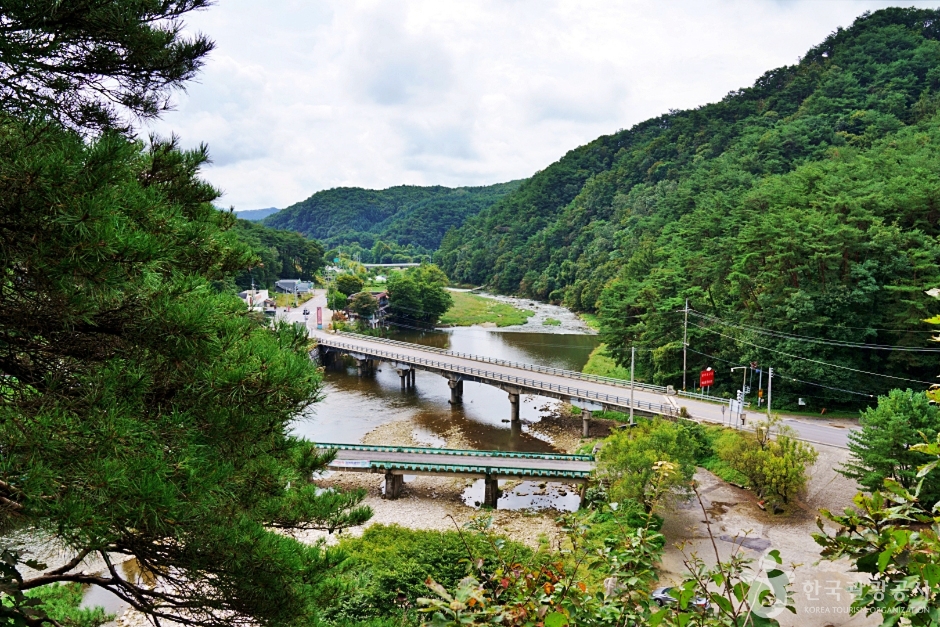
Taksajeong Pavilion (탁사정)
478 Jewon-ro, Bongyang-eup, Jecheon-si, Chungcheongbuk-do
Taksajeong Pavilion, located at the bend of Jecheon Stream in the valley, is celebrated for its picturesque scenery of clear water, sand, and pine trees. It's believed that these pine trees were transported from Jeju Island in the 16th century. The combination of a cool valley breeze, the stream's vivid blue, and a quaint waterfall, alongside the ancient pine trees, creates a serene harmony. This spot is also well-known as a favorite camping site in Jecheon.
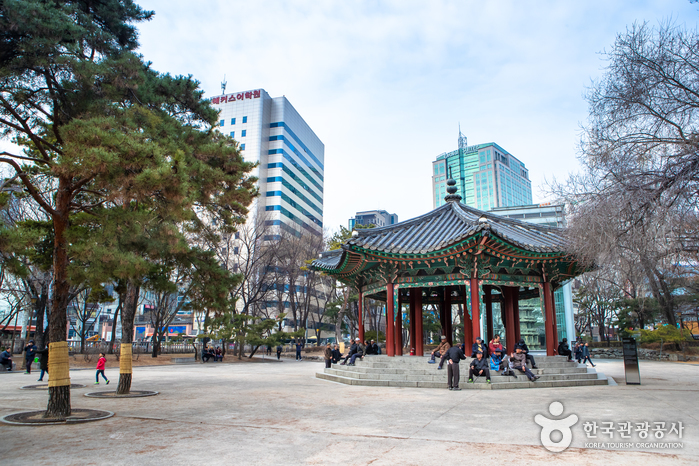
Tapgol Park (탑골공원)
99, Jong-ro, Jongno-gu, Seoul
Tapgol Park is the first modern park in Seoul. Having been the site of the Buddhist temple of Wongaksa Temple since 1467, the land was turned into a park in 1897. The park has a significant presence in Korean history, being the place where the March 1 Independence Movement began in 1919. One can find historical sites that hearken back to the struggle, such as the Palgakjeong Pavilion, the center of the movement; cultural heritage sites such as the Ten-story Stone Pagoda of Wongaksa Temple Site and the Stele for the Construction of Daewongaksa Temple at Wongaksa Temple Site; and monuments such as the independence movement relief plate, murals, the statue of Son Byeong-hee, and the statue of Han Yong-un.
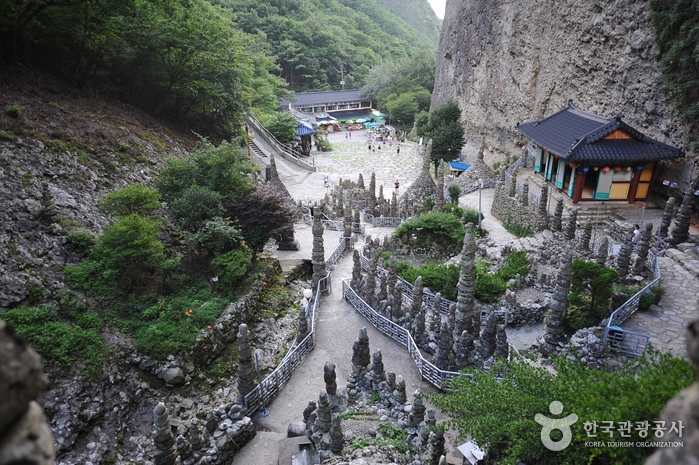
Tapsa Temple (마이산 탑사)
367, Maisannam-ro, Maryeong-myeon, Jinan-gun, Jeonbuk-do
Tapsa Temple is famous for its over 80 stone pagodas. Each pagoda has a name, meaning and role. The pagodas are made of natural stone. They range in x_height from 1 meter to 13.5 meters and in shape from conical to straight. Two twin pagodas behind Daeungjeonhall are the tallest, standing three times the x_height of an average adult.
Templestay Information Center (템플스테이 홍보관)
56, Ujeongguk-ro, Jongno-gu, Seoul
Templestay Information Center offers various information and services regarding templestays and temple meals for domestic and international visitors. The center also operates traditional cultural experiences, such as tea time with a Buddhist monk, traditional culture activities and more.
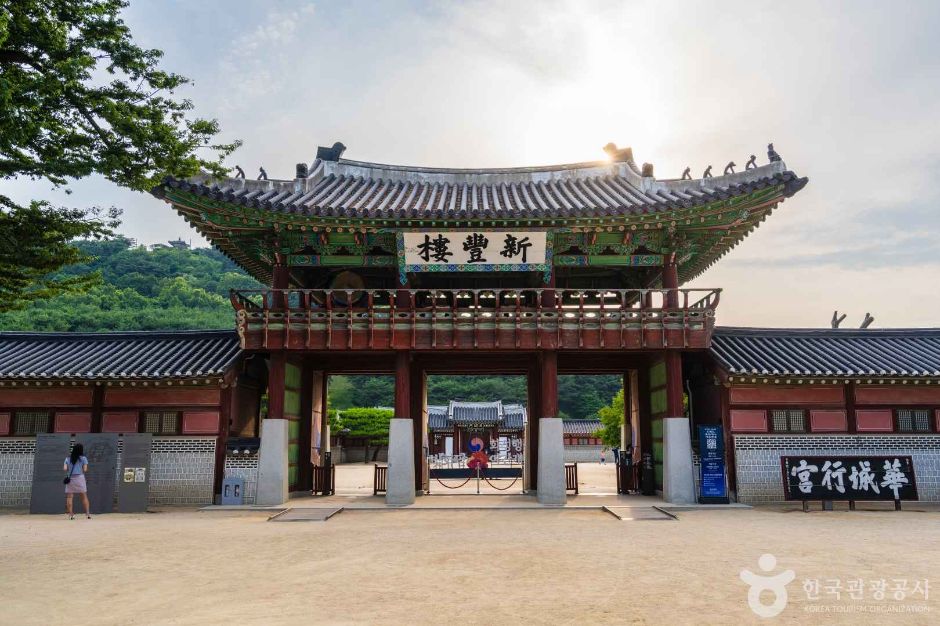
Temporary Palace at Hwaseong Fortress (Hwaseong Haenggung Palace) (화성행궁)
825 Jeongjo-ro, Paldal-gu, Suwon-si, Gyeonggi-do
A haenggung is a temporary palace where the king and royal family retreated to during a war. Hwaseong Haenggung Palace is the largest one of these, used by the Joseon kings since the time of King Jeongjo (r. 1776-1800). In addition to being used as a shelter during war, King Jeongjo also stayed here during trips to worship at his father's tomb. The palace was the location of a splendid feast held on the 60th birthday of his mother, Hyegyeonggung Hong, and many other events, including award certificates for successful candidates of special national exams. These days, the palace serves as a venue for many traditional cultural performances and activities.
Termeden Spa & Resort (테르메덴)
984 Sasil-ro, Icheon-si, Gyeonggi-do
Icheon Termeden, Korea's first German-style spa resort, is spread over an area of around 30,000 square meters. It is located next to a dense forest, so visitors can enjoy the water and spa facilities as well as take a stroll in the forest. The water park has a very large bade pool, a hot spring spa, sport facilities, arcades, a cultural hall, and other subsidiary facilities. Unlike Japanese-style spas, which contain mainly hot baths, German-style spas are more focused on water massages. Water jets located in the bade pool shoot out water, which massages various parts of the body and at the same time revitalizes the skin. In addition, you can walk, swim, or exercise in the water stream pool, which has a depth of 120 centimeters. Icheon Termeden started as a hot spring spa, but it plans to expand further into a multi-resort complex, which will include hotel and condominium facilities, an arboretum, a golf driving range, and horseback riding.
Thank You Korean Medicine Clinic (고마워한의원)
(#505, Sewoong Building), 295 Suyeong-ro, Nam-gu, Busan
Thank You Korean Medicine Clinic specializes in non-surgical treatments for severe spinal conditions such as herniated cervical/lumbar disc and scoliosis. We also offer specialized care for women's health issues (such as vaginitis, menopausal disorders, and menstrual problems) and run prenatal/postnatal care programs. Additionally, we provide expert treatment for pediatric conditions. Leave your health concerns to Gomawo Korean Medicine Clinic with trust. The clinic is committed to maintaining your health and vitality essential for achieving goals and enjoying a vibrant life. Treatments that will move your life forward! We will do everything we can as we have done all the time.
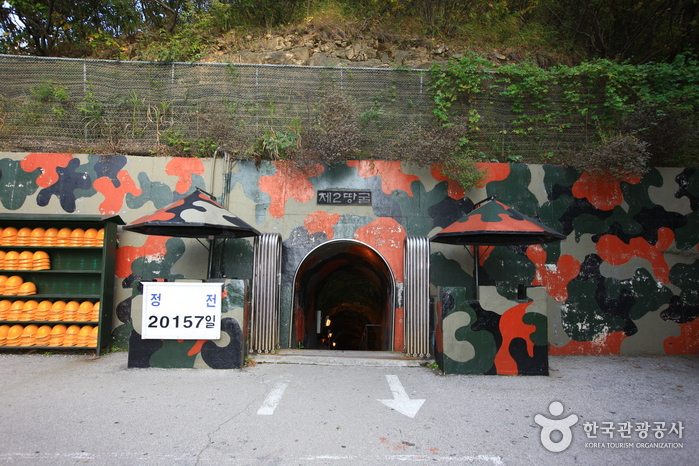
The 2nd Tunnel (제2땅굴(철원))
Yangji-ri, Dongsong-eup, Cheorwon-gun, Gangwon-do
The 2nd Tunnel, one of several excavated by North Korea for the purpose of infiltrating South Korea, was discovered in 1975. Spanning a total length of 3.5 kilometers, only 500 meters of the tunnel is accessible to civilians. To visit this site, visitors are required to book as part of the DMZ Peace Tours. Additionally, personal identification, such as a passport or Alien Registration Card (ARC), is necessary for access.
The 3.0 Clinic (더3.0피부과의원)
(4th Floor, Cham Building, Sinsa-dong), 48 Apgujeong-ro 28-gil, Gangnam-gu, Seoul
The 3.0 Clinic has successfully developed a method to treat acne without using conventional acne dermatological treatments that have inevitably accompanying side effects, which require taking cumbersome medications with side effects, and require continuous management. We were invited to give a lecture at the American Academy of Dermatology and also gave lectures in China and Europe. We also developed a simple injection method to reduce sebum, which had no proper treatment. In addition, we developed a method to blur the shape of intractable scars and received an award at the Eastern Asia Dermatology Congress in Japan. Our skin and body have incredible power. If you understand the reasons why our skin is like this, what changes, and results and take fundamental care of your skin, you can treat acne without taking medicine and atopic dermatitis without steroids. Symptom relief for the 1.0 generation, fundamental cause and resolution for the 2.0 generation, and prevention for the 3.0 generation. We aim to help people improve the power of their skin!
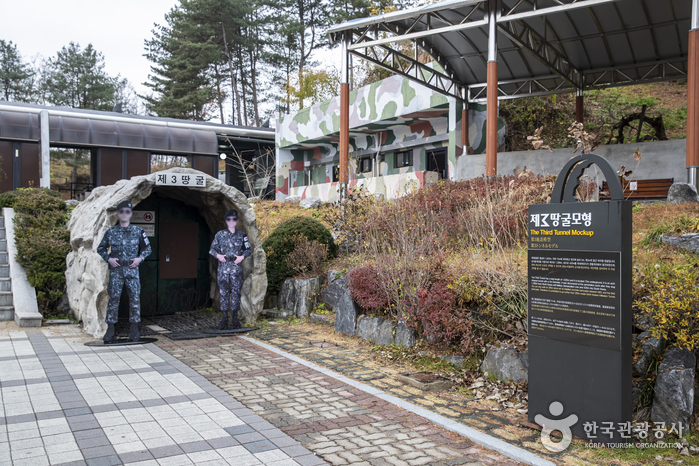
The 3rd Tunnel (제3땅굴)
210-358, Je3ttanggul-ro, Gunnae-myeon, Paju-si, Gyeonggi-do
The 3rd Tunnel is the third of its kind built by North Korea for the purpose of invading South Korea. It was discovered in 1978. Among the four tunnels located so far, it is closest to Seoul (about 52 km). It has a total length of 1.6 km and a x_width of 2 m. It is estimated that nearly 30,000 personnel can move through the tunnel every hour. Visitors to the 3rd Tunnel must reserve the tour in advance. The tour starts from the Imjingak Pavilion. All visitors are required to bring their identification, such as passports or Alien Registration Card (ARC).
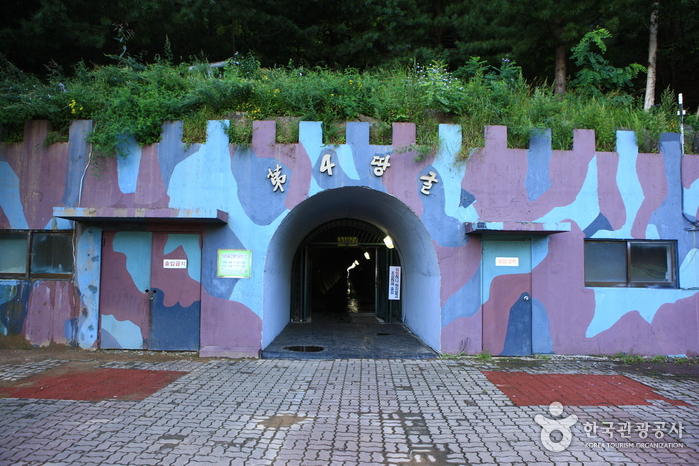
The 4th Tunnel (제4땅굴)
Ihyeon-ri, Yanggu-gun, Gangwon-do
The 4th Tunnel was discovered on March 3, 1990. It is located 1,200 meters from the Military Demarcation Line in the demilitarized zone of South Korea. This is the only tunnel to be discovered that provides full access to tour groups. Educational instruction is given in the square outside the tunnel.
The ARC Communication Space (디아크문화관)
57 Gangjeongbon-gil, Dasa-eup, Dalseong-gun, Daegu
The ARC Communication Space features exhibition halls and art galleries on the underground floor, and Circle Theater on the first and second floors, all centered around the theme of water. The name "ARC" stands for Architecture of River Culture and Artistry of River Culture, showcasing themes such as the relationship between rivers and people, rivers and music, rivers and literature, the birth of life, and the rise of civilization.
Plan your Korea trip
Korea travel FAQ
How do I use the travel search?
Enter a place or interest, then narrow the results by region, category or sort order.
Will my filters stay selected on the next page?
Yes. Your search and filter choices stay in the page URL while you move through the results.
Can I find directions to each place?
Place pages include an external Google Maps search when coordinates or an address are available.
Source: Korea Tourism Organization, official website (https://knto.or.kr).