TRAVEL IN KOREA
Korea Places to Visit
Find attractions, culture, festivals, stays, restaurants, shopping and travel courses for a clear Korea trip plan.
Data last synced: 2026-06-25. Some details may change. Please confirm official information before visiting.
The Peace Land (평화랜드)
148-33 Imjingak-ro, Munsan-eup, Paju-si, Gyeonggi-do
The Peace Land is an amusement park located near the Imjingang River. It offers around twenty different types of rides, including a Viking ship, bumper cars, and merry-go-round. For added convenience, there is an unmanned convenience store on-site that accepts card payments exclusively, offering a variety of beverages, ice cream, and snacks. The park also has an infirmary where wound care is available. Nearby, visitors can enjoy the Peace Gondola, which provides a scenic way to cross the Imjingang River.
The Phoenix Jeju Glass House (글라스하우스)
107 Seopjikoji-ro, Seongsan-eup, Seogwipo-si, Jeju-do
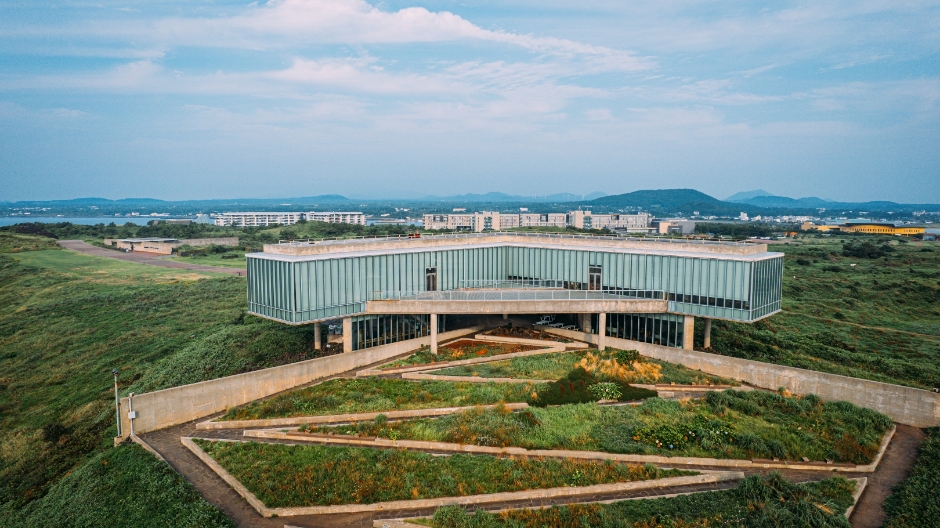
◎ Travel information to meet Hallyu’s charm - "The Witch: Part 2. The Other One" The Phoenix Jeju Glass House, located on Seopjikoji Cape, served as a filming location for the mysterious mansion of the head chief in the Witch project. In the Glass House's Floyeast Bakery Cafe, visitors can enjoy expansive sea views from any spot, making it a unique and scenic dining experience.
THE RIVER DEMATOLOGY (더리버피부과의원)
6th Floor, 68 Yangpyeong-ro, Yeongdeungpo-gu, Seoul
The River Dermatology Clinic is a dermatology medical clinic located in Seoul. A board-certified dermatologist provides diagnoses and treatments for skin conditions, including laser therapy and injection procedures. It operates primarily as an outpatient clinic.
The Spa at Paradise (더 스파 앳 파라다이스)
186 Yeongjonghaeannam-ro 321beon-gil, Jung-gu, Incheon
The Spa at Paradise offers a 'healing journey' where you can rest peacefully away from your daily routine. Western and Eastern traditional therapies are combined with a modern touch to promote beauty and health. Turn back time at The Spa at Paradise, which offers the Age Reverse Facial Treatment that makes you look younger; the Time Reverse Body Treatment that turns back time; and Paradise Journey, where you can truly experience 'paradise'.

The Spa Hasta (더 스파 하스타)
153 Convensia-daero, Yeonsu-gu, Incheon
Visit The Spa Hasta for a gentle and muscle-relaxing massage to relieve the fatigue you have accumulated in your daily life. This destination spa offers various spa programs and manual massages (e.g., full body massage, full body slimming, etc.) utilizing eight different massage techniques from around the world to ensure customer satisfaction. Relax your exhausted mind and body here.
The Stand on Hajo Bay (더 스탠드 온 하조베이)
79 Hajodaehaean-gil, Hyeonbuk-myeon, Yangyang-gun, Gangwon-do
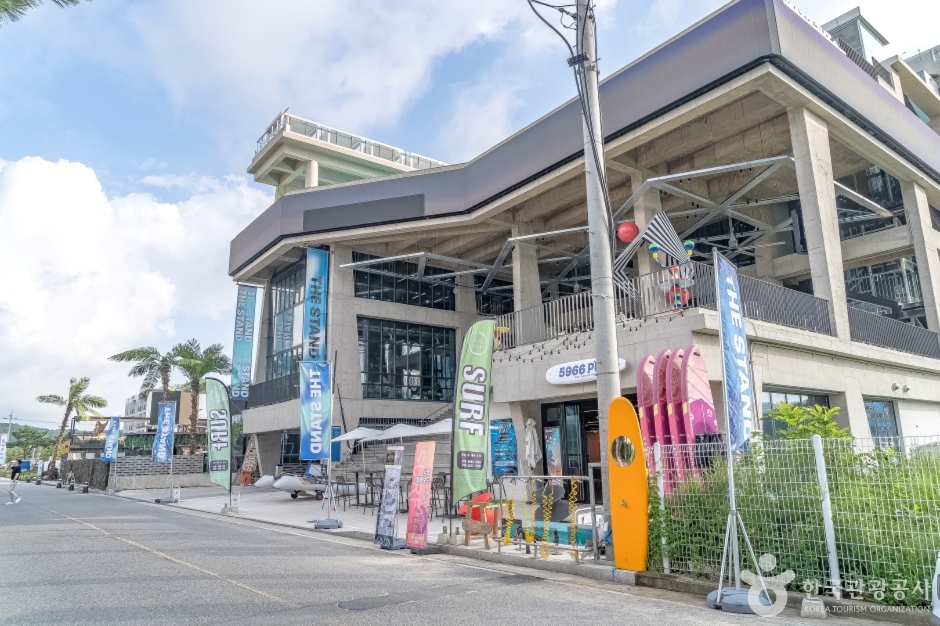
Located at Yangyang's Hajodae Beach, also known as the “Surfer Beach,” this rooftop restaurant offers stunning ocean views. Facing the sea, guests can enjoy the seascape as if admiring a work of art. The outdoor area is designed to allow visitors to fully immerse themselves in nature, taking in the soothing sounds of the waves and the expansive sea views. The restaurant's signature dish is the haesanmul jjamppong pasta (spicy seafood pasta). The menu also includes a variety of a la carte items and set menus, catering to diverse tastes.
The Street in front of Cheongwadae (The Blue House) (청와대 앞길)
Gungjeong-dong, Jongno-gu, Seoul
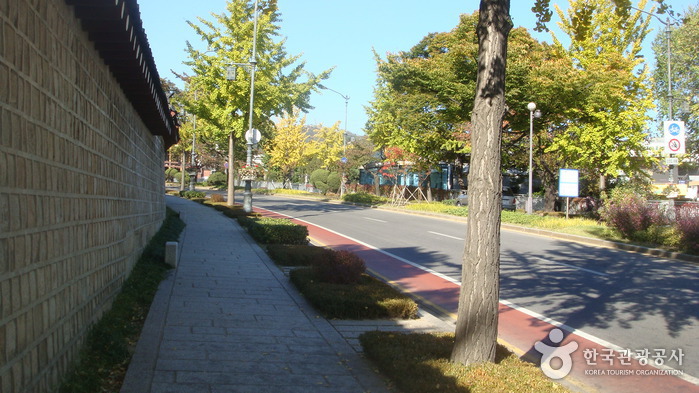
The street in front of Cheongwadae (the Blue House) is open to the public and includes both Hyoja Samgeori (Hyoja three-way intersection) in Hyoja-dong and Palpan Samgeori (Palpan three-way inetersection) in Palpan-dong. When walking along Hyoja-ro Road from Gyeongbokgung Station, sights include a fountain, Mugunghwa Garden, Yeonmugwan Hall, and Daegogak & Yeongbingwan Hall. Cheongwadae Sarangchae consists of one basement level and two above-ground levels, including Korean Culture Exhibition Hall, Planned Exhibition Hall, a gift shop, and rest area (Korean Food Promotion Hall, Café) on the first floor and Cheongwadae Hall and Haengboknuri Hall on the second floor. Daegogak Hall houses a book donated to former president, Kim Young-sam for expressing the past spirit of Sinmungo (Petitioner's drum from Korean History). Yeonmugwan Hall is a martial art and fitness center for guards. Mugunghwa Dongsan, formed after the ansa (Safe House) was demolished in 1993, includes a well, mock fortress, and rest area. Located behind Mugunghwa Dongsan is Apostolic Nunciature in Korea and Chilgung (Seven Palaces). At the beginning of the street in front of Cheongwadae, dense trees and beautiful flower gardens decorating both sides of the road make it a nice place for taking a walk. The area from the north gate of Gyeongbokgung Palace, Chunchumun, to the main gate of Gyeongbokgung Palace, Geonchunmun, is Samcheongdong-gil Road. This road is home to many art galleries, including Kukje Gallery, Growrich Gallery, Gallery Hyundai, and Jin Art gallery, in the area of Hyoja-ro.
The Thirty Three Sights of Mujugucheondong Valley (무주 구천동 33경)
580 Baengnyeonsa-gil, Seolcheon-myeon, Muju-gun, Jeonbuk-do
The Thirty Three Sights of Mujugucheondong Valley refers to thirty three scenic spots along the route from Seokmo Mountain's Rajetongmun Gateway to Baengnyeonsa Temple on Deogyusan Mountain. Visitors can witness spectacular rock formations and rare flora and fauna in the primeval forest. It's recommended to explore from the sight 1 Rajetongmun Gateway to the sight 14 Sugyeongdae Valley as a driving route, while exploring from the sight 15 Wolhatan Valley to the sight 33 Hyangjeokbong Peak as a trekking route.
THE WELL SAEM HOSPITAL OF KOREAN MEDICINE (더웰샘한방병원)
4th, 6th Floors, Hanil Plaza, 7 Namhyeon-gil (Namhyeon-dong), Gwanak-gu, Seoul
Integrative medicine, which links the strengths of Korea’s traditional medicine and Western medicine, is cutting-edge convergent medicine that provides optimal services for patients in most fields, except surgery and emergency medicine. Traditional Korean treatments and modern medical treatments can deliver superior results compared to stand-alone therapies when applied in a patient-centered, multidisciplinary, and integrative manner. This is especially important for patients with intractable diseases such as cancer, severe chronic pain caused by aging and degenerative changes, and systemic symptoms resulting from recurrent inflammation and metabolic disorders. In such cases, integrative medicine represents a new paradigm that seeks not only physical health but also holistic recovery. THE WELL SAEM HOSPITAL OF KOREAN MEDICINE pursues this integrative medicine, supporting patients’ faster recovery while also promoting the excellence of the Korean healthcare system worldwide, thereby aiming to create a pain-free, healthy world for all.

Therapy Spa_Sobe (테라피 스파 소베)
33 Sangmuyeonha-ro, Seo-gu, Gwangju
Therapy Spa_Sobe gets its name by combining the first two letters of the the Latin words solus (health) and bellus (beauty) to create the word "Sobe". The spa pursues natural health and beauty derived from nature. It is committed to constantly improving itself through research to offer precious and relaxing moments to those exhausted from the modern era. The programs available here include the SOBE Signature Rituals, Hormone Aging Signal, Energy Immune Boosting, Wedding Day & Beauty Contouring, and Vita Moms & Post-natal Touch. Enjoy specialized care through these programs.
![Three Brothers Cave Rock [Ullengdo-Dokdo National Geopark] (삼형제굴바위 (울릉도, 독도 국가지질공원))](http://tong.visitkorea.or.kr/cms/resource/29/2614629_image2_1.bmp)
Three Brothers Cave Rock [Ullengdo-Dokdo National Geopark] (삼형제굴바위 (울릉도, 독도 국가지질공원))
Dokdo-ri, Ulleung-eup, Ulleung-gun, Gyeongsangbuk-do
Three Brothers Cave Rock, towering approximately 44 meters high, is situated between the East Island and West Island of Dokdo. This geological formation is a result of volcanic activity; its lower section emerged from cooling lava following an eruption, while its upper part was shaped by the accumulation of volcanic ash. Over time, the relentless action of waves has sculpted the rock, forming caves in three different directions. This unique structure, resembling three pillars converging in mid-air, is the inspiration behind its name, Three Brothers Cave Rock.
Three Falls of Juwangsan Mountain (주왕산 1.2.3 폭포)
24 Sangui-ri, Juwangsan-myeon, Cheongsong-gun, Gyeongsangbuk-do
Above Haksodae Cliff in Juwangsan Mountain lie three enchanting waterfalls. The first of these falls goes by the name of Yongchupokpo Falls, where water gracefully meanders through a gorge, enveloped by encircling rocks. Roughly one kilometer further upstream, you'll encounter Jeolgupokpo Falls, accompanied by the tranquil Seonnyeotang Pond below. To the left of Jeolgupokpo Falls stands the grandeur of Yongyeonpokpo Falls, the largest and most magnificent among them. Yongyeonpokpo Falls is also famously referred to as Ssangyongchupokpo Falls, denoting its two distinct torrents of water ('ssang' meaning 'two,' and 'yongchu' signifying 'pond' in Korean). A well-maintained trekking path welcomes visitors, allowing them to explore and ascend to witness these three falls, with a gentle incline that is easily traversed by visitors of all ages.
Time & Blade Museum (타임앤블레이드 박물관)
41, Heyrimaeul-gil, Paju-si, Gyeonggi-do
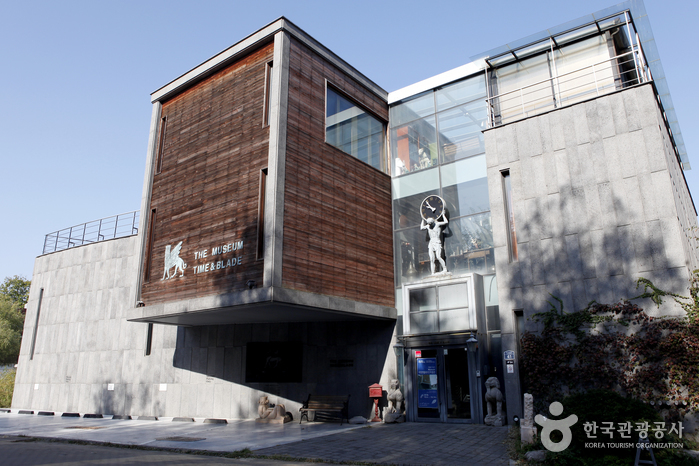
The Time & Blade Museum features two floors filled with items that have shaped the development of humankind. There are many clocks and watches on display, with the largest hall dedicated to skeleton clocks. The museum also displays the parts that make up a clock and the tools used to create them.
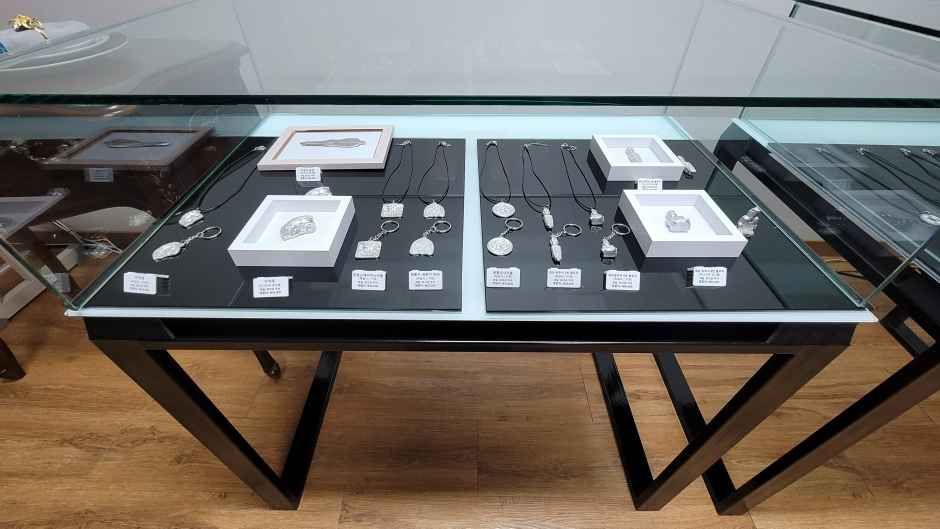
Titasy Metal Craft (티타지 금속공예)
10 Ujeong-ro, Naju-si, Jeollanam-do
Titasy Metal Craft is a hands-on workshop where visitors can create rings, jewelry, soju cups, plates, and other everyday items using silver and eco-friendly tin. One of its signature programs allows participants to reinterpret cultural relics into modern accessories, offering both a creative and educational experience. Suitable for individuals, families, groups, and students of all ages, the workshop introduces the full metal crafting process from basic techniques to the final piece, which participants can take home as a unique souvenir.
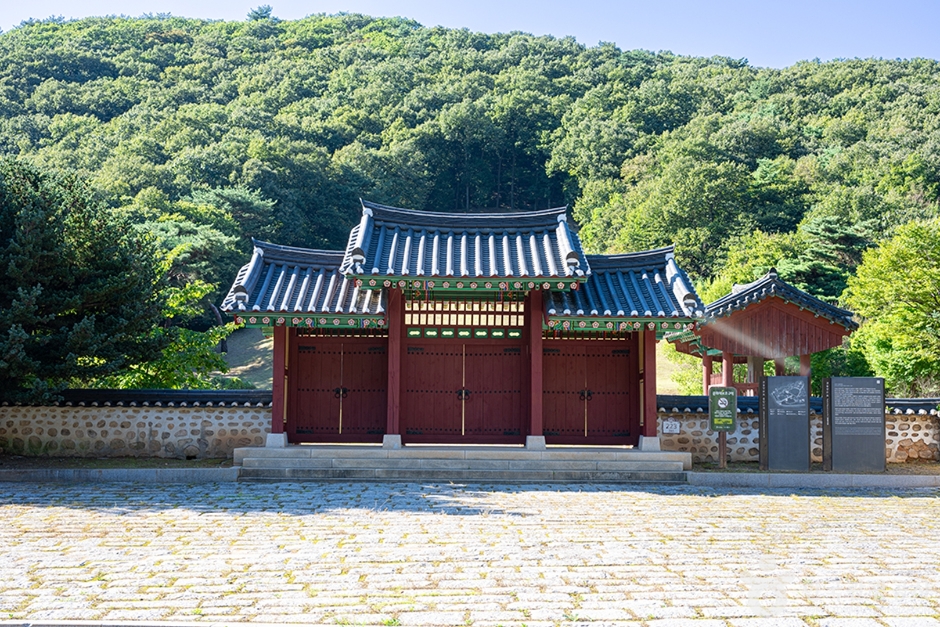
Tomb of General Gwon Yul (권율장군묘)
223 Gwonyul-ro, Jangheung-myeon, Yangju-si, Gyeonggi-do
General Gwon Yul (1537-1599) is a historic figure from the Joseon dynasty. He is celebrated for repelling the invading Japanese forces at Haengjusanseong Fortress and other locations near Seoul during the Japanese Invasion of Korea (1592-1598). In front of the tomb stands a tombstone, flanked by pairs of stone statues. These pairs consist of Sangseok, Hyangnoseok, Dongjaseok, Muninseok, and Mangjuseok, with one statue from each pair positioned on the left and the other on the right, respectively. The site also includes the tombs of his father and older brother. His descendants continue to visit and commemorate him to this day.
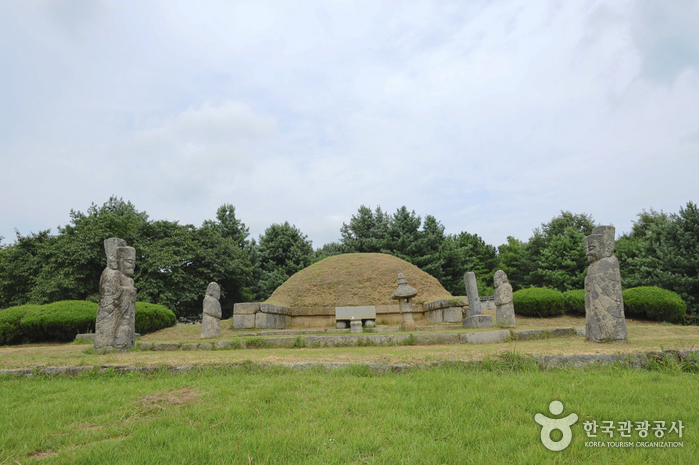
Tomb of Hwang Hui (황희정승묘)
23-83 Jeongseung-ro 88beon-gil, Tanhyeon-myeon, Paju-si, Gyeonggi-do
Hwang Hui (1363-1452) is a prime minister who played a significant role in the early Joseon dynasty. Constructed in three stages, the tomb's burial mound is notably large. Hwang Hui was an official instrumental in establishing the foundations of Joseon. He served under King Taejong, the 3rd king of Joseon, and King Sejong, the 4th king, making notable contributions in diplomacy, law, science, and national defense. His descendants have continued to honor his legacy by maintaining the tomb.
Plan your Korea trip
Korea travel FAQ
How do I use the travel search?
Enter a place or interest, then narrow the results by region, category or sort order.
Will my filters stay selected on the next page?
Yes. Your search and filter choices stay in the page URL while you move through the results.
Can I find directions to each place?
Place pages include an external Google Maps search when coordinates or an address are available.
Source: Korea Tourism Organization, official website (https://knto.or.kr).