TRAVEL IN KOREA
Korea Places to Visit
Find attractions, culture, festivals, stays, restaurants, shopping and travel courses for a clear Korea trip plan.
Data last synced: 2026-06-25. Some details may change. Please confirm official information before visiting.
Tomb of King Munmu (경주 문무대왕릉)
1366-9, Donghaean-ro, Gyeongju-si, Gyeongsangbuk-do
A little rocky islet approximately 200 meters from the shore at Bonggil-ri is the Tomb of King Munmu (AD 661-681), who unified the three kingdoms and became the 30th ruler of the Silla Kingdom. The king gave specific instructions to be buried in the East Sea after his death so that he would become a dragon and protect Silla from foreign invaders. The rocky island, about 200 meters in circumference, is divided by a cross-shaped waterway, forming a pool at the center, at the bottom of which is a granite stone 3.6 meters long, 2.9 meters wide and 0.9 meters thick. Legend has it that the remains of King Munmu’s cremated body are buried under this rock. Historians still debate whether the ashes of the King Munmu were scattered or stored in an urn and placed under the rock.
Tomb of King Suro (수로왕릉)
26 Garak-ro 93beon-gil, Gimhae-si, Gyeongsangnam-do
King Suro founded the Garak Kingdom in AD 42 and married Heo Hwang-ok, a princess from the Indian country of Ayuta, in AD 48. He was the founder of the Gimhae Kim family. Heo Yeop, a Yeongnam governor, gave the tomb its current look in the 13th year of the reign of King Seonjo (1580). The tomb compound includes various buildings, including the Sungseonjeon (where the ancestral tablets of King Suro and his queen are kept), Anhyanggak, Jeonsacheong, and Jegigo, as well as stone structures, such as a sindobi (tombstone) and gongjeokbi (monument established to pay homage the deceased). The tombstone in front of the royal tomb was built in the 25th year of the reign of King Injo (1647) of the Joseon dynasty. The name Sungseonjeon was bestowed on the tomb by King Gojong in the 21st year of his reign (1884).
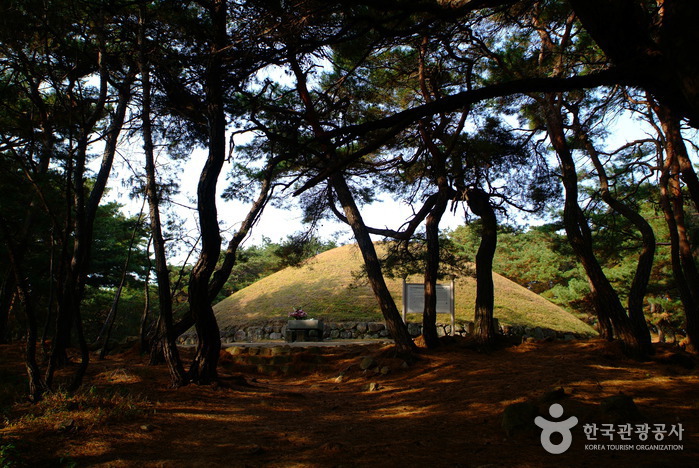
Tomb of Queen Seondeok (경주 선덕여왕릉)
Baeban-dong, Gyeongju-si, Gyeongsangbuk-do
The Tomb of Queen Seondeok is a round tumulus with a circumference of 73 meters. Aside from the fact that it is circled by a protective two-layer rock, the tomb has no other unique features. As the oldest daughter of King Jinpyeong, Queen Seondeok became the first queen of the Silla Kingdom. During the 16th year of her reign, Bunhwangsa Temple and Cheomseongdae Observatory were built. She also ordered the construction of the famous nine-story wooden pagoda of Hwangyongsa Temple, a significant achievement of Buddhist architecture. While many of her efforts laid the foundation for the unification of Three Kingdoms of Korea, Queen Seondeok’s reign was plagued by rebellion and strife and she died in 647 during a rebellion, 23 years before unification was realized.
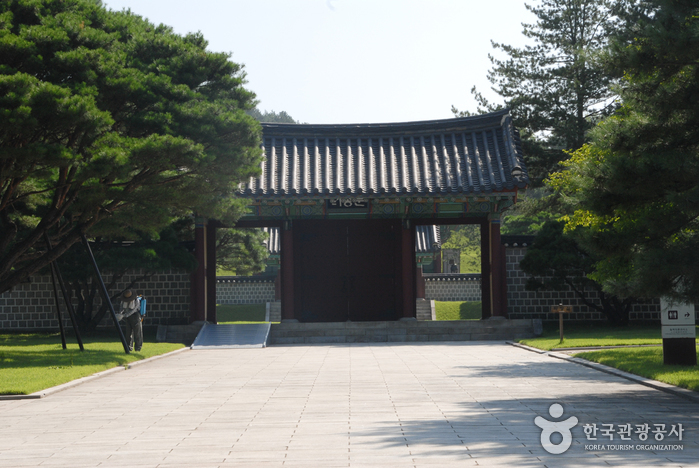
Tomb of Seven Hundred Patriotic Martyrs (Geumsan) (금산 칠백의총)
50, Uichong-gil, Geumsan-gun, Chungcheongnam-do
The Tomb of Seven Hundred Patriotic Martyrs is a renowned historical attraction located in Geumsan, Chungcheongnam-do. This holy site is interred with 700 patriots who died in a battle against 15,000 Japanese soldiers in Geumsan during the Imjin War in 1592. Among the deceased is the leader, Jo Heon. Shrines and monuments were built in memory and respect of the patriotic spirit of those who died in the battle. The site is especially popular among families with children as an attraction as visitors can learn a valuable history lesson as well as enjoy a relaxing walk around the area. In addition, the Cultural Heritage Administration of Korea hosts an annual ceremonial rite every year on September 23 at 15:00, offering more to see for visitors.
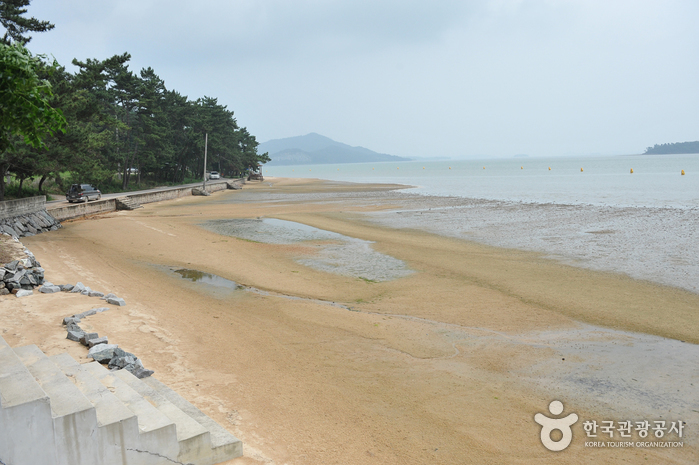
Tommeori Beach (톱머리 해수욕장)
66, Tommeori-gil, Muan-gun, Jeollanam-do
Tommeori Beach can be characterized by the extremes shown at high and low tides. The endless stretch of white sandy beach during the low tide and the dense black pine forest offer a spectacular view. The shallow waters and low slope make it a great vacation destination.
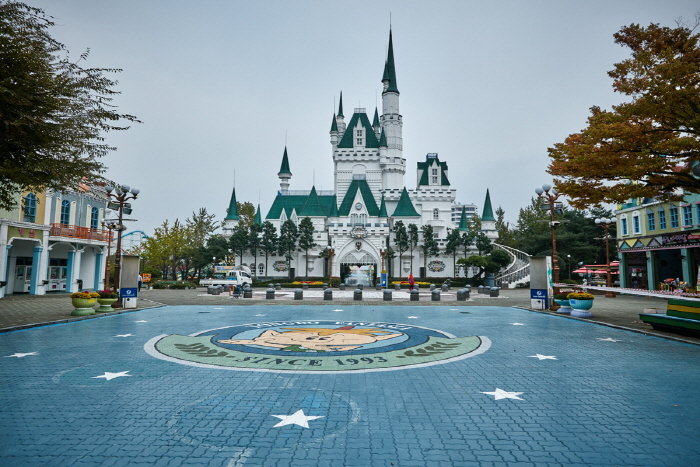
Tongdo Fantasia (통도환타지아)
68, Tongdo 7-gil, Yangsan-si, Gyeongsangnam-do
Tongdo Fantasia is located in Yangsan, Gyeongsangnam-do, which shares borders with Milyang, Ulsan and Busan. This makes the amusement park very accessible by any means of transportation. Tongdo Fantasia operates Tongdo Country Club as well, and nearby Tongdosa Temple is also available for visitors who want to look around the local historic sites. The amusement park, the biggest theme park in Gyeongsangnam-do sits at the foot of Yeongchwisan Mountain, has over 30 amusement facilities, a large-scale swimming pool, a natural lake, a plaza for various events and a large-scale outdoor theatre, all offering various activities and events.
![Tongdosa Temple [UNESCO World Heritage] (통도사[유네스코세계문화유산])](http://tong.visitkorea.or.kr/cms/resource/83/1229083_image2_1.jpg)
Tongdosa Temple [UNESCO World Heritage] (통도사[유네스코세계문화유산])
108 Tongdosa-ro, Habuk-myeon, Yangsan-si, Gyeongsangnam-do
Tongdosa Temple, esteemed for its establishment in 643, is a revered site recognized as a UNESCO World Heritage. This temple proudly houses Buddha's genuine sacred relics. It also boasts an array of significant Buddhist cultural treasures, such as the Daeungjeon Hall, the Gilt-Bronze Vairocana Buddha, and the Buddhist Museum. Additionally, the temple offers a templestay program for visitors.
Tonggumi Pebble Beach (통구미몽돌해변)
Ulleungsunhwan-ro, Ulleung-gun, Gyeongsangbuk-do
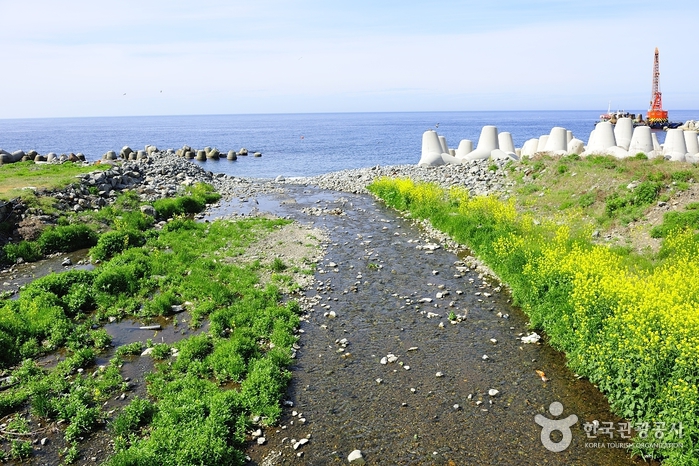
At Tonggumi Pebble Beach on Ulleungdo Island, you can enjoy the views of impressive sea-side cliffs, the glittering ocean, and the dark pebbles that dot the landscape, all at once. There are always waves at this 1-kilometer-long beach with waters ranging in depth from 1 to 3 meters. It is easy to find the beach, as it is located along the Ulleungdo Coastal Drive. Various facilities such as bathrooms, parking lots, homestays, restaurants, drugstores, supermarkets and accommodations are found near the beach.
Tongiljeon Ginkgo Road (통일전 은행나무길)
6 Chilburam-gil, Gyeongju-si, Gyeongsangbuk-do
Tongiljeon Ginkgo Road is a tree-lined road approximately 2 kilometers long in front of the Tongiljeon Hall, a building erected to commemorate the unification of the Three Kingdoms under Silla. The street is one of the best autumn destinations in Gyeongju, with ginkgo trees lined up on both sides of the road. During fall, the trees create a beautiful scene with their brilliant yellow leaves. The road is perfect for a leisurely drive or a walk, and from Tongiljeon Hall, visitors can enjoy a panoramic view of the entire ginkgo tree-lined path.
Tongyeong Adventure Tower (통영어드벤처타워)
205 Balgae-ro, Tongyeong-si, Gyeongsangnam-do
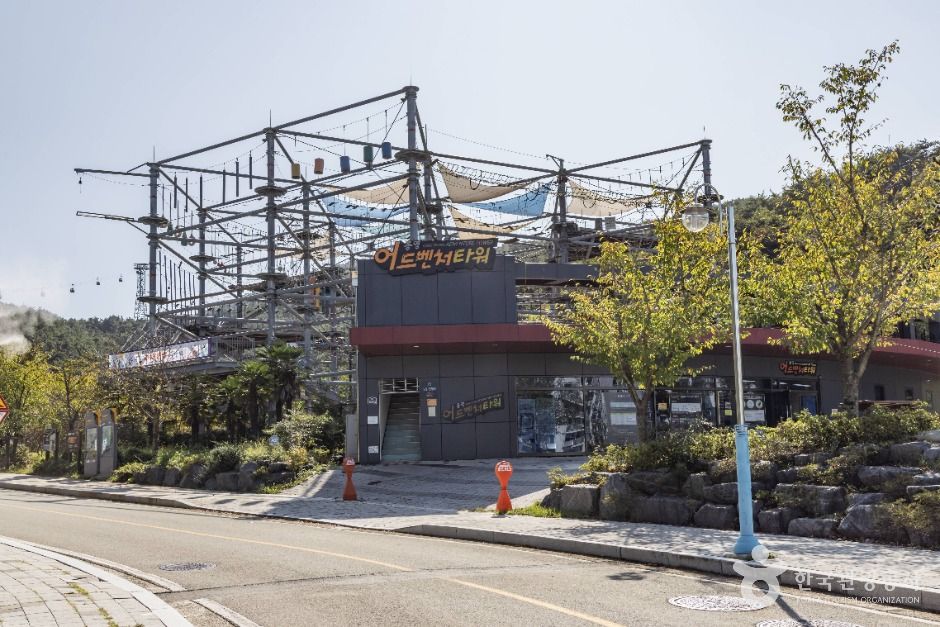
Tongyeong Adventure Tower is an extreme sports facility located 15 meters above the ground, offering an exciting experience for people of all ages. It features over 90 thrilling courses suited for beginner, intermediate, and advanced levels, allowing participants to climb, cross, and jump to enjoy the thrill. The attraction also provides various facilities, such as a convenience store, a resting place, and an observatory.
Tongyeong Cable Car (통영케이블카)
205 Balgae-ro, Tongyeong-si, Gyeongsangnam-do
Tongyeong Cable Car installed on Mireuksan Mountain in Tongyeong is 1,975 meters long, and a bi-cable automatic circulation gondola system was installed using the latest Swiss technology. At an average speed of 4 meters per second, it takes about 9 minutes to reach the upper station, circulating a total of 48 gondolas that consist of 47 passenger gondolas and 1 cargo gondola. The cable car implemented an eco-friendly design and has only one intermediate support with the aim of protecting the environment while providing a comfortable ride for passengers. In addition, the 8-person gondolas operate non-stop, allowing passengers to board without delay and enjoy the beautiful scenery of Korea’s beautiful ocean in privacy with their loved ones. They also have a pet-friendly cable car, allowing visitors to ride with their pet.
Tongyeong Ecological Forest (통영생태숲)
1279 Inpyeong-dong, Tongyeong-si, Gyeongsangnam-do
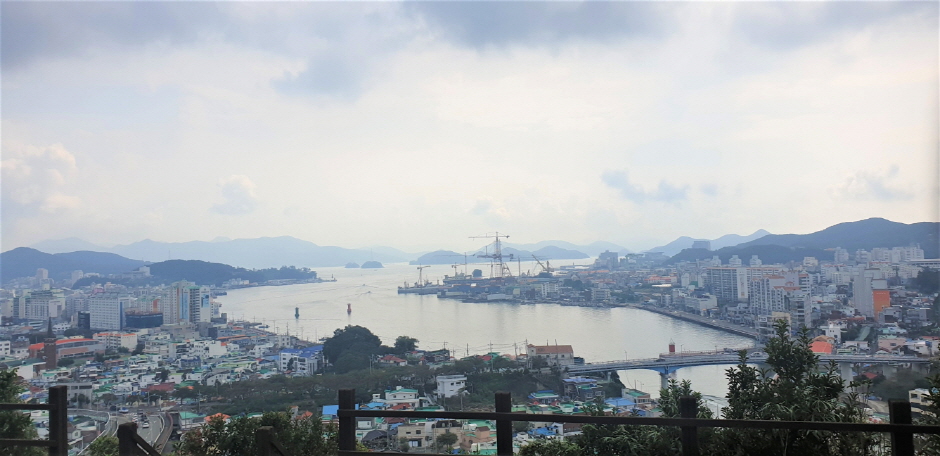
Located on Cheonamsan Mountain near the southwestern sea of Tongyeong, Tongyeong Ecological Forest is full of the Hinoki cypress trees. It features a walking trail surrounded by subtropical plants, a deck path through the woods, a resting forest, a children’s forest education center, an ecological playground, and a golden oak mushroom farm. Moreover, visitors can see rabbits and deer, admire small fishing boats passing through Tongyeong Port from the observatory, and explore the forest with a guide.
Tongyeong Lighthouse Fishing Park (통영등대낚시공원)
441 Samchingihaean-gil, Sanyang-eup, Tongyeong-si, Gyeongsangnam-do
Tongyeong Lighthouse Fishing Park is a bridge-shaped fishing facility, conveniently situated near the Donam Tourist Complex in Tongyeong. It was established in 2006 when Tongyeong was selected as a pilot site for the Marine Fishing Park project initiated by Gyeongsangnam-do. Known as an ideal spot for sea fishing, it offers stunning views of the Hallyeo National Marine Park. This location allows visitors to enjoy sea fishing safely without the need to venture far out to sea by boat.

Tongyeong Port Kkulppang Street (통영항 꿀빵거리)
Jungang-dong, Tongyeong-si, Gyeongsangnam-do
Near Tongyeong Port, Central Market is home to a street lined with shops selling Tongyeong kkulppang, or honey bread, the city’s signature dessert. Originally created as a long-lasting snack for local sailors in the warm coastal climate, this treat is made by filling dough with sweet red bean paste, deep-frying it, and coating it with honey. First introduced by Omisa Kkulppang in the 1960s, it has since become one of Tongyeong’s most famous local specialties, much like Cheonan’s walnut cakes. With views of Tongyeong Port and the South Sea, the area is also close to Dongpirang Village, Tongyeong Sebyeonggwan Hall, and Chungmu Gimbap Street, making it an ideal stop for sightseeing and local food.
Tongyeong RCE Sejahtera Forest (통영RCE세자트라숲)
116 Yongnamhaean-ro, Yongnam-myeon, Tongyeong-si, Gyeongsangnam-do
The Tongyeong RCE Sejahtera Forest is a joint education center for 70 RCEs from 15 countries in Asia and the Pacifics. The center was opened in 2015 as an ecofriendly play area and offers many educational programs for locals and visitors.
Tongyeong Sebyeonggwan Hall (통영 세병관)
27, Sebyeong-ro, Tongyeong-si, Gyeongsangnam-do
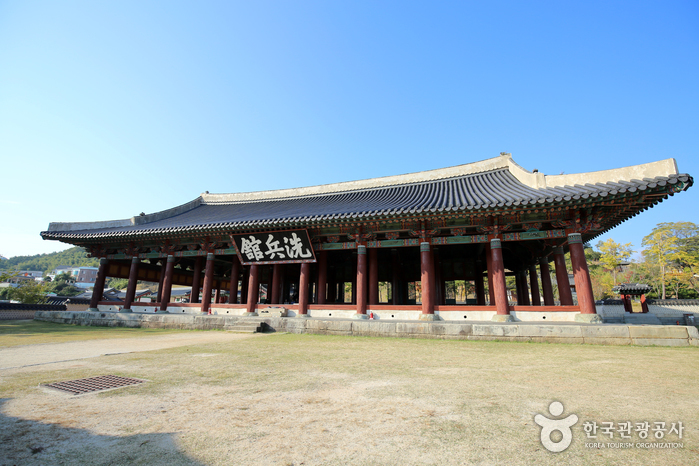
Sebyeonggwan Hall, located in Tongyeong, Gyeongsangnam-do, was established in 1605 by the 6th generation commander-in-chief Lee Kyung-jun and is well known as one of the widest buildings of the Joseon period along with Gyeonghoeru Pavilion in Gyeongbokgung Palace and Jinnamgwan Hall in Yeosu-si. Sebyeonggwan Hall is placed at the foot of Yeohwangsan Mountain and overlooks Tongyeong. Right next to the hall are the remains of the naval base Tongjeyeong, which includes Unjudang (also called Jeseungdang, a military education center for the Joseon Navy) among others. Sebyeonggwan Hall symbolizes the ending of the war, the washing away and cleaning up of the weapons of war.
Plan your Korea trip
Korea travel FAQ
How do I use the travel search?
Enter a place or interest, then narrow the results by region, category or sort order.
Will my filters stay selected on the next page?
Yes. Your search and filter choices stay in the page URL while you move through the results.
Can I find directions to each place?
Place pages include an external Google Maps search when coordinates or an address are available.
Source: Korea Tourism Organization, official website (https://knto.or.kr).