TRAVEL IN KOREA
Korea Places to Visit
Find attractions, culture, festivals, stays, restaurants, shopping and travel courses for a clear Korea trip plan.
Data last synced: 2026-06-25. Some details may change. Please confirm official information before visiting.
Will Spa (윌스파)
524, Bongeunsa-ro, Gangnam-gu, Seoul
Willspa operates 24 hours in the Gangnam area, featuring luxurious spa that is equipped with suitable size, facility, and programs for foreign visitors’ taste.
Windy Hill (바람의 언덕)
San 14-47, Galgot-ri, Nambu-myeon, Geoje-si, Gyeongsangnam-do
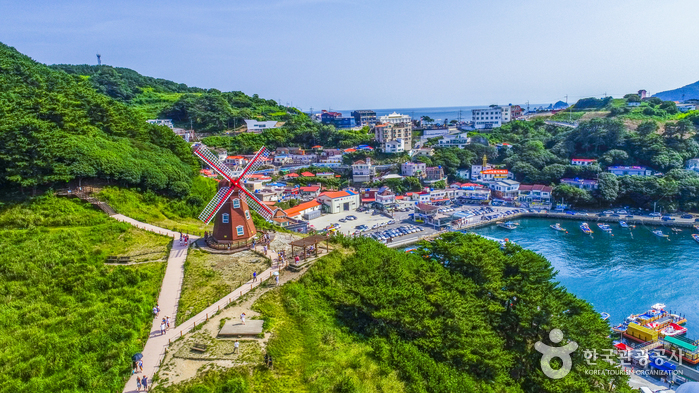
The Windy Hill refers to a hill at the end of the fishing village of Dojangpo, located at the entrance to the Haegeumgang Islets, upon which a windmill can be found. Its name comes from the area being very windy, thanks to its geographical features. The plants that grow on the hill also tend to be short in stature because of the wind. Many cafés and restaurants take advantage of the hill’s remarkable view. Windy Hill is also close to other tourist sites, like Sinseondae Terrace, Haegeumgang Islets, Hammok Beach, and a camellia habitat.
WIZ & MI Clinic (위즈앤미의원)
#401-#403, 21 Myeongdong 7-gil, Jung-gu, Seoul
WIZ & MI Clinic presents unique beauty based on tailored, customer-oriented treatments and highly skilled know-how. Systemized and specialized treatments, along with standardization, enable the clinic to offer reasonable prices. Additionally, the clinic offers customized procedures for highly satisfactory outcomes and stability without side effects. The medical staff at WIZ & MI Clinic have proven competencies, abundant clinical experiences, and expertise. With cutting-edge equipment, the clinic's competent staff members share their know-how through live demonstrations each year. WIZ & MIi Clinic pursues 'magic total beauty' that improves and balances physical beauty with a healthy mind. For this, the clinic conducts research and strives for healthy beauty for all its customers. It is committed to providing honest care and helping patients re-discover their magical beauty and happiness.
Wolbongseowon Confucian Academy (월봉서원)
133, Gwanggok-gil, Gwangsan-gu, Gwangju
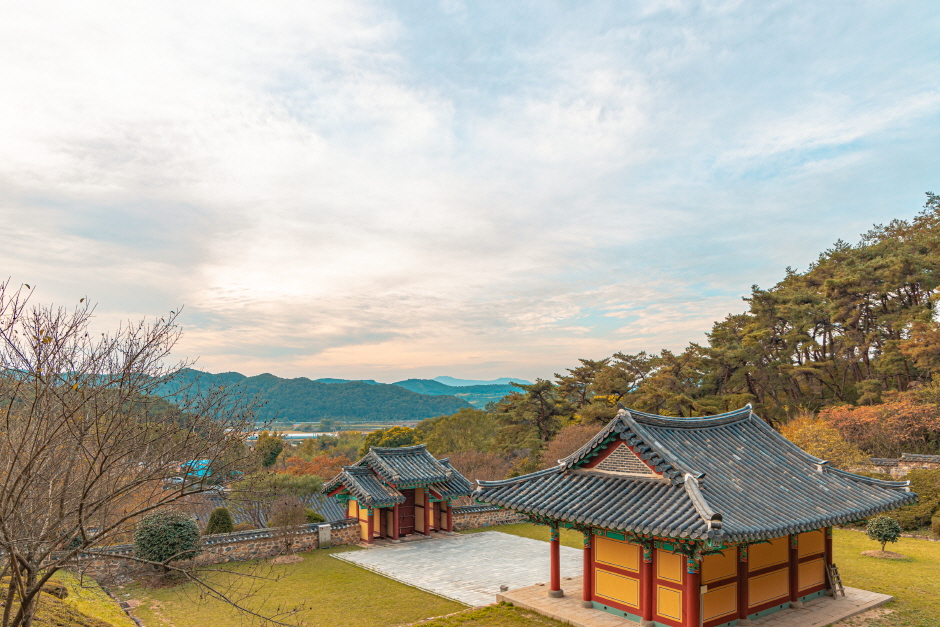
Wolbongseowon Confucian Academy, built in 1578, was established by Kim Gyehwi and other confucian scholars to honor Ki Daeseung's study and virtue through Mangcheonsa Shrine. The location of the academy was moved to its current site in 1646, and the name Wolbong was given by King Hyojong in 1654. In 1671, Bak Sang and Bak Sun's shrines were moved from Deoksansa Shrine by the suggestion of Song Siyeol. Also, Kim Jangsaeng and Kim Jip's shrines were additionally placed in 1673. Unfortunately, the confucian academy was abolished due to the abolition policy of Daewongun in 1868. Later, Bingwoldang Hall was built by Jeollanam-do's Confucian scholars in 1938, followed by Gojiksa Shrine in 1972, Jangpangak Pavilion and Oesammun Gate in 1978, Sau in 1980 and Naesammun Gate in 1981. Bingwoldang is designated as Gwangju Monument No. 9 and woodblocks of Gobongjip are preserved in Jangpangak Pavilion.
Wolchulsan Gichan Land (월출산 기찬랜드)
19-3, Gichan land-ro, Yeongam-gun, Jeollanam-do
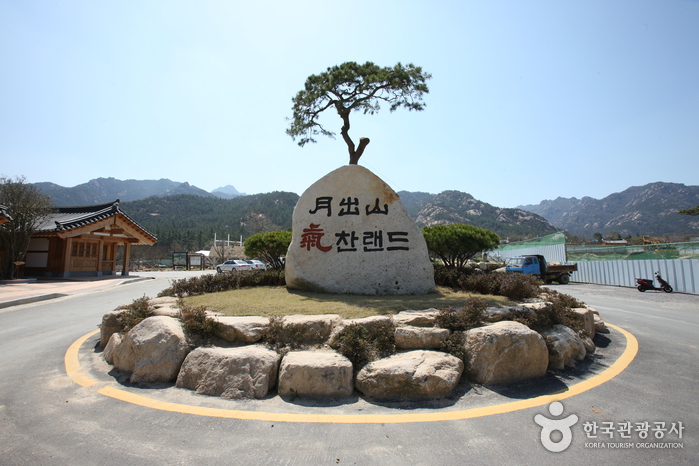
Wolchulsan Gichan Land is set in the clean valley and fresh air at the foot of Cheonhwangbong Peak of Wolchulsan Mountain. Many famous people come from the area, including Kim Changjo who created folklore music, Nangsan Kim Junyeon, a member of the Consituent Assembly, Admiral Kang Kicheon, Jo Hunhyeon, King of Baduk game and others. Gichan Land houses Gayageum Theme Park to offer folk culture as well as nature-pool, spirit health center, pension, physical facilities, well-being prayer road, and others. Wolchulsan Well-being Prayer Road features a health road to experience water, forest, and rocks on the road to Wolchulsan Mountain. The 1.1 kilometer long Wolchulsan Well-being Prayer Road stretches from Gichan-gil Walking path to Ki Sports Park and Sowon-ro. The path is decorated with more than 30 years of pine trees, eco-friendly wooden bridge, and a resting area. Wolchulsan Pray Road stretches from the entrance of Cheonhwangsaji and Ki Sports Park to Gichan Land (4km) plus the 3 kilometer-road from Historic Site of Wang In to the entrance of Dogapsa Temple. Wolchulsan National Park features breathtaking scenery, plentiful cultural resources and folklore atmosphere of the Southern area. The mountain was formed as a residual hill of the Sobaek Mountain Range going into the Mokpo sea and meets the projecting rocks. The whole area is centered around Cheonwangbong Peak (809m) and is surrounded by uniquely-formed rocks and cliffs. The area is the birth place of Wangin (Baekje) and Doseon Guksa (Late Silla). Various cultural assets are also located here, including Gengnakjeon Hall and Rock-carved Seated Buddha in Muwisa Temple in south side and Dogapsa Temple in west side based on Cheonwangbong Peak.
Wolchulsan National Park (월출산국립공원)
280-43 Cheonhwangsa-ro, Yeongam-eup, Yeongam-gun, Jeollanam-do
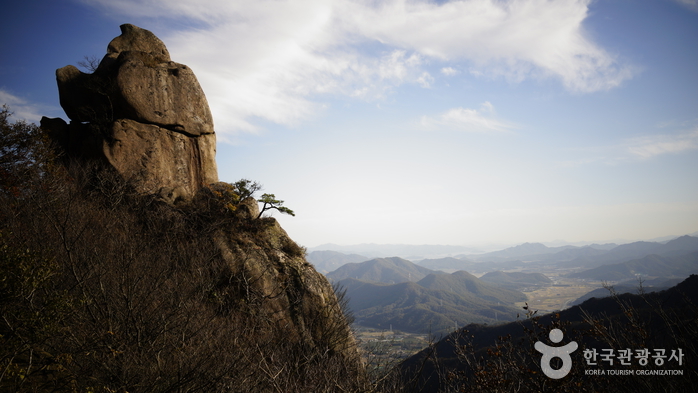
Wolchulsan Mountain, which means "moon rising mountain," is a national park in the southernmost part of Korea with beautiful nature. The mountain towering around Cheonhwangbong Peak at 810.7 meters above sea level stands out even more due to the flat land around it. The unique rock formations look differently depending on the angle, as a human face or animal shape, exuding overwhelming grandeur. More than 700 plant species and 800 animal species inhabit the area, and a subtropical forest and a warm-temperate forest coexist, making it very valuable to preserve. The ridge from the Cheonhwangsa Temple site or Baramgyegok Valley to Cheonhwangbong Peak, Gujeongbong Peak, and Dogapsa Temple is the main trail, which takes about six hours. The course’s most exciting point is the 120-meter high and 54-meter long red suspension bridge that offers a picturesque view of Wolchulsan Mountain and the fields and paddies under the mountain.
Wolgot Harbor (월곶포구)
Wolgot-dong, Siheung-si, Gyeonggi-do
"Got" in the name of Wolgot means peninsula and the area was considered an important strategic point during the Joseon dynasty. In 1991 a land reclaimation project succeeded in creating a new recreation site. Now there are many seafood restaurants, various auxiliary facilities, and an amusement park that rest on reclaimed land. Because the inlet is located on the west coast where the difference in the water level between high and low tide is great, fishing boats avoid the area during the shifting tides. But, whenever the boats return, visitors can enjoy fresh sushi and other seafood. The Marine World facilities have authentic European-style restaurants, an outdoor seawater pool that can be used free of charge, and a barbecue facility along with other amenities.
Wolhwawon Garden (월화원)
399 Dongsuwon-ro, Paldal-gu, Suwon-si, Gyeonggi-do
Wolhwawon Garden is nestled in Hyowon Park of Suwon and features elements that are heavily influenced by Chinese culture. The garden was established as a result of a special memorandom of agreement (MOU) signed in 2003 between the provincial governments of Gyeonggi-do in Korea and Guangdong in China, in appreciation of the two city's cooperative relationship. It boasts traditional gardens and architecture, man-made lakes and waterfalls designed in the Cantonese style.
Woljeong-ri Station (월정리역)
1882, Durumi-ro, Cheorwon-gun, Gangwon-do
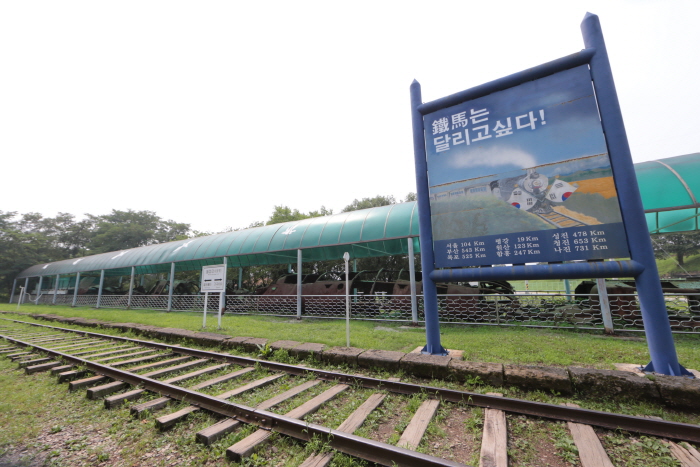
Woljeong-ri Station (Iron Triangle Battlefield) is the last stop before reaching the DMZ. With the sign "The iron horse wants to run again," there stand remains of a train that was used to make frequent trips to North Korea. Located at the spot where the fiercest battle was held during the Korean War, this train marks the partition line of the Korean peninsula. These days Woljeong-ri Station is under the control of the Cheorwon-gun Office and hundreds of thousands of people visit this unique tourist area every year.
Woljeonggyo Bridge (월정교)
274 Gyo-dong, Gyeongju-si, Gyeongsangbuk-do
Woljeonggyo Bridge, located in Gyo-dong, Gyeongju, was built during the Unified Silla period (AD 676-935), but was burnt down during the Joseon dynasty. Through historical research, the bridge was rebuilt in April 2018 to become the largest wooden bridge in Korea. According to Samguk Sagi (History of the Three Kingdoms), the bridge was built during the 19th year of King Gyeongdeok’s reign (AD 760), connecting Wolseong and Namsan together. The historical research to rebuild the bridge lasted from November 26, 1984 to September 8, 1986, finding that the bridge was made with wood for the first time. The first rebuilding of the bridge was from 2008 to 2013 and the finishing touches were added from April 2016 to April 2018. Through this research and rebuilding process, future restoration of historical buildings have a better reference to use.
Woljeongri Beach (월정리해변(월정리해수욕장))
480-1 Haemajihaean-ro, Jeju-si, Jeju-do
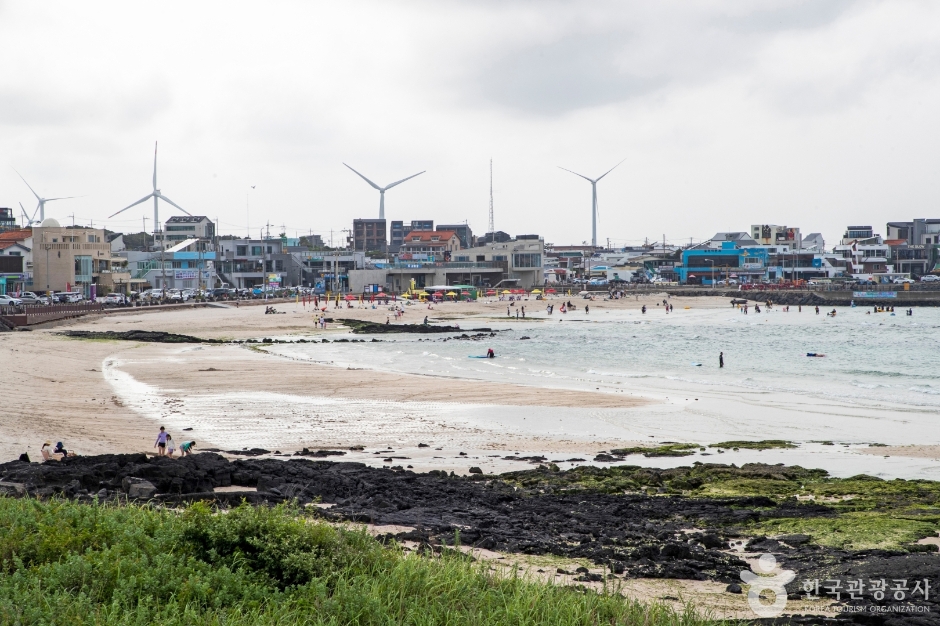
Woljeong-ri, a village located on the east side of Jeju Island, holds the meaning "the moon stays." The beautiful emerald sea spreads out like a picture, and the bright moon shines above it. As more and more travelers visited the beach to appreciate its beauty, many restaurants, cafes, and lodging facilities started to form along the shoreline. Some cafes placed chairs for people to relax in while looking at the sea, which became an iconic photo spot of Woljeongri Beach. The beach is also a popular location for a variety of water sports such as surfing, snorkeling, and kayaking. Woljeongri Beach is popular among surfers because it has waves with a uniform x_height that are constantly coming in. The beach is also a part of the Gimnyeong-Hado Olle and Gimnyeong-Woljeong Geotrail Course on Jeju Olle Trail Route 20, and a great spot for tourists to take a break while taking in the beautiful scenery and cool scent of the sea.
Woljeongsa Temple & Needle Fir Forest (월정사.월정사전나무숲)
374-8 Odaesan-ro, Jinbu-myeon, Pyeongchang-gun, Gangwon-do
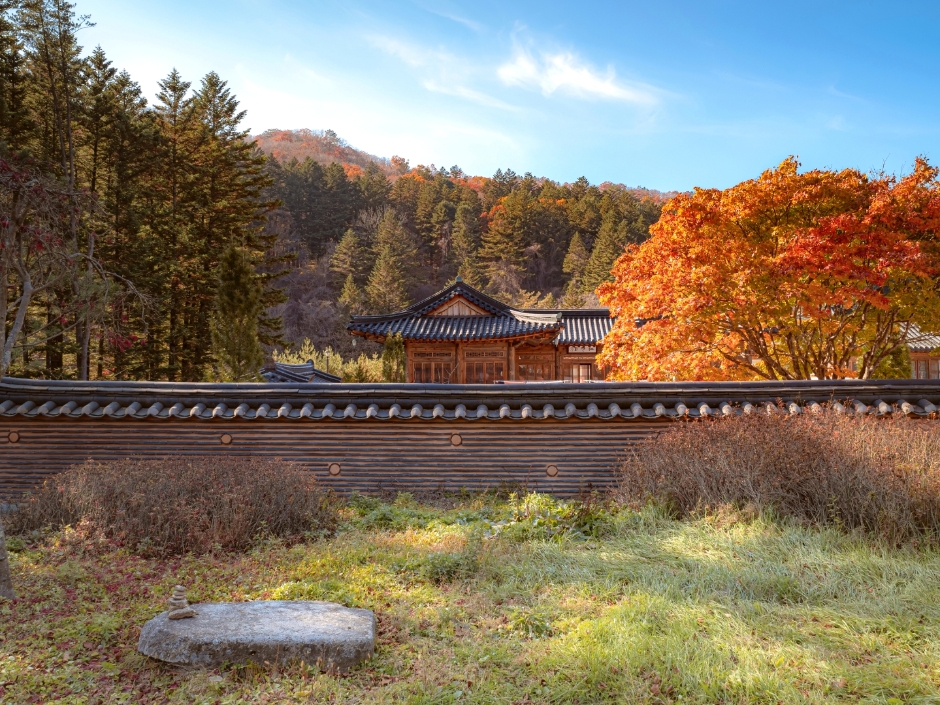
Woljeongsa Temple, established in 643 during the Silla dynasty, is located on Odaesan Mountain. It's renowned for its historical and cultural treasures, including an octagonal nine-story stone pagoda from the Goryeo era. A tranquil pathway, approximately 1 kilometer long, extends from Woljeongsa's Iljumun Gate to Geumganggyo Bridge, lined with over 1,700 fir trees, creating an ideal setting for peaceful walks. Additionally, the temple offers various Buddhist programs and Templestay experiences.
Wollyubong Peak (The Eight Sights of Hancheon) [월류봉(한천팔경)]
47, Wonchondong 1-gil, Hwanggan-myeon, Yeongdong-gun, Chungcheongbuk-do
Wollyubong Peak is one of The Eight Sights of Hancheon, a collection of eight beautiful sights around Wollyubong Peak on the eastern side of Yeongdong-gun. The Eight Sights of Hancheon were named by Song Si-yeol (1607-1689), a prominent Joseon-era politician. Wollyubong Trail provides easy access to the area's scenery. Azalea and royal azalea in springtime and a colorful landscape with maple and other fall colors in autumn make it a more beautiful place.
Wolmi Culture Street & Moonlight Music Fountain (월미문화의거리 & 달빛음악분수)
252 Wolmi-ro, Jung-gu, Incheon
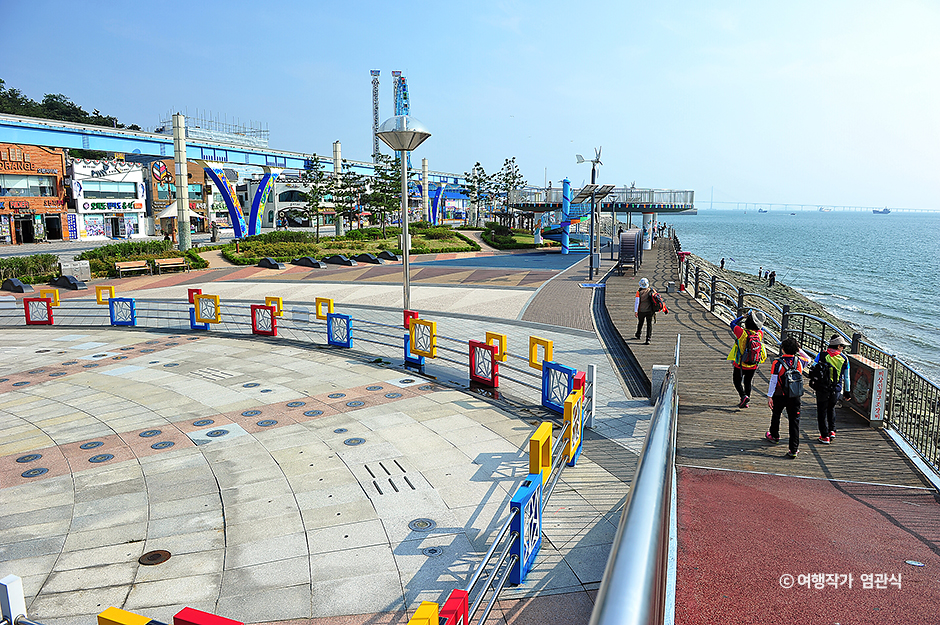
Wolmi Culture Street is a pedestrian-only street located in Wolmido, one of Incheon's major attractions. The street is lined with benches for people to rest, and one can usually find artists here drawing portraits. The street passes Wolmi Park and Wolmi Observatory, providing outstanding views of Incheon Port and the Wolmido area. Family visitors and couples enjoy stopping by Wolmi Theme Park to enjoy the amusement rides. The Moonlight Music Fountain is rather small in size, but is a beloved attraction of Wolmi Culture Street.
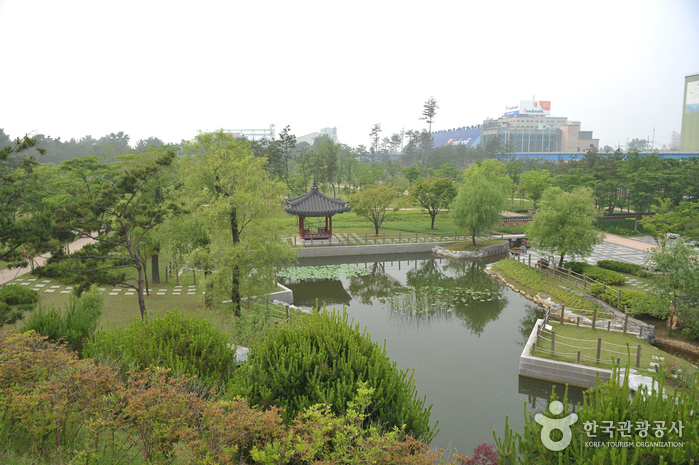
Wolmi Park (월미공원)
131-22 Wolmi-ro, Jung-gu, Incheon
Wolmi Park, once a military zone for 50 years following the Korean War (1950-1953), has been transformed into a park preserving its natural ecosystem. Centered around Wolmi Mountain, the park features traditional Korean gardens such as Palace Garden, Hermitage Garden, and Tradition Private House Garden. Visitors can enjoy views of Incheon Port and the sunset over the Seohae Sea from the nearby Wolmi Observatory. It is conveniently located near Wolmi Cultural Street.
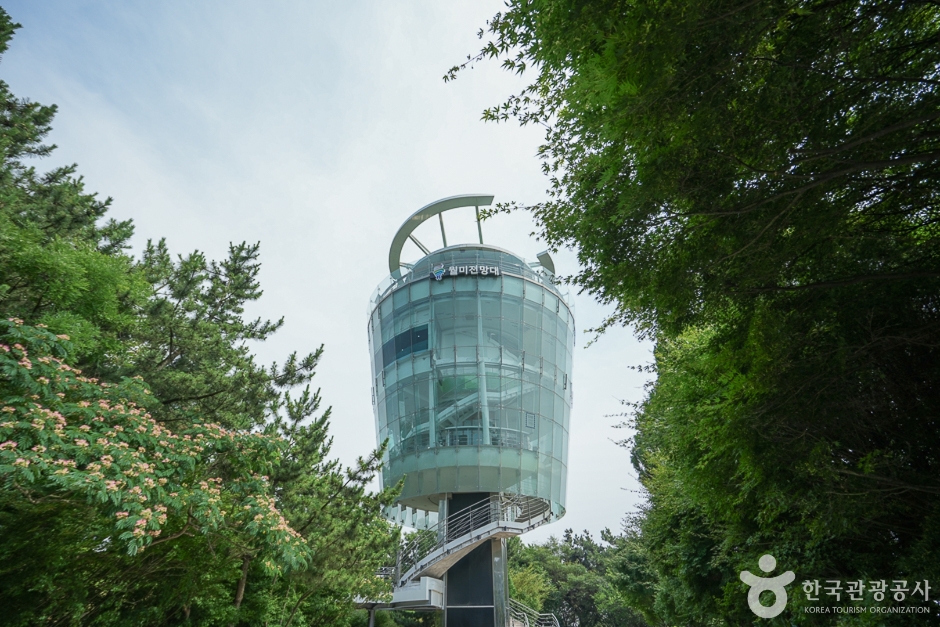
Wolmi Park Wolmi Observatory (월미공원 월미전망대)
294 Wolmi-ro, Jung-gu, Incheon
Wolmi Observatory, located atop Wolmisan Mountain, offers panoramic views of Incheon Port, Incheon Bridge, the Passenger Terminal, and nearby islands scattered across the ocean. One side of the observatory overlooks Incheon City, including Jayu Park, while the other opens up to the vast blue West Sea. It is also renowned for its stunning sunset views, making it a popular evening attraction. The observatory features a café, providing visitors with a relaxing space to unwind while taking in the beautiful scenery of the West Sea.
Plan your Korea trip
Korea travel FAQ
How do I use the travel search?
Enter a place or interest, then narrow the results by region, category or sort order.
Will my filters stay selected on the next page?
Yes. Your search and filter choices stay in the page URL while you move through the results.
Can I find directions to each place?
Place pages include an external Google Maps search when coordinates or an address are available.
Source: Korea Tourism Organization, official website (https://knto.or.kr).