TRAVEL IN KOREA
Korea Places to Visit
Find attractions, culture, festivals, stays, restaurants, shopping and travel courses for a clear Korea trip plan.
Data last synced: 2026-06-25. Some details may change. Please confirm official information before visiting.
Yecheon Samgangjumak (예천 삼강주막)
27, Samgangni-gil, Yecheon-gun, Gyeongsangbuk-do
A place where people can see traditional jumak (small taverns serving food and liquor), Samgangjumak once sold food to people who travel through Samgang Port, offered rooms for peddlers to stay, and provided poets with a place to rest. Built around 1900, this tavern is small but the floor plan is so compact that its historical value in Korean architecture is high. It also reflects the local history and culture of the past. Now, it is a tourist attraction where visitors can experience food and the atmosphere of Korea's culture in the past.
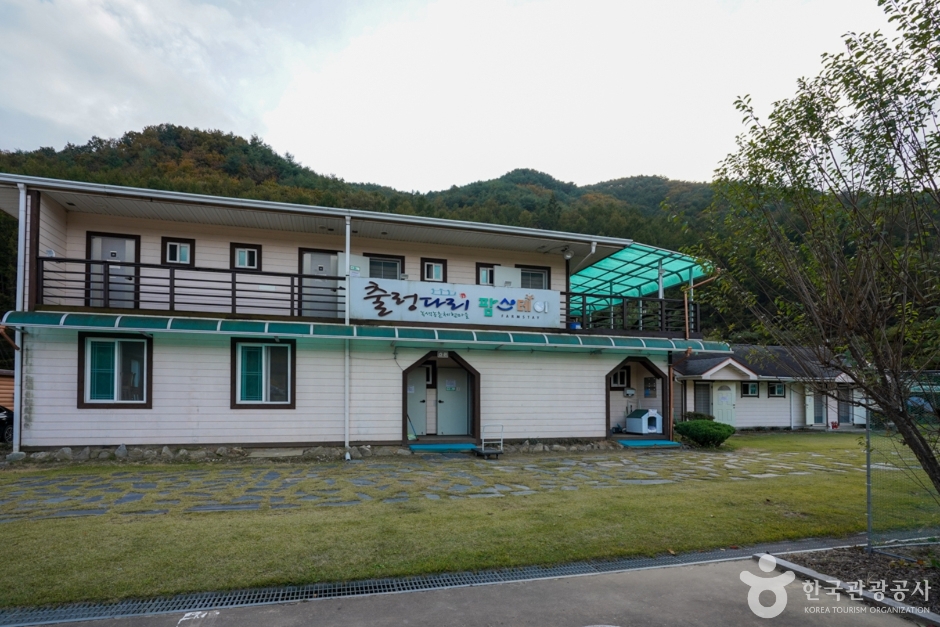
Yecheon Suspension Bridge Village (예천 출렁다리마을)
826 Yongmungyeongcheon-ro, Yongmun-myeon, Yecheon-gun, Gyeongsangbuk-do
Yecheon Suspension Bridge Village offers a picturesque setting with its crystalline waters and mountainous landscapes by day, and a celestial canopy of stars by night. The village provides a range of accommodation options suitable for groups of three to fifteen people. Guests have the opportunity to delve into the rural lifestyle with hands-on experience programs in the vegetable garden, involving the preparation of dishes and syrups using the village's own freshly grown agricultural produce. For those looking to explore the vicinity, nearby attractions include Choganjeong Pavilion, Gyeongcheonho Lake, and Seoaksa Temple, each offering its unique charm and cultural insights.
Yedangho Suspension Bridge & Musical Fountain (예당호 출렁다리(음악분수))
161 Yedanggwangwang-ro, Yesan-gun, Chungcheongnam-do
Yedangho Suspension Bridge opened on April 6, 2019 as the longest suspension bridge in Korea with the length of 402 meters. With the addition of Slow Lake Road in October of the same year, visitors can enjoy the beautiful scenery even more. There is a sculpture park around the lake, standing in harmony with the white suspension bridge. A grand musical fountain was installed on April 25, 2020. The fountain is the widest in the nation, and shoots jets of water up 110 meters into the air. The fountain show lasts for 20 minutes, and uses bightly colored LED lights for an exciting performance.
Yejiwon (예지원)
72, Jangchungdan-ro, Jung-gu, Seoul
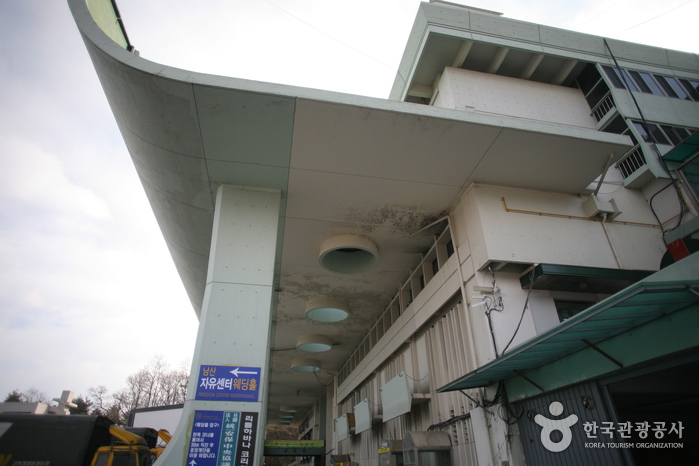
The Yejiwon is located in Seoul Jung-gu Jangchung-dong and has been offering traditional Korean etiquette education programs since its inception on September 16th, 1974. Furthermore, the Yejiwon also serves to introduce the traditional cultures and living cultures of Korean etiquettes to foreigners. Most programs offered are short-term classes, and reservations can be made on the homepage up to 15 days in advance. Reservations are only available for groups of 10 or more and classes are instructed in Korean only, so it may be a good idea to be accompanied by a guide.
Yekki Village (예끼마을)
14 Seonseong-gil, Dosan-myeon, Andong-si, Gyeongsangbuk-do
Yekki Village is an artistic village in Andong. The alleyways are decorated with colorful murals, the galleries feature work from local artists, and visitors can experience a hanok experience. The biggest charm of the village is the Sunseong Susang-gil Waterway, a floating path across the lake.
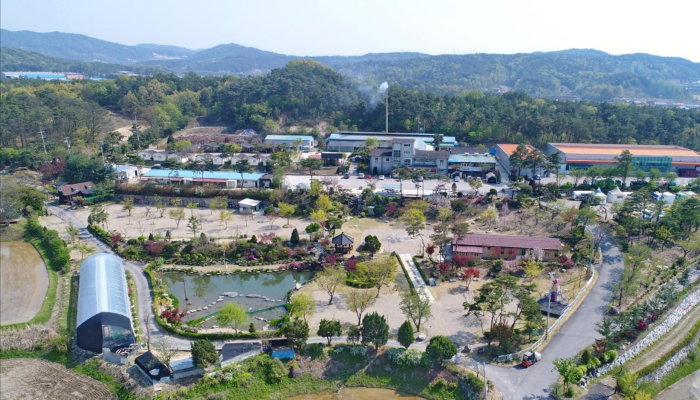
Yeoju Charcoal Village (여주참숯마을)
40 Geolchondong-gil, Gangcheon-myeon, Yeoju-si, Gyeonggi-do
Yeoju Charcoal Village is a multifaceted leisure facility featuring charcoal saunas, an auto campground, and pensions. The charcoal saunas have gained such popularity that an auto campground was established nearby. These saunas comprise ten red clay rooms, which are heated by burning oak wood for five days. After the charcoal is removed, visitors can enjoy the residual heat for steaming in the sauna rooms. For accommodation, there are fourteen pension buildings and a campground segmented into six zones, totaling 120 sites.
Yeoju Dojasesang (여주도자세상)
7 Silleuksa-gil, Yeoju-si, Gyeonggi-do
Yeoju Dojasesang is a multicomplex operated by the Korea Ceramic Foundation that introduces ceramic designs through displays as well as sales in the nation's largest ceramic shopping mall. Another attractive feature of Yeoju Dojasesang is the craft studio, where artisians and visitors alike can create beautiful and unique works.
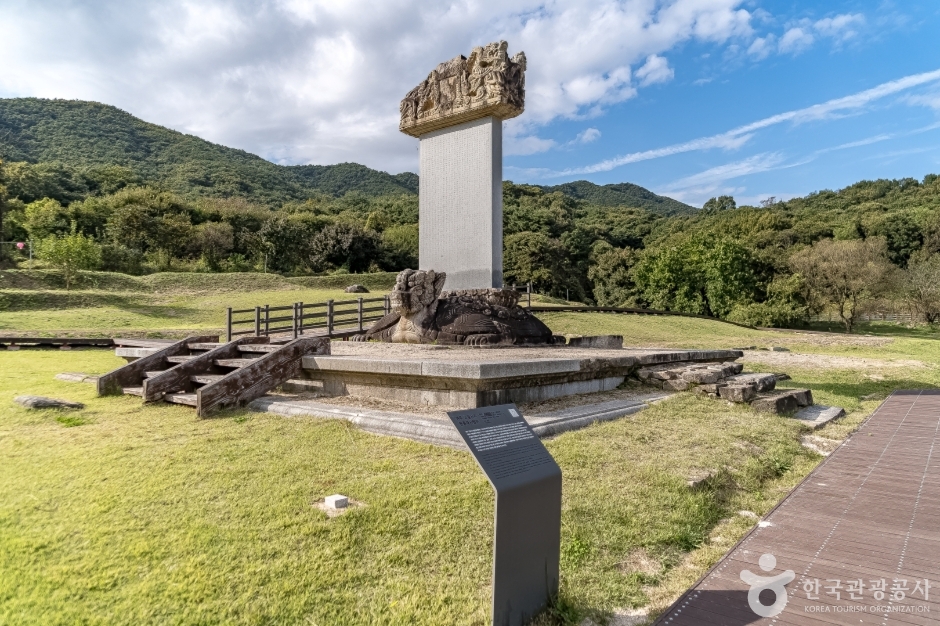
Yeoju Godalsa Temple Site (여주 고달사지)
Sanggyo-ri, Bungnae-myeon, Yeoju-si, Gyeonggi-do
Godalsa Temple Site, at the foot of Hyemoksan Mountain, shows the remnants of a temple that was built in AD 764. The temple rose to prominence in the Goryeo period, but was destroyed at some point, although the timing and reason is unknown. While the temple grounds are no longer at their peak of glory, they do still hold a national treasure, four treasures, and one tangible cultural heritage, making it an important site.
Yeoju Hwangpo Sailboat (여주 황포돛배)
Cheonsong-dong, Yeoju-si, Gyeonggi-do
The Yeoju Hwangpo Sailboat, historically utilized for transporting goods in the Joseon period and propelled by the wind, has been recreated on the Namhangang River. It operates from the riverside recreation area to Silleuksa Temple, making the round trip seven times daily.
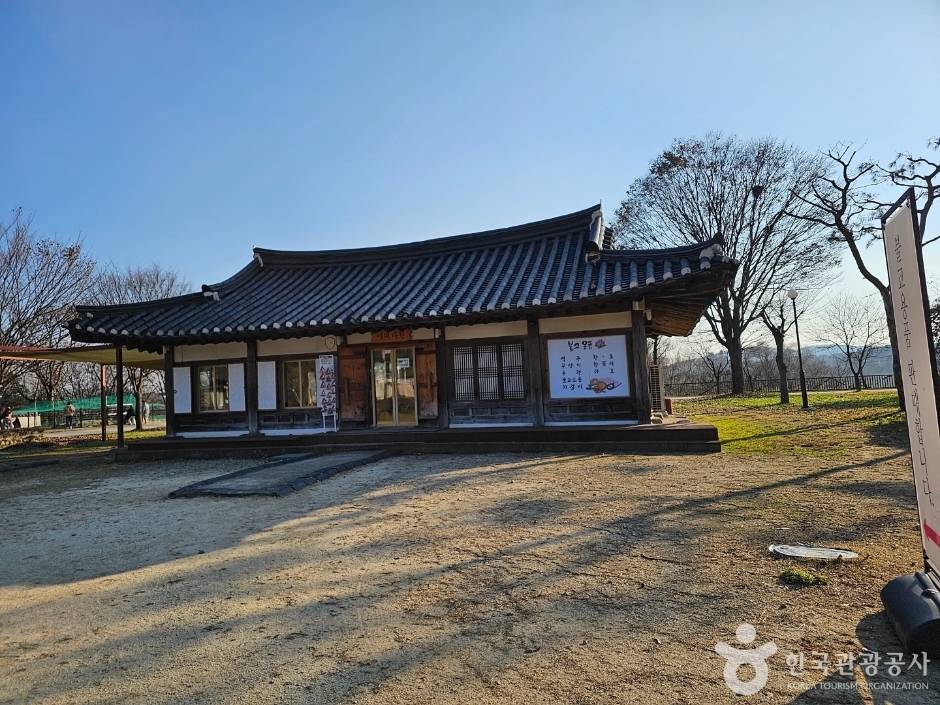
Yeoju Silleuksa Temple (신륵사(여주))
73 Silleuksa-gil, Yeoju-si, Gyeonggi-do
Silleuksa Temple is located along the upper section of the Namhangang River as it flows from Bongmisan Mountain in Yeoju. It is believed that Silleuksa Temple was built by Monk Wonhyo during the reign of Silla King Jinpyeong, but there is no evidence to prove this. The temple is famous for being a place where Naong Hyegeun stopped in 1376. The temple began to be called Boeunsa in 1472, but the name changed back to Silleuksa Temple in 1858.
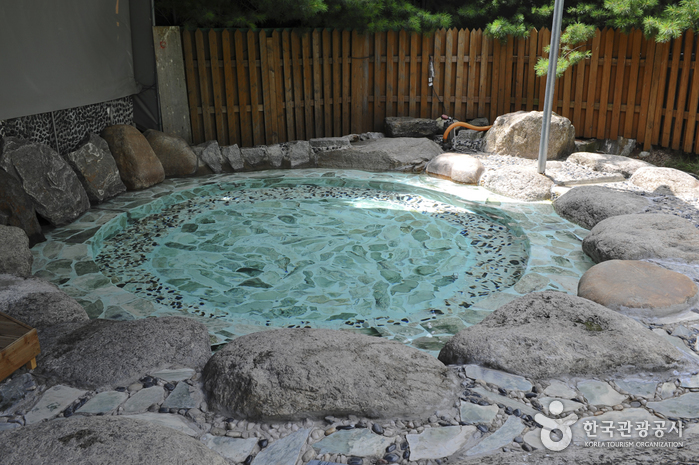
Yeoju Spa (여주온천)
864 Gangmun-ro, Gangcheon-myeon, Yeoju-si, Gyeonggi-do
At Yeoju Spa, the hot spring water emerges from 800 meters below the bedrock, rich in various minerals beneficial for neuralgia, arthritis, and skincare. The water, also drinkable, aids in alleviating digestive issues. The open-air bath's floor is lined with natural jade, offering a pressure point massage for bare feet. Visitors can simultaneously indulge in a forest bath and a hot spring bath, enjoying a holistic wellness experience.
Yeojwacheon Stream (여좌천(벚꽃명소))
16 Yeojwacheon-ro, Jinhae-gu, Changwon-si, Gyeongsangnam-do
The area around Yeojwacheon Stream is well known as one of Jinhae’s best spots for viewing cherry blossoms. It is also the location of the bridge where the two leading characters, Gwanu and Chaewon of "Romance (2002)," an MBC TV series, first met as tourists who came to Jinhae to enjoy Jinhae Gunhangje Festival. After the episode was aired, the bridge instantly became popular and widely known as the Romance Bridge. Each April, the entire city of Jinhae is filled with cherry blossoms, but the Yeojwacheon Stream area has the most beautiful cherry blossoms which makes it a prime tourist attraction.
Yeoldugaeulgyegok Valley (열두개울)
Choseong-ri, Cheongsan-myeon, Yeoncheon-gun, Gyeonggi-do
Yeoldugaeulgyegok Valley is known for its stunning landscape of rocky cliffs and crystal-clear streams. It derives its name, meaning "twelve streams", from a time when no bridges existed, and people had to cross twelve streams to travel from Beopsu-dong to Deokdun-ri. With its clear, shallow waters, the area becomes a popular spot for vacationers during the summer.

Yeomiji Botanic Garden (여미지식물원)
93 Jungmungwangwang-ro, Seogwipo-si, Jeju-do
Yeomiji Botanic Garden features a vast outdoor garden spanning 110,000 square meters and an indoor botanical garden covering 10,000 square meters. With over 2,300 species of plants, visitors can enjoy panoramic views of the Jungmun Tourist Complex, Cheonjeyeonpokpo Falls, Hallasan Mountain, and the coastline from the central observation tower indoors. Outdoors, there are themed gardens representing Korea, Japan, Italy, and France. The cactus garden also showcases baobab trees.
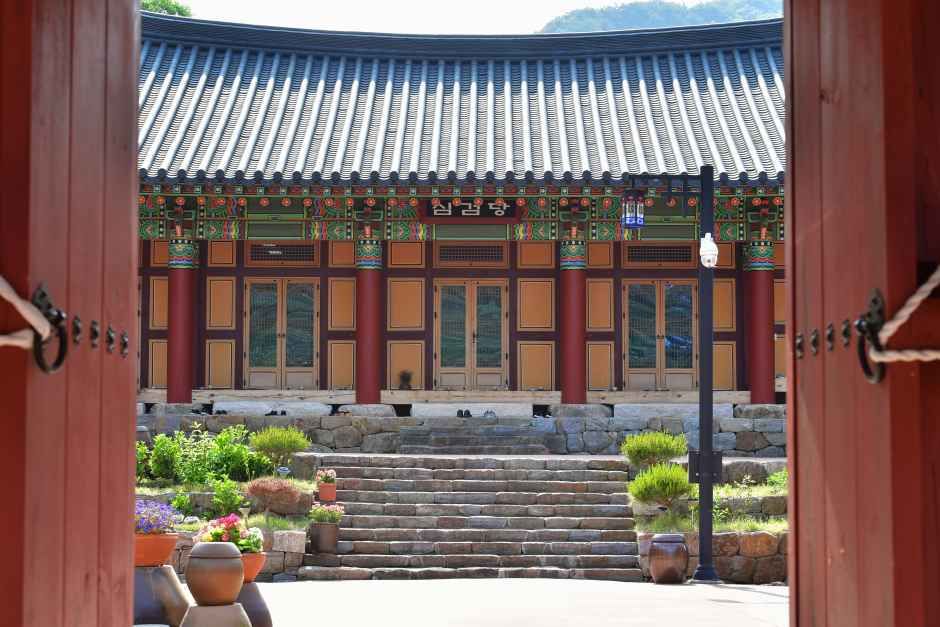
Yeomyeong Humanities Healing Center (인문힐링센터여명)
203 , Jangyuksa 1-gil, Yeongdeok-gun, Gyeongsangbuk-do
The Yeomyeong Humanities Healing Center is a hanok (traditional Korean house) facility nestled in the beautiful nature of Yeongdeok. The center aims to become a popular healing and meditation spot for wellness tourists. It features mind-healing programs, including mind training, meditation, ki (energy) exercise, and health food experiences for today's world where people are under a lot of stress. Experts from different fields help visitors maintain healthy minds and bodies through systemic programs, in response to growing demands for wellness tourism.
Yeon-San Dangdang Korean Medicine Hospital (연산당당한방병원)
82 World cup-daero, Yeonje-gu, Busan
Yeonsan Dangdang Korean Medicine Hospital is a 98-bed hospital located in central Busan, near Yeonsan Station. The hospital offers traditional Korean medicine treatments, internal medicine, orthopedic care, and health screenings. It also has staff who speak English, Chinese, Japanese, and Vietnamese, ensuring that international patients can receive care in a comfortable and welcoming environment.
Plan your Korea trip
Korea travel FAQ
How do I use the travel search?
Enter a place or interest, then narrow the results by region, category or sort order.
Will my filters stay selected on the next page?
Yes. Your search and filter choices stay in the page URL while you move through the results.
Can I find directions to each place?
Place pages include an external Google Maps search when coordinates or an address are available.
Source: Korea Tourism Organization, official website (https://knto.or.kr).