TRAVEL IN KOREA
Korea Places to Visit
Find attractions, culture, festivals, stays, restaurants, shopping and travel courses for a clear Korea trip plan.
Data last synced: 2026-06-25. Some details may change. Please confirm official information before visiting.
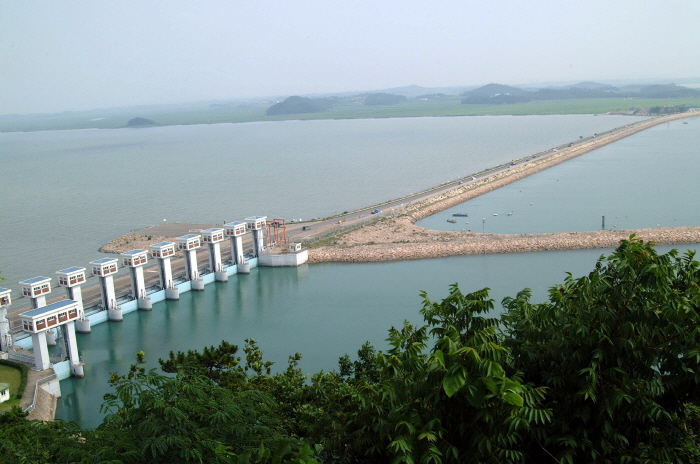
Yeongamho Lake (migratory bird habitat) (영암호 - 철새도래지)
Yongang-ri, Yeongam-gun, Jeollanam-do
This is a huge lake created when the Geumho tide embankment was constructed in Yeongam on November 1996, as part of a national project to reclaim some 4.3 kilometers stretch of sea from Sampo-ri in Samho-myeon of Yeongam-gun to Byeoram-ri in Hwawon-myeon of Haenam-gun. Some 100 species of migratory birds, numbering some 300,000, live in this area over the winter on the mud flats which are full of things to eat. Around the embankment where the sea water and fresh water meet, there is a great spot to fish for both fresh water and the sea species. This is perhaps the only place in Korea where the long and silvery cutlass fish, usually found in the deeper areas of the ocean, can be caught while sitting on the rocks along the seashore.
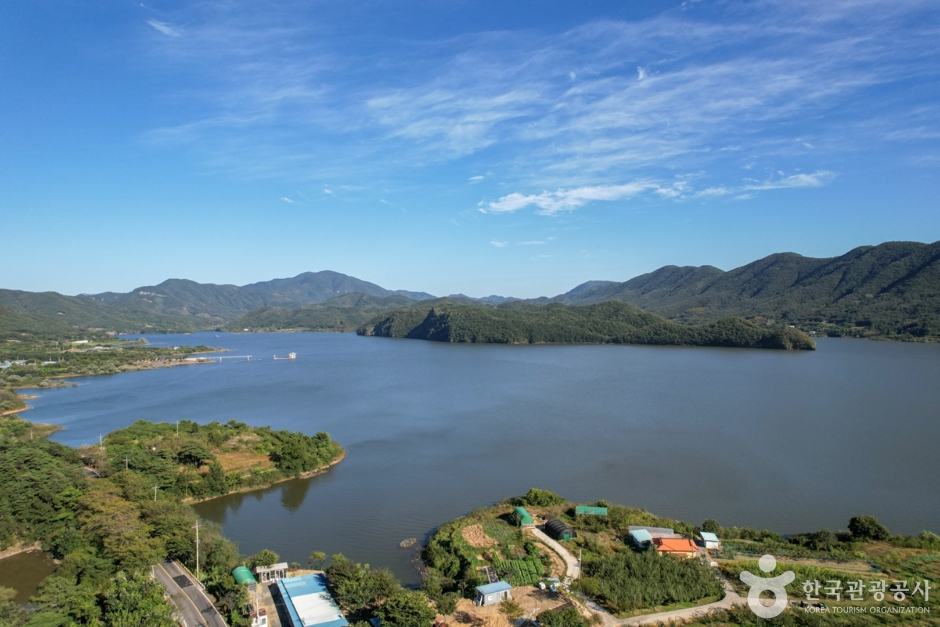
Yeongcheon Dam (영천댐)
1792 Poeun-ro, Jayang-myeon, Yeongcheon-si, Gyeongsangbuk-do
Yeongcheon Dam is a multipurpose dam located in the middle and lower reaches of the Geumhogang River basin, and below it lies the Yeongcheon Dam Downstream Park. Within the park, there are campgrounds equipped with water facilities and showers, a children's water playground open in the summer, artificial waterfalls, sports fields, and plazas. Surrounding the dam, the Youngcheon Dam Cherry Beotkkotbaek-ri, a famous drive course, is renowned, with numerous café and restaurants scattered along the route.
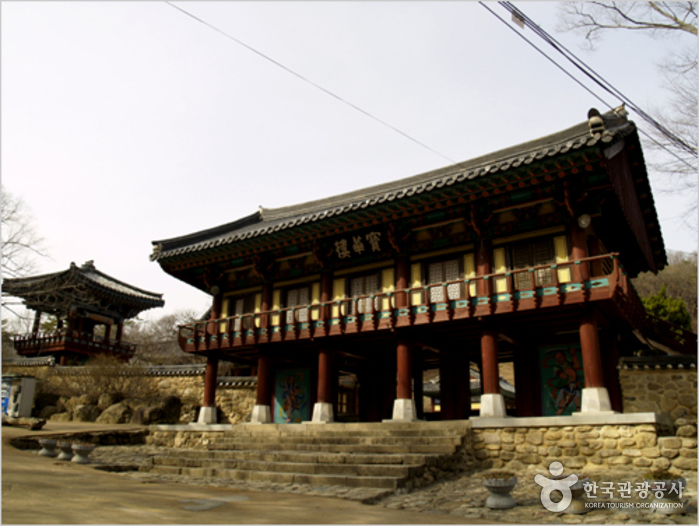
Yeongcheon Eunhaesa Temple (은해사 (영천))
951, Cheongtong-ro, Yeongcheon-si, Gyeongsangbuk-do
Eunhaesa Temple, located on Palgongsan Mountain in Yeongcheon city, Gyeongsangbuk-do, is one of two major temples on the mountain along with Donghwasa Temple. The temple was founded by Monk Hyecheol and was given the name Haeansa Temple in the first year of King Heondeok’s reign during the Silla Kingdom (AD 809), but was moved to the current site in the Joseon dynasty in 1546 (the first year of King Myeongjong). Upon its relocation, King Injong of Joseon dynasty was commemorated with a new lecture hall along with a memorial stone plaque where the king's umbilical cord was buried and sealed. It was then when the temple was also given its current name, Eunhaesa Temple. The temple houses the main shrine, Bohwaru pavilion, Seolseondan Hall, Shimgeondang Hall, eight small hermitages, as well as Baegeungam Temple, Jungangam Temple, and a professional Buddhist education institution, the Eunhaesa Buddhist University. Eunhaesa Temple is home to a National Treasure, Geojoamyongsanjeon Hall, and Treasure, Baekheungamgeukrakjeon Hall. It also contains Treasure, the Sunidan Buddha Platform; Treasure, the Wunbuamcheongdongbosal Seated Buddha Statue; and Treasure, the Eunhaesa Temple Gwaebultaeng hanging Buddha picture. The area is also close to the Seongbu Museum, which exhibits cultural assets from Eunhaesa Temple and the neighboring areas, as well as popular tourist attractions such as Geukrakgul grotto of Jungangam temple (Hwaeomgul Grotto), Geondeul Rock, Manyeonsong Pine Tree, Ganggunsu Waters, and Anheungpokpo Falls of Gigiam Temple.
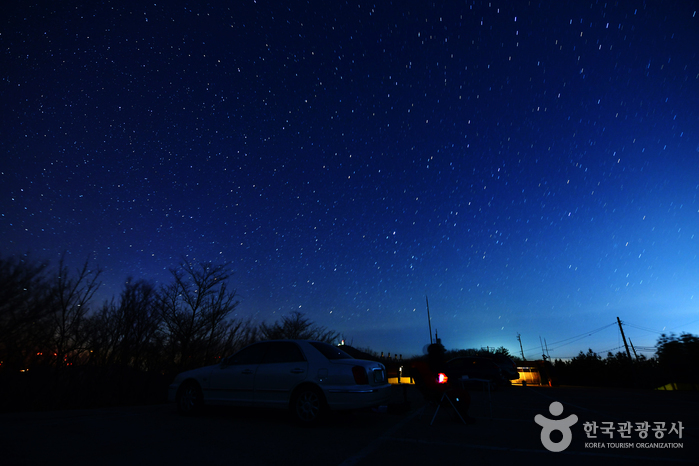
Yeongcheon Starlight Village (영천 별빛마을)
22 Jeonggak-gil, Hwabuk-myeon, Yeongcheon-si, Gyeongsangbuk-do
Nestled at the foot of Bohyeonsan Mountain, Yeongcheon Starlight Village is a haven of natural beauty, surrounded by lush forests brimming with pine and chestnut trees. The village provides a range of accommodations and experiential programs, featuring guest rooms, seminar rooms, multipurpose spaces, and a cultural center. Its proximity to Bohyeonsan Mountain allows visitors to explore the enchanting Bohyeonsan Starlight Trail. In spring, visitors can also attend the Yeongcheon Bohyeonsan Starlight Festival, a celebrated annual event dedicated to astronomy and science. Additional local attractions include the Cian Art Museum, Unjusan Recreational Forests, Yeongcheon Dam, and the Bohyunsan Astronomical Science Museum.
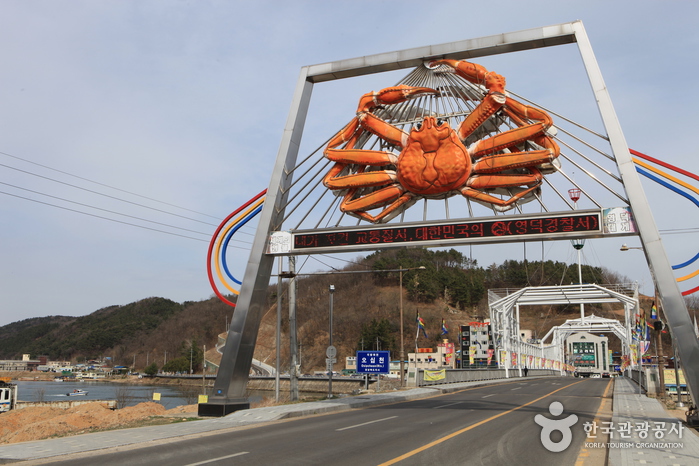
Yeongdeok Crab Village (영덕대게마을)
68, Yeongdeokdaege-ro, Yeongdeok-gun, Gyeongsangbuk-do
Located on the coast of the East Sea, Yeongdeok Crab Village is famous for its classical scholars, and its wonderful scenery, where the mountains meet the sea. The traditional fishing village is the home of Yeongdeok snow crab that was well-known from Goryeo dynasty (King Taejo) and also has a huge street for snow crabs, packed with around 100 shops selling crabs along the Gangguan Port. When the season for snow crabs arrives in November, lasting through May, the village is crowded with visitors from all over the world eager to try Yeongdeok snow crabs. In addition, the location of the village gives visitors the opportunity to enjoy one of the most beautiful sea roads in Korea. In the area are also a sea fishing site, beaches, and water resort venues that are suitable for both recreation and relaxation.
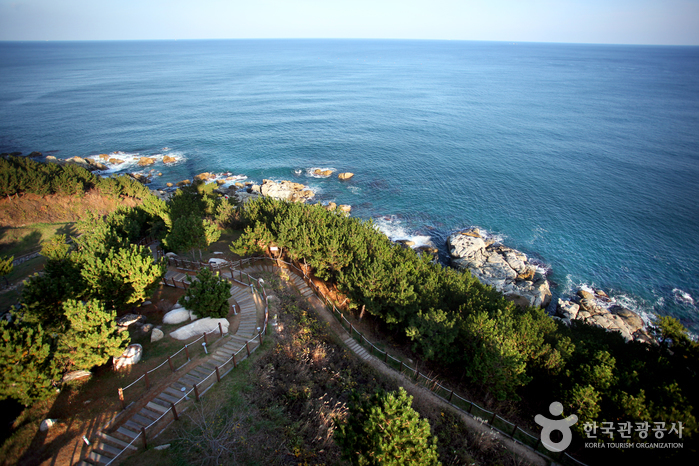
Yeongdeok Sunrise Park (영덕 해맞이공원)
968 Yeongdeokdaege-ro, Yeongdeok-gun, Gyeongsangbuk-do
Yeongdeok Sunrise Park is located on the eastern coast, with an unmanned lighthouse and wooden promenades, using wood from trees that were damaged in a large fire here in 1997. The observation deck from the peak of the park provides grand views of the surrounding area, and is a popular location for photography. Additional attractions within the park include a pergola, musical fish statues, and an ecological education field.
Yeongdeok Wind Farm (영덕풍력발전단지)
247 Haemaji-gil, Yeongdeok-eup, Yeongdeok-gun, Gyeongsangbuk-do
Yeongdeok Wind Farm, situated in Yeongdeok, capitalizes on the area's constant coastal winds and is perched above Sunrise Park. The wind turbines, standing tall at 80 meters with a wingspan of 41 meters, are strategically positioned on a hill to offer a magnificent view of the sea. The Wind Farm includes a New & Renewable Energy Center, a playground for children, and an Aircraft Exhibit Park, providing a diverse range of activities for visitors. In the vicinity, one can also explore local attractions such as Gangguhang Port, Samsa Marine Park, and Yeongdeok Daege Wonjo Village, enriching the experience of the area.
Yeongdo Cheonghak Reservoir Observatory (영도 청학배수지 전망대)
36 Wachi-ro, Yeongdo-gu, Busan
The observatory boasts stunning vistas of Busan's scenery. It is particularly renowned for the breathtaking night view of the Busan Port Bridge, making it a favorite spot for photography enthusiasts. Surrounding areas are well-equipped with a variety of exercise equipment, enhancing the outdoor experience. Additionally, visitors can explore the History Park, embark on the scenic Namparangil 2-course walking trail, or enjoy a leisurely walk or jog around the tranquil Bongnaesan Mountain.
Yeongdo Lighthouse (영도 등대)
181, Jeonmang-ro, Yeongdo-gu, Busan
Yeongdo Lighthouse, first lit in 1906, stands at Taejongdae Park. It houses a maritime library, galleries, an observatory, and a café. From the observatory, on clear days, you can even see as far as the Japanese island of Tsushima Island. At the base of the lighthouse, there's a sculpture of a woman turned into stone, waiting for her husband who went out to sea. You can reach it by walking from Taejongdae Park or taking the Taejongdae Danubi Train.
Yeongdodaegyo Bridge (영도대교)
46, Taejong-ro, Yeongdo-gu, Busan
Yeongdodaegyo Bridge, connecting Nampo-dong and Yeongdo Island, was the first bridge to connect the mainland to one of the nearby islands in Busan. The bridge lifted to allow ships to pass between the south and north ports, and made a passage for ships anywhere from two to seven times in one day. When the bridge was first constructed, many people would gather to watch the strange spectacle of a bridge rising up to point to the sky. The bridge remains a famous landmark of Busan even to this day.
Yeongdong Bidangang Forest Village (영동 비단강숲마을)
20-27, Sudu 1-gil, Yangsan-myeon, Yeongdong-gun, Chungcheongbuk-do
Yeongdong Bidangang Forest Village is a pure farming village which was at the historical border between the Silla and Baekje kingdoms. Also located nearby is Yeongguksa Temple, where King Gongmin escaped from the Red Turban troops during the Goryeo period. Created by the Geumgang River that flows like silk around Bonghwasan Mountain, the village is surrounded by breathtaking scenery, keeping Mother Nature clean so organisms including marsh snails and mandarin fish can live. In the village, plenty of hands-on activities such as catching snails in the crystalline water like a treasure hunter and riding a tandem bike are available to make a valuable memory. Not only these activities, visitors can also take a rest within the ambience of Bidangang River and pick sweet potatoes and grapes, giving the pleasure of harvesting. Other programs including making a wooden doorplate, wine foot-bathing, flying a pungdeung (lantern), and herb soap-making are offered.
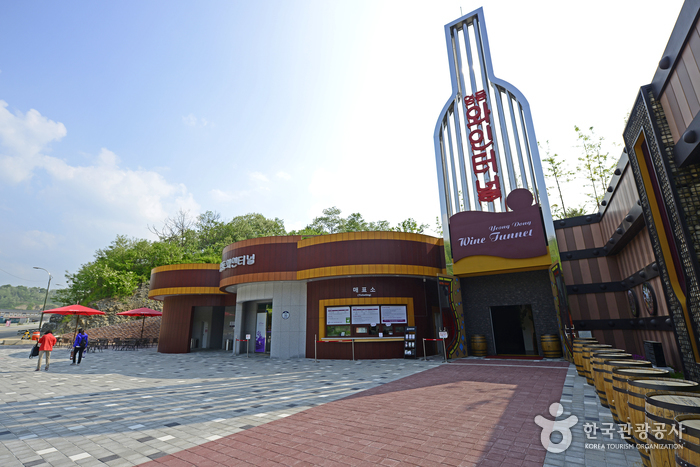
Yeongdong Wine Tunnel (영동 와인터널)
30, Yeongdong healing-ro, Yeongdong-eup, Yeongdong-gun, Chungcheongbuk-do
Yeongdong Wine Tunnel is a 420 m-long tunnel within the Rainbow Healing Tourist Site. It was built as a wine storage because caves present ideal conditions for wine storage. Here, visitors can browse the Wine Culture Hall, which details the history of wines; Yeongdong Wine Hall, which sells wine produced in Yeongdong; and a military magazine dating back to the Japanese Occupation. A wine festival is held every October.
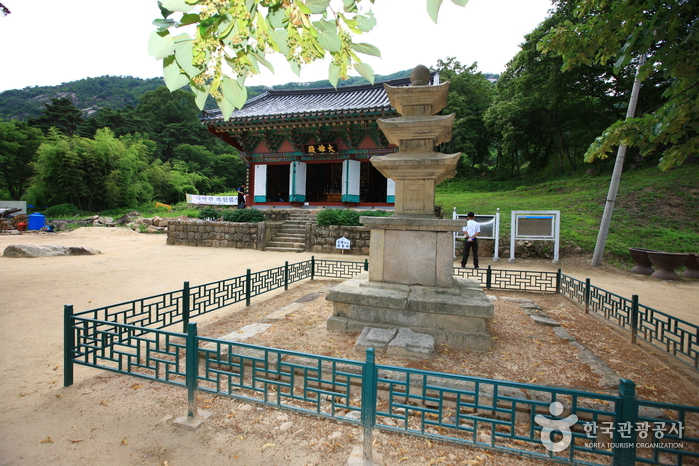
Yeongdong Yeongguksa Temple (영국사 (영동))
225-35, Yeonggukdong-gil, Yeongdong-gun, Chungcheongbuk-do
Yeongguksa Temple is nestled at the foot of Cheontaesan Mountain (714.7 meters), at the boundary between Chungcheongbuk-do and Chungcheongnam-do. Visitors must trek through a valley to reach the temple, passing waterfalls and rocks. The time of Yeongguksa Temple's construction is not clearly known but it is said to have been built around the late Silla period, during the time of King Seonjong. The temple prospered when the State Preceptor Wongak, who completed the Cheontae, one of Buddhist orders from Daegak Guksa Uicheon, came to the temple in the middle of the Goryeo period. It continued to flourish until the early Joseon era and then took a dive due to the rule of anti-Buddhism. Despite the situation at the time, the temple's reputation as one of the noted temples remained. However, the situation worsened in the early twentith century, to the point of near closure. The temple was reconstructed by Jubongjosa Monk in 1934. As of now, the temple contains various treasures including the Stele for State Preceptor Wongak, Stupa of Yeongguksa Temple, Three-story Stone Pagoda of Yeongguksa Temple, Three-story Stone Pagoda at Mangtapbong Peak of Yeongguksa Temple. In addition, Bell-shaped Stupa and Round-shaped Stupa, regional tangible cultural assets, are situated in the temple site.
Yeonggeumjeong (영금정)
35, Dongmyeonghang-gil, Sokcho-si, Gangwon-do
Yeonggeumjeong refers to the area covering the shore by the Sokcho Lighthouse in Sokcho-si City. The name Yeonggeumjeong comes from a notion that the sound of waves hitting the rocks is comparable to the melody of geomungo (traditional stringed instrument with 6 strings). At the end of the 50m-long bridge built over a rocky peninsula is a pavilion offering a view of the East Sea.
Yeonggwang Bulgapsa Temple (불갑사 (영광))
450, Bulgapsa-ro, Yeonggwang-gun, Jeollanam-do
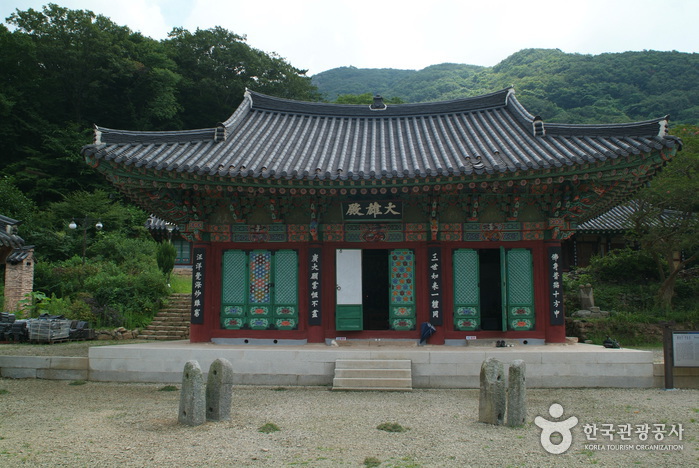
Bulgapsa Temple of Yeonggwang-gun, Jeollanam-do, was the very first Buddhist temple to be built in Korea. Monk Marananta, who was the first Indian monk to spread Buddhism in Korea, is said to have established the temple here around the year 384, during the reign of Baekje King Chimnyu. Daeungjeon Hall, the main hall of Bulgapsa Temple, has been designated as a Treasure. The motifs on the doors of the hall are famed for their beautiful designs. The temple also has other buildings of distinction such as the Manseru Pavillion, Myeongbujeon Hall and Ilgwangdang Shrine, and a population of sericeous newlitse trees, designated as a Natural Monument. The temple is also famous for the magic lily which blooms in the late summer. The path into Bulgapsa Temple is ideal for a restful walk and contemplation.
Yeongheung Arboretum (영흥수목원)
435 Yeongtong-ro, Yeongtong-gu, Suwon-si, Gyeonggi-do
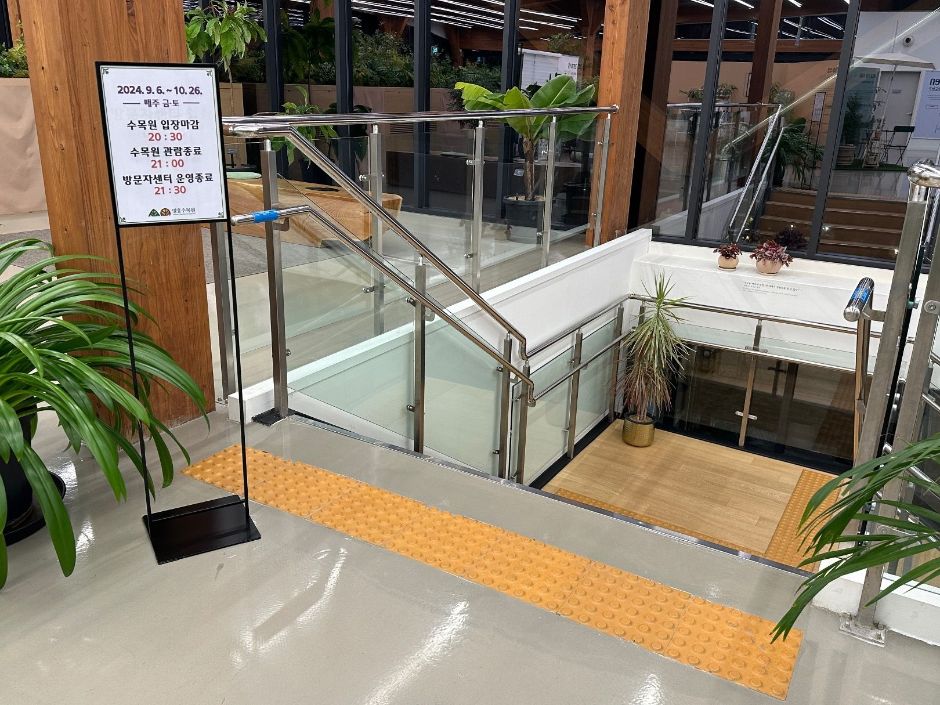
Yeongheung Arboretum boasts a flower and wildflower exhibition garden, a display forest, an ecological forest, and Yeongheung Forest Park. Its iconic greenhouse showcases a diverse collection of unique and exotic plants. The visitor center, offering a comprehensive view of the arboretum, features various exhibitions, educational programs, a gift shop, and a café.
Plan your Korea trip
Korea travel FAQ
How do I use the travel search?
Enter a place or interest, then narrow the results by region, category or sort order.
Will my filters stay selected on the next page?
Yes. Your search and filter choices stay in the page URL while you move through the results.
Can I find directions to each place?
Place pages include an external Google Maps search when coordinates or an address are available.
Source: Korea Tourism Organization, official website (https://knto.or.kr).