TRAVEL IN KOREA
Korea Places to Visit
Find attractions, culture, festivals, stays, restaurants, shopping and travel courses for a clear Korea trip plan.
Data last synced: 2026-06-25. Some details may change. Please confirm official information before visiting.
Yeongheungdo Simnipo Beach (영흥도 십리포해변)
420-26 Yeongheungbuk-ro, Yeongheung-myeon, Ongjin-gun, Incheon
Simnipo Beach, located on Yeongheungdo Island in Incheon, offers stunning views both day and night. To the west of the beach, a rock formation extends outward, while behind it lies a colony of more than 300 hornbeam trees, the largest in Korea. The beach buzzes with activity during daylight hours, but as night falls, the illuminated backdrop of Incheon International Airport and the lights shimmering over the West Sea merge to craft a captivating spectacle.
Yeongildae Beach (영일대해수욕장)
95, Haean-ro, Buk-gu, Pohang-si, Gyeongsangbuk-do
With an area of 406,613.4 m² and a length of 1,750 meters, Yeongildae Beach is the largest beach on Korea's eastern coast. Along with Songdo Beach, it is known as one of the most popular beaches in Pohang. It is a great place for families and friends during summer vacations. The beach has several lodging facilities and restaurants that offer fresh seafood and hoe (sliced raw fish) nearby.
Yeonginsan Recreational Forest (아산 영인산자연휴양림 숲속야영장)
16-26, Asanoncheon-ro, Asan-si, Chungcheongnam-do
Yeonginsan Recreational Forest is situated on Yeonginsan Mountain in Asan-si, Chungcheongnam-do. The summit of the mountain provides a panoramic view of the surroundings including the west sea, Sapgyocheon Stream, and more. Various facilities are also available including accommodations and water play site. There are many tourist attractions nearby for visitors to enjoy.
Yeongjin Beach (영진해변)
357-155 Yeongjin-ri, Yeongok-myeon, Gangneung-si, Gangwon-do
Yeongjinhaebyeon Beach is a quiet and clean beach filled with the blue hue of the sea, making it a popular attraction among the locals. Compared to other East Sea beaches in Gangwon-do, the waves are not as rough and there are many rocks around the beach so children can have fun playing in the water. The beach is a popular vacation spot among people who are seeking to relax in peace.◎ Travel information to meet Hallyu’s charm - TV series"Guardian: The Lonely and Great God"This is the place where Eun-tak blows out the candles for her nineteenth birthday and meets Kim Shin. Kim Shin hands over a bundle of buckwheat flowers, which symbolizes “lover,” to Eun-tak, as a foreshadowing of their fate. The breakwater that the two were standing on is still a popular tourist spot visited by many fans of the show.
Yeongjong Grand Bridge (영종대교)
Jangdo Island (Gyeongseo-dong, Seo-gu, Incheon-si) ~ Yeongjongdo Island (Unbuk-dong, Jung-gu, Incheon-si)
Yeongjongdaegyo Bridge connects the mainland of Incheon with Yeongjongdo Island that is home to the Incheon International Airport. Until the construction of this bridge, the only way to get to and from Yeongjongdo Island had been by boat. The 4.4 kilometer-long Yeongjong Bridge is the world’s first 3-dimensional self-anchored suspension bridge. The bridge carries both highways and rail lines on its decks, and 10,000-ton ships can pass under the bridge. The bridge was designed to withstand strong winds and earthquake. It is the first bridge in Korea to have been completed through private capital inducement project. In addition to its function as a bridge, it is also an architectural beauty as the shape of the cable and the girder was designed to symbolize the eaves of the traditional Korean tile-roofed house. In 2002, Yeongjongdaegyo Bridge won the Tanaka Award by the Japan Society of Civil Engineers for the first time in Korea.
Yeongjongdo Island (영종도)
100, Unnamseo-ro, Jung-gu, Incheon
Yeongjongdo Island, combined with Yongyudo and Sammokdo Islands through land reclamation work, connects to the mainland via Yeongjongdaegyo Bridge and is located 3 kilometers northwest of Yeonan Pier, Incheon. The 4.42 kilometer-long ride to Yeongjongdo Island provides amazing views of the ocean and mud flats. A fish market is the first thing that greets visitors to the island, providing fresh seafood daily. The island has the Yonggungsa Temple and Baegunsan Mountain, known for its walking trails. At the peak of the mountain, visitors can see a panoramic view of Incheon International Airport.
Yeongju Modern History & Culture Street (영주근대역사문화거리)
Yeongju-dong, Yeongju-si, Gyeongsangbuk-do
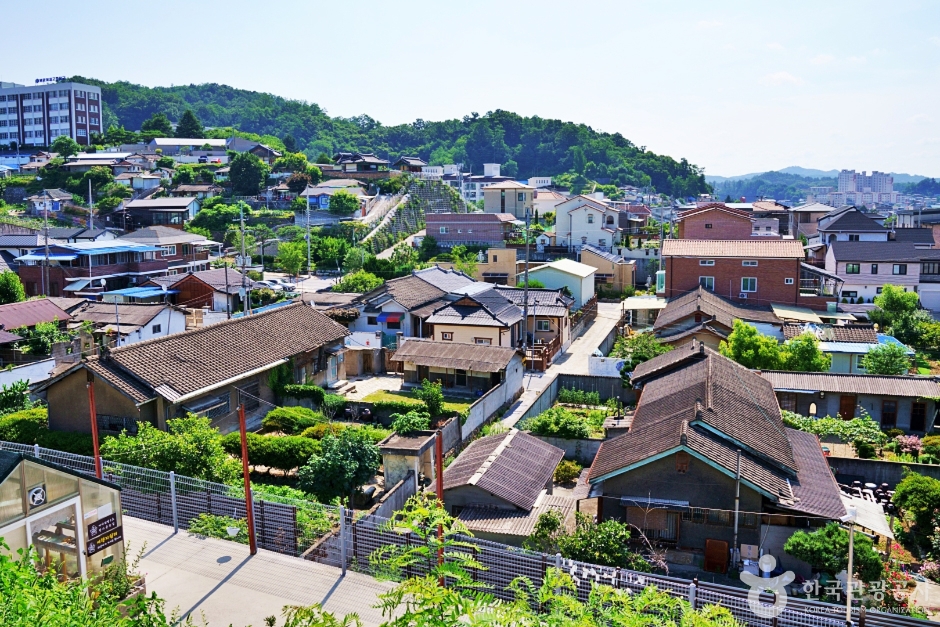
Yeongju Modern History and Culture Street serves as a historical and cultural hub, encapsulating the life and times of early twentieth-century Yeongju. The street is dotted with cultural properties officially recognized by the Cultural Heritage Administration. Highlights include the preserved official residences No. 5 and No. 7 of Yeongju Station, once home to railway station employees. Additionally, visitors can explore the Pungguk Rice Mill, showcasing vintage rice milling machinery; Yeongju Jeil Church, a 1909-built structure exemplifying Gothic-style architecture; Yeongju-dong Modern Hanok, a subsidiary structure of an ancient residence; and the still-operating Yeonggwang Barber Shop, a testament to the area's enduring heritage.
Yeongju Museom Village (영주 무섬마을)
31-12, Museom-ro 234beon-gil, Yeongju-si, Gyeongsangbuk-do
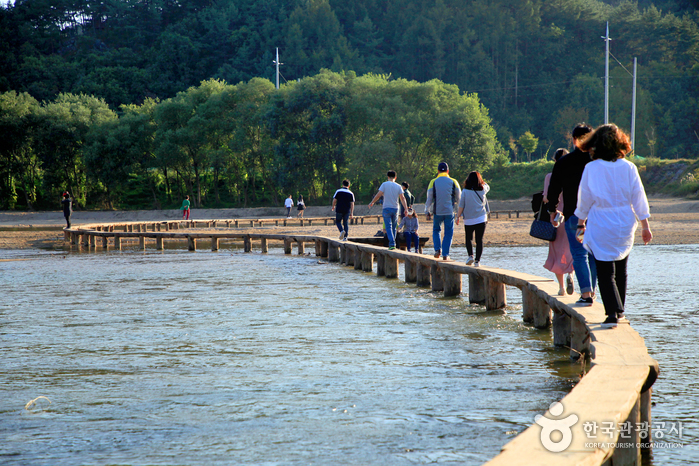
Located in Sudo-ri in Yeongju, Gyeongsangbuk-do, Museom Village is a charming hanok village surrounded by water. Flowing down from Sobaeksan Mountain and Taebaeksan Mountain, Naeseongcheon Stream and Yeongjucheon Stream converge and loop around Museom Village, surrounding the village on three sides with water. This peninsula-like village is not only the center of traditional Korean culture, but also has a gorgeous natural landscape complete with a wide sandy riverside and a lush inland forest. Known for Haeudang and Manjukje Houses (two of the most historical hanok houses in the area), the village is also home to other outstanding traditional houses such as the Kim Gyu-jin House and the Kim Wi-jin House. Manjukje House is located at the heart of the village and the oldest traditional house in this hanok village. Manjukje was built in 1666 (7th year of King Heonjong's reign) by Bak Su (the father of the Bannam Bak Family). Nearby Manjukje is Manun House, built in the early 19th century and named after Kim Hwi-geol (penname “Manun”). The house later became the home of the wife of the famous poet Jo Ji-hun, author of “Byeolli,” a poem expressing the beauty of Museom Village. Other notable houses include the Kim Wi-jin House (a house belonging to aristocrats), the Kim Jeong-gyu House (a house without the traditional outer fencing), and the Bak Jae-yeon House, where the writings of Bak Gyu-su (a respected scholar during the Joseon period) still remain today. Another famous attraction in the village is the Single Log Bridge, which was the village’s only connection to the outside world for over 350 years before the construction of Sudo Bridge in 1979. It is a tiny bridge in terms of x_width (30 cm), but it stretches for over 150 meters. It is said that the bridge was rebuilt annually after being destroyed each rainy season. With the construction of Sudo Bridge, the Single Log Bridge was no longer needed, but was rebuilt some time later in its original form. To celebrate the bridge’s impressive history, the village hosts the Single-Log Bridge Festival every October.
Yeongmokhang Harbor (영목항)
55, Wolgoji-gil, Taean-gun, Chungcheongnam-do
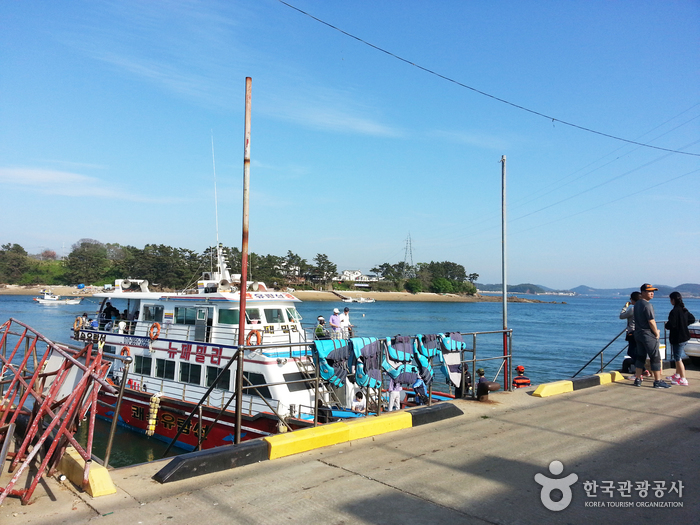
Yeongmokhang Harbor is located at the base of a small hill 4 kilometers away from Gonam-myeon, on the southern tip of Anmyeondo Island. The name was originally just Yeonghang Harbor but the name was changed to reflect its important role in connecting the areas of Boryeong and Taean. Across from the harbor are Wonsando, Hyojado, Chuseom, and Bbaeseom islands and ‘Three Brethren Rock.’ On the left are boats for Cheonsuman Bay. Fishing is the main industry in the region, which means that visitors can find plenty of fresh, quality seafood such as manila clams, conches, bass, and other types of seafood at low prices.
Yeongnam Alps (영남 알프스)
103-8 Alpeuseuoncheon 5-gil, Ulju-gun, Ulsan
Yeongnam Alps is formed by mountains with an elevation of over 1,000 meters centered on Gajisan Mountain, which spans Ulsan, Miryang, Yangsan, Cheongdo and Gyeongju, boasting beautiful terrains and landscape. Its name originated from how it is comparable to the beauty and grandeur of the Alps in Europe. The total area of Yeongnam Alps is around 255 ㎢, and it is a mountain tourist attraction connected by nine mountains including Sinbulsan, one of the 100 greatest mountains of Korea. Though its beauty is famous regardless of the season, it is completely covered with silver grass every fall to boast a fantastic view, attracting countless hikers from all over the country. Gorgeous nature is not the only aspect luring people to Yeongnam Alps; there are also many things to enjoy, from mountain biking (MTB), that fearlessly runs through the mountain trails, valleys, gravel roads and bushes to paragliding by which you get a complete panoramic view of the Yeongnam Alps. The region currently looks to establish the Sky Silver Grass Trail, which aims to utilize existing trails to the greatest extent possible, and to restore silver grass colonies, and it also hosts low-carbon sports events such as the Yeongnam Alps Marathon and MTB Challenge Competition.
Yeongnam Alps Complex Welcome Center (영남알프스 복합웰컴센터)
103-8 Alpeuseuoncheon 5-gil, Sangbuk-myeon, Ulju-gun, Ulsan
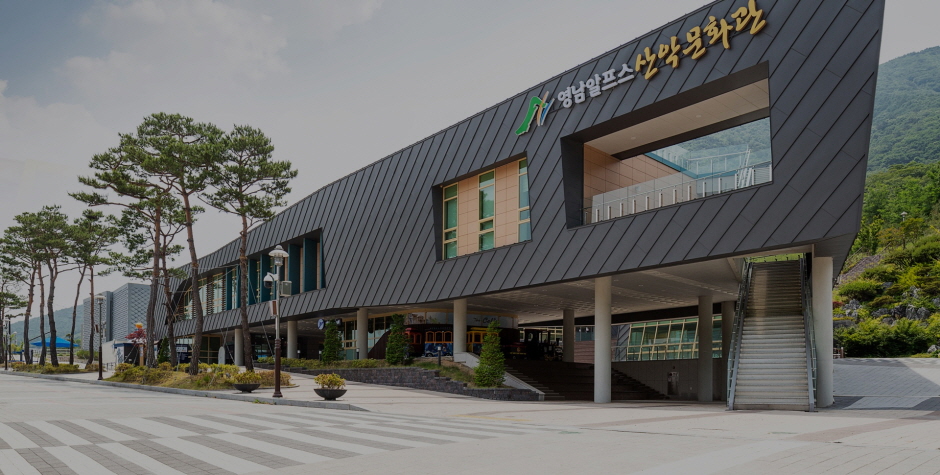
Yeongnam Alps is the common name for seven mountains over 1,000 meters above sea level located in Sangbuk-myeon, Ulju-gun, Ulsan; Sinnae-myeon, Miryang-si, Gyeongsangnam-do; and Unmun-myeon, Cheongdo-gun, Gyeongsangbuk-do. It was named “Yeongnam Alps” because it is as beautiful as the Alps in Europe. The Yeongnam Alps Complex Welcome Center is the starting point of a trip to the Yeongnam Alps and a complex cultural space. In addition to beautiful natural scenery, it has various facilities such as the Alps Cinema, Bungaeman Center, Climbing Center, and Culture Center, providing many things to see and enjoy for tourists. A 3-5 minute walk away is Sinbulsan Hongyupokpo Falls so that you can enjoy the coolness of its beautiful clear water.
Yeongnangho Lake (영랑호)
140, Yeongnanghoban-gil, Sokcho-si, Gangwon-do
Yeongnangho Lake is a deep and large lake with a circumference of 7.8 km, an area of about 1.2 km2, and a depth of over 8 m, formed by the development of coastal dunes. The source water originates from the Jangcheoncheon Stream, passing through the lake, and goes to the East Sea via the waterway under the Yeongnanggyo Bridge. The lake is adjacent to the areas of Jangsa-dong, Yeongnang-dong, Dongmyeong-dong, and Geumho-dong. The pleasant trail is also established around the lakeside, surrounded by the beautiful scenery of cherry blossoms, azaleas, and reeds. According to Samguk yusa (Memorabilia of the Three Kingdoms), the name of the lake comes from Silla’s hwarang (elite warrior group in Silla) member named “Yeongnang.” After training at Geumgangsan Mountain, Yeongnang passed this lake on the way to get to the martial arts competition. As he was so taken by the splendid landscape, however, he forgot about the competition and stayed here for a long time. As the old record says, Yeongnangho Lake boasts outstanding scenery. Beombawi Rock, in particular, evokes visitors’ admiration as one of the Eight Sights of Sokcho. The rock, which resembles the shape of a tiger crouching down, has an aura of mystery. The nearby tourist attractions also include Gwaneumam Rock, which is known for the strange rocks and bizarre stones, Bogwangsa Temple, and the Wetland Eco Park, which is located in the west of the lakeside.
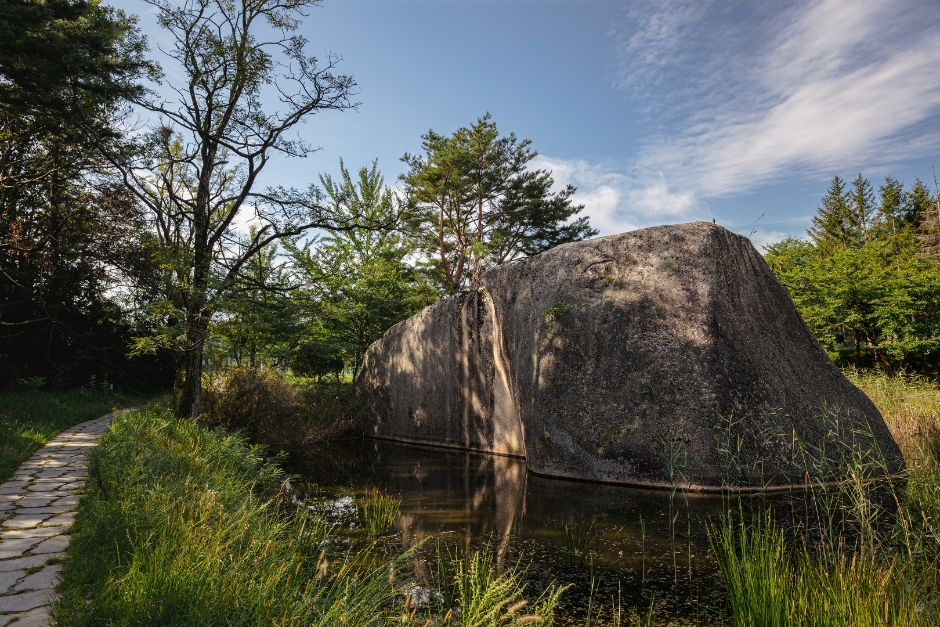
Yeongnangho Lake Beombawi Rock (범바위)
140 Yeongnanghoban-gil, Sokcho-si, Gangwon-do
Located close to Yeongnangho Lake, the Beombawi Rock is one of the 8 Scenic Views of Sokcho. Its name comes from its shape, which resembles a tiger, beom in Korean. From the top of the Rock, visitors can enjoy the breathtaking view of the East Sea, Seoraksan Mountain, Ulsanbawi Rock, and Yeongnangho Lake Lake all at once. ◎ Travel information to meet Hallyu’s charm - "Decision to Leave (2022)" The filming location of Gireumbong Peak in Gusosan Mountain is a fictitious location where a mysterious death occured. Beombawi Rock has a shape that looks like a crouching tiger, showing its magnificent stance. From Beombawi Rock, one can overlook the refreshing scenery of Yeongnangho Lake. Contrary to the movie's portrayal, it's not 138 stories high; it's about a 5-minute walk from the entrance to the Beombawi Rock.
Yeongneung & Nyeongneung Royal Tombs [UNESCO World Heritage] (여주 영릉(세종·소헌왕후)과 영릉(효종·인선왕후) [유네스코 세계유산])
269-10 Yeongneung-ro, Sejongdaewang-myeon, Yeoju-si, Gyeonggi-do
The Royal Tombs of the Joseon Dynasty are the only royal tombs in the world that remain largely intact from a single dynasty spanning more than 500 years, making them a UNESCO World Heritage Site. Yeongneung is the combined tomb of the 4th ruler of Joseon dynasty, King Sejong (1397-1450) who created the Korean alphabet, and his wife Queen Soheon. Nyeongneung is the royal tomb of the 17th ruler of the Joseon dynasty, King Hyojong (1619-1659, reigned 1649-1659), and of his wife Queen Inseon (1618-1674). The Wangneung Forest here boasts spectacular fall foliage.
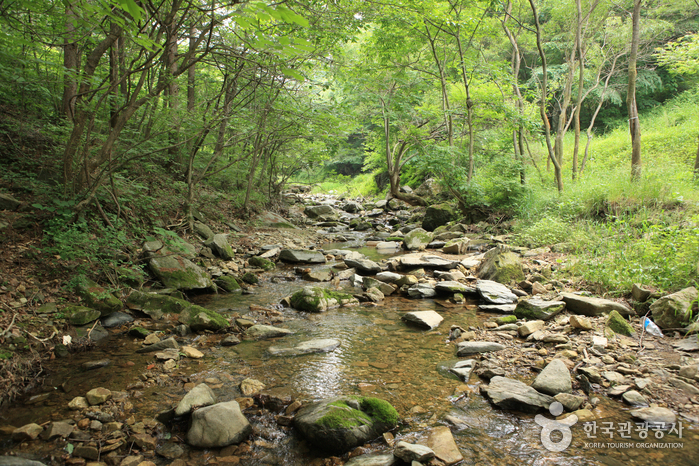
Yeongok Valley (연곡계곡)
Sanggye-ri, Jincheon-eup, Jincheon-gun, Chungcheongbuk-do
Yeongok Valley, situated south of Malloesan Mountain in Jincheon, is adjacent to a picturesque lake formed by damming the Seongamcheon Stream. This verdant, forested valley, with its clear water sounds, birdsongs, and refreshing breeze, offers a serene escape, perfect for cooling both body and mind during the summer. Additionally, nearby shops and restaurants, pensions, and Malloesan Ecological Park provide further opportunities for exploration and enjoyment.
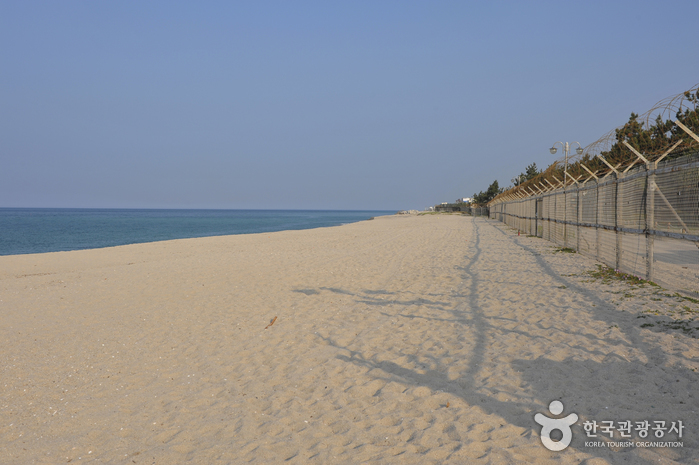
Yeongokhaebyeon Beach (Yeongok Beach) (연곡해변(연곡해수욕장))
1282, Haean-ro, Gangneung-si, Gangwon-do
Situated in Yeongok-myeon, Dongdeok-ri, Yeongokhaebyeon Beach has a spacious sandy shore that spans 56,000 ㎡ with a length of 700 meters. Backed by a lush pine forest, this beach is ideal for camping. Fishing lovers can enjoy catching sweetfish at Yeongokcheon Stream flowing from the Sogeumgang River; there are a variety of restaurants offering delicious Korean food along the stream as well. Dongdeok-ri used to be home to a railway station and a traditional market. Trading ships—moving between the Hamgyeong and Gyeongsang areas—used to populate the beach. The beach and its surrounding attractions are great for both hiking and swimming.
Plan your Korea trip
Korea travel FAQ
How do I use the travel search?
Enter a place or interest, then narrow the results by region, category or sort order.
Will my filters stay selected on the next page?
Yes. Your search and filter choices stay in the page URL while you move through the results.
Can I find directions to each place?
Place pages include an external Google Maps search when coordinates or an address are available.
Source: Korea Tourism Organization, official website (https://knto.or.kr).