TRAVEL IN KOREA
Korea Places to Visit
Find attractions, culture, festivals, stays, restaurants, shopping and travel courses for a clear Korea trip plan.
Data last synced: 2026-06-25. Some details may change. Please confirm official information before visiting.
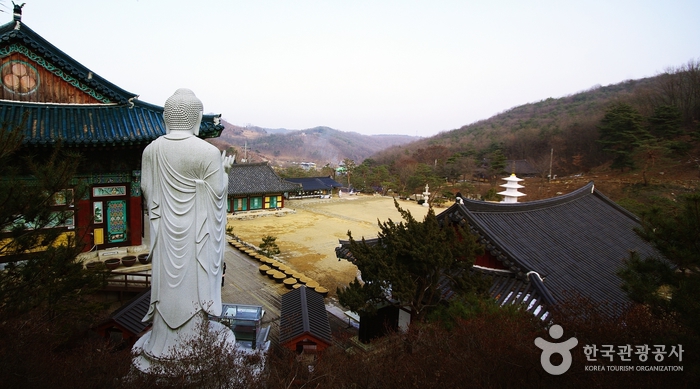
Yeongpyeongsa Temple (영평사)
124, Yeongpyeongsa-gil, Sejong-si
A branch of Magoksa Temple, which is the 6th local temple of the Jogyejong Order, Yeongpyeongsa Temple has six traditional buildings and three small hermitages. Janggunsan Mountain, where the temple is located, is small but full of energy. According to Feng Shui, the mountain is a perfect location for a temple because it is shaped like a dragon curled along the Geumgang River. Yeongpyeongsa is a tranquil place that captures the purity of the temple’s Buddhist practice, with fresh air and clean water that offer a habitat for fireflies, crawfish, and black snails. On the way in, visitors are greeted by a multitude of wildflowers vying for their attention: the columbines and the prairie crocuses in spring, the white lotuses in summer, and the Siberian chrysanthemums in autumn.
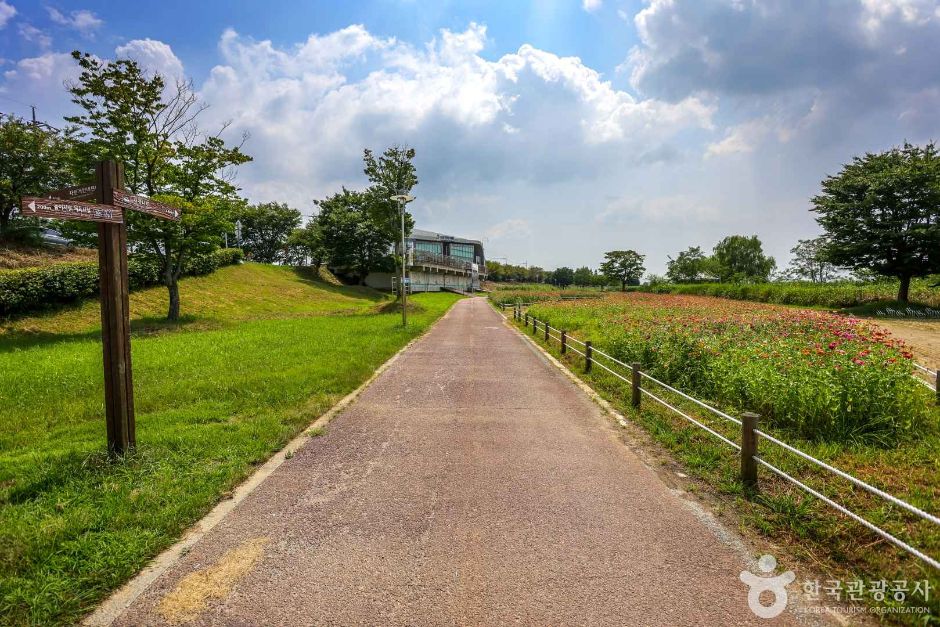
Yeongsangang River Bike Road (영산강 자전거길)
377 Seochangduk-gil, Seo-gu, Gwangju
The Yeongsangang River Bike Road, stretching 133 kilometers along the Yeongsangang River in Gwangju, offers a scenic route. It winds past notable landmarks including the Seungchonbo Reservoir, Najudaegyo Bridge, Yeongsanpo Port, Hwangpo sailboat, Natural Dyeing Culture Center, and Naru Village. Along the path, riders can enjoy five of the most picturesque spots in Yeongsan. The starting point of the route, the Yeongsangang River Bike Road Information Center, provides free bicycle rentals and bike safety training.
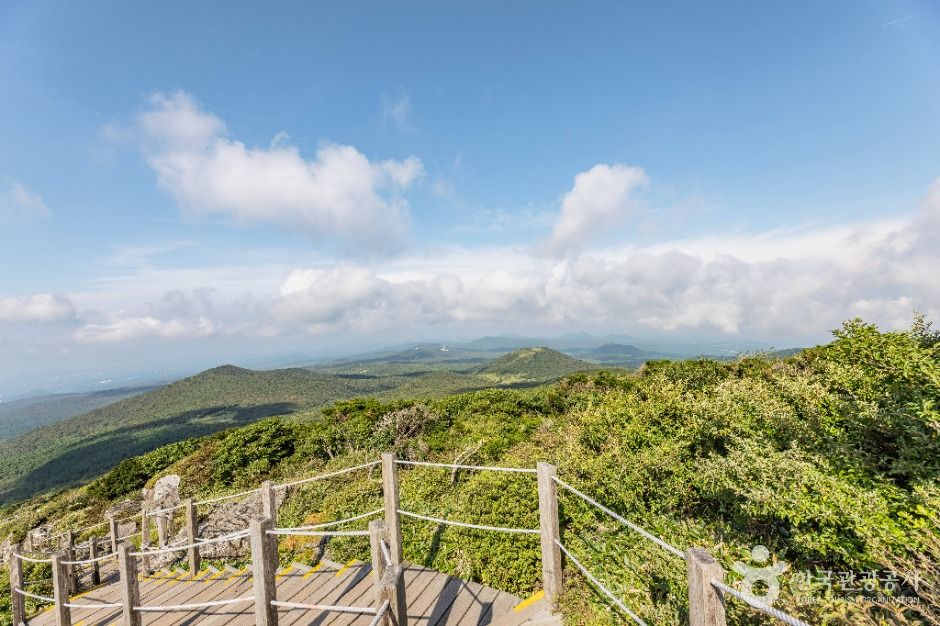
Yeongsil Trail (Hallasan National Park) (한라산 영실)
246 Yeongsil-ro, Seogwipo-si, Jeju-do
Yeongsil Trail is renowned as the shortest yet the best trail for its beautiful scenery among those of Hallasan Mountain. It is 5.8 kilometers and takes approximately 2 hour and 30 minutes to get to the destination. Starting from Yeongsil Rest Area, an uphill path emerges along steep mountain ridges to reach the Nambyeok Watershed. With its steep and flat parts, the hike is easy enough for children. It's a wonderful way to appreciate the lush forest and beautiful scenery.
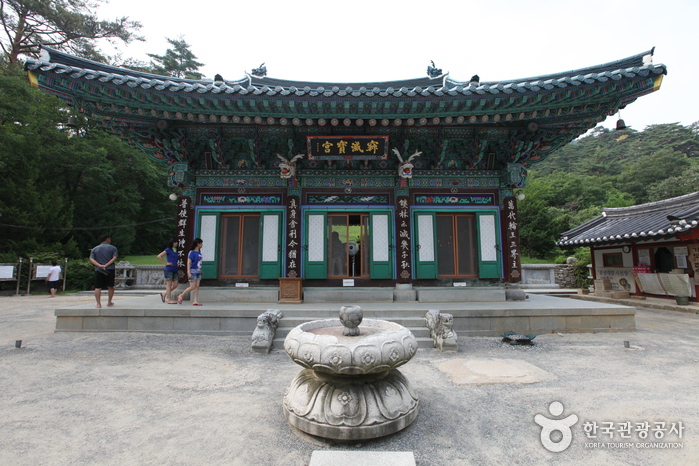
Yeongwol Beopheungsa Temple (법흥사(영월))
1352, Mureungbeopheungn-ro, Yeongwol-gun, Gangwon-do
Beopheungsa Temple was created by Jajangyulsa in 647, called Heungnyeongsa Temple at the time, under the reign of King Jindeok of Silla to enshrine Jinsinsari of Buddha. At that time, Preceptor Jinghyo earned 100 Jinsinsari of Munsubosal and enshrined them at Yangsan Tongdosa Temple, Odaesan Sangwonsa Temple, Seoraksan Bongjeongam, Jeongseon Jeongamsa Temple and Beopheungsa Temple while establishing Jeongmyeolbogung, Hall of Buddha, at each of the places. Inside the Jeongmyeolbogung there is no statue of Buddha and only a wide open window. This is because it is believed that the mountain as a whole is the enshrined Jinsinsari of Buddha himself. Beopheungsa was once a large temple where over 2,000 monks gathered. Today, most of the temple buildings were lost to a number of fires leaving only a few buildings. The pine wood path from Beopheungsa Temple to Jeongmyeolbogung is one of the most picturesque sites in the nation. The location was originally named Sajasansa but later changed to Sajasan Jeongmyeolbogung in 1939. In addition to the path, the nine peaks (Gubongdae) lined up one after another forms another charming view.
Yeongwol Donggang River (동강(영월))
826 Donggang-ro, Yeongwol-gun, Gangwon-do
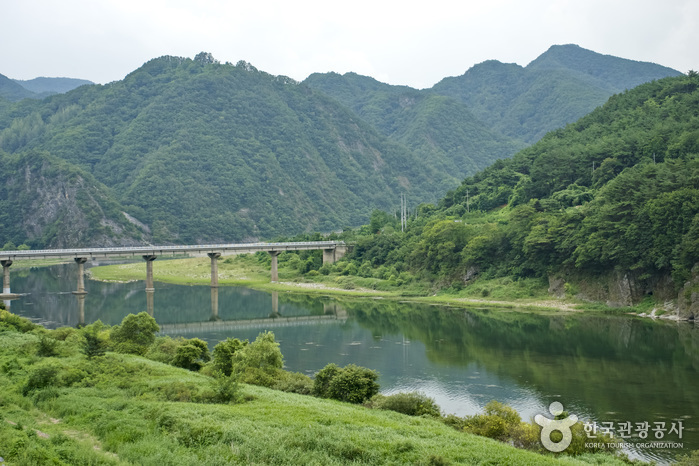
The Donggang River flows through Gangwon State, starting at the point where Odaecheon Stream and Joyanggang River meet and flows into the Namhangang River. The Donggang River spans an area of 60 kilometers from Jeongseon to Yeongwol. It is a well-preserved river, left untouched due to the strong current of the waters and the rugged geography of the mountains. It follows a snaky path splitting the chiseled cliffs surrounding it.
![Yeongwol Jangneung Royal Tomb [UNESCO World Heritage] (영월 장릉(단종) [유네스코 세계유산])](https://tong.visitkorea.or.kr/cms/resource/94/3557194_image2_1.JPG)
Yeongwol Jangneung Royal Tomb [UNESCO World Heritage] (영월 장릉(단종) [유네스코 세계유산])
190 Danjong-ro, Yeongwol-eup, Yeongwol-gun, Gangwon-do
This site is the tomb of King Danjong (1441-1457), the sixth king of the Joseon dynasty. Unlike typical royal tombs, it is relatively modest and smaller in size. King Danjong's story is tragic one, as he was dethroned by his uncle, who later ascended to the throne as King Sejo of Joseon. Following his usurpation, King Danjong was exiled to Yeongwol, where he was ultimately executed. The site includes a tomb keeper's house and the Danjong History Hall. Additionally, a memorial service commemorating King Danjong is reenacted annually in April.
Yeongwol Seopdari Village (영월섶다리마을)
Panun-ri, Jucheon-myeon, Yeongwol-gun, Gangwon-do
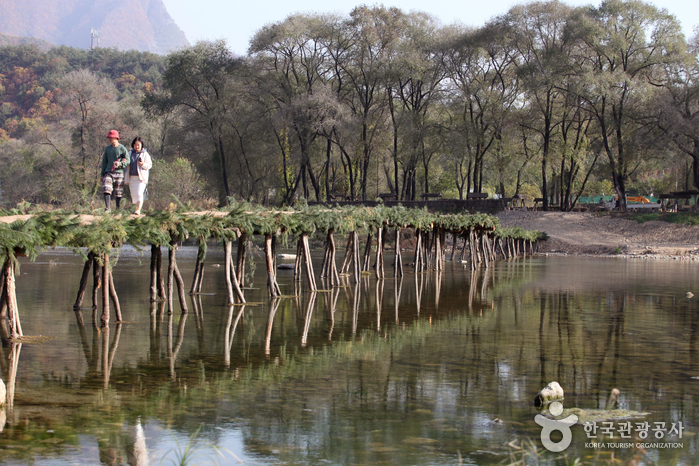
This village is renowned for its crystal-clear waters and vibrant greenery. Adding to its charm is the Seopdari Bridge, a unique structure crafted from wood and other plant materials, which becomes a highlight in wintertime. The bridge is installed in October when the river level decreases, and it remains in place until the onset of rainfall the following year. One of its most distinctive features is the Y-shaped pier, which, along with the bridge's unique design, creates a striking silhouette against the stunning natural backdrop of Yeongwol.

Yeongwol Tourism Center (영월관광센터)
126-3 Cheongnyeongpo-ro, Yeongwol-eup, Yeongwol-gun, Gangwon-do
Yeongwol Tourism Center, also called Y-Square, is a cultural complex developed to support integrated tourism in the former coal mining area of Yeongwol and to help establish travel routes throughout the region. Visitors can access information on major tourist attractions, cultural heritage, natural landscapes, and historical sites, along with a range of convenient services. The center also offers customized travel itinerary guidance based on visitors’ needs. On the second floor are exhibitions and experience halls.
Yeongyang Birch Forest (영양 자작나무숲)
39-1 Jukpa-ri, Subi-myeon, Yeongyang-gun, Gyeongsangbuk-do
Yeongyang Birch Forest was established in 1993 in the Jukpa-ri region of Geommasan Mountain. It boasts a scenic path meandering through the white birch tree trunks and a canopy of lush green leaves. The trail's gentle slope ensures a comfortable walk. Two different walking trails are available for visitors. Trail 1 is a 1.5 km journey beginning at the wooden bridge and culminating at the observatory deck. Trail 2, slightly longer at 1.52 km, starts from the first picnic area and also leads to the observatory deck.
Yeonhee's Supermarket (연희네슈퍼)
14-2 Haean-ro 127beon-gil, Mokpo-si, Jeollanam-do
Yeonhee's Supermarket is a small neighborhood market that preserves the look of Korea in the 1980s, exuding a retro vibe. It was used as the filming location for the movie "1987 (2017)" which depicts the June Democratic Uprising of 1987. It is the house where the protagonist, a university freshman at the time, lives with her mother and uncle. The store showcases old-fashioned items from the era, such as candies, snacks, gum, daily necessities, briquettes, and newspapers from 1987, recreating the appearance of the past.
Yeonhosa Temple (연호사)
80, Jukjuk-gil, Hapcheon-gun, Gyeongsangnam-do
Yeonhosa Temple is located in Hapcheon-gun, Gyeongsangnam-do. With its back to Hwangusan Mountain, the temple faces the Hwanggang River. Designated as one of the Eight Great Views of Hapcheon, the temple is surrounded by mountains with a cliff on its back. The view of the gently flowing river from Hambyeongnu Pavilion is relaxing, even on rainy days when raindrops fall into the river.
Yeonhwado Island (Tongyeong) (연화도(통영))
Yeonhwa-ri, Yokji-myeon, Tongyeong-si, Gyeongsangnam-do
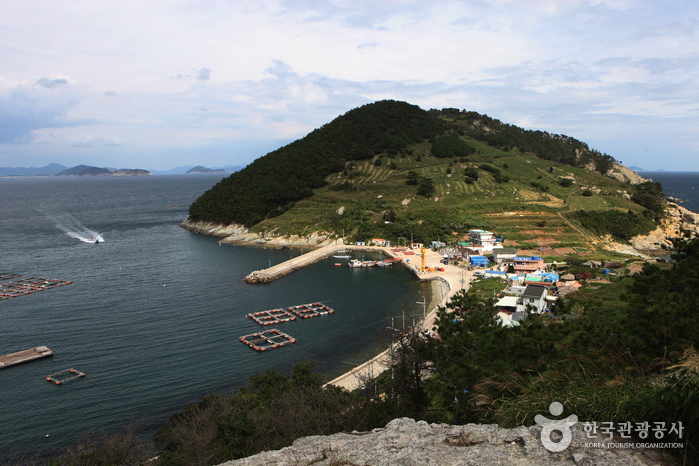
Yeonhwado Island is located 24 km south of Tongyeong Port, bordered by Udo Island to the north and Yokjido Island to the west. It takes about two hours by boat from Tongyeong Port. The island features Yeonhwabong Peak, rising 212 meters on its west side, and sea cliff on the east. The area surrounding Yeonhwapo-gu is enclosed by uniquely-shaped rock cliffs, including Yongmeori Rock (Dragon Head Rock). Yongmeori Rock in Yeonhwado Island is famous for its scenic beauty, especially just before sunset when the setting sun bathes the rock in golden light.
Yeonhwasan Provincial Park (연화산도립공원)
544, Yeonhwasan 1-ro, Goseong-gun, Gyeongsangnam-do
Yeonhwasan Mountain, located in Goseong, Gyeongsangnam-do, is just 524 meters tall, encompasses the three peaks of Ongnyeobong, Seondobong and Mangseonbong, and is widely recognized as an important provincial park. Its northern side is dotted with Buddhist temples such as the historical Okcheonsa Temple, Baengnyeonam Hermitage, Cheongyeonam Hermitage and Yeondaeam Hermitage. Although Yeonhwasan Mountain is called a "mountain," the gentle slopes and ridges are more similar to those of a hill. Unlike other mountains where the purpose lies in trekking and climbing to the mountain summit, the most fruitful experience one can get from exploring Yeonhwasan Mountain is a visit to Okcheonsa Temple. From the summit of the mountain, visitors will be able to see Okcheonsa Temple nestled in the mountain and the deep blue sea along Danghangpo Resort to the mountain's south.
Yeoninsan Provincial Park (연인산도립공원)
Buk-myeon, Ha-myeon, Gapyeong-eup, Gapyeong-gun, Gyeonggi-do
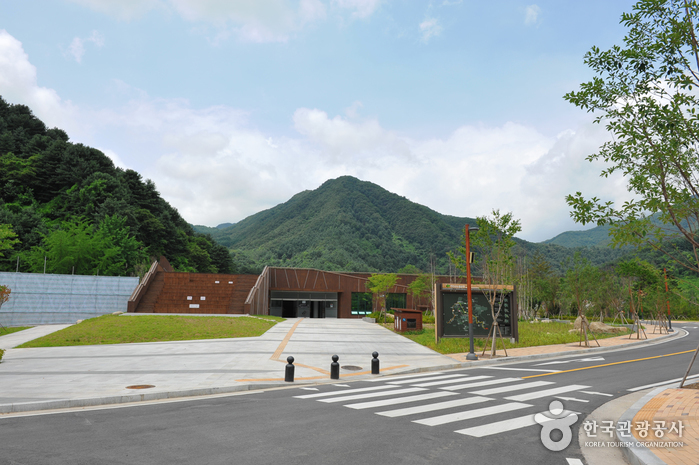
The source of Yongchu Falls, Mount Yeoninsan (연인산) stands at 1,068 meters above sea level and features soft terrain and beautiful scenery. Local folklore has it that those coming to the mountain wishing for true love will have their dreams come true. The soil of Mount Yeoninsan is fertile, offering a great natural environment for a variety of flowers and trees. Numerous types of wild flowers thrive from early spring to late autumn. The trail connecting Mount Yeoninsan with mounts Myeongjisan, Cheonggyesan, and Gwimokbong remains relatively unspoiled by human influence: cooking and camping in the area is strictly forbidden. All the mountains in the trail are over 1,000 meters high. A defining feature of Mount Yeoninsan is the royal azaleas that bloom in late May. The County of Gapyeong celebrates the royal azalea by hosting the Mount Yeoninsan (Natural Ecology) Festival in May of each year. Also ideal for hiking, Mount Yeoninsan offers a number of trails: one starts from Buk-myeon in Baekdun-ri, one from Mail-ri, and one from Yongchu Valley. With a minimum of climbing, hikers can take in a variety of scenic views, ranging from the bloom of the royal azaleas in the spring to the beauty of the changing leaves in the fall.
Yeonmijeong Pavilion (연미정)
242, Wolgot-ri, Ganghwa-gun, Incheon
Yeonmijeong Pavilion is Incheon's Tangible Cultural Asset No. 24 (designated on March 1, 1995). While the exact date of construction is unknown, the pavilion was greatly damaged and then rebuilt afterwards due to the Japanese Invasion of Korea in 1592, the Byeongja Chinese Invasion in 1636, and the Korean War on June 25, 1950. The name Yeonmi comes from the swallow tail-shape of Imjingang River and Yeomhagang River ('yeon' means swallow and ‘mi’ means a tail). As the pavilion stands on top of Wolgotdondae, visitors can see Paju-si, Gimpo-si, Gaepung-gun in Hwanghae-do (North Korea) at a glance.
Yeonmisan Nature Art Park (연미산자연미술공원)
98 Yeonmisangogae-gil, Useong-myeon, Gongju-si, Chungcheongnam-do
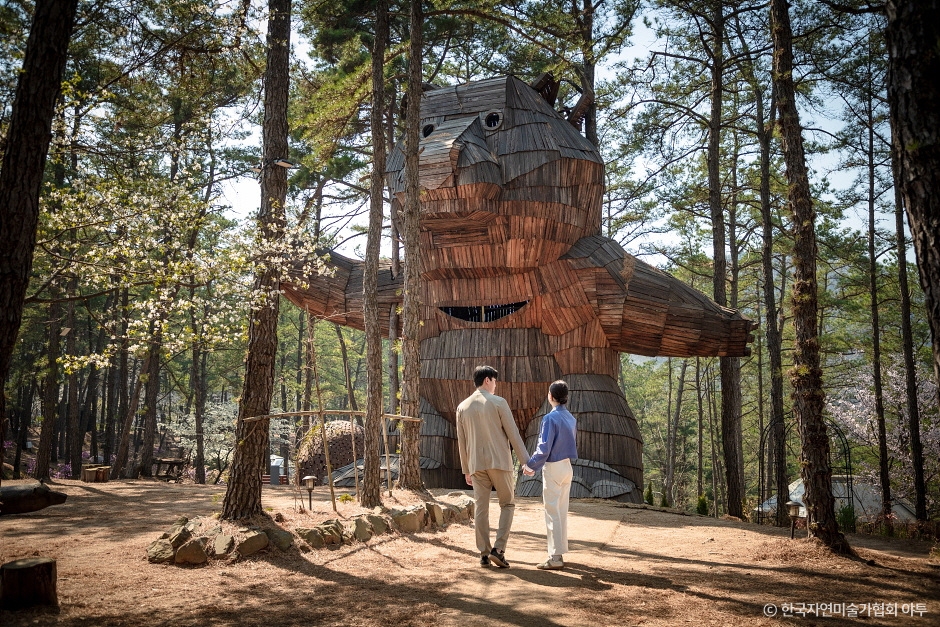
Yeonmisan Nature Art Park features sculptures created from natural materials, such as clay, wood, and stone. The park exhibits new works each year under different themes as part of the Geumgang Nature Art Biennale, an international festival of nature art. It includes indoor and outdoor exhibitions, as well as a promotion hall. Visitors can participate in experience programs such as woodcraft workshops and nature art school activities.
Plan your Korea trip
Korea travel FAQ
How do I use the travel search?
Enter a place or interest, then narrow the results by region, category or sort order.
Will my filters stay selected on the next page?
Yes. Your search and filter choices stay in the page URL while you move through the results.
Can I find directions to each place?
Place pages include an external Google Maps search when coordinates or an address are available.
Source: Korea Tourism Organization, official website (https://knto.or.kr).