TRAVEL IN KOREA
Korea Places to Visit
Find attractions, culture, festivals, stays, restaurants, shopping and travel courses for a clear Korea trip plan.
Data last synced: 2026-06-25. Some details may change. Please confirm official information before visiting.
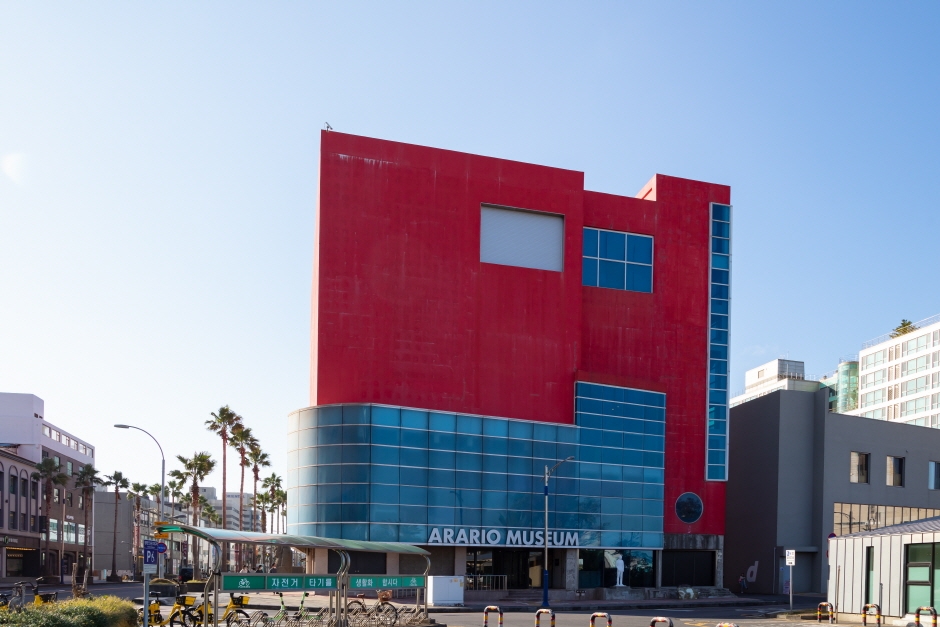
Arario Museum Tapdong Cinema (아라리오 뮤지엄 탑동 시네마)
14, Tapdong-ro, Jeju-si, Jeju-do
Arario Museum Tapdong Cinema was created by Kim Chang-il, a famous artwork collector in Korea, who reused an abandoned building to make a contemporary art museum. The building did not go through extreme renovation, allowing visitors enjoy the building's original features along with the artworks. The underground floor and four ground floors hold exhibits where visitors can take photographs (flash photography not allowed), and the fifth floor houses a souvenir shop and a cafe where visitors can relax and enjoy panoramic views of the old city center and Tap-dong.
AREA6 (AREA6)
37-3, Taejong-ro 105beon-gil, Yeongdo-gu, Busan
AREA6 is a multipurpose cultural space made to promote the artisans and artists of Busan as a part of an urban regeneration project. On the first floor, there are a total of nine spaces, including F&B brands, select shops, and information centers. The second floor is a co-working space and lounge, and the third floor consists of a rooftop and seminar room that anyone can freely use. It was designed sensibly by keeping the existing buildng's shape without compromising volume and scale. Each space, such as a small alley that leads from the yard like a maze, is full of individuality and is fun to look around. Busan's local brands, such as Ineoajimae, Busan Drinks, and Samjin Fish Cake are located here, and a flea market is also held irregularly.
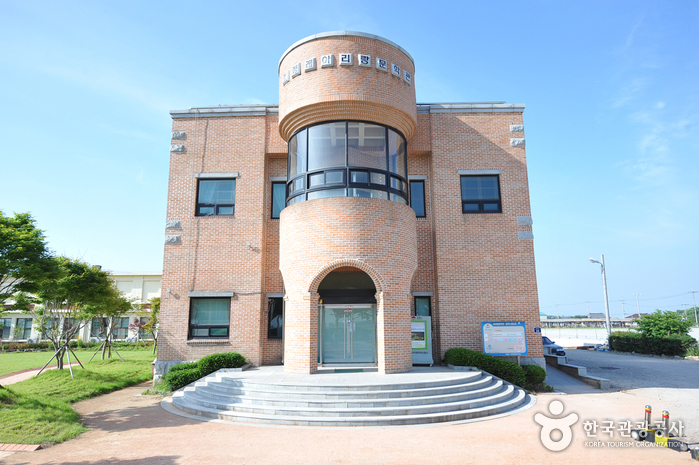
Arirang Literature Museum (조정래 아리랑문학관)
24, Yongseong 1-gil, Gimje-si, Jeonbuk-do
Located in Gimje, Jeollabuk-do, Arirang Literature Museum (Jo Jung-rae Arirang Literature Museum) was opened in May, 2003. The museum displays materials related to Jo Jung-rae’s novel "Arirang," a work praised to have x_heightened Korea's literature standards in aspects of cultural, literary, and popular value. "Arirang" takes place during the time of Japanese colonization, vividly describing the pain and common racial values which people shared as a whole amidst the suffering and efforts that were made to bring Korea's independence a step closer.
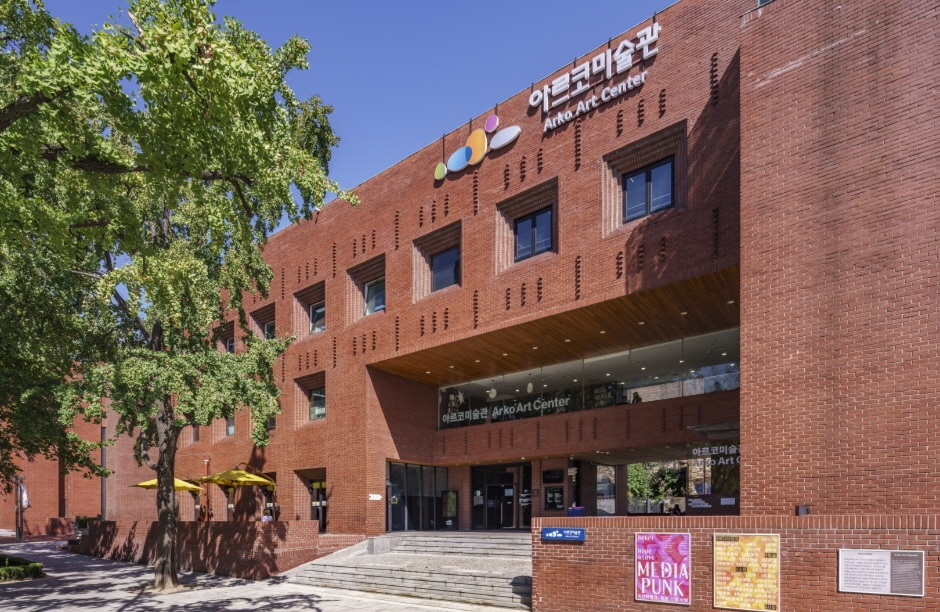
ARKO Art Center (아르코미술관)
3, Dongsung-gil, Jongno-gu, Seoul
ARKO Art Center was founded in 1974 as Misulhoegwan in a building of former Deoksu Hospital in Gwanhun-dong, Jongno-gu to offer much-needed exhibition space for artists and arts groups. In 1979, Misulhoegwan moved to its present building, designed by preeminent Korean architect Kim Swoo-geun (1931-1986) and located in Marronnier Park, the former site of Seoul National University. The two neighboring brick buildings accommodating ARKO Art Center and ARKO Arts Theater are the major landmarks of the district of Daehakro. As more public and private museums and commercial galleries came into the art scene in the 1990s, Misulhoegwan shifted to curating and presenting its own exhibitions. Renamed as Marronnier Art Center in 2002, ARKO Art Center assumed a full-fledged art museum system and played an increasingly prominent role as a public arts organization leading the contemporary art paradigm. When The Korea Culture and Arts Foundation was reborn as Arts Council Korea, Marronnier Art Center became ARKO Art Center named after the abbreviation for Arts Council Korea in 2005. ARKO Art Center is committed to working as a platform where research, production, exhibitions and the exchange of creative activities grow and develop in connection with one another in addition to having a diversity of programs including thematic exhibitions addressing social agenda and public programs widely promoting various discourses in art.
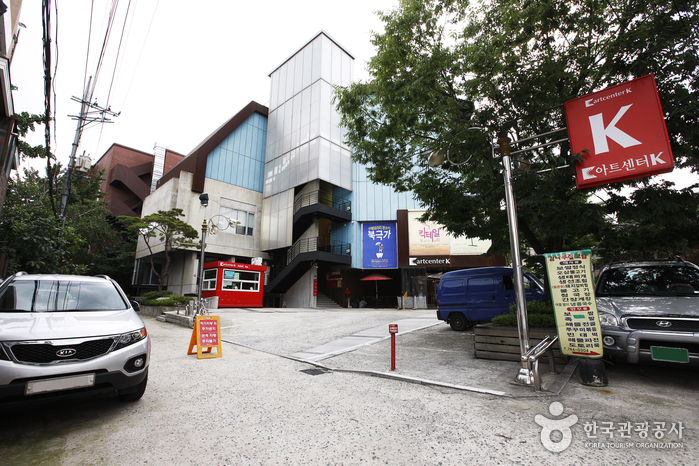
Art Center K (아트센터 K)
101, Dongsung-gil, Jongno-gu, Seoul
Art Center K (formerly Wonder Space) opened in February 2012, offers art programs in Daehangno, a neighborhood of youth, romance and culture. It also supports artists through creative activities, exchanges, and trainings, while serving as a performing art hall where people can participate in artistic and creative activities. Art Center K's three theaters feature unique stages and audience spaces: Donggeurami (Circular) Theater, Semo (Triangle) Theater, and Nemo (Square) Theater. One stage hosts fun and educational open-run performances for children, while the other two theaters offer popular plays, musicals, concerts, and other cultural events.
Art Polygon Horanggassinamu (호랑가시나무 아트폴리곤)
22 Jejung-ro 47beon-gil, Nam-gu, Gwangju
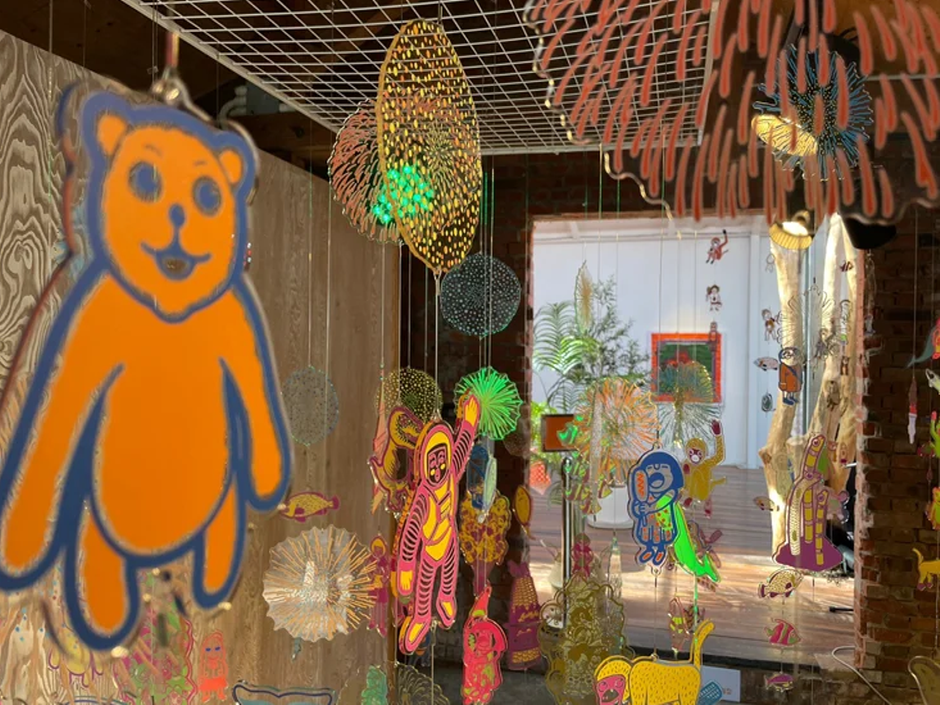
Located in Yangnim-dong, Art Polygon Horanggasinamu is a multi-purpose cultural space that hosts various programs such as exhibitions, lectures, and performances. In 2021, it was used as one of the venues for the Gwangju Biennale. The space was created by preserving and expanding the original structure of a missionary's garage. Yangnim-dong is home to many modern historical cultural heritage sites and art galleries that connects the past and the present.
Arte Museum Jeju (아르떼뮤지엄 제주)
478 Eorimbi-ro, Jeju-si, Jeju-do
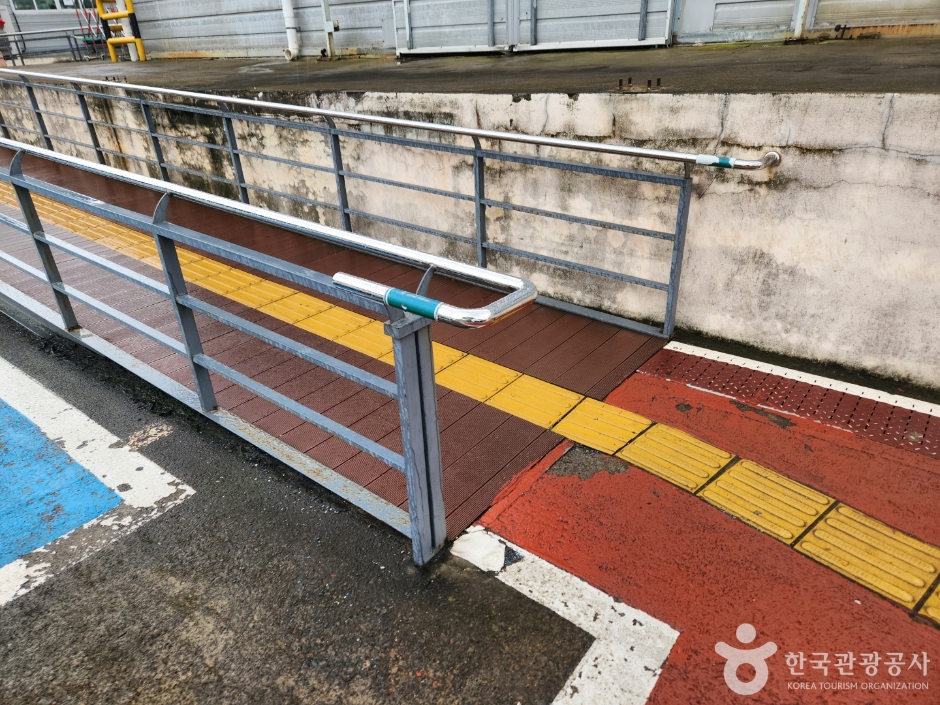
Arte Museum is the nation's largest immersive media art exhibition presented by world-class digital design company d'strict, which is also famous for the “WAVE” at Coex. The museum displays ten of the most colorful media art exhibits created by lights and sounds on a grand floor space of 4,628 square meters with a maximum x_height of 10 meters which had once been used as a speaker manufacturing factory.
ARTE Museum Valley Gangneung (아르떼뮤지엄 강릉)
131 Nanseolheon-ro, Gangneung-si, Gangwon-do
ARTE Museum Valley Gangneung, located by Gyeongpo Lake, is the third immersive media art exhibition presented by d’strict, a digital media design company. There are twelve media art exhibitions centered on the theme “Valley” to reflect the regional characteristics of Gangwon State and Gangneung, the center of the Baekdu Mountain Range. The works produced under the theme of “Eternal Nature” have vibrant visuals, sensual sounds, and elegant fragrance adding to the entire experience.
ARTFACTORY CHARMGIROOM (아트팩토리 참기름)
109 Kkachigol-gil, Gilsang-myeon, Ganghwa-gun, Incheon
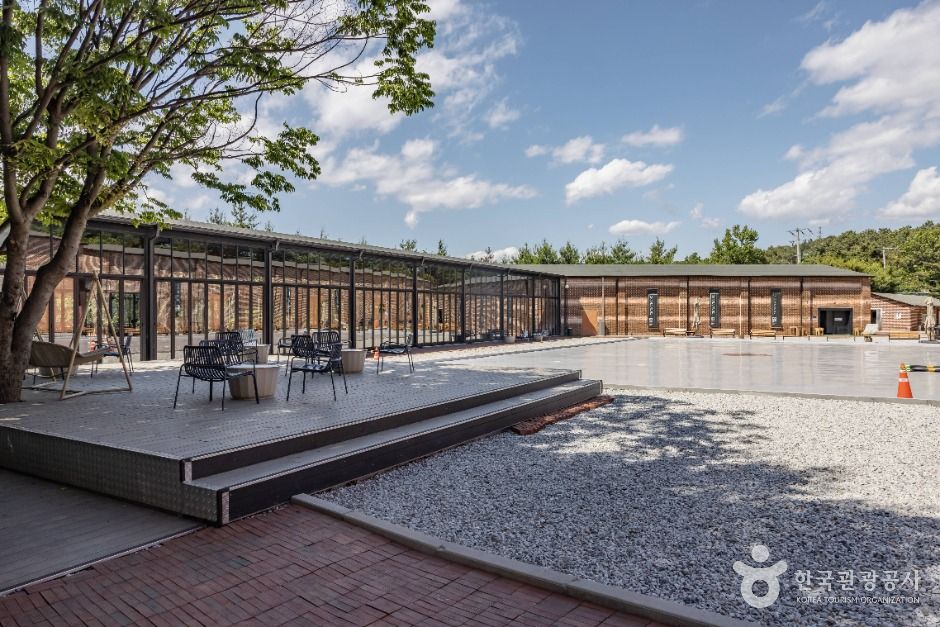
RTFACTORY CHARMGIREUM, renovated from a former sesame oil factory, is a cultural complex on Ganghwado Island, Incheon, offering various media art exhibitions as well as food and beverage options. Combining art and technology, the venue provides a spacious area for relaxation and cultural immersion, making it a new trending attraction that offers visitors a unique experience.
Arts Center Incheon (아트센터인천)
222, Art center-daero, Yeonsu-gu, Incheon
Arts Center Incheon in Songdo International City is a global cultural space and complex in which the design was inspired by the conductor's hand movements. The unique exterior, the view connecting the sea, and the world-class sound system prove that Arts Center Incheon is not just a performance hall but also architecturally meaningful. In November 2018, the concert hall opened to communicate with the world through music and expand the realm of art. Arts Center Incheon is emerging as a landmark of Incheon thanks to its plans to act as a foundation for the community's cultural infrastructure and provide citizens with opportunities to enjoy original and wide-ranging culture and art.
aT Center (에이티센터)
27, Gangnam-daero, Seocho-gu, Seoul
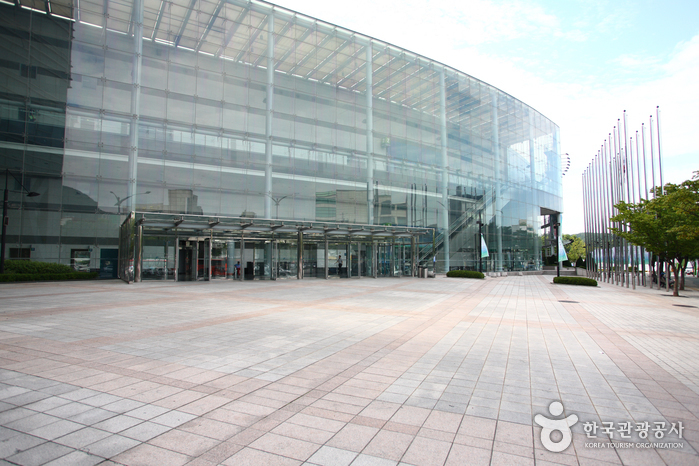
aT Center is a convention center where exhibitions, conventions, and business trades all take place. Cutting-edge exhibition and conference rooms are suitable for various types of exhibitions, seminars, banquets, events, performances and more. To support successful events, aT Center provides simultaneous interpretation services, an audio-visual system, cold storage and a trade information service. The center is a one-stop venue for trade, comprised of an export firm hall, export promotion hall and other related facilities, offering a permanent exhibition of promised exported items, promotion, consulting with overseas buyers and collecting overseas information. The center is situated in a pleasant neighborhood, located near Seoul's convenient transportation system and hospitals, fitness centers, stores, restaurants, large-sized parking lots, making it a cultural resting area.
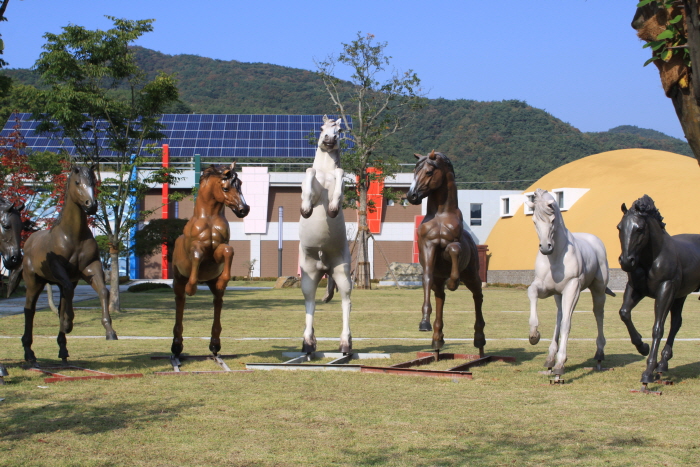
Baekje Cultural Museum (백제문화체험박물관)
43-24 Janggok-gil, Daechi-myeon, Cheongyang-gun, Chungcheongnam-do
Designed to mimic the traditional kilns of the Baekje period, the Baekje Cultural Museum is a unique space that blends historical elegance with immersive exhibits. It showcases five key masterpieces: the historic Baekje kiln site that’s over 1,500 years old, exquisite blue tiles, an evocative painting of Choi Ik-hyeon's exile, an intricate rubbing of the Confucius statue, and a resplendent golden turtle. Additionally, the museum offers a variety of interactive centers like a gold mine exploration area, an agricultural culture center, an exhibition hall that transports viewers back to the 1960s. There are also Han Sang-don Memorial Hall, Yoo Sang-ok Donation Room, and Jeongseung Park. On weekends, the museum becomes even more lively, offering hands-on activities such as pottery and cup making, as well as the chance to dress in traditional Baekje attire.

Baekjewon (백제원(부여))
553 Baekjemun-ro, Buyeo-gun, Chungcheongnam-do
Baekjewon is a cultural complex made up of a botanical garden and Buyeo Museum. As the only botanical garden in Buyeo, Baekjewon boasts a well organized collection of plants and agricultural materials of Buyeo. Buyeo Museum's exhibitions present cultural relics, records of modern history, film and music-related materials of Buyeo from the Baekje Kingdom to modern times.
Bank of Korea Money Museum (화폐박물관)
39 Namdaemun-ro, Jung-gu, Seoul
This Renaissance-style three-story stone building is the museum of the Bank of Korea. The older Bank of Korea was established as the central bank of the Korean Empire in 1909 and has been designated as a National Historical Site. During the Japanese colonial period, the bank was renamed the Bank of Joseon, and the building was used as the main and head office of the Bank of Korea until 2001. The building has been used as the nation’s Money Museum since June 2001 in celebration of the 50th anniversary of the Bank of Korea. The museum has 13 exhibition rooms on two floors, with one basement floor and two above-ground floors. It holds special exhibitions of various currency and art collections to provide domestic and foreign visitors with the opportunity to enjoy the history and culture of currency. Visitors can learn about the Bank of Korea and the central banking system, as well as how to identify counterfeit notes and how money is produced and circulated. It is also a good place for children to learn about currencies from around the world. Advance reservations are required, and parking is not available. The museum can easily be reached via subway by getting off at Hoehyeon Station (Seoul Subway Line 4) and exiting through Exit 7.
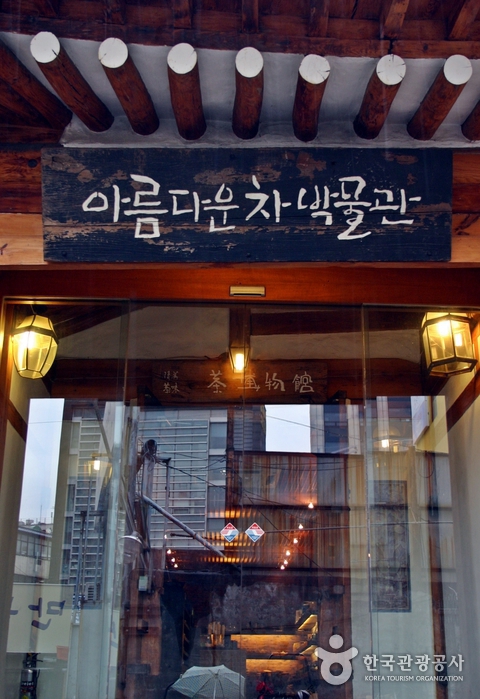
Beautiful Tea Museum (아름다운 차박물관)
19-11, Insadong-gil, Jongno-gu, Seoul
Located in Insa-dong, The Beautiful Tea Museum aims to promote Korean tea culture. It preserves and exhibits tea related utensils and items, featuring those from the ancient Gaya and Joseon period as well as items from abroad such as China and Tibet. The museum also displays original tea pots and other ceramics made by young artists and ceramists. Inside the museum is a tea house named "Tea Story," serving a wide variety of teas. Visitors can also purchase tea leaves from all over the world at the Tea Shop.
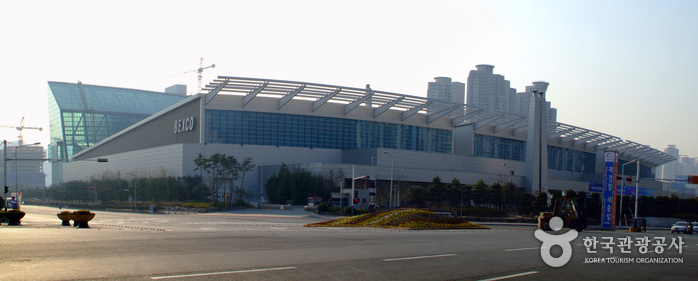
BEXCO (벡스코)
55, APEC-ro, Haeundae-gu, Busan
BEXCO is a large international exhibition/convention center in the middle of Busan. It offers spacious exhibition halls as large as three football fields combined, multi-purpose halls, and outdoor exhibition halls. Equipped with advanced equipment, the convention center is ideal for holding international exhibitions, meetings, concerts, or sporting events.
Plan your Korea trip
Korea travel FAQ
How do I use the travel search?
Enter a place or interest, then narrow the results by region, category or sort order.
Will my filters stay selected on the next page?
Yes. Your search and filter choices stay in the page URL while you move through the results.
Can I find directions to each place?
Place pages include an external Google Maps search when coordinates or an address are available.
Source: Korea Tourism Organization, official website (https://knto.or.kr).