TRAVEL IN KOREA
Korea Places to Visit
Find attractions, culture, festivals, stays, restaurants, shopping and travel courses for a clear Korea trip plan.
Data last synced: 2026-06-25. Some details may change. Please confirm official information before visiting.
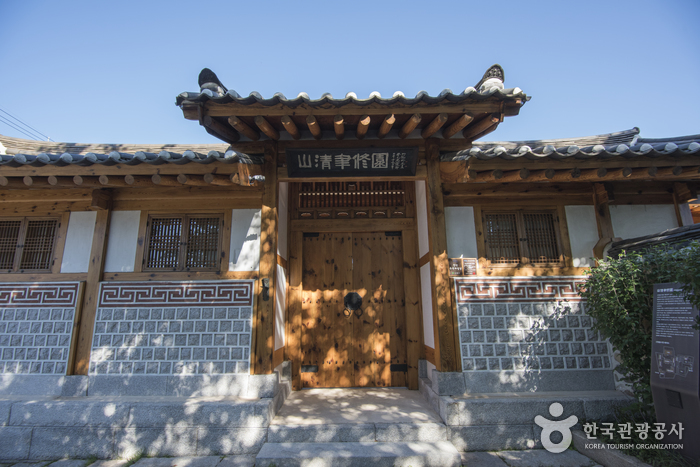
Sancheongyulsuwon (산청율수원)
36 , Sindeunggahoe-ro, Sancheong-gun, Gyeongsangnam-do
Sancheong Yulsuwon is a hanok stay in Sancheong, Gyeongsangnam-do, which has been remodelled from the old Goheon yangban house - with the aim not just of providing accomodation but also of promoting hanok culture. The different buildings are arranged according to feng shui, with Yeongsumun (the gate house), the inner and outer Sarangchae, the dining room and the bathhouse, all arranged protectively around the Anchae or women’s house. Bathrooms and kitchens are installed in all rooms, and the Hagyejae(anchae) has a numaru or upper floor - from where the view is beautiful. There is a red clay Korean sauna in Seoljodang(bathhouse). Nearby tourist attractions include Daewonsa Valley, Namsayedamchon, and Jeongchwiam.
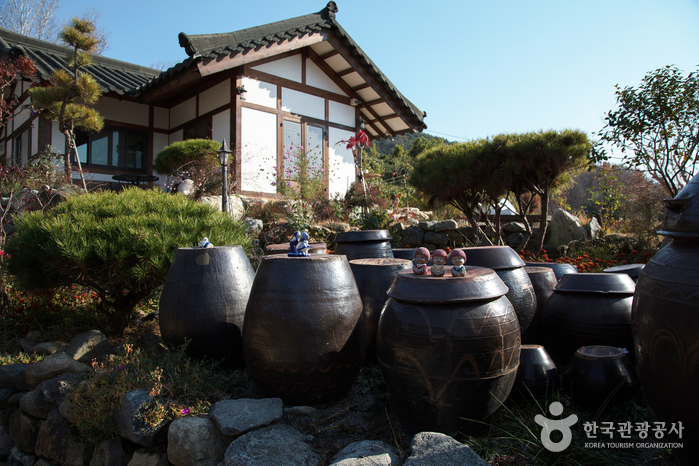
Sane Flower ((주)산에는 꽃이피네)
20-1 , Dongnyeok-gil, Naju-si, Jeollanam-do
Mountain Flowers Bloom in Dorae Hanok Village, Naju-si, Jeollanam-do, is a 100 year-old house built in the traditional way using local timber and no nails. Guestrooms are well insulated and equipped with bathroom and kitchen. Interiors are lined with Korean paper and are old-time and cozy. There’s a wooden veranda from which visitors can see the fine old maple tree in the yard. Among other local attractions, Naju’s Redwood Road is nearby, offering guests a peaceful walk in the woods; some weekends, the owner offers neighbourhood guided tours.
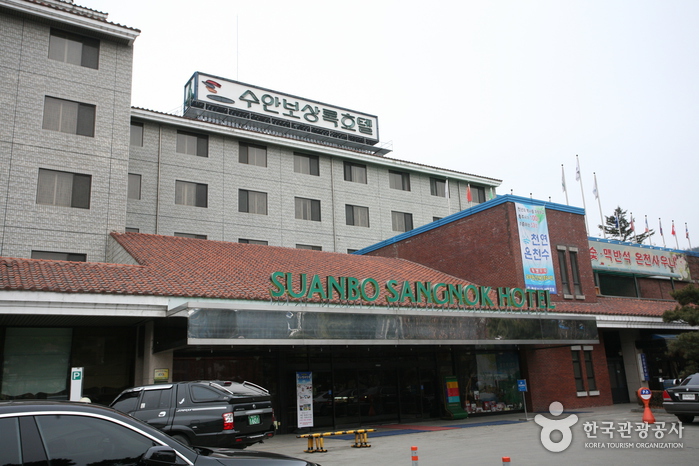
Sangnok Hotel (수안보상록호텔)
22, Jujeongsan-ro, Suanbo-myeon, Chungju-si, Chungcheongbuk-do
The Sangnok Hotel is a first class (four-star) hotel located in Suanbo, an area known for its hotsprings and natural landscape. The hotel has 101 guestrooms, a seminar room, lecture hall, conference room, banquet hall, and grand halls for big gatherings. The hotsprings of Suanbo boast an impressive 1000-year history and the water is known to be benefial for relieving fatigue and treating certain diseases.
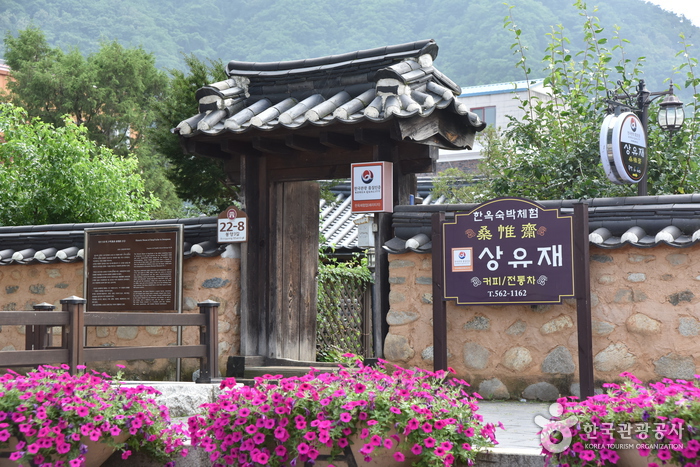
SangYuJae (상유재)
22-8 Bongyang 3-gil, Jeongseon-gun, Gangwon-do
Sangyujae is the oldest hanok in Jeongseon-gun and has been designated a Gangwon-do tangible cultural asset. Next to the old stone wall stands a beautiful mulberry tree, which at 600 years old is itself a natural monument. The house consists of a sarangchae where visitors can stay, and an anchae, in which the owner resides. Rooms are equipped with ondol underfloor heating and bathrooms - but not TVs, the absence of which helps guests focus on their companions and on the traditional experience. Jeongseon Arirang Market is a short walk away.
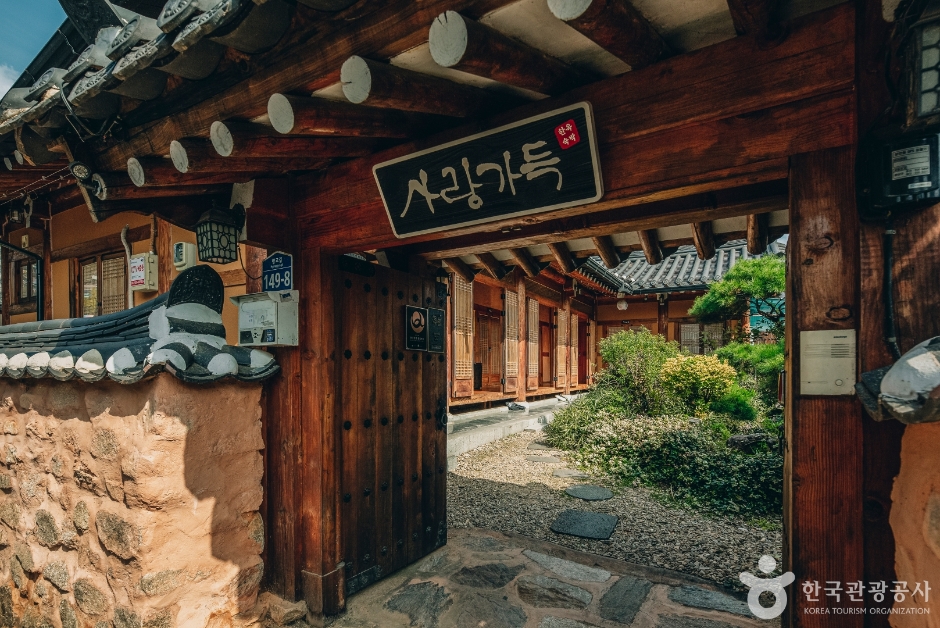
Saranggadeuk (사랑가득)
149-8 , Hyanggyo-gil, Wansan-gu, Jeonju-si, Jeonbuk-do
Located in Jeonju Hanok Village, Saranggadeuk is a traditional hanok that was renovated from a traditional hanok built in 1900, which retains the elegance of hanok architecture in its toenmaru (narrow wooden porch), rafters, and eaves. The hotel has six guest rooms, including a spacious ondol (underfloor heated) room with an interior finished in cypress wood that emits a subtle scent. Each of the rooms has a bathroom with a shower, and the Cherry and Rose rooms are recommended for couples, while the Azalea rooms are recommended for groups. Breakfast is served with freshly baked toast, seasonal fruits, and coffee in the room, and cooking is not permitted.
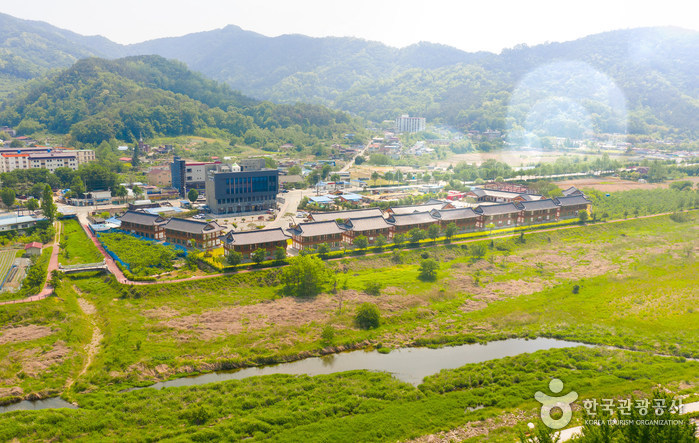
Sejogwan of the Royal Room (왕의지밀 세조관)
5218-18 , Chunhyang-ro, Wansan-gu, Jeonju-si, Jeonbuk-do
Wangui Jimil Sejogwan (‘Royal Room of King Sejo’) in Jeonju, Jeollabuk-do, is a hotel that combines hanok style with modern facilities - one of a group of hotels named after Joseon kings. There are six rooms, divided into Gold and Silver class, and all equipped with bathrooms and toilets. Rooms have exposed beams and traditional furniture, and the scenic views and chirping of insects beyond the large windows add to the charm. Additional facilities include a hanok cafe, a restaurant, and a convention center. Guests can reach anywhere in Jeonju Hanok Village in about 10 minutes by car.
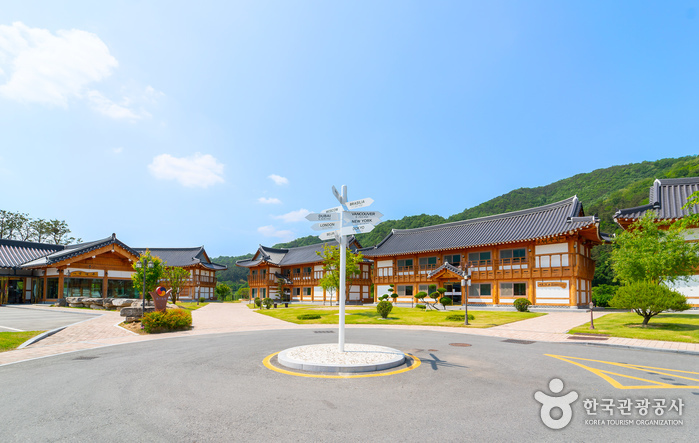
Sejonggwan of the Royal Room (왕의지밀 세종관)
5218-22 , Chunhyang-ro, Wansan-gu, Jeonju-si, Jeonbuk-do
Wangui Jimil Sejonggwan (Royal Room of King Sejong) in Jeonju, Jeollabuk-do, is a hotel that combines hanok style with modern convenience - one of a group of hotels named after Joseon kings. There are eight guestrooms, divided into Gold and Silver class, and all equipped with bathrooms and toilets. Rooms have exposed beams and traditional furniture, and the scenic views and chirping of insects beyond the large windows add to the charm. Additional facilities include a hanok cafe, a restaurant, and a convention center. Guests can reach anywhere in Jeonju Hanok Village in about 10 minutes by car.
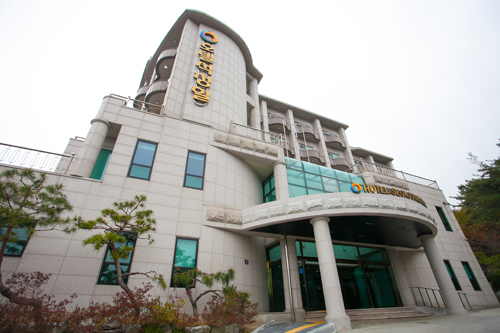
Seok Jeong Hill C.C. (호텔석정힐)
192 , Seokjeong 2-ro, Gochang-gun, Jeonbuk-do
Seokjeong Resort is a 5 minutes drive from the Seokjeong Hill Country Club golf course in Gochang, Jeonbuk-do. It is mainly frequented by golf course users, but general travelers are also welcome. The hotel provides clean, comfortable rooms and has a seminar room for group events and business meetings.
Seokjeongdaek House (석정댁)
6 , Gaesil 2-gil, Goryeong-gun, Gyeongsangbuk-do
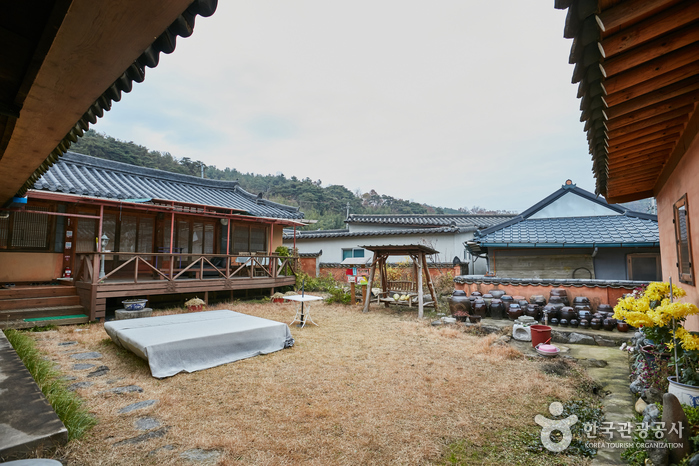
Seokjeongdaek is a hanok guest house in Gaesil Village, Goryeong, Gyeongsangbuk-do - hometown of the descendants of Joseon scholar Kim Jong-jik. It consists of two guestrooms plus one living room and kitchen, making it ideal for families and groups. The rooms have air conditioning and cooking facilities, and outdoor barbecues are also available. In the village, visitors can experience the atmosphere of the old countryside, sampling traditional farming and craft skills plus traditional pastimes and food.
Seoladawon (설아다원)
153-21 , Samseong-gil, Haenam-gun, Jeollanam-do
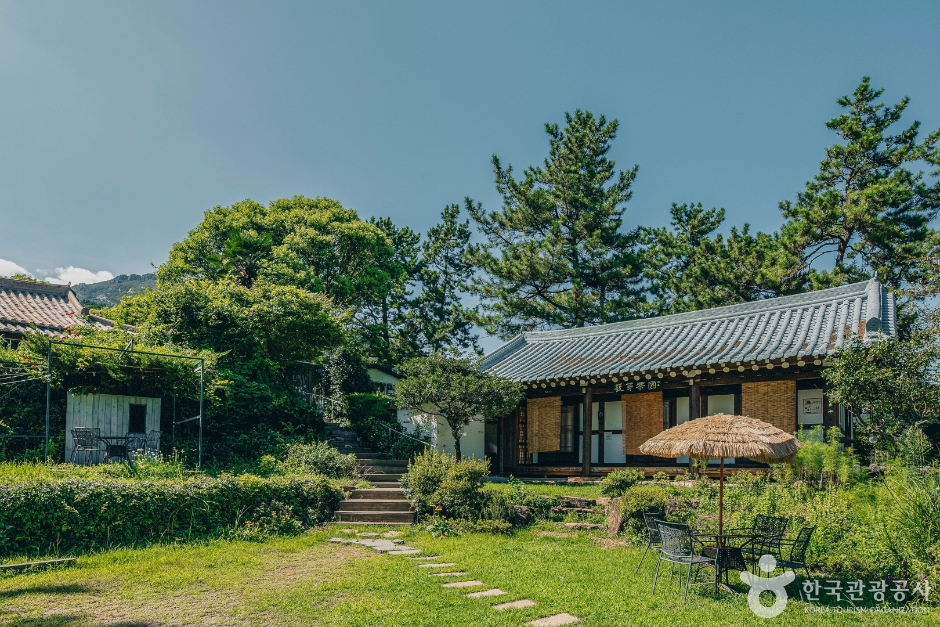
Seola Dawon is a hanok stay at the foot of Mt Duryun in Haenam, Jeollanam-do. It began as a tea plantation whose owner wanted to pass on his love for traditional tea culture to the next generation. Many visitors came and they needed accomodation, so the owner built a small stone guest room. Now there are 8 guestrooms, including a clay house, a timber frame house, and an earthbag house; while the work of promoting tea cultivation and culture continue.
Seolguk pension (설국)
9-7 , Wonsamgong 2-gil, Muju-gun, Jeonbuk-do
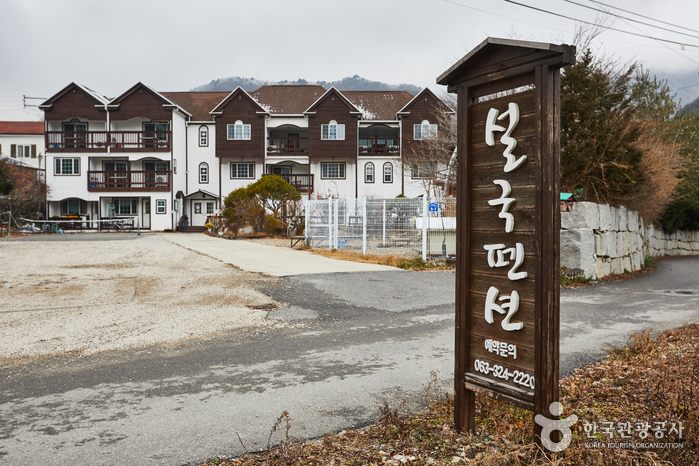
Seolguk is a pension-type resort in Seolcheon-myeon, Muju-gun, Jeonbuk-do. The 3-story is built of wood and looks its best when it fits with nature in the snowy winter. The hotel well located for leisure sports as there is a ski resort 3 minutes away, as well as a nearby walking course with views of Deogyusan mountain. Most of the rooms are double-decker structures.
Seongamje / 성암재
19-18 , Seodong-gil, Bonghwa-gun, Gyeongsangbuk-do
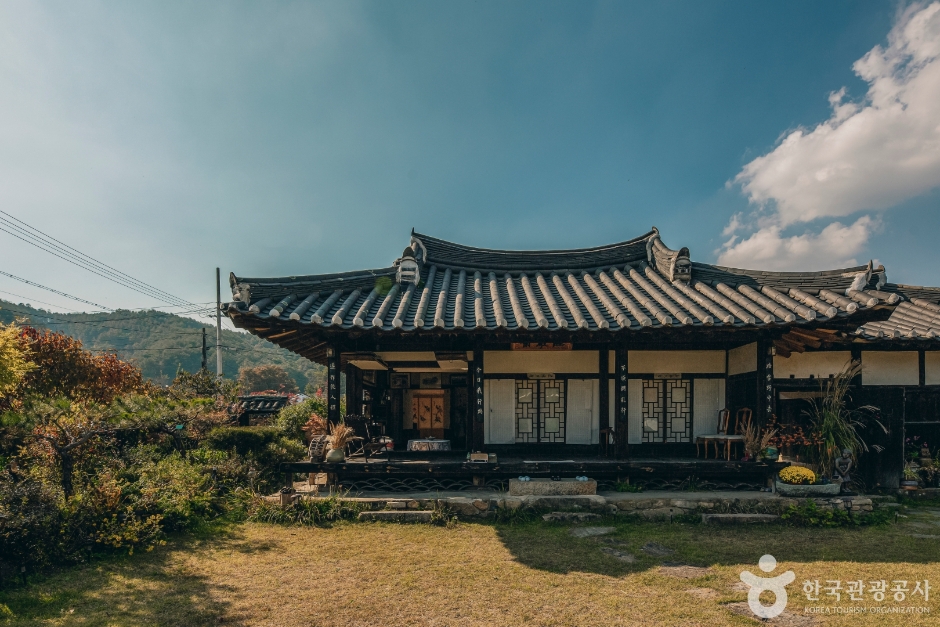
Seongamjae in Chunyang-myeon, Bonghwa-gun, Gyeongsangbuk-do, was built in 1915 by Seongam Kang Seung-won, son of Uijae Kang Pil who was an early campaigner for independence from Japan. Built of pinewood, the house is now equipped with modern facilities. In-room cooking is not allowed, a pay-for brunch is available. Next door is Bonghwa Mansan Old House, a National Folk Cultural Asset which guests are free to look around. Chunyang Station on the Yeongdong Line is a 5-minute walk away, and a luggage storage service is available.
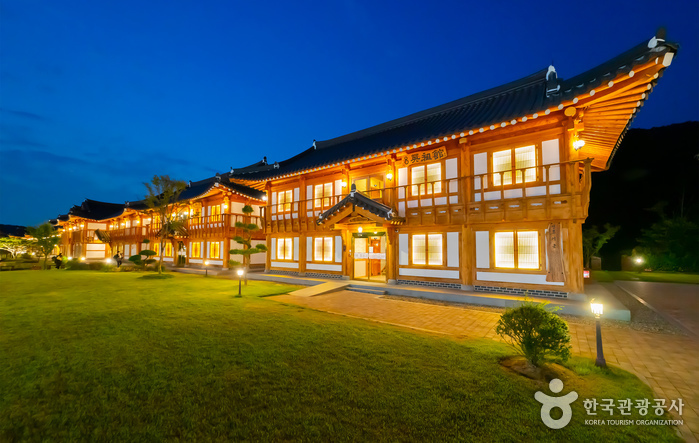
Seonjogwan of the Royal Room (왕의지밀 선조관)
5218-16 , Chunhyang-ro, Wansan-gu, Jeonju-si, Jeonbuk-do
Wangui Jimil Seonjogwan (‘Royal Room of King Seonjo’) in Jeonju, Jeollabuk-do, is a hotel combining hanok style with modern facilities - one of a group of hotels named after Joseon kings. The hotel has six rooms graded 2, 3 and 5, with Silver rooms on the 1st floor, and Gold rooms on the 2nd floor; as there is no elevator, it’s recommended that elderly guests book into a 1st floor room. Additional facilities include a hanok cafe, a restaurant, and a convention center. Major tourist attractions such as Namgosa Temple and Jeonju Hanok Village are 10 minutes away by car.
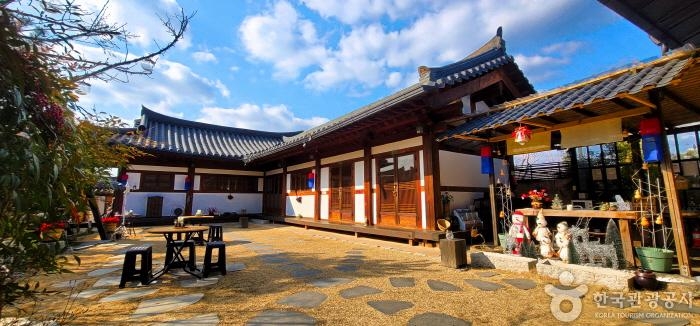
Seoro (서로)
100-12 , Hanji-gil, Wansan-gu, Jeonju-si, Jeonbuk-do
Seoro is a traditional hanok accommodation located in the Jeonju Hanok Village that offers guests a peaceful and quiet atmosphere. There are 10 different types of rooms, including ondol-type rooms, duplex-type rooms, and pension-type rooms. Traditional Korean red clay and ondol floors are installed in each room using the traditional Korea gudeul method (underfloor heating system), and the finest Korean wonanggeumchim (lovebird bedding) are provided. At night, you can rest under the stars on the large yard or toenmaru (narrow wooden porch).
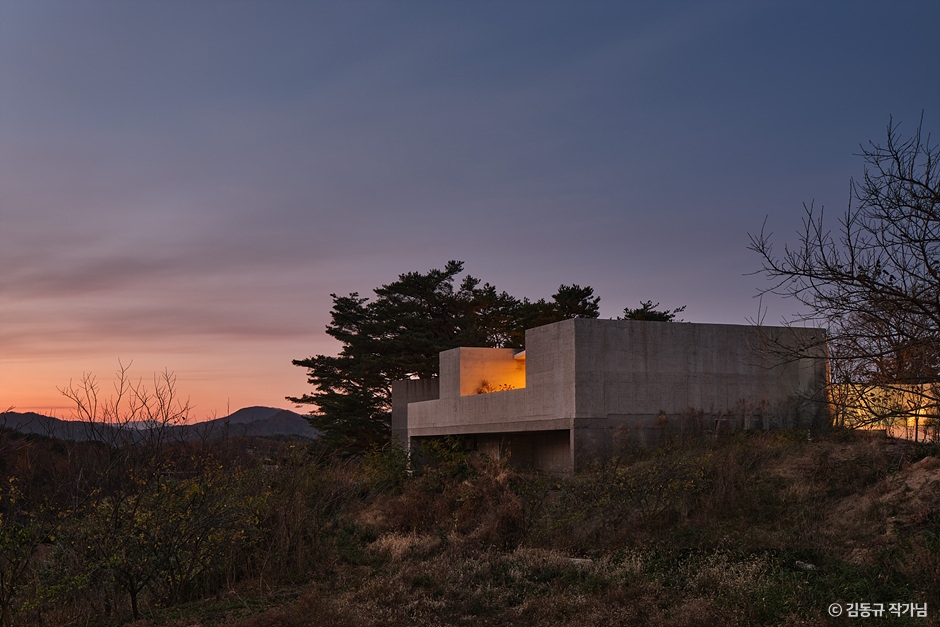
Seorojae (서로재)
118 Bongsudae-gil, Jugwang-myeon, Goseong-gun, Gangwon-do
Seorojae is a beautiful accommodation with a name meaning "house which greets the morning dew." Guests can relax in nature, enjoying the breeze blowing through the pine forest, and listen to the birds chirping in the trees while relaxing in the garden or using the outdoor bath.
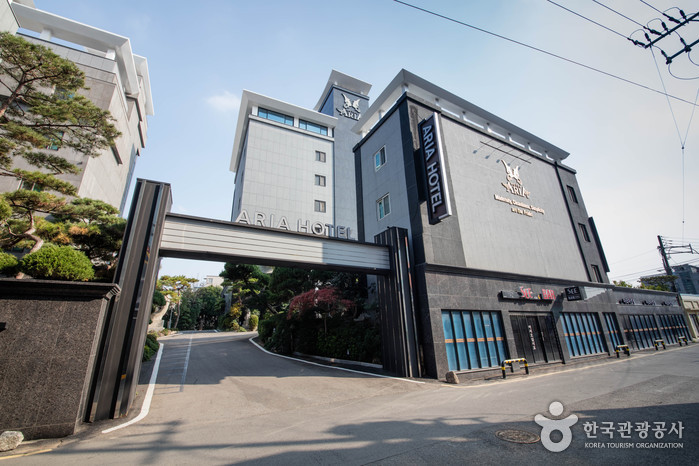
Seosan Hotel Aria (서산아리아호텔)
94 , Dongheon-ro, Seosan-si, Chungcheongnam-do
Seosan Aria Hotel, near Central Lake Park in Seosan-si, Chungcheonnam-do, consists of a main building, new building, an annexe, and a deluxe building, and has 80 rooms accommodating up to 160 people. There are three types of room: Garden rooms have access to the roof-top garden; Studio rooms are equipped with home theatres and accomodate up to four people; and Duplex rooms. Public transport connections are good, and the hotel is just 1km away from Seosan City Hall and adjacent shopping malls. There’s a large parking lot (one car per room).
Plan your Korea trip
Korea travel FAQ
How do I use the travel search?
Enter a place or interest, then narrow the results by region, category or sort order.
Will my filters stay selected on the next page?
Yes. Your search and filter choices stay in the page URL while you move through the results.
Can I find directions to each place?
Place pages include an external Google Maps search when coordinates or an address are available.
Source: Korea Tourism Organization, official website (https://knto.or.kr).