TRAVEL IN KOREA
Korea Places to Visit
Find attractions, culture, festivals, stays, restaurants, shopping and travel courses for a clear Korea trip plan.
Data last synced: 2026-06-25. Some details may change. Please confirm official information before visiting.
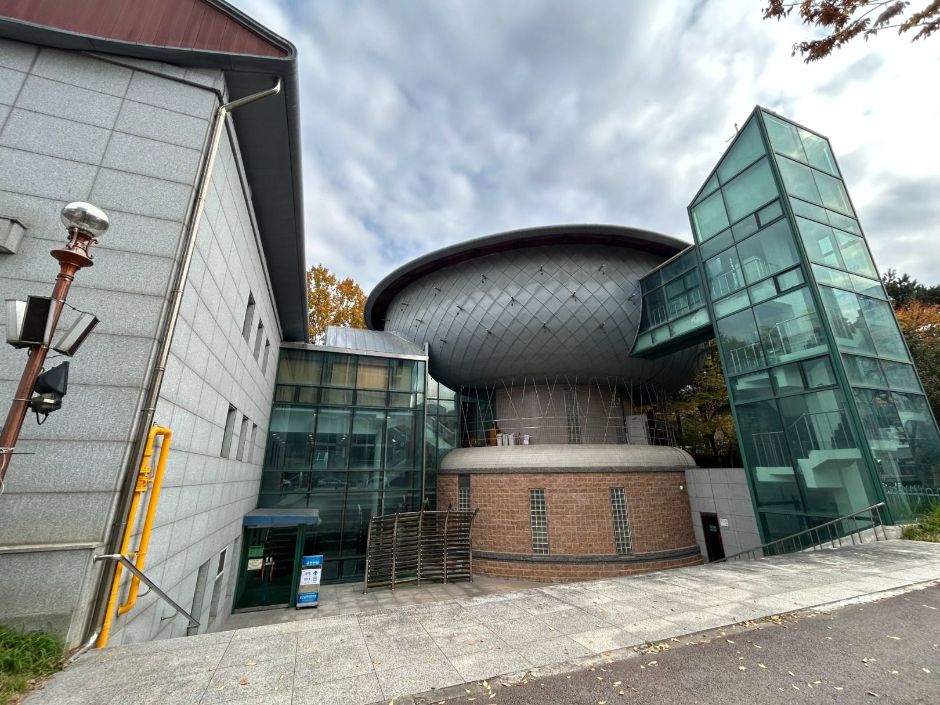
Bitgoeul Korea Traditional Classical Music Instruction Hall (빛고을국악전수관)
182 Punggeum-ro, Seo-gu, Gwangju
Bitgoeul Korea Traditional Classical Music Instruction Hall offers various programs throughout the year. Since 2002, classes on traditional instruments are available, as well as separate children gugak classes. Special exhibition on the second floor has various instruments that visitors can actually try. The permanent exhibition on the third floor has 45 different gugak instruments as well as videos to further provide detailed information. The main area is the performance hall on B1-B2F, with 137 seats, that offers performances every Thursday for free from traditional gugak to fusion music.
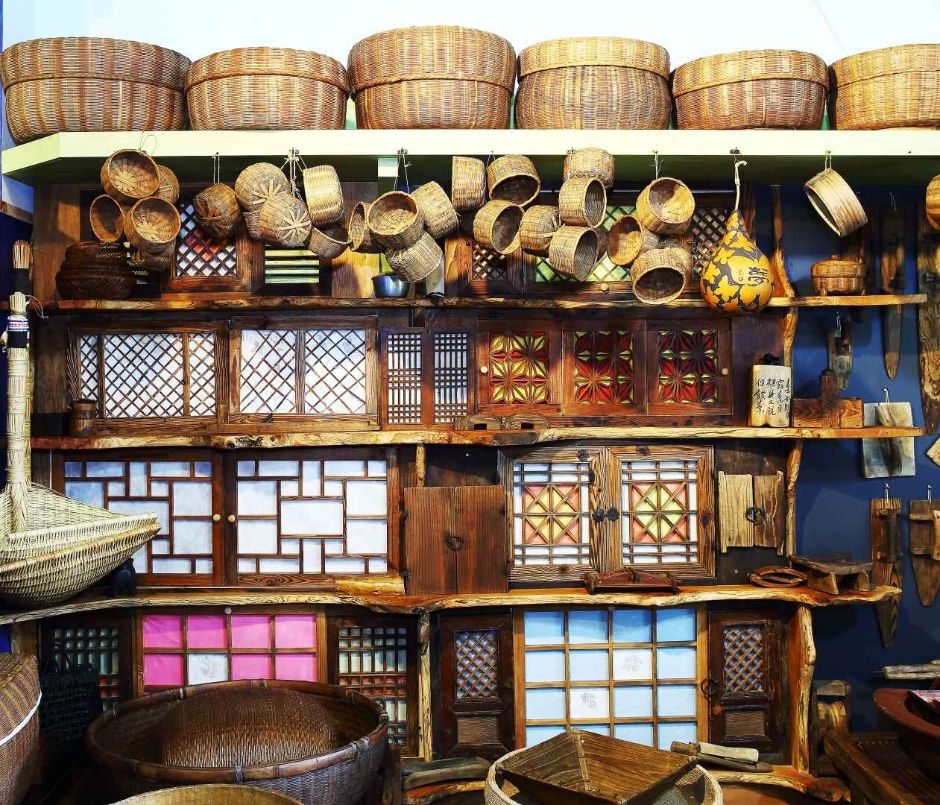
Bium Museum (비움박물관)
143-1 Jebong-ro, Dong-gu, Gwangju
Opened in 2016, the Bium Museum is a folk museum showcasing around 30 thousand Korean modern and traditional artifacts collected by Lee Young-hwa for about 50 years. The art pieces portray the life of poor commoners in the agricultural era before Korea went through industrialization, allowing visitors to get a glimpse of the adaptability and resilience of people in hard times.
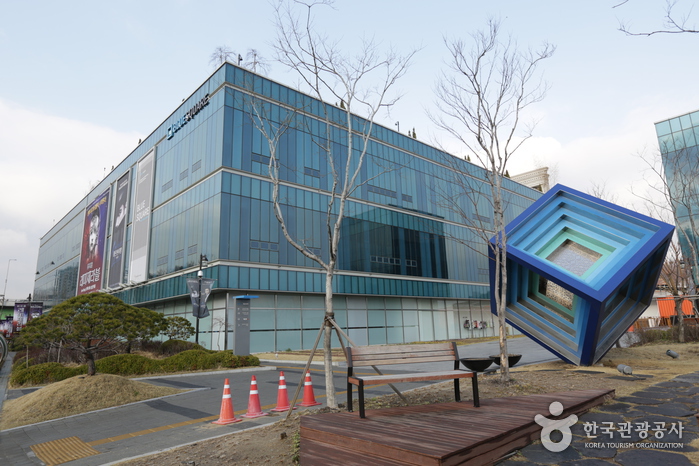
Blue Square (블루스퀘어)
294, Itaewon-ro, Yongsan-gu, Seoul
Blue Square is a multipurpose performance venue located in Hannam-dong. It includes Shinhan Card Hall, a performance hall dedicated to musicals with 1,776 seats, and Mastercard Hall, a multipurpose performance hall with 1,400 seats. Blue Square also includes the Book Park, which has a collection of nearly 75,000 books, and a café with a terrace that looks toward the Namsan Mountain. Many visitors come to the Blue Square to see its collection of popular musicals and other performances.
Boan1942 (보안1942)
33 , Hyoja-ro, Jongno-gu, Seoul
Prior to becoming an art space in 2007, Tongui-dong Boan served as a place for rest for travelers from 1942 to 2005. After a short suspension, the place was renovated into a cultural space in 2017 to carry on the historical legacy and provide creative inspiration under the concept of "Boanstay." Boan1942 is divided into a cultural space consisting of a cafe, project workshop, book shop, and exhibition area, and Boanstay on the 3rd and 4th floors that offer temporary lodging services to the cultural nomads. Located in Seochon, the center of culture, history, and convenient traffic in Seoul, Boanstay offers a splendid view of Seoul's historical and cultural assets such as Gyeongbokgung Palace, Cheong Wa Dae, and Seochon Hanok Village. <Credit: Boanstay>
Bongsan Cultural Center (봉산문화회관)
77, Bongsanmunhwa-gil, Jung-gu, Daegu
Bongsan Cultural Center is a comprehensive culture and arts complex located on Bongsan Culture Street in downtown Daegu. The center serves to provide cultural entertainment to the community as well as contribute to the development of traditional culture and local art. The center also provides opportunities for the public to participate in well-being recreational activities and acquire life-long education related to culture and arts. The center has five modern exhibition halls (Exhibition Hall No. 1-4 and Art Space) and two performance halls (Gaon Hall with 442 seats and Space Raon with 90 seats). As the center is located near Banwoldang Station (Daegu Subway Line 1), it is easily accessible by public transportation.
Bucheon Bow Museum (부천활박물관)
482, Sosa-ro, Bucheon-si, Gyeonggi-do
Reflected by the outstanding performance of Korean archers at recent Olympic games, Koreans have an esteemed reputation for their skills in archery and craftsmanship. But this undoubted skill has historical precedent, as bows were an important weapon of war throughout Korean history. The Bucheon Bow Museum was established to show visitors the spirit of Korean archery, and demonstrate its ancestral traditions of bowyer craftsmanship. The museum houses traditional bows (gukgung), which are considered prized cultural pieces, and have been made by a Bucheon family, which has fostered a lineage of bowyers across five generations. In addition, the museum exhibits various pieces and articles related to archery.

Bukchon Museum (북촌생활사박물관)
90 Bukchon-ro 5na-gil, Jongno-gu, Seoul
The Bukchon Museum displays items that have been collected from Bukchon, a historical village that was once home to the nation’s nobility. The museum was founded to observe urban development that took place in the recent decades through collected and preserved veryday household items that were used by Bukchon residents. Visitors are even allowed to touch items on display to better be able to imagine life in Korea before industrialization.
Bunker des Lumières (빛의 벙커)
2039-22, Goseong-ri, Seogwipo-si, Jeju-do
An old bunker, which had once been a state-owned key communications facility, was reborn as Bunker des Lumières after being sold to a private group in 2012. Bunker des Lumières is an immersive media art project formed with the concept of art regeneration that integrates art, technology and music. Masterpieces of world-famous artists like Gustav Klimt and Vincent van Gogh are presented through projection mapping technology as a new way to approach and enjoy art. Immersive media art provides the experience of being not only visually but also synaesthetically immersed in art, thus helping the audience to easily understand and enjoy various artworks. Fast-paced videos backed up with magnificent music are also an element that cannot be left out of immersive media art. The venue turned a neglected space into an exhibit so it also serves the function of urban regeneration. It is exciting to peruse an artist's life and their world of art through a film-like video.
Busan Cultural Center (부산문화회관)
1, UN pyeonghwa-ro 76beon-gil, Nam-gu, Busan (Daeyeon-dong)
Busan Cultural Center began construction in October 1983 and finished constructing three halls in 1993. In April 2010, the cultural center underwent renovations and reopend in October. The architecture format used traditional Korean houses with a large, medium, and small halls. Large gates and walls were removed to allow easy access. The roof used concrete slabs to recreate traditional patterns and the exterior walls are made of granite stone.
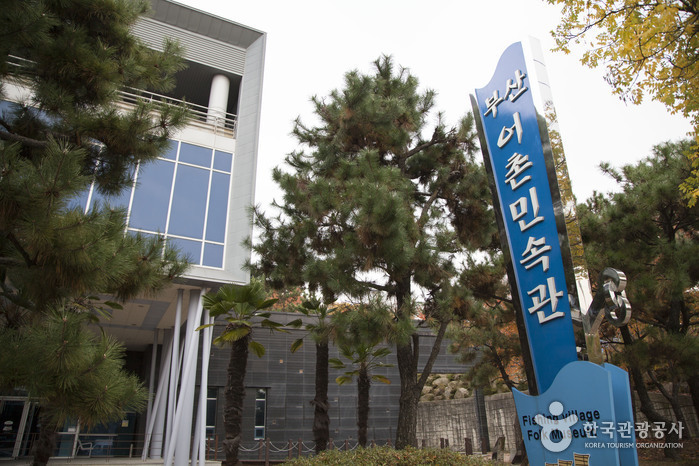
Busan Fishing Village Folk Museum (부산어촌민속관)
128, Haksa-ro, Buk-gu, Busan
Opened on February 23, 2007 as a branch museum of Busan Marine Natural History Museum, Busan Fishing Village Folk Museum displays cultural artifacts and materials related to the tradition, history and folklore of Busan's fishing culture and development. Designed with the theme of "Fishing Village Trip from the River to the Sea," the exhibition halls are divided into Nakdonggang River Fishing Village Folk Hall and Busan Fishing Village Folk Hall.
Busan Modern & Contemporary History Museum - Main Building (부산근현대역사관 본관)
112 Daecheong-ro, Jung-gu, Busan
Busan Modern & Contemporary Museum showcases the evolving identity of Busan through various exhibitions and programs. Housed in the former Bank of Korea Headquarters building, the museum's main building is a first-generation Korean architectural building. It features exhibitions and performances by young artists on the basement floor, and houses the Bank of Korea archive room, a café, a lounge and a gift shop on the first floor. The second floor is dedicated to special exhibitions, while the third and fourth floors offer educational spaces and historical exhibitions that trace Busan’s changing identity from the turbulent colonial period to the present day, offering visitors a meaningful glimpse into modern Korean history.

Busan Museum (부산박물관)
63 UN pyeonghwa-ro, Nam-gu, Busan
Busan Museum was founded on July 11, 1978 to collect, preserve, display, and research the cultural hertiage of Busan. The museum houses 45,000 artifacts, displaying just 1,300 through regular exhibition rooms. The museum underwent a remodeling project in 2002 along with the opening of Exhibition Hall 2 to expand to ten permanent exhibition rooms, as well as a planned exhibition space, heritage research room, experience hall, lecture hall, and more. The museum aims to provide more extensive research into uncovering historical artifacts, and provide educational programs to visitors.
Busan Museum of Art (부산시립미술관)
58, APEC-ro, Haeundae-gu, Busan
Busan Museum of Art opened on March 20, 1998, with the aim of providing a space to showcase the fantastic creativity of modern artwork and increase the artistic minds of the general public. The museum displays exhibitions in many genres, as well as running various educational programs. The museum consists of five floors, offering exhibition halls, archives, educational rooms, and an outdoor sculpture park. One of the museum's main events is the biennale art festival, taking place in even numbered years. Other events include planned exhibitions, invited international artists, and more.
Busan National Science Museum (국립부산과학관)
59 Dongbusangwangwang 6-ro, Gijang-gun, Busan
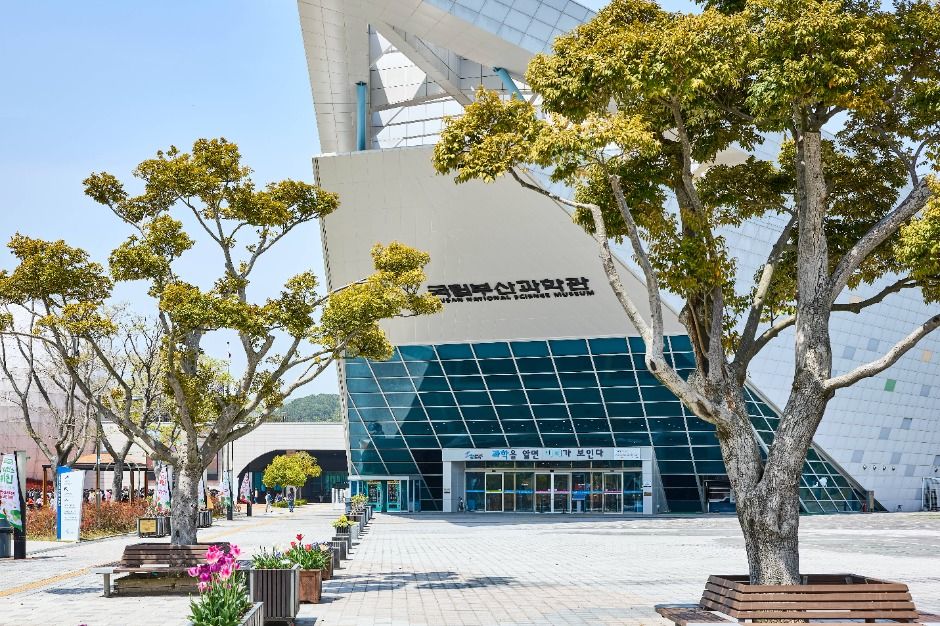
Busan National Science Museum was established to promote the wonders of science and provide visitors with an opportunity to enjoy everything science has to offer. Themed exhibitions related to vehicles, spaceships, and energy development led by the cities of Busan, Ulsan, and Gyeongsangnam-do are available. The museum aims to promote a further understanding of science.
Buyeo National Museum (국립부여박물관)
5, Geumseong-ro, Buyeo-gun, Chungcheongnam-do
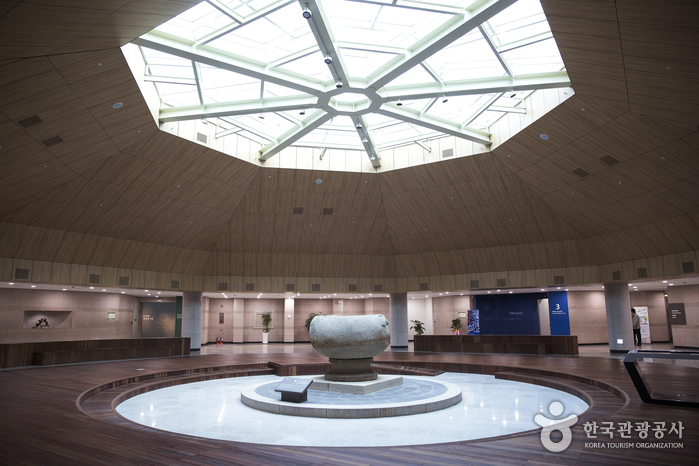
Buyeo National Museum was first established by the Buyeo Preservation Society in 1929 as a collection of relics and artifacts related to the Baekje kingdom. This collection was on display at a government building from the Joseon dynasty until 1970, when a new building was erected on the southern foothills of Busosan Mountain. It moved again on August 6, 1993 to the current location. The museum has four exhibition halls and an outdoor exhibit with a total of about 1,000 relics on display.

Byeokbong Korea Jewelry Museum (벽봉한국장신구박물관)
48-38 Heyrimaeul-gil, Paju-si, Gyeonggi-do
Byeokbong Korea Jewelry Museum was founded by Kim Young-hee, a master in jade jewelry, Gyeonggi-do Intangible Culture. The museum is dedicated to displaying and promoting the jewelry worn by royalty during the Joseon dynasty. Visitors can learn about the various styles and the meanings behind the designs.
Plan your Korea trip
Korea travel FAQ
How do I use the travel search?
Enter a place or interest, then narrow the results by region, category or sort order.
Will my filters stay selected on the next page?
Yes. Your search and filter choices stay in the page URL while you move through the results.
Can I find directions to each place?
Place pages include an external Google Maps search when coordinates or an address are available.
Source: Korea Tourism Organization, official website (https://knto.or.kr).