TRAVEL IN KOREA
Korea Places to Visit
Find attractions, culture, festivals, stays, restaurants, shopping and travel courses for a clear Korea trip plan.
Data last synced: 2026-06-25. Some details may change. Please confirm official information before visiting.
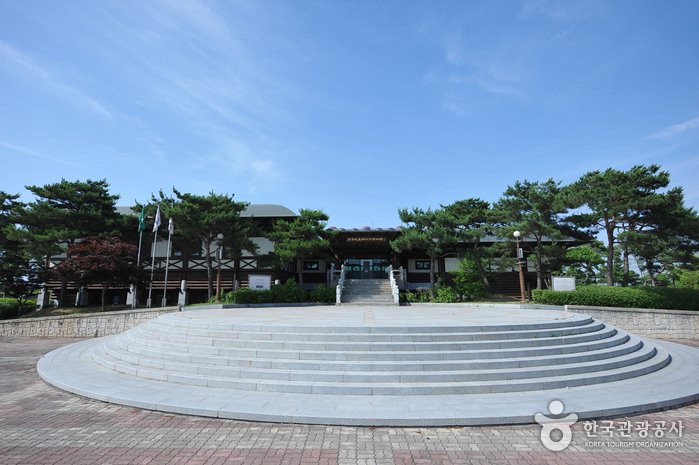
Byeokgolje Museum of Agricultural Culture (벽골제 농경문화 박물관)
442, Byeokgolje-ro, Gimje-si, Jeonbuk-do
The largest irrigation facility in Korea, Byeokgolje Reservoir (Historic Site) is considered the birthplace of Korea’s rice-farming culture. All that remains of the reservoir today are a three-kilometer long embankment that spans from Sinyong-ri to Wolseung-ri in Buryang-myeon, Gimje-si and a monument that was erected in 1415. The Byeokgolje Museum of Agricultural Culture exhibits around 250 artifacts related to rice farming; located within the same complex is an experience center where visitors can discover many properties of irrigation facilities first-hand.

C Art Museum (Art Museum in Forest) (C아트뮤지엄(숲속의 미술공원))
57-13 Darakgeuni-gil, Yangdong-myeon, Yangpyeong-gun, Gyeonggi-do
C Art Museum is a sculpture park and an art museum established by sculptor Chung Kwan-mo in 2005. The C in C Art Museum stands for "Contemporary," "Creativity," "Christianity," and "Chung," the founder's name. The art museum includes exhibition halls, memorial halls, an education hall, and a material hall. The sculpture park's highlight is Jesus Hill, along with numerous sculptures that harmoniously blend with the surrounding nature.
Ceramic Palace Hall (세라믹 팔레스 홀)
90 Irwon-ro, Gangnam-gu, Seoul
Ceramic Palace Hall, situated on the second basement floor of the Milal Art Center, is adorned with aesthetically pleasing pastel-colored ceramic walls. Designed for acoustic excellence, it ensures that every instrument played is heard with clarity. Primarily, it serves as a venue for various concerts, with a particular emphasis on classical music, including piano recitals, chamber music festivals, and violin concerts. Additionally, it offers venue rental services, catering to a range of events.
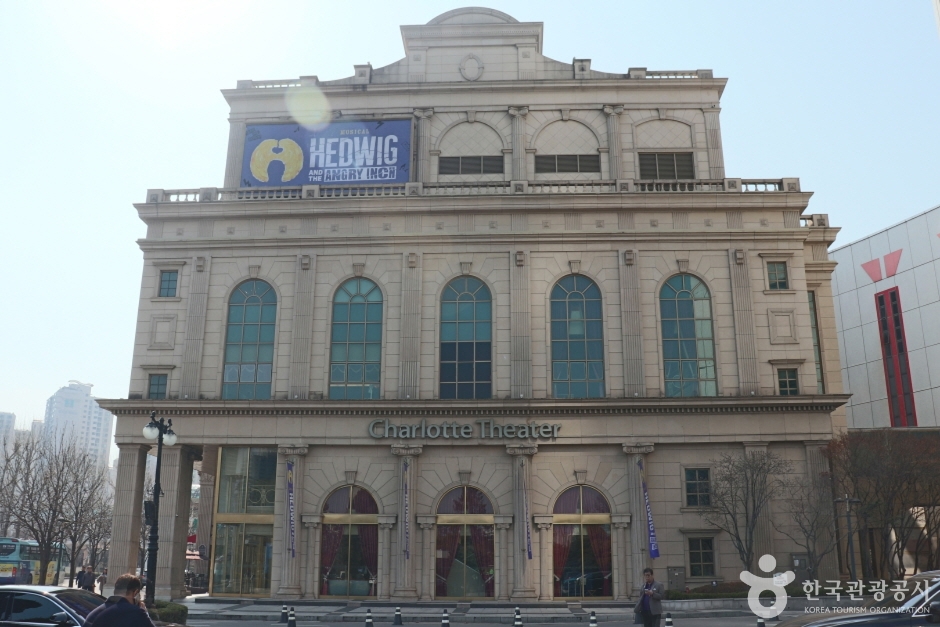
Charlotte Theater (샤롯데씨어터)
240 Olympic-ro, Songpa-gu, Seoul
The Charlotte Theater, located near Lotte Tower in Jamsil, features an elegant and luxurious interior and exterior reminiscent of medieval Europe, providing a sophisticated setting for musical performances. With a short distance between the stage and the audience, spectators can vividly experience the actors' performances up close. It hosts productions such as The Phantom of the Opera and Jekyll & Hyde.
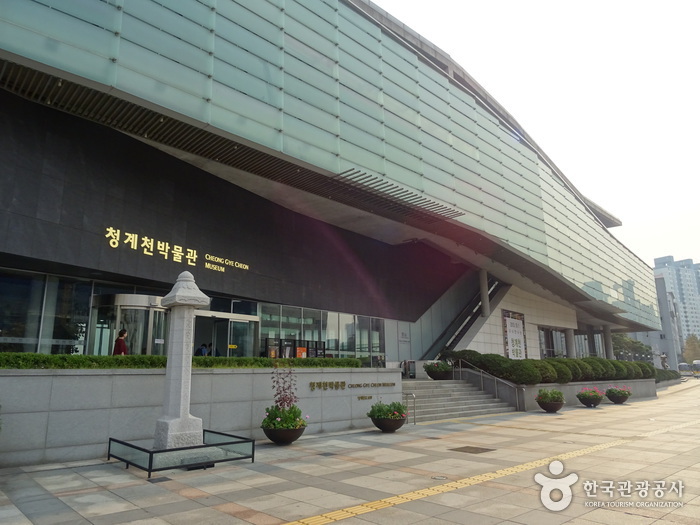
Cheonggyecheon Museum (청계천박물관)
530, Cheonggyecheon-ro, Seongdong-gu, Seoul
Cheonggyecheon Museum officially opened in October 2005. The museum’s long, glass exterior represents the flowing waters of Cheonggyecheon Stream, which runs through the heart of Seoul. The museum has a permanent exhibition hall, special exhibition hall, educational hall, and an auditorium. The museum contains visual representations of Seoul before and after the transition of Cheonggyecheon Stream. The permanent exhibition hall was remodeled in October 2015, and now offers even more ways to view the history of Seoul as shaped by Cheonggyecheon Stream.

Cheongju Arts Center (청주예술의전당)
69 Heungdeok-ro, Seowon-gu, Cheongju-si, Chungcheongbuk-do
The Cheongju Arts Center hosts a wide range of cultural events for both residents and visitors, covering diverse genres and themes such as opera, ballet, musicals, symposia, and more. The center features a large and a small performance hall, large and small exhibition rooms, and a large conference room, along with convenient facilities such as a children’s playroom.
Cheongju Early Printing Museum(청주고인쇄박물관)
713, Jikji-daero, Heungdeok-gu, Cheongju-si, Chungcheongbuk-do
The city of Cheongju, together with UNESCO, commemorates the inscription of "Jikji" onto the UNESCO Memory of the World Register and presents the UNESCO/Jikji Memory of the World Prize to individuals and organizations that have made significant contributions to the preservation and utilization of the UNESCO Memory of the World, thereby promoting the great cultural heritage of Cheongju, the birthplace of movable metal type, and Korea in general. “Jikji,” or Jikji Simche Yojeol: Anthology of Great Buddhist Priests' Zen Teachings, is the oldest book in the world to be printed with movable metal type. The Exhibition Center for Modern and Contemporary Printing introduces how the history of Korean printing has developed, starting from the introduction of lead type at the end of the 19th Century to the present-day Korean printing technology and its future directions. It is a place where one can learn how the Korean printing culture came to be in modern times, and what directions it will take as the world moves forward. Printing experience classes for children, families, and adults are available. They are expected to assist the visitors in understanding modern and contemporary printing culture.
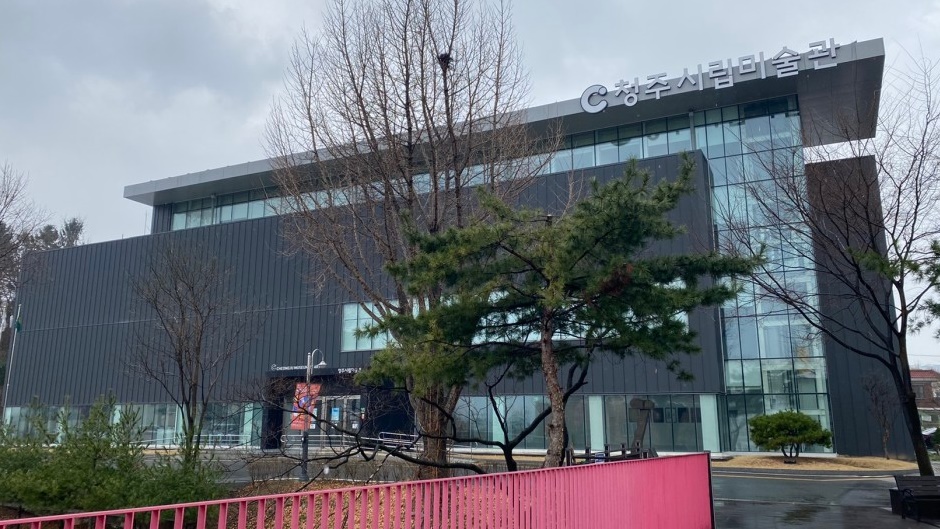
Cheongju Museum of Art (청주시립미술관)
50 Chungnyeol-ro 18beon-gil, Seowon-gu, Cheongju-si, Chungcheongbuk-do
As the cultural space representing Cheongju, Cheongju Museum of Art hosts art exhibitions, lectures, music performances, and more. It features eight exhibition halls, an immersive video experience center, a VR zone, an art shop, and a cafeteria. The space showcases works by artists engaged in experimental creative activities. It also offers a variety of programs, including modern art lectures, dance performances, concerts, and special exhibitions.

Cheongju National Museum (국립청주박물관)
143 Myeongam-ro, Sangdang-gu, Cheongju-si, Chungcheongbuk-do
Cheongju National Museum, opened in 1987, collects and preserves national cultural treasures. The museum holds more than 42,000 artifacts with approximately 1,200 pieces on display. The museum has exhibition halls, outdoor exhibition hall, children’s museum and more, displaying artifacts from the Old Stone Age to the Joseon period. The special exhibition hall holds themed exhibitions every spring and fall.
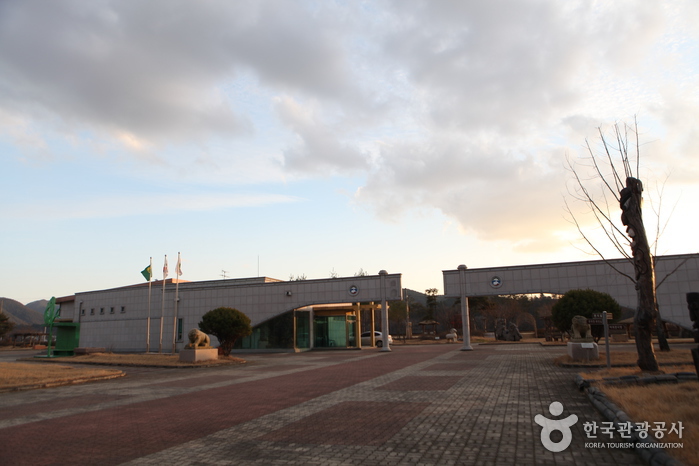
Cheongsong Folk Museum (청송민속박물관)
222, Juwangsan-ro, Cheongsong-gun, Gyeongsangbuk-do
Cheongsong Folk Museum was opened in 1999 to promote the history, culture, and customs of the region. The three-story museum offers indoor & outdoor exhibition halls. The indoor exhibition halls showcase educational materials related to farming and the customs of Cheongsong. Exhibitions - such as the Traditional Guest Room, Weaving Room, Items of Everyday Use, and Cheongsong Porcelain - offer glimpses of how people lived in the past. The outdoor exhibition space reproduces a traditional tavern, waterwheel, millstone operated by a horse or ox, monument to ward off misfortunes and protect prosperity, and natural stones used for worship, with which visitors can experience farm life in the past.
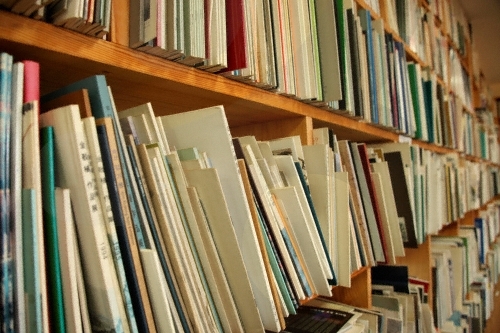
Cheongsong Yasong Art Gallery (군립 청송야송미술관)
5162, Gyeongdong-ro, Cheongsong-gun, Gyeongsangbuk-do
The Cheongsong Yasong Art Gallery opened on April 29, 2005. The art gallery exhibits 350 Korean paintings and pottery works of Yasong Lee Won-jwa, who is a traditional Korean painter native to Cheongsong. Also on display are around 50 works of noted painters and sculptors from in and out of Korea, and over 10,000 art books, all of which have been donated to the gallery. The two-story building was formerly Sinchon Primary School, which was remodeled into an art gallery after its closure.
Cheongun Literature Library (청운문학도서관)
40 , Jahamun-ro 36-gil, Jongno-gu, Seoul
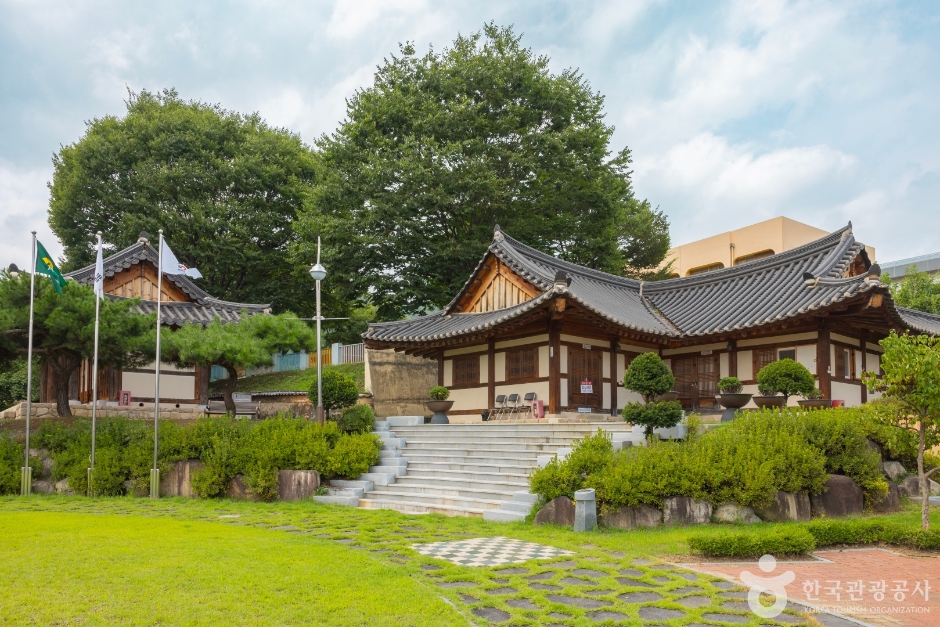
Cheongun Literature Library is located at the foot of Inwangsan Mountain and can be reached by following the mountain's walking trail starting from Changuimun Gate along the fortress wall. This public hanok library is designed in consideration of the sloped topography and the natural scenery of Inwangsan Mountain. The library consists of two floors: an underground floor and a ground floor. While the ground floor is designed as a traditional hanok, the underground floor is made of concrete to support the hanok building and the spacious outdoor yard. By implementing the natural slope in the library's design, the underground southern entrance is exposed, allowing sunlight to enter. The underground floor features a wide collection of books while the ground floor serves as a place for reading. The natural environment surrounding the library adds to the hanok building's traditional and peaceful charms.
Cheongungak Hall (청운각)
35 Cheongun-ro, Mungyeong-si, Gyeongsangbuk-do
Cheongungak Hall was the living quarters for President Park Chung Hee from 1937 to 1940 while he was working as an elementary school teacher. After becoming president, he would often visit the hall when there were events in the area of Mungyeong. Cheongungak Hall was built in 1928 and is a prime example of 20th century architecture. Currently the hall serves as an exhibition space for photos of the president and items he used during his time here.
Cheongwadae Sarangchae (청와대사랑채)
45 Hyoja-ro 13-gil, Jongno-gu, Seoul
Cheongwadae Sarangchae is an “open cultural space” for everyone. Throughout the facility, travel library-themed spaces and tourism-related exhibitions are set up providing distinctive experiences for visitors interested in learning more about Korea. By exploring Cheongwadae Sarangchae and its surroundings, visitors can expand their discovery and get a deeper insight as they travel Korea. Cheongwadae Sarangchae consists of exhbition halls on the first and second floors, with convenient amenities such as a nursing room, storage lockers, accessible restrooms, a gift shop, and a cafe.
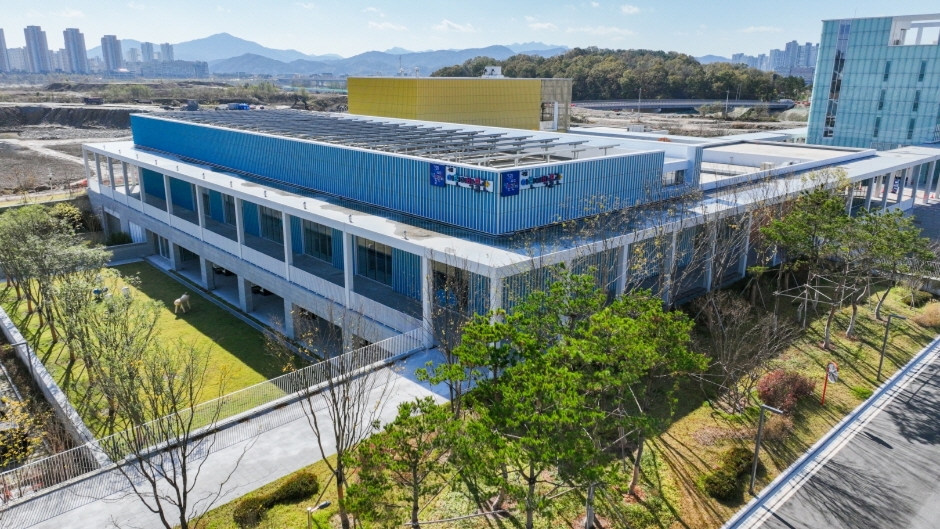
Children's Museum (국립어린이박물관)
130 Eoulluri-ro, Sejong-si
The Children's Museum combines education and fun through interactive exhibition halls and a relaxing lounge area. Visitors can explore tools used by humans, enjoy tactile play in an artificial forest, navigate underground facilities, and design public buildings. They can also participate in activities like traditional Korean painting games using digital devices and space travel through media art. Additional programs include creating plant kits or pressed flower lamps, as well as science and art fusion workshops.
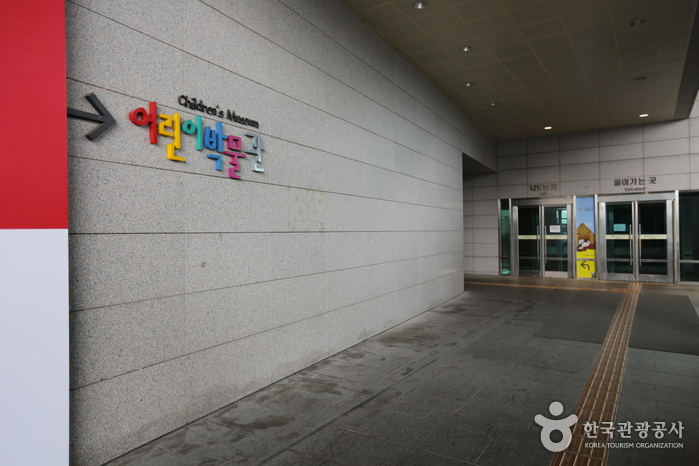
Childrens Museum of the National Museum of Korea (국립중앙박물관 어린이박물관)
137, Seobinggo-ro, Yongsan-gu, Seoul
The Children’s Museum of the National Museum of Korea is an experience-oriented museum where children can see, touch, and feel history through hands-on programs and games. The permanent exhibition hall displays replicas of historical items so children can learn about Korea’s cultural heritage in a fun and interactive way. Children can also experience the lifestyle and wisdom of the past through experience programs.
Plan your Korea trip
Korea travel FAQ
How do I use the travel search?
Enter a place or interest, then narrow the results by region, category or sort order.
Will my filters stay selected on the next page?
Yes. Your search and filter choices stay in the page URL while you move through the results.
Can I find directions to each place?
Place pages include an external Google Maps search when coordinates or an address are available.
Source: Korea Tourism Organization, official website (https://knto.or.kr).