TRAVEL IN KOREA
Korea Places to Visit
Find attractions, culture, festivals, stays, restaurants, shopping and travel courses for a clear Korea trip plan.
Data last synced: 2026-06-25. Some details may change. Please confirm official information before visiting.
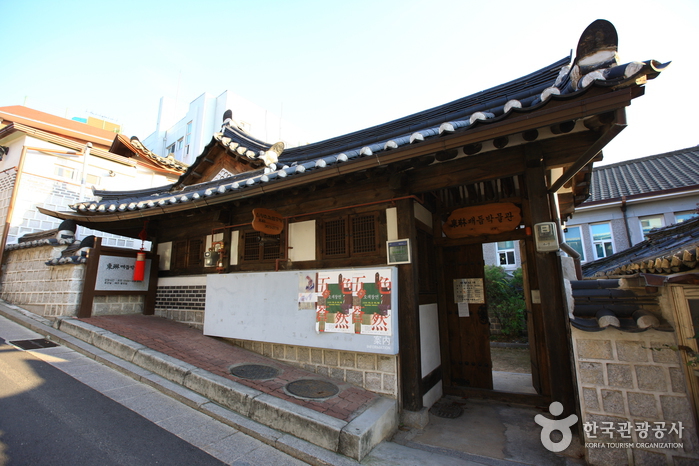
Dong-Lim Knot Museum (동림매듭박물관)
10, Bukchon-ro 12-gil, Jongno-gu, Seoul
Opened in April 2004, Dong-Lim Knot Museum exhibits a variety of decorative traditional Korean maedeup (knots): norigae for hanbok, belts, pouches, as well as materials like thread, cord, and accessories. Housed in a hanok, a traditional Korean house, the gallery has a variety of exhibits, including old and new artwork, and creations that reflect modern trends.
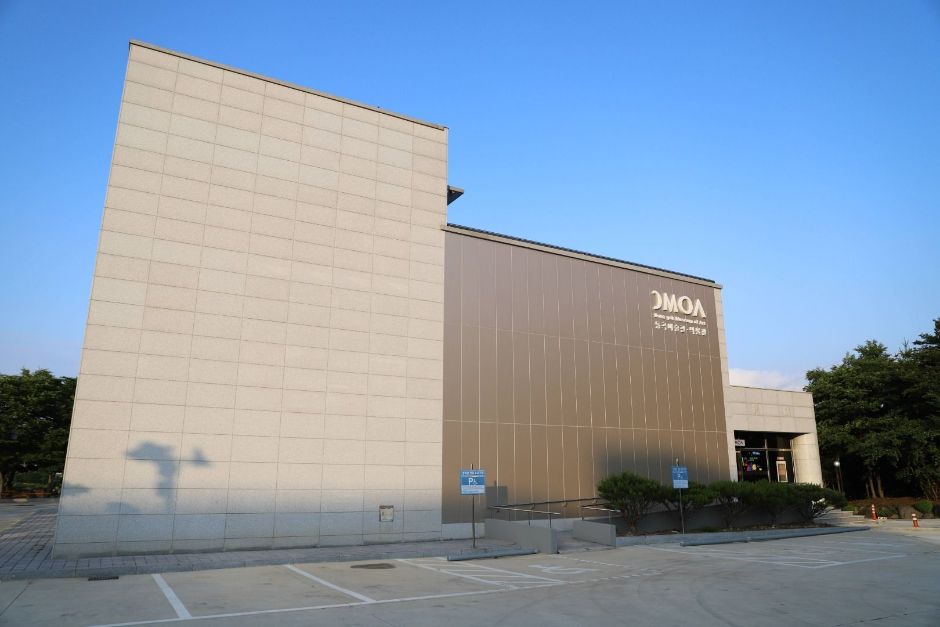
Donggok Museum of Art (동곡미술관)
37 Eodeung-daero 529beon-gil, Gwangsan-gu, Gwangju
Donggok Museum of Art, opened in December 2020, a two-story building has exhibition halls, educational rooms, a sculpture park and more. There are rest areas to relax after enjoying arts, as well as spaces for visitors to find their creativity.
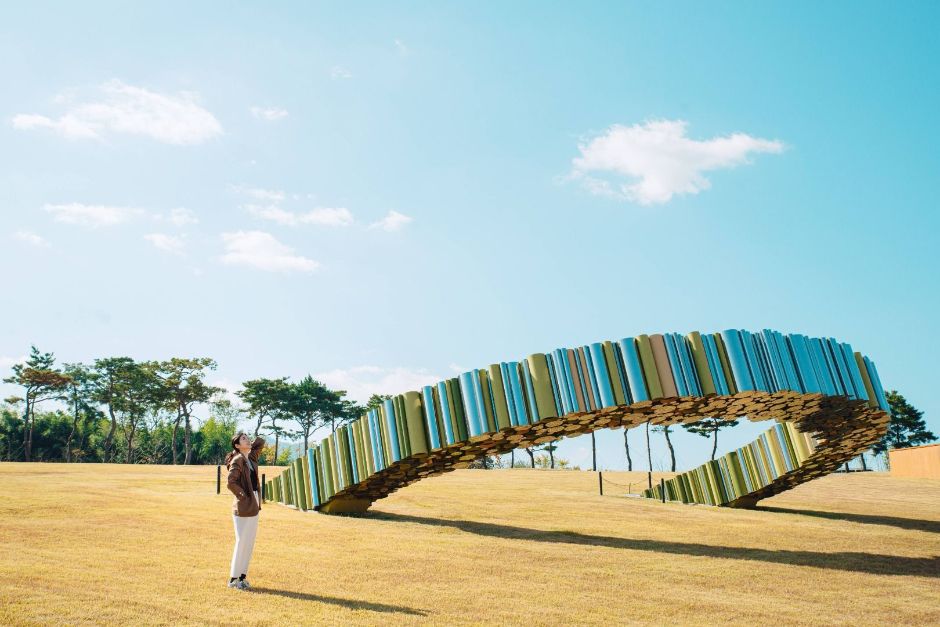
Donghak Peasants Revolution Memorial Hall (동학농민혁명기념관)
742 Donghak-ro, Jeongeup-si, Jeonbuk-do
The Donghak Peasants Revolution Memorial Hall was founded to commemorate the peasants who rose up against corrupt public officials in 1894. The hall presents various educational programs and events. The hall is divided into an exhibition hall and an educaitonal hall.
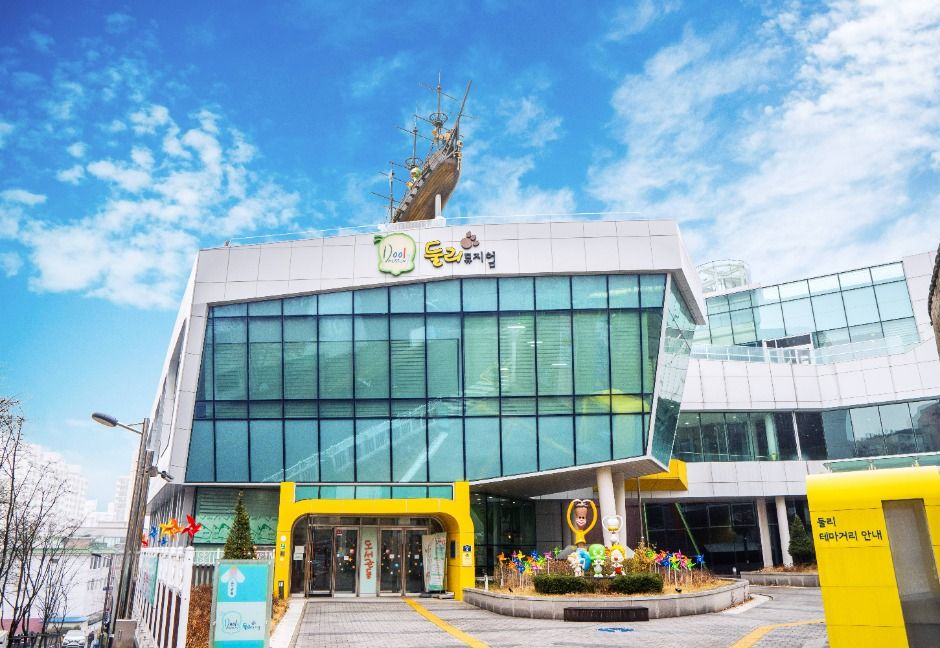
Dooly Museum (둘리뮤지엄)
6 Sirubong-ro 1-gil, Dobong-gu, Seoul
Dooly Museum is Korea's first museum to be dedicated to a single character. The museum is dedicated to Dooly, the main character from the Korean cartoon series "Dooly the Little Dinosaur." The cartoon was published as a series on a comic magazine called "Bomulseom" from 1983 to 1993, following Dooly's adventure that begins from his arrival to Ssangmun-dong inside a glacier from the Ice Age. Inspired by the series, this interactive museum was founded in Ssangmun-dong and explores the value and meaning of the hit series through the expansion of its works such as the animation series, character merch, and other media sources.
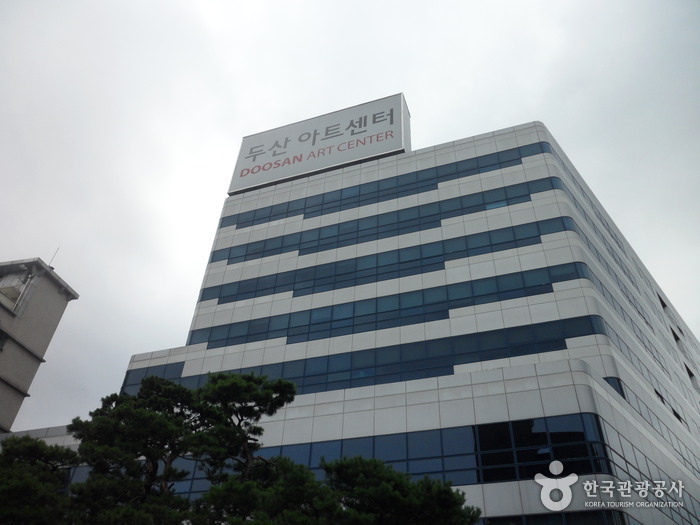
Doosan Art Center (두산아트센터)
15, Jong-ro 33-gil, Jongno-gu, Seoul
Doosan Art Center, which opened on October 1, 2007, is structured around three different spaces: The Yonkang Hall, exclusively designed for musical performances, Space 111, a “space for art incubation,” and the Doosan Gallery, built for installations. The Yongang Hall, a theater with 620-person seating capacity, has specially designed lightings and a world-class audio-visual system to provide a second-to-none sensory experience. Space 111 can accommodate a broad range of performing arts, from theater and dance to film and music concerts. The Doosan Gallery is open to the public, and art exhibitions and performances here can be enjoyed free of charge. All three theaters include spacious lobbies with handicapped access, designated seating for parents with infants, and meeting areas. Rest rooms are also available nearby, in order to avoid long queues and long walks during intermission.

Dosan Ahn Changho Memorial Hall (도산안창호 기념관)
20 Dosan-daero 45-gil, Gangnam-gu, Seoul
Dosan Ahn Changho Memorial Hall was established for the purpose of sharing the mind and spirit of Ahn Chang-ho. Ahn Chang-ho, penname Dosan, was an independence movement activist who dedicated sixty years of his life to both modernize and free his country. He was a great leader and mentor to the Korean people. The Dosan Ahn Changho Memorial Hall was built to express the strenuous efforts, loyalty and bravery he demonstrated during his life in hopes for a better future. This memorial hall hopes to inspire patrons with the same direction and passion in life that Dosan had for Korea and humanity.
Dosol Museum (Hanok Gallery Cafe) (한옥카페 갤러리도솔)
52-71 Gilsang-ro 210beon-gil, Gilsang-myeon, Ganghwa-gun, Incheon
Located on Ganghwado Island, Incheon, the museum is housed in a traditional hanok building with a café. Adorned with pine trees, it offers a relaxing space where visitors can enjoy traditional Korean desserts and drinks on the menu. In addition, it also offers various hands-on experience programs, such as mug-making.
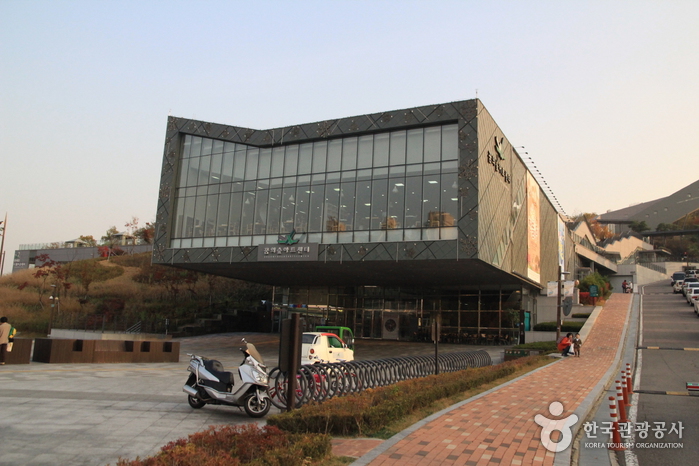
Dream Forest Art Center (꿈의숲 아트센터)
173, Wolgye-ro, Gangbuk-gu, Seoul <br>(Beon-dong)
Dream Forest Art Center, located in Gangbuk, Seoul, is operated by the Sejong Center for the Performing Arts. Composed of two performance venues (Performance Hall and Concert Hall), alongside with Sang Sang Tok Tok Art Gallery and Dream Gallery, there are also a Chinese restaurant, cafe and an observatory deck available for all visitors to enjoy.
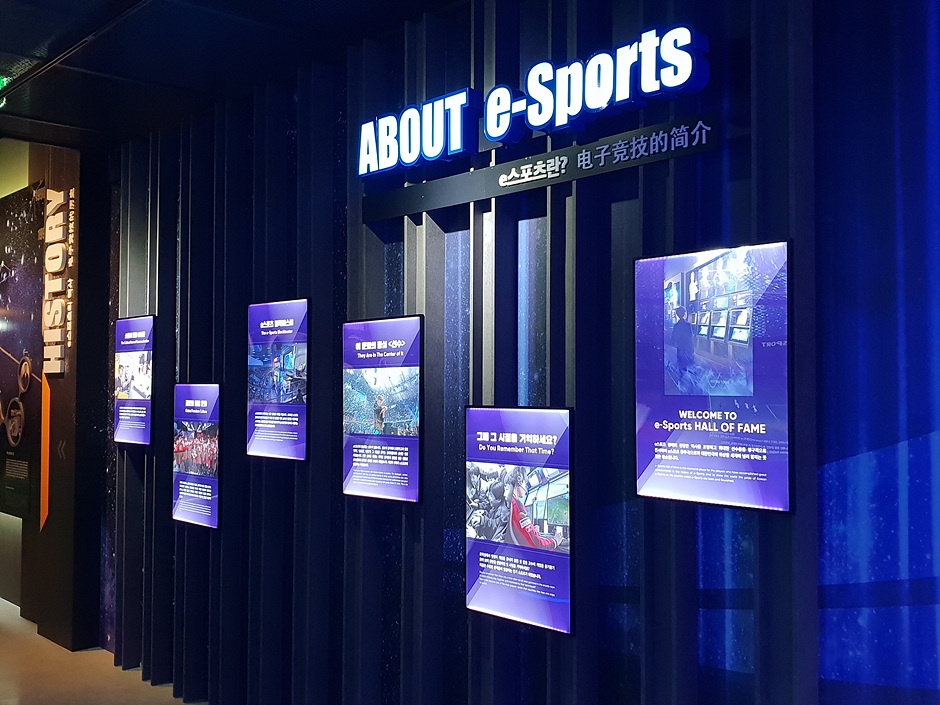
e-Sports Hall of Fame (e스포츠 명예의 전당)
31 Maebongsan-ro, Mapo-gu, Seoul
The e-Sports Hall of Fame is operated by the Ministry of Culture, Sports and Tourism and the Korea e-Sports Association to exhibit and honor the esports athletes who have made history for their amazing skills, making Korea synonymous with esports. Visitors can see the athletes' uniforms, gaming materials, trophies, and more, as well as try their hand at playing famous esports games firsthand.
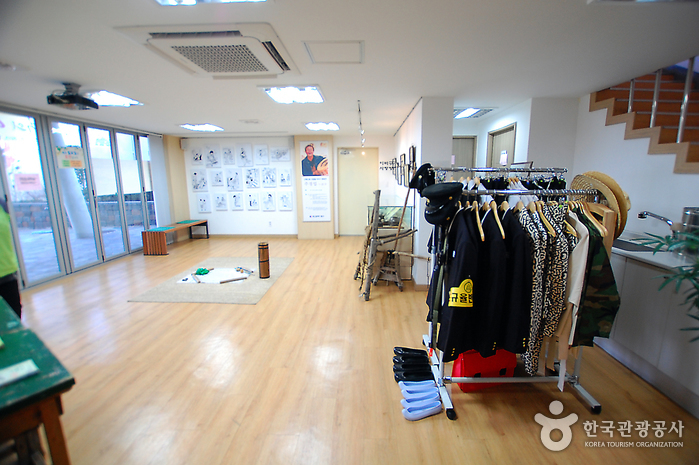
Ebagu Crafts Workshop (이바구공작소)
14-13, Mangyang-ro 486beon-gil, Dong-gu, Busan
Ebagu Crafts Workshop was created as part of an urban regeneration project centered along Sanbok Road. The workshop serves as an archive center for the stories of local residents in Sanbok Road, and a new planned exhibition is held every two months. Personal collections, as well as the history of locals living in this district are well preserved, creating a warehouse of cultural resources for the future. * Opening Date: March 6, 2013
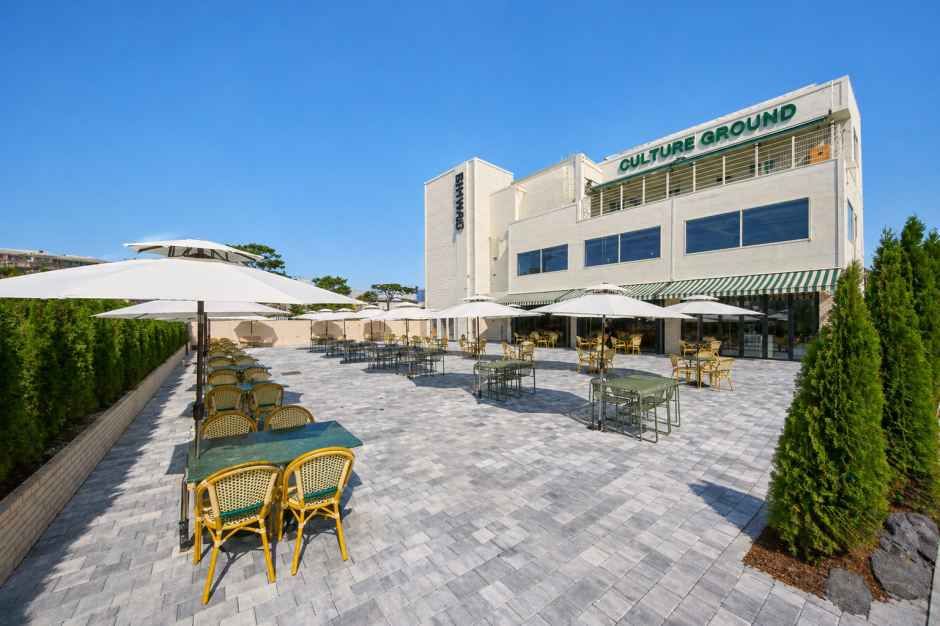
Eihwaz (아이와즈)
71 Sangwan-gil, Gwangsan-gu, Gwangju
Eihwaz, located in Gwangju Metropolitan City, is a multi-cultural space inspired by a European sensibility and centered on the theme of “the most beautiful moments in life.” The venue offers a range of curated spaces and programs, providing diverse experiences for visitors alongside facilities suitable for various purposes. Designed for flexible and organic use, the space accommodates a wide range of purposes, including brand showcases, corporate training sessions, and trendy pop-up stores. With its unique concept and versatile facilities, Eihwaz stands out as a distinctive venue in Gwangju, offering an exotic and immersive leisure experience within the city.
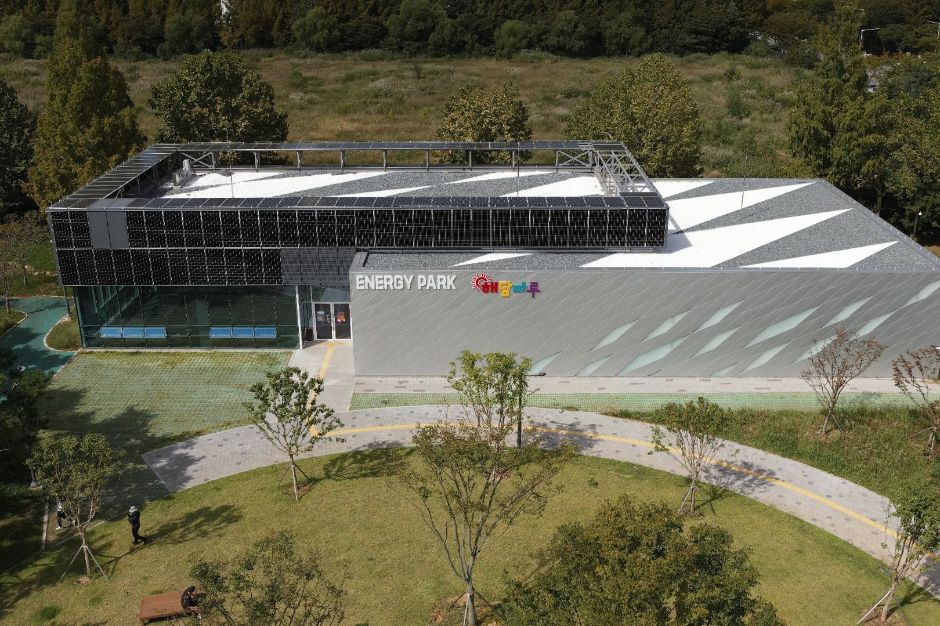
Energy Park Haedammaru (광주에너지파크 해담마루)
131 Sangmugongwon-ro, Seo-gu, Gwangju
Energy Park Haedammaru opened in September 28, 2021, to educate visitors on the importance of energy. By exhibiting new and renewable energy, as well as different experience programs, visitors are able to understand the importance of energy usage and how to save more energy in daily life.
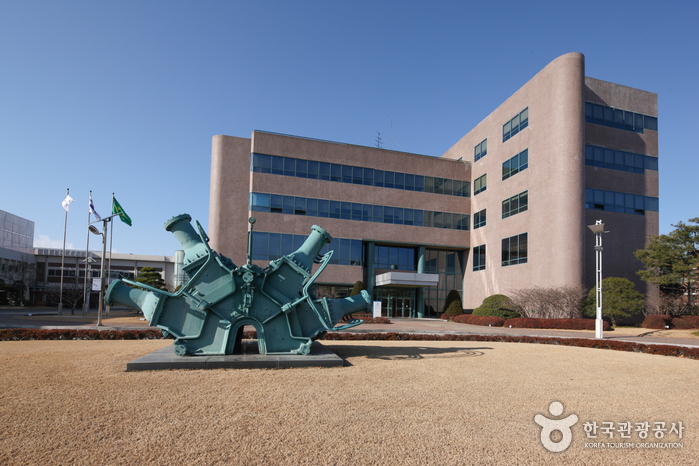
eonju Hanji Museum (전주한지박물관)
59, Palbok-ro, Deokjin-gu, Jeonju-si, Jeonbuk-do
Jeonju Hanji Museum was founded to promote the excellence of hanji (traditional Korean paper) and present how it has impacted the lifestyle of Koreans in the past and the present. Hanji crafts, tools for making Hanji, ancient manuscripts and books are on display, and there is a museum shop where visitors can buy souvenirs to take home with them. Activities such as hanji making and woodblock printing are also part of the experience.
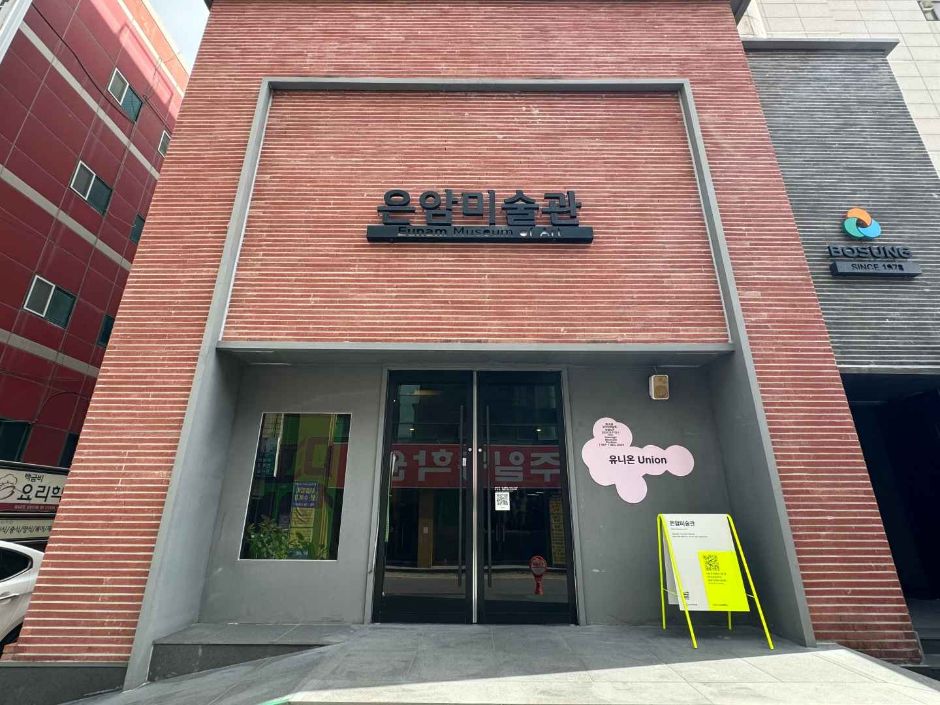
Eunam Museum of Art (은암미술관)
8-12 Seoseok-ro 85beon-gil, Dong-gu, Gwangju
Opened in 2010, the Eunam Museum of Art offers a range of exhibitions, including permanent exhibitions and invitational exhibitions, humanities lectures, and concerts, and provides a cultural space for people to connect. It also runs international exchange exhibitions and residency program inviting artists from the country and abroad.
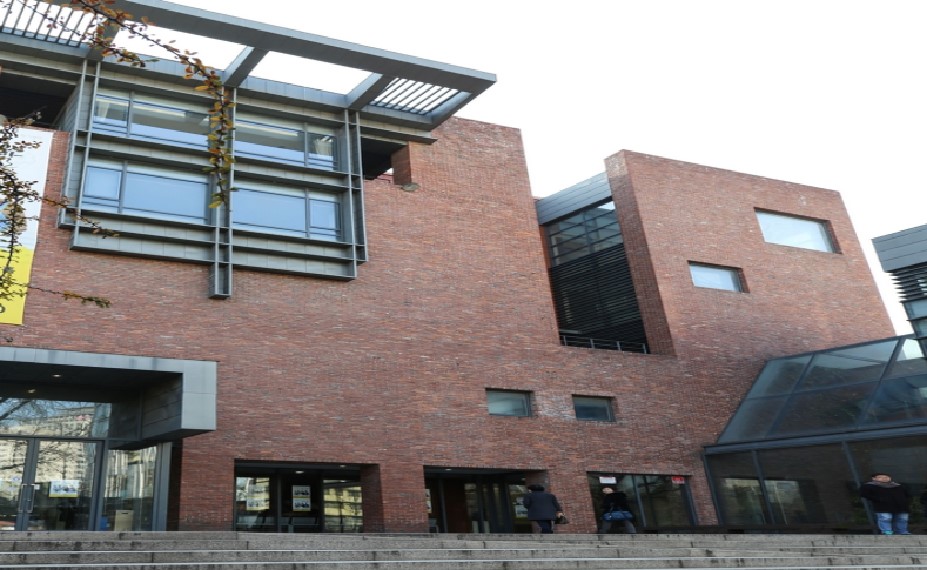
Ewha Centennial Hall (이화여고100주년기념관)
26 Jeongdong-gil, Jung-gu, Seoul
Ewha Centennial Hall is a multimedia education center located next to Ewha Girls' High School. Spanning underground and five above-ground floors, it features a gallery, a cafe, music rooms, individual practice rooms, and audio-visual rooms. The Hwaham Hall on the first and second floors is utilized for performances such as musicals and concerts, as well as educational events.
Ewha Welcome Center (이화웰컴센터)
52, Ewhayeodae-gil, Seodaemun-gu, Seoul
Ewha Welcome Center opened in 2013 as the first promotional center and visitor center of its kind on a university campus in Korea, comprised of an information desk, exhibition lounge, and gift shop. The information desk offers useful information to help visitors get the most out of their Ewha campus experience. The exhibition lounge introduces the history, traditions, and vision of the present-day and future of the university year-round. Visitors can purchase university gear at the gift shop. Furthermore, foreign visitors can take part in a range of campus tour programs in English and Chinese for an enriching experience.
Plan your Korea trip
Korea travel FAQ
How do I use the travel search?
Enter a place or interest, then narrow the results by region, category or sort order.
Will my filters stay selected on the next page?
Yes. Your search and filter choices stay in the page URL while you move through the results.
Can I find directions to each place?
Place pages include an external Google Maps search when coordinates or an address are available.
Source: Korea Tourism Organization, official website (https://knto.or.kr).