TRAVEL IN KOREA
Korea Places to Visit
Find attractions, culture, festivals, stays, restaurants, shopping and travel courses for a clear Korea trip plan.
Data last synced: 2026-06-25. Some details may change. Please confirm official information before visiting.
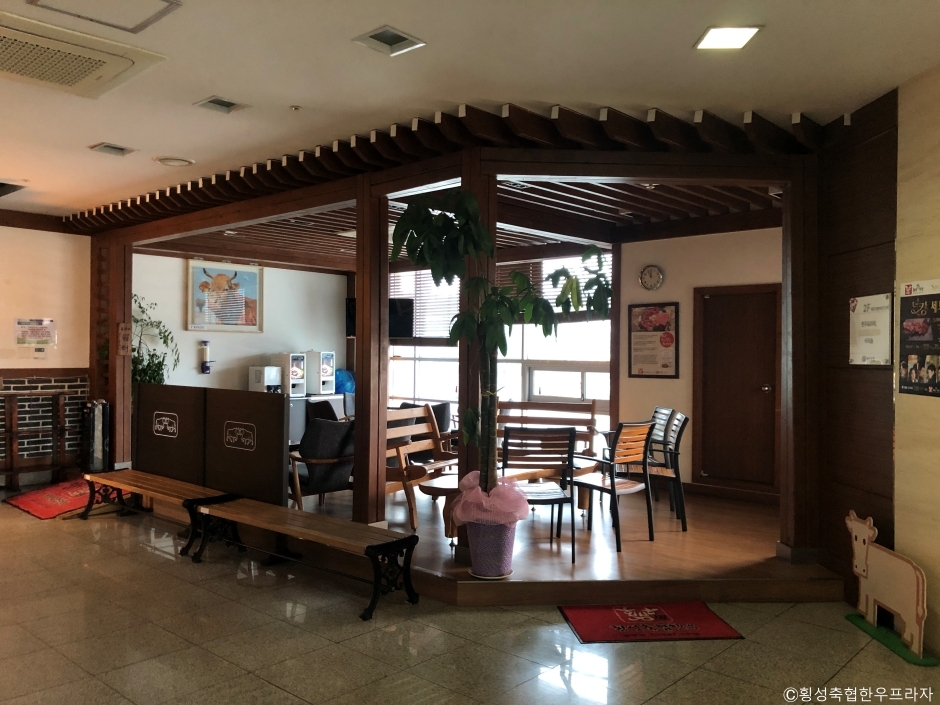
Hoengseong Chukhyup Hanu Plaza Main Branch (횡성축협 한우프라자 본점)
강원특별자치도 횡성군 횡성읍 횡성로 337 Heongseong Livestock Cooperative Hanu Plaza 337 Hoeongseong-ro, Hoengseong-gun, Gangwon-do
Operated by the Hoengseong Chukhyup (Hoengseong Livestock Cooperative), this restaurant allows diners to purchase premium hanu directly and grill it on-site. After paying a table setting fee, side dishes are available from a self-serve bar. Additional dishes such as bulgogi and beef soup are also offered. In addition to the main branch, it operates locations in Ucheon and Saemal. Nearby attractions such as the Hoengseong Hanu Experience Center and Unamjeong make it easy to combine with sightseeing.
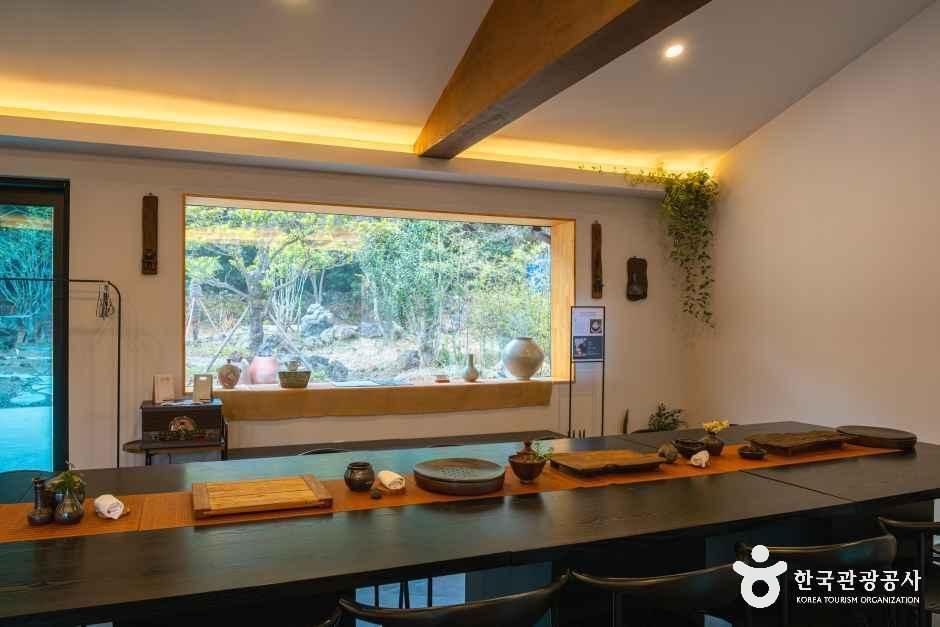
Hoesoodaok (회수다옥)
453-38 1100-ro, Seogwipo-si, Jeju-do
Hoesoodaok is a serene tea house where Jeju tea is freshly brewed by the tea master and served amid Jeju clay teaware and basalt stone-wall tables. Inspired by Doraemul, the village’s old name meaning “water flowing back around,” this local premium tea house opened in Hoesu-dong, Seogwipo in 2024. It is housed in a renovated Jeju home more than 30 years old, preserving the island’s traditional residential style while giving its indoor and outdoor spaces modern sensibility.
Hwacheong Galbi (화청갈비)
12 Changnyong-daero 41beon-gil, Paldal-gu, Suwon-si, Gyeonggi-do
This restaurant offers galbi jeongsik, a set meal featuring Suwon wanggalbi at a reasonable price. Available only at lunchtime, the set includes grilled galbi, steamed rice, and a variety of side dishes, making for a satisfying and filling meal. Located near Hwaseong Fortress and the vibrant Haenggung-dong area (also known as Haengnidan Street), it’s an ideal spot to enjoy a meal after exploring Suwon's famous sights.
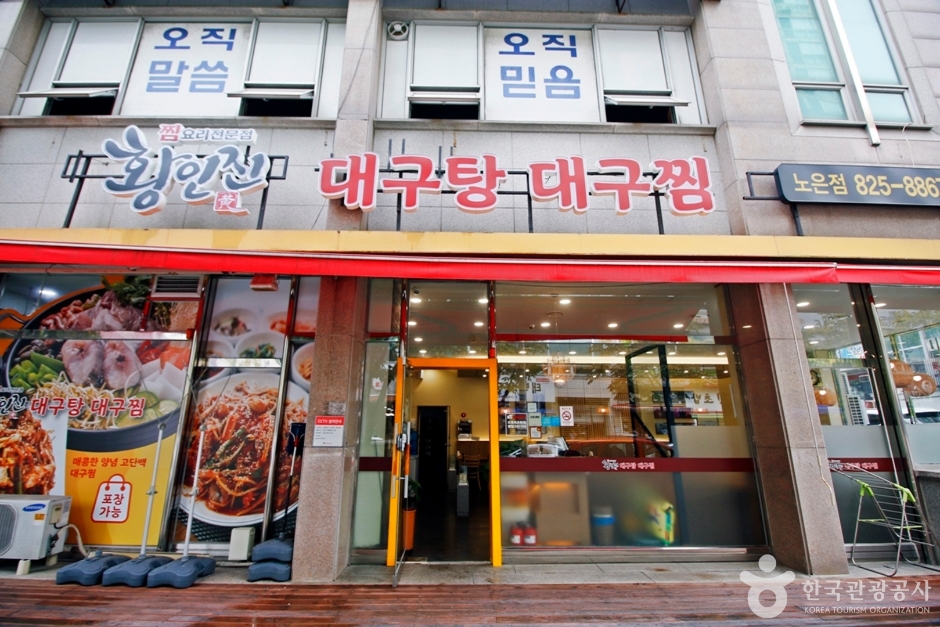
Hwang-injin Daegutang Daegujjim (황인진대구탕대구찜)
1F, 73 Eungubinam-ro 7beon-gil, Yuseong-gu, Daejeon
Hwang-injin Daegutang Daegujjim is a haemuljjim (spicy braised seafood) specialty restaurant. Its signature dish is a daegujjim (braised codfish), featuring chewy, high-protein fresh codfish combined with bean sprouts, various vegetables, and seafood, all seasoned with a spicy sauce. The fresh ingredients like bean sprouts and water parsley add a refreshing taste to the daegujjim. The dish can be ordered in various sizes, depending on the number of diners. The restaurant also offers a special delicacy, daegu twigim (deep-fried codfish), which perfectly complements the spicy flavor of the daegujjim.
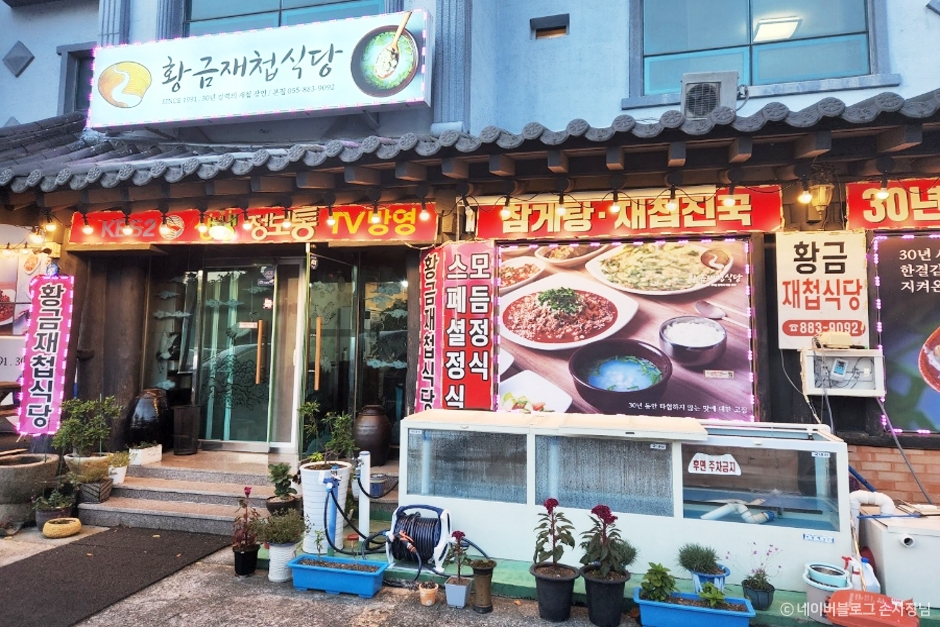
Hwanggeum Jaecheop Sikdang (황금재첩식당)
3915 Seomjingang-daero, Hwagae-myeon, Hadong-gun, Gyeongsangnam-do
This jaecheop (Freshwater Marsh Clam) restaurant overlooks the Seomjingang River. Its signature menu is the Jaecheop Special Jeongsik (freshwater marsh clam special set menu), a sumptuous table with freshwater marsh clam and hairy crab caught from the Seomjingang River. The food here is particularly fresh as all ingredients are prepared on the morning of the day. It is also quite close to Hwagae Market, Simni (10-ri) Cherry Blossom Road, and other famous springtime tourist sites in Hadong, so you don’t have to head to the center of the township.
Hwanggeum Kongbat (황금콩밭)
9 Mapo-daero 16-gil, Mapo-gu, Seoul
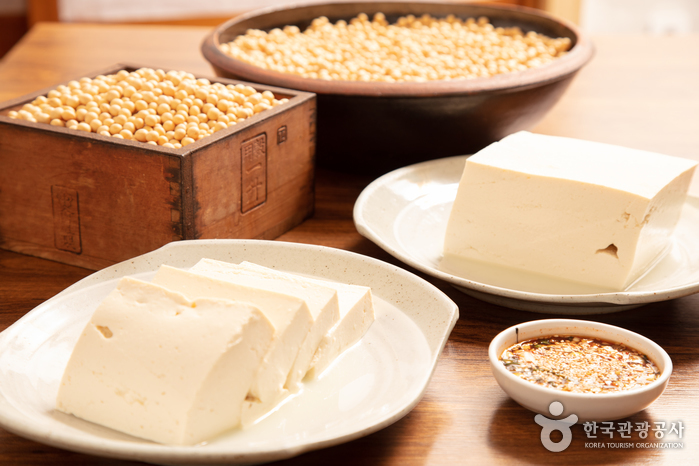
Hwanggeum Kongbat specializes in bean curd, using 100% Korean-grown soybeans and salt to make their bean curd fresh daily. The restaurant is famous for their method of making a bean curd that is smooth and maintains the nutty yet sweet flavor of the soybeans.
Hwanggeumeojang (황금어장)
1533-10 Yumyeong-ro, Seorak-myeon, Gapyeong-gun, Gyeonggi-do
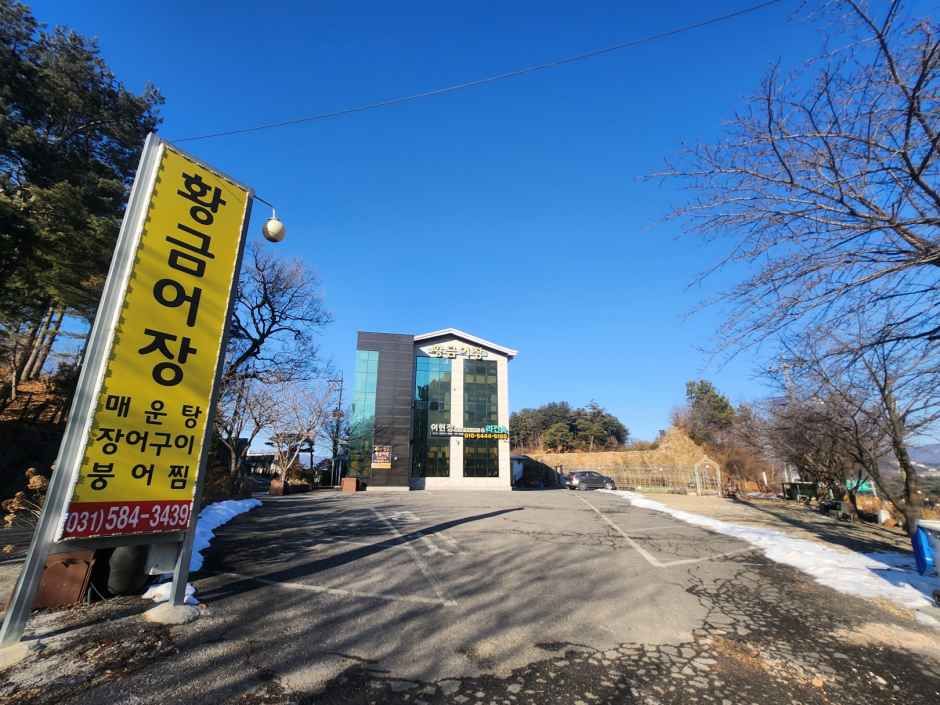
Located near the Seorak-myeon in Gapyeong, Hwanggeumeojang is a must-visit destination specializing in grilled eel and spicy freshwater fish stews. Their signature spicy stew is prepared with high-quality local varieties, including golden mandarin fish, Korean bullhead, and amur catfish. The meal is served in an authentic two-step process: the tender fish is enjoyed first, after which sujebi (hand-pulled dough soup) are added to the rich, simmering broth for a satisfying finish. For the grilled eel, customers can choose between a classic salt-grilled style or a specialty marinated version featuring a savory sauce simmered with eel bones and traditional herbs. Every meal is accompanied by a selection of refined side dishes and fragrant rice cooked in a traditional cast-iron pot. To ensure the highest quality and freshness, the restaurant even grows many of its own ingredients right on-site.
Hwangnambbang (황남빵)
783 Taejong-ro, Gyeongju-si, Gyeongsangbuk-do
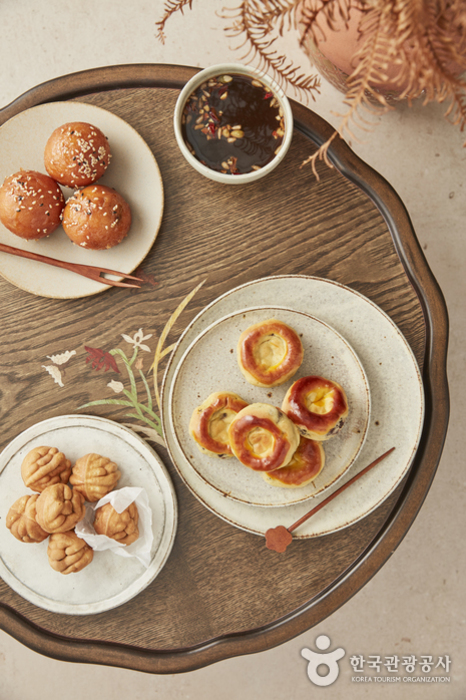
Hwangnamppang, which literally means Hwangnam bread, was created in Hwangnam-dong, Gyeongju, in 1939, and the name was popularized among people who came to Gyeongju to buy this bread. Now branded as "Hwangnambbang," the late Choi Yeong-hwa, the founder of Hwangnam Bread, was a scion of the Gyeongju Choi family who came up with this masterpiece when he was 21 years old after much trial and error. Choi’s creation is based on the tradition of rice cakes and bread made with sweet red beans, passed down throughout the generations in his family. Even today, 80 years after the creation of the bread, it is only flavored with red beans. Another defining feature of Hwangnambbang is the delicate comb pattern inspired by the aesthetics of the Silla period.

Hyeongje Jeontong Dwaeji Gukbap (형제전통돼지국밥)
Location details are available on the place page.
This dwaeji gukbap (pork and rice soup) restaurant is quite accessible, thanks to its location by the big street at the entrance to Haeundae Beach from Haeundae Station. Busan’s pork and rice soup is famous for its odorless yet rich stock, plenty of meat, and soup boiled down for long hours. This restaurant serves a clean and refined bowl, flavored to taste with salted shrimp (small shrimp salted and used for flavoring or as side dishes). It opens quite early in the morning, so locals prefer this place as well. There aren't a lot of seats, so visitors won’t have to wait for too long.
Hyoja Tongdak (효자통닭)
54, Dangbuk-gil, Andong-si, Gyeongsangbuk-do
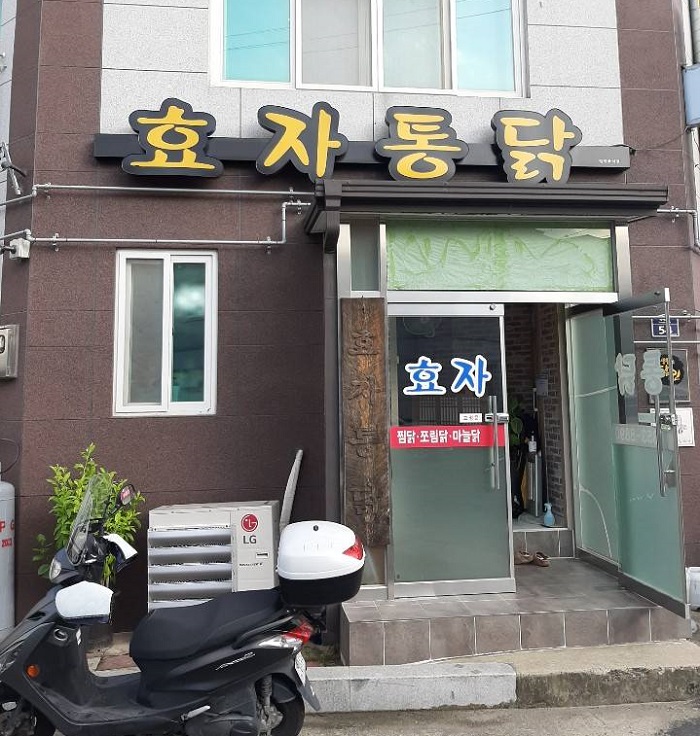
This restaurant is famous for its jjorimdak, which has a concentrated flavor thanks to slow-braising the chicken until the sauce is almost dry.
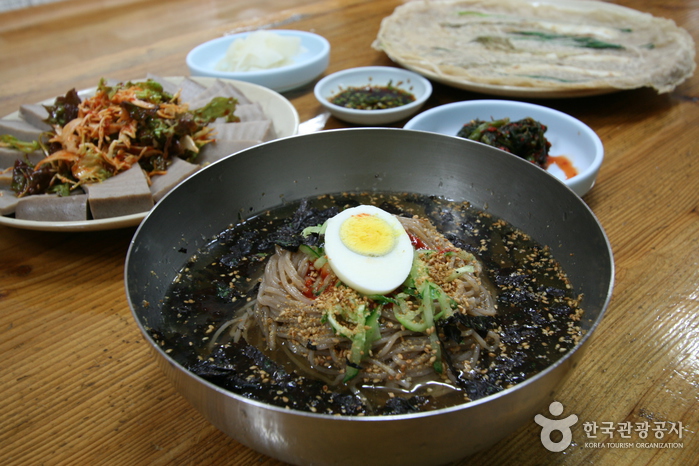
Hyundai Buckwheat Noodles (현대막국수)
17 Dongijangteo-gil, Bongpyeong-myeon, Pyeongchang-gun, Gangwon-do
Buckwheat, a staple in Gangwon State, is finely milled to make the base for Buckwheat Noodles. In Pyeongchang, where buckwheat fields are a common sight, numerous eateries specialize in these noodles. The signature dish here is the Pure Buckwheat Noodles, made exclusively from Korean-grown buckwheat. Its popularity stems from the noodles’ light broth, garnished with vegetables, offering a clean, non-overpowering flavor. For those who prefer a bit of a kick, the Spicy Buckwheat Noodles come with a tangy seasoning, customizable to taste. The accompanying side dishes are equally delightful, featuring items like Buckwheat Pancakes with buckwheat and cabbage, and Buckwheat Crepes stuffed with kimchi filling—each menu item invites one to savor the authentic essence of this cherished grain.
Ilpum Hanwoo (일품한우)
49, Haeun-daero 570beon-gil, Haeundae-gu, Busan
Ilpum Hanwoo is a restaurant near Haeundae Beach serving hanu galbi (grilled Korean galbi). Its signature dish, sanggang kkotgalbi (grilled whole boneless galbi), is a choice cut sourced from top-grade hanu (Korean beef). It is offered in limited quantities. Other hanu gui (grilled Korean beef) menus all feature premium plum-fed beef for rich flavor and tender texture.
Imun Seolnongtang (이문설농탕)
38-13 Ujeongguk-ro, Jongno-gu, Seoul
Imun Seolnongtang has been serving its hearty seolleongtang for over a hundred years since it first opened in 1907. Even its name has a long history: the word imun comes from Imun-gol, the now-obsolete name of the restaurant’s location, and seolnongtang, an old variation of the word seolleongtang. During the Japanese colonial rule, the restaurant’s regular customers included Gijeong Son, the marathon gold-medalist at the 1936 Berlin Olympics. The meal served at this restaurante is reputed to stay consistent from the Japanese colonial period.
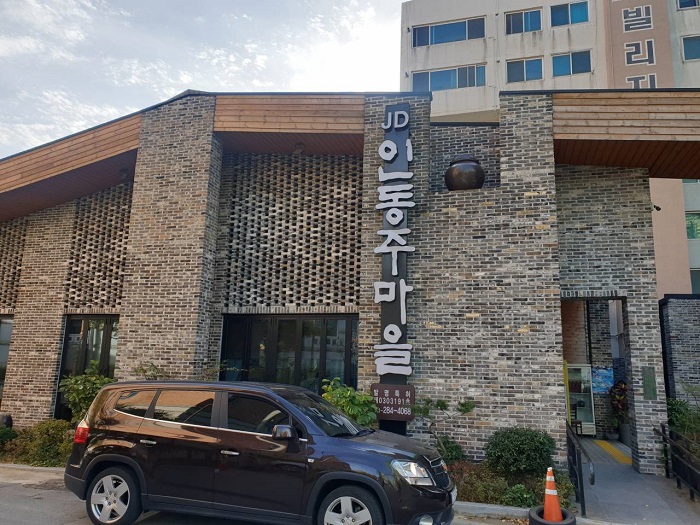
Indongju Maeul (인동주마을)
5 Boksan-gil 12beon-gil Mokpo-si Jeollanam-do
This is a popular destination for hongeosamhap in Mokpo, a shop offering both Korean skate and imported skate, which tends to be more affordable. You can also sample Indongju, a liquor of choice for former president Kim Dae-jung.
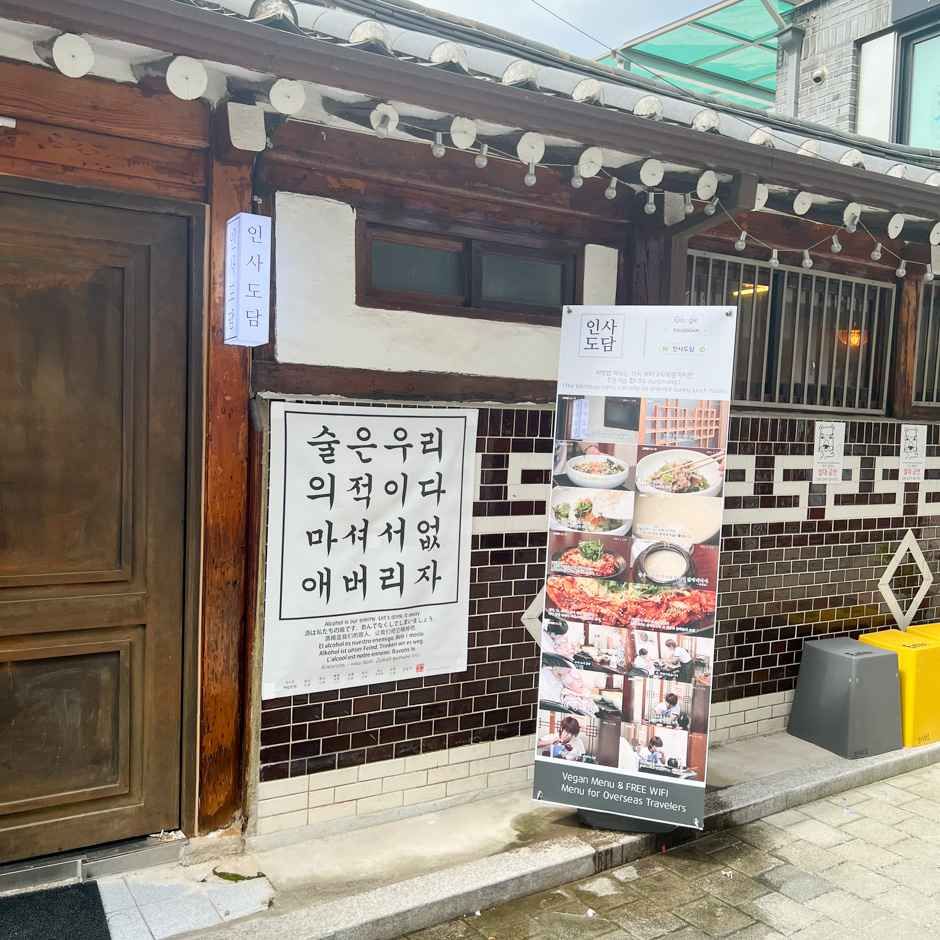
Insa Dodam (인사도담)
5-1 Insadong 16-gil, Jongno-gu, Seoul
Located in a charming alley in Insa-dong, Jongno-gu, Insa Dodam is a Korean restaurant specializing in bibimbap, stir-fried octopus, and braised short ribs. The kitchen uses fresh, regionally sourced ingredients like bracken, radish, and chamnamul (short-fruit pimpinella). Since the signature bibimbap is meat-free, it is an excellent option for vegetarians. Other highlights include the tender, chewy stir-fried octopus—perfect for mixing with rice—as well as water minarijeon (Korean water parsley pancakes) and spicy whelk salad. A standout dish is the pork rib stew, which is slow-cooked in an earthen pot and naturally sweetened with fruits and vegetables instead of sugar.
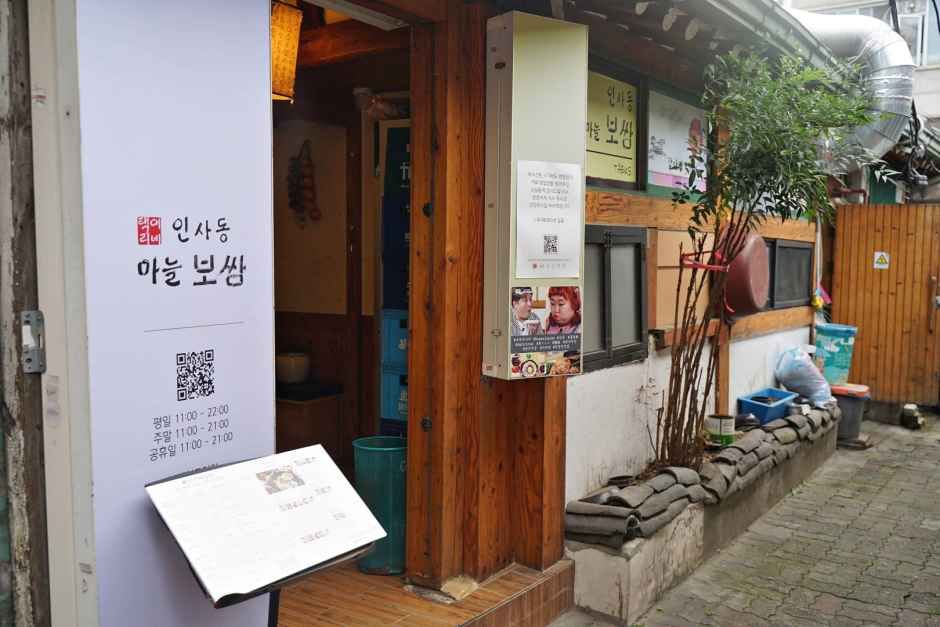
Insadong Garlic Bossam (인사동마늘보쌈)
12-5 Insadong 8-gil, Jongno-gu, Seoul
Insadong Garlic Bossam is a Korean restaurant nestled in the alleys of Insa-dong. They specialize in dishes like maneul bossam (cabbage wraps with pork and garlic), kimchijjim (braised kimchi), nakji bokkeum (stir-fried octopus), buchujeon (chive pancake), ttukbaegi dubu kimchi (bean curd kimchi hot pot), and more, which are also available as a set menu. On weekdays, the restaurant offers free makgeolli from 11:00 to 14:00.
Plan your Korea trip
Korea travel FAQ
How do I use the travel search?
Enter a place or interest, then narrow the results by region, category or sort order.
Will my filters stay selected on the next page?
Yes. Your search and filter choices stay in the page URL while you move through the results.
Can I find directions to each place?
Place pages include an external Google Maps search when coordinates or an address are available.
Source: Korea Tourism Organization, official website (https://knto.or.kr).