TRAVEL IN KOREA
Korea Places to Visit
Find attractions, culture, festivals, stays, restaurants, shopping and travel courses for a clear Korea trip plan.
Data last synced: 2026-06-25. Some details may change. Please confirm official information before visiting.
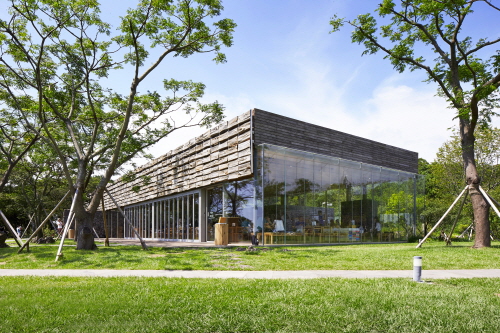
Innisfree Jeju House (이니스프리 제주하우스)
425 Sinhwayeoksa-ro, Andeok-myeon, Seogwipo-si, Jeju-do
Innisfree is a natural brand that embodies the natural beauty of clean Jeju Island. At Innisfree Jeju House, visitors can experience everything about the brand with a variety of activities that satisfy the five senses, as well as spending a relaxing time surrounded by the beautiful nature on Jeju Island. Innisfree Jeju House was built to preserve the natural environment of the area. Visitors can feel as if they have become part of nature while they enjoy Innisfree's cosmetics made with quality ingredients harvested from Jeju, as well as organic food made with fresh local ingredients.
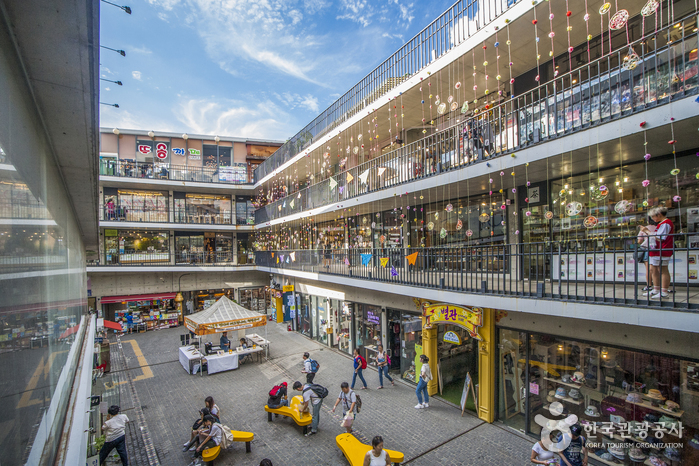
Insa-dong (인사동)
62, Insadong-gil, Jongno-gu, Seoul
Insa-dong, located in the heart of the city, is an important place where old but precious traditional goods are on display. There is one main road in Insa-dong with alleys on each side. Within these alleys are galleries, traditional restaurants, teahouses, and cafes. The galleries are the heartbeat of Insa-dong. There are about 100 galleries in the area offering every example of traditional Korean fine art from paintings to sculptures. The most famous galleries are Hakgojae Gallery, which functions as the center of folk art, Gana Art Gallery, which promotes many promising artists, and Gana Art Center. The teahouses and restaurants are the perfect complement to the galleries. They are hidden deep within the twisting alleyways, making it feel like a treasure hunt. The shops in Insa-dong are very popular among all age groups, because each one is unique. Every Saturday from 14:00 to 22:00 and Sunday from 10:00 to 22:00, the main street is blocked to vehicular traffic and it becomes a cultural space. Stores set up booths outside and Korean candy merchants and fortune teller stalls can easily be found; there are traditional performances and exhibits as well. Insa-dong is especially popular among international tourists. This is where they can experience and see traditional Korean culture first-hand, and also purchase pieces of fine art.
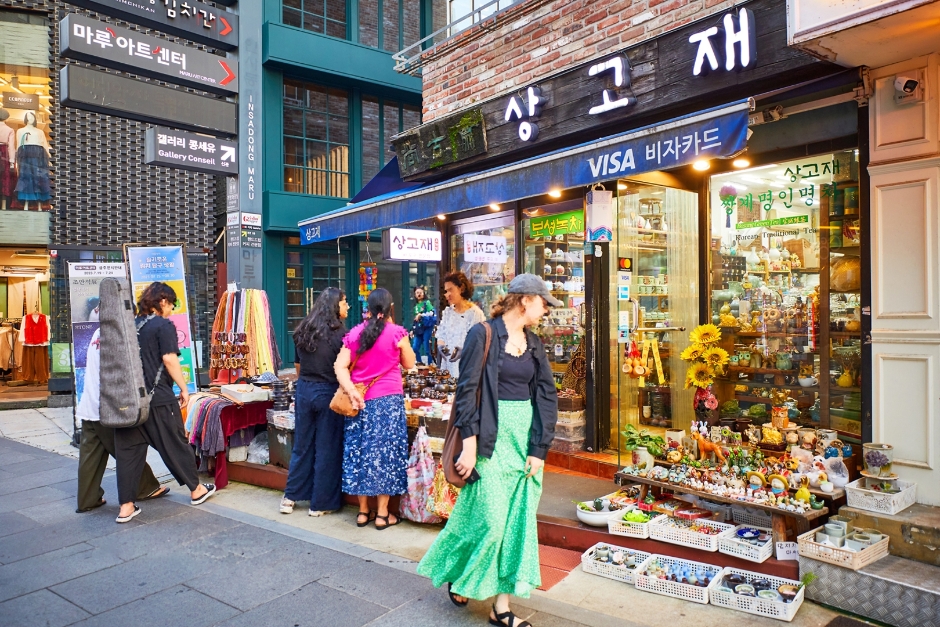
Insadong Cultural Street (인사동 문화의 거리)
Insa-dong, Jongno-gu, Seoul Metropolitan City
Insadong Cultural Street is a popular tourist destination for visitors from all around the world, thanks to its numerous art galleries, restaurants serving Korean table d’hote, traditional teahouses, and street vendors lining the streets. Its most recognizable feature is the use of Hangeul (Korean script) in storefronts, which allows the visitors to really see just what makes this place so special. Unlike the nearby Ikseon-dong Hanok Street, Insadong Cultural Street has larger streets with wider stores, so it is much easier to traverse. On evenings and weekends, one can find buskers performing on the side of the road.
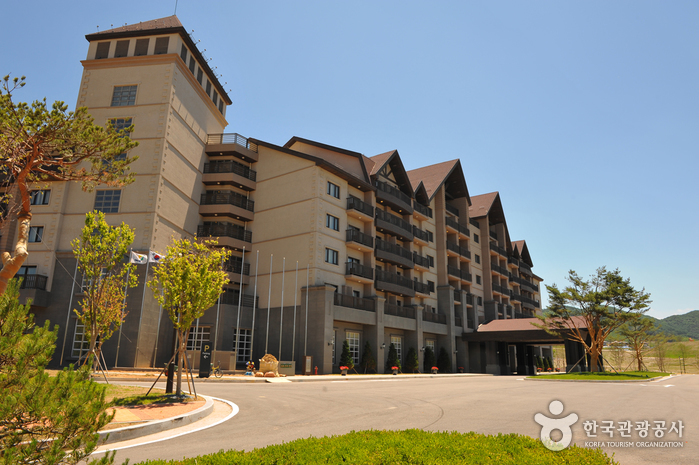
Intercontinental Alpensia Pyeongchang Resort (인터컨티넨탈 알펜시아 평창 리조트)
325, Solbong-ro, Daegwannyeong-myeon, Pyeongchang-gun, Gangwon-do
Intercontinental Alpensia Pyeongchang Resort is a luxurious classical European-style alpine resort located 700 meters above sea level on a ridge of Taebaeksan Mountain. Surrounded by fascinating nature, the resort offers various leisure facilities such as Olympic Sky Park, Ocean 700 Water Park, a 27-hole golf course designed by the world-renowned golf course designer Robert Trent Jones, Jr., and an 18-hole public golf course. The summer house also provides relaxation facilities including the luxurious Club Intercontinental Lounge, a children’s play room called ‘Planet Trackers’, and a day spa. A wellness center provides guests seeking relaxation with various therapies and programs. The luxurious CMA spa club offers seven spa suite rooms and an open-air Jacuzzi providing eco-nature therapy with great views of Daegwallyeong. Guestrooms are decorated with a harmonious blend of modern, bright-colored furniture and traditional Korean-style furniture. Specially designed lighting adds a pleasant touch to the rooms. Subsidiary facilities are a restaurant, wine bar/salon, and a lobby lounge. The restaurant, called Flavor, serves international dishes, while the wine bar serves quality wines. In the lobby lounge, guests can enjoy views of beautiful nature through floor-to-ceiling windows while listening to live classical music performances and sharing light fare such as sandwiches, pizza, tapas, wine, and coffee.
Inwangsan Mountain (인왕산)
San 2-1, Muak-dong, Jongno-gu, Seoul
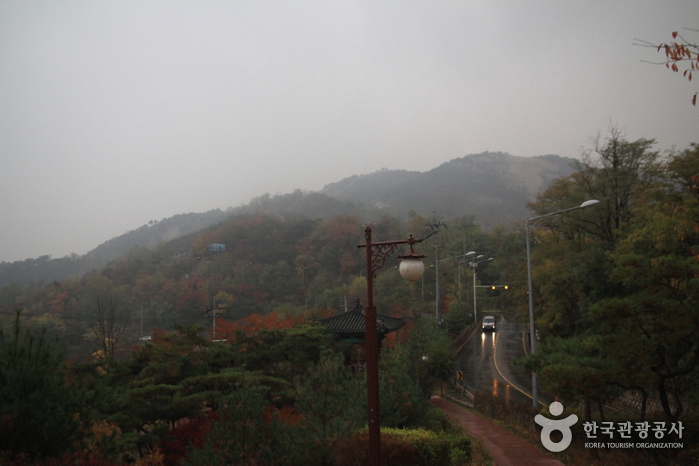
Inwangsan Mountain is a rocky mountain located to the northwestern side of Seoul. It stands 338m tall. The Seoul City Wall is built along its ridge, connecting to the Baegak Mountain Trail. From the summit, one can see the three mountains of Naksan Mountain, Namsan Mountain, and the Bugaksan Mountain surrounding the historical center of Hanyang, the historical name for Seoul in Joseon period, with the Gyeongbokgung Palace at the center. There are five hiking trails, all taking about two hours to complete. It takes about three hours if you want to visit all the peaks of the mountain.
Itaewon Antiques Street (이태원 앤틱 가구 거리)
109-1 Bogwang-ro, Yongsan-gu, Seoul
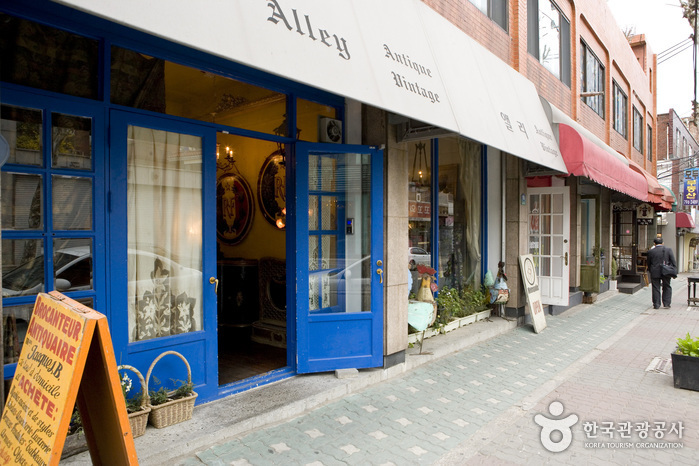
Itaewon Antiques Street was formed around the late 1960s, when a group of antique dealerships from Asia, Europe, and North America settled in the district. This 1km-long street is home to antique dealers offering antique sofa, chairs, and tables. Some shops also offer antique decorations, accessories, and clothing. It is a famous shopping district with its own unique ambience from that of Seoul. During spring and autumn, Itaewon Antique Festival takes place, allowing visitors to shop and enjoy cultural performances.
Itaewon Special Tourist Zone (이태원 관광특구)
196 Itaewon-ro, Yongsan-gu, Seoul
Itaewon was the first special tourist zone in Seoul, designated in 1997. It is a multicultural place where over 20,000 foreigners live and is widely recognized by international visitors. The name Itaewon started to spread worldwide in the 1980s when Korea hosted the 1986 Seoul Asian Games and the 1988 Seoul Olympic Games, as well as many international conferences. Since then, Itaewon has become a popular travel destination. Clothes and accessories with unique designs, and leather products in particular are famous. This is a go-to place for both shopping and entertainment. The street is crowded with shops selling clothes and bags, as well as hotels, restaurants, entertainment facilities and travel agencies. With about 2,000 shops and stores lining every street, visitors can experience a multicultural atmosphere. Also famous in the district is Antique Furniture Street where more than 100 shops selling furniture and antiques stretch from Hamilton Hotel toward Bogwang-ro. Travelers can taste authentic cuisine and experience culture from around the globe on World Food Street where there are 40 restaurants operated by foreigners. Since the late 1990s, an increase in the number of tourists from Southeast Asia and the Middle East has transformed the streets from being US Army-oriented into culturally diverse. Various performances and events are held in the area. In particular, Itaewon Global Village Festival, held every October, is a famous festival. Tourists can pay in US dollars, Japanese yen, or another currency freely. In addition, visitors can use various languages like English, Japanese, and Chinese with the sellers.

Jade Garden (제이드가든)
80 Haetgol-gil, Namsan-myeon, Chuncheon-si, Gangwon-do
Jade Garden is an exotic arboretum established with the theme of “small Europe in the forest.” It was built on an area of 163,500 m2 by keeping its natural topography and establishing 24 themed gardens. This European-style arboretum comprises Italy’s Tuscan-style Visitor Center at the entrance, English Border Garden, and Italian Wedding Garden built with Italian style of garden and waterway. It also has three walking paths -Namunaeum-gil, Danpungnamu-gil, Supsokbaram-gil. Namunaeum-gil in the middle of the arboretum is paved with woodchips and has good accessibility to the theme gardens. Danpungnamu-gil located at a high ground is a quiet trail, while Supsokbaram-gil is surrounded by thick trees and an ideal walking path in the summer season. Each walking path requires 40 to 60 minutes each way, and they are connected in the middle of the trails. Each path begins from the Visitor Center and ends at the White Garden or Sky Garden at the top of the arboretum. Visitors can take a rest at a cafe, restaurant, and souvenir shop. The nighttime operation is available depending on the season, and the shuttle bus runs between Gulbongsan Station of the Gyeongchun Line and the Arboretum.
Jageunhujinhaebyeon Beach (작은후진해수욕장)
467 Saecheonnyeondo-ro, Samcheok-si, Gangwon-do
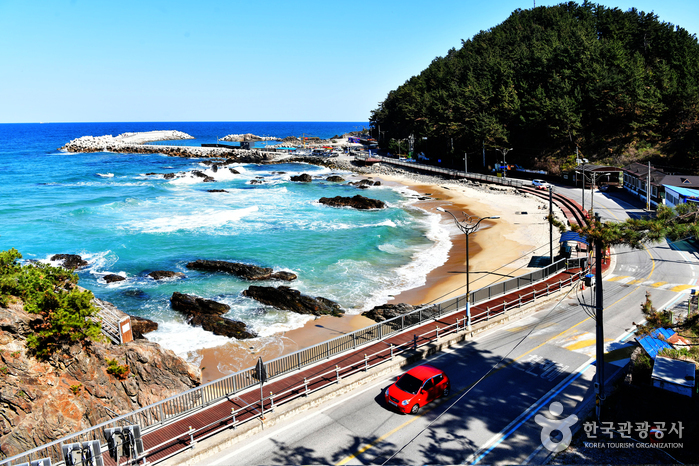
Jageunhujinhaebyeon Beach, situated adjacent to Samcheokhaebyeon Beach, provides a serene and picturesque setting. Its proximity to Samcheok Port allows visitors easy access to fresh hoe (sliced raw fish). Additionally, the Hujin Breakwater, located right beside the beach, is an ideal spot for fishing enthusiasts. The area is also well-equipped with a network of bicycle paths and decked trails, offering various recreational opportunities for visitors.
Jagyuru Pavilion and Gwanpungheon Hall (자규루 및 관풍헌)
61 Jungang-ro, Yeongwol-eup, Yeongwol-gun, Gangwon-do
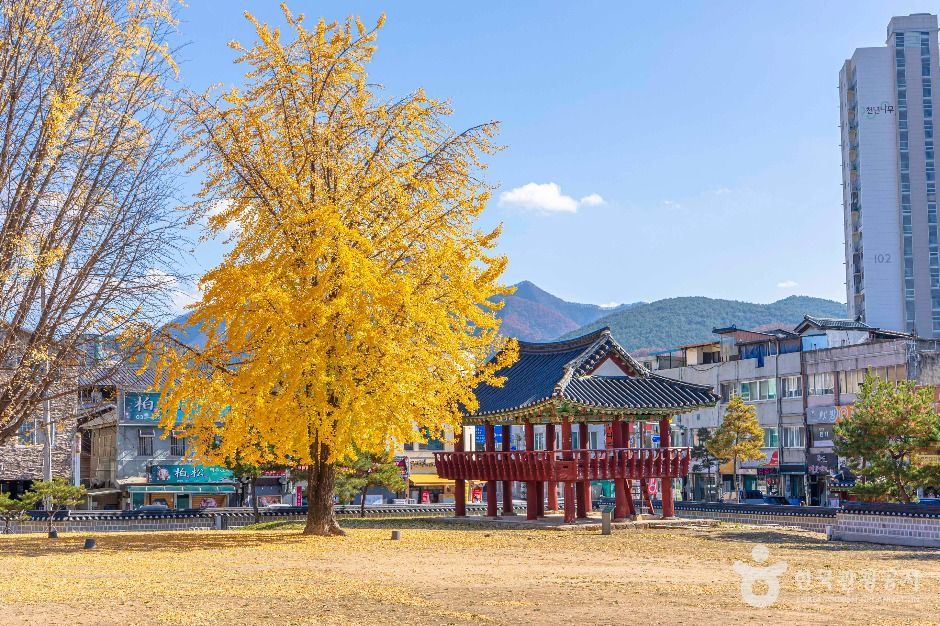
Gwanpungheon Hall was used as a magistrate’s office to handle local affairs during the Joseon Dynasty. The site consists of an annex and a 3x3 kan building (a traditional Korean structural unit). Currently, it serves as a mission center for the Bodeoksa Temple of the Jogye Order of Korean Buddhism. About 50 meters away from the hall is Jagyuru Pavilion, where King Danjong (r. 1452–1455) stayed during his exile after losing the throne to King Sejo (r. 1455–1468). It is said that Danjong frequently visited this pavilion to write poetry known as jagyu poetry. In these works, he compared his own grief to the blood-spitting cries of the jagyu (oriental scops owl), a bird characterized by its painful and mournful call. The pavilion was originally built by County Magistrate Shin Kwon-geun in 1428 (the 10th year of King Sejong's reign) and was initially called Maejungnu. It was renamed after Danjong wrote his famous poems there. The buildings were eventually lost and forgotten until they were rediscovered and restored by Gangwon Provincial Governor Yun Sa-guk in 1791 (the 15th year of King Jeongjo's reign). (Source: National Heritage Administration)
Jaman Mural Village (자만마을 벽화갤러리)
Gyo-dong, Wansan-gu, Jeonju-si, Jeonbuk-do
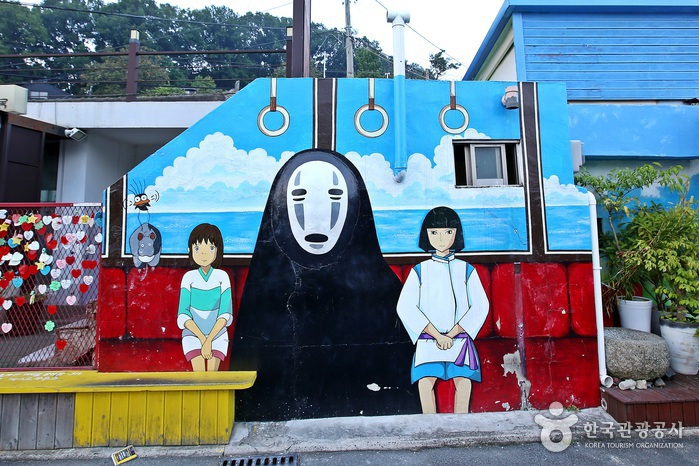
Jaman Mural Village is located on a hillside across the road from Jeonju Hanok Village. The village was formed by Korean war refugees resettling where they could, and remained as a small village interlaced by narrow pathways. In 2012, over 40 murals were created as a part of a city project and became popular for photographs. Many of the houses have been converted into cafes, guesthouses, and restaurants.
Jaman Mural Village (자만벽화마을)
1-10, Jamandong 1-gil, Wansan-gu, Jeonju-si, Jeonbuk-do (the whole area of)
Jaman Mural Village is located in the ridge between Omokdae and Imokdae along the foot of Seungamsan Mountain’s Jungbawi Rock. Jeonju Hanok Village is also visible from the wide street. Although it is a fairly steep walk up to Jaman Village, visitors will be able to enjoy colorful murals painted on the buildings and walls along the way.
Jamjindo Island (잠진도)
144, Jamjindo-gil, Jung-gu, Incheon
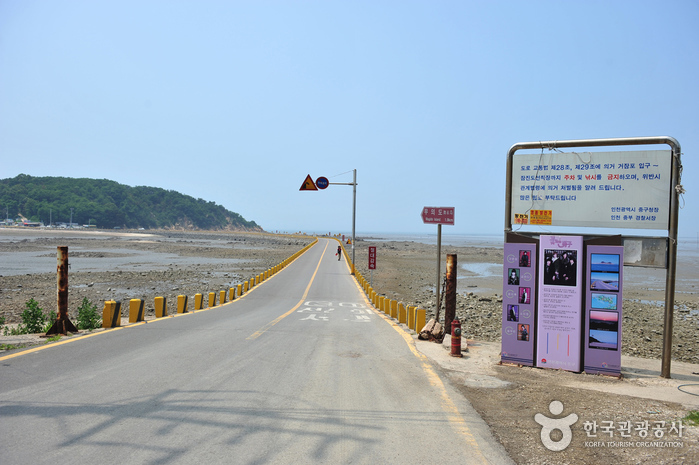
Located in Jung-gu, Incheon, Jamjindo Island is a small island connected with Yeongjongdo Island. A road from the mainland to the island makes access to Jamjindo much more convenient. Its sunset views of mud flats dyed fantastic shades of red by the setting sun attract many visitors to take pictures and to dig out clams at low tide. There are also crowds of visitors waiting to take the short (just 5 minute) ferry ride to Muuido Island (famous for connecting to Silmido Island) at the ferry dock in Jamjindo Island. Visitors should check the schedule of the ferry in advance as the ferry may not run to Muuido Island at low tide. Eurwangni Beach, Hanagae Beach, and Deokgyo Beach are easily accessible to the island.
Jamsil Hangang Park (잠실한강공원)
65, Hangaram-ro, Songpa-gu, Seoul
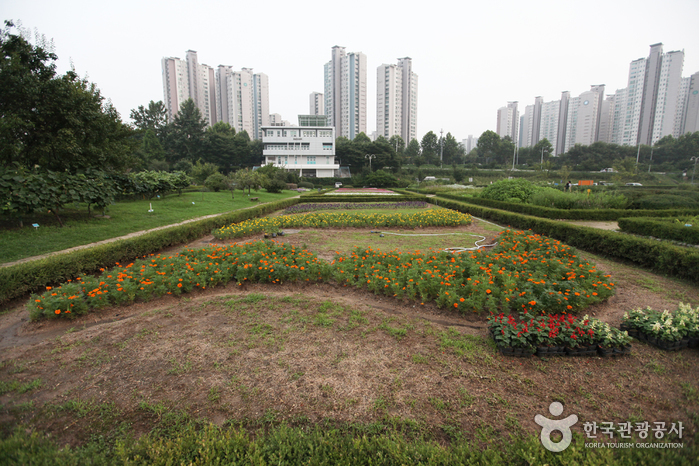
Jamsil Hangang Park is a leisure space along the Hangang River, conveniently located near Lotte World. It features facilities such as the Jamsil Hangang Swimming Pool and the Jamsil Natural Learning Center, where visitors can observe various aquatic plants and fish. Additionally, there are volleyball courts, children's playgrounds, and walking trails. Visitors can also enjoy the Hangang River's night view from the observation deck café installed on Jamsildaegyo Bridge. There are also designated areas like Jungkook Forest No. 3, created to commemorate the 24th birthday of BTS member Jungkook and RM Forest No. 1.
Jamwon Hangang Park (잠원한강공원)
221-124 Jamwon-ro, Seocho-gu, Seoul
Jamwon Hangang Park is a public recreation area on the Hangang River. Nearby attractions include athletic facilities (running tracks, soccer fields, basketball courts, etc.), various water sports facilities, and an 8.2-kilometer inline skating path. A bicycle path along the Hanfgang River, an outdoor swimming pool in summer, and a snow sledding center in winter are the most frequently used ones by may citizens. Jamwon was once a mulberry field, so there is also a thematic nature learning center that depicts the life of the silkworm.
JaneDMCKorea (주)제인디엠씨코리아)
(4th Floor), 51 Mallijae-ro, Mapo-gu, Seoul
Jane DMC Korea is an inbound travel agency and international patient recruitment organization established in 2006. Headquartered in Seoul, with branch offices in Busan, Indonesia, and India, the company develops and sells programs for international clients in 40 countries while also attracting international patients.
Plan your Korea trip
Korea travel FAQ
How do I use the travel search?
Enter a place or interest, then narrow the results by region, category or sort order.
Will my filters stay selected on the next page?
Yes. Your search and filter choices stay in the page URL while you move through the results.
Can I find directions to each place?
Place pages include an external Google Maps search when coordinates or an address are available.
Source: Korea Tourism Organization, official website (https://knto.or.kr).