TRAVEL IN KOREA
Korea Places to Visit
Find attractions, culture, festivals, stays, restaurants, shopping and travel courses for a clear Korea trip plan.
Data last synced: 2026-06-25. Some details may change. Please confirm official information before visiting.
Jebudo Beach (제부도해수욕장)
260, Haean-gil, Seosin-myeon, Hwaseong-si, Gyeonggi-do
Jebudo Beach lies on Jebudo, a small island in the West Sea, known for its "Miracle of Moses" as the sea opens up twice a day. Jebudo Island Beach is 1.8 kilometers long and features a cliff made up of unique-shaped rocks on the right side to create quite a spectacle. Maebawi Rock is found to its left, and the beach has suitable water temperatures as well as a gradual slope. The fascinating cliff and Maebawi on the beachside create a picturesque scene together. There are no sections of the shore where the depth of the water increases suddenly, so even children and the elderly can enjoy playing and relaxing in the water in a relatively safe manner.
Jebudo Coastal Trail (Jebikkori-gil) (제부도 해안산책로(제비꼬리길))
Jebu-ri, Seosin-myeon, Hwaseong-si, Gyeonggi-do
Jebudo is a small island in the sea situated right off of Hwaseong-si and, here, the water parts twice a day like the "Miracle of Moses" to open up a path to access the island. It is a quaint and quiet island with a total area of 1.0 square kilometers and a coastline stretching for some 12 kilometers. It is not far from the Metropolitan Area and is easily accessible by various means of transportation, which makes it a perfect day trip destination for families. Jebudo Coastal Trail is about 1-kilometer-long and 1.5-meter-wide that continues from a quay and winds around Tapjaesan before reaching the beach (also known as Malmeori). As you walk along the trail, you will find picturesque coastlines, rocks of unique, strange shapes, and vast, beautiful grasslands. The trail is a nature-friendly structure constructed after collecting opinions from locals and environmental groups so that it does not destroy the natural landscape. It is a great place for families and lovers to take a light stroll whether at high tide or when it turns into a tidal flat at low tide. Jebudo is home to many different kinds of tasty clams, which is why you will find that most nearby restaurants serve grilled clams as well as noodle soup featuring Manila clams. The sunset viewed from Jebudo is widely known as one of the most beautiful on the entire west coast.
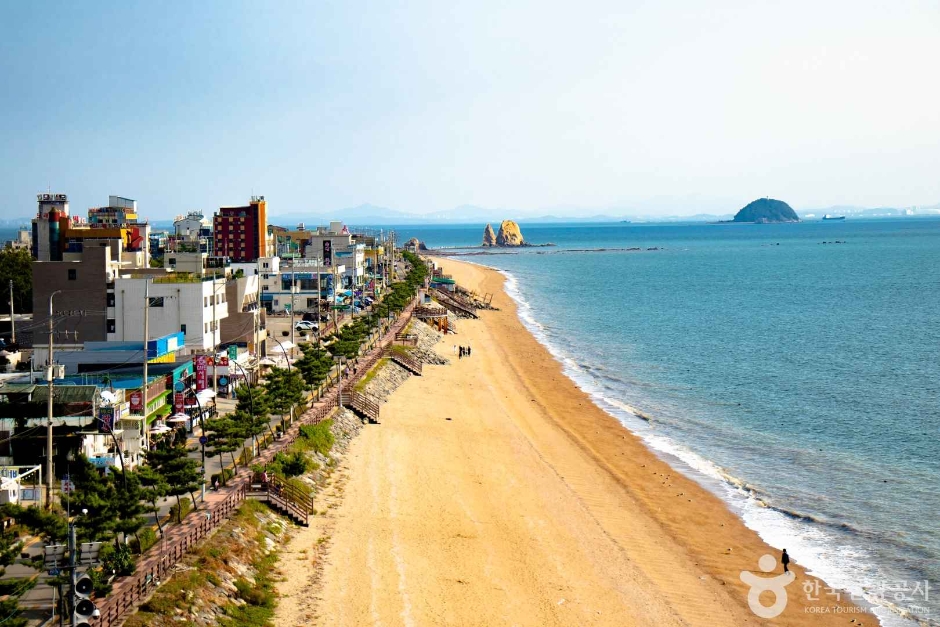
Jebudo Island (제부도)
421-12 Haean-gil, Seosin-myeon, Hwaseong-si, Gyeonggi-do
Jebudo Island is a small island located off the shores of Seosin-myeon, Hwaseong. It is famous for its “sea parting,” where the sea parts into two sides along a footpath twice daily at low tide, allowing visitors to walk to the island from the mainland. Jebudo Island is located close to Seoul and is quite accessible, so it is a great place for a day trip. Notable tourist sites include the Jebudo Water Walk, which offers a great view of Jebudo Island’s wide tidal flat and the sunset, and the Jebudo Beach, a beach perfect for some water sports and summer trips.
Jecheon Baengnyeonsa Temple (백련사(제천))
414, Myeongam-ro 5-gil, Jecheon-si, Chungcheongbuk-do
Baengnyeonsa Temple is located at the foothills of Gamaksan Mountain in Jecheon, Chungcheongbuk-do. The temple is currently composed of the main hall Daeungjeon, Samseonggak Shrine, Muyeomdang Hall, Boeungmun Gate, and residential houses. Daeungjeon Hall enshrines a wooden statue of a sitting Buddha, is an artifact from the Joseon period (1392-1910). The history of the temple dates back to 662 (the second year of King Munmu’s reign during the Silla Kingdom), when a small shrine called Baengnyeonam Hermitage was built by the great monk Uisang on the east side of Baengyeonji Site. The temple has been reconstructed and restored numerous times throughout the course of several wars. The temple once encompassed many branch temples and shrines such as Mireuksa, Sinheungsa, Cheonsuam, Eunjeokam, and Cheongnyeonam, but only their foundation sites remain today.
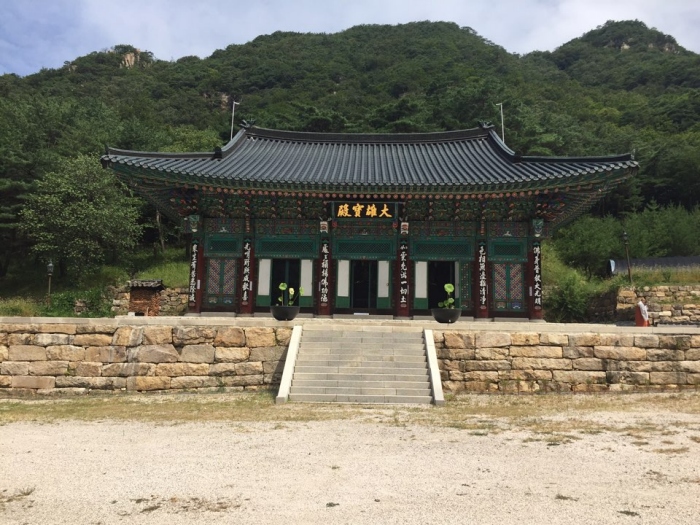
Jecheon Deokjusa Temple (덕주사(제천))
87, Mireuksonggye-ro 2-gil, Jecheon-si, Chungcheongbuk-do
Deokjusa Temple is a branch temple of Beopjusa Temple, the head temple of the 5th district of the Jogye Order. The temple is believed to have been established in 597 AD by Princess Deokju, the last princess of the Silla Kingdom. According to legend, Princess Deokju stayed at the site with Prince Ma-ui and built the temple, naming it after herself, along with the cave nearby. However, there are no records to confirm or refute these claims. The temple once stood in front of the Rock-carved Standing Buddha of Deokjusa Temple (a Treasure), but was burned down during the Korean War. The present temple building stands about 1.7 kilometers from the original temple site and is the result of reconstruction efforts conducted in the 1970s.
Jecheon Oksunbong Suspension Bridge (제천 옥순봉 출렁다리)
342, Oksunbong-ro, Jecheon-si, Chungcheongbuk-do
Near one of Korea's Scenic Spot, Oksunbong Peak, Oksunbong Suspension Bridge provides visitors with a thrill stretching 222 meters long, 1.5 meters wide. The Deck Road and trekking trail made of palm tree mat completes the total length of 944 meters. Visitors can also easily get to Cheongpungho Lake and Oksunbong Peak.
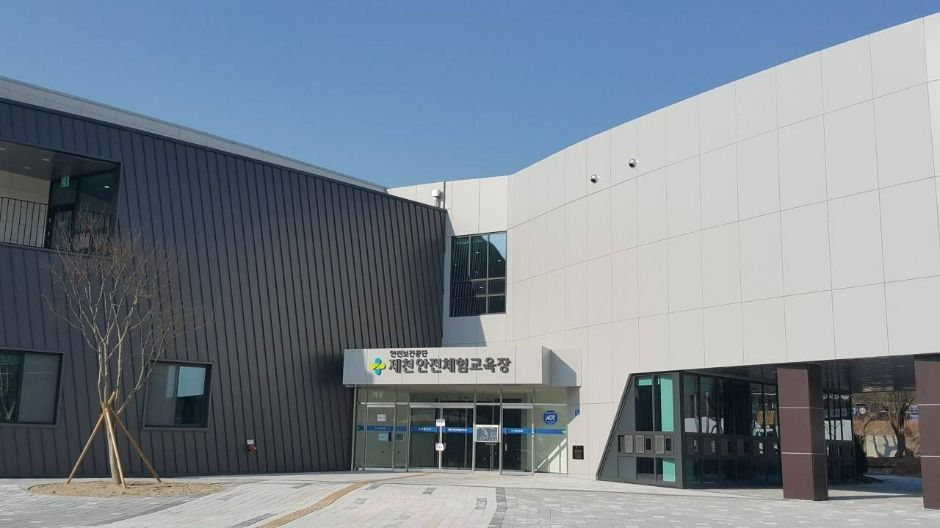
Jecheon Safety Experience Training Center (KOSHA) (제천 안전체험장(안전보건공단))
143 Jecheonbuk-ro, Jecheon-si, Chungcheongbuk-do
Jecheon Safety Experience Training Center is a safety training facility founded to raise public awareness on safety prevention and management, covering a wide variety of safety hazards that can occur in the everyday or workplace environment through fun and interactive content. The center uses VR and industrial equipment replicas to simulate real-life emergency situations to educate the public on how to prevent and handle different kinds of hazardous situations. In addition, the center has programs that focus on workplace hazards in construction sites, manufacturing industry, and service-related sites for vocational training. The training center is open to visitors of all ages for free.
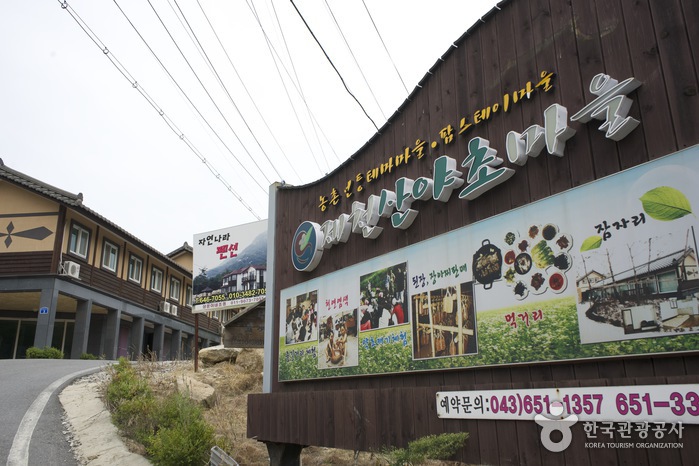
Jecheon Wild Herb Village (제천 산야초마을)
3 Oksunbong-ro 6-gil, Susan-myeon, Jecheon-si, Chungcheongbuk-do
Jecheon Wild Herb Village, nestled between Geumsusan Mountain and Cheongpungho Lake, benefits from a pristine mountain environment that has supported the production of medicinal herbs and forest products for oriental medicine since ancient times. This village continues its agricultural practices to this day, offering visitors the opportunity to experience natural medicines, forest products, and agricultural goods. For those interested, there are options to stay in the village for a week or a month, allowing for an extended exploration of its natural bounty and traditions.
Jehwangsan Park (제황산공원)
52, Jungwondong-ro, Jinhae-gu, Changwon-si, Gyeongsangnam-do
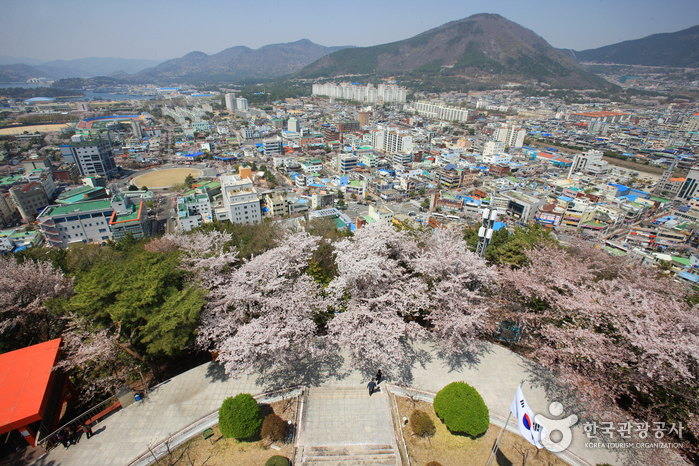
Jehwangsan Park, located on Jehwangsan Mountain at the heart of Jinhae, is home to the nine-story Jinhae Tower. The tower, which symbolizes a Korean naval warship, stands at the top of a 365-step staircase and commands a splendid view of both the city and the coastline. On the first and second floors of the tower is the Jinhae City Museum, exhibiting folk models and relics excavated from Jinhae. Jinhae is Korea’s representative naval port city and is rife with cultural relics related to Admiral Yi Sun-Sin (1545-1598), a Korean hero who led the nation to victory in naval battles against Japanese forces during the Imjin War (1592-1598). The city is also known as the venue of the famous Jinhae Gunhangje Festival, which is widely known as the nation’s largest cherry blossom festival.
Jeju Beer (제주맥주)
62-11 Geumneungnonggong-gil, Hallim-eup, Jeju-si, Jeju-do
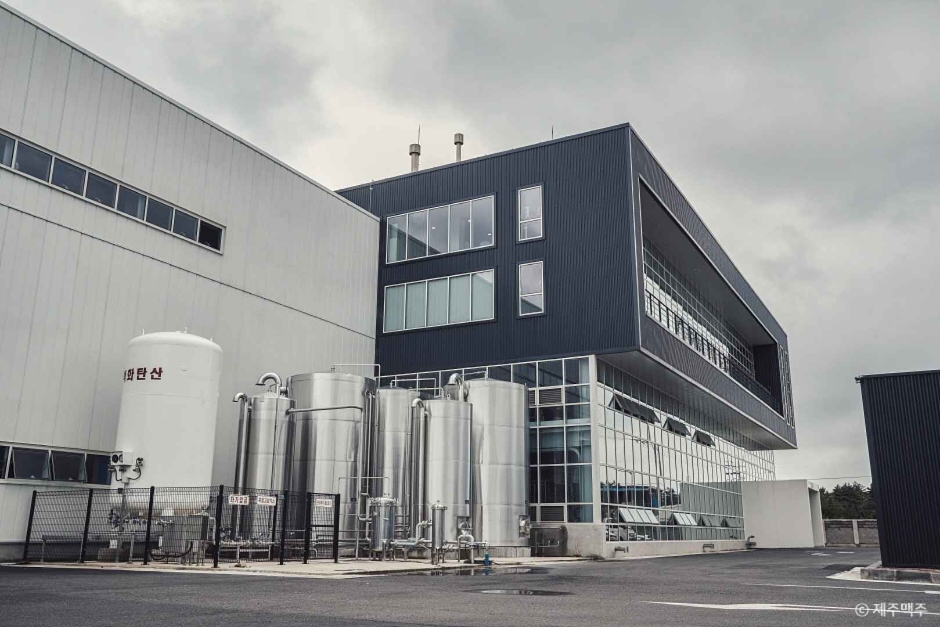
Jeju Beer is a brewery created through a collaboration with Brooklyn Brewery, New York's No. 1 craft beer company with 30 years of brewing know-how, with a world-class brewer with over 15 years of experience. Its goal is to create a beer gourmet culture with good beer. It is equipped with the best brewing facilities in the country and operates a tour program where visitors can observe and tour the internal facilities together with a guide.
Jeju Camellia Arboretum (제주동백수목원)
288 Taewi-ro, Seogwipo-si, Jeju-do
Jeju Camellia Arboretum is home to Korea's largest colony of Camellia sasanqua, a minature camellia species. The arboretum is part of Wimi Camellia Habitat, a beautiful forest protected as a natural monument of Jeju.
Jeju Central Park (제주 센트럴파크)
606, Bijarim-ro, Jeju-si, Jeju-do
Jeju Central Park is a miniature theme park located in the beautiful scenery of Hallasan Mountain. The park is divided into five different zones, including the World Heritage Land, Fantasy Land, and Dinosaur Land. It serves as a fun education park for children and teenagers where they can explore exotic landscapes without having to travel far. It also has the nation's first and largest outdoor go-kart track.
Jeju Dongbaek Village (제주 동백마을)
22-1 Hansin-ro 531beon-gil, Namwon-eup, Seogwipo-si, Jeju-do
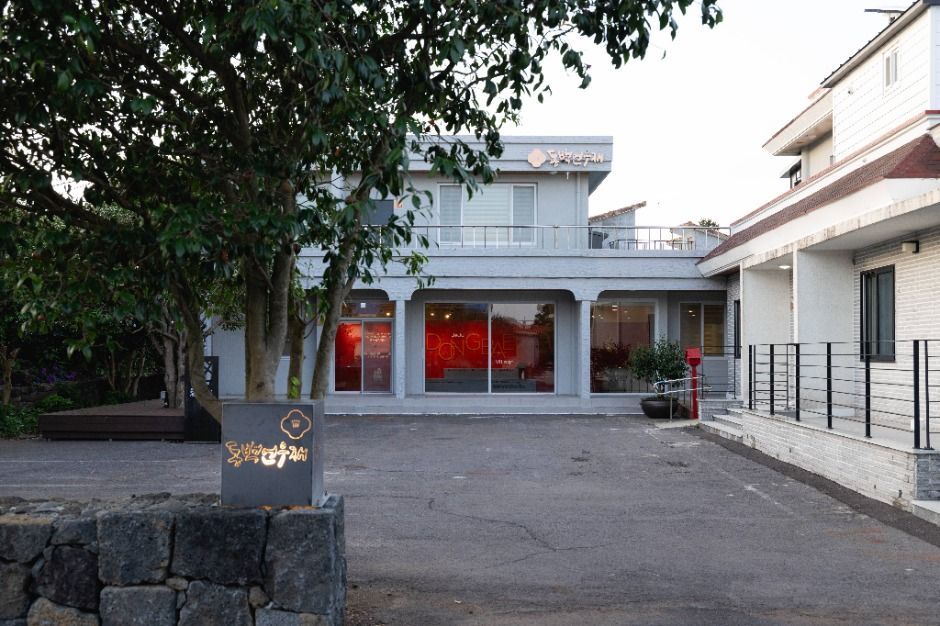
Located in Seogwipo, Jeju Camellia Village has a 300-year history with its native camellia trees, and is involved in various projects. Visitors can explore the 300-400-year-old camellia trees scattered throughout the village, purchase authentic camellia oil from the community-operated mill, and participate in various experience programs such as camellia soap-making and cooking classes using camellia oil. From October to March, visitors can also purchase tangerines, locally produced by the village residents. The local community is dedicated to preserving the camellia forest for future generations, offering visitors a chance to experience the village’s beauty.
Jeju Glass Castle (제주 유리의성)
462 Nokchabunjae-ro, Hangyeong-myeon, Jeju-si, Jeju-do
Jeju Glass Castle is a theme park centered around glass art, featuring exhibition halls, gardens, and an array of glass sculptures. The park showcases nearly 250 glass structures across six different areas, which include the world's first glass maze, the world's largest glass globe, and various glass creations such as diamonds, fences, and bridges. Additionally, it houses works by famous glass artists from around the world, including those from Italy, Czech Republic, and Japan.
Jeju Horse Park (조랑말체험공원)
381-15 Noksan-ro, Seogwipo-si, Jeju-do
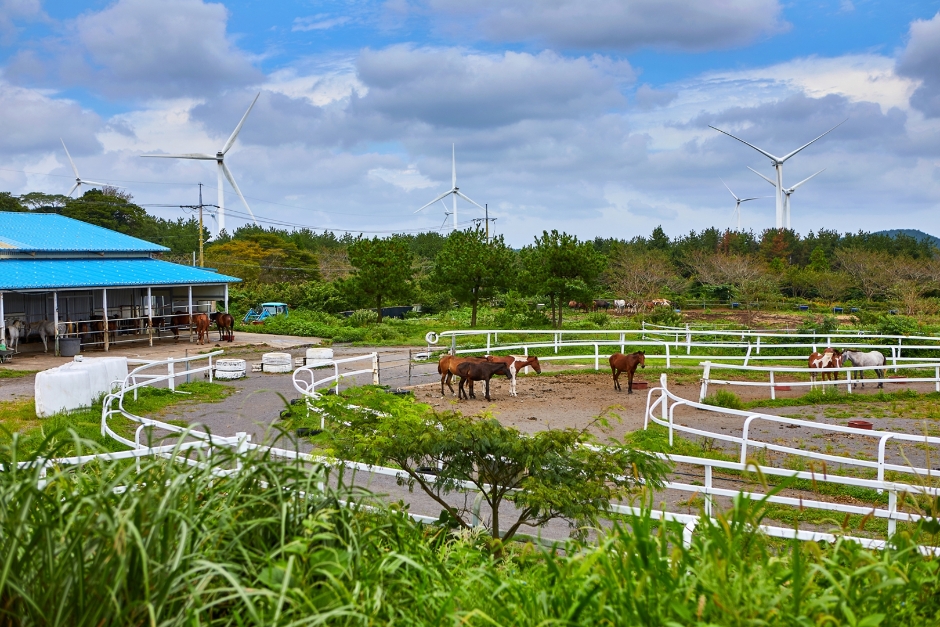
Jeju Horse Park offers a venue to promote Jeju’s horse culture in an easy and fun way. The park has kept intact the 600-year history of nomadic culture at the site of Gasi-ri Village which used to house Gammajang, the place for raising the best horses during the Joseon dynasty. The park includes the Jeju Horse Museum, Ttarabi horseback riding track, Maeum Cafe, Mongol Yurt Guesthouse, camping site, Art Shop, and an experience place to focus on the Project for a New Cultural Space Creation through the support of the Ministry of Agriculture, Food and Rural Affairs. The Jeju Horse Museum was the first national museum created by a village and its main theme covers the history and culture of the village. It is also regarded as a new form of community business model.
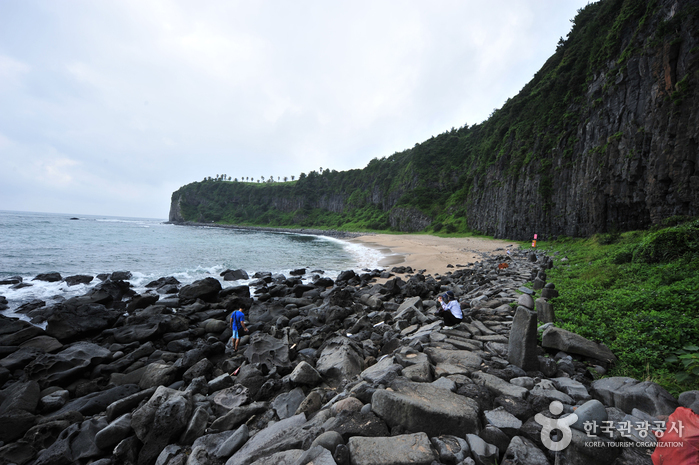
Jeju Island Special Tourist Zone (제주도 관광특구)
Jeju-do
Located to the southwest of the Korean Peninsula, the island of Jeju is Korea's largest tourist destination. The entire island has been designated as a special tourist zone, and it's easy to see why: there is hardly any spot on the island that is not photogenic. Unlike mainland Korea, which has a temperate climate, Jeju boasts a climate that is closer to subtropical. Hallasan Mountain, lying at the center of the island, is surrounded by 368 parasitic cones, known as "Oreum." Eleven beaches have been designated as tourist beaches, but including those that are not officially designated, the island features nearly thirty beaches in total. Famous beaches include Iho Tewoo Beach, Samyang Beach, Hyeopjae Beach, Geumneung Beach, and Gwakji Beach. Jeju's renowned Olle Trails, a system of hiking paths, span a total length of 425 kilometers and would take about fifteen days to complete in their entirety.
Plan your Korea trip
Korea travel FAQ
How do I use the travel search?
Enter a place or interest, then narrow the results by region, category or sort order.
Will my filters stay selected on the next page?
Yes. Your search and filter choices stay in the page URL while you move through the results.
Can I find directions to each place?
Place pages include an external Google Maps search when coordinates or an address are available.
Source: Korea Tourism Organization, official website (https://knto.or.kr).