TRAVEL IN KOREA
Korea Places to Visit
Find attractions, culture, festivals, stays, restaurants, shopping and travel courses for a clear Korea trip plan.
Data last synced: 2026-06-25. Some details may change. Please confirm official information before visiting.
Jeju Jeolmul Recreational Forest (제주절물자연휴양림)
584, Myeongnim-ro, Jeju-si, Jeju-do
Jeju Jeolmul Recreational Forest opened on July 23, 1997. The forest is comprised of both a natural Japanese cedar forest and a man-made forest. The combination of the sea breeze and the shade of the forest canopy over the walking paths make it a cool attraction all year round. The recreational forest features a promenade, waterfall, pond, grass square, wood-crafting studio, and more. There are forest cabins available for lodging.
Jeju Love Land (제주러브랜드)
2894-72 1100-ro, Jeju-si, Jeju-do
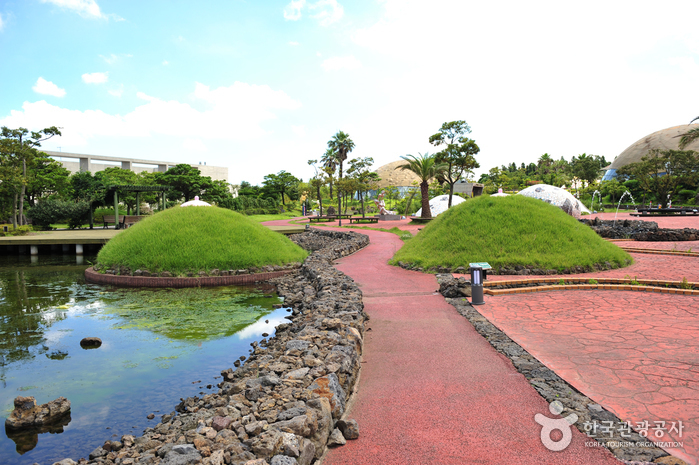
Jeju Love Land is a modern-themed park that creatively interprets sex through art. The entire park is a vast artistic space featuring a variety of works approached from perspectives of enjoyment and humor. At night, the park is beautifully illuminated with colorful and exotic lights, creating a mysterious ambiance. It's consistently popular among couples. Additionally, there are gift shops, cafés and restaurants available.
Jeju National University Hospital (제주대학교병원)
15 Aran 13-gil, Jeju-si, Jeju-do
Jeju National University Hospital is the only national university hospital in Jeju Island. We serve as the center of public healthcare in the region through education, research, and diagnosis. We are also contributing to the improvement of healthcare and leading the development of the medical industry. In other words, we are a pivotal institution responsible for the island's healthcare. We are committed to achieving both quantitative and qualitative growth as a leading smart hospital. For example, we are attracting various specialized centers, introducing state-of-the-art equipment, recruiting excellent medical staff, and building a future medical information system. In addition, Jeju Island has a beautiful natural environment and many places to see, so patients can freely enjoy sightseeing after receiving treatment.
Jeju Samseonghyeol (제주 삼성혈)
22 Samseong-ro, Jeju-si, Jeju-do
Samseonghyeol is a revered site featuring three mythical holes, believed to be the origin of Jeju island's mythical founders: Go, Yang, and Bu. This sacred location is enveloped by ancient trees, standing for centuries, and remarkably, the holes are known to never fill with water, no matter how hard it rains or snows. Adjacent to these remarkable natural phoenomena, visitors will find an exhibition hall and a media gallery dedicated to telling the lore of Samseonghyeol. Additionally, the site is surrounded by historical structures dating back to the Joseon period.
Jeju Sanbangsan Carbonate Hot Springs (제주 산방산탄산온천)
192, Sagyebuk-ro 41beon-gil, Andeok-myeon, Seogwipo-si, Jeju-do
Jeju Sanbangsan Carbonate Hot Springs is a carbonate hot spring that contains the main carbonic acid components (free carbonic acid, bicarbonate, sodium, etc.). It is said that this enhances blood circulation, lowering blood pressure and reducing the burden on the heart. It is also beneficial for skin care and fatigue recovery, making it a perfect place to relax after a long day of exploring Jeju. There is an indoor bath designed with glass inside as well as an outdoor open-air bath, so visitors can bathe while enjoying the view of Sanbangsan Mountain and the deep blue sea.
Jeju Starlight World Park and Planetarium (제주별빛누리공원)
60 Seondolmokdong-gil, Jeju-si, Jeju-do
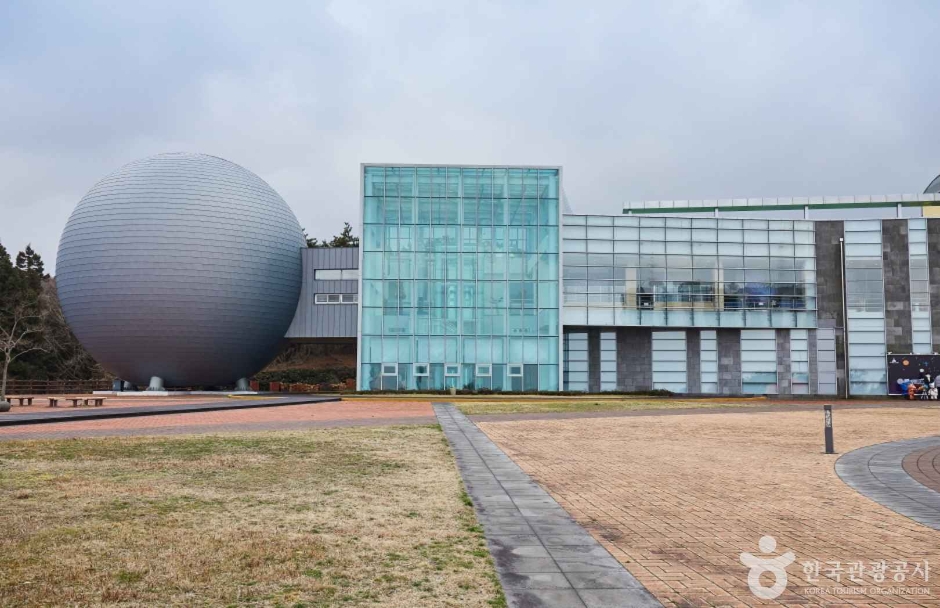
Jeju Starlight World Park and Planetarium is an astronomical theme park offering the opportunity to observe realistic images of the universe through its 4D theater and planetarium. The park has various exhbitions related to the solar system and interactive activities. On a clear night, visitors can observe of distant planets and star clusters using astronomical telescopes at the observatory. Even when the observatory is closed, the planetarium's location at the rural hilltop allows visitors to enjoy stargazing and the view of downtown's city lights.
Jeju Yakcheonsa Temple (약천사(제주))
293-28 Ieodo-ro, Seogwipo-si, Jeju-do
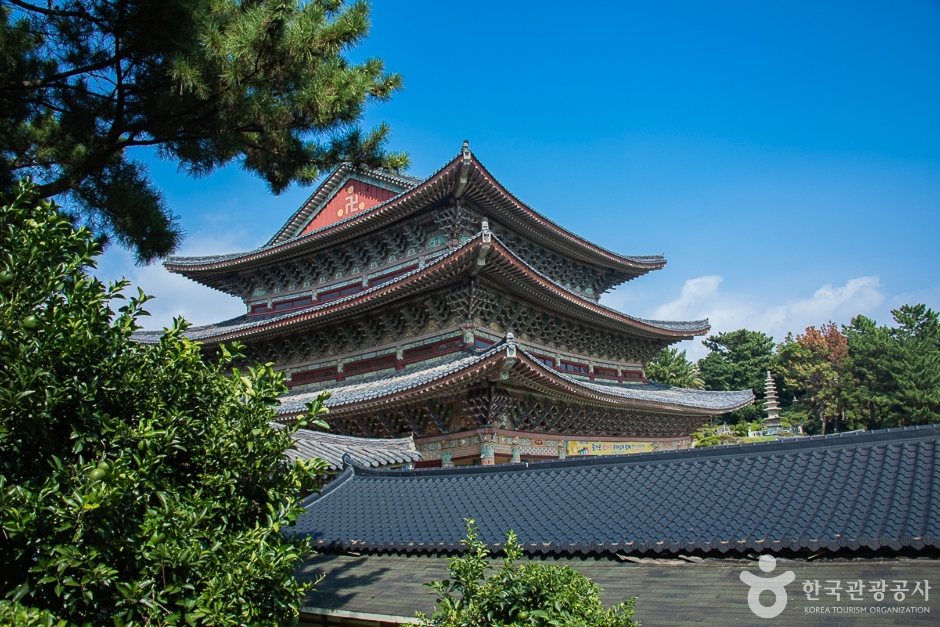
Jeju Yakcheonsa Temple is the largest temple in Asia. Originally a small hermitage named Yaksuam, it was named Yakcheonsa because of a famous mineral spring ('Yaksu') nearby. It enshrines tombstones of two royal couples from the Joseon Dynasty: King Munjong and his consort, and King Yeongchin and his consort. The temple also offers temple stays for both Koreans and foreigners.
Jeju-mok Government Office (제주목관아)
25 Gwandeok-ro, Jeju-si, Jeju-do
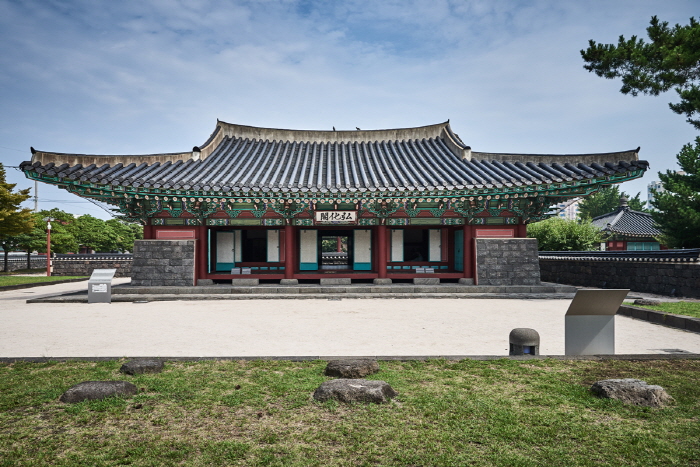
The Jeju-mok Government Office was a gwana, or regional government office, that historically served as the center of Jeju Island’s political, administrative, and cultural activities, spanning from its early days as the State of Tamna through the Joseon period. A significant portion of the structure was destroyed in a fire in 1434, leading to subsequent rebuilding efforts. From 1991, archeological excavations were conducted in four stages, enabling the meticulous restoration of several key buildings within the complex. These include the Honghwagak Pavilion, Yeonhuigak Pavilion, Uyeondang Pavilion, Gyullimdang Pavilion, and Gwandeokjeong Pavillion, all of which were restored by December 2002. Additionally, the complex is known for hosting annual nighttime events.
Jemincheon Stream (제민천)
201 Muryeong-ro, Gongju-si, Chungcheongnam-do
Jemincheon Stream is a living ecological stream that flows through the heart of Gongju, beginning in Geumhak-dong and joining the Geumgang River at Geumseong-dong. Restored through an ecological stream development project, it now features walking paths, natural-style paving, waterfront green spaces, and rest areas, creating a pleasant place for both residents and visitors. As an urban stream, it also serves as a cultural space where history, stories, nature, and people come together, offering a welcoming waterside environment for everyday relaxation.
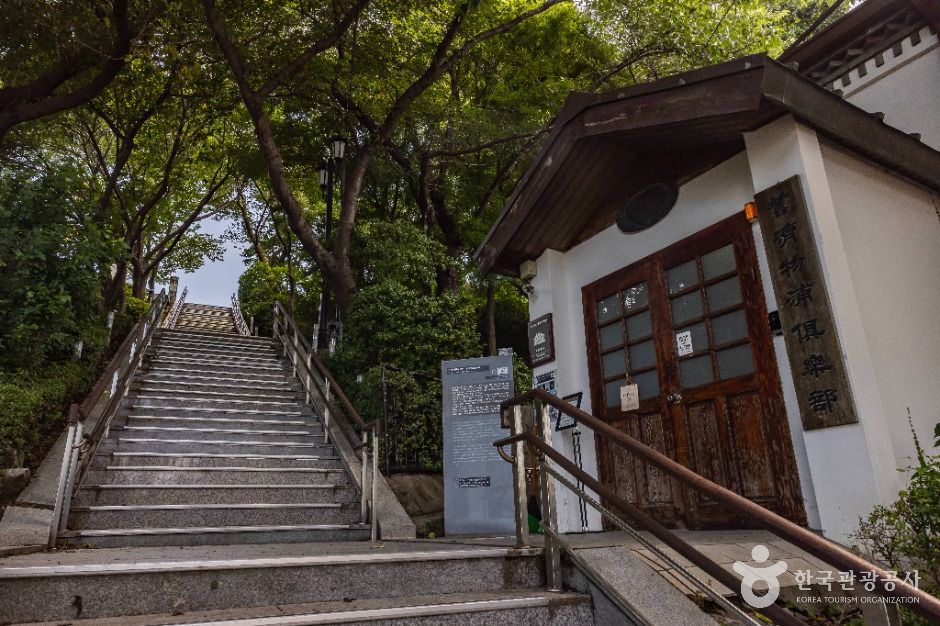
Jemulpo Club (제물포구락부)
25 Jayugongwonnam-ro, Jung-gu, Incheon
Jemulpo Club, also called Jeumulpo Gurakbu, was established in 1901 to be used as the venue for foreigners such as American, English, German, French, Russian and a small minority of Chinese and Japanese all living in Incheon to build up friendships before opening the port. The two-story brick building was comprised of a library room, pool table, tennis court and others facilities. The site was used as Incheon Museum from 1953 to 1990 and Incheon Cultural Center from 1990 to 2006. In 2007, the name was changed to Jemulpo Gurabu, imphasizing the Japanese pronunciation of "club." It now offers a site for experiencing modern culture interactions.
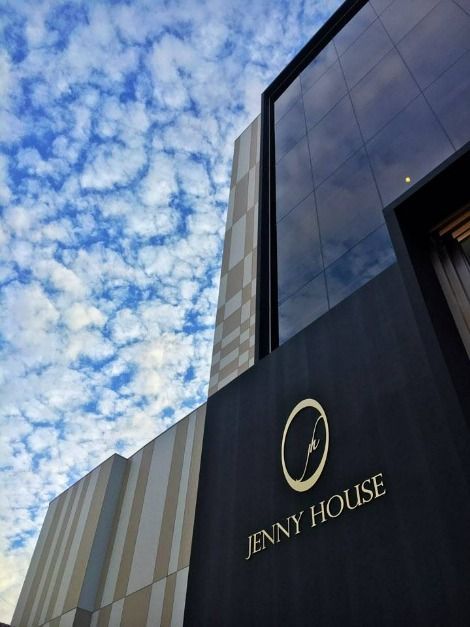
Jennyhouse (제니하우스)
56 Seolleung-ro 146-gil, Gangnam-gu, Seoul
Step into Jennyhouse, Korea’s top luxury beauty salon, for an unforgettable hair and makeup transformation. Renowned for its exceptional service and artistry, Jennyhouse is where celebrities like Son Ye-jin, Han Ji-min, and Suzy achieve their iconic looks. Upon booking a reservation, clients can choose from a range of services tailored to their style and needs. Whether it’s a glamorous red-carpet makeover, a trendy K-beauty hair transformation, or elegant wedding styling, Jennyhouse's team of 80 expert artists ensures a personalized experience. Expect cutting-edge techniques, top-tier products, and meticulous attention to detail. Jennyhouse offers the experience for clients to embrace the best of K-beauty and leave with a look that’s uniquely theirs. At Jennyhouse, every client walks out feeling confident, radiant, and ready to shine.
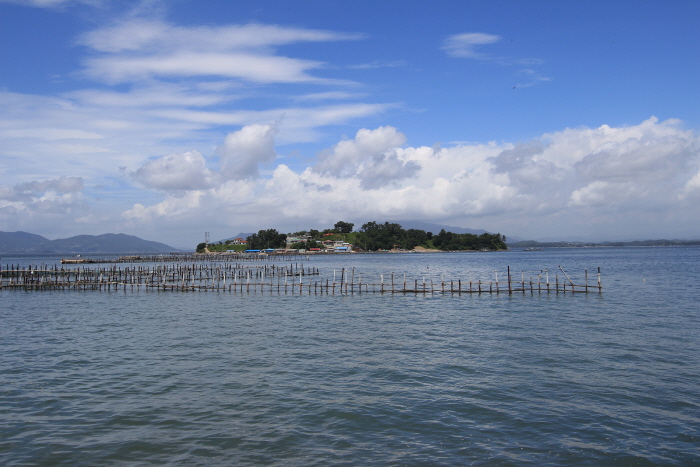
Jeodo Island (저도(딱섬))
17-11, Jeodo-gil, Sacheon-si, Gyeongsangnam-do
Jeodo Island derives its name from the abundance of paper mulberry (a fiber crop largely used for papermaking) growing on the island. The letter "jeo" refers to paper mulberry, while "-do" refers to island. On Jeodo Island, one can get a glimpse of what daily life in a small fishing village is like. The island can also be seen just behind the bamboo weirs from Siran Dock. The view is a combination of a lighthouse, fishing site, lush meadows, and lodgings with the ocean in the background. Fishing using bamboo weirs is a rare sight to see in Korea, and can only be found on the southern coast.
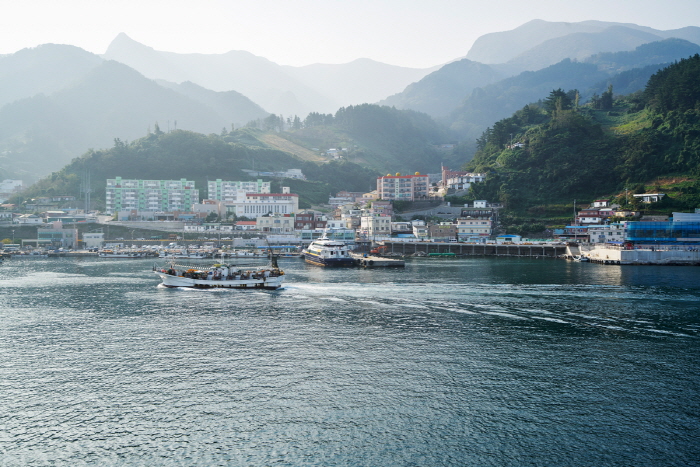
Jeodonghang Port (저동항)
Ulleungsunhwan-ro, Ulleung-gun, Gyeongsangbuk-do
Jeodonghang Port is the biggest port on Ulleungdo Island, where most of the island's squid fishing and related process takes place. Jeodongeohwa, referring to the luring lights from the boats for squid fishing, is one of the famous Eight Major Beauties of Ulleungdo Island. Chotdaebawi Rock, standing next to the port sea wall, has a sad legend about a daughter who died from grievance when her father never came back from fishing.
![Jeokbyeokgang Cliffs [National Geopark] (적벽강 (전북 서해안 국가지질공원))](http://tong.visitkorea.or.kr/cms/resource/30/3025630_image2_1.jpg)
Jeokbyeokgang Cliffs [National Geopark] (적벽강 (전북 서해안 국가지질공원))
Gyeokpo-ri, Buan-gun, Jeonbuk-do
The area around Jeokbyeokgang Cliffs features great plant distribution value, including a population of Machilus, a designated natural monument. The cliffs are a great location for geological and ecological educational moments when visiting nearby attractions such as Chaeseokgang River and Gyeokgo Beach. The cliff is mostly composed of pepperlite, a unique rock that forms when volcanic rhyolite and sedimentary shale merge together.
Jeoksangsan Mountain (적상산)
Goemok-ri, Muju-gun, Jeonbuk-do
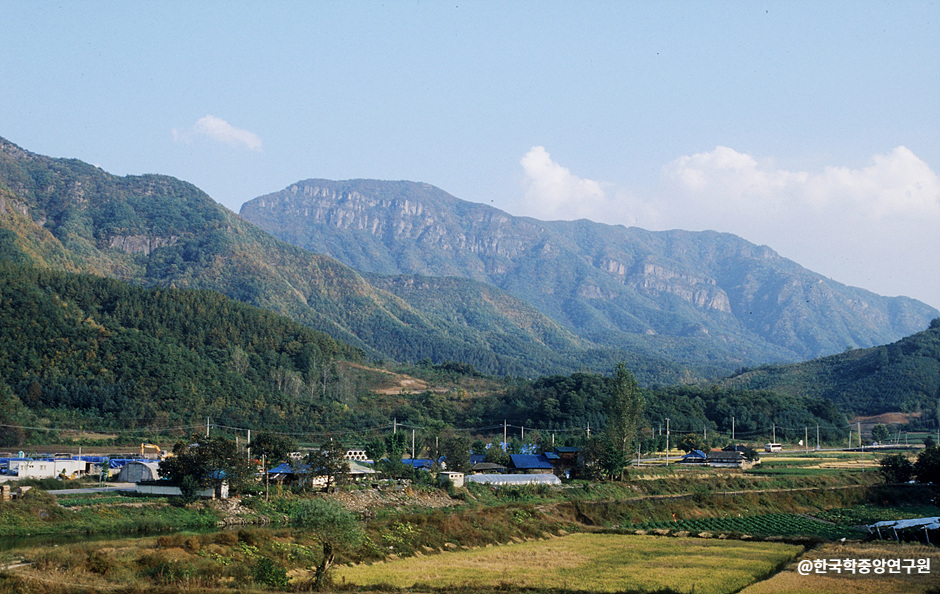
As one of the best scenic mountains in Korea, Jeoksangsan Mountain (1,030.6 meters) showcases imposing, steep rock walls. Jeoksangsan, also called Red Skirt Mountain, got its name from the view of red maple trees around cliffs in fall that makes the mountain look like a giant red skirt. The mountain boasts a variety of attractions from Hyangnobong Peak (1,029 meters), Cheonilpokpo Falls, Songdaepokpo Falls, Jangdobawi Rock, Janggunbawi Rock, and Allyeomdae Cliff. The rugged shape of the mountain was considered ideal for building a fortress. And after Jeoksangsan became a designated site for storing Joseonwangjo Sillok (annals of the Joseon Dynasty), the fortress surrounding it was further rebuilt. The mountain is also home to Anguksa Temple, an ancient temple built in 1227 (during the 3rd year of King Chungryeol’s reign) by Monk Wolin. The mountain can easily be climbed by hiking or by vehicle; there is a paved road stretching over 15 kilometers that leads to the top of the mountain thanks to the construction of Muju Power Plant, letting tourists visit Sanjeong Lake and Anguksa Temple conveniently.
Jeoksangsan National History Archives Site (적상산사고지)
960, Sanseong-ro, Muju-gun, Jeonbuk-do
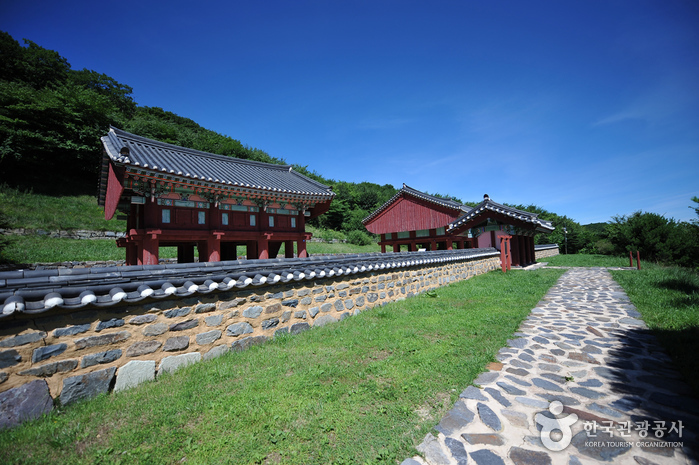
During the Imjin War (1592-1598), many of the National Archives in the capital and the surrounding area were burned down. After this, the archives were duplicated and stored in a variety of locations thoughout the county. The National Archives of Jeoksangsan Mountain was founded in 1614, when important national archives were moved from Myohyang Confucian Academy, with others being added in 1641. This national archives site served a very important role throughout over 300 years of Korea’s history, until it was closed by the Japanese during the Japanese occupation.
Plan your Korea trip
Korea travel FAQ
How do I use the travel search?
Enter a place or interest, then narrow the results by region, category or sort order.
Will my filters stay selected on the next page?
Yes. Your search and filter choices stay in the page URL while you move through the results.
Can I find directions to each place?
Place pages include an external Google Maps search when coordinates or an address are available.
Source: Korea Tourism Organization, official website (https://knto.or.kr).