TRAVEL IN KOREA
Korea Places to Visit
Find attractions, culture, festivals, stays, restaurants, shopping and travel courses for a clear Korea trip plan.
Data last synced: 2026-06-25. Some details may change. Please confirm official information before visiting.
Ewha Womans University (이화여자대학교)
52, Ewhayeodae-gil, Seodaemun-gu, Seoul
Ewha Womans University is Korea's first women's university founded in 1886 by American Methodist missionary Mary Scranton. Ewha Womans University is also the most famous women's university in Korea and its name originates from Ehwa Hakdang, a name given by Empress Myeongseong in 1887. Ewha Womans University created a four-year university course in 1910, and in 1943, the name of Ewha was taken away during the Japanese colonial period and downgraded to a one-year school. In October 1945, the year of Korea's independence from Japan, it regained the name of Ewha and was promoted to a university with eight departments. Currently, it consists of 15 graduate schools, 11 colleges, and 67 departments, and there are 8 affiliated research institutes. The street in front of Ewha Womans University is famous for shopping. This place is full of clothing stores and neat food that boast a popping sensation to suit the tastes of female college students. The shopping street in front of Ewha Womans University is a straight road that lies ahead of Exits 2 and 3 of Seoul Subway Line 2. Alleyways stretch out like branches around this street and are filled with various accessory shops, clothing stores, shoe stores, restaurants, cafes, and beauty salons.
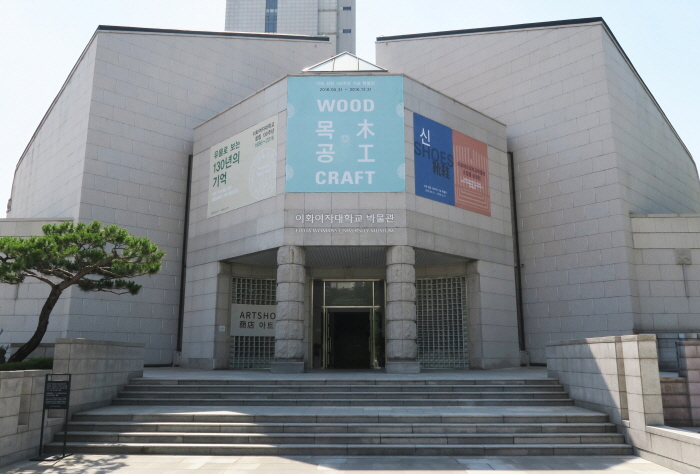
Ewha Womans University Museum (이화여자대학교박물관)
52, Ewhayeodae-gil, Seodaemun-gu, Seoul
The Ewha Womans University Museum was established in 1935 with the goal of preserving the cultural heritage of Korea. Originally, items related to folk art, traditional woodwork, and pottery were put on display in the hall of the main university to keep them from being confiscated during the Japanese occupation. This later led to the opening of the museum to display and store the growing collection. Regular exhibitions of the museum’s collection have been taking place annually from 1972. Since 1996, the museum also held special exhibitions that focus on other themes related to cultural heritage. Additional small-scale exhibitions are also held frequently to promote Korea's traditional culture and art. A ceramics research facility as well as a more traditional museum, a large portion of the museum’s efforts is focused on the research and excavation of kilns. To this aim, excavation teams from the museum have traveled to various parts of the country to conduct studies on historic sites and assess the value of artifacts. Through the publication of books and reports on its discoveries, the museum has contributed to raising knowledge and awareness of Korean cultural heritage in academia and among the public.

Exhibition Hall of Chungju Goguryeo Monument (충주고구려비전시관)
2319 Gamno-ro, Jungangtap-myeon, Chungju-si, Chungcheongbuk-do
Opened in 2012, the Exhibition Hall of Chungju Goguryeo Monument is the only place in Korea where visitors can see the Goguryeobi Monument, a stone stele from the ancient Goguryeo Kingdom. Chungju was once a strategic stronghold, controlling key mountain passes and the Namhangang River. The monument provides evidence of Goguryeo’s occupation of the area for more than 70 years. Although it had long stood in Ipseok Village, its historical significance was not recognized until 1979. It is believed to have been erected after King Jangsu expanded Goguryeo’s territory into the Namhangang River basin. Beyond the monument itself, the exhibition hall presents Goguryeo’s history, culture, legends, and daily life, as well as information on the monument’s discovery and other major Goguryeo relics.
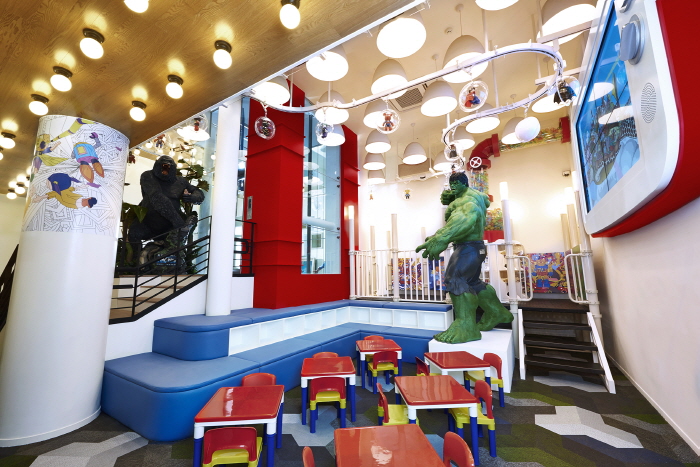
Figure Museum W (피규어뮤지엄W)
3, Seolleung-ro 158-gil, Gangnam-gu, Seoul
The Figure Museum W is a new concept museum that combines the appeal of figurines with Enter-Tour-Ment. It integrates some functions of theme parks to create a space for a new play culture and healthy hobbies. In Figure Museum W, visitors can meet special figurines, experience the appeal of figurines, and trace the history and the world of figurines.
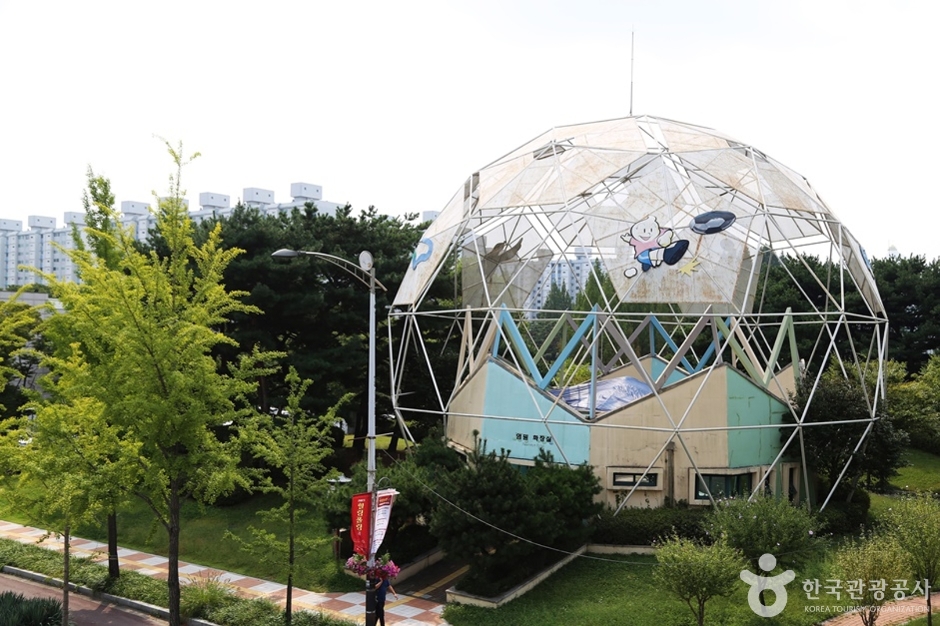
First Suwon Outdoor Concert Hall (수원 제1야외음악당)
335 Dongsuwon-ro, Paldal-gu, Suwon-si, Gyeonggi-do
The First Suwon Outdoor Concert Hall, situated in Ingye Art Park and recipient of the Korean Architecture Award in 1996, functions as an open-air performance venue. It features 799 fixed seats and a grassy plaza that can accommodate around 15,000 people, making it a notable space. Renowned for its high-quality facilities that provide an indoor-level sound experiences, it has become a beloved relaxation spot for the city's residents.
Fisheries Science Museum (수산과학관 (부산))
216, Gijanghaean-ro, Gijang-gun, Busan
The Fisheries Science Museum, Korea's first science institute of its kind, was established on May 26, 1997 in order to promote maritime science and technology to the public. The museum was opened after six years of effort by the National Fisheries Science Institute in preparing research and materials regarding marine resources, the fishing industry, fishery and fish farm technology and equipment, taxidermied fish specimens, sea life species, and others. There are a total of 15 separate areas with over 7,400 exhibition items, and even an actual right whale skeleton on display, as well as a room where visitors can learn how to operate a marine vessel.

Flashback Gyerim (플래시백 계림)
14 Cheonbungnam-ro, Gyeongju-si, Gyeongsangbuk-do
Flashback Gyerim, located in Gyeongju, is an immersive media art exhibition that reimagines the region’s unique narrative, from the founding of the Silla Kingdom through the period of Unified Silla, using technology, space, and light. Situated within the Bomun Tourist Complex, the venue spans approximately 5,600 square meters, making it the largest of its kind in Korea, with a maximum ceiling height of 11 meters.The exhibition is designed to let visitors walk through and experience the mythological and folkloric world of Silla firsthand, offering a fully multisensory journey. Large-scale projections, high-resolution media, and immersive sound come together across 13 interconnected zones that form a single epic narrative. Through a thoughtful blend of tradition and modern technology, the exhibition delivers an experience that moves fluidly across the boundaries of time and memory.
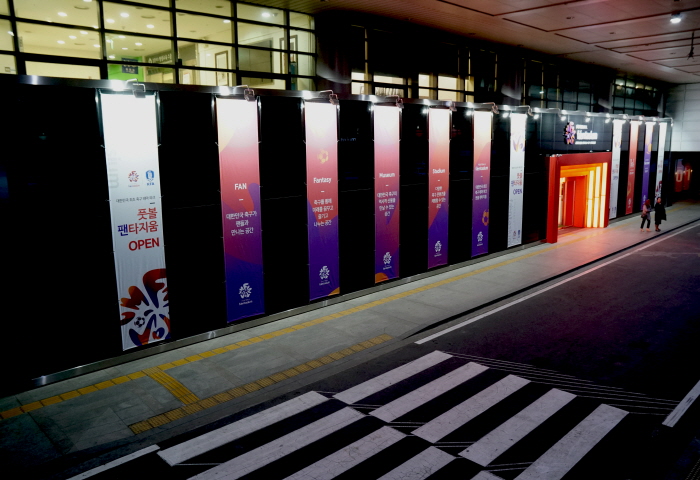
Football Faentasium (풋볼 팬타지움)
240, World Cup-ro, Mapo-gu, Seoul
Football Faentasium is the first soccer-themed experience museum in Korea, founded by the Korea Football Association. The museum uses the lastest in IT for exciting displays, experiences, educational lessons, and more for a facility more like a theme park than a museum. The name comes from a mix of the words fan, fantasy, museum, and stadium.
Forest Museum (숲박물관)
3054 Misiryeong-ro, Sokcho-si, Gangwon-do
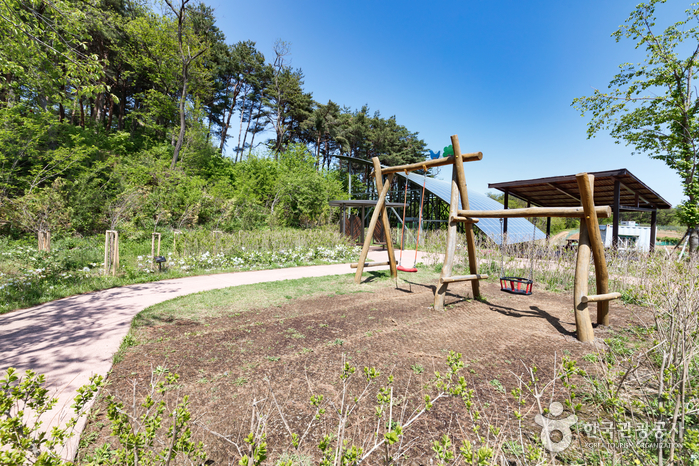
Forest Museum is a scenic forest path connecting the Sokcho City Museum and the National Mountain Museum. Its well-maintained trails are lined with diverse trees and flowering plants, including Asiatic liverworts, peonies, pasque flowers, bridal wreath, Flowering Cherry, and Korean Azaleas. The area is adorned with flowers blooming throughout the seasons. It also features a children's playground, a water garden, and serene rest areas with pergolas, outdoor tables, and scenic spots for relaxation.
Forest of Wisdom (지혜의 숲)
145 Hoedong-gil, Paju-si, Gyeonggi-do
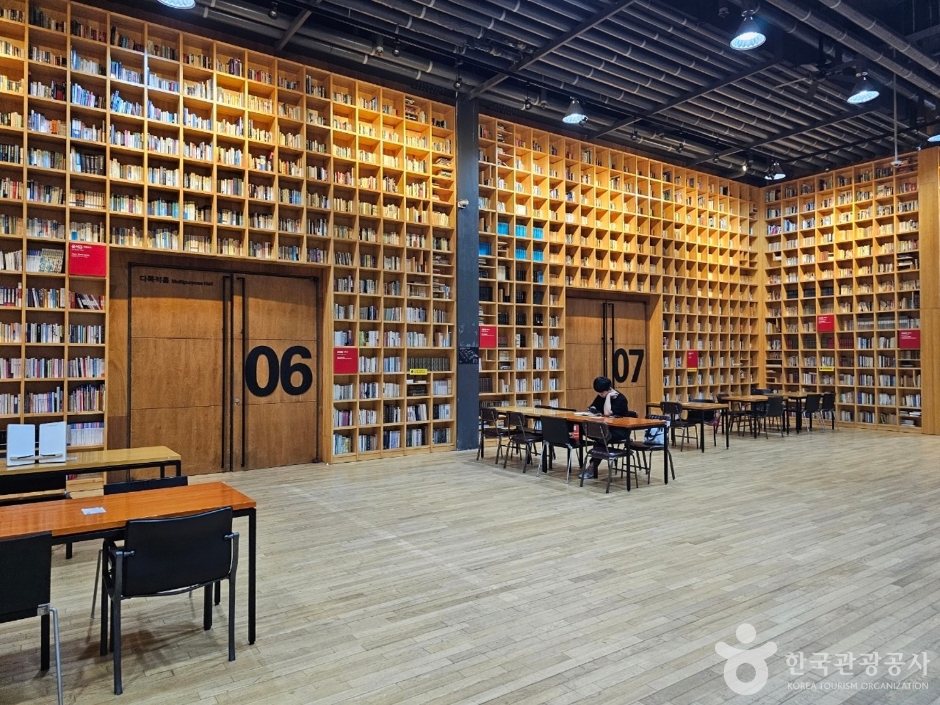
◎ Travel information to meet Hallyu’s charm The music video for Girls’ Generation’s debut song “Into the New World” was filmed here, and Hyoyeon’s dance break scene took place on the outside stairs. The building, which is known for its award-winning architecture, has also served as the backdrop for dramas such as “Romance Is a Bonus Book” and “The World of the Married.”
Former Gongju-eup Office (옛 공주읍사무소)
8 Ucheguk-gil, Gongju-si, Chungcheongnam-do
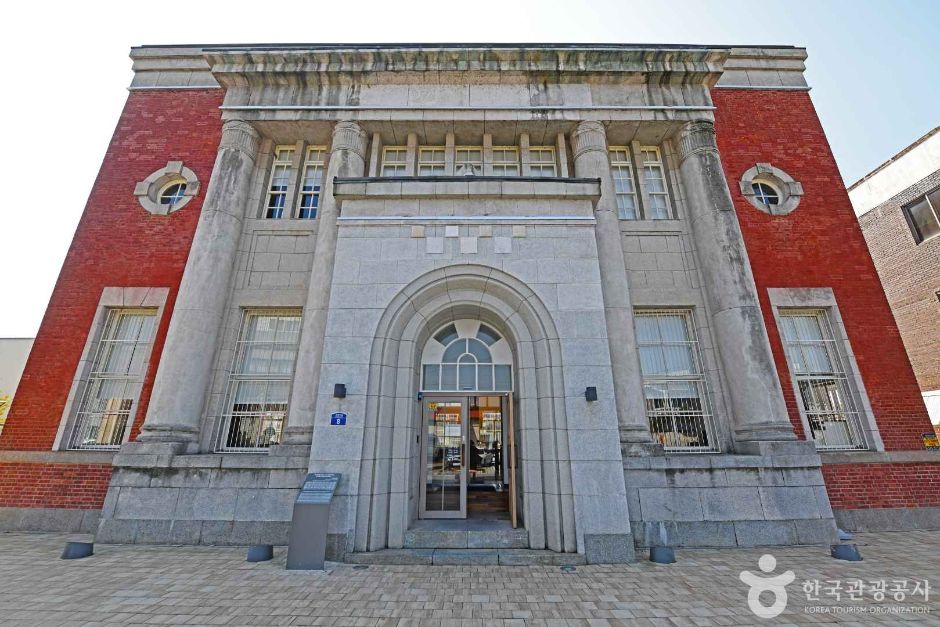
The Former Gongju-eup Office, a two-story Western-style red brick building built in 1923, stands as a symbol of Gongju’s modern history. Its interior showcases old photographs of Gongju, antique furniture, and a model of the current city. It also serves as a central venue for the annual Gongju Culture Night, held every fall, featuring performances, hands-on activities, and a flea market.
Gahoe Museum (가회민화박물관)
52 Bukchon-ro, Jongno-gu, Seoul
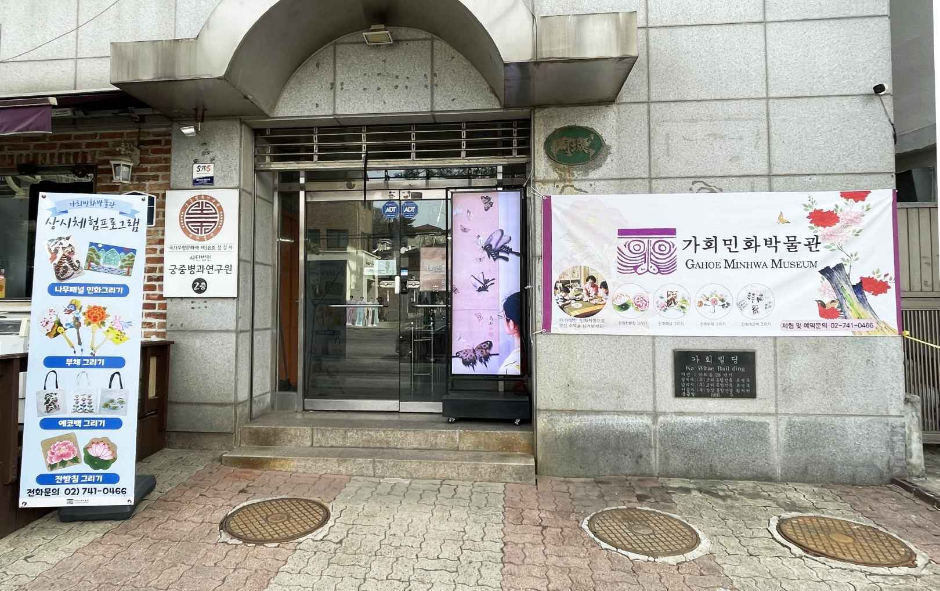
Opened in 2002, Gahoe Museum exhibits folk paintings and amulets reflecting the lifestyle and wishes of the Korean people from ancient times. Inside the Hanok gallery, visitors can immerse themselves in the traditions of Korea, including old paintings depicting people's lifestyle in the past and religious beliefs, and roof tiles in the shape of humans or goblins. Visitors will also find folding screens and religious objects used in the past that show skills and knowledge of Korean ancestors.
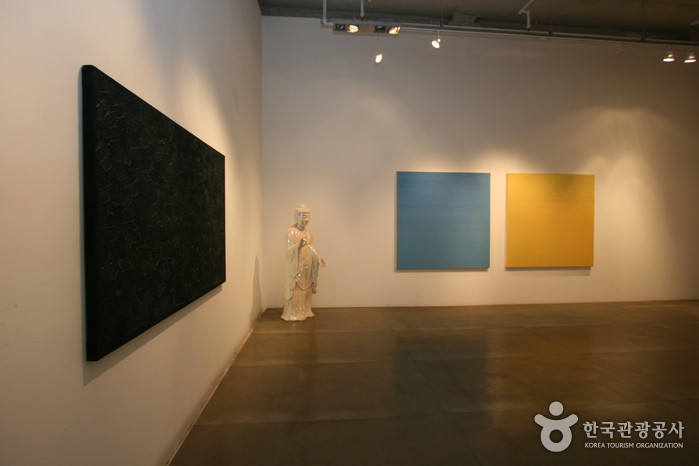
Gallery Simon (갤러리 시몬)
20, Jahamun-ro 6-gil, Jongno-gu, Seoul
Since its opening in April, 1994, Gallery Simon has continued to focus on promoting the beauty of modern art. Exhibitions include works from experienced artists as well as the works of budding artists, both from Korea and abroad. Select artists, referred to collectively as "Simon's Friends," have exhibitions annually. The changing collections allow the museum and featured artists to constantly strive for improvement and follow the changes in art over time.
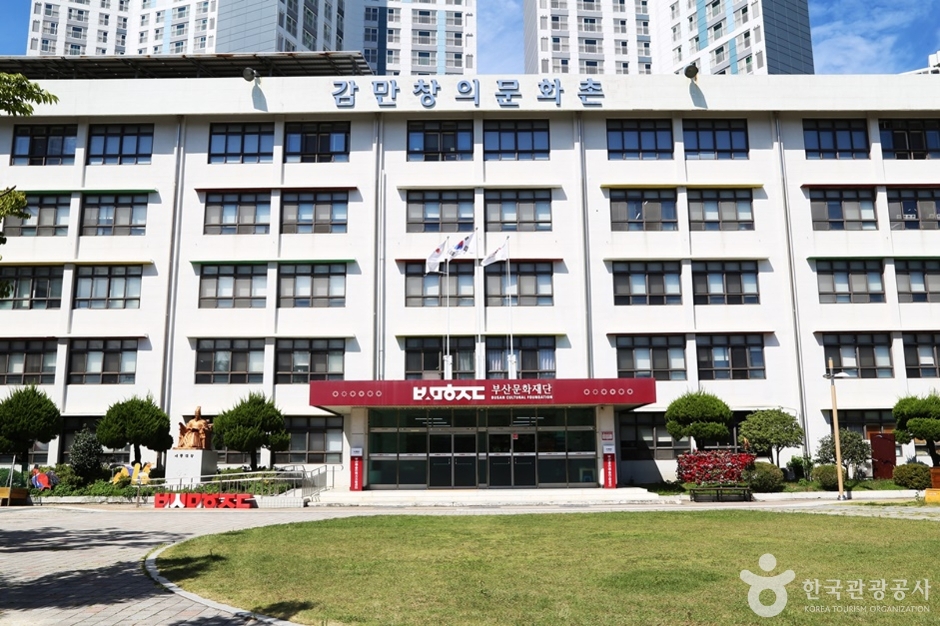
Gamman Creative Community Space (감만창의문화촌)
84-1 Uam-ro, Nam-gu, Busan
Gamman Creative Community Space, transformed from a former school, mirrors modern Korea's vibrant culture with elements like playground equipment and classroom hallways. This unique venue hosts a variety of events all year round, including movie screenings, classical music festivals, diverse activities and performances, fairy tale photo zones, open studio events, and food trucks, making it a dynamic hub for community engagement and cultural experiences.
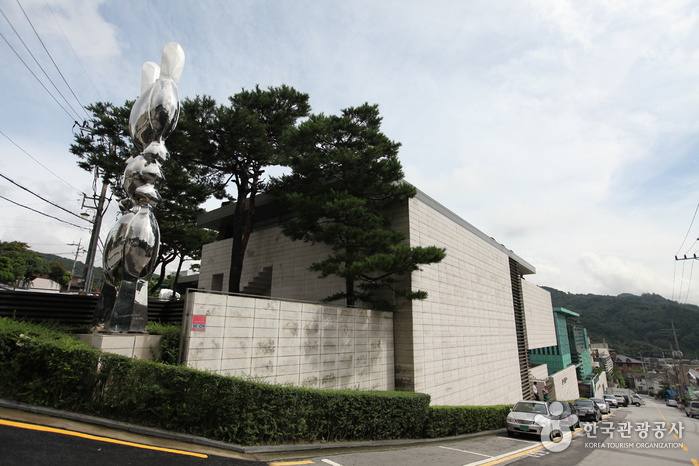
Gana Art Center (가나아트센터)
28 Pyeongchang 30-gil, Jongno-gu, Seoul
The Gana Art Center located at the foothills of Bukhansan Mountain has been showcasing more than 300 exhibitions since its opening in 1983. Through both national and international exhibitions, the Gana Art Center is a recognized gellery. With numerous fairs and exhibitions, Gana Art Center not only invite internationally known artists, but also promotes other forms of art, such as music, theater, mime, etc. Through their flexibility in promoting all art forms, the visitors will surely be able to find the theme of their interest.
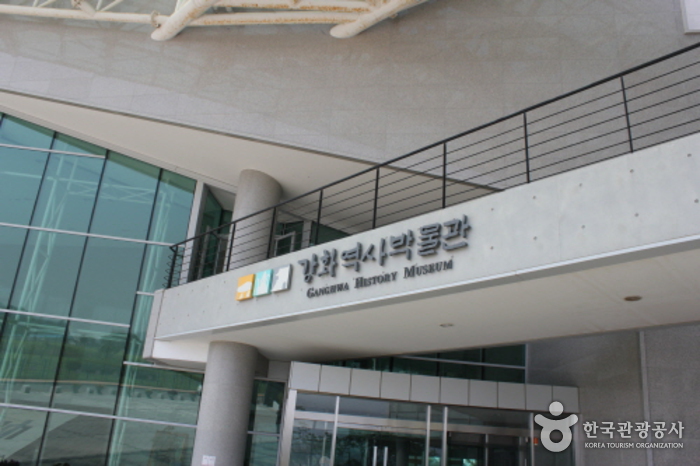
Ganghwa History Museum (강화역사박물관)
994-19, Ganghwa-daero, Ganghwa-gun, Incheon
Ganghwa History Museum opened in 2010 with aims to exhibit, preserve and educate visitors about the history and culture of Ganghwa from prehistoric ages to modern times based on artifacts from the area.
Plan your Korea trip
Korea travel FAQ
How do I use the travel search?
Enter a place or interest, then narrow the results by region, category or sort order.
Will my filters stay selected on the next page?
Yes. Your search and filter choices stay in the page URL while you move through the results.
Can I find directions to each place?
Place pages include an external Google Maps search when coordinates or an address are available.
Source: Korea Tourism Organization, official website (https://knto.or.kr).