TRAVEL IN KOREA
Korea Places to Visit
Find attractions, culture, festivals, stays, restaurants, shopping and travel courses for a clear Korea trip plan.
Data last synced: 2026-06-25. Some details may change. Please confirm official information before visiting.
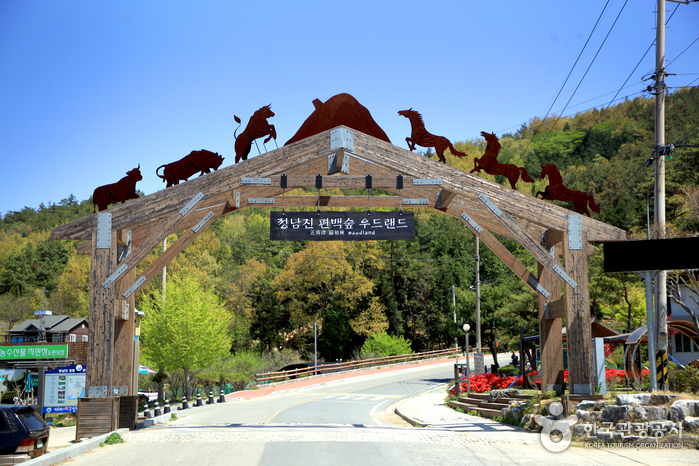
Jeongnamjin Cypress Forest Woodland (정남진 편백숲 우드랜드)
180, Woodland-ro, Jangheung-gun, Jeollanam-do
Jangheung Jeongnamjin is an ecological village situated next to mountains, the sea, and the river. The Jeongnamjin Cypress Forest Woodland is the best spot in the area to enjoy the refreshing air and a forest full of tall, 40-year-old cypress trees. Sitting at the foot of Eokbulsan Mountain overlooking downtown Jangheung-eup, the Jeongnamjin Cypress Forest Woodland is home to the Wood Culture Experience Hall, beautiful lodging facilities, including hanoks (traditional Korean houses), the Jeonnam Woodcraft Center, the Ecological Building Experience Site, Forest of Therapy, and the Cypress Salt House (traditional Korean sauna).
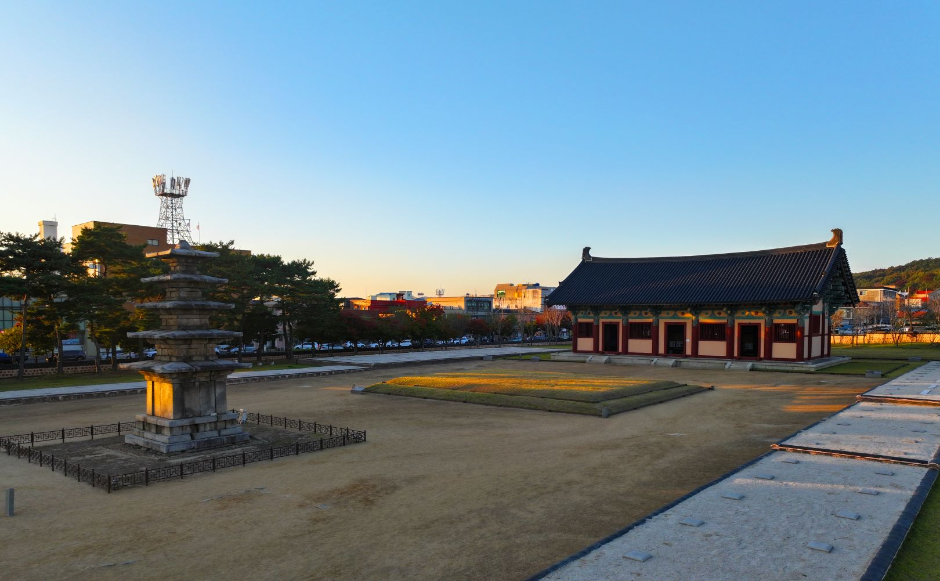
Jeongnimsa Temple Site & Sabi-gil (정림사지와 사비길)
83 Jeongnim-ro, Buyeo-eup, Buyeo-gun, Chungcheongnam-do
Jeongnimsa Temple Site, located in the city center of Baekje, the capital during the Sabi dynasty, is a representative Buddhist site of Baekje. Even after the fall of Baekje, the Five-story Stone Pagoda of Jeonnimsa Temple Site still stands tall today, revealing the historical significance of Baekje. Sabi-gil, an eco-friendly walking trail, takes visitors around many popular attractions from the Baekje era, allowing a glimpse into the history and culture of Baekje.
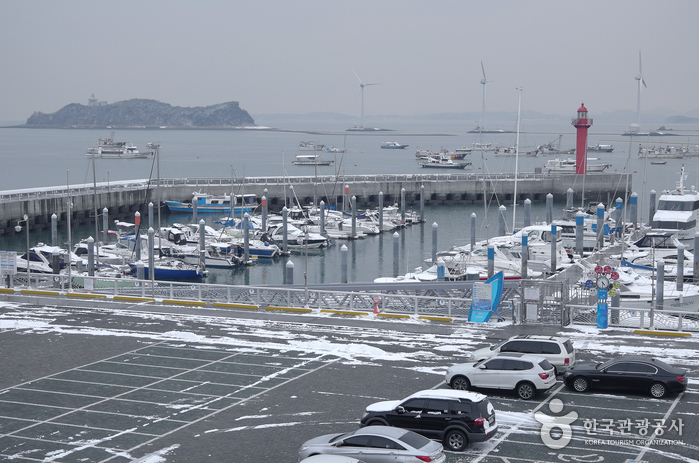
Jeongok Port (전곡항)
5 Jeongokhang-ro, Seosin-myeon, Hwaseong-si, Gyeonggi-do
Jeongok Port is a port facing Jebudo Island and Nueseom Island. It was selected as Korea's first leisure fishing port. It was developed after being chosen as an experimental zone. It was created as a multi-functional theme fishing port, where fishing, yacht experiences, a marina, and an annual fishing competition are available. There are many restaurants nearby serving fresh seafood and shellfish from the West Sea. The West Sea and Jebudo Marine Cable Car is also located nearby, making it a tourist destination that offers not only water activities but also car drives and walks.
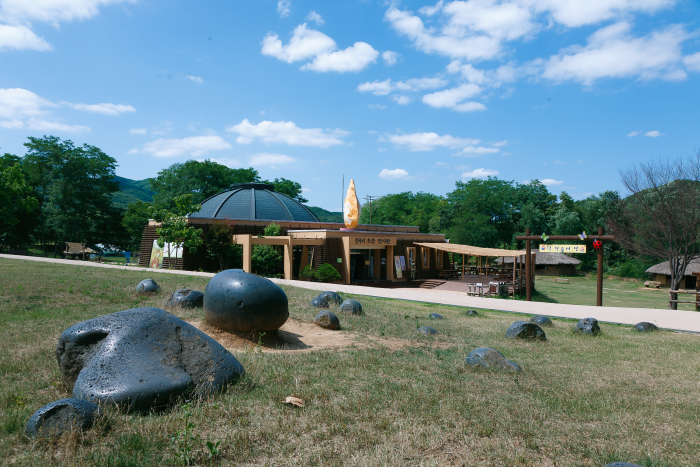
Jeongok-ri Prehistoric Site - Hantangang River Geopark (연천 전곡리 유적-한탄강 국가지질공원)
1510, Yangyeon-ro, Yeoncheon-gun, Gyeonggi-do
The Jeongok-ri Prehistoric Site is the prime site on the Korean peninsula for the study of Paleolithic relics, and was unearthed after the discovery of a stone implement by an American soldier who was visiting an amusement park near Hantangang River in the winter of 1978. It was identified as an Acheulean Paleolithic stone implement by an expert, and gained the attention of paleontologists from around the world. The Jeongok-ri Prehistoric Site is situated on a basalt deposit that was likely formed during the Precambrian era. With the discovery of soil wedge and tephra indicating the top layer to be estimated at least 20,000 years old, the region is also considered highly valuable among geologists.
Jeongseon Morundae Cliff (몰운대 (정선))
1330, Yaksu-gil, Jeongseon-gun, Gangwon-do
Morundae Cliff is one of the Eight Scenic Sites of Hwaam. The tip of the steep cliff is adorned with three specimens of 500-year-old pine trees. Legend has it that gods would perch on the cliff’s top and enjoy the beautiful view. At the foot of the cliff lies a large sheet of rock that can accommodate hundreds of people. ◎ Travel information discovering the charm of Hallyu - Film This location represents the summit of the fictional Homisan Mountain, featuring a 500-year-old dead tree standing at the edge of a cliff. At Molundae, where even clouds are said to stop and rest because of the beautiful scenery, a book-shaped sculpture displays a poem that says, “The end of the world is the beginning of another love.” It brings to mind Hae-jun and Seo-rae finally facing each other on a snowy night.
Jeonju Donggosa Temple (동고사 (전주))
103-100, Naksujeong 2-gil, Wansan-gu, Jeonju-si, Jeonbuk-do
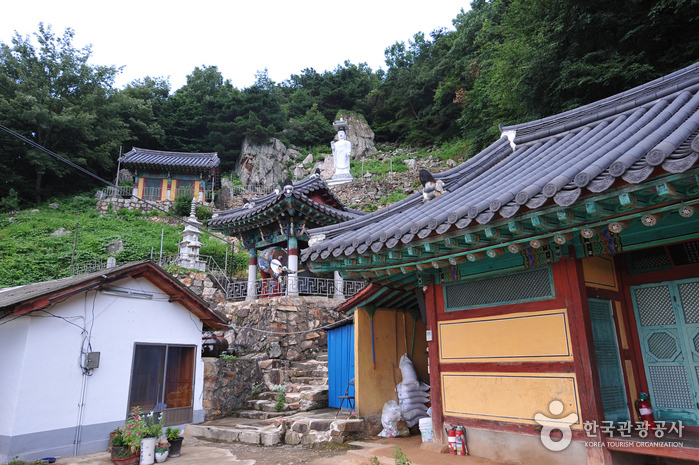
Donggosa Temple, located on Seungamsan Mountain in Jeonju, is a Buddhist temple of the Taego Order. The hike up to Donggosa Temple is a refreshing climb, and the temple provides a stunning panoramic view of downtown Jeonju. The temple buildings were constructed one after another along the mountain ridge, and stand in a row on either side of Daeungjeon Hall. The temple is modest and tastefully decorated with portraits of deceased great Buddhist monks and wooden Buddhist murals. The hiking trail to the right of Donggosa Temple leads to Chimyeongjasan Martyrs Ground, which is the graveyard of persecuted Catholics from the late Joseon dynasty.
![Jeonju Hanok Village [Slow City] (전북 전주 한옥마을 [슬로시티])](https://tong.visitkorea.or.kr/cms/resource/50/3479250_image2_1.jpg)
Jeonju Hanok Village [Slow City] (전북 전주 한옥마을 [슬로시티])
99 Girin-daero, Wansan-gu, Jeonju-si, Jeonbuk-do
Jeonju Hanok Village comprises around 700 beautiful hanok buildings, and is Korea's largest, and the only urban, traditional hanok village. The village started in the early 1900s around the areas of Gyeonggijeon Shrine, Omokdae, and Jeonjuhyanggyo Confusian Academy-all important cultural heritages. To experience what hanok is like, visitors can either book a hanok accommodation or visit the Hanok Life Experience Hall.
Jeonju Jeondong Catholic Cathedral (전주전동성당)
51 Taejo-ro, Wansan-gu, Jeonju-si, Jeonbuk-do
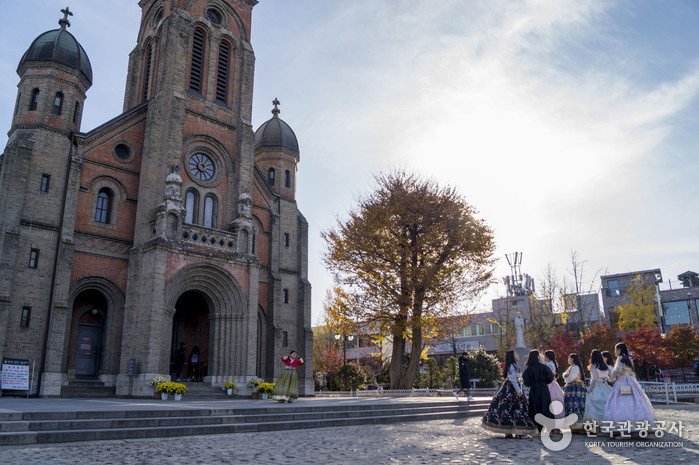
Jeondong Catholic Cathedral in Jeonju was built in honor of Roman Catholic martyrs of the Joseon dynasty on the very same spot the martyrs lost their lives. The land was purchased by French Priest Baudenet in 1891 (28th year of King Gojong), but construction of the church did not begin until 1908. Construction was completed in 1914, a time during which Korea was under Japanese rule. Though originally built just outside of Pungnammun Gate, the site of the martyrs, the church was later moved to its current location for expansion. The first Romanesque building in the Honam region, Jeondong Catholic Cathedral is made of gray and red bricks and bears a striking resemblance to the Myeongdong Cathedral in Seoul, also designed by Priest Poinel. Not only considered one of the most beautiful Catholic churches in Korea, some even go so far as to say it is one of the most beautiful structures in all of Korea, citing the church’s unique combination of Byzantine and Romanesque architectural styles. The rectangular building is topped with three Byzantine bell towers (to the right, center, and left) and boasts arched ceilings, several of which meet in the form of a cross. It is interesting to note that some of the bricks used in construction of the church were made using materials from the Jeonjueupseong Walled Town, which was torn down by the Japanese. It is also said that the cornerstone of the church came from a wall of Jeonjueupseong Walled Town near Pungnammun Gate.
Jeonju Movie Street (전주 영화의 거리)
Gosa-dong, Wansan-gu, Jeonju-si, Jeonbuk-do
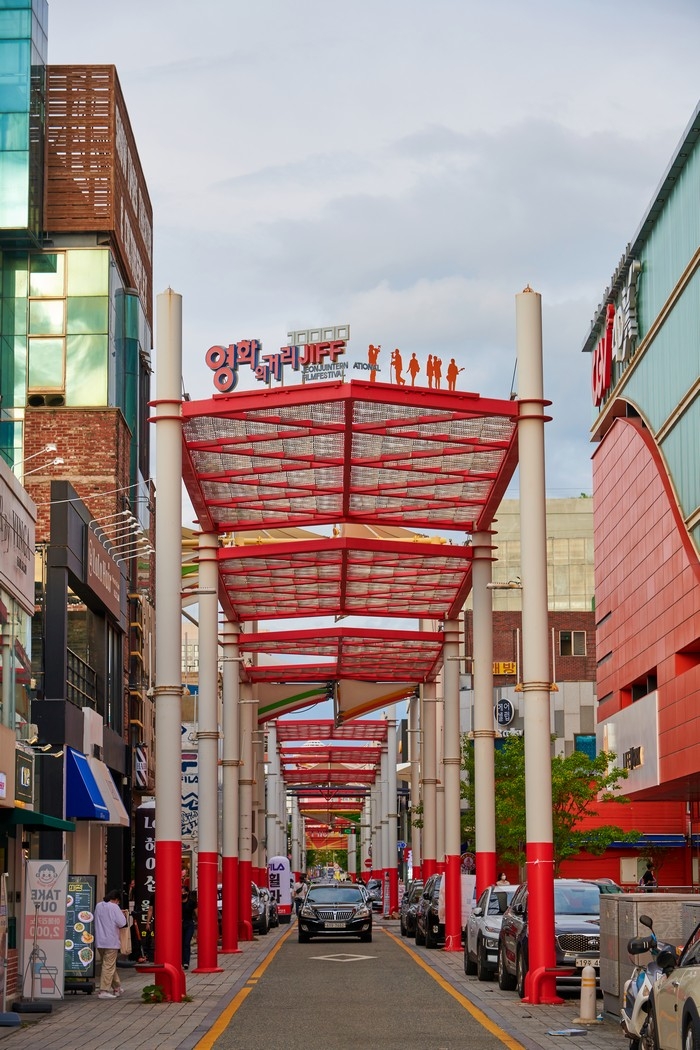
Jeonju Movie Street is the venue of Jeonju International Film Festival that is connected to Gaeksa Street, a representative shopping street in the original downtown of Jeonju. Gaeksa Street has a unique atmosphere where various shops and cute cafes are combined with buildings showing traces of time. When the Jeonju International Film Festival is held, the red-colored streets become more dynamic with crowds from all over the country to watch movies.
Jeonju Pungnammun Gate (전주 풍남문)
1 Pungnammun 3-gil, Wansan-gu, Jeonju-si, Jeonbuk-do
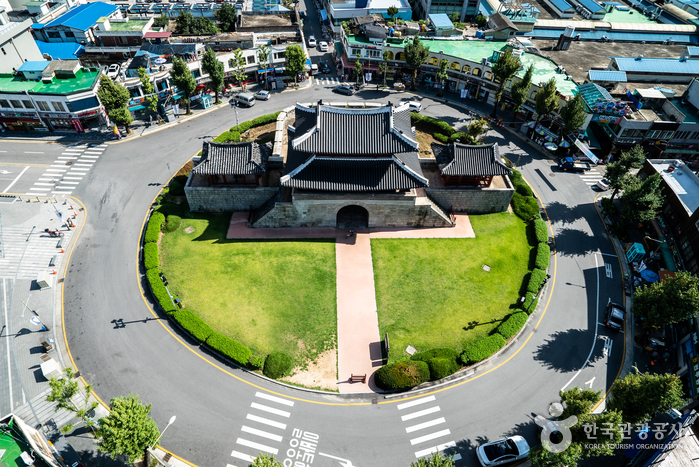
Pungnammun Gate was built during the Joseon dynasty in 1734 and is a designated Treasure. Pungnammun Gate was the southernmost gate among the four city gates of Jeonju. The structure was severely damaged by fire in 1767, followed by the restoration of the gate tower afterward. The gate was burnt down once again during the Imjin War and was restored to the gate that is seen today.
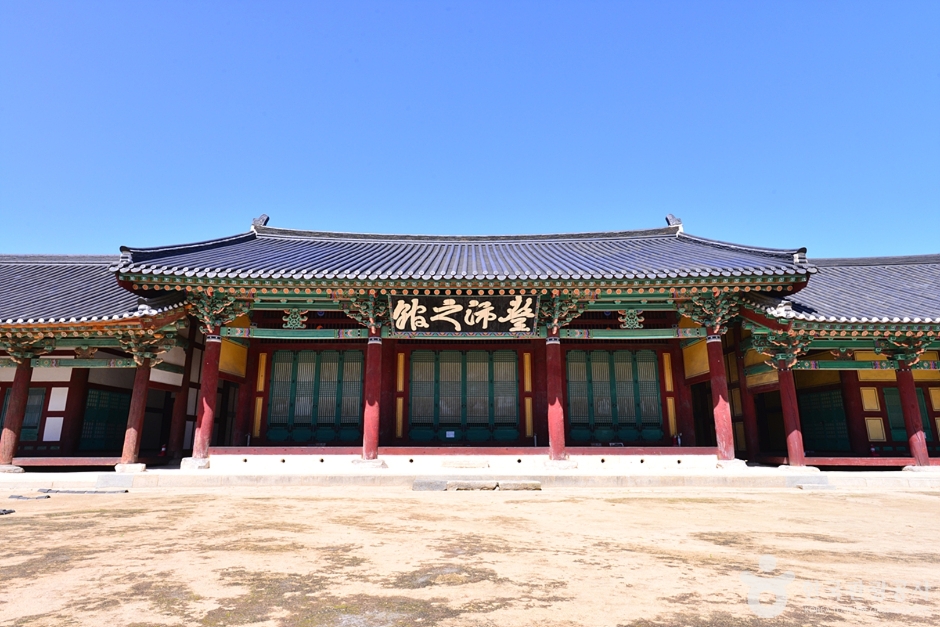
Jeonju Pungpaejigwan Guesthouse (전주 풍패지관 (전주객사))
59 Chunggyeong-ro, Wansan-gu, Jeonju-si, Jeonbuk-do
During the Joseon dynasty, officials and envoys visiting Jeonju stayed here. Today, it is open for anyone to see. The long and spacious maru (wooden central space) is open to the public, making it a comfortable resting place for citizens and tourists. Located in downtown Jeonju, it is easy to find and close to Jeonju Hanok Village.
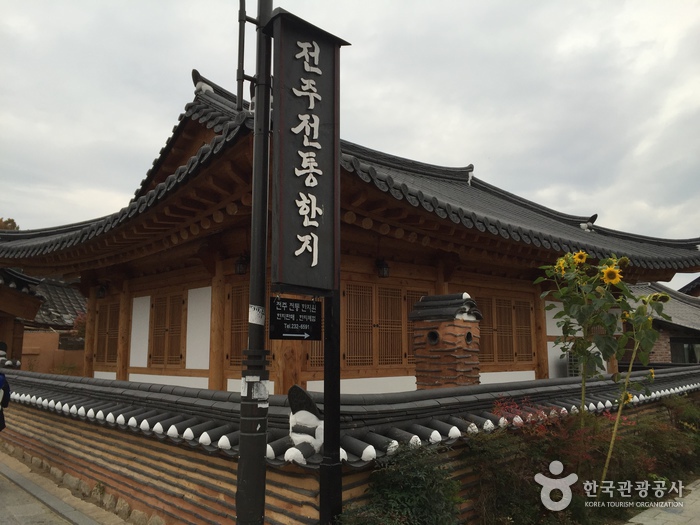
Jeonju Traditional Hanji Center (전주전통한지원)
100-10, Hanji-gil, Wansan-gu, Jeonju-si, Jeonbuk-do
Jeonju has been a major producer of quality hanji paper for more than a thousand years. In keeping with this proud tradition, the Jeonju Traditional Hanji Center aims to preserve traditional paper-making techniques and become a mainstay in the hanji industry. More than 80 percent of the paper produced at the center is exported to Japan while the rest is used in Korea. The center produces, exhibits, and sells hanji used for calligraphy, Oriental paintings, and crafts, as well as special “yellow earth” wallpaper hanji and charcoal hanji, said to provide certain health benefits. Visitors can also sign up for crafting classes, including first-hand experience at making hanji, imprinting patterns and drying the paper.
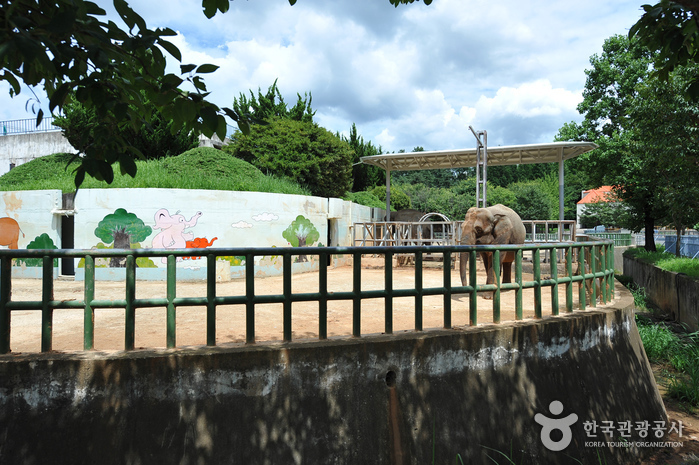
Jeonju Zoo (전주동물원)
68 Sori-ro, Deokjin-gu, Jeonju-si, Jeonbuk-do
Located about 1 kilometer away from Deokjin Park in Deokjin-gu, Jeonju-si, the zoo is equipped with not only diverse animals and plants, but also a field for soccer, a volleyball court and many other sports facilities. In addition to their leisure grounds, the amusement park 'DreamLand' is found to the eastside of the zoo. Opened on June 10, 1978, the zoo houses visitors' all time favorites like tigers, lions, giraffes, hippos, buffalo, rhinos, camels and more exotic animals, coming to a total of 670 animals made up of 106 different species.
Jeonjuhyanggyo Local Confucian School (전주향교)
139 Hyanggyo-gil, Wansan-gu, Jeonju-si, Jeonbuk-do
Jeonjuhyanggyo is a local Confucian school that was established during the Joseon dynasty (1392-1910) and is a designated Historic Treasure. This was a national education center during the Joseon period. The school was originally located at the Gyeonggijeon Shrine site, but was relocated in 1603. The mortuary tablets of seven Chinese Confucian scholars and 18 Korean scholars are enshrined in the main building of Daeseongjeon Hall. The site is popular for its 400-year-old ginkgo tree in the front yard, and is the most beautiful in fall.

Jeonnam Area Environmental Disease Prevention Management Center (전남권 환경성질환 예방관리센터)
329-126 Daesan-gil, Ungchi-myeon, Boseong-gun, Jeollanam-do
The Jeonnam Area Environmental Disease Prevention Management Center is an eco-friendly healing center developed in Jeollanam-do to prevent and manage environmental diseases, which have been gradually rising due to various environmental factors such as global warming, industrialization, westernized dietary lifestyle, etc. The center runs educational programs to provide information and enhance understanding of environmental diseases (e.g., atopic dermatitis). s also run experience programs for children to learn while playing, and customized programs to prevent environmental diseases and promote health. Additionally, a meditation room made of eco-friendly materials, a green-tea bath, a red clay and elvan stone jjimjilbang (Korean sauna), an oxygen room, and an accommodation facility are available.
Jeonnam Wando Cheongsando Island (Cittaslow) (전남 완도 청산도 [슬로시티])
7 Cheongsan-ro, Cheongsan-myeon, Wando-gun, Jeollanam-do
Cheongsando Island is an island located in the southern part of Korea, reachable by passenger ferry from Wando in about 40 minutes. The traditional rural village landscape is well preserved here. The name "Cheongsan" means "green mountain," and true to its name, the mountains, sky, and sea are all refreshing. The island boasts a total of eleven slow paths, named so because walking along them slows one's pace due to the beautiful scenery. The view of gudeuljang paddy and low stone walls is also a rare sight to behold.
Plan your Korea trip
Korea travel FAQ
How do I use the travel search?
Enter a place or interest, then narrow the results by region, category or sort order.
Will my filters stay selected on the next page?
Yes. Your search and filter choices stay in the page URL while you move through the results.
Can I find directions to each place?
Place pages include an external Google Maps search when coordinates or an address are available.
Source: Korea Tourism Organization, official website (https://knto.or.kr).