TRAVEL IN KOREA
Korea Places to Visit
Find attractions, culture, festivals, stays, restaurants, shopping and travel courses for a clear Korea trip plan.
Data last synced: 2026-06-25. Some details may change. Please confirm official information before visiting.
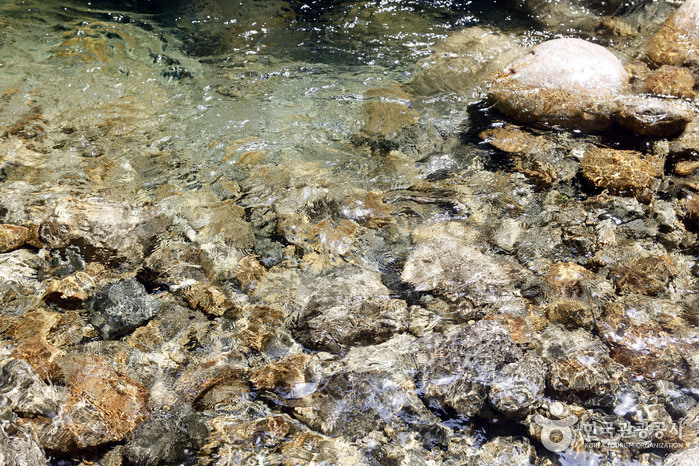
Jirisan Chilseongyegok Valley (칠선계곡(지리산))
Chuseong-ri, Hamnyang-gun, Gyeongsangnam-do
Chilseongyegok Valley is the most beautiful valley in Jirisan Mountain, and is one of the top three valleys in the nation, along with Cheonbuldonggyegok Valley in Seoraksan Mountain and Tamnagyegok Valley in Hallasan Mountain. The 16-kilometer valley stretching from Uitan of Macheon-myeon to Cheonwangbong Peak is characterized by very tough topography but beautiful scenery and is the only remaining primeval forest of Jirisan Mountain. It is also dotted with seven waterfalls and 33 ponds. The hike becomes more difficult as the trail enters the valley. Because the valley has taken many lives, some people call it "The Valley of Death." For that reason, visitors must apply in advance and hike with a guide. The trail in Chilseon Valley is a 9.4-kilometer course from Chuseong Village in Macheon-myeon to Cheonwangbong Peak, which does not follow the natural valley, due to the valley's steep and dangerous features. Starting from Chuseong Village, the trail passes Yongso Pond, Jujiteo Site, Chuseongmang Rock, Seonnyeotang Pond, Ongnyeotang Pond, Biseondam, Chilseonpokpo Falls, Daeryukpokpo Falls, Samcheungpokpo Falls and Mapokpo Falls, all before reaching Cheonwangbong Peak.
Jirisan National Park (Namwon) (지리산국립공원(남원))
255 Jeongnyeongchi-ro, Jucheon-myeon, Namwon-si, Jeonbuk-do
Jirisan National Park is the second-highest mountain in South Korea, standing at an elevation of 1,915 meters, spanning across the provinces of Gyeongsang-do and Jeolla-do. Revered as a sacred mountain alongside North Korea's Baekdusan Mountain, it is home to the Asiatic Black Bear and features numerous peaks, including Cheonwangbong Peak. In spring, various flowers such as Royal Azalea bloom, while lush forests thrive in summer, vibrant foliage adorns the landscape in autumn, and the winter scenery boasts snow-covered peaks and icy landscapes.
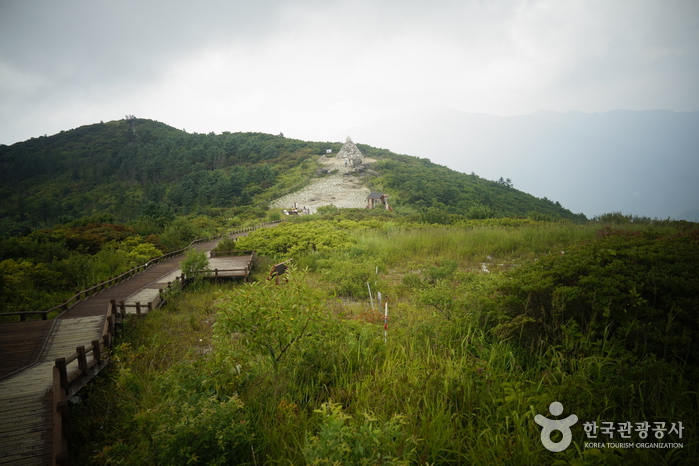
Jirisan National Park (Nogodan Peak Section) (지리산국립공원 (지리산 노고단))
356, Hwaeomsa-ro, Gurye-gun, Jeollanam-do
Jirisan National Park covers a vast amount of land in three provinces, including one city and three counties. The countless mountain peaks both large and small blend harmoniously, giving off a comforting ambiance. The valleys feature streams, waterfalls, and more natural attractions beautiful all year round. The mountain is the starting point for the Seomjingang River, which flows into the southern sea. The park is home to many plants and animals, including the Asiatic black bear. There are many hiking paths crossing the park; it is recommended to make a plan for the courses in advance, checking the lengths and time required. As Jirisan Mountain changes with the different seasons, hikers can enjoy various aspects of the mountain’s terrain. However, some areas will be closed off for hikers' safety in the case of incliment weather or to prevent forest fires in the dry season.

Jirisan National Park (Sancheong) (지리산국립공원(산청))
376 Nammyeong-ro, Sicheon-myeon, Sancheong-gun, Gyeongsangnam-do
Jirisan National Park is the first national park established in South Korea, featuring peaks like Cheonwangbong Peak (1,915 m), Banyabong Peak, and Nogodan Peak, which rank as the next highest after Hallasan Mountain. It's a popular destination for mountain enthusiasts, offering beautiful natural landscapes such as Naewonsagyegok Valley. The park also provides convenient facilities like Jirisan Recreational Forest, Naewonsa Temple, mountain lodges, campgrounds, and pensions.
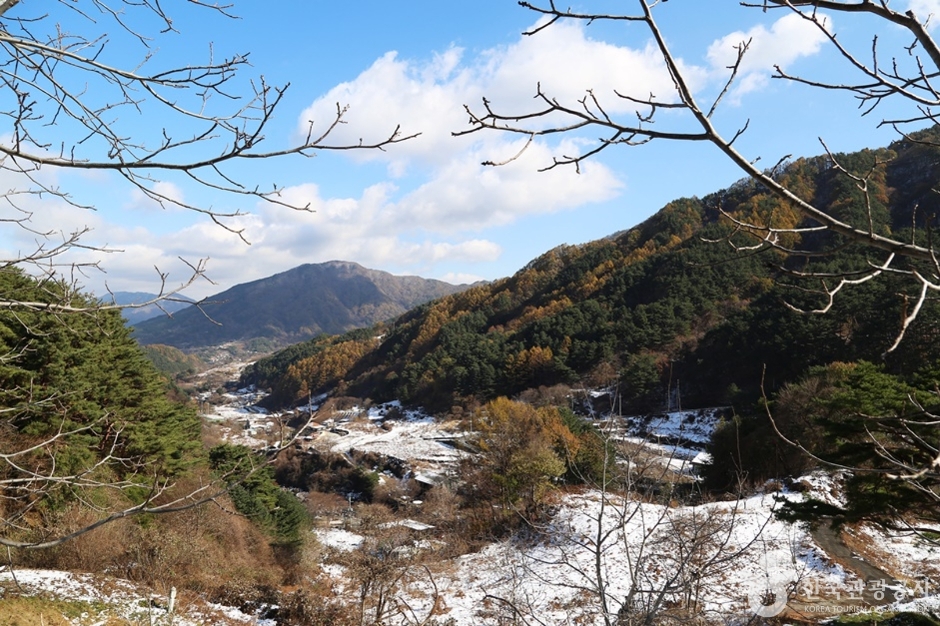
Jirisan Recreational Forest (국립 지리산자연휴양림)
152 Eumjeong-gil, Macheon-myeon, Hamyang-gun, Gyeongsangnam-do
Jirisan Recreational Forest safeguards the splendid natural beauty of Jirisan Mountain. Positioned 600 to 700 meters above sea level, the region surpassing 700 meters is designated as a national park. The forest features a range of amenities including accommodations, a forest student camp, various trails, a forest park, and a suspension bridge. The significant temperature variation in the area contributes to the breathtaking display of autumn foliage.
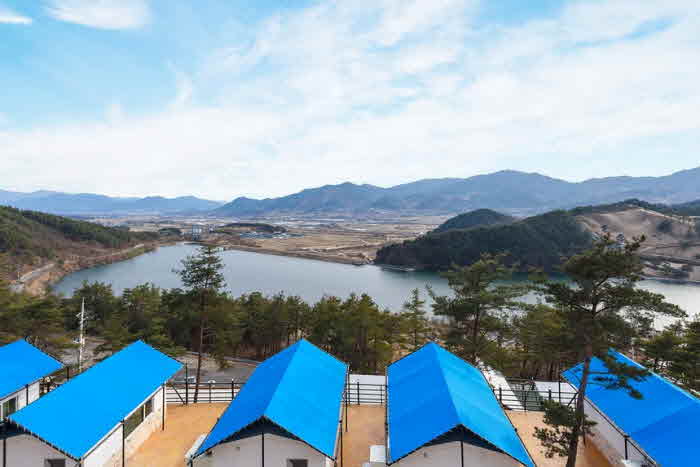
Jirisanhosu resort / 지리산호수리조트
610 , Gumanje-ro, Gurye-gun, Jeollanam-do
Jirisan Lake Resort in Gurye-gun, Jeollanam-do, accomodates travellers in glamping-style lodges arranged in terraces on a sloping hill - from where guests can enjoy the beautiful scenery of Gumanje Lake and Jirisan Mountain. The lodges have tables and barbecues outside. Starting at the entrance to the resort is a pedestrian bridge across the lake where guests can stroll; and on the other side is a free-range farm where visitors can have a go at cheese-making. Pets are allowed.
Jirye Arts Village (지례예술촌)
427 Jiryeyesulchon-gil, Andong-si, Gyeongsangbuk-do
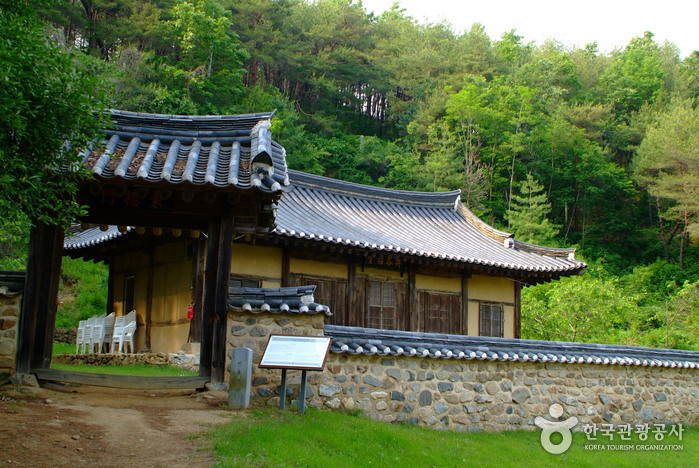
Located in Andong, Jirye Arts Village first formed as a result of the construction of Imha Dam. When a small neighborhood in Jirye-ri, Imdong-myeon was at the risk of flood due to the dam, Kim Won-gil, the village leader at the time, relocated and rebuilt ten houses to the current location in 1986. This neighborhood, now known as Jirye Arts Village, was designated as an art village in 1990 and since then, many artists settled in the neighborhood and formed a community of culture and art. Today, Jirye Arts Village offers a variety of opportunities to experience Korean culture through hands-on arts and crafts as well as diverse cultural activities.
Jisan Recreation Area (지산유원지)
35-1, Jiho-ro 164beon-gil, Dong-gu, Gwangju
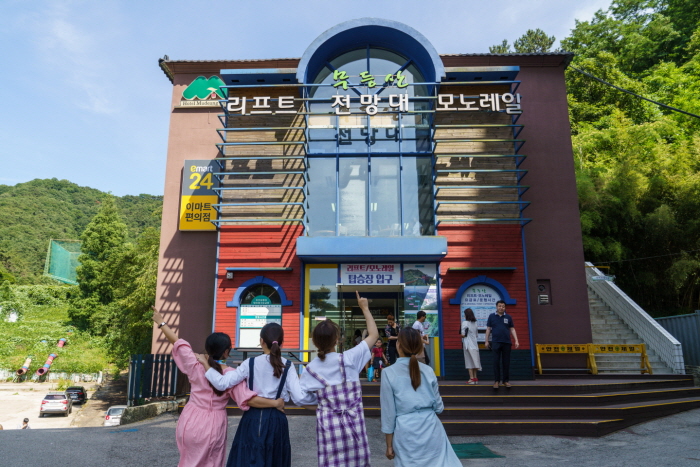
Jisan Recreation Area reopened around December 2016, resuming monorail operation after 11 years. The unique rattle of a monorail running on one rail gives passengers a thrill. If you ride the monorail, you can see the panoramic view of Gwangju and the top of Mudeungsan Mountain at a glance. The monorail starts on the mountainside, 50 meters away from the end point of the lift, along the forest road, and runs to and from the top of the mountain in Jisan Recreation Area, where the octagonal pavilion is located. After reopening, it became popular among the younger generation through social media and word of mouth as a unique amusement facility where you can enjoy thrills on Mudeungsan Mountain in Gwangju.
Jisimdo Island (지심도)
31-2, Jisimdo-gil, Geoje-si, Gyeongsangnam-do
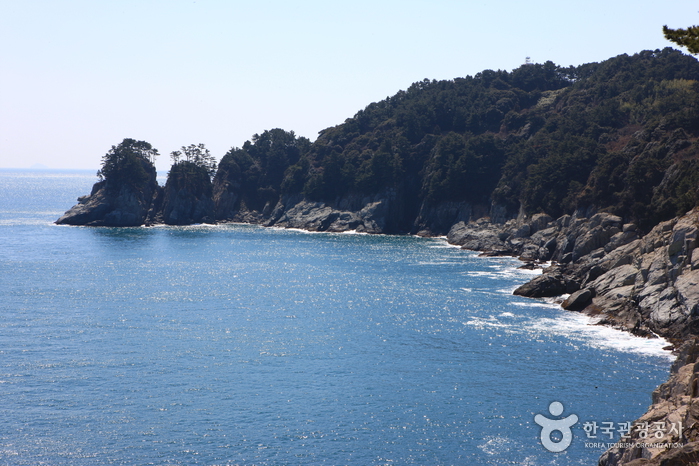
Located 1.5 kilometers away to the east side of Irun-myeon, Geoje, Jisimdo Island is a very small island covering an area of just 0.338 ㎢ with a 3.5-kilometer long coast line. From Jangseungpohang Port, it takes approximately 15 minutes by ferry and visitors can tour the entire island within 2 hours. The name of the island comes from its appearance resembling the Chinese character ‘sim (心).’ The island is home to abundant and old camellia trees more than any other islands in the southern sea, earning the nickname "Dongbaek (camellia) Island."
Jivaka Beauty (지바카 뷰티)
6th Floor, 16 Gangnam-daero 102-gil, Gangnam-gu, Seoul
JIVAKA BEAUTY is a trusted and convenient total care solution provider specializing in K-Beauty and K-Health services. We collaborate with a wide range of medical institutions and wellness spas to offer comprehensive care that enhances both the health and beauty of our clients. Leveraging Korea’s advanced medical technology, we have continued to develop customized medical and wellness programs tailored for international visitors. With extensive hands-on experience and proven expertise, we remain committed to delivering exceptional service and ensuring high satisfaction for clients visiting Korea.
JK Plastic Surgery Center (제이케이성형외과의원)
(JK Building), 835 Nonhyeon-ro, Gangnam-gu, Seoul
JK Plastic Surgery Center is the first hospital in Korea certified to serve international patients. (*permit number 0001). and have treatment of foreign patients from 110+ countries, with more than 100,000 Cases. We have Differentiated medical services and safety systems, resident of anesthesiologists. Also, JK Plastic Surgery Center is the first and only Korean Plastic Surgery Center for Health and Welfare Ministry certified with 4 consecutive cycles of KHAF.
Jocheon Lotus Park (조천연꽃공원)
226 Beonam-ri, Jochiwon-eup, Sejong-si
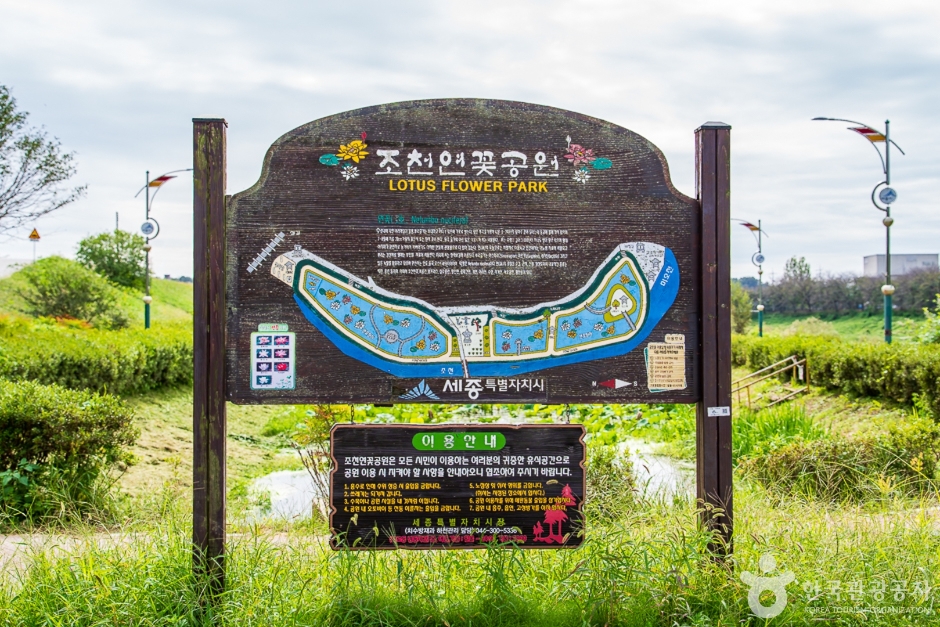
Jocheon Lotus Park is an ecological park established by cultivating white lotus, red lotus, and water lilies on abandoned agricultural land. Developed on former farmland, the park blossoms with vibrant lotus flowers during the summer months of July and August. As visitors stroll along the deck path, they can relish the soothing sounds of Jocheon Stream. The pathway along the Jocheon Riverside is especially scenic in spring, adorned with cherry blossoms, earning it the name Jocheonbyeon Cherry Blossom Path. This provides a picturesque backdrop for flower viewing and photography.
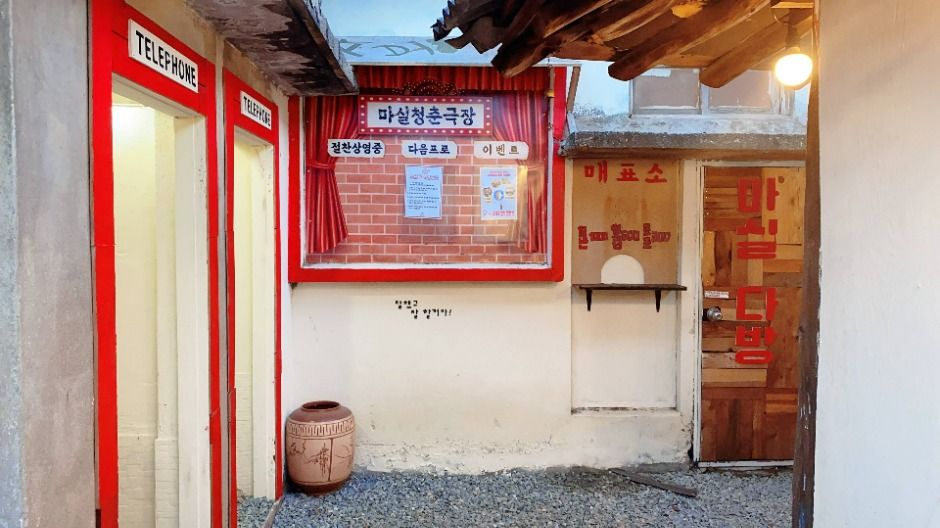
Jochiwon Theme Street (조치원테마거리)
10-8 Jangan-ro, Jochiwon-eup, Sejong-si
Created by young people, local residents, and merchants, this retro-inspired area finds value in history and culture within the traditional market. Though modest in appearance, it brings together small talents to revive the lively alleys of the past, contributing to the revitalization of Sejong Traditional Market and the preservation and promotion of ten local cultural resources in Sejong City.
Jodo Island (조도)
5-10 Jodo-gil, Mijo-myeon, Namhae-gun, Gyeongsangnam-do
Jodo Island, located just off the coast of Mijo Port, is renowned as Saeseom Island (Bird Island) due to its distinctive bird-like shape when viewed from above. From a distance, it appears as two distinct islands; the larger one, home to the village, is known as Keunseom Island, while the smaller is called Jodo Island. A trail connecting the two islands offers an opportunity to marvel at an array of uniquely shaped rock formations.
Jogyesa Temple (조계사(서울))
55 Ujeongguk-ro, Jongno-gu, Seoul
As the main temple as well as the district head temple of the Jogye order in Seoul, Jogyesa Temple is the center of Korean Buddhism. The temple was built in the late 14th century during the Goryeo period but was completely destroyed in a fire. It was rebuilt under the name of Gakwangsa Temple in 1910 with the effort of many respectful monks, namely Han Yong-un and Lee Hee-gwang. The temple was given a role as the head temple of Korea’s Buddhism and renamed to Tegosa Temple in 1936. In 1954, a purification drive took place to eliminate Japanese influence and revive traditional Buddhism, which established the present day Jogyesa Temple as a result. Jogyesa Temple plays an important role in Korean Buddhism as the head temple of the Jogye order. Jogyesa Temple’s Dharma Hall serves as the main venue for several Buddhist events, holding rituals, lectures, ceremonies, and other events all year long. The annual lantern festival in celebration of Buddha's birthday also takes place at this temple.
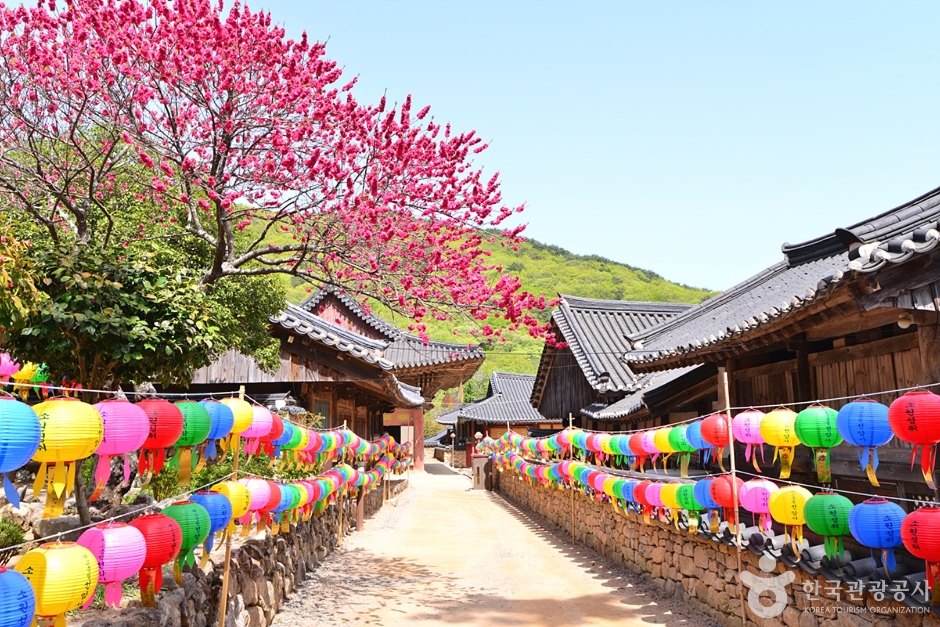
Jogyesan Provincial Park (조계산도립공원)
Seungjugoemok 1-gil, Suncheon-si, Jeollanam-do
Located in both Seungju-eup and Songgwang-myeon of Suncheon-si, Jeollanam-do, Jogyesan Mountain has two famous Buddhist temples on it: Seonamsa Temple and Songgwangsa Temple. It is a relatively low mountain with rounded corners and a soft tranquility. The park is popular year round due to the two temples. Around Seonamsa Temple there are several peaks such as Wolchulbong Peak, Janggunbong Peak and Gitdaebong Peak as well as Ilweolseok Boulder.
Plan your Korea trip
Korea travel FAQ
How do I use the travel search?
Enter a place or interest, then narrow the results by region, category or sort order.
Will my filters stay selected on the next page?
Yes. Your search and filter choices stay in the page URL while you move through the results.
Can I find directions to each place?
Place pages include an external Google Maps search when coordinates or an address are available.
Source: Korea Tourism Organization, official website (https://knto.or.kr).