TRAVEL IN KOREA
Korea Places to Visit
Find attractions, culture, festivals, stays, restaurants, shopping and travel courses for a clear Korea trip plan.
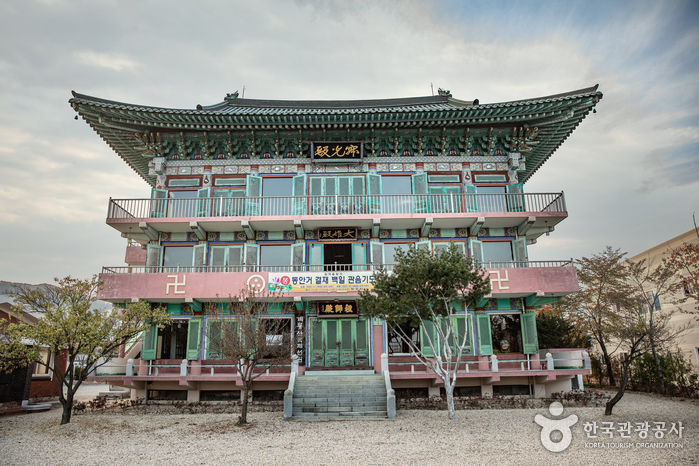
Daejeon Jagwangsa Temple (자광사(대전))
50-8, Hakhadong-ro 63beon-gil, Yuseong-gu, Daejeon
Legend has it that the region of Hakha-dong was where the gods lived when they periodically came down from the heavens. When Jagwangsa Temple was built in the district, Song Siyeol saw it as a sign and created a village school near the temple to train his pupils. It was his hope that the sacred land would aide in the raising of gifted students who would grow to serve their community and country. When building the school, Song Siyeol also planted a juniper tree that, 300 years later, still proudly stands by Jagwangsa Temple. Upon entering the temple area, visitors will find to their left the Seongjeonnyeongdangji Memorial Stone, which serves to commemorate Song Siyeol and his school. Next to the memorial stone is a pond in which carp swim lazily around lotus flowers. From the white wooden chair in front of the pond, there is a large bell to the left and main Dharma Hall to the right.
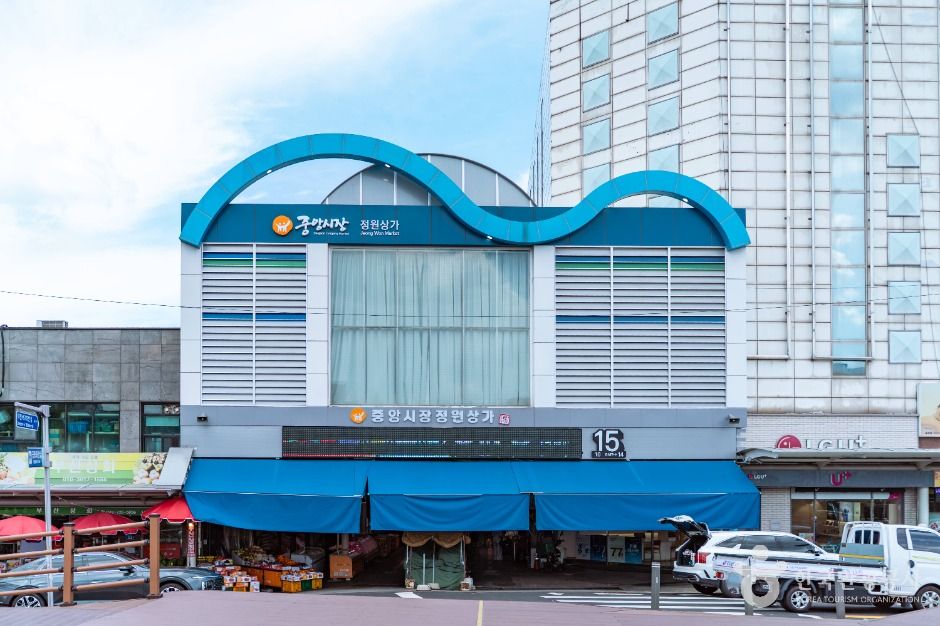
Daejeon Jungang Market (대전 중앙시장)
783 Daejeon-ro, Dong-gu, Daejeon
Daejeon Jungang Market is a large comprehensive market consisting of many smaller markets including the Jungang Comprehensive Market, Jungang Arcade Market, Jayu Wholesale Market, New Jungang Market, and Jungang Wholesale Market. Daejeon Jungang Market is located in downtown Dong-gu and is one of the most famous traditional markets in the city. The market has many different sections (dried seafood street, hardware street, fish street, herbal medicine street, hanbok street, delicacy street, etc.) which stretch all the way from Daejeon Station to the banks of the Daejeoncheon Stream.
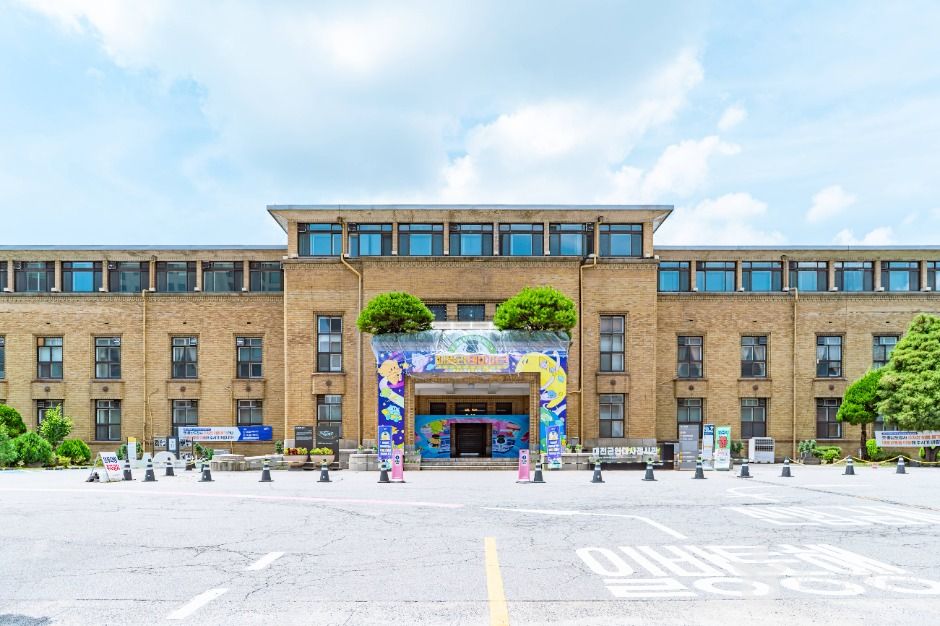
Daejeon Modern History Exhibition Hall (대전근현대사전시관(옛 충남도청사 본관))
101 Jungang-ro, Jung-gu, Daejeon
Daejeon Modern History Hall opened to the public on October 1, 2013 at the former main building of Chungcheongnam-do Provincial Government, Daejeon (Registered Cultural Heritage). Visitors can see various scenes of history and the development of Daejeon over the past 100 years from the early 20th century to current times. Daejeon operates a planned exhibition hall, special exhibition showcasing history, architecture, design, folk style and other varied fields as well as a rotating exhibition. Also, touring the main building of Chungcheongnam-do Provincial Government, music concerts and various cultural education programs are available in this cultural complex.
Daejeon Museum of Art (대전시립미술관)
155 Dunsan-daero, Seo-gu, Daejeon
Daejeon Museum of Art offers visitors the chance to appreciate contemporary Korean artworks. It includes exhibition halls, a storage facility, an outdoor garden, a lounge, and a gift shop. The collection features paintings, sculptures, photographs, and crafts. Its exhibitions range from permanent collections, storage displays, and contemporary art showcases. It also offers hands-on activity programs, such as printmaking, folk painting, Korean paper art, traditional dyeing, embroidery crafts, and pen drawing.
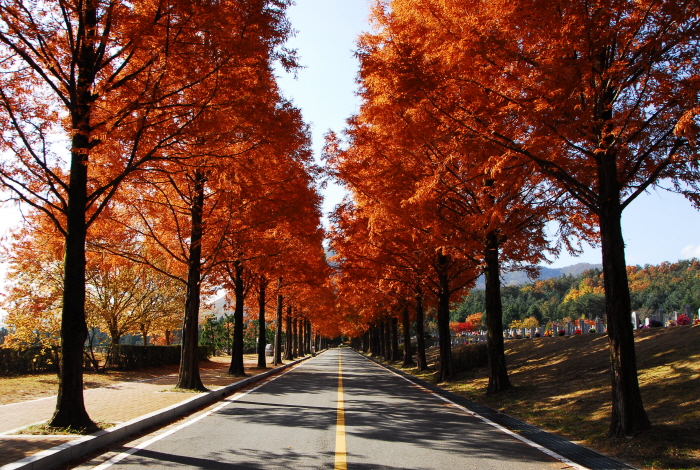
Daejeon National Cemetery Patrotic Footpath (국립대전현충원 보훈둘레길)
251, Hyeonchungwon-ro, Yuseong-gu, Daejeon
Daejeon National Cemetery covers a vast area of land spanning 330,000 ㎡. The cemetery is comprised of graves for the deceased patriots, men of national merit, generals, officers, soldiers, and more. Major facilities include the Memorial Tower and Memorial Gate for paying reverence to the deceased patriots, Patriotic Spirit Exhibition Center displaying photos and articles left by the deceased, and an outdoor exhibition space, where military battle equipment is on display. Other facilities within the cemetery grounds include fountains, statues, sculptures, pavilions, and Hyeonchungji Pond, a man-made pond in the shape of the Korean peninsula. In particular, the memorial site's Patriotic Footpath serves as a great walking path for those who seek to tour the nearby areas on foot. There are a total of seven walking trails that pass by beautiful and meaningful attractions.
Daejeon Natural Heritage Center (천연기념물센터 (대전))
927, Yudeung-ro, Seo-gu, Daejeon
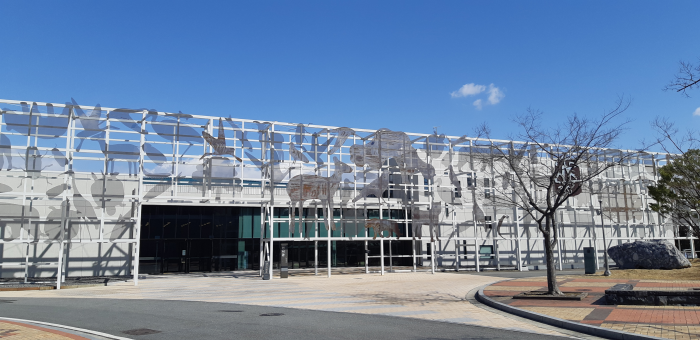
The Natural Heritage Center was established to help visitors learn about the value and importance of natural heritages through exhibitions and education on the methodical study of natural heritages. Fossils of dinosaur eggs and footprints along with animal and plant specimens and many other natural heritages are on display. With the guide of professional researchers, young visitors can learn more about natural heritages through hands-on activities, video education and many other experiential programs that are only provided at the Natural Heritage Center. The center is developing more exhibitions through academic exchanges with UNESCO and various international organizations specializing in natural heritages.
Daejeon O-World (대전오월드)
70, Sajeonggongwon-ro, Jung-gu, Daejeon
Daejeon O-World was established when the Daejeon Zoo and Joy Land, an amusement park, were integrated under the supervision of the Daejeon City Corporation. The project cost a whopping 40 billion won and resulted in the construction of Flower Land (100,000㎡) in addition to the renamed Zoo Land and the preexisting Joy Land. It opened on May 1, 2009 to the public. The three main sections of Daejeon O-World are Zoo Land, Joy Land, and Flower Land. Zoo Land is currently home to a total of 600 animals of 130 different species including American black bears, Bengal tigers, lions, elephants, giraffes, zebras, and ostriches. Amusement rides, waterslides, and four-season sledding are housed at Joy Land. Flower Land boasts a number of smaller sections such as Rose Garden, Four Season Garden, Herb Garden, and Maze Garden and is home to a total of 150,000 tress of 100 different species and 200,000 flowers of 85 different species. An outdoor stage and concert hall are also located in the area. There are plenty of things to see and enjoy in every corner of Daejeon O-World. Just beyond Festival Street, visitors will find a large (3,000㎡) pond with a fountain.
Daejeon Pet Park (대전반려동물공원)
7 Geumgo-gil, Yuseong-gu, Daejeon
Daejeon Science Festival (대전사이언스페스티벌)
87, Expo-ro, Yuseong-gu, Daejeon
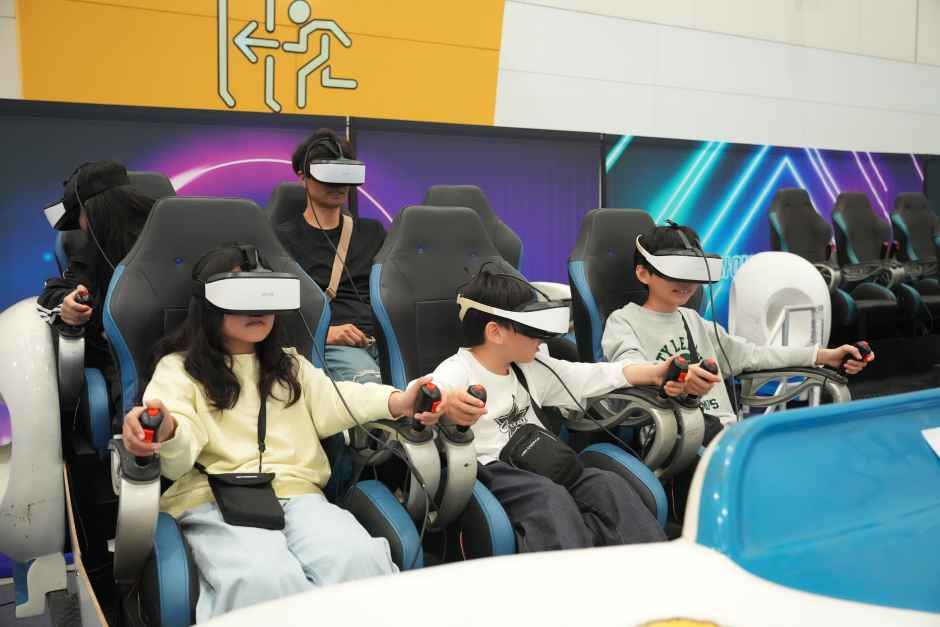
Held in conjunction with the 2026 Korea Science Festival, the Daejeon Science Festival is Korea’s largest science event, co-hosted by the Ministry of Science and ICT and Daejeon Metropolitan City. The festival invites visitors to experience how advances in science and technology are transforming everyday life while encouraging them to explore and prepare for the future together. Government agencies, public institutions, private companies, and organizations participate in the event, presenting a wide range of programs, including exhibitions, hands-on experiences, performances, lectures, and competitions. Covering everything from cutting-edge technologies to the science embedded in everyday life, the festival offers engaging programs and content for visitors of all ages, from students to adults. More than Korea’s premier science festival, it continues to evolve as a people-centered urban festival and a leading global platform for science and technology culture.
Daejeon Shinsegae Art & Science (대전신세계 Art & Science)
1, Expo-ro, Yuseong-gu, Daejeon
Daejeon Shinsegae Art & Science is a culture and art complex containing cultural and art contents and the identity of Daejeon as the science capital of Korea. It was designed by a consortium of the Shinsegae Group and Kyeryong Construction Industrial and was built with five underground floors and 43 ground floors over a section of the Expo Science Park site. The complex consists of Podium (department store building) and Tower. As you can see from its name, "Art & Science," it offers diverse contents that combine Shinsegae's unique culture and art as well as future science and technology, from "Shinsegae Nexperium," a science museum designed together with professors from KAIST and "Sports Monster," the first indoor sports theme park in the region, to an aquarium with a 4,200t tank that utilizes digital media and a rooftop garden with a panoramic view of Gapcheon Stream. All of these contents that were not able to be experienced in the past attract young visitors in their 20s and 30s. In addition, it introduces exhibits of famous galleries and seeks the growth of Daejeon culture and arts through collaboration with local artists.
](https://tong.visitkorea.or.kr/cms/resource/92/4023492_image2_1.jpg)
Daejeon Shinsegae Art & Science Branch [Tax Refund Shop](대전신세계 Art&Science점)
1, Expo-ro, Yuseong-gu, Daejeon
Daejeon Shinsegae Art & Science is the largest landmark complex cultural space in the central region, where shopping, culture, and science harmonize. It presents a differentiated lifestyle experience through global luxury brands as well as an aquarium and art galleries.
Daejeon Travel Lounge (대전트래블라운지)
187-1, Jungang-ro, Dong-gu, Daejeon
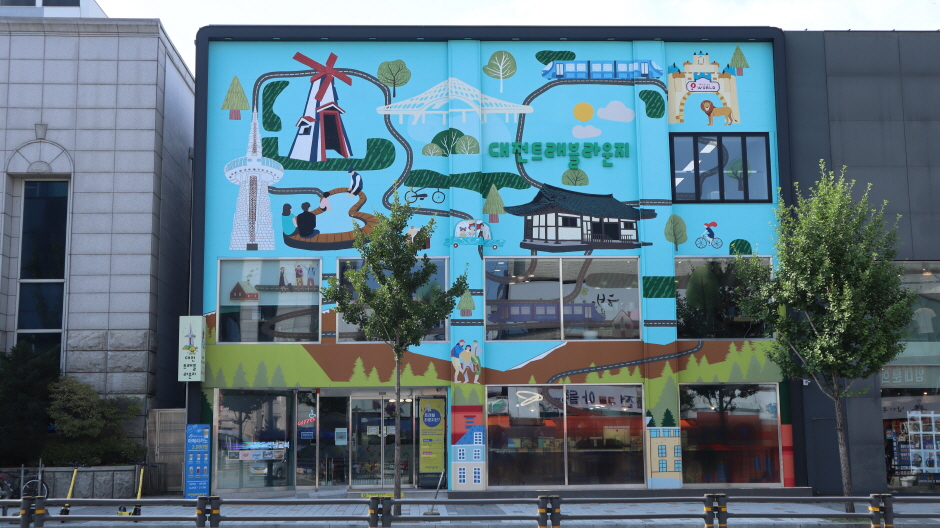
Daejeon Travel Lounge is a cultural complex that provides tourist information and relaxation for those visiting Daejeon. Daejeon Travel Lounge offers a variety of experiences such as old school uniforms, Enlightenment Era clothing, DIY and culture concerts, and also features an unmanned cafe, souvenir shop, Wi-Fi, tourist information search kiosk, and many other convenience facilities.
Daejeon Yeonjeong Korean Traditional Music Group’s Saturday Gugak Show(대전시립연정국악단 토요국악)
대전광역시 서구 둔산대로 181 (만년동) Daejeon Yeonjeong Korean Traditional Music Center Jakeunmadang (Little Hall)
Daejeonsa Temple (대전사)
226, Gongwon-gil, Cheongsong-gun, Gyeongsangbuk-do
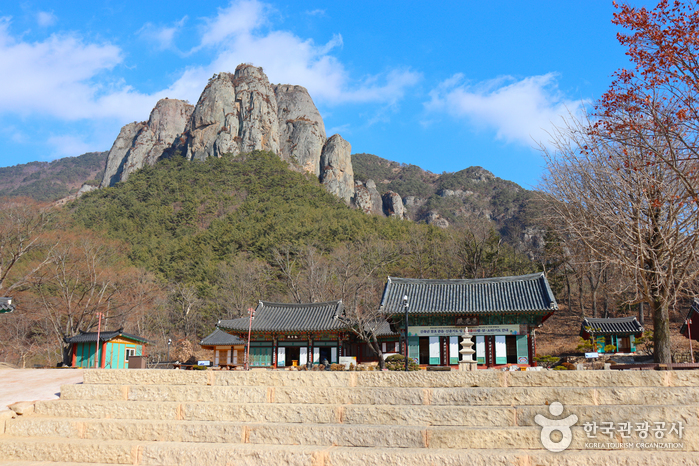
Daejeonsa Temple is said to have been built by Great Monk Uisang in the 12th year of King Munmu’s reign (672). It was rebuilt in the 13th year of King Hyeonjong’s reign (1672) after a fire destroyed the original temple complex during the Imjin War (1592-1598). During work to renovate Bogwangjeon Hall in 1976, a text that had been put up with the ridge beams was found. Bogwangjeon Hall is a small building and its ceiling is in the shape of a Chinese character that symbolize with the meaning "well" or "pavilion" that looks similar to the sharp(#) symbol. A Birojanabul Buddhist statue is enshrined in the hall.
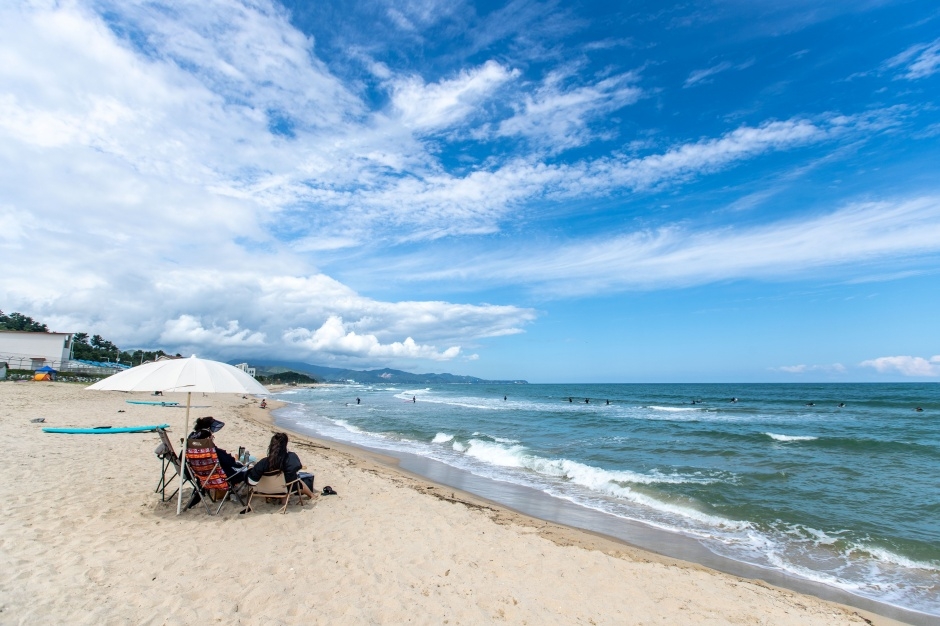
Daejin Beach (대진 해수욕장)
46 Daejinhang-gil, Donghae-si, Gangwon-do
Daejin Beach is located between Eodalhaebyeon Beach and Mangsang Beach. The beach is characterized by shallow waters and gentle waves, making it a popular spot among families with children or beginner surfers. In addition to swimming, the beach is also known for its nearby port, Daejin Port. The port has small boats come and go with their catch and is lined with restaurant that serve fresh seafood. It's also a popular shore fishing site among the locals who enjoy recreational fishing.
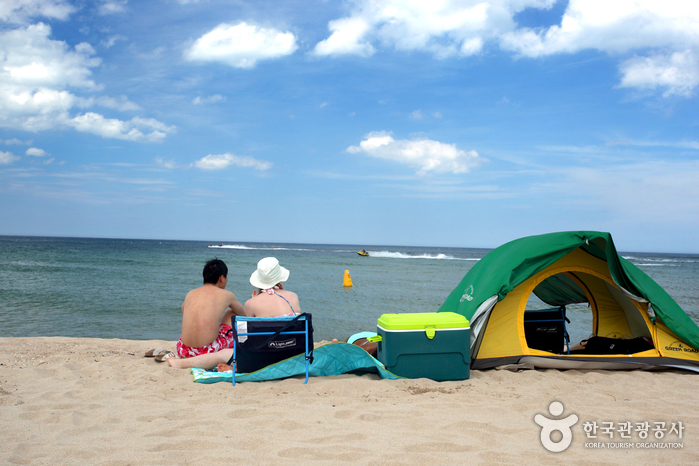
Daejin Beach (대진해수욕장)
2840, Yeongdeokdaege-ro, Yeongdeok-gun, Gyeongsangbuk-do
Daejin Beach is located in Daejin-ri, a coastal village in Yeonghae-myeon, Yeongdeok-gun, and has all the conditions for a coastal attraction. The water is clear and clean, and a pine forest surrounds the white sandy beach. The beach is 8 kilometers long and 100 meters wide. In addition, the water level is only 1-2 meters deep and the slope is gentle, making it a suitable summer atraction for families with children. The sandy beach is characterized by its thick grain which is good for sand baths and does not stick to the body. Daejin Beach also has a 200 meter-wide stream called Songcheoncheon Stream that flows across the white sandy beach. Visitors can enjoy a fresh water bath in the stream. Furthermore, since this stream is where the freshwater and seawater meet, visitors can enjoy both freshwater fishing and sea fishing. In general, the eastern coastline is known to be monotonous, but the coastal bay of Chuksan-myeon is an exception. The mountain area is adjacent to the coast, and Jukdosan Mountain draws a complex coastline. The scenery of Jukdosan Mountain with its lush bamboo forest creates a beautiful painting. In addition, the coastal road from Chuksan 1-ri to Daejin Beach is great for enjoying a drive, and the scenery of white waves rolling over the golden sandy beach is beautiful.
Plan your Korea trip
Korea travel FAQ
How do I use the travel search?
Enter a place or interest, then narrow the results by region, category or sort order.
Will my filters stay selected on the next page?
Yes. Your search and filter choices stay in the page URL while you move through the results.
Can I find directions to each place?
Place pages include an external Google Maps search when coordinates or an address are available.
Source: Korea Tourism Organization, official website (https://knto.or.kr).