TRAVEL IN KOREA
Korea Places to Visit
Find attractions, culture, festivals, stays, restaurants, shopping and travel courses for a clear Korea trip plan.
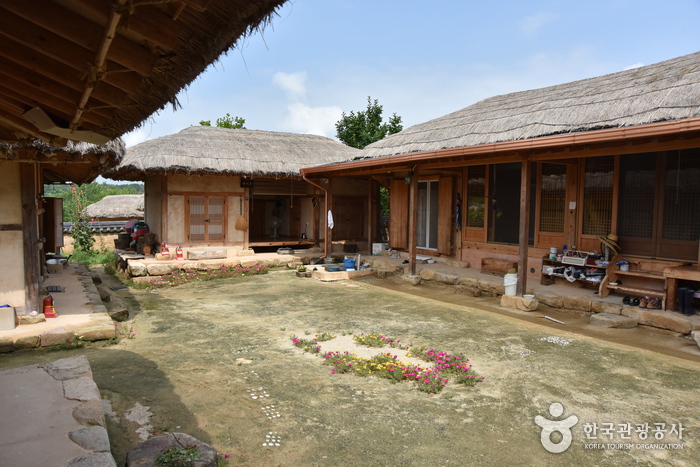
Ga Gyeong Jae (가경재)
69-5 , Hahoenamchon-gil, Andong-si, Gyeongsangbuk-do
Gagyeongjae is a thatched hanok on the edge of Hahoe Folk Village in Andong, Gyeongsangbuk-do. There are five guestrooms altogether. The main house or Anchae has a wooden porch while the Sarangchae (men’s house) shares a central living space. Windows are lined in the traditional way with hanji paper, and opening them lets in a cooling breeze and reveals the beautiful surrounding landscape. The wood-fired Red Clay sauna room is very popular, but visitors need to make a reservation at least two days in advance to get the furnace started. Rooms have AC installed (additional fees in summer).
](https://tong.visitkorea.or.kr/cms/resource/43/4041943_image2_1.jpg)
Gabor - Hyundai Outlets Dongdaemun Branch [Tax Refund Shop](가버 현대아울렛 동대문점)
3F, 20, Jangchungdan-ro 13-gil, Jung-gu, Seoul
Gabor is an authentic German premium shoe brand with over 70 years of history. Under the philosophy 'Best quality is the best marketing,' it supplies shoes with excellent comfort and timeless classic designs to women worldwide.
](https://tong.visitkorea.or.kr/cms/resource/81/4019081_image2_1.jpg)
Gabor - Hyundai Outlets Garden Five Branch [Tax Refund Shop](가버 현대아울렛 가든파이브점)
2F, 66, Chungmin-ro, Songpa-gu, Seoul
Gabor is an authentic German premium shoe brand with over 70 years of history. Under the philosophy 'Best quality is the best marketing,' it supplies shoes with excellent comfort and timeless classic designs to women worldwide.
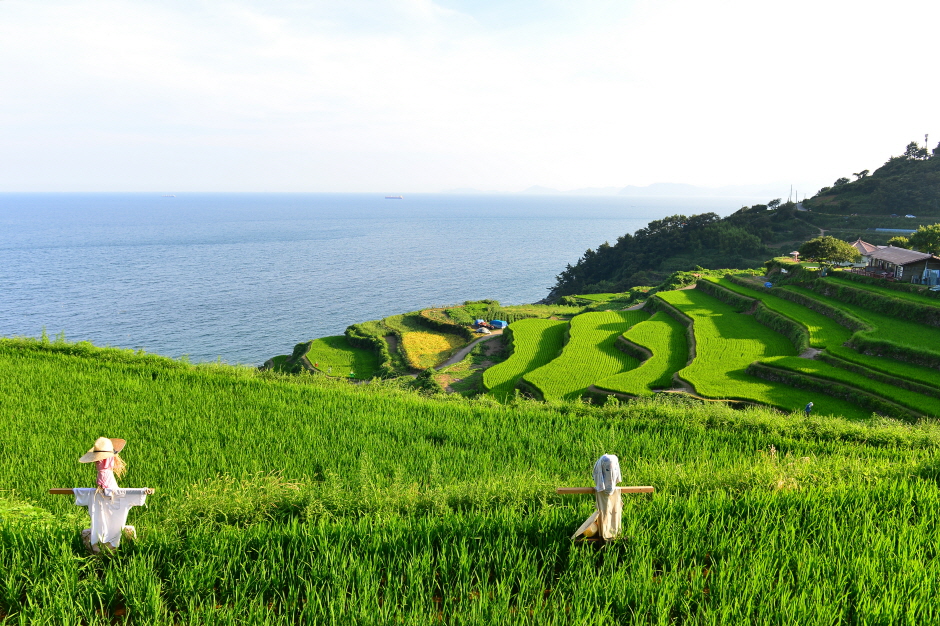
Gacheon Daraengi Village (가천 다랭이마을)
21 Nammyeon-ro 679beon-gil, Namhae-gun, Gyeongsangnam-do
Daraengi Village in Namhae is famous for terraced rice paddies on a steep hill on the outskirts of Seolheulsan Mountain. The picturesque rice paddies make up 108 steps (consisting of stones and soil) and are great for taking photographs. Located in the south, the village is balmy in winter, and spring greens such as mugwort and spinach sprout before any other place in Korea. Environment-friendly agriculture flourishes because the sea breeze prevents insect pests. This land of friendly people and fertile soil is home to Daraengi Rice Paddy Festival every spring. The festival offers a slew of interesting programs allowing visitors to experience traditional farming and learn the culture and customs of Daraengi Village.
Gachon University Gil Medical Center (의료법인 길의료재단 길병원)
21, 774 Beon-gil, Namdong-daero, Namdong-gu, Incheon
Gachon University Gil Medical Center is a major tertiary hospital located closest to Incheon International Airport. With 1,400 beds across 31 medical departments, it operates specialized centers such as the Main Building, Cancer Center, Emergency Center, Women's Cancer Center, and Cardiovascular Center. It achieved top national rankings in the Ministry of Health and Welfare’s Medical Institution Quality Evaluation and the appropriateness evaluations in various areas such as cancer, cardiovascular, and emergency critical care. As one of Korea’s top three research-oriented hospitals, particularly in fields like brain science and cancer diabetes research, it demonstrates global competitiveness. Furthermore, its resident coordinators who speak English, Russian, Mongolian, and Chinese provide interpretation services to ensure safe and convenient medical care for foreign patients.
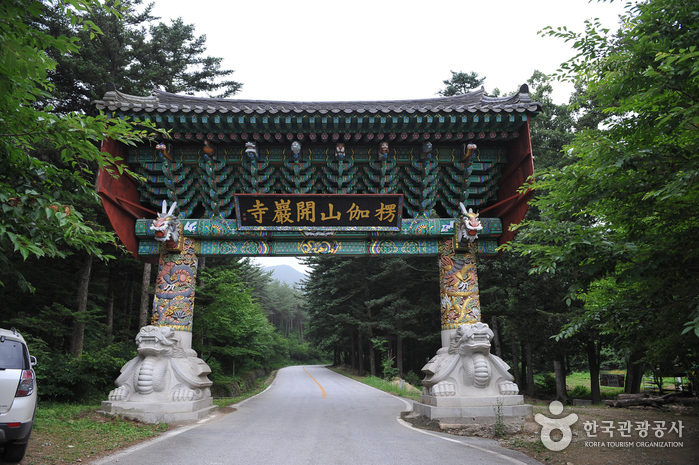
Gaeamsa Temple (개암사)
248, Gaeam-ro, Buan-gun, Jeonbuk-do
Gaeamsa Temple is a small, quiet temple built in 634 during the Baekje dynasty. The origin of the name "Gaeam" goes back to 282 BC, when King Mun from the Byeonhan confederacy took refuge here during the revolt of the Jinhan and Mahan confederacies. Under King Mun's command, temples for the new fortress were built on east and west sides of the valley; the western temple was called Gaeam. In 676, the temple was expanded and in 1276, thirty more buildings were raised, expanding it to a grand temple.
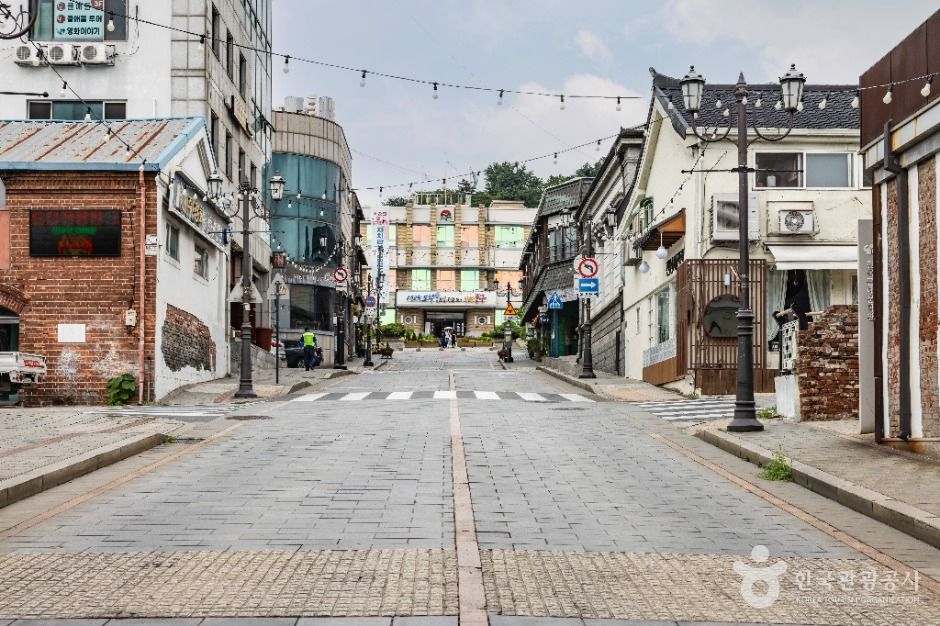
Gaehangjang (Open Port Area) Street (개항장 거리)
27 Jemullyang-ro 232beonan-gil, Jung-gu, Incheon
As the Incheon Port was opened in 1883, this is where one could feel the rich history and culture accumulated over 126 years. Formerly used by the Japanese consulate, the Jung-gu Office, the Incheon branch of Japan's 1st, 18th and 58th Bank and other modern historical architecture can be found intact here. Other historical remains like Former Japan Mail and Shipping Inc., Incheon Art Platform, Jemulpo Gurakbu, and more are also available for visitors to see at the Incheon Gaehangjang (Open Port Area). For those who are interested in learning more, a guided tour by an Incheon cultural tourism expert is available upon reservation.
Gaeksa-gil (객사길)
10-1 Jungang-dong 2(i)-ga, Wansan-gu, Jeonju-si, Jeonbuk-do
Gaeksa, which was installed in every town during the Goryeo and Joseon periods, was a type of accommodation where foreign envoys or government officials from other regions stayed. Gaeksa can still be seen today in downtown Jeonju and there's a "Gaeksa-gil Street" at the main street of the old city center. The street features countless roadside shops and franchise restaurants so both Jeonju locals and tourists frequently visit the area. Also, Jeonju Gaeksa-gil is where the Jeonju International Film Festival is held every year. Considered as one of the three main Korean film festivals, the Jeonju International Film Festival primarily presents independent films and has discovered many hit movies and new actors. On one side of Gaeksa-gil, you can also find Jeonju Cine Complex and several movie theaters, which is why it is called the "Film Street." In the back of the Film Street, restaurants, cafes and clothing shops attract movie fans to form so-called "Gaengnidan-gil."
Gaemagowon (개마고원)
1094 Sangmu-daero, Seo-gu, Gwangju
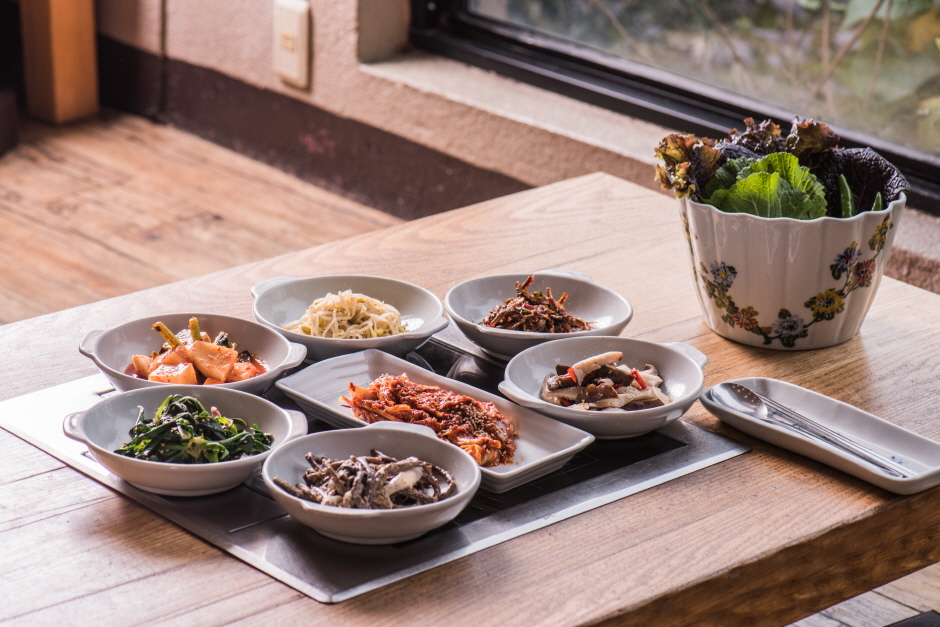
Gaemagowon is a hanu (Korean beef) restaurant that has been serving the Gwangju area for over 20 years. The menu includes a variety of dishes using hanu.
Gaepyeong Hanok Village (개평한옥마을)
59 Gaepyeong-gil, Jigok-myeon, Hamyang-gun, Gyeongsangnam-do
Gaepyeong Hanok Village is where more than 60 large and small hanok (traditional Korean house) buildings with over 100 years of history are located within a traditional atmosphere. The village was named Gaepyeong using the letter gae (meaning “stuck between") as it is situated between Deokgaecheon Stream and Silgaecheon Stream. Visitors can observe the typical form of Gyeongsang region's yangban (aristocrat) house in this village, known as the hometown of scholars and writers since ancient times. The historical House of Ildu, which stands out first when entering Jigok-myeon where Gaepyeong Hanok Village is located, was also used as a filming location for dramas such as "Mr. Sunshine (2018)" and "Toji, the Land (2004)." The scenery of the stone walls, in harmony with the antique hanok, offers a calming sensation. In addition, visitors can participate in various experience programs, such as pressed flower craft, dasik (tea confectionery) making, and walking on trails held throughout the village, as well as gochujang (red chili paste) making at Roh's Old House of Gaepyeong-ri, which has the oldest anchae (women’s quarters) in the village.
Gaeseong Mandu Koong (개성만두 궁)
11-3 Insadong 10-gil, Jongno-gu, Seoul
Gaeseong Mandu Koong has served Gaeseong-style mandu (dumplings) for more than 30 years. The founder of the establishment was a refugee who fled south during the Korean War. She now runs this restaurant with the help of her granddaughters. Characterized by its delicate taste, Gaeseong mandu stuffing consists of pork and various vegetables such as cabbage and pumpkin. This restaurant's mandu is so popular that it sometimes gets sold out even before evening. Typical menu includes mandu jeongol (hot pot) and mandu guk (soup). The hot pot is made of various ingredients including mandu, rice cakes, mushrooms, and meat, and serves two to three persons. For several persons, it's recommended to eat bossam (boiled meat slices wrapped in lettuce leaves or kimchi) and Korean-style pancakes.
Gaeul Terrace (개울테라스)
212-5, Namhansanseong-ro, Namhansanseong-myeon, Gwangju-si, Gyeonggi-do
Gaeul terrace is a cozy forest café nestled beside a stream in the valley. Its interior features full-length glass walls, providing panoramic views of the natural scenery throughout all four seasons. A pathway from the café leads directly to the valley. Popular menu items include aromatic Espresso, sweet Ttalgi latte (Strawberry latte), and tender Croffles rich in buttery flavor. The outdoor seating area offers a serene ambiance, complemented by the soothing sound of the flowing water from the nearby stream.
Gaeun Open Set (문경 가은오픈세트장)
112 Wangneung-gil, Gaeun-eup, Mungyeong-si, Gyeongsangbuk-do
Gaeun Open Set is a filming site located within Mungyeong Ecoworld. Through in-depth historical research, it realistically recreates the city in the old days, making it an important location for TV series and history education. There are a total of three filming locations. The first filming location has palaces, including Goguryeo Palace, thatched-roof houses, inns, and a grand gate of actual size. It is known as the filming location for various dramas such as "The King of Legend (2010)," "Ja Myung Go (2009)," "Yeon Gaesomun (2006)," and "Strongest Chil Woo (2008)." It is still popular as a filming location for many other dramas. Also located within Mungyeong Ecoworld is the Coal Museum, so many tourists visit them together. It is possible to travel from the Coal Museum to the first filming location by riding the monorail, which runs every 15 minutes.
GaEunChae (가은채)
68-13 , Hanji-gil, Wansan-gu, Jeonju-si, Jeonbuk-do
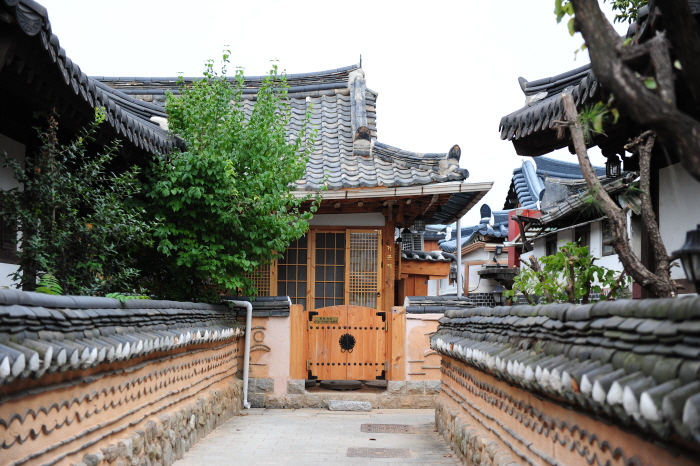
Gaeunchae is a hanok stay in Jeonju Hanok Village, Jeollabuk-do, constructed of wood in the traditional way without using nails. The location is ideal for local sightseeing as it’s close to Jeonju Craft Masters Hall, the Traditional Wine Museum, Seunggwangjae (home of the last Joseon prince Yi Seok), and Dakjong Hanji Doll Workshop. The exceptionally scenic alleyways around Gaeunchae are part of a Village tour. In the yard visitors will see different types of stone used as paving or decoration: granite, mica, and other local stones, all hand-trimmed by our ancestors.
GaEunChae2 (가은채2)
100-20 , Hanji-gil, Wansan-gu, Jeonju-si, Jeonbuk-do
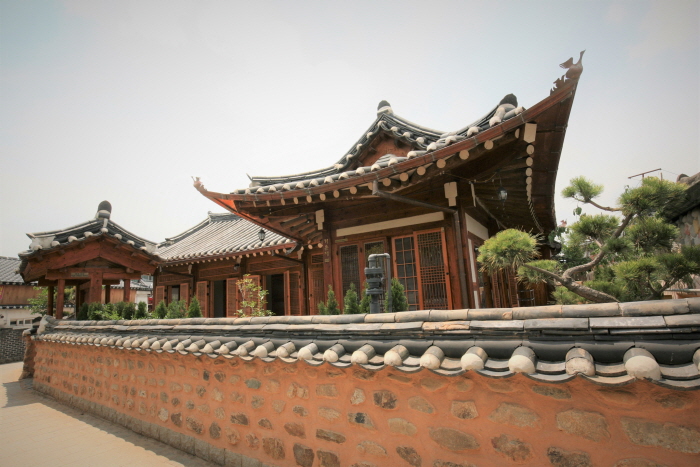
Gaeunchae 2 is the sister hanok of Gaeunchae in Jeonju Hanok Village, Jeollabuk-do. It’s a traditional red clay-walled hanok with ondol underfloor heating, exposed roof beams and hanji wallpaper and flooring - creating a beautiful and distinctive hanok interior. It has a small hallway which is good for storing luggage or just to sit and chat. In the garden are sculpted stone lanterns and tigers. Local attractions such as Jeondong Cathedral and Gyeonggijeon Shrine are a short walk away.
Gahoe Museum (가회민화박물관)
52 Bukchon-ro, Jongno-gu, Seoul
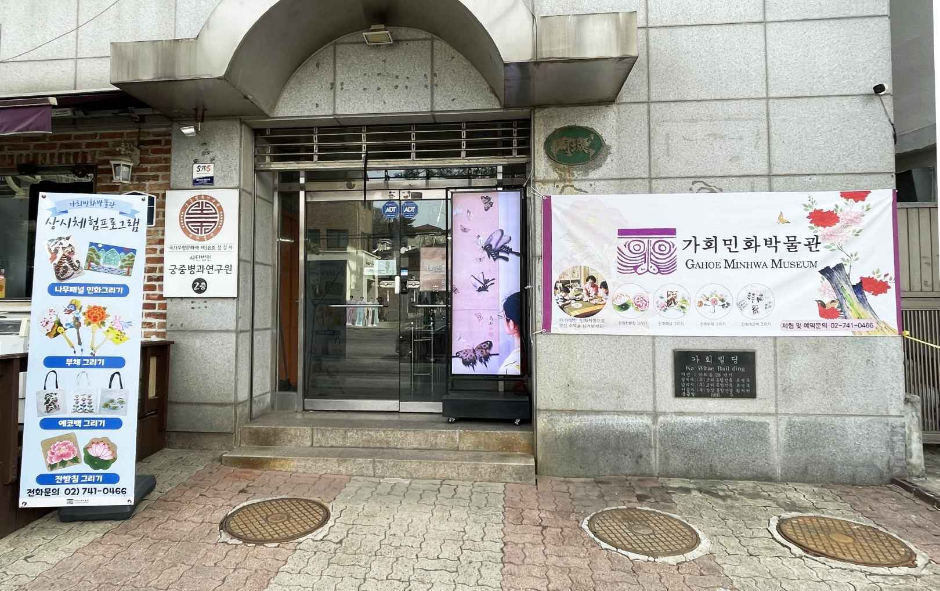
Opened in 2002, Gahoe Museum exhibits folk paintings and amulets reflecting the lifestyle and wishes of the Korean people from ancient times. Inside the Hanok gallery, visitors can immerse themselves in the traditions of Korea, including old paintings depicting people's lifestyle in the past and religious beliefs, and roof tiles in the shape of humans or goblins. Visitors will also find folding screens and religious objects used in the past that show skills and knowledge of Korean ancestors.
Plan your Korea trip
Korea travel FAQ
How do I use the travel search?
Enter a place or interest, then narrow the results by region, category or sort order.
Will my filters stay selected on the next page?
Yes. Your search and filter choices stay in the page URL while you move through the results.
Can I find directions to each place?
Place pages include an external Google Maps search when coordinates or an address are available.
Source: Korea Tourism Organization, official website (https://knto.or.kr).