TRAVEL IN KOREA
Korea Places to Visit
Find attractions, culture, festivals, stays, restaurants, shopping and travel courses for a clear Korea trip plan.
](https://tong.visitkorea.or.kr/cms/resource/82/4019082_image2_1.jpg)
Gocce - Hyundai Outlets Garden Five Branch [Tax Refund Shop](고세 현대아울렛 가든파이브점)
66, Chungmin-ro, Songpa-gu, Seoul
KOSE is a leading Japanese global beauty brand that researches the skin's inherent radiance and transparency. We promise customers the joy of clear and healthy skin through skin science data accumulated over a long time and innovative active ingredients.
](https://tong.visitkorea.or.kr/cms/resource/42/4020242_image2_1.jpg)
Gocce - Lotte Department Store Mia Branch [Tax Refund Shop](고세 롯데백화점 미아점)
2F, 62, Dobong-ro, Gangbuk-gu, Seoul
KOSE is a leading Japanese global beauty brand that researches the skin's inherent radiance and transparency. We promise customers the joy of clear and healthy skin through skin science data accumulated over a long time and innovative active ingredients.
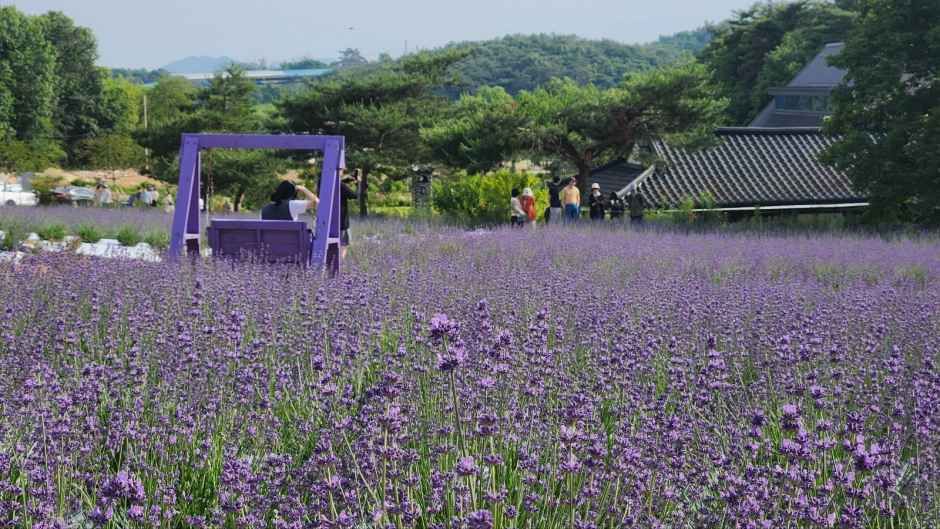
Gochang Blue Farm (고창 청농원)
41-27 Cheongcheon-gil, Gongeum-myeon, Gochang-gun, Jeonbuk-do
Geochang Blue Farm, located in Geochang-gun, is a vast farm featuring seasonal gardens, a hanok building, and a café. Lavender and hydrangeas bloom in spring and summer, while pink muhly grass adorns the farm in October, attracting many visitors throughout the year.
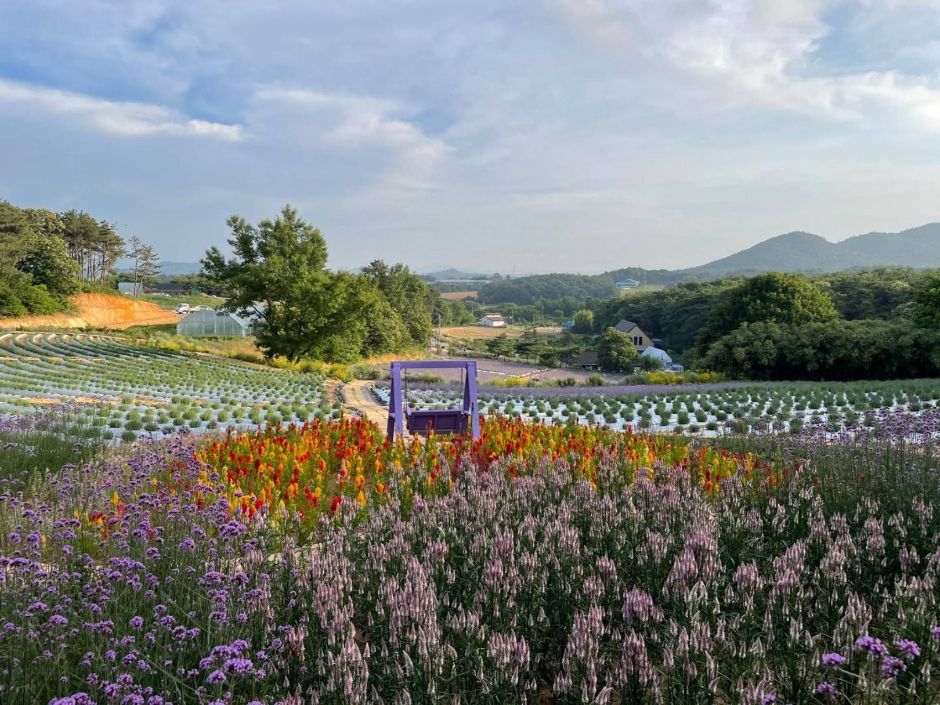
Gochang Blue Farm Lavender Festival (고창청농원 라벤더 축제)
41-27 Cheongcheon-gil, Gongeum-myeon, Gochang-gun, Jeonbuk-do
Gochang Blue Farm, located in Gocheong-gun, is a stay farm featuring seasonal gardens. Lavender and Hydrangeas bloom in spring and summer, while pink muhly grass adorns the farm in October. Spanning over 16,000 square meters, the Lavender Garden offers various photo zones, allowing visitors to capture memorable shots, especially the hanok building with lavender in the background adds an extra touch of charm. Visitors can also enjoy strolling through the bamboo and pine forest behind the lavender garden or relax at the hanok café. The farm is pet-friendly, making it an ideal destination to visit with your pet, family, or a date.

Gochang Blue Farm Pink Muhly Season (고창청농원 핑크뮬리시즌)
41-27 Cheongcheon-gil, Gongeum-myeon, Gochang-gun, Jeonbuk-do
Gochang Blue Farm takes on a pink hue each fall with the arrival of pink muhly. Visitors can enjoy taking photos at the photo zones places throughout the vast field of waving fronds, and take a break at the hanok rest area.
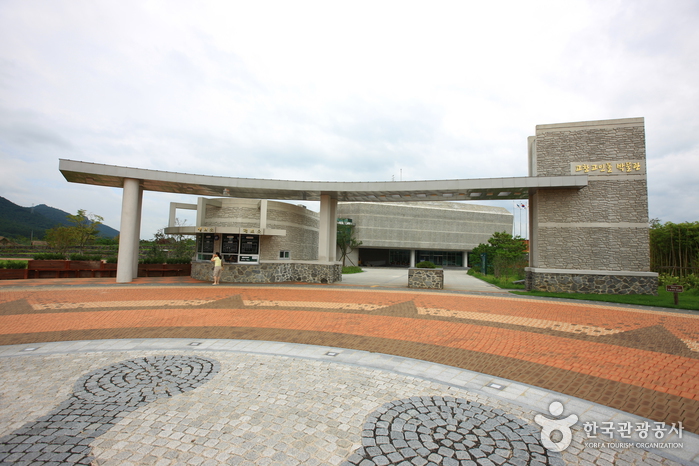
Gochang Dolmen Museum (고창고인돌박물관)
74, Goindolgongwon-gil, Gochang-gun, Jeonbuk-do
At the Gochang Dolmen Museum, visitors can view diverse relics and learn about the Bronze Age and the dolmen (tomb, gravesite, etc.) cultures of the world. In addition to a variety of exhibition halls, the museum also features interactive exhibit spaces that help visitors further explore the main themes of the museum. There is also a mock-up of an ancient dugout hut where visitors may take photos. Outside the museum is the Bronze Age theme park, which features a life-size prehistoric village replica, a dolmen experience zone, and an exhibition zone displaying a representative memorial service from the Bronze Age.
![Gochang Dolmen Site [UNESCO World Heritage] (고창 고인돌 유적 [유네스코 세계문화유산])](http://tong.visitkorea.or.kr/cms/resource/17/2604617_image2_1.jpg)
Gochang Dolmen Site [UNESCO World Heritage] (고창 고인돌 유적 [유네스코 세계문화유산])
74 Goindolgongwon-gil, Gochang-eup, Gochang-gun, Jeonbuk-do
Dolmens are representative tomb structures from the Bronze Age, distributed across Korea with over 30,000 examples. Gochang is an area rich in dolmens, boasting around 1,600 of them. Here, visitors can explore Gochang's dolmen park, which features dolmens constructed during the 6th to 5th centuries BC, along with a museum offering insights and hands-on experiences related to dolmens and the Bronze age.
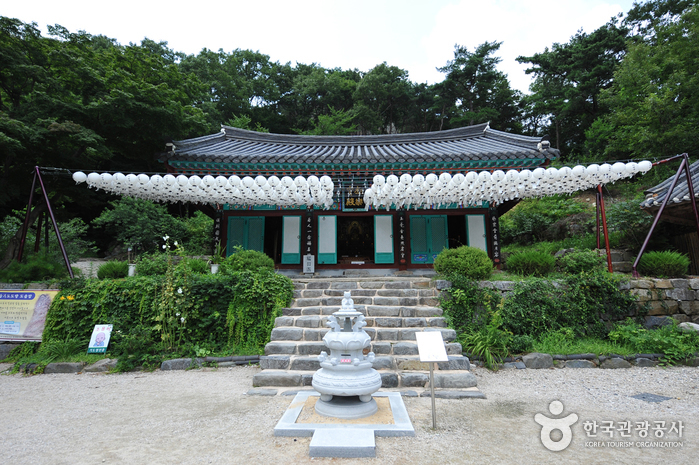
Gochang Dosoram Hermitage (도솔암(고창))
294, Dosol-gil, Gochang-gun, Jeonbuk-do
Dosoram Hermitage, along with Seonunsa Temple, is thought to have been built during the Baekje era (18 BC-AD 660). The temple is managed by Seonunsa Temple on Dosolsan Mountain in Gochang-gun, Jeollabuk-do.
Gochang Munsusa Temple (문수사 (고창))
135, Chilseong-gil, Gochang-gun, Jeonbuk-do
Nestled on the slope of Munsusan Mountain (alt. 621 m) in Gochang, Jeollabuk-do and Jangseong, Jeollanam-do, Munsusa Temple is located in the area of a dense mountain ridge to the west of Gosu Kiln Site in Gosu-myeon, and Josan Reservoir. The ridge features clean water and a thick forest that has remained uncontaminated due to its isolated location. The temple's establishment date is uncertain. The temple houses Daeungjeon Hall (Local Tangible Cultural Heritage No. 51) and Munsujeon Hall (Local Tangible Heritage No. 52), as well as Myeongbujeon and Hansanjeon Halls. Daeungjeon is a small building featuring the unique architecture of gable roofing. Visitors will be fascinated by the temple's scenery, boasting valley waters flowing from dense forests. It is particularly beautiful in fall, when the autumn foliage harmonizes well with the colors of the old temple. The temple grounds are surrounded by a colony of maple trees 100 to 400 years old. The Forest of Maple Trees at Munsusa Temple, Gochang, was designated in 2005 as Natural Monument No. 463. It covers the area from the entrance of Munsusan Mountain to the entrance of Munsusa Temple with nearly 500 maple trees lining the 80 meter-long path.
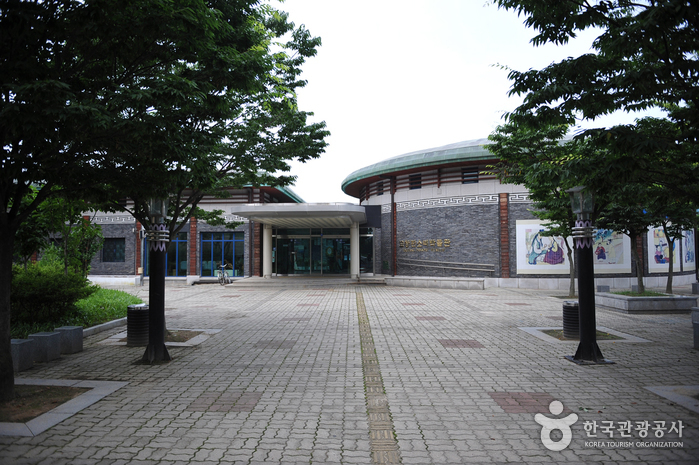
Gochang Pansori Museum (고창판소리박물관)
100, Dongni-ro, Gochang-gun, Jeonbuk-do
The Gochang Pansori Museum was established in the old residence of ‘Dongni’ Sin Jae-Hyo (a musical theorist and arranger and a sponsor of Pansori) with the aim of honoring the great Pansori singers of the past (including Sin Jae-Hyo) and preserving and developing the indigenous tradition of Pansori. Of the original rooms of the residence only Sarangchae (an annex where men used to study or welcome guests) has been renovated and is open to the public. Right next to Sarangchae is the Dongni Gugakdang (Korean Traditional Music Hall). Over 1,000 pieces related to Pansori and great local singers are on display at the museum, included personal possessions once owned by Sin Jae-Hyo (penname ‘Dongni’). For those interested in learning more about the traditional art of Pansori music or experiencing high-quality Pansori, the Gochang Pansori Museum is a must-visit travel destination.
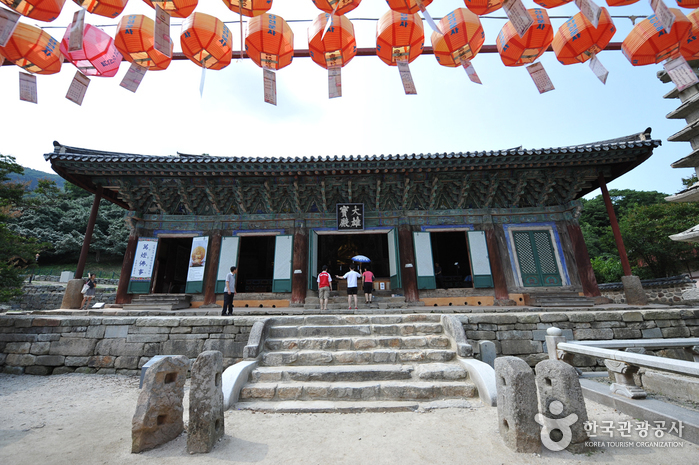
Gochang Seonunsa Temple (선운사 (고창))
250, Seonunsa-ro, Gochang-gun, Jeonbuk-do
Seonunsa Temple is known to have been built in 577, the 24th year of King Wideok of the Baekje dynasty. It is the second head temple of Jogye Order in Jeollabuk-do. According to the temple's historical records, it was originally a very large temple with 89 hermitages and 3,000 monks. Today, only four hermitages remain: Dosoram, Chamdangam, Dongunam, and Seoksangam. In addition, the temple is home to 25 prestigious heritages, namely the Forest of Common Camellias, which is designated as ㅁ Natural Monument. A festival dedicated to this forest is held every April.
Gochang Wellparkcity (고창웰파크시티)
173, Seokjeong 2-ro, Gochang-eup, Gochang-gun, Jeonbuk-do
Gochang Wellparkcity, located in Gochang-eup, Gochang-gun, is Korea’s largest integrated healing complex, spanning 1,501,011.3㎡. It offers a wide range of facilities, including Healing County, Seokjeong Hue Spa, dining, massage, and medical services. Visitors can enjoy both tourism and leisure at this family-friendly resort. It is also a representative leisure and recreation facility where guests can take part in immunity-strengthening programs while staying in clay and cypress wood pensions. Seokjeong Hue Spa uses hot spring water containing germanium for therapeutic baths. The lockers, dining areas, and convenience amenities can accommodate up to 2,000 users simultaneously. Other facilities include Seokjeong Wellpark Hospital for health and recuperation after retirement; Gochang Tower, a silvertown for systematic health management and retirement preparation; and the family-oriented Seokjeong Hill Country Club for golf.
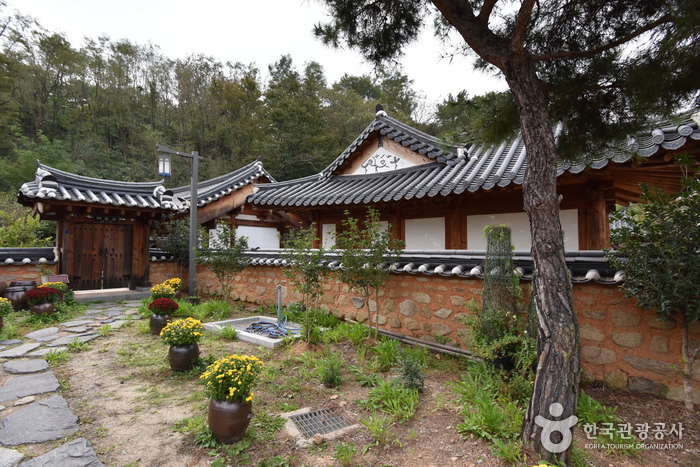
Gochang-eup Sunghanok Village (고창읍성한옥마을)
128 , Dongni-ro, Gochang-gun, Jeonbuk-do
Gochangeupseong Hanok Village is a group of houses once attached to the government office inside the ancient Gochangeupseong Fortress, Gochang-gun, Jeollabuk-do. It consists of seven tile-roofed houses containing 11 comfortable guest rooms with wooden floors, equipped with toilet and AC. There is a yard, and visitors can walk a trail to Gochangeupseong Fortress and ponder the impressive 500 year-old walls. There is a pottery and an embroidery experience center, and Yangpyeong Military Art Museum, Gochang Pansori Museum, and Seonun Golf Course are all nearby. Visitors can use the village’s large parking lot.
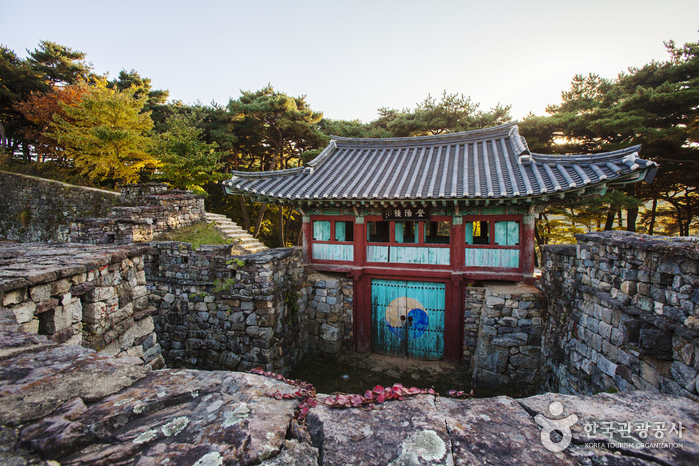
Gochangeupseong Walled Town (고창읍성)
1, Moyangseong-ro, Gochang-gun, Jeonbuk-do
Gochangeupseong Walled Town was built in 1453 during th reign of Joseon King Danjong to protect the city from foreign invaders. The walls were built by the local civilians, using natural resources as they were available. Also called Moyangseong Fortress, the walled town served a vital role in protecting the southern region, and was designated Historic Site No. 145 on April 1, 1965. The walls are 4~6 meters high and 1,684 meters long, with three gates on the north, east, and west walls, each protected by curved walls. Inside the large area there were 22 government buildings. Restoration work on the wall has been ongoing since 1976.
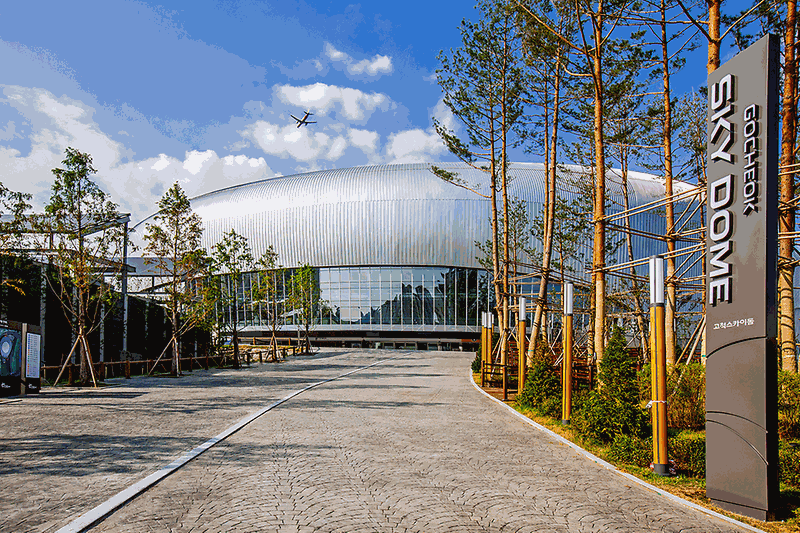
Gocheok Sky Dome (고척 스카이돔)
430 , Gyeongin-ro, Guro-gu, Seoul
Gocheok Sky Some is the first dome-type baseball stadium to be built in Korea. Since its establishment in 2015, the stadium has been used as a venue for diverse events, including baseball games, athletic sports, performances, concerts, and more. The stadium consists of two basement floors and four above-ground floors with 16,783 seats. Gocheok Sky Dome serves as a cultural facility for the public that can host events regardless of season and weather. A baseball-themed street is connected to the dome for baseball fans. Several other sports-related facilities and retailers are also available.
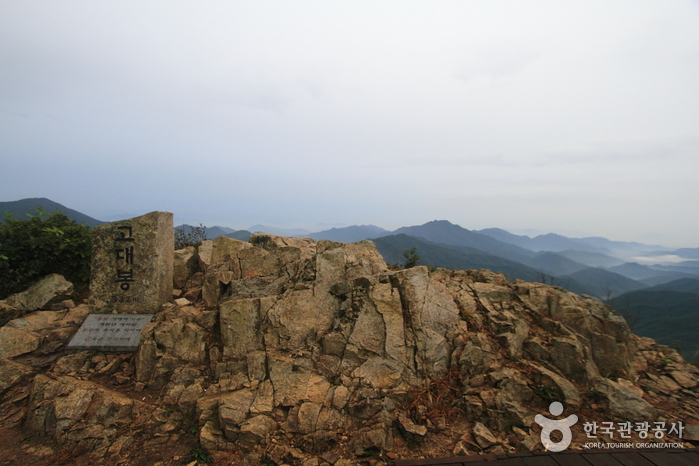
Godaesan Mountain (고대산)
Sinseo-myeon, Yeoncheon-gun, Gyeonggi-do
Godaesan Mountain (alt. 832 meters) is located next to Sintan-ri Station, which is the railroad disconnection point of the Gyeongwon Line. It is also on the way to Geumgangsan Mountain. Godaesan is ideal for mountain hiking because of its natural beauty and well-preserved ecosystem. Moreover, this is the only mountain in South Korea on which the North Korean territory can be seen. There are several theories about the origin of the mountain's name. One is that the mountain had been referred to as "keungore" (big whale) in the past by local residents. Another is that the mountain looks like the banggorae (smoke duct) of a traditional Korean heating system when seen from the Sintan area; this is because the mountain's deep valleys resemble the furrows under that house that facilitate the passage of hot air to heat the room above. On a topographic map, the mountain was also marked as "Gotae" (like the constellations high above). Godaesan also has a dense forest, making it a suitable source of timber and charcoal. Because of its abundant forest resources, a jumak (a tavern or inn that served food and liquor and provided lodging to travelers) village was formed here. The place was well-known for charcoal production prior to the Korean War. On November 4, 1907, 150 soldiers from the Korean militia fought a fierce battle with the 8th Company of the Japanese Army's 20th Infantry Regiment in Yeoncheon. After the fight, the Korean militia were scattered throughout the jumak village. Later on, 60 of them engaged in a fierce battle again with the Japanese soldiers on Godaesan. This is a place imbued with the brave spirit of the Korean people.
Plan your Korea trip
Korea travel FAQ
How do I use the travel search?
Enter a place or interest, then narrow the results by region, category or sort order.
Will my filters stay selected on the next page?
Yes. Your search and filter choices stay in the page URL while you move through the results.
Can I find directions to each place?
Place pages include an external Google Maps search when coordinates or an address are available.
Source: Korea Tourism Organization, official website (https://knto.or.kr).