TRAVEL IN KOREA
Korea Places to Visit
Find attractions, culture, festivals, stays, restaurants, shopping and travel courses for a clear Korea trip plan.
Honghyeon Village (남해 홍현마을)
9-7 Nammyeon-ro 353beon-gil, Nam-myeon, Namhae-gun, Gyeongsangnam-do
The colorful Honghyeon Village was once called Rara because many conches, called sora in Korean, were caught here for living. Later the village was named Honghyeon Village due to its location next to Rainbow Hill. Renowned for its excellent water quality, the village held Korea’s first abalone festival in 1999. It was selected as one of the “100 Rural Villages to Live and Visit” by the Rural Development Administration.
](https://tong.visitkorea.or.kr/cms/resource/90/4017290_image2_1.jpg)
Hongik Pharmacy [Tax Refund Shop](홍익약국)
1F, 7, Yanghwa-ro 18-gil, Mapo-gu, Seoul
Hongik Pharmacy provides warm and professional pharmaceutical services to local residents with the mindset of 'extending benefits to human health.' Through meticulous prescription management and kind explanations, it is a space like a community hub where anyone can comfortably drop by to share their health concerns.
](https://tong.visitkorea.or.kr/cms/resource/78/4022578_image2_1.jpg)
Hongik Plaza Pharmacy [Tax Refund Shop](홍익플라자약국)
1F, 192, Yanghwa-ro, Mapo-gu, Seoul
Hongik Plaza Pharmacy is a reliable pharmacy located in the center of the region, providing an extensive supply of medicines and rapid dispensing services. We strive to be a trusted health sanctuary for residents through a convenient environment considering customer traffic and meticulous medication guidance.
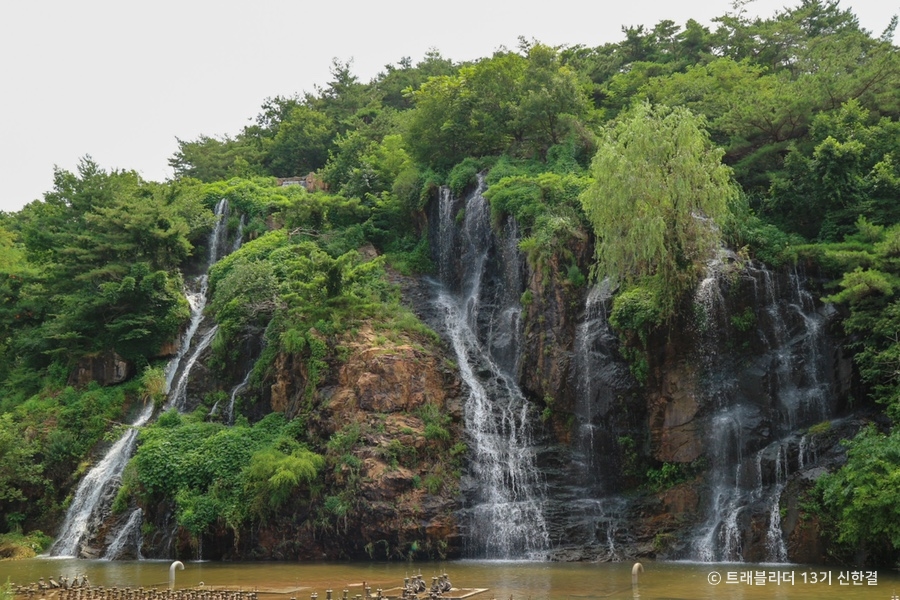
Hongjecheon Artificial Waterfall (홍제폭포)
Yeonhui-dong, Seodaemun-gu, Seoul
Hongjecheon Artificial Waterfall is located along Hongjecheon Stream in Seodaemun-gu, Seoul. The waterfall was built in 2011 and is 25 meters tall and 60 meters wide. Despite being a man-made waterfall, the design and construction were so well-done that many find it hard to believe it wasn't a naturally formed waterfall. The area around the waterfall features various places for citizens and visitors to relax, while there are many cafes and cultural spaces in the area to make a visit more enjoyable.
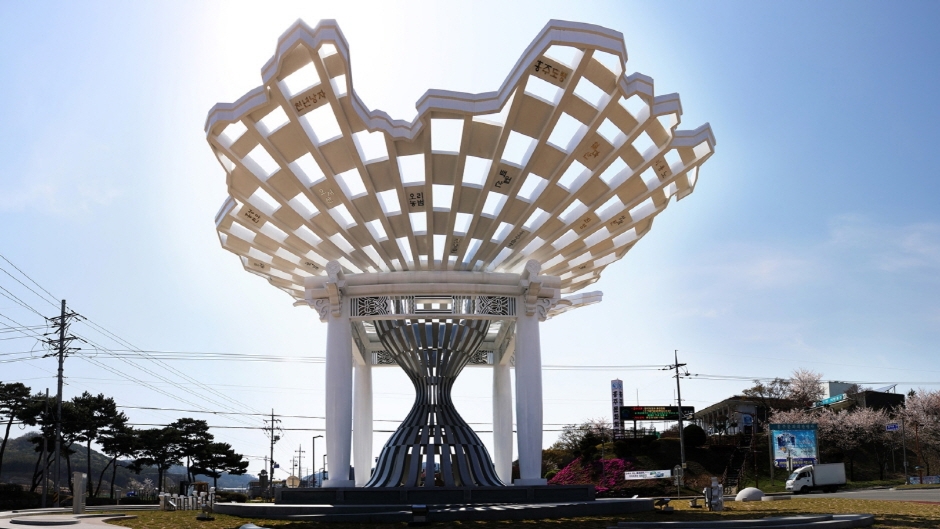
Hongju Millennium Monument (홍주천년기념탑)
Ogam-ri, Hongseong-eup, Hongseong-gun, Chungcheongnam-do
The Hongju Millennium Monument was created in 2018 to commemorate the past one thousand years of history in Hongseong (previously called Hongju), while also looking to the future and the next one thousand years. The entire monument is shaped like an hourglass, with historical figures, cultural assets and specialty products of the area at the top, and a time capsule embedded at the bottom of the monument, set to be opened in 2118.
![Hongneung and Yureung Royal Tombs [UNESCO World Heritage] (남양주 홍릉(고종과 명성황후)과 유릉(순종과 순명,순정 황후) [유네스코 세계문화유산])](http://tong.visitkorea.or.kr/cms/resource/20/2005620_image2_1.jpg)
Hongneung and Yureung Royal Tombs [UNESCO World Heritage] (남양주 홍릉(고종과 명성황후)과 유릉(순종과 순명,순정 황후) [유네스코 세계문화유산])
352-1, Hongyureung-ro, Namyangju-si, Gyeonggi-do
Hongneung and Yureung Royal Tombs is Historic Site No. 207. Hongneung Tomb is the resting place of Emperor Gojong and his wife Empress Myeongseong, while Yureung Tomb is the resting place of Emperor Sunjong, his first wife Empress Sunmyeonghyo, and his second wife, Empress Sunjeonghyo. Hongneung and Yureung look different from other royal tombs. When the name of the country changed from the Joseon dynasty to the Daehan Empire, the rulers of Korea were called emperors. Therefore, the tombs of the two emperors were modeled after the tomb of the Ming dynasty’s ruler, King Taizu (Zhu Yuanzhang). Surrounding Hongneung and Yureung are statues carved in the shape of animals such as giraffes, elephants, and lions, which can’t be seen at the other royal tombs of the Joseon dynasty. The stonework of Hongneung tomb was made in a traditional way, while the stonework of Yureung tomb shows a more realistic and advanced technique.
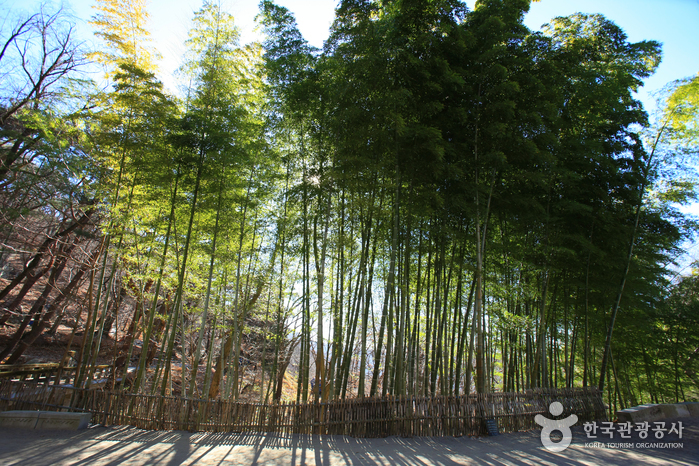
Hongnyongsa Temple (Yangsan) (홍룡사(양산))
372 Hongnyong-ro, Sangbuk-myeon, Yangsan-si, Gyeongsangnam-do
Hongnyongsa Temple, situated on Cheonseongsan Mountain, is renowned for its stunning natural scenery and rich historical traditions. Nearby, Hongnyongpokpo Falls, also known as Mujigaepokpo Falls (Rainbow Falls), captivates tourists with its splendid and invigorating waterfalls. Nestled within lush forests, the temple features a variety of intriguing structures, such as the Gwaneumjeon Hall, the Great Medicine Buddha, and the Sansingak Shrine.
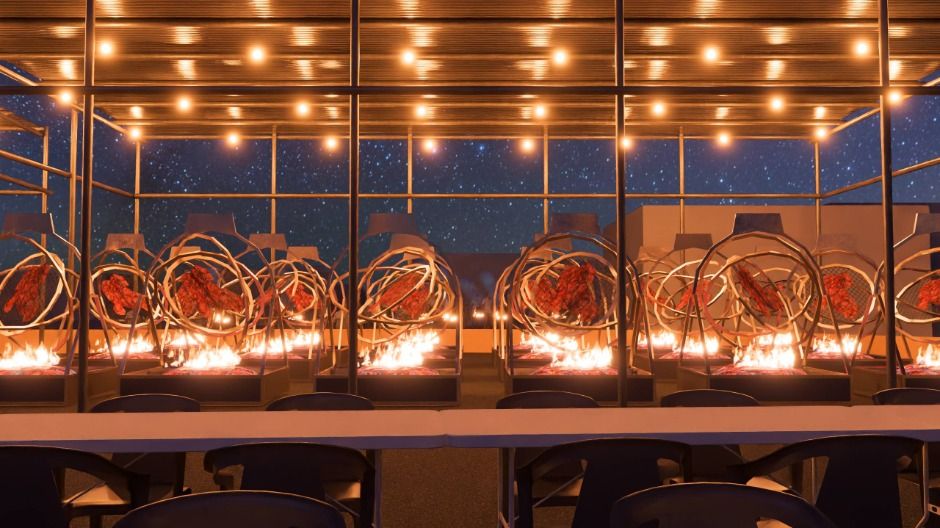
Hongseong Global BBQ Festival (홍성글로벌바비큐페스티벌)
20 Amun-gil, Hongseong-eup, Hongseong-gun, Chungcheongnam-do
The Hongseong Global BBQ Festival held in Hongseong, a city of aesthetics, is a festival where visitors can enjoy various barbecue cultures from home and abroad in one place. You can taste unique barbecue dishes based on Hongseong's livestock resources such as Hongseong hanu (Korean beef) and Hongseong handon (Korean pork), and there will also be cooking demonstrations by famous YouTubers and chefs. Various performances such as drone shows, busking performances, and other live music performances, as well as hands-on experiences, are prepared for family visitors, making it a festival that people of all ages can enjoy.
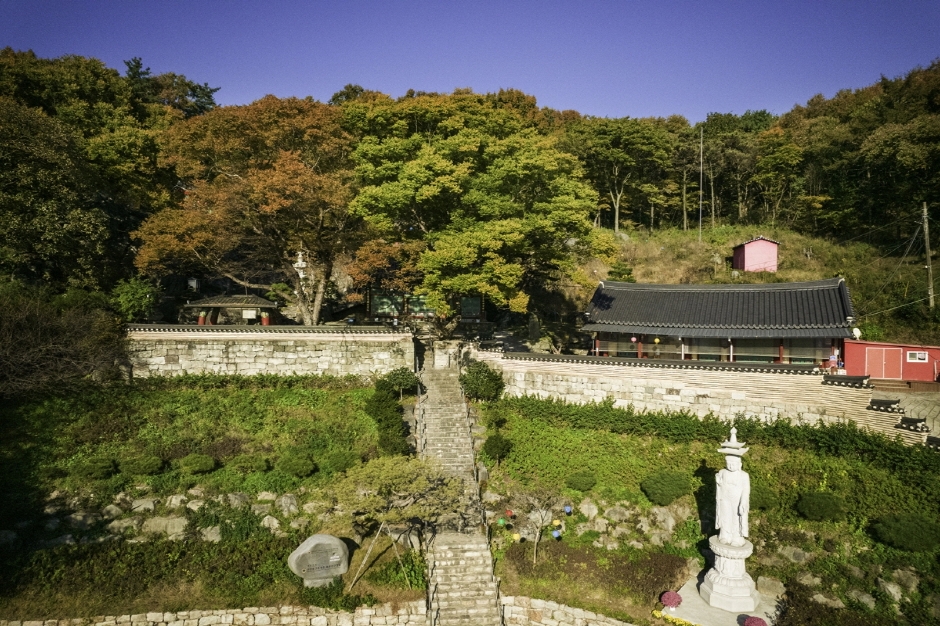
Hongseong Gujeoram Hermitage (구절암(홍성))
163 Geobuk-ro 218beon-gil, Guhang-myeon, Hongseong-gun, Chungcheongnam-do
Gujeoram Hermitage is located within a bamboo forest on a small mountain. The pathway is winding, without any signs marking the way, but this adds to the charm.
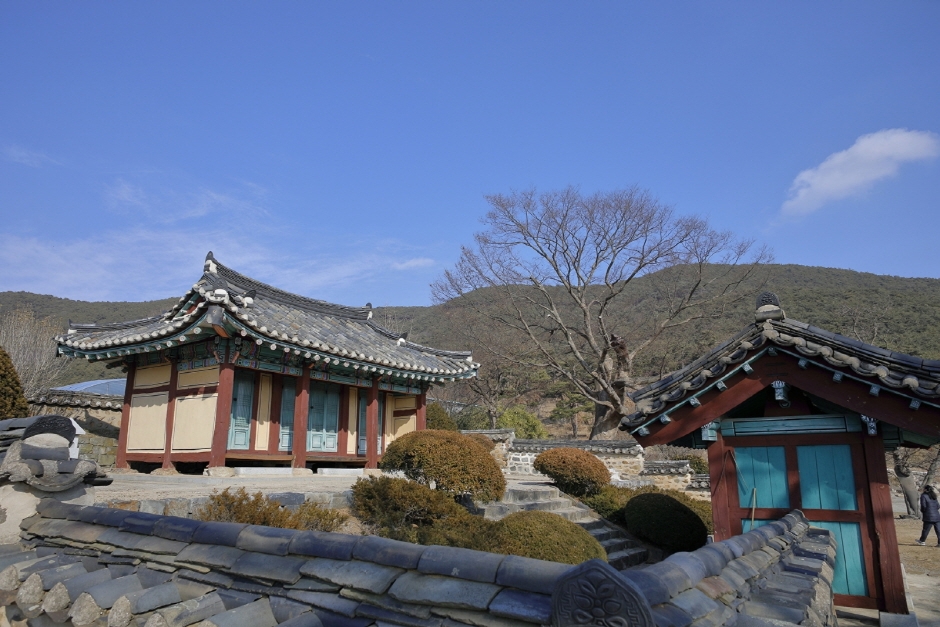
Hongseong Jeongchungsa Shrine (정충사 (홍성))
40-1 Pangyo 1-gil, Seobu-myeon, Hongseong-gun, Chungcheongnam-do
Jeongchungsa Shrine is located in Hongseong-gun, Chungcheongnam-do. It was first built in 1632, and was then rebuilt after a time of disrepair in 1872. The shrine was designated as a cultural heritage of Chungcheongnam-do on October 20, 2009.
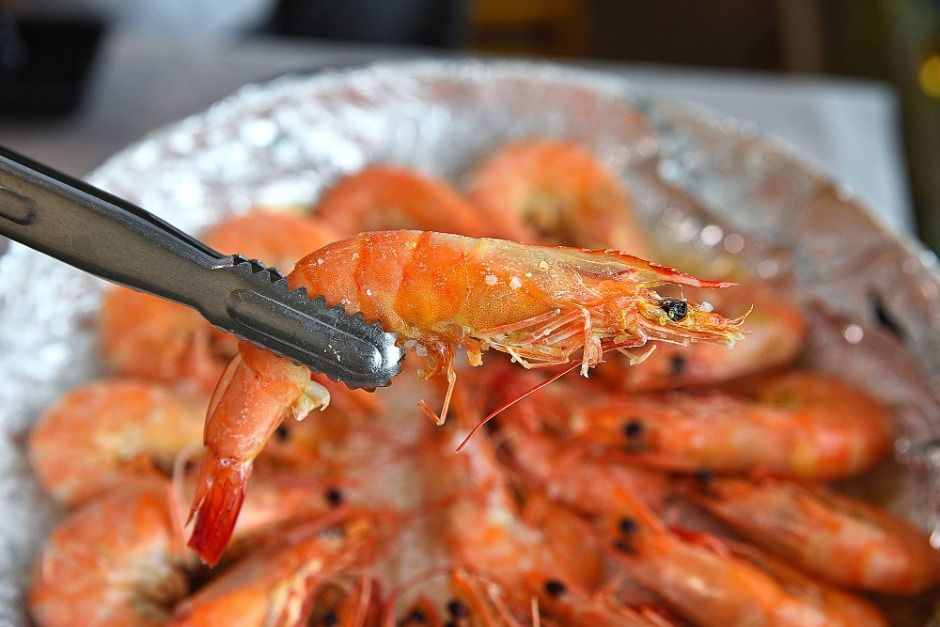
Hongseong Namdang Port Jumbo Shrimp Festival (홍성남당항 대하축제)
1-1 Namdanghang-ro 213beon-gil, Seobu-myeon, Hongseong-gun, Chungcheongnam-do
Namdang Port, located at the west end of Hongseong, is a famous west coast port known for its exceptional seafood. Surrounded by the clean waters of Cheonsuman Bay, Namdang Port is home to a wide array of sea life including blue crab, cockle and webfoot octopus. Namdang Port also draws throngs of visitors from early September to mid-October every year for the country’s largest Jumbo Shrimp Festival.
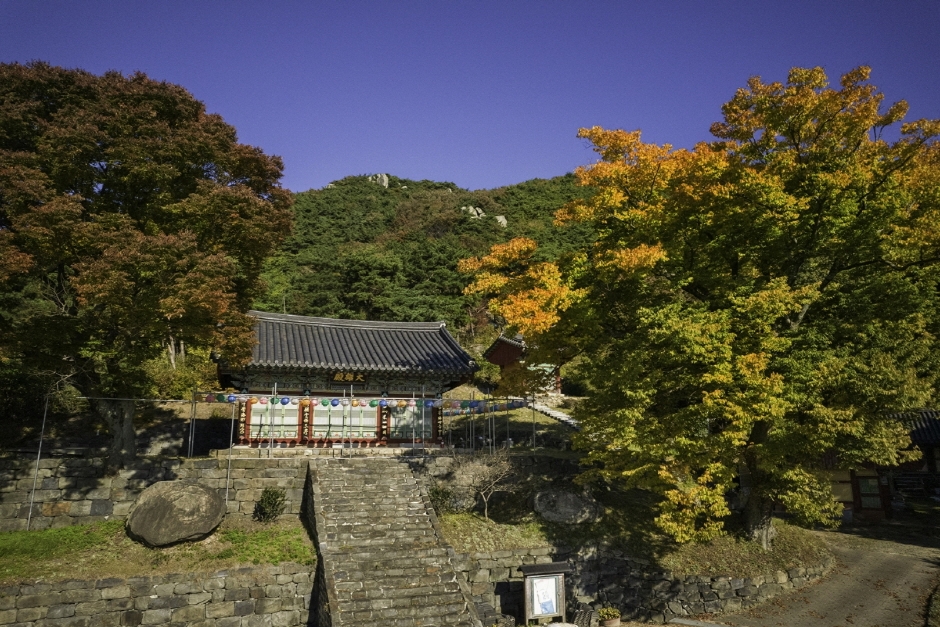
Hongseong Seongyeonsa Temple (석련사(홍성))
76 Guseongbuk-ro 160beon-gil, Guhang-myeon, Hongseong-gun, Chungcheongnam-do
Seongnyeonsa Temple is located on the side of Baegwolsan Mountain, and is a branch temple of Sudeoksa Temple. The path to the temple is paved, making it easy to enjoy the beautiful scenery along the way. A bit further up the mountain from Daeungjeon Hall, visitors will be greeted by a large stone-carved Buddha that was made recently. The lack of moss and weathering makes it stand out from other rock-carved Buddha statues, while showing the unwavering faith of the local Buddhists.
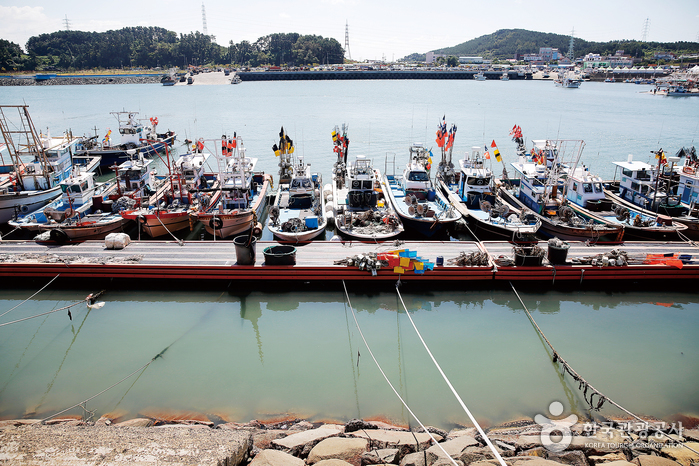
Hongwonhang Port (홍원항)
130-3, Hongwon-gil, Seocheon-gun, Chungcheongnam-do
Hongwonhang Port, located near Chunjangdae Beach, is a popular place for enjoying sea fishing and delectable meals of fresh raw fish. In addition to its culinary appeal, the port offers the picturesque scene of long stretches of shoreline guarded by two beacons in red and white. Hongwonhang Port has many fishing boats thanks to its small tidal range, resulting in a lively atmosphere and cheap sashimi prices. Hongwonhang Port, along with Gwangyanghang Port in Jeollanam-do, is the prime spot for gizzard shad. Each autumn the port holds the Gizzard Shad Festival, a festival that has plenty of events & delectable fish dishes. While at the festival, visitors are also encouraged to check out the Seocheon Museum of Marine & Natural History and Dongbaekjeong. The stuffed specimens at the museum are worth the visit and the view of Maryang Port from atop the museum is unbelievable.
Honinji Pond (혼인지)
39-22, Honinji-ro, Seogwipo-si, Jeju-do
Honinji Pond is connected to a myth of how agriculture and farming started on Jeju Island. Despite its small size, the pond is said to have been the location of the wedding between the Samsinin (three founding demi-gods) and three princesses of the East Kingdom. Next to the pond is Samseonghyeol, three caves that served as bridal homes. Honinji Pond and Samseonghyeol are great places to trace the origin of the founders of Jeju Island. In the summer, the area is in full bloom with red lotus flowers.
](https://tong.visitkorea.or.kr/cms/resource/97/4022597_image2_1.jpeg)
Honma Golf Flagship Store [Tax Refund Shop](혼마골프 플래그십 스토어)
Podo Building, 825, Eonju-ro, Gangnam-gu, Seoul
HONMA is a premium golf brand that shows the essence of over 60 years of tradition and Japanese craftsmanship. Through clubs completed with exquisite handwork and elegantly designed clothing, it promises golfers pride and ultimate performance.
](https://tong.visitkorea.or.kr/cms/resource/76/4020476_image2_1.jpeg)
HOOPCITY [Tax Refund Shop](훕시티)
1F, 324, Toegye-ro, Jung-gu, Seoul
Hoop City is a specialized basketball multi-shop brand for basketball enthusiasts. It aims to be a hub of basketball culture where you can find famous global basketball shoes, sportswear, and various related merchandise in one place.
Plan your Korea trip
Korea travel FAQ
How do I use the travel search?
Enter a place or interest, then narrow the results by region, category or sort order.
Will my filters stay selected on the next page?
Yes. Your search and filter choices stay in the page URL while you move through the results.
Can I find directions to each place?
Place pages include an external Google Maps search when coordinates or an address are available.
Source: Korea Tourism Organization, official website (https://knto.or.kr).