TRAVEL IN KOREA
Korea Places to Visit
Find attractions, culture, festivals, stays, restaurants, shopping and travel courses for a clear Korea trip plan.
](https://tong.visitkorea.or.kr/cms/resource/87/4043087_image2_1.png)
Hyeondae Gunae Eyewear [Tax Refund Shop](현대구내안경)
B1, 75, Yulgok-ro, Jongno-gu, Seoul
Hyundai Optical is a professional eyewear store that precisely looks after customers' eye health based on long-standing trust. We promise the most comfortable and bright world through an experienced optician's elaborate eye exams and eyewear styling services optimized for each customer's face shape.

Hyeongje Jeontong Dwaeji Gukbap (형제전통돼지국밥)
Location details are available on the place page.
This dwaeji gukbap (pork and rice soup) restaurant is quite accessible, thanks to its location by the big street at the entrance to Haeundae Beach from Haeundae Station. Busan’s pork and rice soup is famous for its odorless yet rich stock, plenty of meat, and soup boiled down for long hours. This restaurant serves a clean and refined bowl, flavored to taste with salted shrimp (small shrimp salted and used for flavoring or as side dishes). It opens quite early in the morning, so locals prefer this place as well. There aren't a lot of seats, so visitors won’t have to wait for too long.
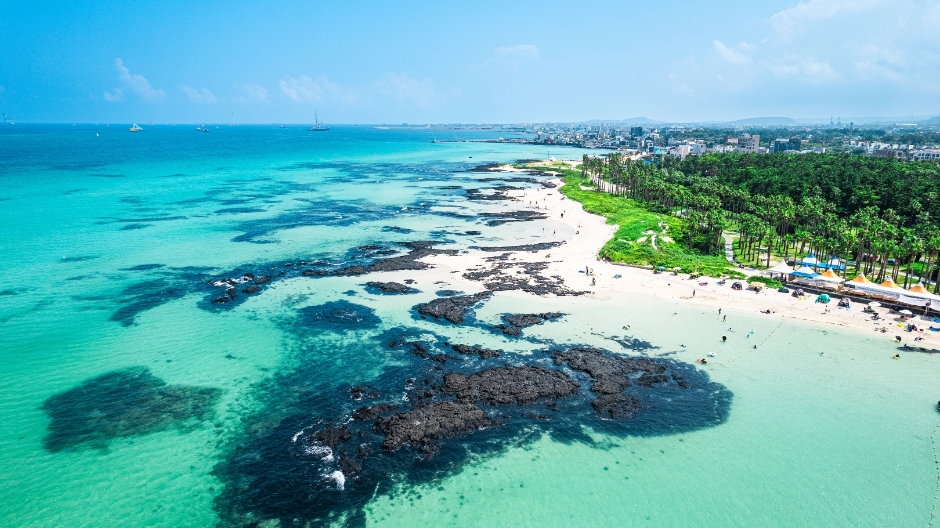
Hyeopjae Beach (협재해수욕장)
329-10 Hallim-ro, Hallim-eup, Jeju-si, Jeju-do
Hyeopjae Beach, encircled by lush pine forests, seamlessly extends into Geumneung Beach. The beach features smooth white sand, shallow waters, and a gentle slope ideal for swimming. Camping is available at Songlim, along with various amenities. The view of the emerald-colored sea and the distant Biyangdo Island offers magnificent scenery, with the sunsets being particularly breathtaking. ◎ Travel information discovering the charm of Hallyu The refreshing sound of waves, the emerald-colored sea, and SEVENTEEN warmly waving from black basalt rocks beside the white sandy beach create a picturesque scene. In , a song dedicated to their fans, CARAT, SEVENTEEN delivers a heartfelt message about beautiful love. Hyeopjae Beach is known for its shallow waters, making it ideal even for visitors who cannot swim. Surrounded by palm trees, pine forests, and grassy fields, it is also a great place for walking and camping.
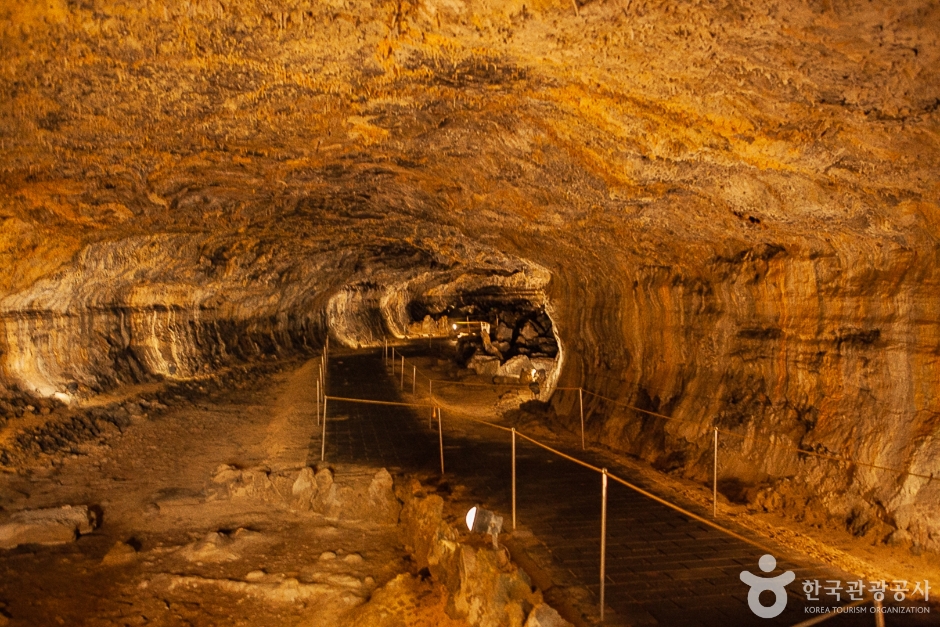
Hyeopjaegul Lava Tube (Hallim Park) (협재굴(한림공원))
300 Hallim-ro, Jeju-si, Jeju-do
Hyeopjaegul Lava Tube is one example of the lava tube systems of Jeju Island, along with Hwanggeumgul, Socheongul, Ssangyonggul and Manjanggul Lava Tubes. The cave is approximately 200 meters in length, 10 meters in x_width and 5 meters in x_height. It is thought to have been created by the lava that erupted from Hallasan Mountain some 25 million years ago. This cave uniquely contains features of both lava and limestone caves. The entire area surrounding the cave is a huge stratum of seashells and sand, while the interior of the cave has a mystical ambience due to its various formations such as stalactites and stalagmites, hanging from the ceiling and sprouting up from the bottom of the cave. The cave also features pillars formed when stalactites and stalagmites join together. The cave walls are covered in lime, which at times looks like beautiful cave paintings. The temperature inside the cave stays at 17~18℃ throughout the year, making the cave a welcome escape from the summer heat and a great place to keep warm during winter. Hyeopjaegul Lava Tube has been designated Natural Monument No. 236 and ranks among the world’s major mysterious caves, such as the stone salt cave of Peru and the underwater limestone caves of Yugoslavia. As Hyeopjaegul Lava Tube is close to Ssangyonggul Lava Tube, the two can be visited on the same day.
](https://tong.visitkorea.or.kr/cms/resource/02/4017502_image2_1.jpg)
Hyeopjin Computer [Tax Refund Shop](협진컴퓨터)
3F, 74, Cheongpa-ro, Yongsan-gu, Seoul
Hyeopjin Computer provides optimized IT infrastructure solutions to corporations and individuals based on technology accumulated over many years. Through honest product supply and swift maintenance services, we support our customers' information life in the safest and most convenient way.
Hyewon's House (혜원의 집 (영화 리틀포레스트 촬영지))
58-1 Miseong 5-gil, Ubo-myeon, Gunwi-gun, Daegu
Hyewon's House served as the house of Hyewon (played by Kim Tae-ri), the main character of the film "Little Forest (2018)." The site has quickly become a main attraction of Gunwi-gun. Parking at the entrance to the village, visitors can enjoy the small town ambiance as they walk to the house. Props from the film are located throughout the house, and visitors can enjoy riding on the bicycle that Hyewon rode.
Hyewonjeongsa Temple (혜원정사)
47 Gobun-ro 68beon-gil, Yeonje-gu, Busan
The "jeongsa" of Hyewonjeongsa Temple refers to a temple, meaning a place where practitioners dwell and dedicate themselves to spiritual cultivation. It houses various halls such as Daeungbojeon, Manbuljeon, Samseonggak, Bell Pavilion, Yosachae, and Statue of Avalokitesvara Bodhisattva. There is a hiking trail leading to the summit of Myobongsan Mountain, from where one can enjoy a panoramic view of Busan city.
](https://tong.visitkorea.or.kr/cms/resource/61/4044261_image2_1.png)
Hym Dosan HDEX Flagship Store [Tax Refund Shop](힘도산 HDEX 플래그십스토어)
1F, Yeongan Building, 29, Eonju-ro 164-gil, Gangnam-gu, Seoul
HIM DOSAN is a trendy fashion and lifestyle hub brand that captures the vibrant energy near Dosan Park. It is loved by those who share sophisticated tastes in the city through its forward-thinking brand curation and unique cultural content.
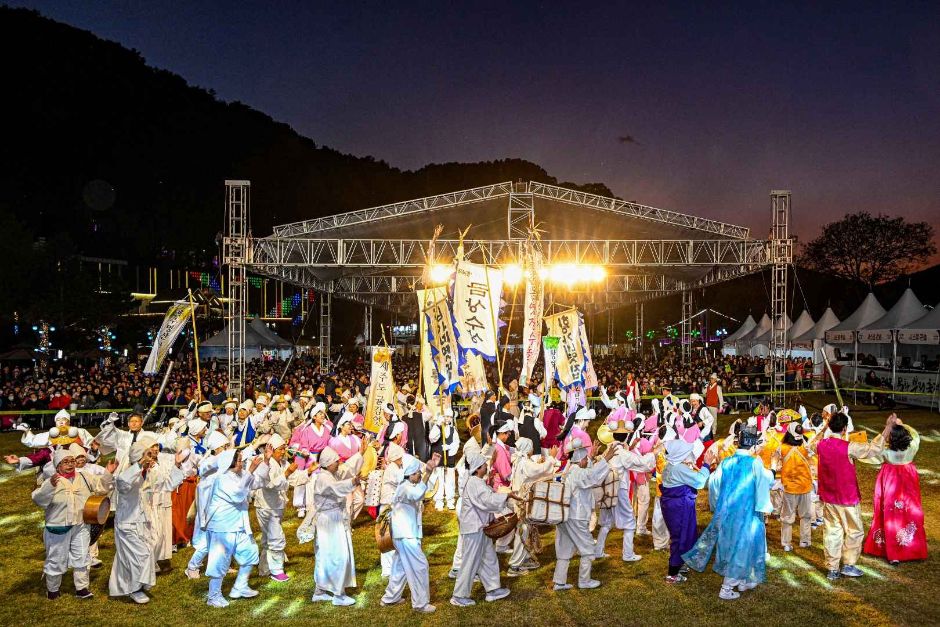
Hyo Culture Ppuri Festival (대전효문화뿌리축제)
47 Ppurigongwon-ro, Jung-gu, Daejeon
Held at the nation’s only filial duty-themed park, the Ppuri Park, the Daejeon K-Hyo Festa is a traditional cultural event dedicated to finding the roots of the ancestry of unique family clans and learning traditional filial piety. The festival features various experiences related to surnames and filial duty, along with popular flea markets and food zones. In 2022, it received a Special Award at the Korea Festival Contents Awards.
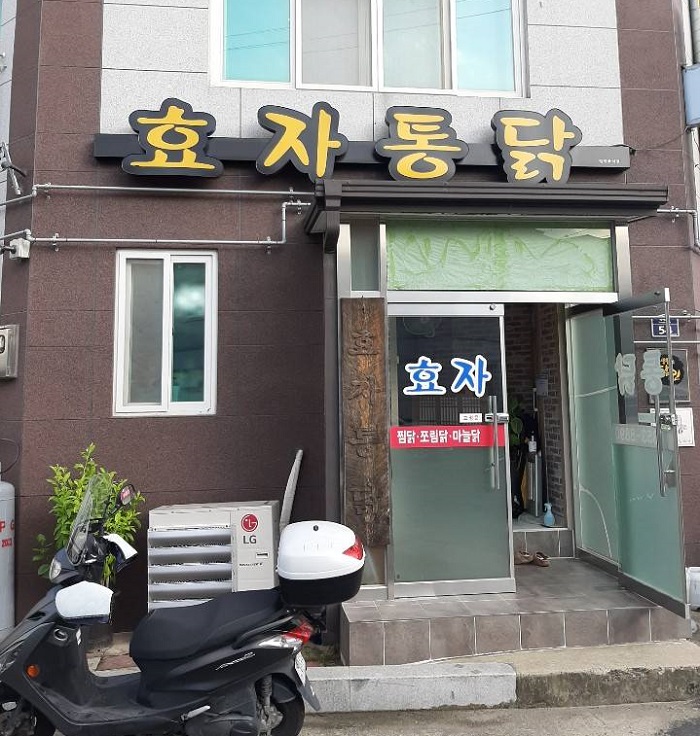
Hyoja Tongdak (효자통닭)
54, Dangbuk-gil, Andong-si, Gyeongsangbuk-do
This restaurant is famous for its jjorimdak, which has a concentrated flavor thanks to slow-braising the chicken until the sauce is almost dry.
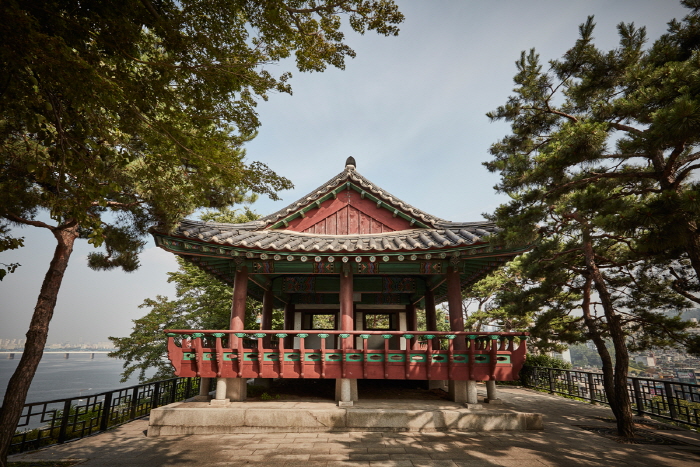
Hyosajeong Pavilion (효사정)
55, Hyeonchung-ro, Dongjak-gu, Seoul
Hyosajeong Pavilion is where Nohan, the second vice premier of the Joseon dynasty during King Sejong and King Sejo’s reign, stayed. After he lost his mother, he built the pavilion to mourn at her grave while still being able to see his father’s grave in Gaeseong to the North. His brother-in-law, then Minister of the Interior, Gang Sa-deok named the pavilion “Hyosajeong,” which means pavilion of filial piety. In order to find the original location of the pavilion, poems by Jeong Inji and Seo Geojeong and an old map of Korea were referenced, but the pavilion was not found because the surrounding landscape had changed too much. As a result, a location was selected and the pavilion was reconstructed at its current location. The house is 3 kan* in the front and 2 kan* on the side. The roof is a hip-and-gable roof. The pavilion has one room with under floor heating and a railing around the pavilion (* kan: a traditional measurement that corresponds to the space between two columns)

Hyoseok Cultural Festival (평창효석문화제)
157 Ihyoseok-gil, Pyeongchang-gun, Gangwon-do
Korean novelist Lee Hyo-seok is from Pyeongchang, Gangwon State, and is known for his novels that combine stories with the beauty of nature. The Pyeongchang Hyoseok Cultural Festival, held every autumn in Bongpyeong, the setting of his famous work “When the Buckwheat Flowers Bloom,” celebrates his legacy and showcases the region’s beauty. The festival runs a variety of literary programs, such as an essay contest, a poetry event, and bookmaking. In the evening, there are small-scale literary and music performances to add to the romantic charm of the festivities. During the festival, the fields near the village are filled with white buckwheat flowers, creating a spectacular view as though they were waves of white snow rippling in the wind. A key highlight of the festival is capturing memorable photos against the backdrop of the buckwheat fields, which are the most cherished mementos of the event. ◎ The short novel “When the Buckwheat Flowers Bloom,” published in 1936, is a beloved work that captures themes of love and humor set against a buckwheat field. In September, Bongpyeong reaches the peak of its beauty with fields of white buckwheat flowers in full bloom.
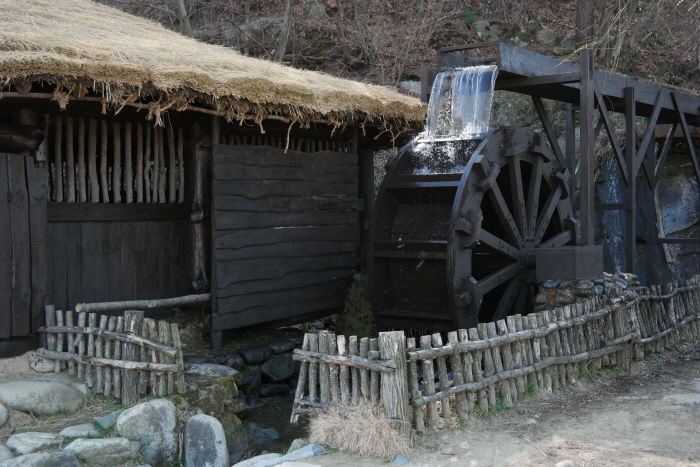
Hyoseok Literature Baengnigil Trail Course (효석문학 100리길)
14, Aegangnamu-gil, Pyeongchang-gun, Gangwon-do
Picturesque Pyeongchang, is a place where beautiful nature unfolds. Pyeongchang, which retains its beautiful nature with four distinct seasons, is a place where the vast natural scenery spreads out like a panorama and is often called the "Asian Alps." About 65% of the total area of Pyeongchang is located in the highlands above 700 meters above sea level, and it is a clean natural area making it the best getaway destination.
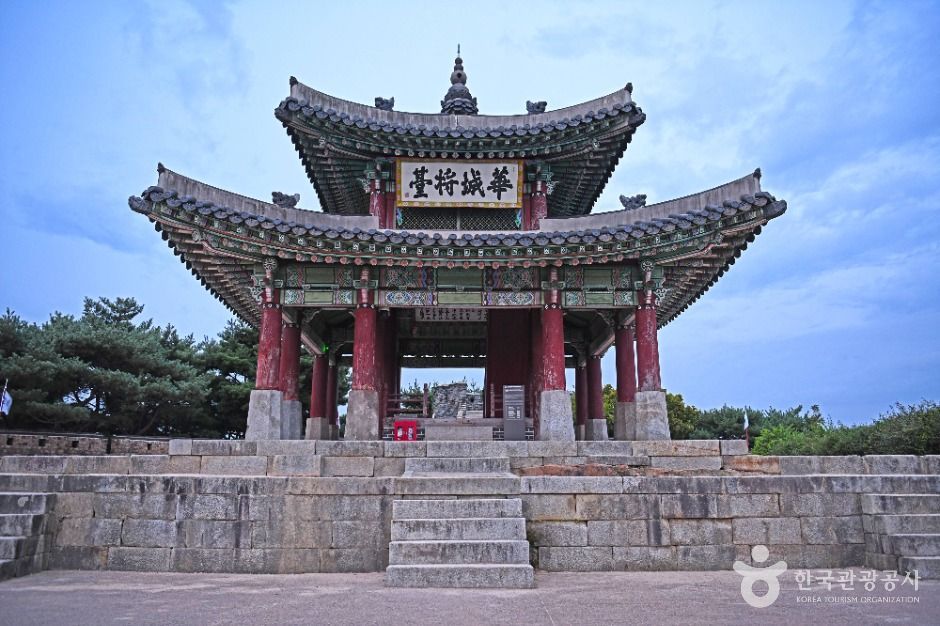
Hyowon’s Bell (효원의 종·서장대)
Namchang-dong, Paldal-gu, Suwon-si, Gyeonggi-do
Hyowon’s Bell is located at the summit of Paldalsan Mountain. The bell was created to honor the filial devotion of King Jeongjo towards his father, Crown Prince Sado. The bell has various symbols representing the city of Suwon and its cultural assets. The bell is always rung three times- the first ring is in gratitude for the love of one’s parents, the second to hope for happiness in one’s family, and the third as a prayer for self-improvement.
![Hyuhyudang[Korea Quality] / 휴휴당[한국관광 품질인증]](http://tong.visitkorea.or.kr/cms/resource/58/2803458_image2_1.jpeg)
Hyuhyudang[Korea Quality] / 휴휴당[한국관광 품질인증]
42-3 , Dalbithanok-gil, Gangjin-gun, Jeollanam-do
Located in Dalbit Hanok Village in Gangjin, Jeollanam-do, Hyuhyudang is a traditional hanok guesthouse with a stunning view of Wolchulsan Mountain. There are two guest rooms in the guesthouse. Daerae is a gudeul room heated by wood burning in the furnace, and Meoru is a bedroom with a wooden bed. In the Jukrojisil, a tea room, guests can enjoy a tea ceremony while overlooking the scenic landscape of Gangjin. Guests are provided with free breakfast and bedding that has been carefully hand-sewn by the owner.
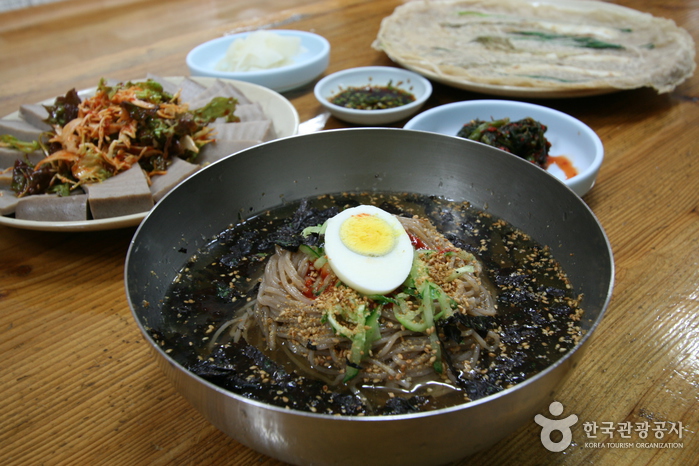
Hyundai Buckwheat Noodles (현대막국수)
17 Dongijangteo-gil, Bongpyeong-myeon, Pyeongchang-gun, Gangwon-do
Buckwheat, a staple in Gangwon State, is finely milled to make the base for Buckwheat Noodles. In Pyeongchang, where buckwheat fields are a common sight, numerous eateries specialize in these noodles. The signature dish here is the Pure Buckwheat Noodles, made exclusively from Korean-grown buckwheat. Its popularity stems from the noodles’ light broth, garnished with vegetables, offering a clean, non-overpowering flavor. For those who prefer a bit of a kick, the Spicy Buckwheat Noodles come with a tangy seasoning, customizable to taste. The accompanying side dishes are equally delightful, featuring items like Buckwheat Pancakes with buckwheat and cabbage, and Buckwheat Crepes stuffed with kimchi filling—each menu item invites one to savor the authentic essence of this cherished grain.
Plan your Korea trip
Korea travel FAQ
How do I use the travel search?
Enter a place or interest, then narrow the results by region, category or sort order.
Will my filters stay selected on the next page?
Yes. Your search and filter choices stay in the page URL while you move through the results.
Can I find directions to each place?
Place pages include an external Google Maps search when coordinates or an address are available.
Source: Korea Tourism Organization, official website (https://knto.or.kr).