TRAVEL IN KOREA
Korea Places to Visit
Find attractions, culture, festivals, stays, restaurants, shopping and travel courses for a clear Korea trip plan.
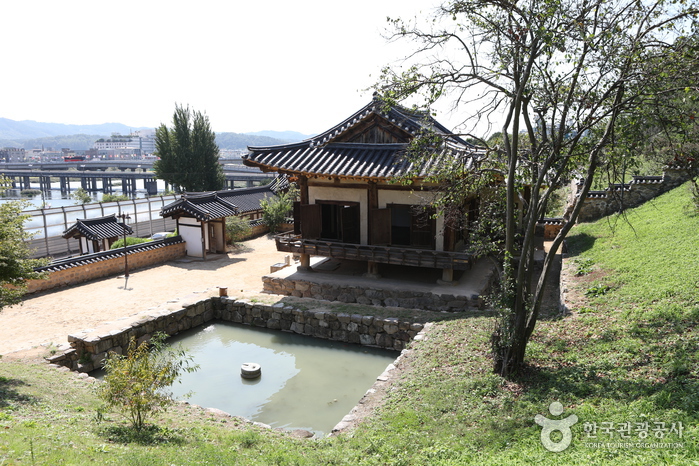
Imcheonggak House (안동 임청각)
63, Imcheonggak-gil, Andong-si, Gyeongsangbuk-do
Imcheonggak House is the largest remaining household from the Joseon dynasty, holding a history of over 500 years. The house was built for one aristocratic family’s love of the scenic beauty in the surrounding area. It was originally built with a total of 99 kan (traditional measurement of space between pillars) but only 70 remain. The most famous structure on this property is the annexed pavilion, Gunjajeong. An autograph of the famous Confucian scholar Lee Hwang can be found hanging outside the pavilion.
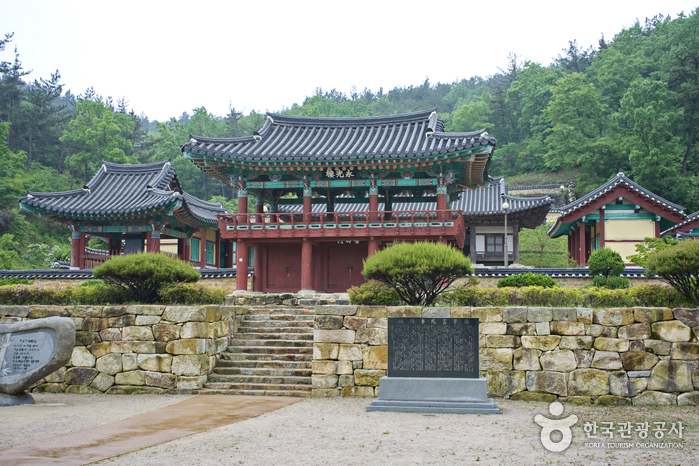
Imgoseowon Confucian Academy (임고서원)
447 Poeun-ro, Imgo-myeon, Yeongcheon-si, Gyeongsangbuk-do
Imgoseowon Confucian Academy, established in 1553, was built to commemorate the esteemed Goryeo statesman Jeong Mongju. Visitors can explore Munchungsa Shrine, the sanctuary of his ancestral tablet, and Jonyeonggak Pavilion, where his portrait is displayed. Heungmundang Hall, historically used as a lecture hall, is also a significant site within the academy. Among the treasured relics, the academy holds three portraits of Jeong Mongju and a collection of over 200 books. A highlight is the Books of Imgoseowon Confucian Academy, an esteemed compilation of twenty-five volumes across ten categories, recognized as a national Treasure. Furthermore, the grounds are graced by a revered ginkgo tree, recognized as a monument, and the Stele of Jeong Mongju, each adding to the rich cultural tapestry of the site.
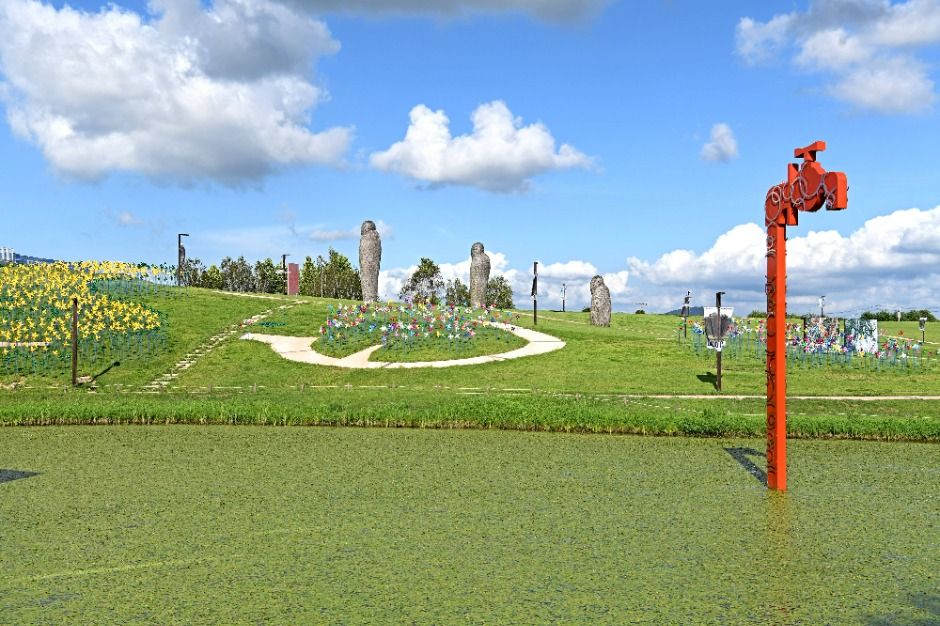
Imjingak Resort (Pyeonghwa Nuri Park) (파주 임진각(평화누리공원))
177 Imjingak-ro, Munsan-eup, Paju-si, Gyeonggi-do
Located approximately 56 kilometers from Seoul City Hall and 7 kilometers from DMZ, the site of Imjingak Pavilion is an important part of Korean history. Imjingak Resort, the main tourist complex, has various war-related artifacts as well as the spacious Pyeonghwa Nuri Park. The resort preserves the Freedom Bridge and Imjingang rail bridge from the Korean War to remind people of the past, along with a Memorial Hall, memorial monuments, and recreational areas.
Imjingang Hwangpo Sailboat (임진강 황포돛배)
1857, Yulgok-ro, Jeokseong-myeon, Paju-si, Gyeonggi-do
A Hwangpo sailboat quietly floats on the Imjingang River moving with the wind with its broad and yellow sail stretched out. Hop on a Hwangpo sailboat, which was a major means of transportation in the Joseon Dynasty, and enjoy the beauty of the red cliffs of Imjingang for about 45 minutes from Duji-ri to Jajang-ri. Paju Hwangpo Sailboat has fully recreated the original form from the Joseon Period and presents tourists with the excitement of traveling back in time. Once you board a Hwangpo sailboat and depart from Duji Quay, you will be able to immerse yourselves into the gorgeous landscape of Imjingang, from the red cliffs in Wondang-ri and Horogoruseong Fortress to Gorangpo Yeoulmok, where civilian access was restricted for several decades.
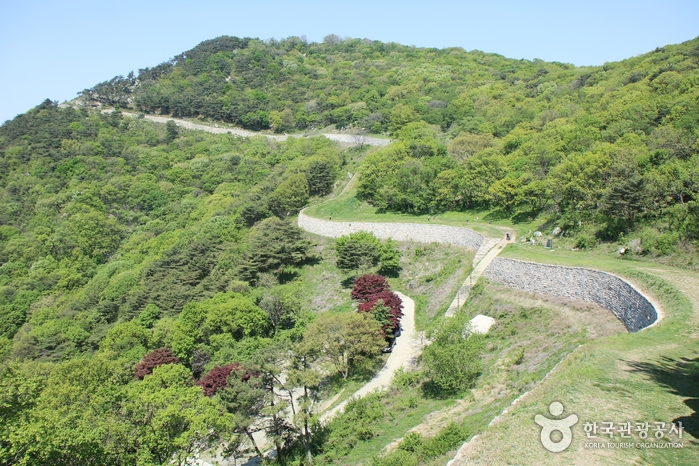
Imjonseong Fortress (예산 임존성)
San 28 Masi-ri, Yesan-gun, Chungcheongnam-do
Imjonseong Fortress (also known as Daeheungsanseong Fortress) is located at the top of Bongsusan Mountain between Yesan-gun and Hongseong-gun in Chungcheongnam-do. This stone fortress was designed as a place to launch attacks against enemies. One of the ways in which those in the fortress fended off intruders was to unleash the water from the giant fortress well and let it gush down the mountain towards the oncoming forces. The fortress wall is about 2.5 meters high and 3.5 meters wide and has a 7 to 8-meter ditch that runs alongside the southern wall. Compared with other Korean fortresses, Imjonseong Fortress is higher and about 2 meters thicker. It is the largest fortress of the Baekje Kingdom and has become the subject of much research. History shows that the fortress was the central hub of the Restoration Movement of the Baekje Kingdom (18 BC - AD 660). In the 20th year of the reign of King Uija (Baekje dynasty), the kingdom was defeated by the united forces of the Silla Kingdom and the Tang dynasty (currently, China). Boksin (a cousin of King Uisa), a monk, and Heukchisangji stayed at the fortress for three years while trying to return the king to power. As one walks along the winding trail, the view of Daeryeonsa Temple comes in to view and as once at the top, the spectacular views of Oseosan, Baekwolsan, and Gayasan mountains unfold. Those who come to the fortress from Masa-ri, Gwangsi-myeon, can drive and park their car in the parking lot located right below the fortress.
](https://tong.visitkorea.or.kr/cms/resource/66/4024666_image2_1.jpeg)
IMOK [Tax Refund Shop](이목)
98, Samcheong-ro, Jongno-gu, Seoul
E-MOK is a fashion and lifestyle design brand imbuing the meaning of a 'sensory eye' that attracts the world's attention. Through sophisticated designs and items of superior quality, we propose styling solutions that highlight our customers' unique charms.
Imperial Palace Hotel (임피리얼 팰리스 호텔)
640 Eonju-ro, Gangnam-gu, Seoul
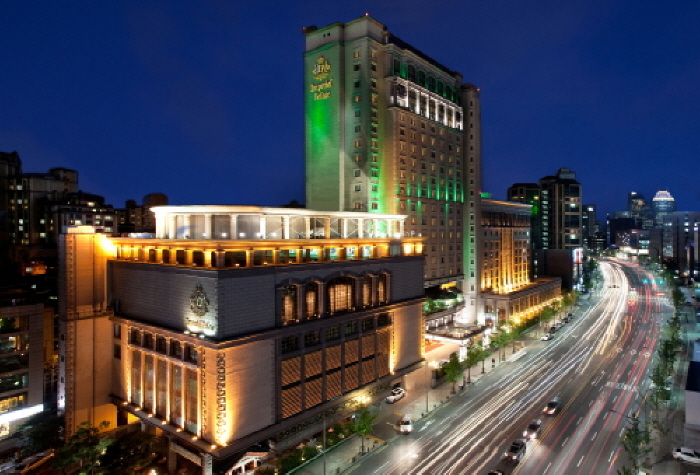
Imperial Palace Hotel first opened on September 18, 1989, starting as a deluxe hotel and becoming a superior deluxe hotel after 10 years in June 1999. The hotel has remained the pride of the Korean hotel industry thanks to its effective management and improving domestic capital. In 2005, it carried out a large-scale remodeling project to enlarge its size to resemble luxurious European hotels, including a large-sized lobby, convention center that can accommodate over 1,000 visitors, classical wedding hall, and 405 guestrooms. The hotel is part of a chain, along with Imperial Palace Boutique Hotel in Itaewon and Imperial Palace Hotel – Fukuoka in Japan.
Imsil Cheese Theme Park (임실치즈테마파크)
50, Doin 2-gil, Imsil-gun, Jeonbuk-do
Imsil Cheese Theme Park is the only cheese related theme park in Korea. Open in 1960, the park provide visitors a chance to enjoy the delicious Imsil cheese in various ways.
Imsil Cheese Village (임실 치즈마을)
4 Cheese maeul 1-gil, Imsil-eup, Imsil-gun, Jeonbuk-do
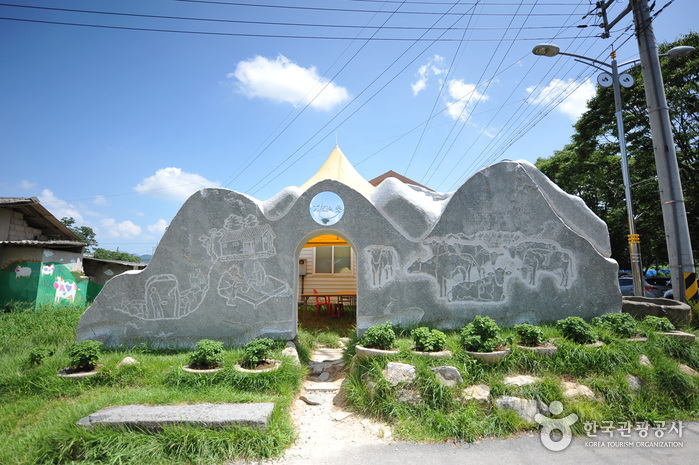
Imsil Cheese Village is the home of Korean cheese. In 1966, Father Didier t'Serstevens (Korean name: Ji Jeong-hwan), a Belgian priest, brought two mountain goats to the village and started making cheese. He worked day and night with the locals to make the cheese that has earned its current reputation. Imsil Cheese Village runs experience programs such as mozzarella cheese making and yogurt making.

Imsil N Cheese Festival (임실N치즈축제)
50 Doin 2-gil, Imsil-gun, Jeonbuk-do
Imsil N Cheese Festival is held every fall in Imsil, the birthplace of cheese production in Korea, at Imsil Cheese Theme Park and Imsil Cheese Village, which are proud symbols of the region. Visitors are greeted by the aroma of delicious cheese as they wander through the beautiful chrysanthemum flower garden with millions of blooms. The festival features more than 10 main themes and 70 programs centered around cheese, offering a rich and diverse experience. Events include Imsil N Busking, kids’ concerts, various craft experiences, and a stamp rally tour, ensuring plenty of fun for everyone.◎ TipIt is recommended to bring a tripod or an extra battery pack to take many pictures of the quaint buildings and flower gardens at the festival.
Imsil N Rose Festival (임실N장미축제)
50 Doin 2-gil, Seongsu-myeon, Imsil-gun, Jeonbuk-do Imsil Cheese Theme Park
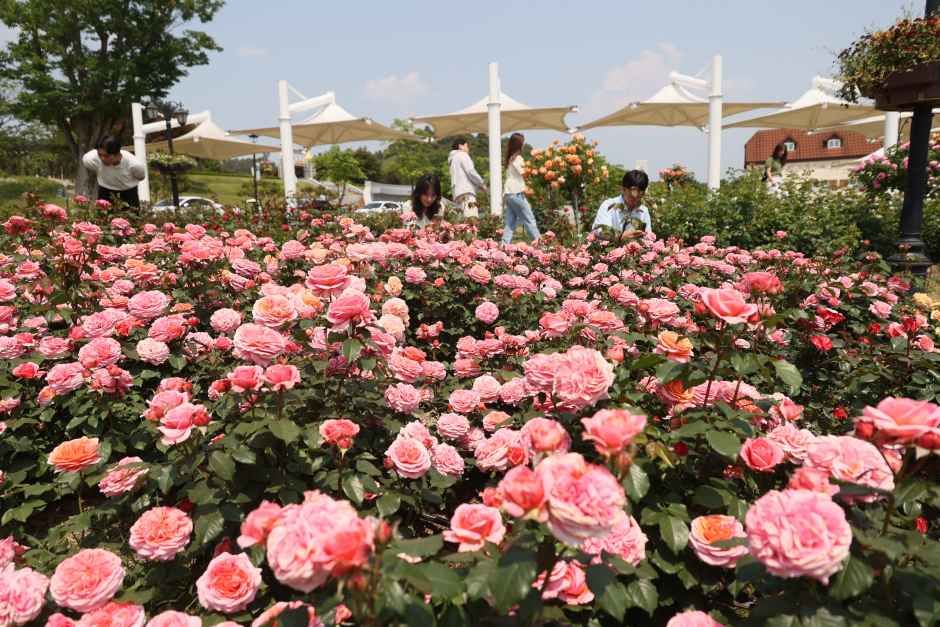
The Imsil N Rose Festival is a spring event held in the Rose Garden at Imsil Cheese Theme Park in Imsil-gun, Jeonbuk State. Set within a 65,705 ㎡ rose garden showcasing over 150 varieties and more than 22,000 rose plants, the festival is designed as a tourism-focused event that integrates performances, hands-on experiences, and food offerings. Featuring a rose-themed parade and performances, interactive programs, and local agricultural and specialty products, it seeks to provide visitors with a rich and engaging experience while supporting the local economy and strengthening the region’s tourism brand. As an inaugural festival, it also captures a unique sense of freshness and anticipation, offering an emotionally engaging springtime experience that encourages longer stays through immersive, rose-inspired content and participatory activities.
Imun Seolnongtang (이문설농탕)
38-13 Ujeongguk-ro, Jongno-gu, Seoul
Imun Seolnongtang has been serving its hearty seolleongtang for over a hundred years since it first opened in 1907. Even its name has a long history: the word imun comes from Imun-gol, the now-obsolete name of the restaurant’s location, and seolnongtang, an old variation of the word seolleongtang. During the Japanese colonial rule, the restaurant’s regular customers included Gijeong Son, the marathon gold-medalist at the 1936 Berlin Olympics. The meal served at this restaurante is reputed to stay consistent from the Japanese colonial period.
Imyeonjae Head House (흥해배씨 임연재종택)
51 , Hyanggyo 1-gil, Andong-si, Gyeongsangbuk-do
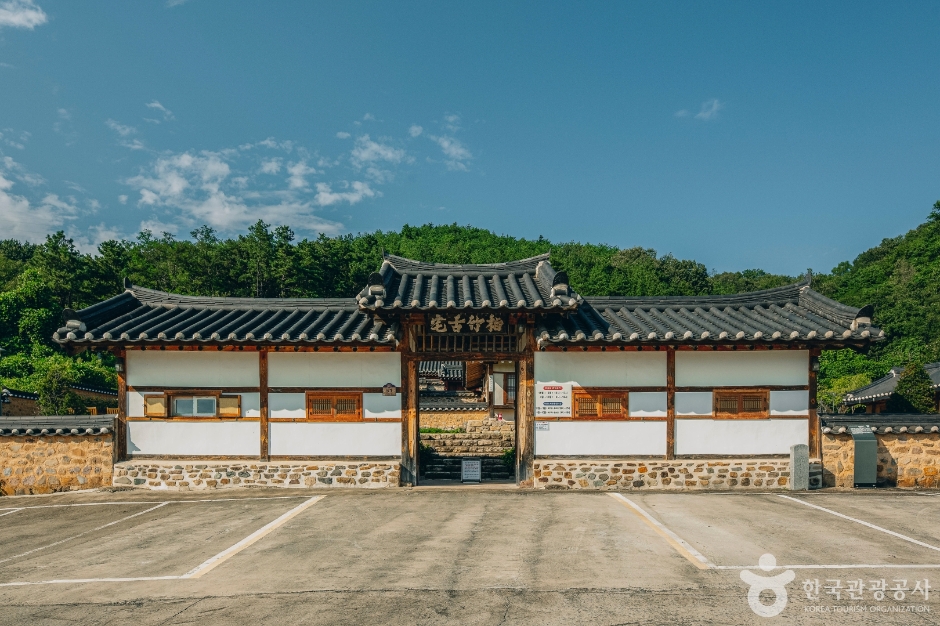
Imyeonjae Head House on Hyanggyo-dil, Andong, Gyeongsangbuk-do, has been the home of the Heunghae Bae clan ever since Bae Sang-ji settled here around 1400. (The house is also known as Baekjuk Old House, memorialising the name of Bae’s consort.) The wooden walls, stairs and eves of Imyeonjae exude old-time hanok charm, and visitors will find a small reading room which has been a library ever since the house was built. Guestrooms are fitted with AC, while the shared bathrooms are modern and clean.
INART Pyeongchang (이나트(INART) 평창)
787 Olympic-ro, Daegwallyeong-myeon, Pyeongchang-gun, Gangwon-do
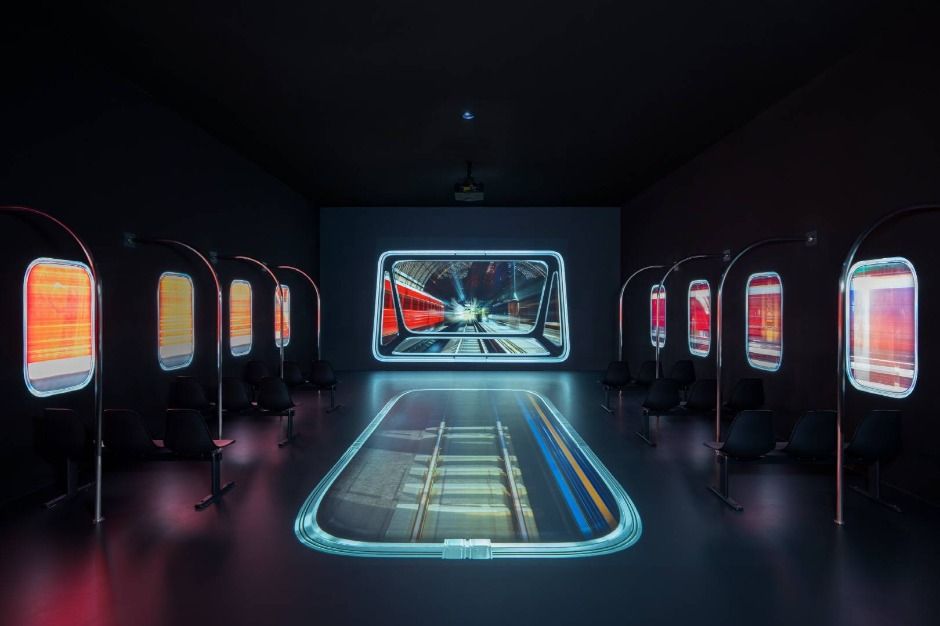
INART Pyeongchang is a permanent immersive media art exhibition venue opened in September 2025. Located within Mona Yongpyong Resort at the foothills of Balwangsan Mountain, the 4,000-square-meter media art space has been designed to present 16 diverse media art installations across 13 distinct zones. Conceived as an artistic space where light and imagination come together to awaken the senses, the exhibition features media art enhanced by sound and scent, inviting visitors into a richly sensory experience. From interactive exhibitions designed for leisurely exploration to quiet spaces for deep immersion, visitors embark on a shimmering artistic journey shaped by themes of discovery, magic, and the light of nature.
Incheon Art Platform (인천 아트플랫폼)
3 Jemullyang-ro 218beon-gil, Jung-gu, Incheon
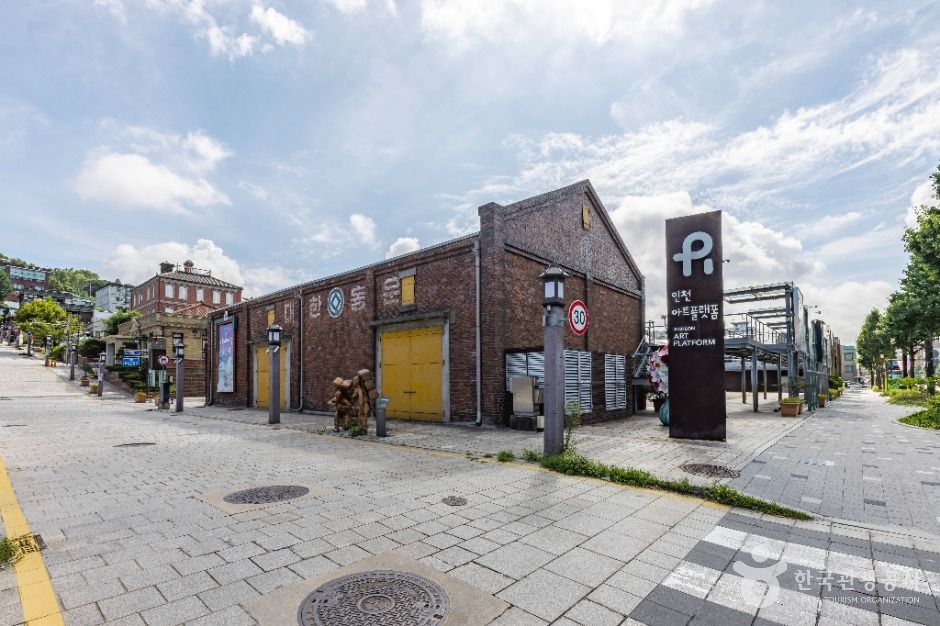
Incheon Art Platform, located in Haean-dong, Incheon, is known for its well-preserved architectural heritage and buildings that showcase a blend of traditional and modern architecture. The complex was established by remodeling structures built in the 1930s and 1940s. Centered around its residency program, it offers exhibitions, performances, and educational programs, and plays a significant role in promoting the free exchange of art and culture. By providing creative spaces for artists and venues for cultural exchange, the platform fosters interaction between artists and visitors.
Incheon Asiad Main Stadium (인천아시아드주경기장)
806 Bongsu-daero, Seo-gu, Incheon
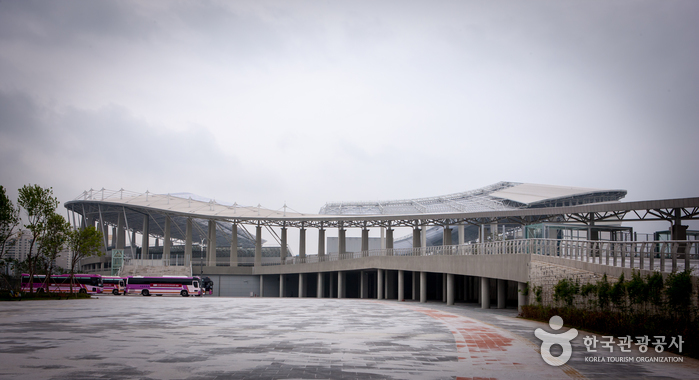
Incheon Asiad Main Stadium is the main stadium used for the 2014 Asian Games in Incheon. Construction began in June 2011 and the stadium opened on June 1, 2014. Built on a 631,975 ㎡ lot, the five-story stadium has a total floor area of 113,620 ㎡ and 61,818 spectator seats (capacity to be reduced by 32,514 seats after the 2014 Asian Games). The stadium has an oval running track enclosing a regulation-size soccer field. Outside, there's a tennis court, a subsidiary stadium, and the 1,415.13 ㎡ Yeonhui Cricket Ground.
Plan your Korea trip
Korea travel FAQ
How do I use the travel search?
Enter a place or interest, then narrow the results by region, category or sort order.
Will my filters stay selected on the next page?
Yes. Your search and filter choices stay in the page URL while you move through the results.
Can I find directions to each place?
Place pages include an external Google Maps search when coordinates or an address are available.
Source: Korea Tourism Organization, official website (https://knto.or.kr).