TRAVEL IN KOREA
Korea Places to Visit
Find attractions, culture, festivals, stays, restaurants, shopping and travel courses for a clear Korea trip plan.
](https://tong.visitkorea.or.kr/cms/resource/63/4045963_image2_1.jpg)
Korean Ginseng Department Store[Tax Refund Shop](한국인삼백화점)
3, Yeonsam-ro, Jeju-si, Jeju-do
Korea Ginseng Department Store is a health powerhouse that showcases top-quality ginseng and red ginseng products with the pride of Korean ginseng. We provide a dignified health shopping environment where you can compare and select superior root ginseng and processed foods from all over the country in one place with trust.
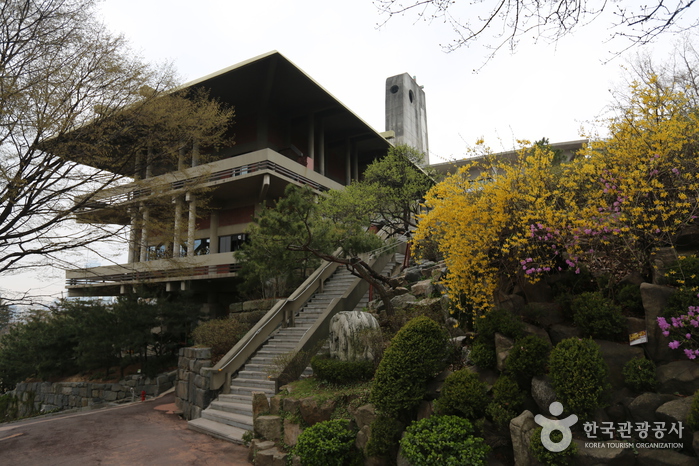
Korean Martyrs' Museum (한국천주교순교자박물관)
6, Tojeong-ro, Mapo-gu, Seoul
Korean Martyrs’ Museum was opened in October of 1967 as Jeoldusan Martyrs' Shrine, in memory of the Catholic martyrs who lost their lives during the Byeongin Persecution of 1866. The name of the museum changed to the current Korean Martyrs' Museum in August 2008. The museum displays artifacts and materials in exhibitions related to the Catholic Bishops' Conference of Korea.
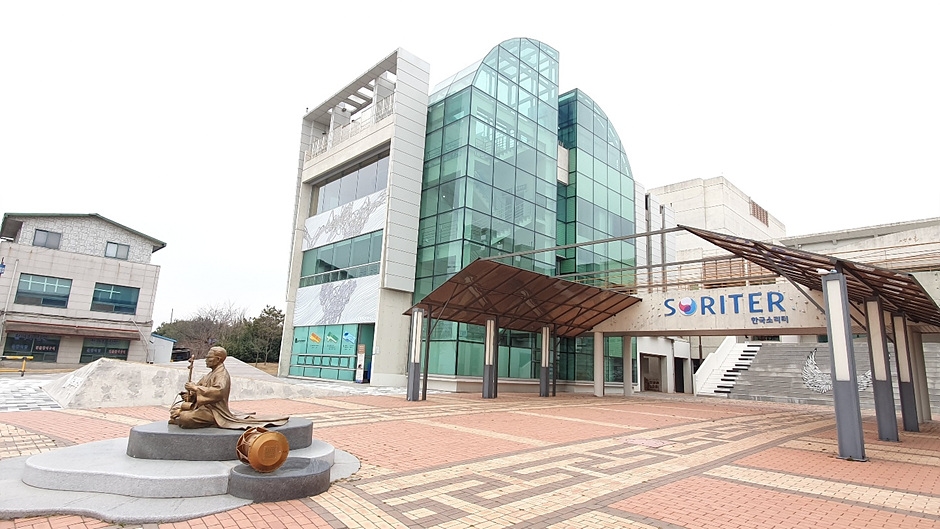
Korean Modern Music Hall (한국근현대음악관)
147 Pyeongtaekho-gil, Hyeondeok-myeon, Pyeongtaek-si, Gyeonggi-do
Korean Modern Music Hall, located at The Korea Soriter Arts Center in Pyeongtaekho Tourist Complex, is the first cultural complex dedicated to modern Korean music, serving as a museum, library, and archive. It has made a name for itself as Korea's representative music institution, bringing together Korean and Western music, modern and contemporary music, as well as the public and the people. It is an organization that arranges various events to help people view and comprehend history in new ways through a perspective of "music" with its collections related to different fields, including anti-Japanese and pro-Japanese music, the independence movement, music instruction, music from North Korea and Japan, and modern pop music.
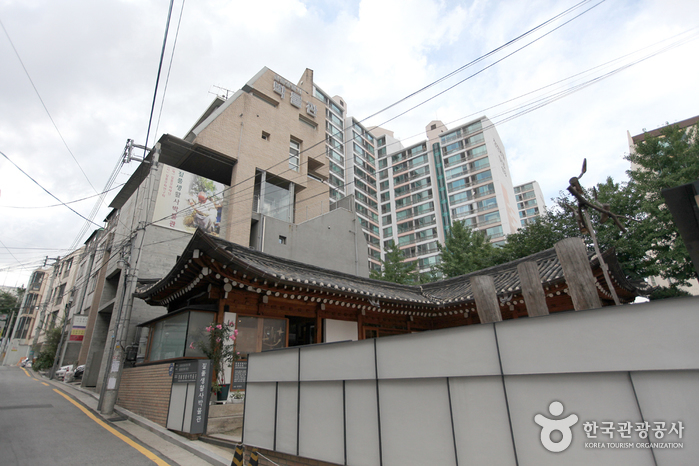
Korean Museum of Straw and Life (짚풀생활사박물관)
45, Sungkyunkwan-ro 4-gil, Jongno-gu, Seoul
Korean Museum of Straw and Life is a private museum dedicated to the collection, research, and display of materials and historical accounts of diverse straws and their uses in Korea. As Koreans' lifestyle in the past heavily depended on agriculture and cultivation of crops, straws and grasses were easily found and had many uses. The museum aims to educate the general public of how different straw were produced and used by Korean ancestors as well as their significance in connection with today's lifestyle.
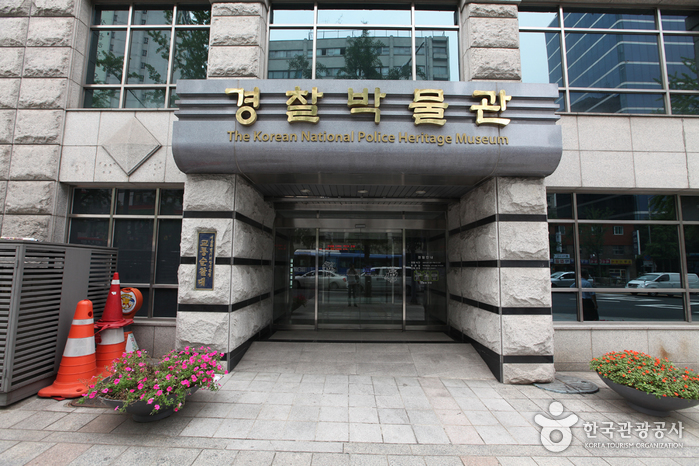
Korean National Police Heritage Museum (경찰박물관)
41, Saemunan-ro, Jongno-gu, Seoul
The police museum opened on October 14, 2005 to give a better understanding of the job of the police and to offer a formal education to children who wish to become police officers in the future. The history hall of the museum is designed for visitors to learn about the history of Korean police at a glance, exhibiting information on the police force from the Joseon dynasty up until current times. Visitors to the museum can pretend to be police officers by touching actual equipment and learning about an officer's daily tasks. Visitors can also get in patrol cars, wear a police uniform, experience shooting a gun through a simulation, and learn self-defense martial arts and arrest techniques. Visitors can also go to the museum jail.
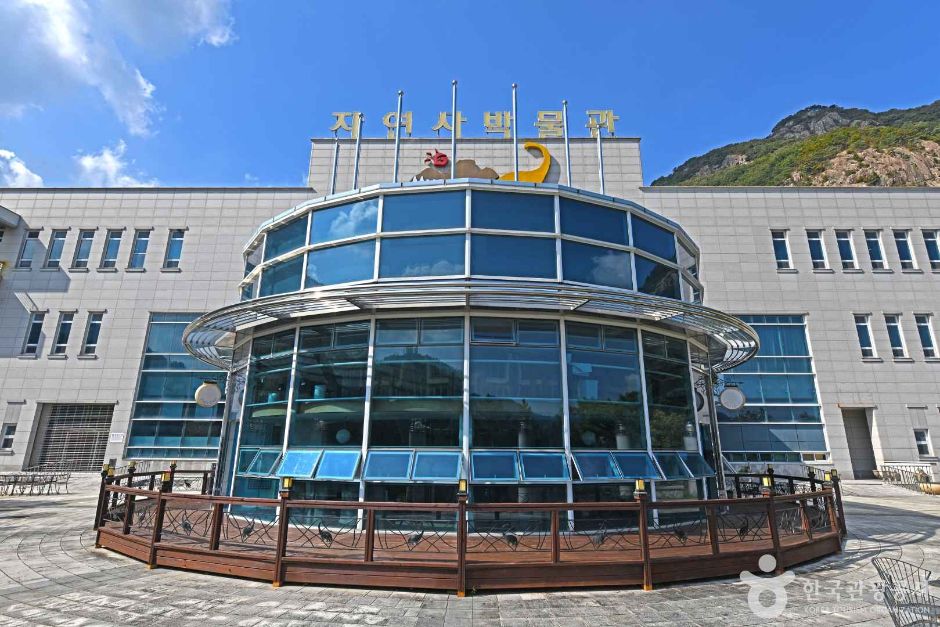
Korean Natural History Museum (한국자연사박물관)
49-25 Imgeumbong-gil, Banpo-myeon, Gongju-si, Chungcheongnam-do
The Korean Natural History Museum showcases Korea's plants, animals, insects, and rocks. It includes exhibition halls, a café, and a theater. The main attractions are the massive dinosaur fossils and replicas. Visitors can also explore natural rocks, minerals, and gemstones from the Korean Peninsula, as well as various fossils and mummies from different eras. Hands-on activities include creating imaginary dinosaurs and making bracelets with gemstones.
![Korean Peninsula Terrain [National Geopark] (한반도지형 (강원고생대 국가지질공원))](http://tong.visitkorea.or.kr/cms/resource/57/2517657_image2_1.jpg)
Korean Peninsula Terrain [National Geopark] (한반도지형 (강원고생대 국가지질공원))
555 Hanbando-ro, Hanbando-myeon, Yeongwol-gun, Gangwon-do
Korean Peninsula Terrain was formed by soil transported from upstream to the curvature of the confluence of two rivers. It is often referred to as Mini Korean Peninsula because it resembles the shape of the Korean Peninsula. It is said to have this appearance due to the erosion of the incised stream flowing around the terrain. It takes a 15-minute walk along the pine forest trail for about 800 meters from the parking lot to reach there. The well-maintained trail with many wildflowers and plants creates a welcoming atmosphere. Upon arriving at the observation point, visitors will be amazed by the beautiful curved river and the topography taking the same shape as the Korean Peninsula. Designated as the Gangwon Paleozoic National Geopar, this area has excellent geographical value because it shows the characteristics of the incised mender river as well.
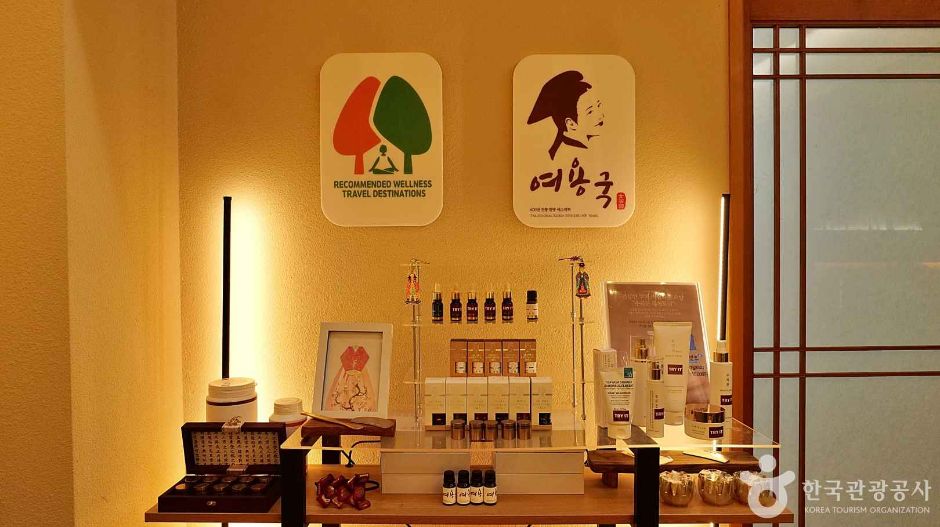
Korean Spa Yeo Yong Guk (여용국 한방스파)
60 Seokchonhosu-ro 12-gil, Songpa-gu, Seoul
Korean Spa Yeo Yong Guk was created under the philosophy of "a woman taking care of her face is akin to a king running a country." It was inspired by the ancient Korean novel titled "Yeoyonggukjeon" written by Ahn Jeong-bok from the Joseon Dynasty. Korean Spa Yeo Yong Guk understands that people have different body types, therefore applying the same massage method or medicinal herb to everyone will not always have the same effect. Different medicinal herbs and massage techniques should be applied according to one's body type.
Korean Traditional Culture Center (한국전통문화체험관)
13-5 Dalgubeol-daero 527-gil, Suseong-gu, Daegu
Momyeongjae is an ancestral shrine built by the Dureung Doo clan to honor Doo Sa-chung, who had joined the Ming Dynasty's reinforcement troops during the Imjinwaeran (Japanese invasion of Korea, 1592) and later became naturalized in Joseon Dynasty. The name 'Momyeongjae' means 'longing for the Ming Dynasty,' expressing Doo Sa-chung's affection for his home country.Doo Sa-chung, who was from Duling, China, went to Joseon under the command of General Li Rusong from the Ming Dynasty. Doo Sa-chung took the position titled Suryuk Jihoek Jusa and was responsible for selecting locations to establish a stronghold in consideration of the terrain. As a senior adviser to Li Rusong, he closely discussed strategies and tactics with the Joseon army as well. When the war was over, Doo Sa-chung returned to China but went to Joseon again during the Jeongyujaeran (Japanese invasion of Korea, 1597). He brought his two sons -- Doo San and Doo Il-geon -- along with his brother-in-law, Admiral Chen Lin. When the war was over, Doo Sa-chung and his two sons naturalized in Joseon. The government of Joseon granted him land, which is the current Gyeongsang Gamyeong Park area.When the Gyeongsang Gamyeong (Gyeongsang provincial office) was relocated to this area, Doo Sa-chung offered his land to the government and moved to Gyesan-dong. Longing for his wife and brothers he had left in China, he moved again to a village near Daedeoksan Mountain (then Choejeongsan Mountain) and named the area Daemyeong-dong (meaning the Great Ming). He built a platform and on the first day of every month, he would bow in the direction of the Forbidden City in China, where the Emperor of the Ming Dynasty resided.Momyeongjae is built on a rectangular plot and faces south. It features a hip-and-gable roof with double-layer eaves and has four rooms in the front and two rooms on the side. The daecheongmaru (wooden floor hall) has two ondol (floor heated) rooms on each of its side, with a half-sized bay at the front. Momyeongjae exemplifies the early 20th-century ancestral shrine style commonly found in the Daegu area. The building was originally constructed in 1912 when Doo Sa-chung’s descendants moved wooden materials from the dismantled Gyeongsangaeksa (local government building) and used them to build Momyeongjae in front of Doo Sa-chung's tomb. The shrine was later renovated in 1966 as it was in poor condition. Momyeongjae is one of the first destinations visited by Chinese tourists in Daegu. It was recently renovated as part of a redevelopment project. The Korean Traditional Culture Center opened nearby, where visitors can experience tea ceremonies, hanbok (traditional Korean clothing), archery, and cooking dishes based on Donguibogam, a traditional Korean medical encyclopedia. Joining a program at the center will be a valuable experience.
](https://tong.visitkorea.or.kr/cms/resource/22/4042422_image2_1.jpg)
Korean Traditional Culture Center[Tax Refund Shop](한국전통문화전당)
20, Hyeonmu 1-gil, Wansan-gu, Jeonju-si, Jeonbuk-do
Korea Traditional Culture Center is a cultural hub that preserves and spreads the values and wisdom of Korean traditional culture in a modern way. Through exhibitions of crafts imbuing artisans' touches and experience programs, we lead in widely promoting Korea's unique beauty at home and abroad.
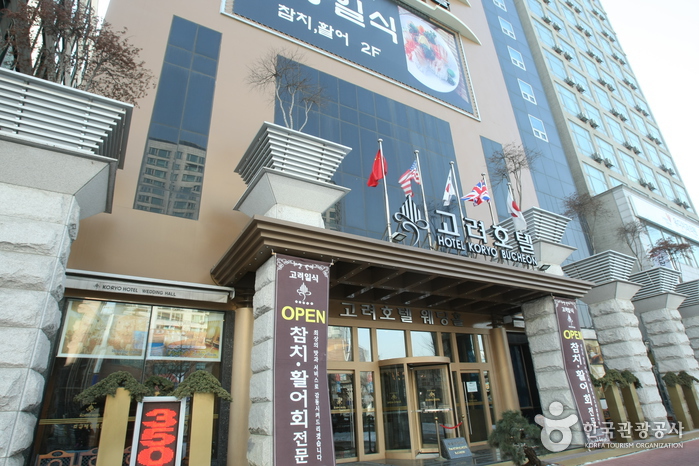
Koryo Hotel (고려호텔)
66, Gilju-ro, Bucheon-si, Gyeonggi-do
Koryo Hotel is situated in Sangdong, Bucheon in close proximity to famous attractions such as Yeongsang Cultural Complex, Ice World, and Lake Park. The hotel spent 30 billion won for renovations that took over 2 years, upgrading the already luxurious hotel into an even classier getaway. The hotel has a total of 127 guestrooms, including a 150 ㎡ presidential suite and royal suites for VIP guests. Even standard rooms are equipped with the latest technologies and decorated in elegance, allowing guests to enjoy a luxurious experience regardless of their budget. The hotel staff is well-trained and ready to provide each and every guest with world-class service. Among Koryo Hotel’s plethora of facilities is a parking facility with over 400 spaces, a 800-person grand ballroom, large, medium, and small banquet halls, a wedding hall, coffee shop, lobby lounge, and restaurants. Particularly popular is the Japanese restaurant with delectable dishes prepared by a master chef, a romantic terrace, and a variety of separate dining rooms for gatherings.
Kosin University Gospel Hospital (고신대학교복음병원)
262 Gamcheon-ro, Seo-gu, Busan
Kosin University Gospel Hospital practices the love of Jesus Christ by providing patient-centered care, spreading the gospel, and training medical students. We are committed to the health and well-being of our patients. Founded as Gospel Clinic in Yeongdo, Busan, in 1951 during the Korean War, we opened the region's first cancer center in 1978. For over 70 years, we have provided distinguished medical services guided by Christian values. We lead the region’s healthcare industry, guided by our core values: innovation and self-direction, recovery and future orientation, communication and mutual trust, and love and goodness. As a tertiary hospital at the top of the healthcare delivery system, we treat severe diseases at our cancer center founded in 1978. We also opened the region's first advanced robotic surgery training center, inspired by Dr. Jang Gi-ryeo, to train both Korean and international medical professionals. Additionally, we are committed to innovative treatments by introducing AI-based medical technologies, aligning with the 4th Industrial Revolution.
](https://tong.visitkorea.or.kr/cms/resource/72/4024572_image2_1.jpeg)
Kristina Han [Tax Refund Shop](크리스티나한)
324-260, Misari-ro, Seorak-myeon, Gapyeong-gun, Gyeonggi-do
Christina Han is a high-end fashion and accessory brand reflecting the designer's artistic sense and glamorous aesthetics. It completes the confident beauty of dignified women through items featuring unrivaled silhouettes and exquisite details.
KSPO Dome (Olympic Gymnastics Arena) (올림픽공원체조경기장)
424 Olympic-ro, Songpa-gu, Seoul
The KSPO Dome was the arena built for gymnastic events during the 1988 Seoul Summer Olympics, but has been remodeled to host concerts, including for many K-pop stars and international pop stars. The dome can also serve as venue to a range of other events, including showcases, exhibitions, and business events. It is accessible via public transit using Olympic Park Station on Seoul Subway Lines 5 and 9.
KstarROAD 한류스타거리 (KstarROAD Hallyu Star Road)
394, Apgujeong-dong, Gangnam-gu, Seoul
The K-Star ROAD is a place to meet the stories of celebrities who were at the forefront of the K-Wave phenomenon. The road features art toy statues inspired by K-Pop bands, such as SNSD, EXO, and TVXQ, while terminals next to shops help you find the fashion shops and restaurants frequented by celebrities. Moreover, the schools attended by the celebrities, houses in which they used to live, and other spots that capture their stories can also be found on this street.
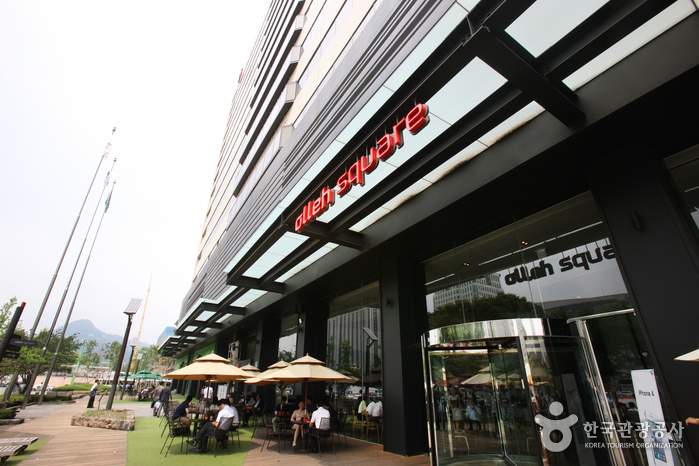
KT Square (KT스퀘어)
178, Sejong-daero, Jongno-gu, Seoul
KT Square is a multi-complex that offers various cultural performances as well as hands-on experiences of the latest in IT technology. Gallery 130 showcases the history of KT Corp.
Plan your Korea trip
Korea travel FAQ
How do I use the travel search?
Enter a place or interest, then narrow the results by region, category or sort order.
Will my filters stay selected on the next page?
Yes. Your search and filter choices stay in the page URL while you move through the results.
Can I find directions to each place?
Place pages include an external Google Maps search when coordinates or an address are available.
Source: Korea Tourism Organization, official website (https://knto.or.kr).