TRAVEL IN KOREA
Korea Places to Visit
Find attractions, culture, festivals, stays, restaurants, shopping and travel courses for a clear Korea trip plan.
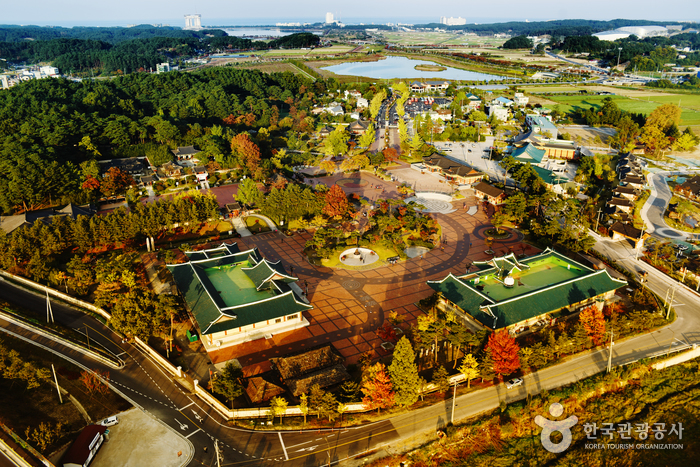
Ojukheon House (강릉 오죽헌)
24 Yulgok-ro 3139beon-gil, Gangneung-si, Gangwon-do
Ojukheon House was where Yi I (penname Yulgok; scholar and politician of the Joseon Period) was born. It was built during the early Joseon dynasty and was designated as a Treasure in 1963 for its historical value. Inside the house is Mongryongsil, where Yi I was born. The household complex also features the household shrine (Munseongsa), the sarangchae (men's quarters), Eojaegak Pavilion, Yulgok Memorial Hall, and Gangneung Municipal Museum. Since 1961, the city of Gangneung has held a memorial ceremony at Yulgok Memorial Hall from October 25 to 26.
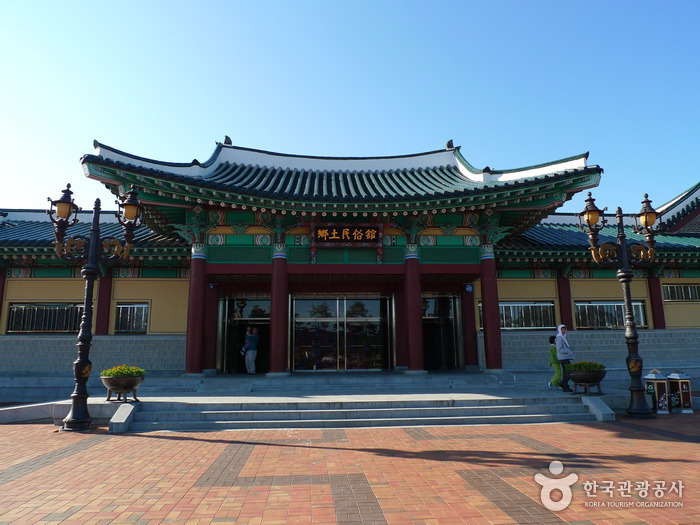
Ojukheon House & Municipal Museum (강릉시 오죽헌/시립박물관)
24, Yulgok-ro 3139beon-gil, Gangneung-si, Gangwon-do
Ojukheon House, a Treasure, is an important house which shows the lifestyle and architectual style of the early Joseon dynasty. It is one of the oldest preserved Korean houses. Yulgok Yi-I, one of Korea's most noted scholars, was born here to Sin Saimdang. In rememberance of his birth, the Yulgok Festival is held annually at Ojukheon. There are many traditional materials and regional remains which are displayed in the private museum. A painting of Yulgok is hanging in Munseongsa (the ancestral shrine of Yulgok). More artwork by the Yulgok family are on display in the Yulgok Memorial Hall. In addition, various Buddhist artwork, ceramics, pictures and common living appliances are on display in the Folk Tradition Hall, History Culture Hall, and the outdoor exhibition area.
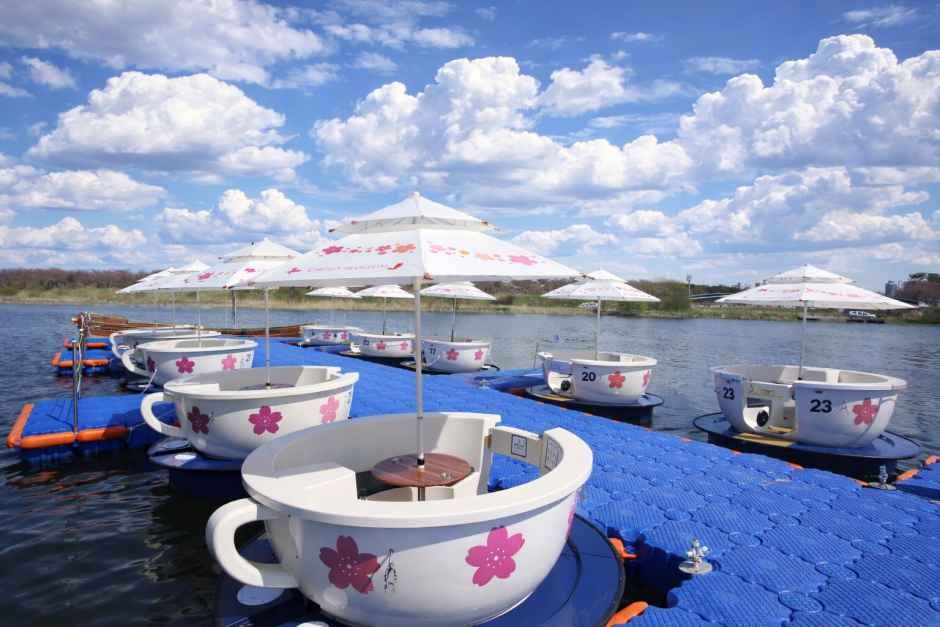
Ojukheon Traditional Boating Experience Center (오죽헌 전통뱃놀이 체험시설)
754 Jukheon-dong, Gangneung-si, Gangwon-do
As part of the Tourism Hub City Development Project led by Gangneung City, the Ojukheon Traditional Boating Experience Center at Gyeongpo Ecological Retention Basin is a multi-purpose cultural tourism space that combines park-like landscapes with waterfront areas. Designed as a place where visitors can relax and enjoy both nature and culture, it offers a distinctive experience inspired by the traditions and refined heritage of Ojukheon House, reinterpreted through a modern lens.
Okcheon Hyangsu Baengni (100-ri) Bike Road - Geumgang Course (옥천 향수 100리 자전거길 - 금강코스)
Okcheon-eup, Okcheon-gun, Chungcheongbuk-do
Okcheon Hyangsu Baengni (100-ri) Bike Road is a bicycle path located along the riverside of Geumgang River, where one can enjoy the beauty of Daecheongho Lake and the spirit of poetry in the hometown of Jeong Jiyong, one of Korea's modern poets. Visitors can also stop at Jeong Jiyong Birth House & Literature Library and Janggye Tourist Park by biking along National Highway Route 37, which is famous for cherry blossoms. This bicycle path is relatively easy to travel on and is suitable for beginners. It became even more popular after being featured on the TV show "1 Night 2 Days."
Okcheon Yongamsa Temple (용암사(옥천))
400, Samcheong 2-gil, Okcheon-gun, Chungcheongbuk-do
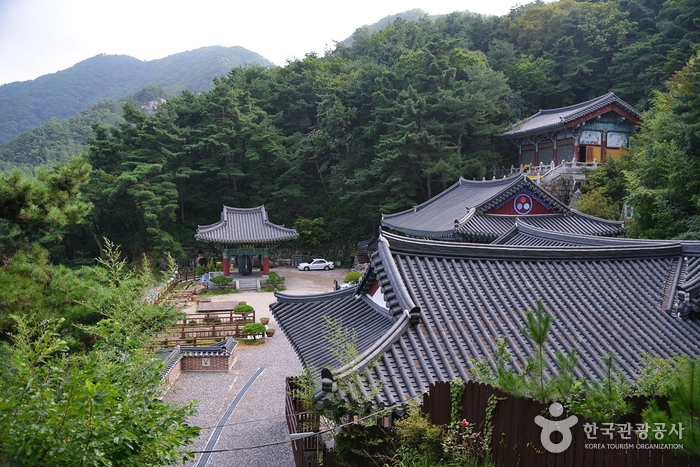
Yongamsa Temple, located in the mid-slope of Jangyongsan Mountain, is a branch of Beopjusa Temple. It was built during the Silla period. Unlike the more common temple arrangements, the stone pagoda in Yongamsa is uniquely situated on a low peak in the north with a view on all sides. The East and West Three-story Stone Pagodas of Yongamsa Temple, a designated Treasure, can be found here, as well as Rock-caved Buddha, and Wooden Seated Amitabha Buddha in Daeseongjeon Hall.
Okgu Park (옥구공원)
277 Seohaean-ro, Siheung-si, Gyeonggi-do
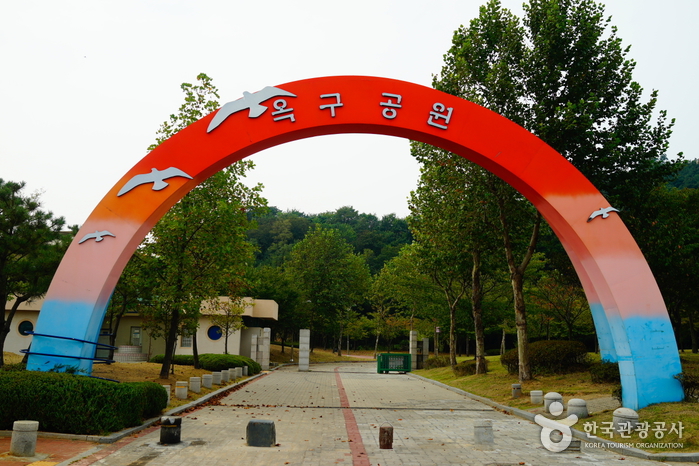
Okgu Park, situated near Oido Island and elevated at 93 meters, boasts a picturesque landscape adorned with sculptures, making it an ideal location for photography enthusiasts. The park features multiple attractions including a concert hall, a fountain square, and a captivating rose garden. In autumn, visitors can relish the beauty of the silver grass hill. Upon reaching the park's summit, breathtaking views of the sea await. Additionally, during the summer months, a water playground offers refreshing entertainment for visitors.
Okjeongho Lake (옥정호 (물안개길))
Unam-myeon, Imsil-gun, Jeonbuk-do
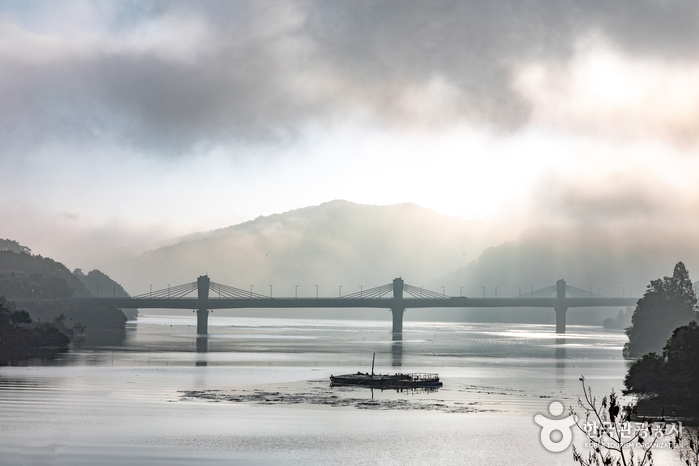
Okjeongho Lake is a manmade lake that was formed when Seomjingang River Dam was built. The 763-square kilometer drainage area is filled with 430 million tons of water. The picturesque lake is a popular photo spot for photographers across the nation with wet fog reflected under the morning sun being one of the most beautiful sight. A lakeside walking trail is also a popular attraction.
Okjeongho Lake Gujeolcho Theme Park (옥정호 구절초테마공원)
Maejuk-ri, Jeongeup-si, Jeonbuk-do
Okjeongho Lake Gujeolcho Theme Park was officially formed in 2006 in an area that used to be called Manggyeongdae Terrace. Out of the park’s 12 hectare of land, approximately 5 hectare of land is filled with Gujeolcho (Siberian chrysanthemum) and a pine tree forest. The park also has walking paths and rest areas for visitors to enjoy.
Okpo Shipyard of Daewoo Shipbuilding & Marine Engineering (대우조선해양(주) 옥포조선소)
3370, Geoje-daero, Geoje-si, Gyeongsangnam-do
Okpo Shipyard of Daewoo Shipbuilding & Marine Engineering spans over a 4000,000㎡ land and consists of large-scale specialized facilities and equipments for shipbuilding and repairs such as a dock that can handle a 1,000,000 ton vessel and a 900 ton Goliath crane. The shipyard builds various vessels, offshore plants, drill ships, FPSO/FPUs, submarines and destroyers all year round and offers plant tour programs for visitors.
Oksanseowon Confucian Academy [UNESCO World Heritage] (옥산서원 [유네스코 세계문화유산])
216-27, Oksanseowon-gil, Gyeongju-si, Gyeongsangbuk-do
Oksanseowon Confucian Academy was built to commemorate the academic achievements and virtues of Confucian scholar Yi Eon-jeok (1491-1553). It was founded in 1572, the fifth year of King Seonjo’s reign, and received its current name the following year. It was one of the 47 Confucian academies that was ruled out from the Confucian academy abolition order made by Heungseon Daewongun. Although the building structures do not carry significant meaning in architectural aspect, the distinguished space arrangement of the buildings is hard to go unnoticed. Dokrakdang Hall, which was Yi Eon-jeok’s vacation annex as well as his study room, is situated 700 meters away to the north from Oksanseowon.
Oktokki Space Center (옥토끼우주센터)
403 Ganghwadong-ro, Ganghwa-gun, Incheon
Oktokki Space Center is Korea's first aerosepace theme park. The center collects, preserves, and exhibits materials related to aerospace engineering to educate and promote to the public. It is open to visitors all year round, offering diverse activity programs and experience rides that can be enjoyed by people of all ages. The center is especially well equipped with fun learning materials as well as educational programs to spark children's insterest in the field.
Okyeon pavilion (옥연정사)
86 , Gwangdeoksolbat-gil, Andong-si, Gyeongsangbuk-do
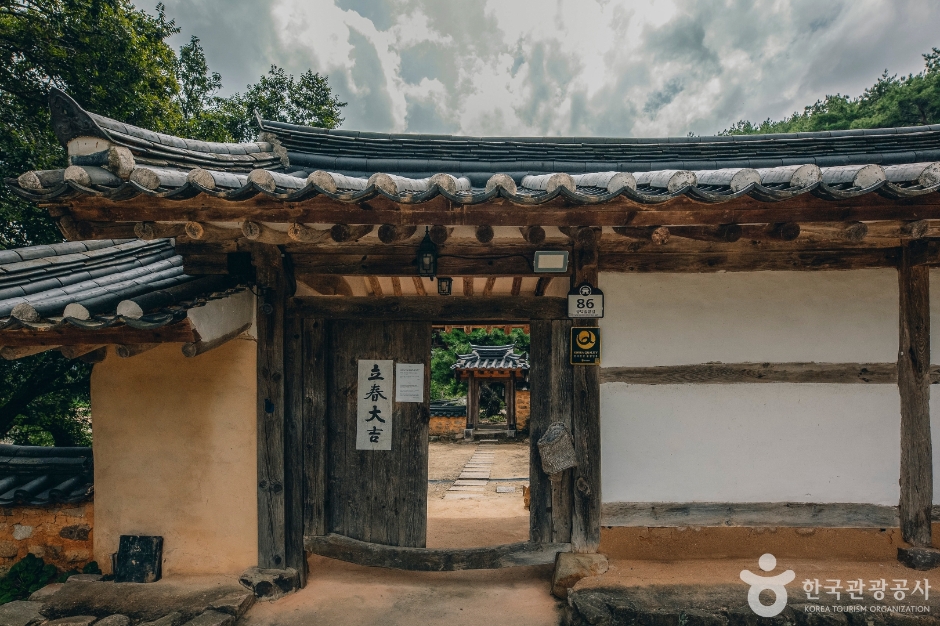
Okyeonjeongsa Temple in Hahoe Village, Andong, Gyeongsangbuk-do, was built by Joseon scholar Seoae Ryu Seong-ryong for the purpose of living quietly with the help of his philosophy, after losing his house in Hahoe in a great flood of the Nakdong River. Wonrakjae is a detached house with a 460-year-old pine tree in the yard and a view of Hahoe Village in the background, while Sesimjae is the building Seoae used as a private school.

Old House of Chang Ucchin (장욱진고택)
119-8 Mabuk-ro, Giheung-gu, Yongin-si, Gyeonggi-do
The Old House of Chang Ucchin was the home of the famous Korean artist, one of the first to paint in the Western style in Korea. Chang created many works of art while living here from 1986 until his death. The house was registered as a National Cultural Heritage in 2008, and features a traditional house built over 120 years ago, as well as a Western-style building added on later, based on his 1953 painting "Scene with a Car." Visitors can see the red brick walls, black roof, and main entrance flanked by windows just like in the painting. The small hanok building is built in a square shape, with an anchae (inner room) and sarangchang (guestroom/study). The annex building is now used as a traditional tea house and gift shop.
Old Thieves(늘근도둑이야기)
서울특별시 종로구 대학로12길 22 (동숭동) 지하1층 대학로 아트포레스트 1관
](https://tong.visitkorea.or.kr/cms/resource/52/4024152_image2_1.jpg)
Old Town Jewelry Gwangbok Branch [Tax Refund Shop](올드타운주얼리 광복점)
39-1, Gwangbok-ro, Jung-gu, Busan-si
Old Town Jewelry is a unique jewelry brand where classical vintage moods and modern sensibilities coexist. By embedding sophisticated details into classic designs that feel like time has stopped, it adds deep aesthetics and special emotions to our customers' daily lives.
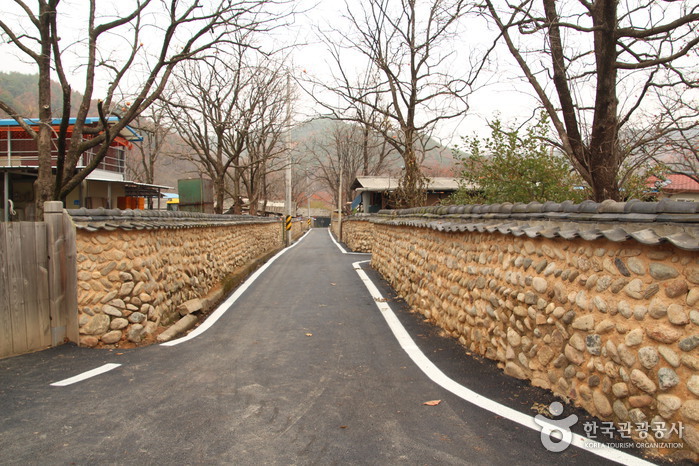
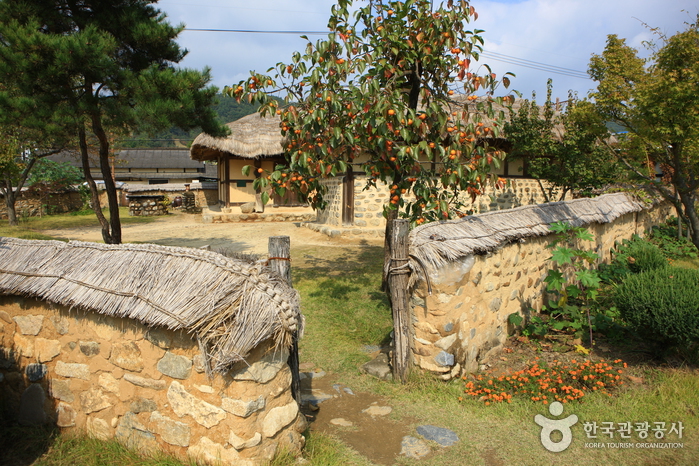
Old Walls of Jijeon Village in Muju (무주 지전마을 옛 담장)
13, Gilbonji-gil, Muju-gun, Jeonbuk-do
The Old Walls of Jijeon Village in Muju were mostly all built to mark the dividing line between houses, rather than to keep people out. The walls started out using mud and natural stones, but later changed to more square-shaped stones held together with cement and topped with Korean roofing tiles. The wall blends in harmony with the traditional houses of the village and the slowly flowing Namdaecheon Stream.
Plan your Korea trip
Korea travel FAQ
How do I use the travel search?
Enter a place or interest, then narrow the results by region, category or sort order.
Will my filters stay selected on the next page?
Yes. Your search and filter choices stay in the page URL while you move through the results.
Can I find directions to each place?
Place pages include an external Google Maps search when coordinates or an address are available.
Source: Korea Tourism Organization, official website (https://knto.or.kr).