TRAVEL IN KOREA
Korea Places to Visit
Find attractions, culture, festivals, stays, restaurants, shopping and travel courses for a clear Korea trip plan.
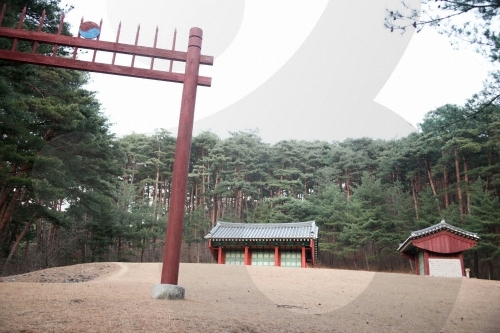
Samcheok Yeonggyeongmyo Royal Tomb (삼척 영경묘)
Miro-myeon, Samcheok-si, Gangwon-do
Yeonggyeongmyo Royal Tomb is the grave of the mother of King Mokjo and the 5th great-grandmother of King Taejo of the Joseon dynasty. During the 3rd year of King Gojong’s reign (1899), the grave as well as memorial monuments were built together with Jungyeongmyo, a grave for the 5th great-grandfather of King Taejo. Surrounded by a rich forest, it has a beautiful view. Every April 20th, an ancestral ritual is held by the Lee family (from Jeonju).
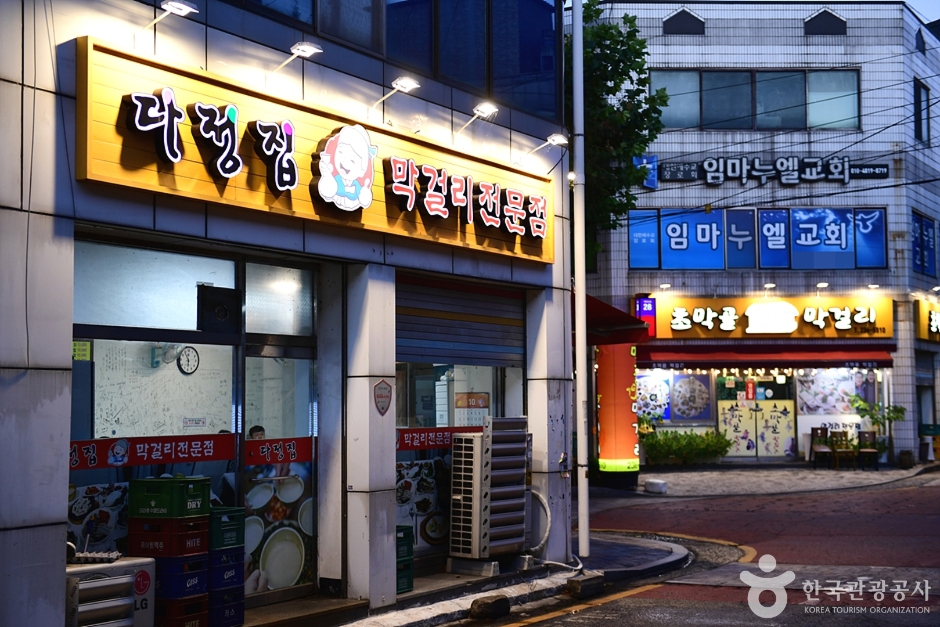
Samcheon 2(i)-dong Makgeolli Street (삼천 2동 막걸리골목)
Samcheon-dong 1(il)-ga, Wansan-gu, Jeonju-si, Jeonbuk-do
Samcheon-dong Makgeolli Street is the 200-meter-long line of makgeolli (Korean rice wine) bars clustered together along Geomasan-ro Street in Wansan-gu, Jeonju. Once known as the city for producing the best makgeolli in the nation, Jeonju is home to many makgeolli breweries and bars, which are concentrated in Samcheon-dong. Many of these locations formed in the ‘90s, when makgeolli rose as the country’s most favorite alcohol at the time. The makgeolli breweries and bars in Samcheon-dong are renowned for withstanding the test of time, and the area is now a designated Jeonju Future Heritage. Many of the bars in Samcheong-dong provide authentic Korean side dish that pair well with makgeolli, and the neighborhood is considered a must-visit for experiencing the authentic local vibe.
Samcheong Park (삼청공원)
44, Insadong-gil, Jongno-gu, Seoul
Samcheong Park is a park that blooms in cherry blossoms in spring and fall colors in fall near Gyeongbokgung Palace. The park is home to a forest library and a café, and visitors can follow the trails to find acupressure trails, exercise equipment, badminton court, tennis court, playground, and a convenience store. The area surrounding the park is home to many galleries and restaurants, so it is a popular destination for walking among the people of Seoul.
Samcheong-dong Street (삼청동길)
107 Samcheong-ro, Jongno-gu, Seoul
It is said that Samcheong-dong was named from the story about the three "cheong" (Chinese character meaning clean) of the area, namely the mountain, water, and people. Another theory is that the origin of the region's name came from Samcheongjeon Hall where three tablets called "Taecheong," "Sangcheong," and "Okcheong," were set up based on Taoism. Samcheong-dong Street features a mixture of old scenes of hanok buildings with traditional beauty and modern scenes of galleries and cafés, creating a unique atmosphere. Visitors can feel the abundant cultural mood at every corner of the street through the art galleries, museums, antique shops, and quiet pathways.
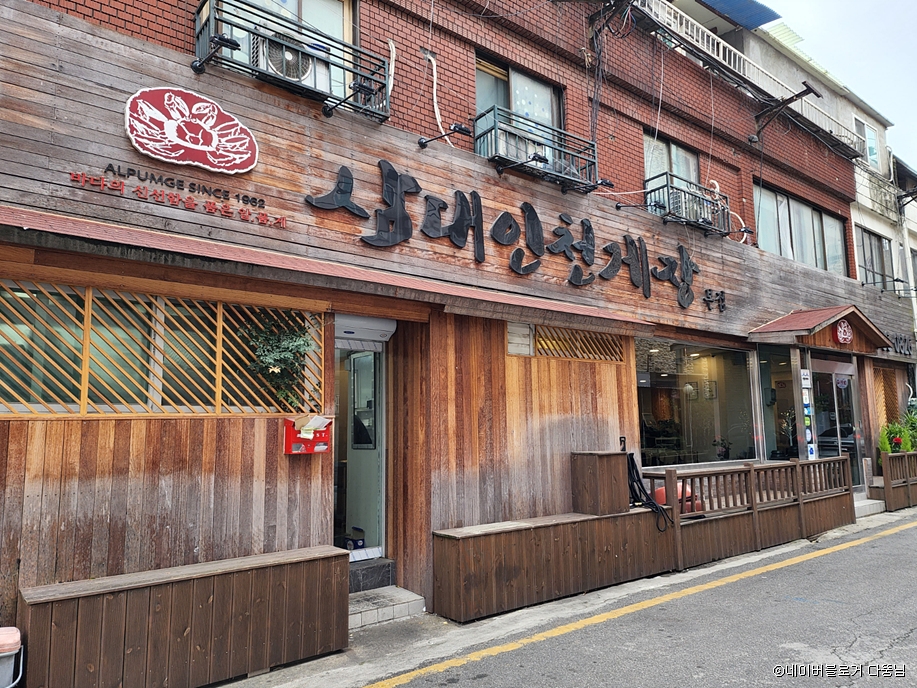
Samdae Incheon Gejang (삼대인천게장)
22 Geumgok-ro 81beon-gil, Dong-gu, Incheon
Established in 1962, this restaurant has been serving gejang for nearly sixty years and is now in its third generation (“sam-dae“) of family ownership. It uses blue crabs from Yeonpyeongdo Island and traditionally crafted and aged soy sauce. The restaurant employs a low-sodium method in its ganjang gejang (soy sauce marinated crab), highlighting the dish’s savory flavors.
](https://tong.visitkorea.or.kr/cms/resource/35/4043935_image2_1.jpg)
Samdaein Korea Red Ginseng Duty Free Shop[Tax Refund Shop](삼대인 면세점)
301, Samil-daero, Jung-gu, Seoul
Samdaein is a health specialty brand that captures traditional secrets and devotion passed down through three generations into red ginseng and ginseng. Through high-class health food made with raw materials carefully selected with family pride, we pray for our customers' vigorous longevity.
Samgaksan Mountain (삼각산)
Samyang-ro 173-gil, Gangbuk-gu, Seoul
Samgaksan Mountain is a mountain situated on the northern outskirts of Seoul, resembling a folding screen. Its name, meaning triangular mountain, is derived from the presence of three high peaks: Baegundae Peak, Insubong Peak, and Mangyeongdae Overlook. The highest peak, Baegundae Peak, offers a panoramic view of Seoul from its summit, featuring a spacious rock surface where many visitors can sit. Positioned behind Gyeongbokgung Palace, the palace of the Joseon dynasty, Samgaksan Mountain is visible from the rear of the Cheong Wa Dae.
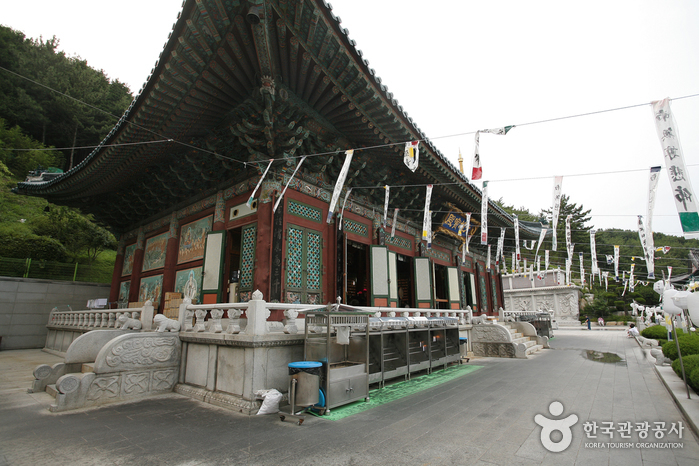
Samgwangsa Temple (삼광사)
77 Choeupcheon-ro 43beon-gil, Busanjin-gu, Busan
Samgwangsa Temple is a Buddhist temple located on the slopes of Baegyangsan Mountain in downtown Busan. It houses various structures including the Daeungbojeon Hall, Bell Pavilion, and the Daebotap Tower, which stands at a x_height of 30 meters. The Daebotap Tower enshrines Buddha's relic brought from Tibet, Myanmar, and India. The temple offers different types of temple stays such as one-day, relaxation-oriented, and experiential stays. Visitors can participate in temple etiquette, tea ceremony experiences, 108 prostrations and meditation, Buddhist services, formal meal, and traditional cultural experiences tailored for foreigners.
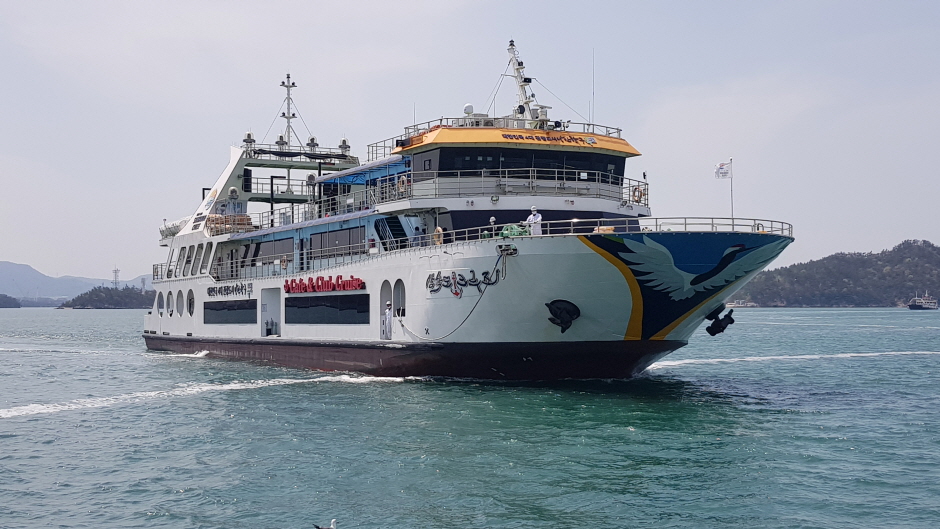
Samhakdo Cruise (삼학도크루즈)
104 Samhak-ro 92beon-gil, Mokpo-si, Jeollanam-do
Samhakdo Cruise offers sightseeing cruises around the major attractions of Mokpo on the sea. During the day, they operate the Seascape City Tour, and in the evening, they offer Sunset and Fireworks Tours. Departing from the old coastal pier of Samhakdo Island, the cruise passes by Mokpo Maritime Cable Car Tower, Mokpodaegyo Bridge, and the Dancing Ocean Fountain before returning to the departure point. There are also many food stalls gathered around the pier area, providing ample enjoyment for visitors.
Samhakdo Island (삼학도)
Samhak-ro 92beon-gil, Mokpo-si, Jeollanam-do
Samhakdo Island is a small island off the coast of Mokpo that has been incorporated into the mainland due to silt accumulation. The island is now home to many family-fun attractions like the Marine Science Museum, a mini golf course, and a yatching marina. The walkway around the park also offers beautiful views of Mokpo by night.
Samjeong (삼정)
4536-3 Gyeonggang-ro, Dunnae-myeon, Hoengseong-gun, Gangwon-do
Only the highest-grade 1++ ((BMS, Beef Marbling Score: 9)) 'Hoengseong Hanu' (Korean beef from Hoengseong) is served here. The beef is sourced from antibiotic-free cattle and wet-aged using the restaurant’s own methods. Ingredients are grown without pesticides, offering a more reassruing dining experience. Private dining rooms offer a more secluded setting, and staff assist with grilling at the table.
Samjin Fish Cake History Museum · History Hall (삼진어묵체험·역사관)
36, Taejong-ro 99beon-gil, Yeongdo-gu, Busan
Fish cakes are one of the most popular snacks in Busan. Among many fish cake makers in the city, Samjin Fish Cake is the oldest fish cake producer. Its main store in Yeongdo looks like a bakery shop. Visitors can choose among a variety of fish cakes and there is a separate space in the store where they can eat purchased fish cakes. The experience hall on the second floor provides a chance for visitors to make their own fish cake.
](https://tong.visitkorea.or.kr/cms/resource/52/4024652_image2_1.jpeg)
Samjung Watch [Tax Refund Shop](삼정시계)
SJ Building, 21, Eonju-ro 126-gil, Gangnam-gu, Seoul
Samjung Watch is a watch distribution specialist that leads Korea's watch culture by officially introducing world-class watch brands like SEIKO to the domestic market. We enjoy deep trust from watch enthusiasts through honest quality assurance and professional after-sales management.
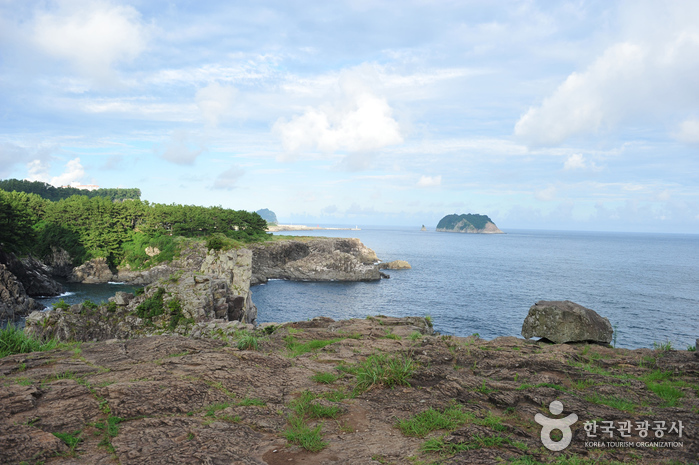
Sammaebong Peak (삼매봉)
83, Namseong-ro 115beon-gil, Seogwipo-si, Jeju-do
Sammaebong Peak is residental park popular among tourists. Oedolgae Rock is located near the park, toward the southern sea. At the top of the peak, Namseongjeong Pavilion offers an expansive view inclusive of Beomseom Island, Munseom Island, Saeseom Island and Seopseom Island, in addition to Marado Island and Gapado Island to the west. Baengnokdam Lake seems nearly within reach to visitors looking out from the peak. Legend has it that if you stretch your hands toward the sky at night, Canopus (the second-brightest star) is almost within reach. The place is regarded as one of everlasting youth, as Canopus is associated with lifespan. Visitors can exercise and enjoy at walk at the park during the day and in the evenings.
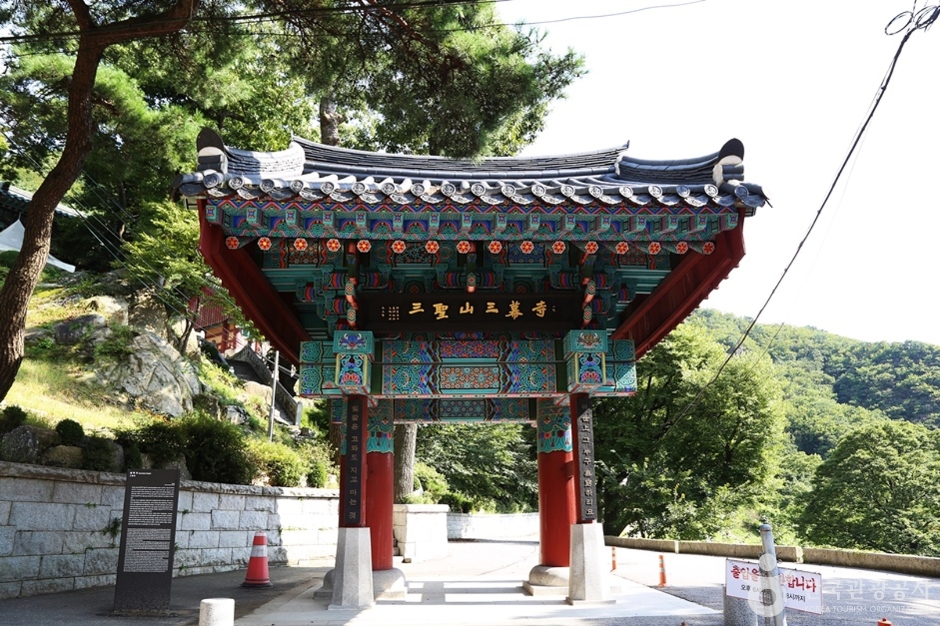
Sammaksa Temple (삼막사)
478 Sammak-ro, Manan-gu, Anyang-si, Gyeonggi-do,
Sammaksa Temple is a Buddhist temple located in Samseongsan Mountain. Legend has it that the temple was established in 667 by Wonhyo, a Buddhist philosopher from the Silla era. Within the temple grounds are Cheonbuljeon Hall, Yukgwaneumjeon Hall, Myeongbujeon Hall, Manghaeru Pavilion, Chilbogak House, among others. The temple holds heritages like the Rock-carved Buddha Triad and the Fertility Stones. These artifacts, symbolizing the fusion of Buddhism and folk religion, highlights the ancient nature of the place.
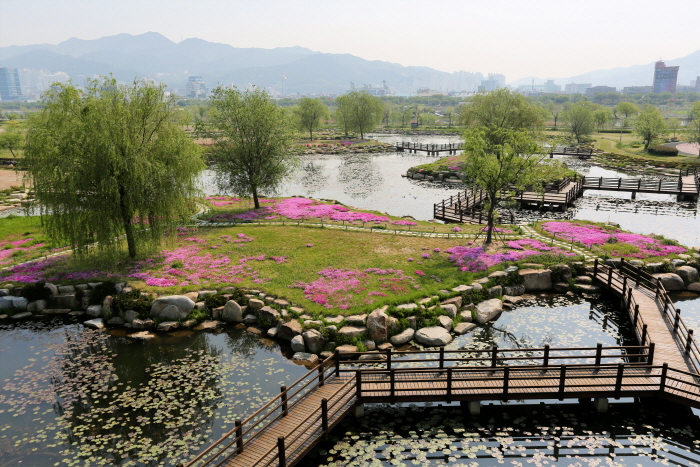
Samnak Eco Park (삼락생태공원)
1231, Nakdong-daero, Sasang-gu, Busan
Samnak Eco Park is the largest among the four riverside parks created along the Nakdonggang River. Covering an area of 4.89 ㎢ and stretching 7 km in length, it is a natural ecological park. The park features a wetland eco park for migratory birds, food field for migratory birds, lawn, wildflower fields, and eco walking trails. Additionally, there are various sports facilities such as outdoor swimming pools, soccer fields, tennis courts, and bicycle rental stations. It also boasts a natural ecological environment zone.
Plan your Korea trip
Korea travel FAQ
How do I use the travel search?
Enter a place or interest, then narrow the results by region, category or sort order.
Will my filters stay selected on the next page?
Yes. Your search and filter choices stay in the page URL while you move through the results.
Can I find directions to each place?
Place pages include an external Google Maps search when coordinates or an address are available.
Source: Korea Tourism Organization, official website (https://knto.or.kr).