TRAVEL IN KOREA
Korea Places to Visit
Find attractions, culture, festivals, stays, restaurants, shopping and travel courses for a clear Korea trip plan.
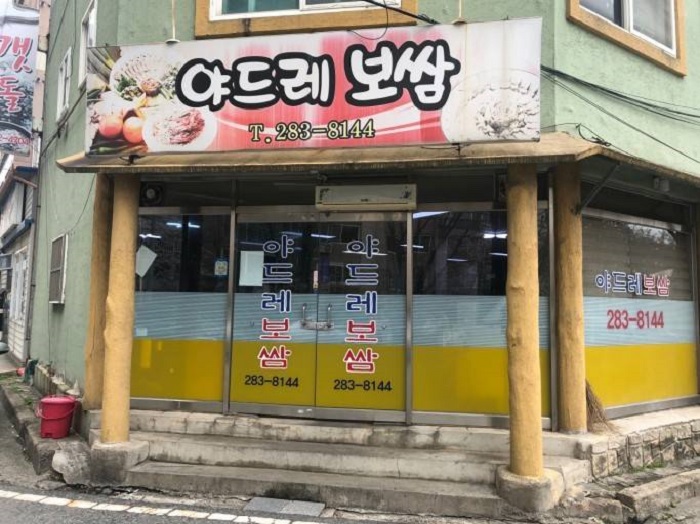
Yadeure Bossam (야드레보쌈)
10 Hadangnambu-ro, Mokpo-si, Jeollanam-do
You can enjoy Bossam (Korean boiled pork with cabbage or lettuce wraps) and kimchi roll together. This restaurant's signature menu is kimchi cabbage wraps with pork. This Korean dishes restaurant is located in Mokpo-si, Jeollanam-do.
Yaksaam Hermitage (Gumi) (약사암(구미))
San 33-1 Namtong-dong, Gumi-si, Gyeongsangbuk-do
Yaksaam Hermitage was founded during the Silla dynasty atop Geumosan Mountain in Gumi City. Yaksajeon Hall, the centerpiece of Yaksaam Hermitage, stands at the base of a rocky cliff. The granite Seated Rock-Carved Medicine Buddha, enshrined in Yaksajeon Hall, along with those at Sudoam Hermitage on Sudosan Mountain and at Samseongam Hermitage on Hwangaksan Mountain, are collectively known as the Three Brothers. Spring water flows out of a crack in the rock wall on the east side of the temple. Legend has it that in the past, grains of rice once fell one by one from this hole.
YallaKOREA (얄라코리아)
#700, The Salvation Army Building, 69 Saemunan-ro, Jongno-gu, Seoul
YallaKOREA is a medical tourism agency specialized in serving Arab patients, providing medical services since 2016 for those wishing to visit plastic surgery and dermatology clinics in Korea. For patients undergoing surgery, it offers customized services including medical interpretation, private transportation, hotel reservations, airport pick-up and drop-off services, and daily tours. With years of experience and a deep understanding of Arab culture, it ensures safe and convenient medical tourism.
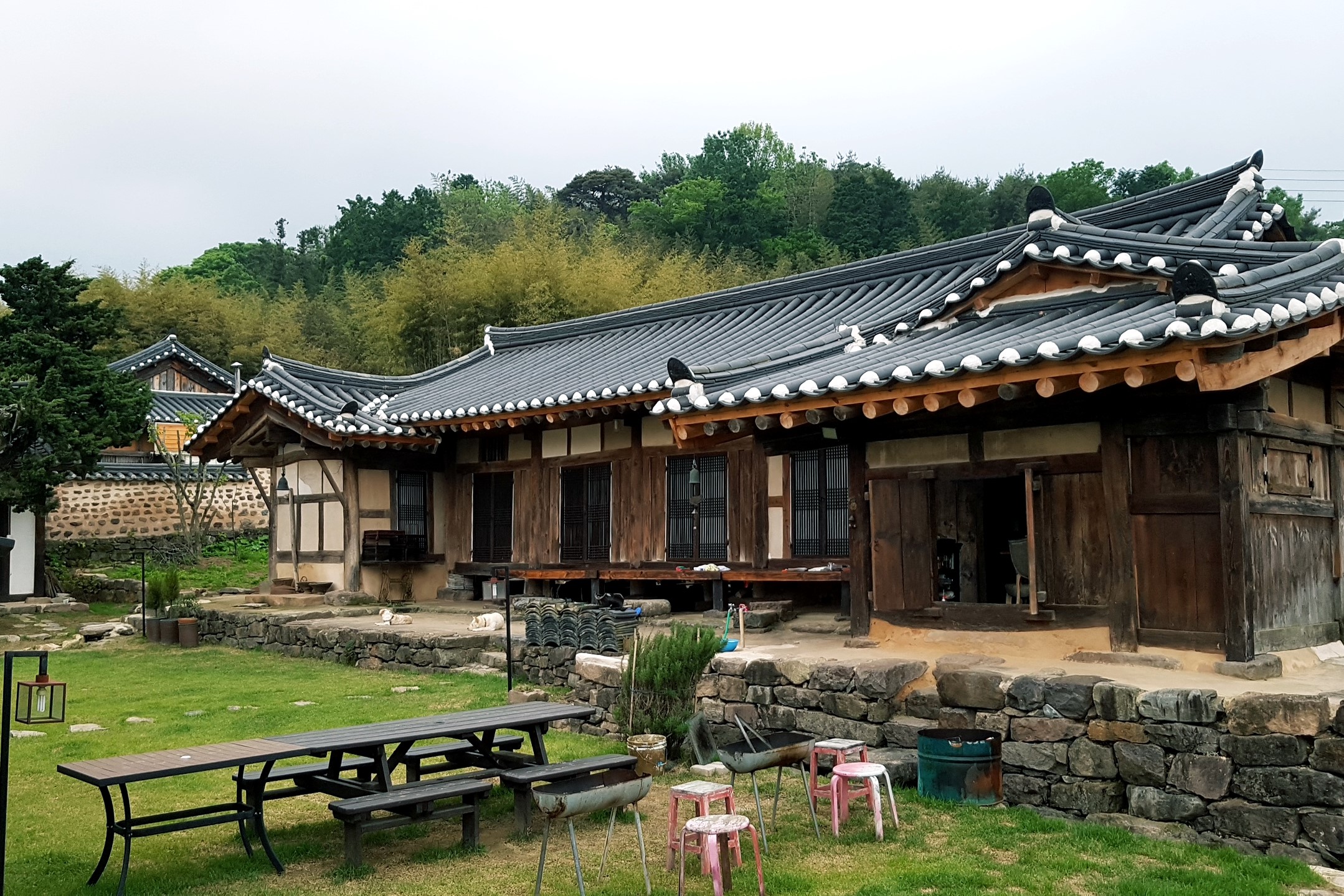
YangDongHo Traditional House (Hanok 152) / 양참사댁(양동호 가옥 / 한옥152)
24 , Darasil-gil, Hwasun-gun, Jeollanam-do
Yangchamsa House, also known as Yangdongho House, is a hanok stay in Hwasun, Jeollanam-do - a 300-year-old yangban dwelling now designated a national folk cultural asset. There are five guestrooms of different sizes in the anchae and sarangchae. The house hosts exhibitions and concerts from time to time, and can be hired for weddings, banquets or workshops. There’s a traditional cultural experience program. Nearby must-visit places are Hakjae Old House and Hwasun Dolmen Site in the village, and Unjusa Temple (a 15-minute drive away).
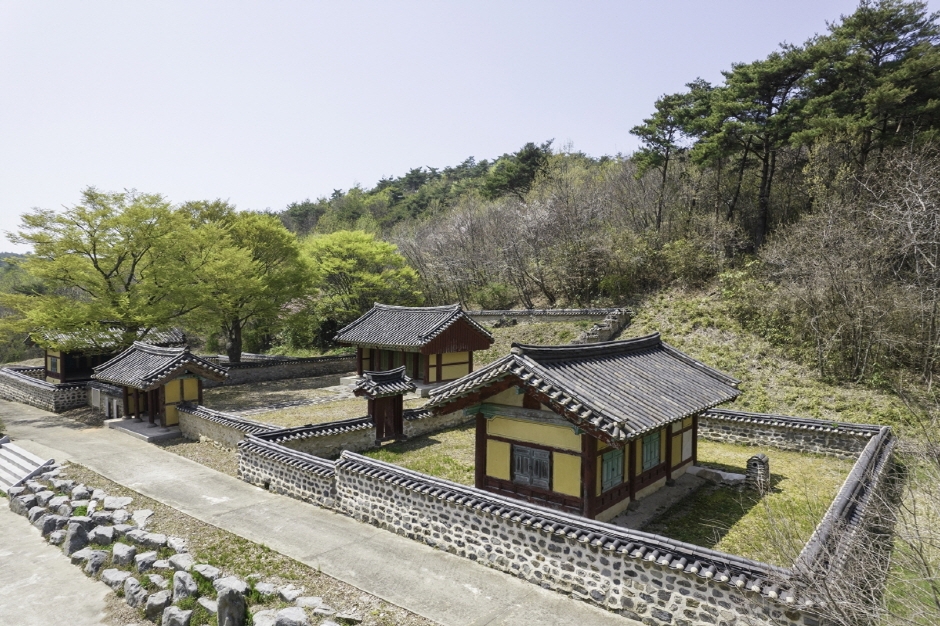
Yanggoksa Shrine (양곡사)
131-31 Hongnamseo-ro, Seobu-myeon, Hongseong-gun, Chungcheongnam-do
Yanggoksa Shrine is located in Yanggok-ri, Hongseong, and enshrines the memorial tablets of Han Won-jin, and his disciples Song Neung-sang, and Kim Han-rok. The shrine was built in 1772 to commemorate Han Won-jin, and then was later rebuilt in 1987 with the addition of Song Neung-sang and Kim Han-rok's memorial tablets.
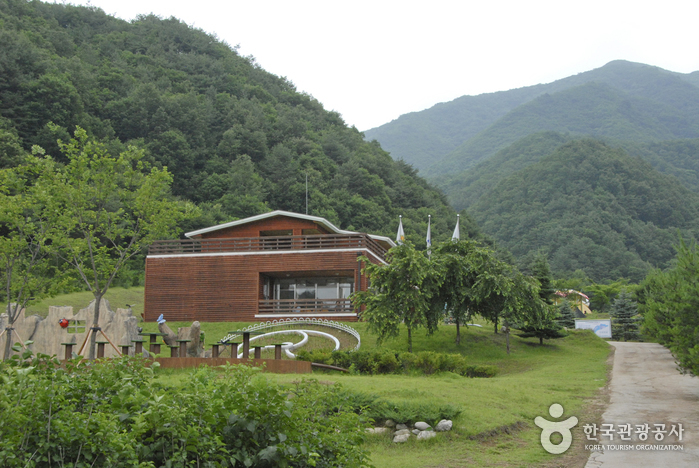
Yanggu Eco-Botanical Garden (양구생태식물원)
169, Sumgol-ro 310beon-gil, Yanggu-gun, Gangwon-do
First opened in June 2004, Yanggu Eco-Botanical Garden was built on a total area of 189,141 ㎡. Nearly 3.1 billion Korean won (approximately 3 million USD) was spent on the construction and it was built to be developed into a South and North Korean ecosystem restoration center. Located in the northernmost region of South Korea, it houses more than 400 rare plants including plants that are Korean native species and protected by Korean Ministry of Environment. The garden is divided into six parts by their features including a botanical garden, natural forest, and facilities zone. In the botanical garden, rare plants such as northern native plants and alpine plants that are naturally grown in the demilitarized zone (DMZ) and Yanggu area are displayed in one place. There are also walking trails, a medicinal plants exhibition hall, plant nursery, and greenhouse. To add a natural and lively touch to the garden, a mountain stream zone and wetlands zone were prepared to provide people with the chance to enjoy the pleasant sound of running water.
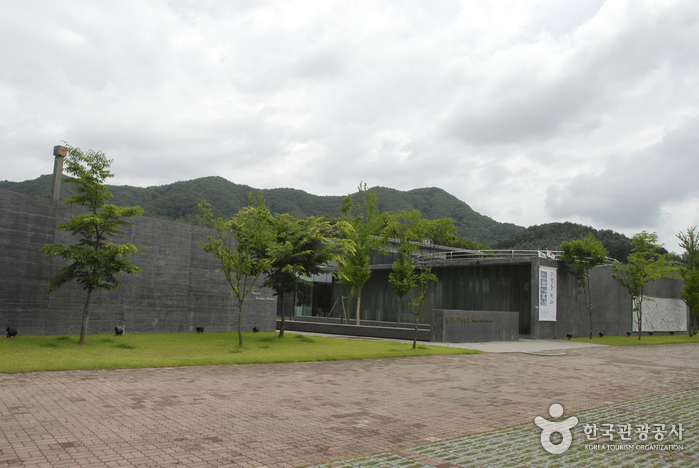
Yanggu Porcelain Museum (양구백자박물관)
5182, Pyeonghwa-ro, Yanggu-gun, Gangwon-do
Yanggu Porcelain Museum (formerly Bangsan Porcelain Museum) exhibits white porcelain from the Bangsan area, along with its collection and tools. There are also various visual aids that help understand the history of porcelain in the Bangsan area. The experience room is equipped with electric kilns, gas kilns, and firewood kilns, and is a facility for both outdoor and indoor experiences. Here, visitors can experience the entire process of making clay, molding, and baking it in a kiln. Bangsan-myeon, Yanggu was already well-known for pottery production since the Goryeo dynasty. During the Joseon dynasty, raw materials were supplied to the Gwangju branch in Gyeonggi-do, and here the technology and aesthetics spread to Gwangju.
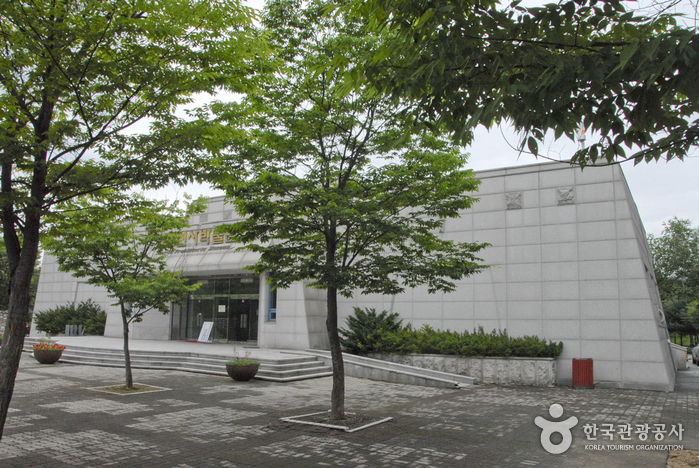
Yanggu Prehistory Museum (양구선사박물관)
439-52, Geumgangsan-ro, Yanggu-gun, Gangwon-do
Yanggu Prehistory Museum displays artifacts from the Paleolithic Age found in Sangmuryong-ri, Yanggu-eup and the Neolith Age discovered in Hyeon-ri, Haean-myeon. It is the first prehistory museum in the nation and aims to teach visitors about Korean prehistoric culture in a manner easy to understand.
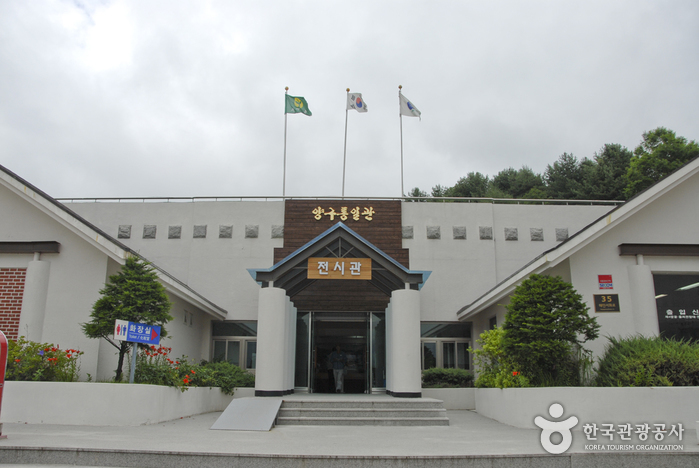
Yanggu Unification Hall (양구통일관)
35, Haeanseohwa-ro, Yanggu-gun, Gangwon-do
The Yanggu Unification Hall is located in the northernmost part of the Civilian Control Zone in Haean-myeon, Yanggu-gun. It was built and opened to be utilized as a unification education center that would help broaden people’s understanding about the real situation in North Korea in preparation for reunification and encourage commitment for reunification. The location is 5 kilometers away from The 4th Tunnel, in the northern end of the punch bowl basin and it first opened in 1996. It has a first exhibition hall, second exhibition hall, agricultural specialty market, and a parking lot that can accommodate about 100 vehicles. Directly operated by Yanggu-gun District Office, the Yanggu Unification Hall displays materials that show the reality of North Korea including household goods, exports and photographs. The agricultural specialty market sells agricultural goods, North Korean products, and tourism souvenirs. Located nearby are The 4th Tunnel, Eulji Observatory, and War Memorial Museum in Yanggu. Eulji Observatory is the northernmost located observatory in South Korea. The 4th Tunnel is the only tunnel among the four tunnels dug by North Korea that operates electric cars, allowing visitors to travel inside. The War Memorial Museum in Yanggu was built to shed new light on the nine battles fought in Yanggu during the Korean War. The Yanggu Unification Hall deals with works related to the Eulji Observatory, The 4th Tunnel and War Memorial Museum in Yanggu.
Yanggu War Memorial Hall (양구전쟁기념관)
35, Haeanseohwa-ro, Yanggu-gun, Gangwon-do
Opened June 20, 2000, the Yanggu War Memorial Hall was built to commemorate the sacrifice and heroism of those who fought during the Korean War at the nine battlefields located in Yanggu: Dosolsan, Daeusan, Bloody Ridge, Baekseoksan, Punch Bowl, Gachilbong, Danjang Ridge, 949 Hill, and Christmas Hill. The museum also reminds the current and future generations of the real cost of war and the sacrifices that were made. The exhibition hall is divided according to themes: freedom, welcoming, meeting, understanding, experience, assurance, tribute, rooftop, and contemplation. Exhibition facilities include a high-quality imaging system and a three-way multi-imaging room that combines battle scene dioramas, videos, and slides.
Yanghwa Hangang Park (한강시민공원 양화지구(양화한강공원))
221, Nodeul-ro, Yeongdeungpo-gu, Seoul
Situated on the southern part of the Hangang River, Yanghwa Hangang Park stretches between the mouth of Yeouido Saetgang Tributary and the Gayang Bridge in Gangseo-gu, Seoul. This spacious park is lush with vegetation and offers a spectacular view of the river. The park is located nearby a number of other attractions including Seonyudo Park, an island in the river, which has been transformed into an ecological park; Seonyu Bridge; and the World Cup Fountains, with jets shooting 202 meters in x_height. There is a wide bike trail that runs through the park that connects this park with the other Hangang River Parks. Every May, the bike trail is flanked by lush green grass and beautiful roses, making it the ideal photo spot.
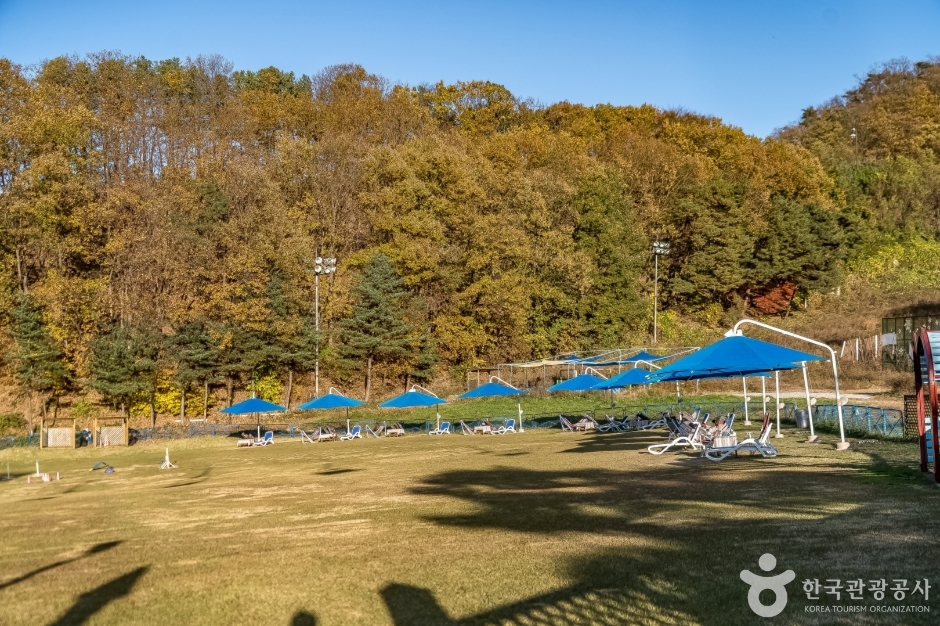
Yangji Pine Pet Park (양지파인펫파크)
112 Nampyeong-ro, Yangji-myeon, Cheoin-gu, Yongin-si, Gyeonggi-do
Yangji Pine Pet Park, located within Yangji Pine Resort, is a pet cafe with a large nature grass field for pets to run around. The cafe can be used in connection with the pet-friendly rooms of the resort. Admission is limited to smaller dogs, and requires a reservation, either done online or on-site.
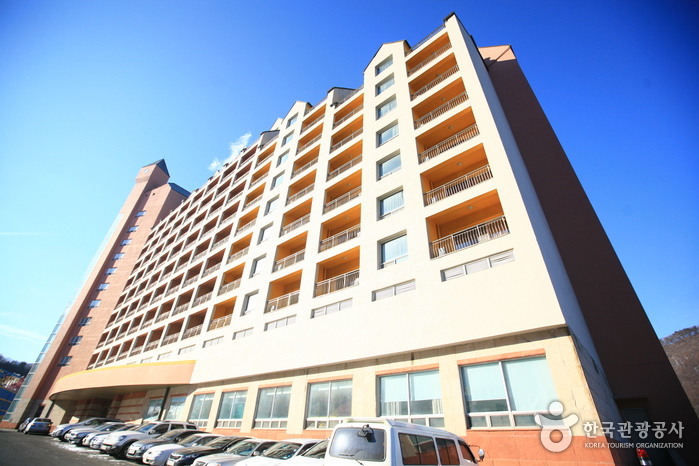
Yangji Pine Resort (양지파인리조트)
112 Nampyeong-ro, Cheoin-gu, Yongin-si, Gyeonggi-do
Yangji Pine Resort is nestled among the foothills of Dokjo Mountain in Yangji-myeon, Yongin-si, in Gyeonggi-do. Located right next to the Yeongdong Highway Yangji IC (about a 40-min drive from Seoul) it is the closest resort town to the capital. Despite its convenient location near the city, the resort allows guests to truly commune with nature, offering a unique view throughout each of the four seasons. The main building of the resort, houses a total of 302 guestrooms, most of which offer an open view of the lush forests of the mountain. In addition to its beautiful golf course, pet park, and luxurious condominium, the hotel prides itself on its friendly, well-trained staff.

Yangjimal Hwaro Gui (양지말 화로구이)
17-4 Yangjimal-gil Hongcheon-eup, Hongcheon-gun, Gangwon-do
Hwaro Gui Restaurant in Hongcheon This is a popular charcoal grill restaurant in Hongcheon that is always full. Grilled Red Chili Paste Pork Belly is the representative menu. In addition, there are soy sauce Grilled Pork Belly, Buckwheat Noodles, Korean Beef Bibimbap, and Grilled Deodeok. The fire-flavored meat which is grilled over real hardwood charcoal and Green Onion Salad are the best combination. It is also fun to look around the well-tended garden while drinking Buckwheat Coffee served after meals.
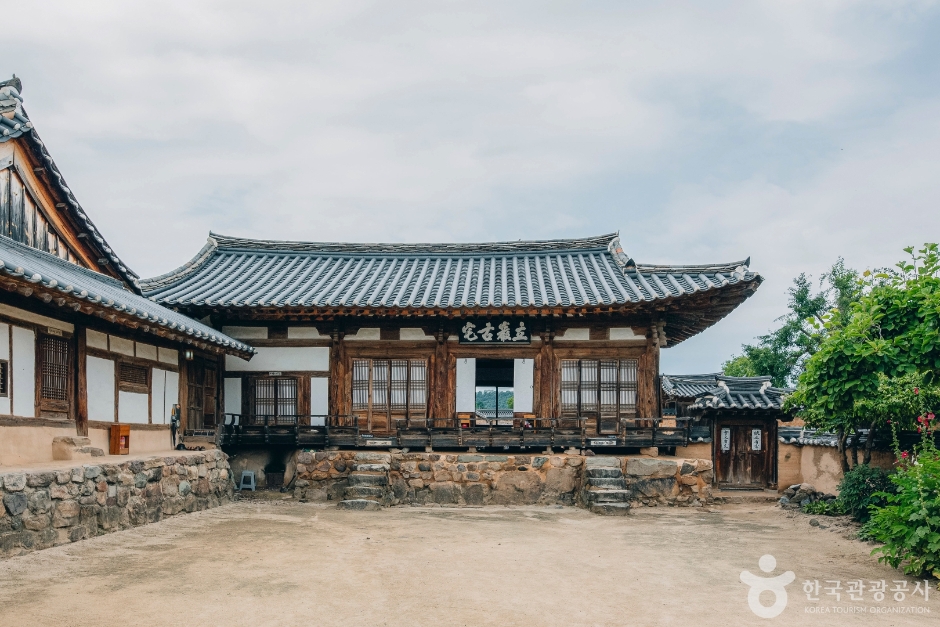
Yangjindang/ 하회 양진당
68 , Hahoejongga-gil, Andong-si, Gyeongsangbuk-do
Hahoe Yangjindang, in Hahoe Village in Andong, Gyeongsangbuk-do, is the head house of the Ryu Clan of Pungsan. Also known as Ipam Old House, it’s a designated national cultural treasure. An unusual feature is the incorporation of two different architectural styles: the sarangchae is in the Goryeo style, while the anchae is in the Joseon style. The rooms are simple and elegant, with antique mother-of-pearl cupboards, tableware cabinets, and ceramics placed here and there add to the old-time charm. Guests can enjoy traditional folk games, or have a go at home-brewing or making rice cakes and sweets.
![Yangju Olleung Royal Tomb [UNESCO World Heritage] (양주 온릉(단경왕후) [유네스코 세계문화유산])](http://tong.visitkorea.or.kr/cms/resource/10/757410_image2_1.jpg)
Yangju Olleung Royal Tomb [UNESCO World Heritage] (양주 온릉(단경왕후) [유네스코 세계문화유산])
255-41, Hoguk-ro, Yangju-si, Gyeonggi-do
Olleung Royal Tomb is the royal tomb of Queen Dangyeong (1487-1557), consort of King Jungjong, the 11th ruler of the Joseon dynasty. Queen Dangyeong married King Jungjong when she was 13 years old. In 1506, when King Jungjong ascended to the throne, she became a queen as well, but she was deposed due to her father leading a coup against her husband's acendancy. Therefore, her grave was not regarded as a royal tomb until 1739.
Plan your Korea trip
Korea travel FAQ
How do I use the travel search?
Enter a place or interest, then narrow the results by region, category or sort order.
Will my filters stay selected on the next page?
Yes. Your search and filter choices stay in the page URL while you move through the results.
Can I find directions to each place?
Place pages include an external Google Maps search when coordinates or an address are available.
Source: Korea Tourism Organization, official website (https://knto.or.kr).