TRAVEL IN KOREA
Korea Places to Visit
Find attractions, culture, festivals, stays, restaurants, shopping and travel courses for a clear Korea trip plan.

Chungju Lake Tour (충주호 유람선)
3827 Worak-ro, Danseong-myeon, Danyang-gun, Chungcheongbuk-do
The best way to enjoy Chungjuho Lake is by taking the Danyangho Cruise. The cruise allows passengers to take in the eight scenic views of Danyang and the surrounding landscapes, often described as resembling a traditional landscape painting, while sailing across the vast Cheongpungho Lake, known as the “inland sea.” Chungjuho Lake, which spans Chungju, Jecheon, and Danyang, has five cruise terminals, with Janghoe Quay being the most popular. Cruises departing from Janghoe Quay offer stunning views of Danyang’s landmarks, including Oksoonbong and Gudambong peaks, Geumsusan Mountain’s Jebibong Peak, and Oksoondaegyo Bridge. The round trip takes approximately one to one and a half hours.

Chungju Museum (충주박물관)
112-28 Jungangtap-gil, Jungangtap-myeon, Chungju-si, Chungcheongbuk-do
Chungju Museum was established with the purpose of preserving academic research and artifacts of the Korea's central inland cultural region and realizing a museum that engages with citizens through various events such as special exhibitions. It is composed of the first exhibition hall, the second exhibition hall, and outdoor exhibition spaces. The first exhibition hall displays Buddhist relics, such as those related to Mireukdaewon Stone Temple Site and the second exhibition hall focuses on materials excavated from the Chungju area, showcasing the historical characteristics from the prehistoric era to the Unified Silla period. In particular, the exhibition of the Chungju Goguryeobi Monument and the Danyang Jeokseongbi Monument demonstrates that the Chungju area was a strategic location during the Three Kingdoms period.

Chungju Seokjongsa Temple (석종사(충주))
271-56 Jikdong-gil, Chungju-si, Chungcheongbuk-do
Seokjongsa Temple, affiliated with the Jogye Order of Korean Buddhism, is located on the slopes of Geumbongsan Mountain on the outskirts of Chungju. The temple complex includes Daeungjeon Hall, Ohwagak Hall, a bell pavilion, meditation quarters, and several auxiliary buildings. Rather than serving only ordained monks, the temple also provides space for lay Buddhists to stay and practice. Through its Templestay programs, visitors can experience meditation and learn about Buddhism in a quiet setting. The temple also operates a Buddhist college that offers systematic education on the Buddha’s teachings for both practitioners and the general public. In addition, Seokjongsa Templ houses several cultural heritage items, including the Bulseol Sasimijang-gyeong and Incheon Anmok Gweonsang.

Chungju Tangeumdae Height & Park (충주 탄금대와 탄금대공원)
105 Tangeumdaean-gil, Chungju-si, Chungcheongbuk-do
Tangeumdae Height was originally a mountain named Daemunsan Mountain. The scenery is amazing with rocky cliffs, the nearby Namhangang River, and lush pine forests. The place was named Tangeumdae because it was where Ureuk, the celebrated musician of the Silla dynasty (57 BC-AD 935), used to play the gayageum (traditional stringed instrument).

Chungju Tangeumho Rainbow Road (충주 탄금호 무지개길)
Ruam-ri, Jungangtap-myeon, Chungju-si, Chungcheongbuk-do,
Tangeumho Rainbow Road is a floating bridge constructed for the 2013 World Rowing Championships. Dazzling with colorful lights at night, it now serves as a path for walking and cycling. Each section offers a unique night view, music and photo spots. Visitors can enjoy diverse activities such as cultural performances and stamp tours.

Chungjuho Jongdaengi Trail Suspension Bridge (충주호 종댕이길 출렁다리)
Jongmin-dong, Chungju-si, Chungcheongbuk-do
Chungjuho Suspension Bridge can be reached while walking along Jongdaengi Trail, a scenic lakeside trail around Chungjuho Lake. After passing the second observatory, visitors must climb a steep staircase, often referred to as a “Kkaldakgogae Hill,” leading up to the bridge. From the suspension bridge, one can take in panoramic views of Chungjuho Lake, and many visitors stop here to take photos against the scenic backdrop. Continuing past the bridge and up another set of steep steps leads to a fork in the path toward the forest center and an ecological pond.

Chungjuho Lake (충주호)
Jodong-ri, Dongnyang-myeon, Chungju-si, Chungcheongbuk-do
Chungjuho Lake is the nation’s largest lake, and was formed after the construction of Chungju Dam. When constructing the dam, an area of approximately 66.48 ㎢ was submerged throughout three regions in Chungju, Danyang and Jecheon. Even though nearly 50,000 people lost their hometown, the lake became a famous regional tourist spot, along with Woraksan National Park, Songgye Valley, Cheongpung Culture Center, Eight Sceneries of Danyang, Gosu Cave, Guinsa Temple, Suanbo Hot Springs, Nodong Cave and other spots. Tourists can enjoy the scenic area on five ferry docks from Chungjunaru, main ferry dock of Chungju Dam, Cheongpungnaru, Janghoenaru where Gudambong Peak and Oksunbong Peak are located, Danyangnaru in Danyang-eup, and Woraknaru located near the beautiful scenery of Woraksan Mountain. From Chungju Dam to Janghoenaru, it takes approximately 1 hour 30 minutes, making it a long-distance course and offers special sightseeing on board. This course also holds great views of Chungjuho Lake and Yeongbong Peak of Woraksan Mountain, the surrounding scenery of Woraknaru, and two scenic spots of Danyang which are Gudanbong and Oksunbong Peak featuring uniquely-shaped rocks and peaks. This course is the most attractive among Chungjuho ferry excursion routes.
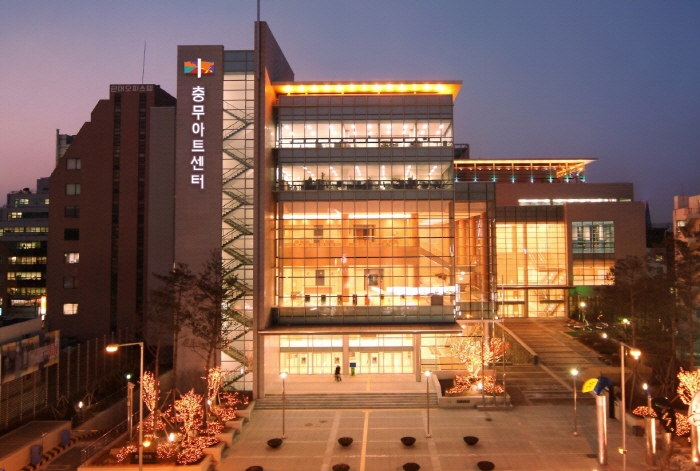
Chungmu Arts Center (충무아트센터)
387, Toegye-ro, Jung-gu, Seoul
Chungmu Arts Center is a complex cultural facility with an optimal conditions for watching performances. It has a large theater, a medium theater (black), and a small theater (blue). It also boasts great galleries, studios, and a swimming pool, attracting numerous visitors. In addition, one can enjoy performances of various genres, including classical music, plays, musicals, and concerts. Located close to Dongdaemun, it has good accessibility.
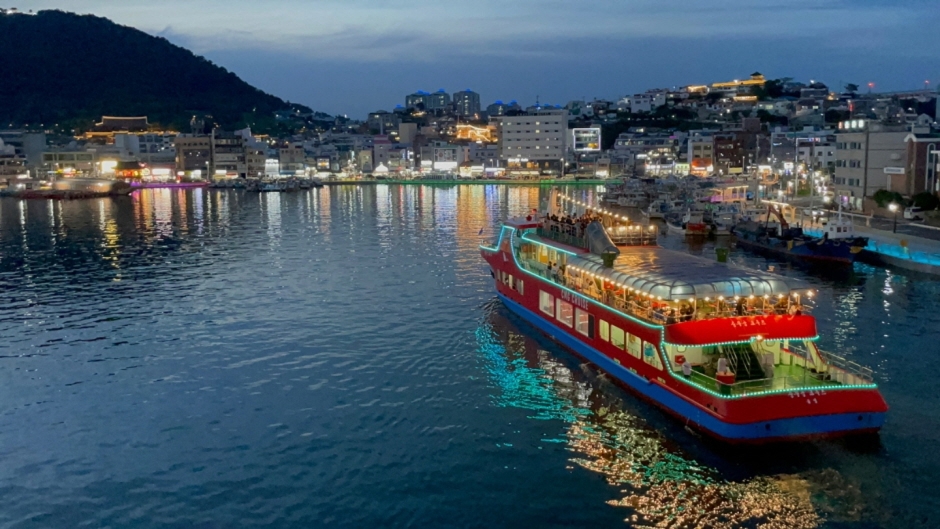
Chungmugong Night Cruise (충무공유람선별빛투어)
269-38 Donam-ro, Tongyeong-si, Gyeongsangnam-do
Chungmugong Night Cruise offers a magnificent and romantic view over the waters of Tongyeong. The "Starlight Tour" offers a chance to enjoy the city’s nightscape, while the "Yi Sun-sin Victory Marine Tour" takes you through the waters of Tongyeong, where the Battle of Hansan Island took place. Both tours operate daily. The "Fireworks & Starlight Tour" features a fireworks show onboard while you enjoy the night view of the city, operating on Saturdays and public holidays.
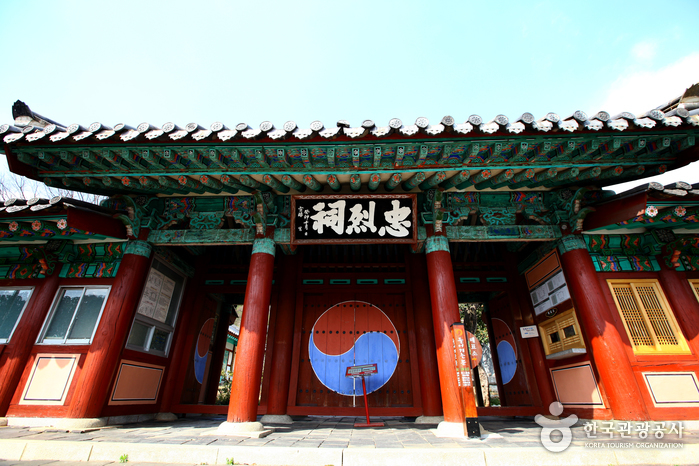
Chungnyeolsa Shrine (충렬사)
251 Yeohwang-ro, Tongyeong-si, Gyeongsangnam-do
Chungnyeolsa Shrine in Tongyeong is dedicated to Admiral Yi Sun-sin, a national hero whose naval victories were crucial in repelling Japanese invasions of Korea in the 1590s. The shrine complex includes Dongjae and Seojae, where ritual ceremonies are prepared; a main shrine housing his spirit tablet and portrait; and an exhibit hall showcasing artifacts related to the Japanese Invasion of 1592. Rituals honoring the Admiral continue to be held every spring and fall to this day.
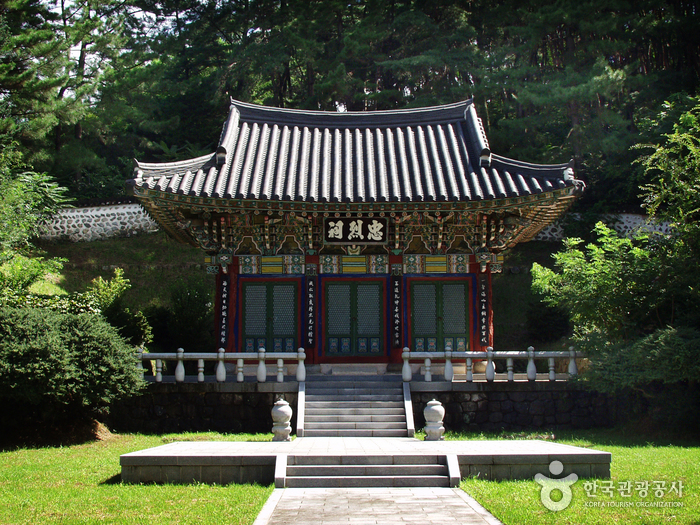
Chungnyeolsa Temple (충렬사)
228-13, Chungjeong-ro, Jeongeup-si, Jeonbuk-do
Located in Jeongeup, Jeollabuk-do, Chungnyeolsa Temple was established as a shrine to embody the spirit of Admiral “Chungmugong” (honorific title in military) Yi Sun-Sin. He was a great national hero who led the Korean navy to victory in many naval battles using innovative ‘turtle ships’ during the Imjin War (1592-1598). Situated in the heart of Gumisan Mountain overlooking the city of Jeongeup, the temple is the location of a memorial ceremony held every 28th of April, the birthday of Admiral Yi. The ceremony is meant to pay tribute to the memory of the naval hero and his irreproachable service to the city. Yi Sun-Sin had been appointed as reeve of Jeongeup in 1589 but soon after in 1591 he left the post to work as the chief naval officer of the Jeolla region.
Chungnyeongsan Mountain (축령산)
299 Chungnyeongsan-ro, Sudong-myeon, Namyangju-si, Gyeonggi-do
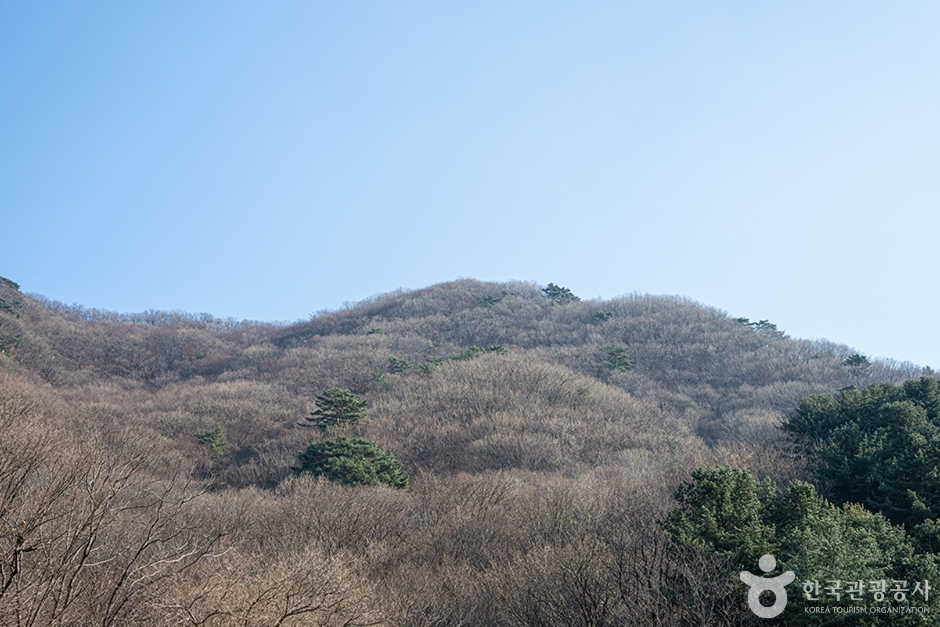
Chungnyeongsan Mountain is historically significant, with its connection to King Taejo Yi Seonggye, the founder of the Joseon dynasty. To the west, it boasts the lush Chungnyeongsan Recreational Forest, home to dense sixty-year-old nut pine trees, while to the east lies the Garden of Morning Calm. Standing at an elevation of 879 meters, the mountain offers three hiking trails. The summit provides an exceptional view, particularly in autumn, when it becomes a prime spot for enjoying the colorful foliage.
Chunhyang Culture & Art Center (춘향문화예술회관)
43, Yangnim-gil, Namwon-si, Jeonbuk-do
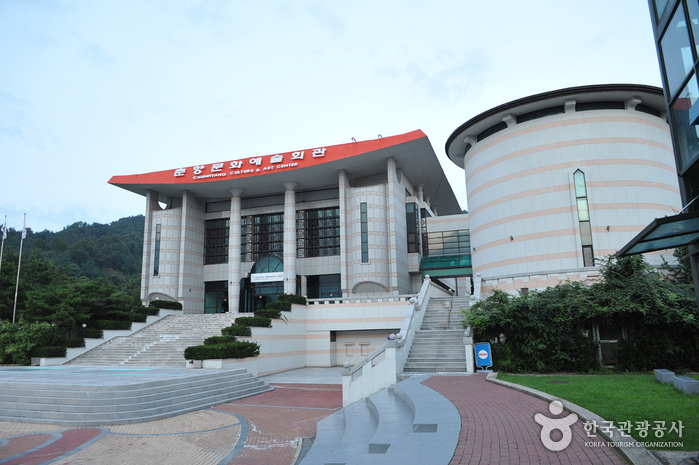
Located in Namwon, the birthplace of gugak (Korean classical music), the Chunhyang Culture & Art Center was established to preserve and promote the cultural asset, while providing spaces for art and culture.
Chunhyang Festival (춘향제)
1447 Yocheon-ro, Namwon-si, Jeonbuk-do
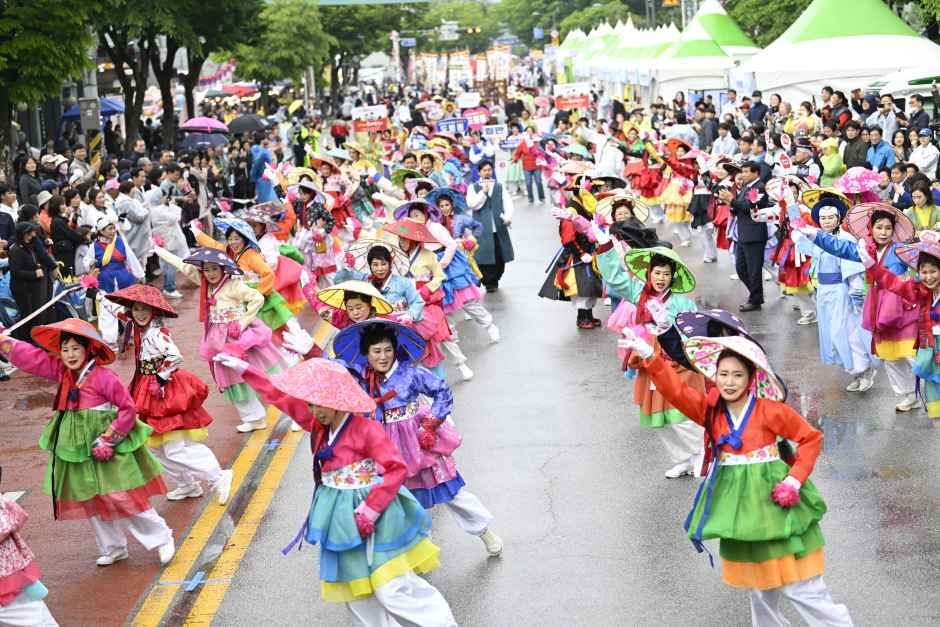
Taking place in Namwon, Chunhyang Festival celebrates the love between Chunhyang and Lee Mongryong, based on the famous Korean love story, Chunhyangjeon. Held since 1931, the festival aims to spread the story not only around Korea but to international visitors as well through hands-on experiences and moving performances. The highlight of the festival is the beauty pageant that attracts many people.
Chunjangdae Beach (춘장대해수욕장)
20, Chunjangdae-gil, Seocheon-gun, Chungcheongnam-do
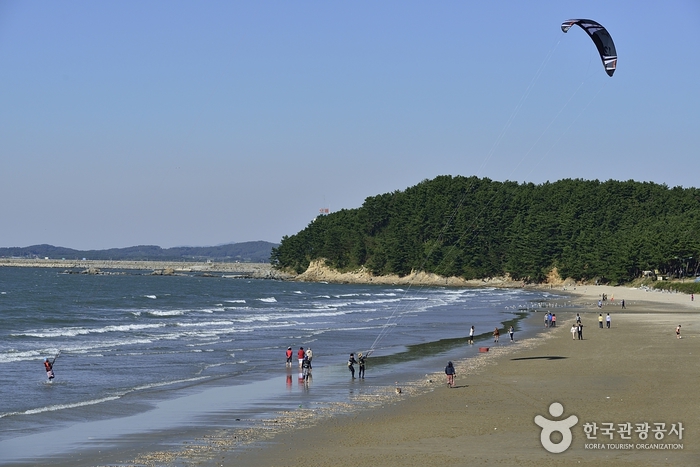
Chunjangdae Beach offers a gentle 1.5-degree slope and a thick grove of pine and acacia trees, making it popular as a summer vacation destination. A meeting plaza is located at the midpoint of the beach, and walking paths connect to nearby islands. At low tide, visitors can catch shellfish and flatfish in the mudflat. Nearby attractions include the Busa Sea Wall, Hongwonhang Port, and Camellia Grove in Maryang-ri.
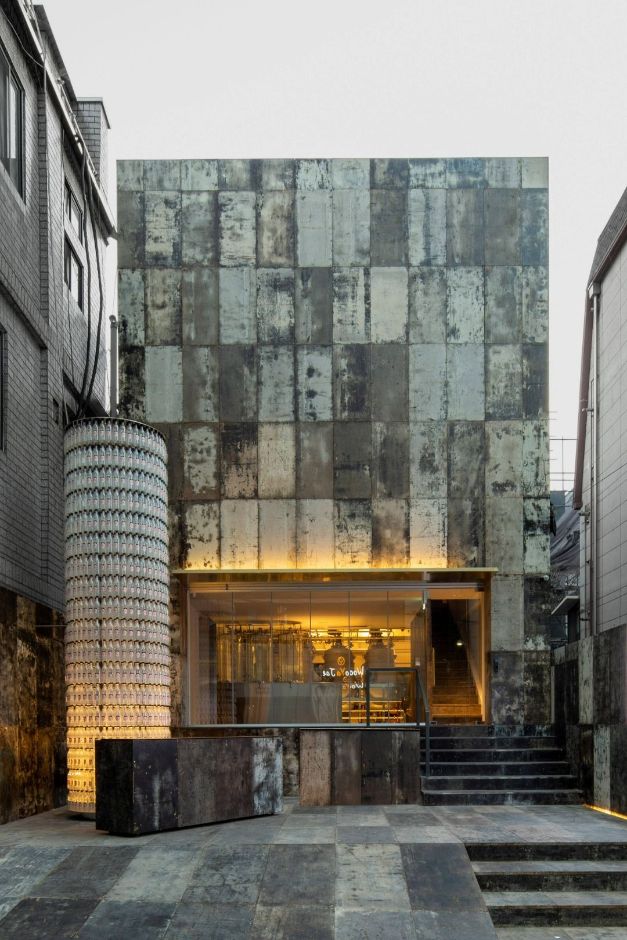
Chunpoong Brewery (춘풍양조장)
101-3 Dasan-ro, Jung-gu, Seoul
Chungpoong Brewery, a specialized brewery producing makgeolli, offers brewery tours and tasting sessions, conveying the value of Korean alcohol. Through these programs, the brewery shares Korean alcohol culture and provides information about traditional Korean alcohol. Visitors can also enjoy a dining and alcohol experience here.
Plan your Korea trip
Korea travel FAQ
How do I use the travel search?
Enter a place or interest, then narrow the results by region, category or sort order.
Will my filters stay selected on the next page?
Yes. Your search and filter choices stay in the page URL while you move through the results.
Can I find directions to each place?
Place pages include an external Google Maps search when coordinates or an address are available.
Source: Korea Tourism Organization, official website (https://knto.or.kr).