TRAVEL IN KOREA
Korea Places to Visit
Find attractions, culture, festivals, stays, restaurants, shopping and travel courses for a clear Korea trip plan.
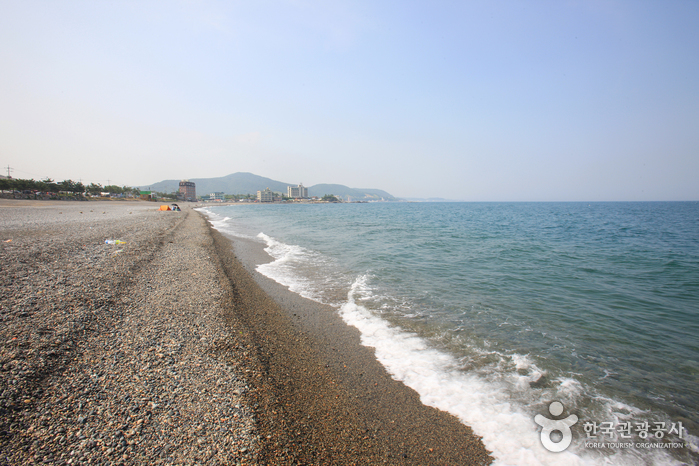
Gangdong Pebble Beach (강동몽돌해변)
1650, Donghaean-ro, Buk-gu, Ulsan
For those hoping for a view of the winter sea, or those longing for the engulfing embrace of the clear dark-blue waves crashing into huge rocks, Gangdong Pebble Beach is the place to be. The coastal road, with its beautiful scenery of the sea and mountains, is a popular driving route. With diverse attractions nearby, many vacationers are attracted to this beach in winter.
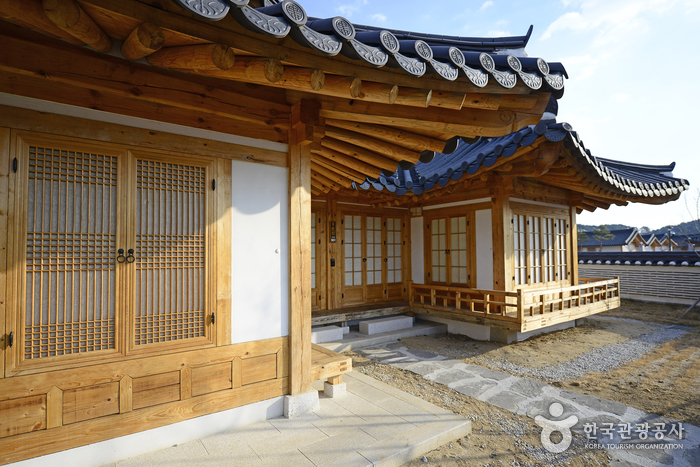
Gangenung Ojuk Hsnok Village (강릉오죽한옥마을)
114 Jukheon-gil, Gangneung-si, Gangwon-do
Gangneung Ojuk Hanok Village in Gangneung, Gangwon-do was created to promote hanok architecture and to spread the ideas of Joseon scholar Yulgok Yi I; close by is Ojukheon House, the home of Yi I and his equally famous mother Shin Saimdang. Many types of accomodation are offered including guestrooms, standalone houses, duplex rooms, and one room equipped with a bed and facilities for disabled visitors. There is even a small lecture hall for the use of overnight guests. Gyeongpo Lake and Gangneung Olympic Park (where PyeongChang Winter Olympics were held) are also nearby.

Gangguan Port (강구안)
Jungang-dong, Tongyeong-si, Gyeongsangnam-do
Gangguan Port is located in Tongyeong close to the sea, and regarded to be more full of energy compared to other ports due to the sea waves seen close by. The port is occupied by moored fishing boats and rows of restaurants that sell Chungmu-style gimbap. It also boasts a breathtaking scenery at night.
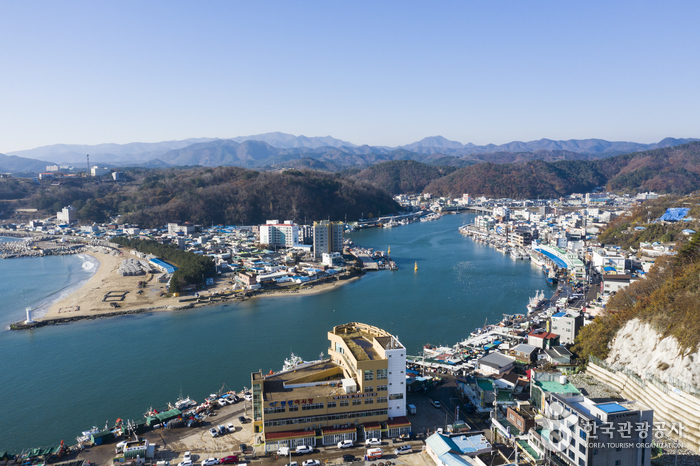
Gangguhang Port (강구항)
253-51, Ganggu-ri, Yeongdeok-gun, Gyeongsangbuk-do
Gangguhang Port is a large harbor in Yeongdeok, Gyeongsangnam-do. Gangguhang Port is the main marketplace for Yeongdeok snowcrabs and since there are so many places selling crabs near the port, the area is called "Snowcrab Street." Rows of crab fishing boats can be seen along the port during the crab fishing season from November to April and May.
Ganghwa Bomunsa Temple (보문사 (강화))
44 Samsannam-ro 828beon-gil, Ganghwa-gun, Incheon
Bomunsa Temple is located on Seongmodo Island in the Gangwondo Island district. The temple is on Sangbongsan Mountain, one of three mountains that make up the Samsan-myeon area. Like many temples in Korea, the foundation date is unknown but it is believed to have been founded in 635 during the reign of Silla Queen Seondeok. The temple faces out to the ocean, with the sound of waves reaching all the way to the main building. The main courtyard is fragrant with the scent of an aromatic tree, designated Incheon Natural Monument No. 17. Beyond the tree is a gathering of Buddhist scuptures and a large grotto.
Ganghwa Deokjinjin Fortress (강화 덕진진)
31-9 Deokjin-ro, Bureun-myeon, Ganghwa-gun, Incheon
Deokjinjin Fortress was the key strategic point of the outer fortress wall used for defending the Ganghwa Straits during the Goryeo dynasty (918-1392). It was originally a military camp commanded by an official with the rank of Cheomsa under the command of the Korean naval base. In 1677, an official with the rank of Manho was assigned to this camp along with 26 military officials, 100 soldiers, 2 battle ships, and other military equipment. In 1679, the Namjangpodae and Deokjinpodae batteries were stationed here. Deokjinjin Fortress was the scene of fierce battles that took place during Byeonginyangyo (the French invasion in 1866) and Shinmiyangyo (the American invasion in 1871). The battlements and gatehouse of Deokjinjin that had all been destroyed during Sinmiyangyo were restored in 1977. At the Namjangpodae Battery, cannons used by the Joseon military have been reproduced and installed for display.

Ganghwa Gyodongdo Island (교동도(강화))
35 Gyodongnam-ro, Gyodong-myeon, Ganghwa-gun, Incheon
Gyodongdo Island is located northwest of the larger Ganghwado Island, and was made more accessible with the opening of Gyodongdaegyo Bridge in July 2014. The name changed with different dynasties, being Gomokgeunhyeon during the Goguryeo Era and Gyodonghyeon under the reign of Silla King Gyeongdeok. The island served as an important stopover point for ambassadors and envoys heading to China. Popular attractions on the island now include Daeryong Market, an alleyway market decorated with colorful murals and statues, and Manghyangdae Memorial, a gathering place for refugees who fled from the nearby Hwanghaedo Island during the Korean War. Many of the houses on Gyodongdo Island have swallow nests under the eaves. The refugees consider the swallows as guests from their hometowns. As such, the island is home to the "peace & reunion" themed Gyodong Swallow House, Peace Trail, and Gyodong Studio. Gyodong Swallow House serves as an exhibition and performance space. The Peace Trail is a biking path around the island. At Gyodong Studio, visitors can put on old school uniforms and take black-and-white photographs.
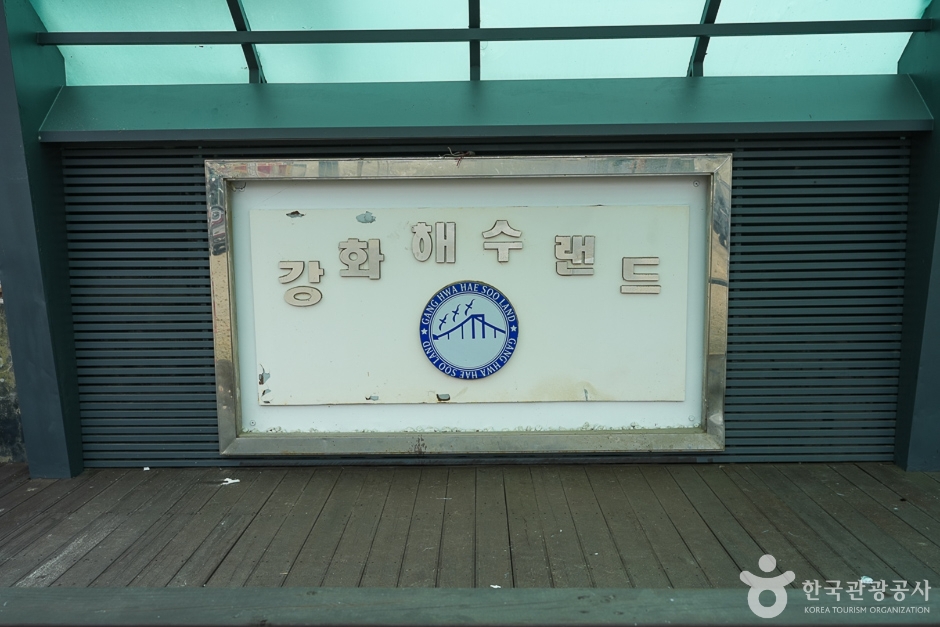
Ganghwa Haesoo Land (강화해수랜드)
13-12 Haeannam-ro, Gilsang-myeon, Ganghwa-gun, Incheon
Ganghwa Haesoo Land, established in 1992, is a comprehensive leisure facility that integrates a sauna with seawater baths. The sauna encompasses various facilities, including red clay sauna, salt sauna, charcoal sauna, and steam sauna. The seawater baths utilize mineral-rich seawater sourced from 560 meters underground. Complementing these features, the facility offers additional amenities such as a swimming pool, outdoor concert hall, and a café.
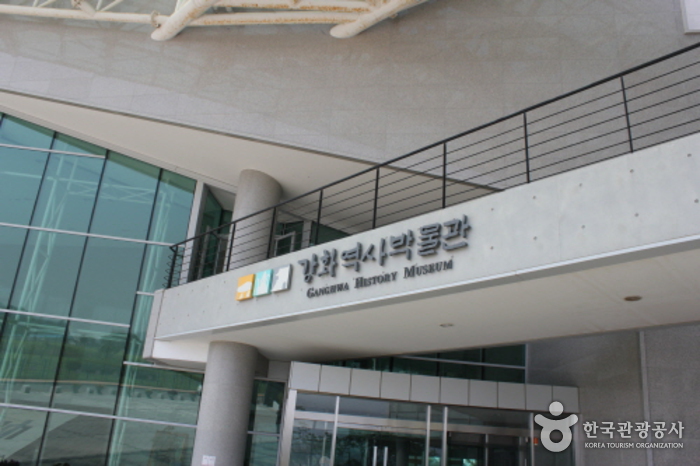
Ganghwa History Museum (강화역사박물관)
994-19, Ganghwa-daero, Ganghwa-gun, Incheon
Ganghwa History Museum opened in 2010 with aims to exhibit, preserve and educate visitors about the history and culture of Ganghwa from prehistoric ages to modern times based on artifacts from the area.
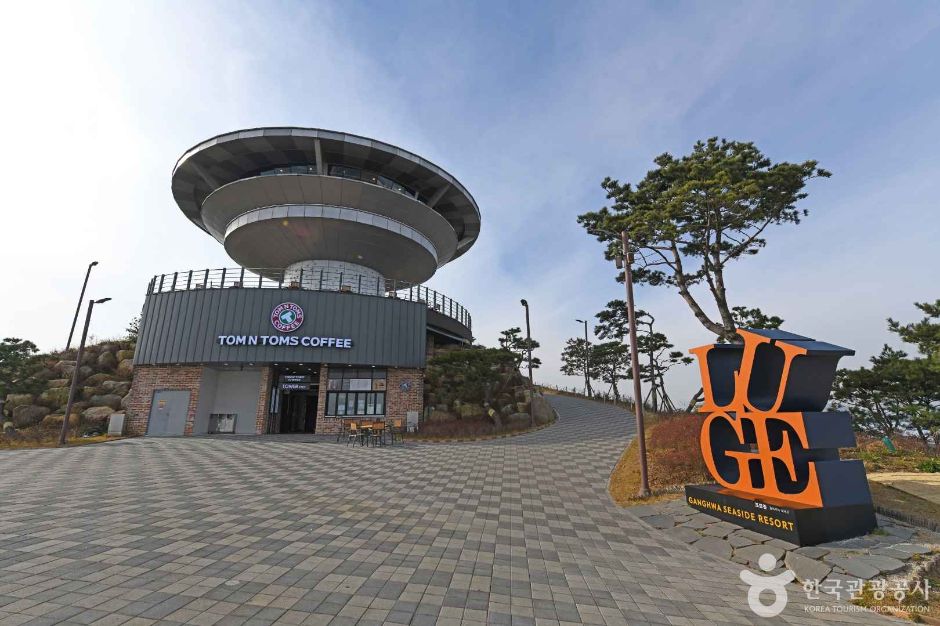
Ganghwa Luge (Ganghwa Seaside Resort) (강화루지(강화씨사이드리조트))
217 Jangheung-ro, Ganghwa-gun, Incheon
Ganghwa Seaside Resort delivers joy, happiness, and love with a gondola, food court, themed trails and the only luge track in the western part of the metropolitan area. It is a place where visitors can meet the mountains and the sea and feel the profoundness of nature without having to travel far way from the city. Visitors can take the gondola to reach the top, guided by the rich scent of the forest, and fully enjoy the atmosphere of Ganghwado Beach as well as the beautiful sunset from the observatory. The resort has a luge designed to descend dynamically through a 1.8-kilometer track, offering an excitement perfect for all members of the family.
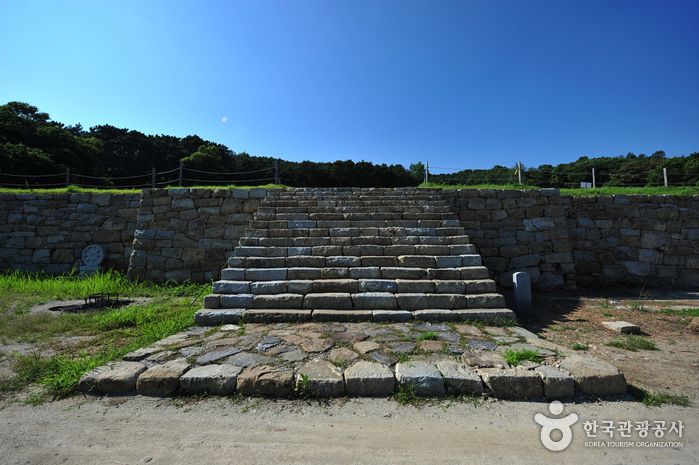
Ganghwa Seonwonsa Temple Site (강화 선원사지)
222, Seonwonsaji-ro, Ganghwa-gun, Incheon
Ganghwa Seonwonsa Temple Site was first discovered in 1976 during a surface examination around Ganghwado Island undertaken by the Ganghwado Island Academic Research Team of Dongguk University. The site was designated as Historic Site No. 259 in 1977. Seonwonsa Temple was built by General Choi Wu in 1245 (the 32nd year of King Gojong’s reign during the Goryeo dynasty), which was right after the transfer of the capital to Ganghwado during resistance against the Mongolian invasion. The temple was meant to be a spiritual mainstay in fighting against Mongolia. It used to be one of the two largest temples in Korea along with Songgwangsa Temple. However, the temple was completely destroyed during the early Joseon era, leaving only the site itself. The famous wood blocks of Palman Daejanggyeong (the Tripitaka Koreana), currently housed in Haeinsa Temple at Hapcheon, are said to have been originally stored in Seonwonsa Temple. It is believed that the carved wood blocks were taken from Seonwonsa to Heungcheonsa Temple during the Joseon era and again moved to Haeinsa Temple during the reign of Sejo. Located on a mountain slope, the presumed location of the building site extends 250 meters from south to north and 170 meters from east to west.
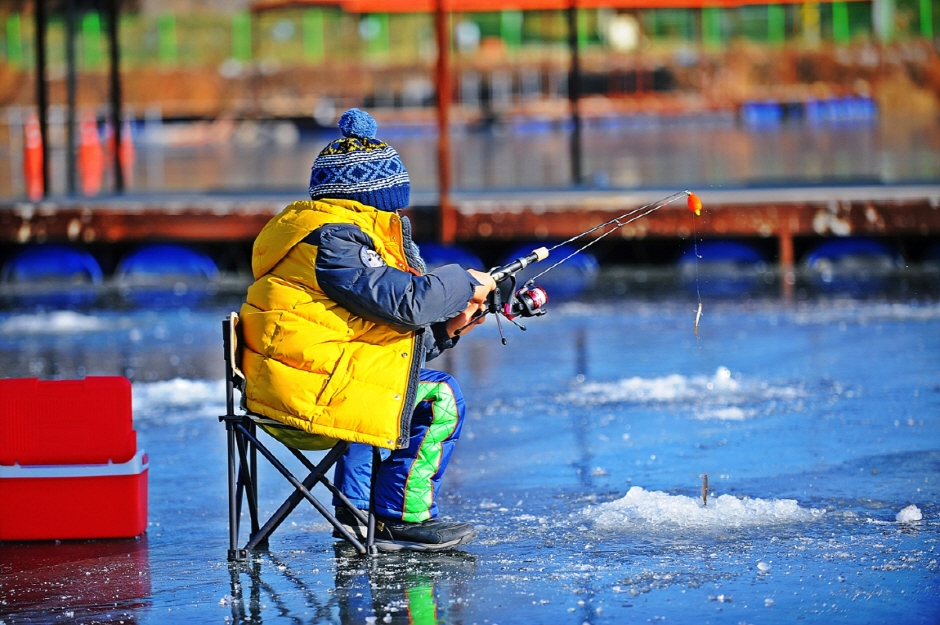
Ganghwa Yango Ice Fishing Festival (강화 양오 빙어축제)
161 Jeonmang-daero 423beon-gil, Songhae-myeon, Ganghwa-gun, Incheon
The Ganghwa Yango Ice Fishing Festival offers ice sledding, smelt fishing, smelt net fishing experience, making it perfect to enjoy with family. Visitors can also enjoy a variety of foods, including fried smelt fish.
Ganghwado Island (강화도)
Ganghwa-daero, Ganghwa-gun, Incheon
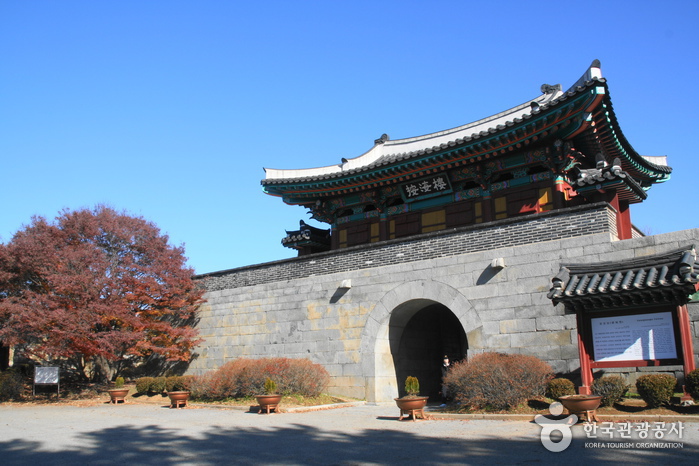
Ganghwado Island, off the west coast, is the fifth largest island in Korea. The island was connected to the mainland in 1970 with the construction of the Ganghwagyo Bridge. Another larger bridge, Ganghwadaegyo Bridge, was built in 1997, making it easier than ever to travel to Ganghwado Island from Seoul and Incheon areas. The island is home to Chamseongdan Altar on top of Manisan Mountain on the southern coast. This is said to be where Dangun Wanggeom offered sacrificial rites to the heavens. Another important item of note on Ganghwado Island is the collection of stone dolmens, a UNESCO-recognized world heritage. Ganghwado Island has many famous local products, including the medicinally effective Ganghwa ginseng and hwamunseok, a mat woven with flower patterns. Hwamunseok is famous also as a representative traditional Korean product for its intricate handwork and designs.
Ganghwado Jejeokbong Peace Observatory (강화도제적봉 평화전망대 )
797, Jeonmangdae-ro, Ganghwa-gun, Incheon
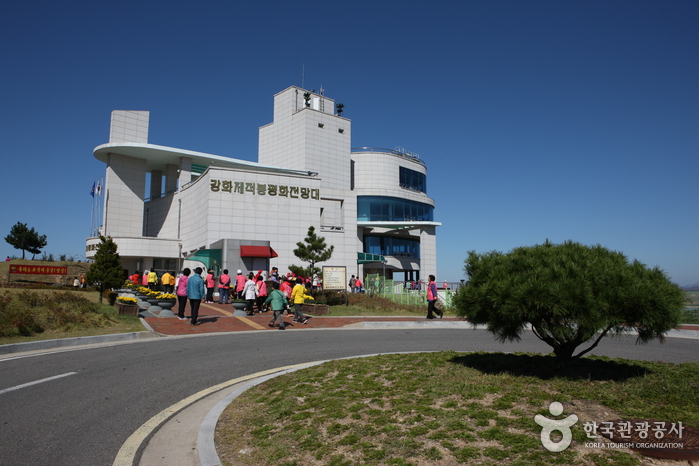
Ganghwado Jejeokbong Peace Observatory was constructed in the northern area of the Civilian Restricted Zone in Cheolsan-ri, Yangsa-myeon. Entry to this area was strictly prohibited to the general public until 2008. The observatory allows visitors to take a closer look at the natural beauty the lies beyond the northern border. The observatory consists of four floors. The basement and fourth floor are used by the military; the first floor sells regional produce from Ganghwado Island and specialty products from North Korea, and the second and third floors make up the audio-visual rooms with materials related to North Korea and an observatory where one can observe the Northern territory from afar.
Ganghyunjae (강현재)
31-1 , Ganae-gil, Boseong-gun, Jeollanam-do
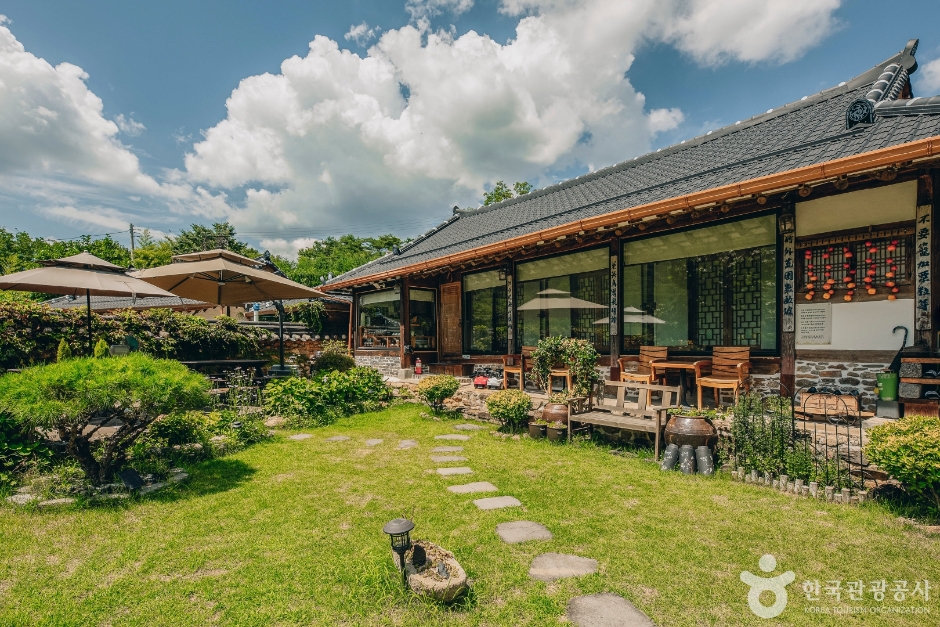
Ganghyunjae is a hanok accommodation located in Boseong, Jeollanam-do where you can relax in the peaceful atmosphere of a rural village. It is a restored hanok that was completely destroyed by fire during the Korean War. The toenmaru (narrow wooden porch) window wall creates a cozy atmosphere inside. Along the toenmaru, there are four guest rooms, and the Sarangbang (study room) is equipped with teaware for guests to enjoy tea. For the guests' convenience, there is a large dining table and a kitchen where they can prepare meals. There is an outdoor barbecue facility on one side of the yard. The house next to Ganghyunjae is the birthplace of Seo Jae-pil, and nearby tourist attractions include Hwasun Juam Lake and Daewonsa Temple.
Gangjeongcheon Stream (강정천)
Gangjeong-dong, Seogwipo-si, Jeju-do
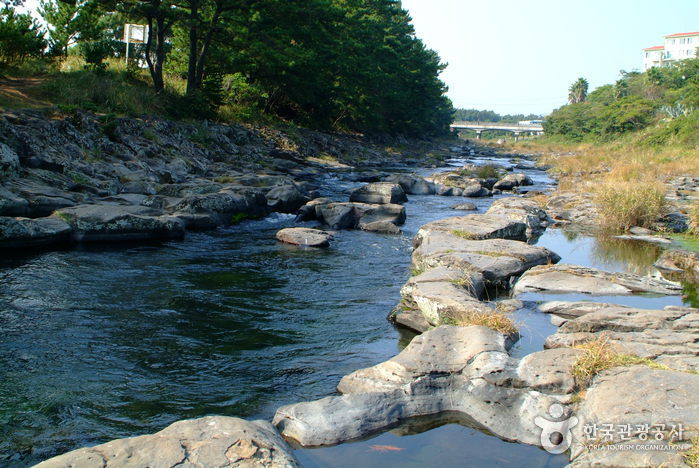
Unlike most streams on Jeju Island that can easily run dry, Gangjeongcheon Stream, located to the east of Gangjeong Village in Seogwipo-si, flows with clear water all year round. The stream stretches 16 kilometers in length and has 7 small ponds, 6 bridges and 13 waterfalls. The old pine trees and uniquely formed rocks and stones on either side of the stream make for great natural sightseeing. The stream is home to sweetfish and groups of mandarin ducks, which are Natural Monument. During summer, the stream is crowded with vacationers thanks to the clean water and relaxing environment.
Plan your Korea trip
Korea travel FAQ
How do I use the travel search?
Enter a place or interest, then narrow the results by region, category or sort order.
Will my filters stay selected on the next page?
Yes. Your search and filter choices stay in the page URL while you move through the results.
Can I find directions to each place?
Place pages include an external Google Maps search when coordinates or an address are available.
Source: Korea Tourism Organization, official website (https://knto.or.kr).