TRAVEL IN KOREA
Korea Places to Visit
Find attractions, culture, festivals, stays, restaurants, shopping and travel courses for a clear Korea trip plan.
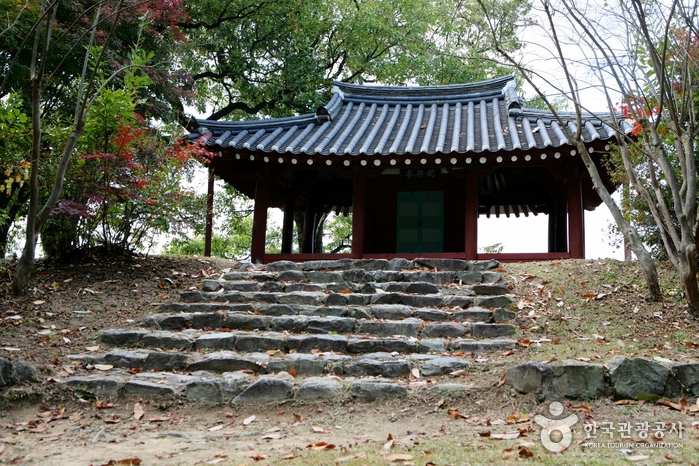
Myeonangjeong Pavilion (면앙정)
382-11 Myeonangjeong-ro, Damyang-gun, Jeollanam-do
Myeonangjeong Pavilion is located on the slopes of Jebongsan Mountain in Damyang-gun. The pavilion was constructed in 1533 by Song Sun (1493-1583), who built it as a place for writing poems. After its construction, the pavilion served as a meeting place for scholars and intellectuals and was even frequented by Lee Hwang (1501-1570), a representative Confucian scholar who is pictured on the 1,000 won bill. The roof of Myeonangjeong Pavilion was originally made of reeds, straw, grass and other materials which could not withstand the elements. After several repairs, the building was developed into the wooden structure that it is today. From the back of the pavilion, you can see the mountain range and open wide fields; renowned scholars’ poems are engraved on the wooden panels that decorate the pavilion walls.
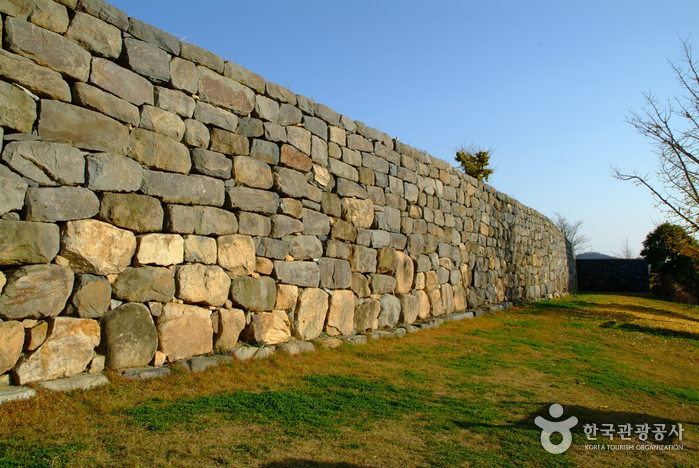
Myeoncheoneupseong Walled Town, Dangjin (당진면천읍성)
14 Mongsan-gil, Dangjin-si, Chungcheongnam-do
Since the ancient days, the city of Dangjin was where an important sea route to China existed along with Seosan and Taean. Not only was it an essential trading post with China, it was also a critical military hub. Myeoncheoneupseong Walled Town is widely known to have been constructed in the 16th year of King Chungnyeol's reign in the Goryeo Dynasty (1290) but many believe that it had actually existed ever since the early Baekje period for the purpose of stopping foreign invasions. Myeoncheoneupseong was a fortress that had four main gates in the east, west, south and north.
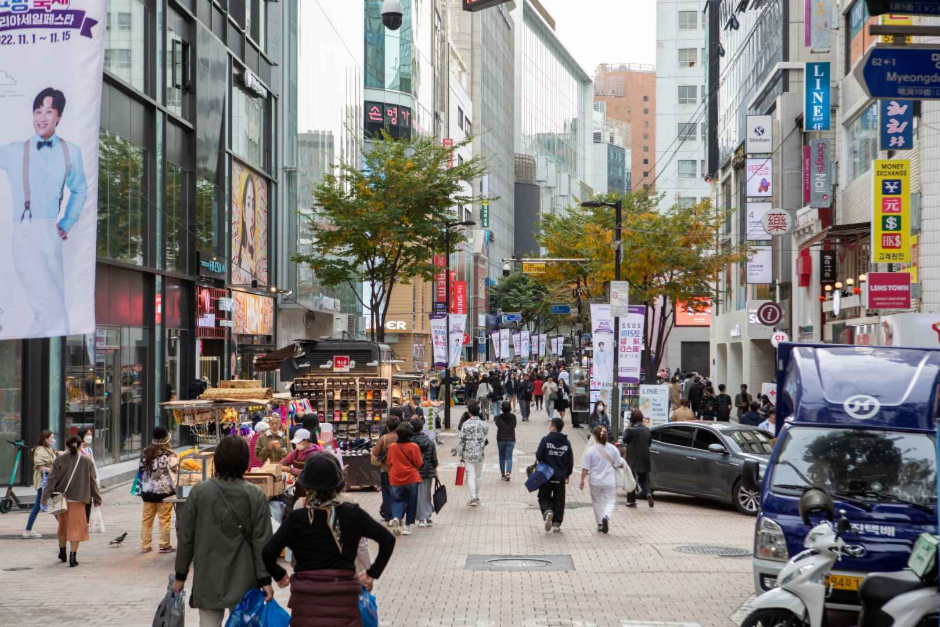
Myeong-dong (명동)
66, Eulji-ro, Jung-gu, Seoul
Myeong-dong is one of the primary shopping districts in Seoul. The two main streets meet in the center of the block with one beginning from Myeong-dong Subway Station (Seoul Subway Line No. 4) and the other from Lotte Department Store at Euljiro. Many brand name shops and department stores line the streets and alleys. Common products for sale include clothes, shoes, and accessories. Unlike Namdaemun or Dongdaemun, many designer brands are sold in Myeong-dong. In addition, several major department stores have branches here, including Lotte Department Store, Shinsegae Department Store, Myeong-dong Migliore, Noon Square and M Plaza. The department stores carry many premium labels and other fashionable goods at reasonable prices. Myeong-dong also has family restaurants, fast food, plus Korean, Western and Japanese dining options. Many restaurants in Myeong-dong specialize in dongaseu (pork cutlet) and kalguksu (noodle soup). Other businesses in the area include hair salons, banks and theaters.
](https://tong.visitkorea.or.kr/cms/resource/71/4020471_image2_1.jpeg)
Myeong-dong Myeong Pharmacy [Tax Refund Shop](명동명약국)
11, Namdaemun-ro 7-gil, Jung-gu, Seoul
Myeongdong Myeong Pharmacy provides kind and professional pharmaceutical services to foreign tourists and local residents in the heart of Myeongdong. Through meticulous medication guidance and a wide range of available over-the-counter medicines, we serve as a consistently trusted health guardian.
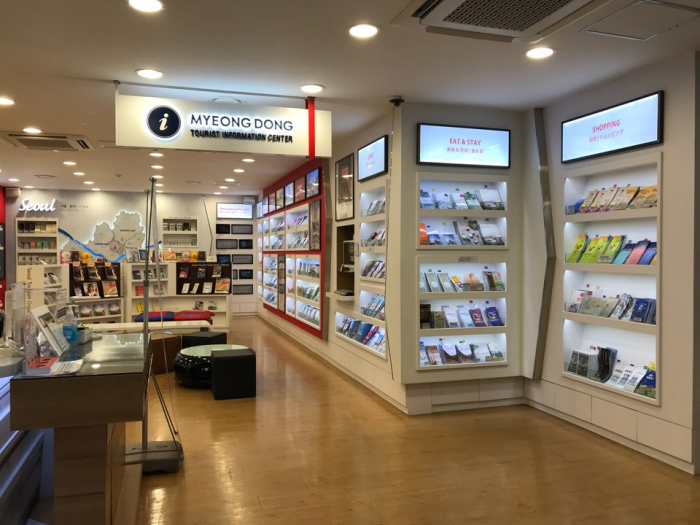
Myeong-dong Tourist Information Center (명동관광정보센터)
66, Eulji-ro, Jung-gu, Seoul
Myeong-dong Tourist Information Center provides information on traveling, shopping, attractions, and more in Seoul. Service is provided in Korean, English, Japanese, and Chinese. The center also offers experience programs like using Hangeul stamps.
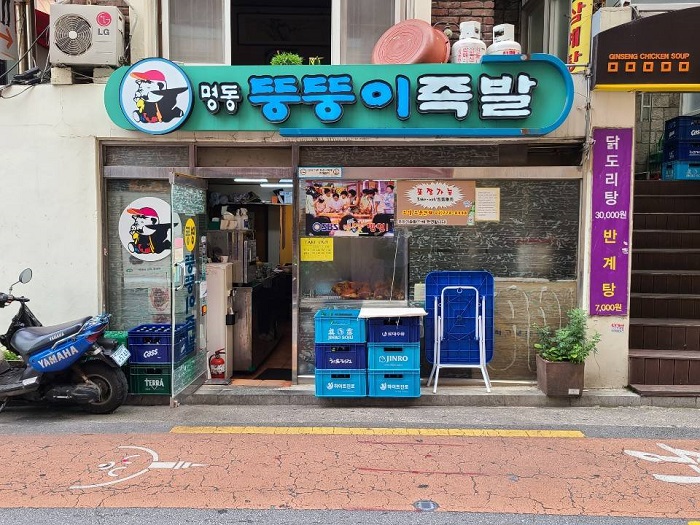
Myeong-dong Ttungttungi Jokbal (명동뚱뚱이족발)
9, Toegye-ro, 20-gil, Jung-gu, Seoul
One of the old restaurants in Myeong-dong featured in Korean gourmet programs. This Korean dishes restaurant is located in Jung-gu, Seoul. The most famous menu is braised pigs' feet.
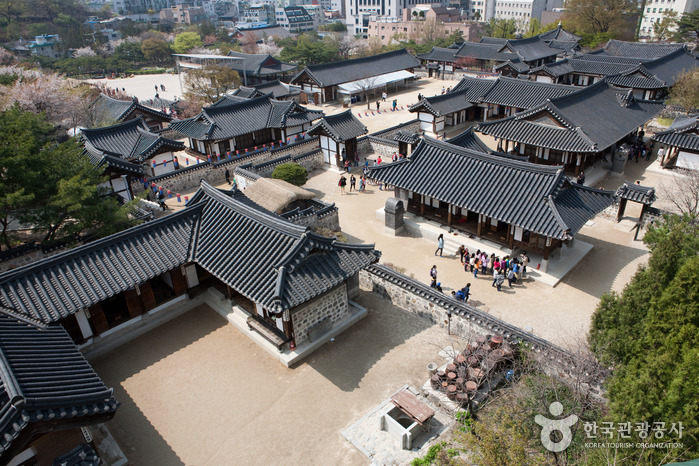
Myeong-dong, Namdaemun, Bukchang-dong, Da-dong and Mugyo-dong Special Tourist Zone (명동 남대문 북창동 다동무교동 관광특구)
40, Sejong-daero, Jung-gu, Seoul
Myeong-dong, Namdaemun, Bukchang-dong and Da-dong are widely known among international visitors as hot spots for shopping and food. Myeong-dong is a popular destination for shopping, culture, arts and fashion. Major shopping malls such as Lotte Department Store, Shinsegae Department Store, Myeong-dong Migliore and Samik Fashion Town are located here. Shoppers can find a variety of products here from high-end items to relatively inexpensive clothes. There’s also no shortage of street food, traditional restaurants, coffee shops and fancy cafes. Namdaemun Market is the biggest traditional market in Korea. Visitors can purchase souvenirs and local produce at an affordable price in the shopping complex crowded with stores and street stalls. The market sells a variety of clothes, kitchenware, toys, accessories, food, flowers and imported goods. Bukchang-dong and Sogong-dong have high-end accommodations including Lotte Hotel Seoul and Westin Chosun Seoul, duty-free shops, and restaurants serving traditional dishes. [Myeong-dong, Namdaemun Market and Bukchang-dong Special Tourist Zone] Areas included: Myeong-dong, Bukchang-dong, Mugyo-dong and Da-dong, Seoul Area size: 872,809 ㎡ Tourist attractions: Myeong-dong, Namdaemun Market and Bukchang-dong, Department Stores (Lotte Department and Shinsegae Department Store, etc.), Traditional Market, Duty-free Shop, Hanok Village, N Seoul Tower, etc.
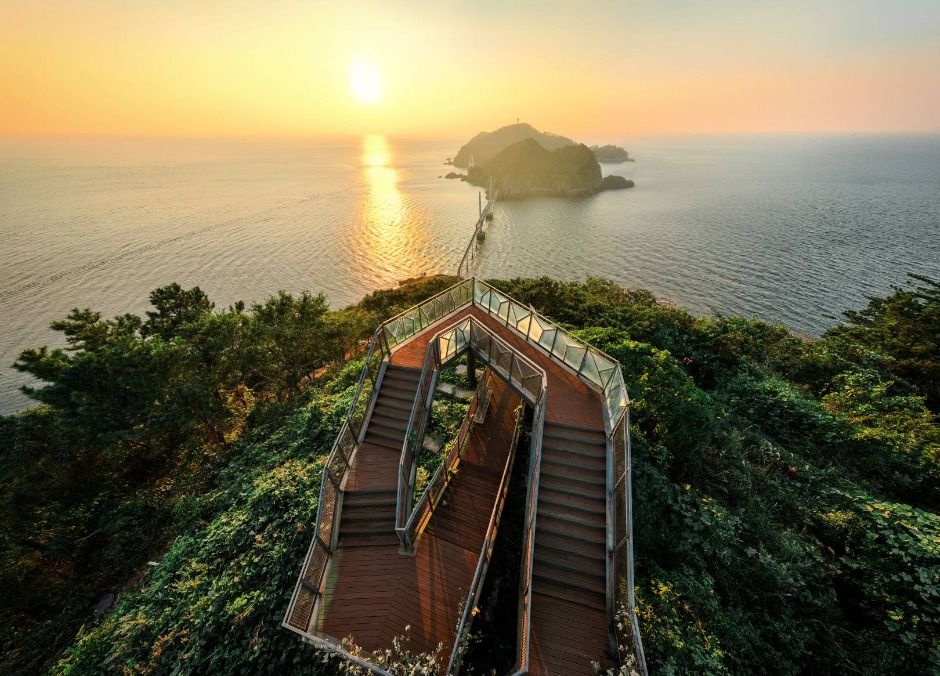
Myeongdo Island (명도)
5 Myeongdo-gil, Okdo-myeon, Gunsan-si, Jeonbuk-do
Myeongdo takes its name from the character “myeong,” which means “bright,” as its clear waters were likened to the union of the moon and the sun. It is also known as Yakdo Island, or “Medicinal Island,” for the wide variety of medicinal herbs that thrive there despite constant exposure to sea winds. Centered around Bangchukdo Island, visitors can enjoy sightseeing cruises and fishing by boat, and admire the island’s beautiful and unusual rock formations. In the mountainous areas of the island, dozens of medicinal herb species grow after enduring the harsh sea winds. The most well-known among them is laserwot, called bangpung in Korean, which is traditionally believed to help prevent postpartum pain syndrome in pregnant women and to offer effects such as inducing perspiration, reducing fever, relieving pain, and alleviating neuralgia, purportedly expelling 36 types of pain. It is also said to be effective in improving concentration, particularly for students preparing for exams.
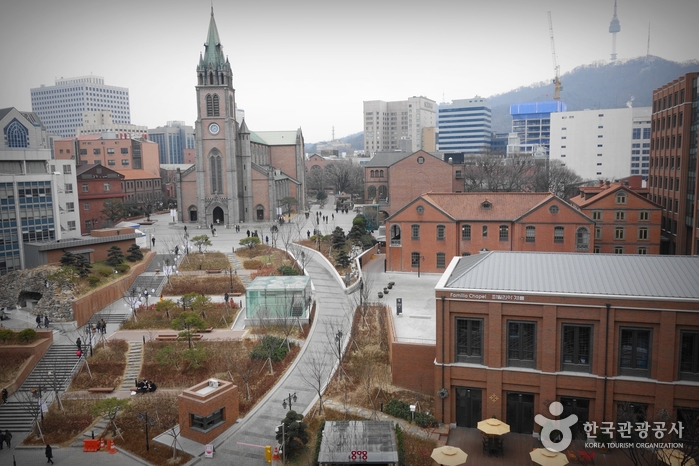
Myeongdong Cathedral (서울 명동성당)
74, Myeongdong-gil, Jung-gu, Seoul
Myeongdong Cathedral is the Church for Archdiocese of Seoul and was also the birthplace for the Roman Catholic Church community in Korea. The church houses the remains of several individuals: Bishop Laurent Joseph Marie Imbert (1796-1839), and priests Peter Simon (1803-1839), James (Jacques Honor Chastan, 1803-1839) and Pourthie Jean Antoine Charles (1830-1866) and four martyrs. Myeongdong Cathedral is located in downtown Seoul and tourists frequently come and visit the place. Near the cathedral are other tourism spots such as Namsangol Hanok Village preserving Korean traditional houses, N Seoul Tower overlooking Seoul and Namdaemun Market, a traditional market with a wide variety of food and goods.
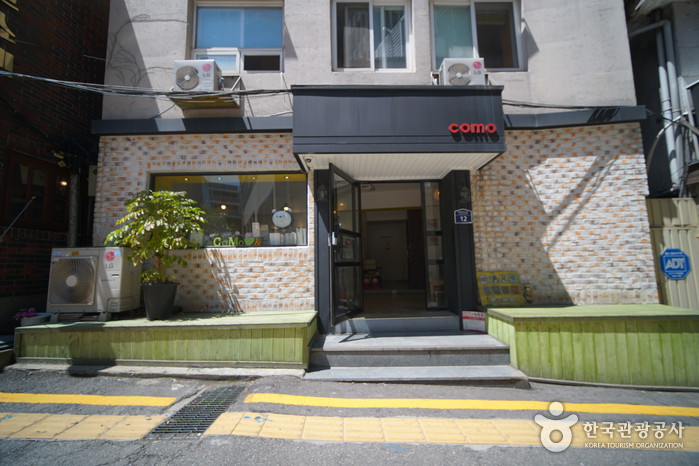
Myeongdong Guesthouse Como (명동게스트하우스 꼬모)
12 , Toegye-ro 24-gil, Jung-gu, Seoul
Como is a guesthouse in Jongno-gu, Seoul, just 3-minute’s walk away from Myeongdong Station on Line 4. Como is particularly popular with foreign travelers: staff are fluent in English and Chinese, and luggage storage is free of charge. Rooms come in different sizes to cater from single travelers to family groups, and all have a separate bathroom and toilet. Must-see local sights such as Namsan Seoul Tower, Sungnyemun Gate, and Namdaemun Market are easily reached by car or bus.
](https://tong.visitkorea.or.kr/cms/resource/14/4042314_image2_1.jpg)
Myeongdong Hi Pharmacy[Tax Refund Shop](명동하이약국)
14, Myeongdong 7-gil, Jung-gu, Seoul
Myeongdong High Pharmacy is a reliable pharmacy that provides high-quality pharmaceutical services to visitors from all over the world who visit Myeongdong. We support our customers' healthy travel and daily lives through professional consultations available in foreign languages and rapid dispensing.
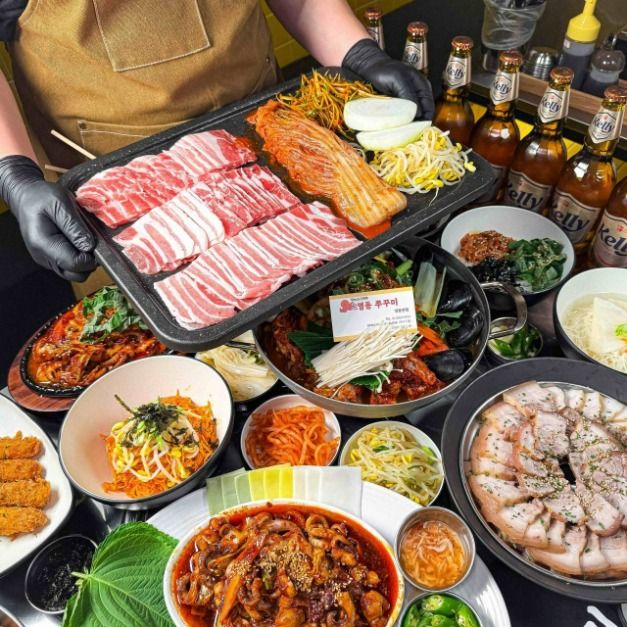
Myeongdong Jjukkumi (명동쭈꾸미)
3-28 Toegye-ro 6-gil, Jung-gu, Seoul
Myeondong Jjukkumi is a jjukkumi (ocellerated octopus) restaurant located in Jung-gu, Seoul. It only takes about a 1-minute walk from Hoehyeon Station (Seoul Subway Line 4), Exit 2, a convenient location for both tourists and people who work in the area. Main menu items consist of jjukkumi and samgyeopsal (grilled pork belly), pork galbi (rib meat), bossam (cabbage wraps with pork), among other set menus. All dishes are cooked in the kitchen, and are known for their spicy kick and savory taste. The restaurant can accommodate group guests as it has a spacious hall as well as outdoor tables. Customers dining at the restaurant can help themselves to more side dishes at the self-service side dish bar and enjoy a hearty meal at a reasonable price.
](https://tong.visitkorea.or.kr/cms/resource/46/4043346_image2_1.jpg)
Myeongdong Jungang Pharmacy[Tax Refund Shop](명동중앙약국)
49, Myeongdong 8na-gil, Jung-gu, Seoul
Myeongdong Jungang Pharmacy is a trusted pharmacy at the center of Myeongdong with a vast supply of medicines and a professional consultation system. We are health guardians promising rapid dispensing and meticulous medication guides for busy tourists and local residents.
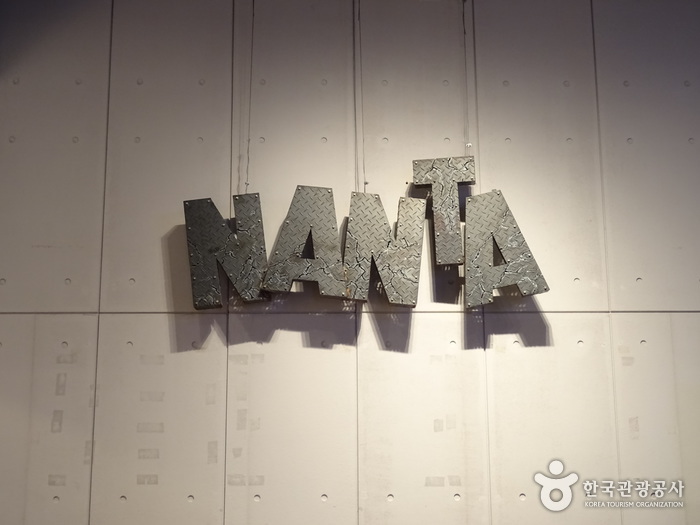
Myeongdong Nanta Theatre (명동난타극장)
26, Myeongdong-gil, Jung-gu, Seoul
Nanta, Korea's representative non-verbal performance, opened their fourth exclusive theater in Myeong-dong, the center of shopping. The 386-seat theater is located within the UNESCO Building. It is the largst of the Nanta theaters, and was the first to present foreign actors within the performances. There are 3 shows every day, all year round.
](https://tong.visitkorea.or.kr/cms/resource/60/4044760_image2_1.png)
Myeongdong Sun Pharmacy[Tax Refund Shop](명동썬약국)
B1, 52-13, Namdaemun-ro, Jung-gu, Seoul
Myeongdong Sun Pharmacy provides bright and honest pharmaceutical services to foreign tourists and local residents in Myeongdong, the center of tourism. Through a rich supply of household medicines and clear consultations, we help customers care for their health with peace of mind even during travel.
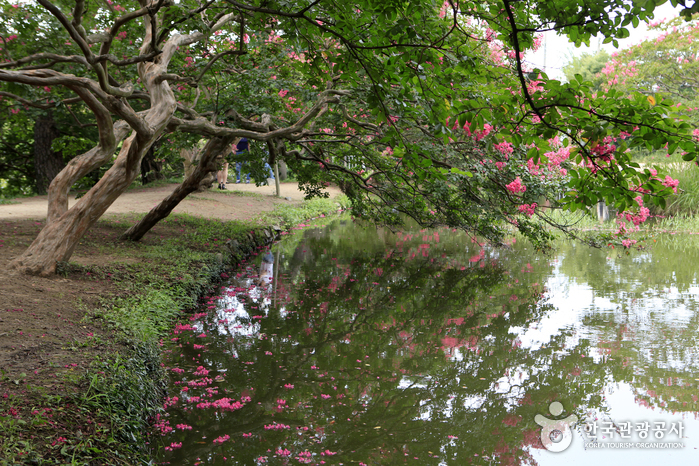
Myeongokheon Garden (담양 명옥헌 원림)
103 Husan-gil, Goseo-myeon, Damyang-gun, Jeollanam-do
Located in the eco-village of Husan-ri, Myeongokheon Garden was the garden of Oh Hui-do (1583-1623) of the Joseon dynasty and served as a simple, countryside sanctuary where the scholar read and wrote many books. Main features of the garden are the Myeongokheon Pavilion, where the scholar held lectures, and the square-shaped pond in front of the pavilion that is surrounded with graceful flowering trees. The flowering trees around the pond include red pines and crape myrtles. On the right side of Myeongokheon Garden you’ll see a 300 year-old ginkgo tree, which is where King Injo (1623-1649) of the Joseon dynasty tied his horse when he went to visit Oh Hui-do. ◎ Travel information to experience the charm of Hallyu - Drama A private garden created in the mid-Joseon Dynasty, harmoniously featuring a small pavilion, square pond, flowering trees, and pine trees. Every summer, photographers from across the country gather to capture the 300-year-old crape myrtle trees blooming in soft pink around the pond. It is also the place where Lee Yeong and Ra-on first met in .
Plan your Korea trip
Korea travel FAQ
How do I use the travel search?
Enter a place or interest, then narrow the results by region, category or sort order.
Will my filters stay selected on the next page?
Yes. Your search and filter choices stay in the page URL while you move through the results.
Can I find directions to each place?
Place pages include an external Google Maps search when coordinates or an address are available.
Source: Korea Tourism Organization, official website (https://knto.or.kr).