TRAVEL IN KOREA
Korea Places to Visit
Find attractions, culture, festivals, stays, restaurants, shopping and travel courses for a clear Korea trip plan.
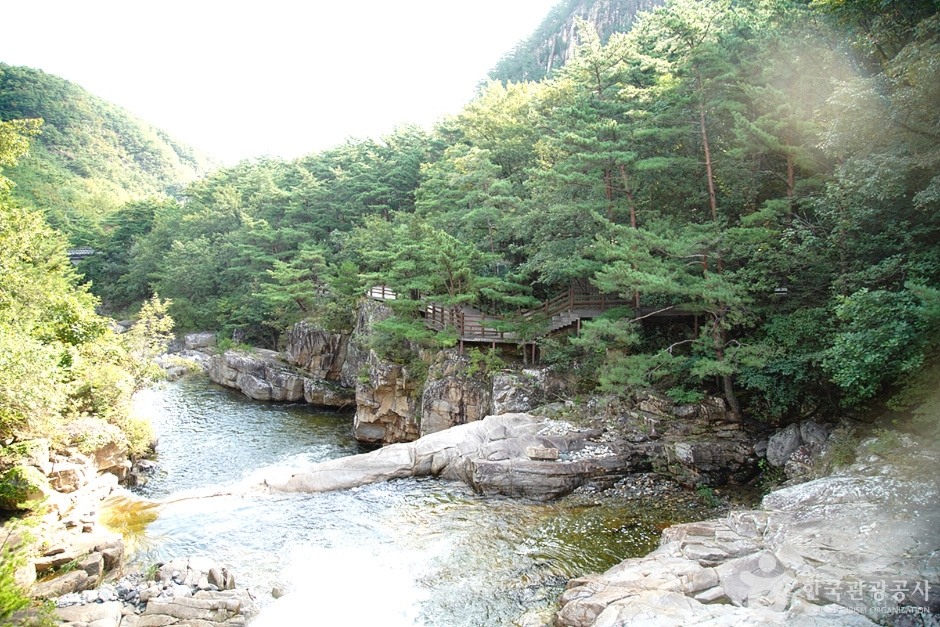
Mureunggyegok Valley Healing Campground (무릉계곡 힐링캠핑장)
467 Samhwa-ro, Donghae-si, Gangwon-do
This campground is situated in Mureunggyegok Valley, nestled between Dutasan Mountain and Cheongoksan Mountain. The valley is renowned for its enigmatic rock formations and derives its name from the mythical paradise in the Chinese fable, “The Peach Blossom Land”. It's a place where one can immerse in the beauty of nature. The campground is accessible by car, just a 25-minute drive from KTX Mukho Station.
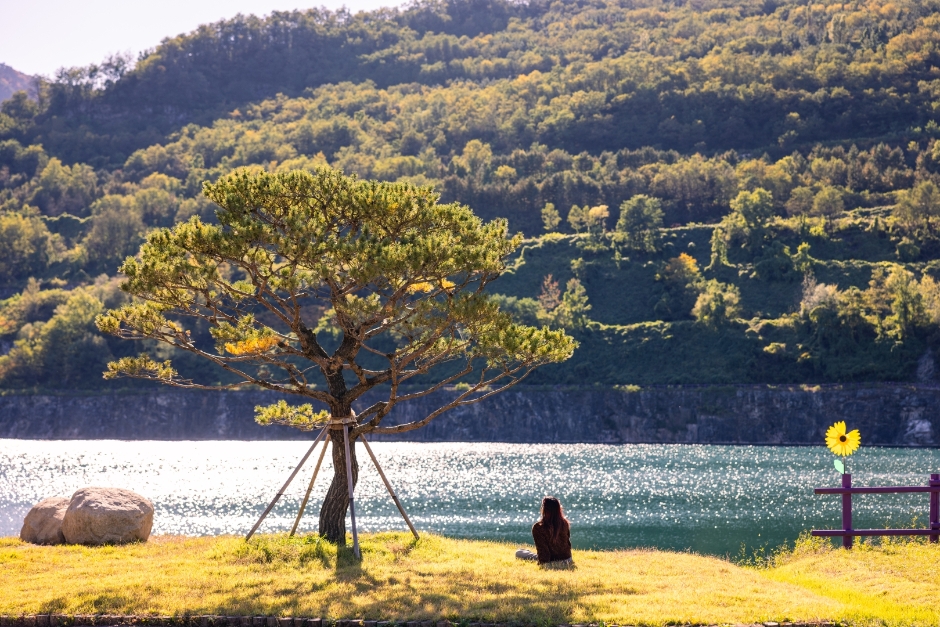
Murung Byeolyucheonji (무릉별유천지)
97 Igi-ro, Donghae-si, Gangwon-do
Mureung Byeolyucheonji was initially a limestone mine that opened in 1968. After 40 years of service as a mine, today it serves as a tourist attraction that boasts beautiful emerald lake and diverse activities. Mureung Byeolyucheonji gets its name from the rock-carved engravings in Mureunggyegok Valley and has the meaning "the place with the best view under the sky, a utopia away from the world." The attraction lives up to its name thanks to the beautiful surrounding mountain scenery pit lakes. Visitors can also enjoy the view from a different angle through diverse rides, such as the Sky Glider, Alpine Coaster, and more.
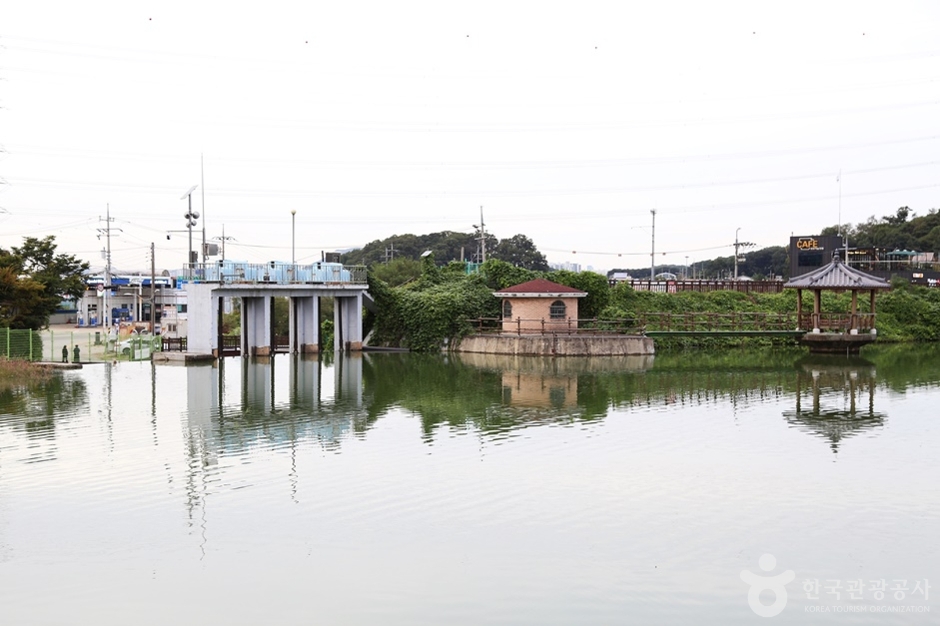
Murwanghosu Lake (물왕호수)
Murwang-dong, Siheung-si, Gyeonggi-do
Murwanghosu Lake, also known as Heungbu Reservoir, is the largest lake in Siheung-si. Visitors can immerse themselves in nature while strolling along the deck encircling the lake. The illuminated pathways provide stunning night views of the lake, enhanced by vibrant lights. Additionally, the area features solar-powered smart benches, offering the convenience of wireless smartphone charging.
](https://tong.visitkorea.or.kr/cms/resource/40/4022040_image2_1.jpg)
Mused Hannam Showroom [Tax Refund Shop](뮤제드 한남 쇼룸)
1F, 9, Itaewon-ro 55ga-gil, Yongsan-gu, Seoul
MUSED is a fashion and lifestyle brand that delivers in-depth value and inspiration, like artworks in a museum (Museum). It showcases exquisitely designed items where a timeless classic mood and modern sense coexist.
Museongseowon Confucian Academy [UNESCO World Heritage] (무성서원 [유네스코 세계문화유산])
44-12 Wonchon 1-gil, Chilbo-myeon, Jeongeup-si, Jeonbuk-do
Museongseowon Confucian Academy was built in 1615 to honor Silla's scholar Choe Chiwon (857-?). An important cultural heritage for understanding the principles of Confucianism and culture of the Joseon dynasty, it is recognized as a representative example of seowon architecture and listed as a UNESCO World Heritage Site. The traditional architecture still remains, and the surrounding scenery, including old ginkgo trees, is beautiful.

Museulmokhaebyeon Beach (무슬목해변)
2876 Dolsan-ro, Dolsan-eup, Yeosu-si, Jeollanam-do
Museulmokhaebyeon Beach is not only a site of great victory achieved by Admiral Yi Sun-sin but also a tranquil beach with a beautiful seaside pine forest, which makes it ideal as a place to take a leisurely walk in. This pebble beach is also a part of the Namdo Seaside Trail and Yeosu Gaetga-gil Trail Course 2. When the tides recede, a white sand beach is revealed, showing a different side to this magical beach. Museulmokhaebyeon Beach is a beloved sunrise spot that draws a large crowd on the first day of the year, while photographers flock to the beach throughout the four seasons to capture the beautiful view. You can see the sculptures inspired by Yeosu seas within the pine forest, walk leisurely along the horizon, and enjoy the scenery of the wide sea dotted by islands. One can also find the Jeollanam-do Maritime & Fisheries Science Museum at the entrance to the beach, so there’s plenty of things to do in the surrounding areas as well.
Museum 1 (뮤지엄 원)
20 Centum seo-ro, Haeundae-gu, Busan
Museum 1, located in Centum, Busan, is a media-specialized contemporary art museum established in 2019 by Kunst 1, an art agency. Museum 1, which consists of about 2,314 ㎡ in the form of a duplex, has 80 million LEDs on the floor, ceiling, and walls to provide a surreal experience that guides visitors to artworks. Museum 1 pursues art that the public can experience and enjoy. Therefore, visitors can enjoy about 100 artworks, not only fantastic media art that the public is enthusiastic about but also videos, installations, photography, paintings, sculptures, and ceramics by 21 leading domestic and international artists.
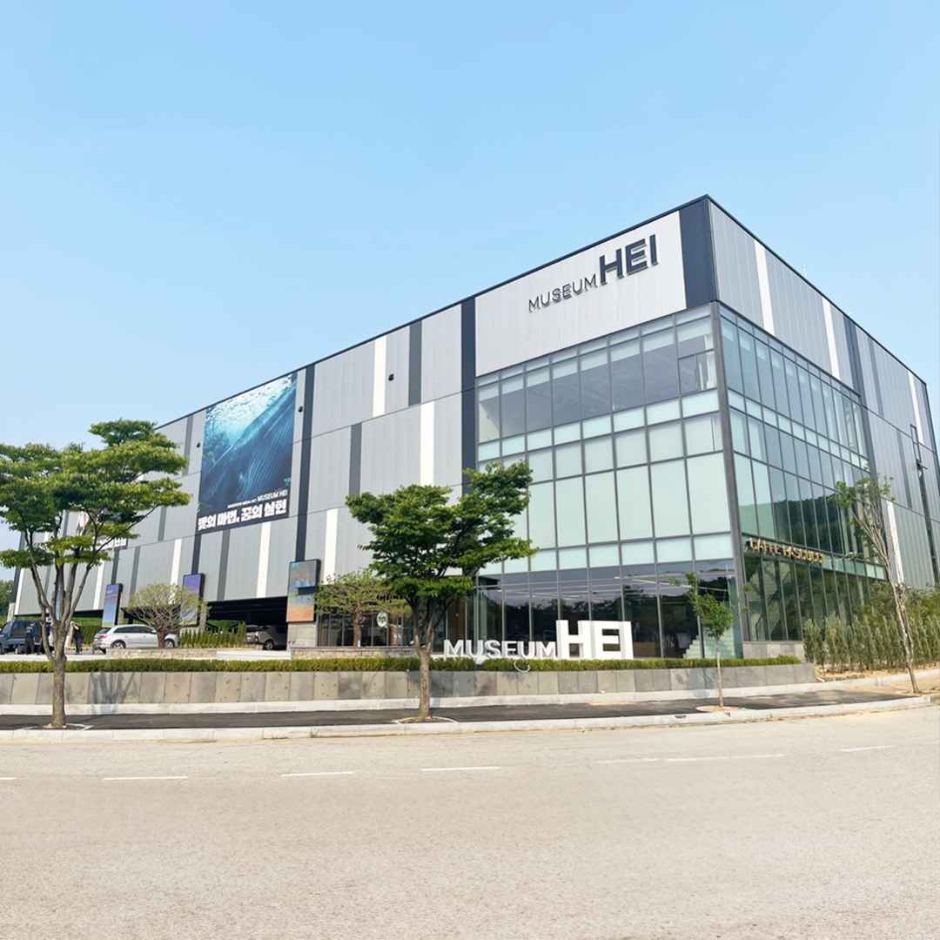
Museum HEI (뮤지엄헤이)
885-43 Pyeonghwa-ro, Tanhyeon-myeon, Paju-si, Gyeonggi-do
Museum HEI is a large media art gallery located in Paju, named after the common greeting in Finland, the world's happiest country. The gallery features 20 different themed contents, all under the overarching concept of "beautiful moments in life."
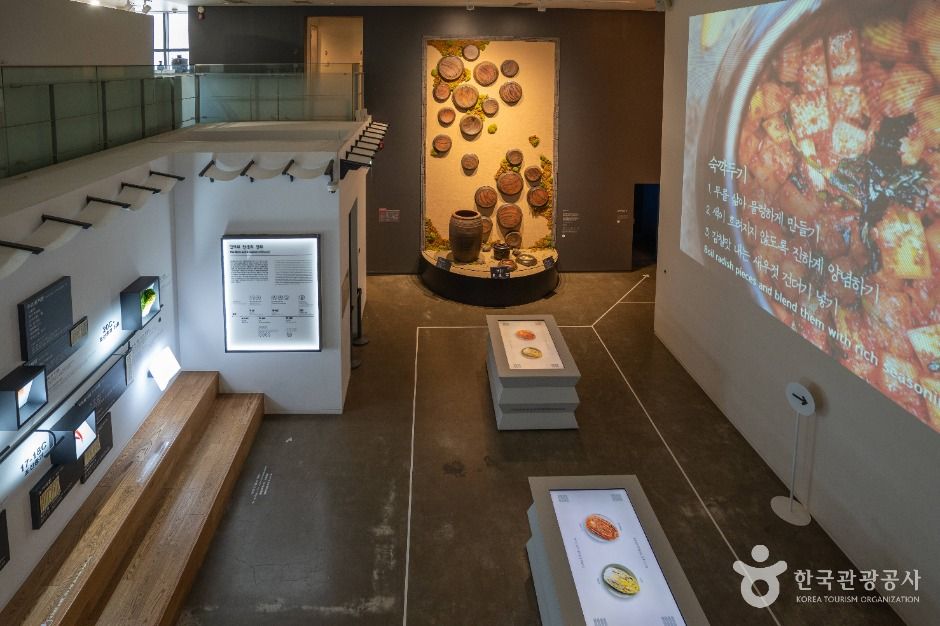
Museum Kimchikan (뮤지엄 김치간)
(4-6th floor, Maru Art Center), 35-4 Insadong-gil, Jongno-gu, Seoul
Museum Kimchikan is a museum dedicated to kimchi in Insa-dong’s Maru Art Center. The exhibition details the culture, history, trajectory, and efficacy of kimchi and teaches the visitors how to make kimchi through videos. Visitors can also sample different types of kimchi. The museum offers both individual and group experience programs.

Museum of Art, Seoul National University (서울대학교미술관)
1 Gwanak-ro, Gwanak-gu, Seoul
Museum of Art, Seoul National University was established as an independent institution in 1995 after several years of development under the Department of Modern Art at Seoul National University Museum. It is the first university art museum in Korea dedicated exclusively to modern and contemporary art. Designed by the world-renowned architect Rem Koolhaas, the museum was constructed and donated by the Samsung Group. It has evolved into a cultural complex equipped with exhibition halls, auditorium, classrooms, and other educational facilities. The museum places special emphasis on educational programs that are open not just to the university's students and faculty, but also to the local community. In addition to modern and contemporary artworks, the museum brings together and exhibits diverse forms of art and culture such as architecture, music, literature, film, and theater.
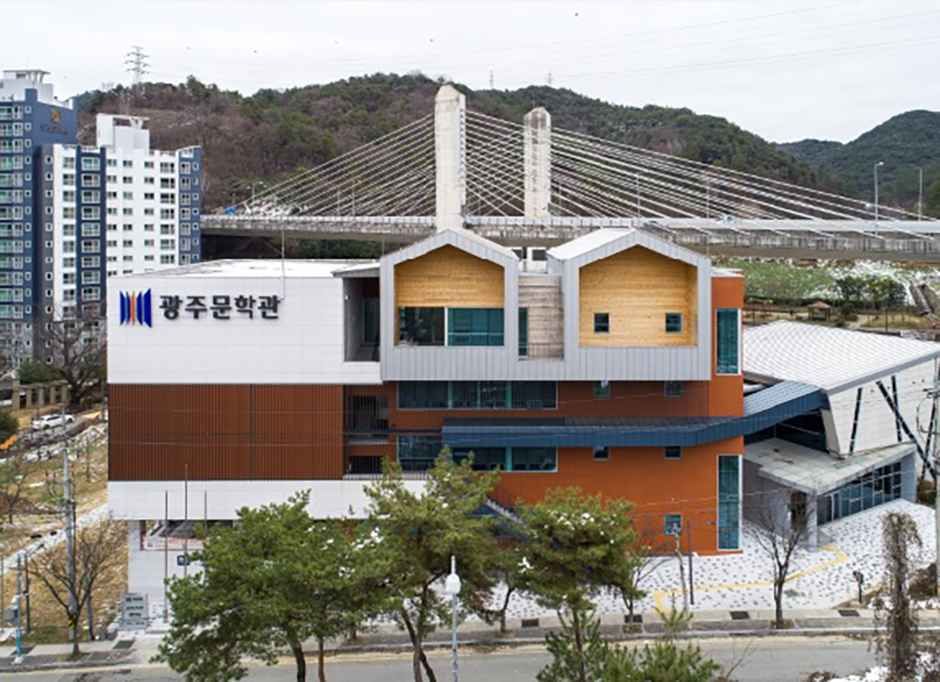
Museum of Gwangju Literature (광주문학관)
93 Gakhwa-daero, Buk-gu, Gwangju
The Museum of Gwangju Literature offers a journey through Gwangju’s rich literary heritage, spanning from ancient times to the present day. Visitors can delve into the literature from the Mahan period, explore works from the 1920s and '30s tied to the national independence movement, and discover works from the 1980s that marked the beginning of the modern poetry movement. The permanent exhibition provides a chronological journey through the local literature of Gwangju. The museum also holds various programs for visitors.
![Museum of Modern and Contemporary Art Cheongju [MMCA Cheongju] (국립현대미술관(청주관))](http://tong.visitkorea.or.kr/cms/resource/49/2596449_image2_1.jpg)
Museum of Modern and Contemporary Art Cheongju [MMCA Cheongju] (국립현대미술관(청주관))
314 Sangdang-ro, Cheongwon-gu, Cheongju-si, Chungcheongbuk-do
The Museum of Modern and Contemporary Art Cheongju presents the country's first-ever open storage-formed museum, based on artworks owned by the museum, the government, and Art Bank. The open storage currently stores collections, which are a basic component of an art museum, and not only offers a great volume of works open to the public but also enables visitors to understand even the hidden functions of an art museum, thus acting as an art museum with an expanded concept.

Museum of Musical Instruments of the World (세계민속악기박물관)
63-26 Heyrimaeul-gil, Paju-si, Gyeonggi-do
Museum of Musical Instruments of the World is the first Korean museum to collect musical instruments from all over the world. At present, it houses about 2,000 musical instruments and folk music related materials from 120 countries. Visitors can try out the instruments in the designated hands-on activity area, and try on traditional costumes, as well as other entertainment activities like pungmul (traditional Korean percussion). The museum also offers a wide range of themed events and educational programs.
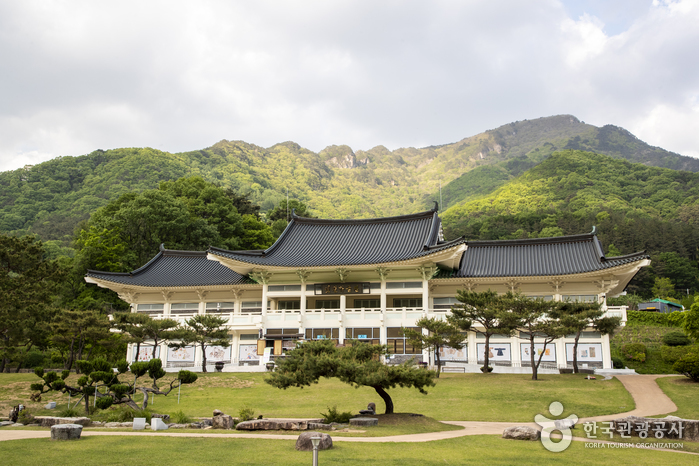
Museum of Old Roads (옛길박물관)
944, Saejae-ro, Mungyeong-si, Gyeongsangbuk-do
The Museum of Old Roads offers the history of traditional roads and routes in Korea. In the past, Mungyeongsaejae was a transportation hub for the people of Korea, particularly during the Joseon Period. Mungyeongsaejae is home to Haneuljae (one of the oldest roads in Korea, first established in 156 AD), Tokkibiri (a famous trade route), and Yugok Station (a transport hub in the Yeongnam area). Even though the importance of the roads as travel routes has diminished over time, they continue to increase in cultural significance, conveying the area’s rich traditional heritage to visitors. The Museum of Old Roads was opened in 2009 after having been remodeled from the Mungyeongsaejae Museum, which mainly dealt with local history.
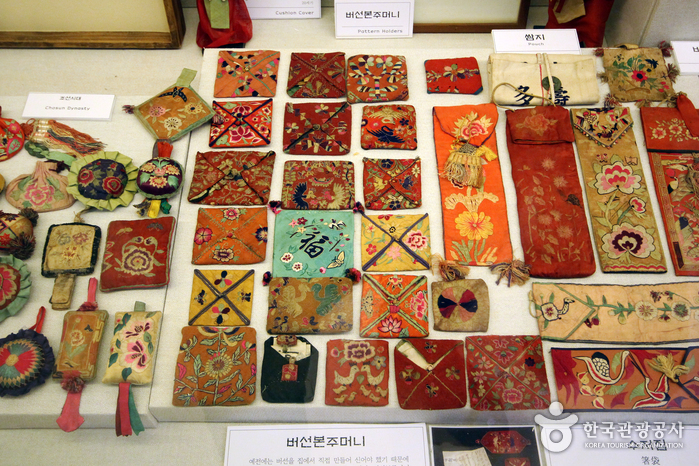
Museum of Oriental Embroidery (동양자수박물관)
140-12, Jukheon-gil, Gangneung-si, Gangwon-do
The Museum of Oriental Embroidery, opened on January 11, 2011, exclusively displays the beautiful works crafted by women of the past. Over 500 pieces of Oriental embroidery from Korea, China and Japan are on display, and another 100 Western embroidery works are also displayed in a special exhibition hall. In this cultural space, one can discover the aesthetic world of Oriental embroidery.
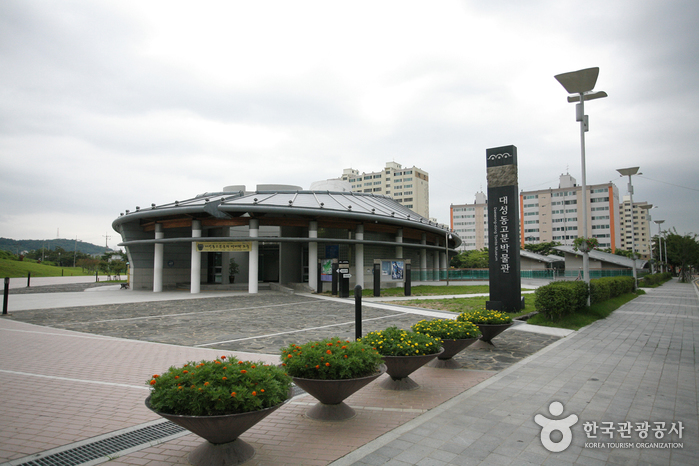
Museum of the ancient tombs in Daseong-dong (대성동고분박물관)
126, Gayaui-gil, Gimhae-si, Gyeongsangnam-do
The Museum of the ancient tombs in Daseong-dong displays artifacts unearthed from the four excavations of the Daeseongdong Tumuli. Highlighting often overlooked relics of the Geumgwan Gaya, the museum has three ground-floor exhibit halls and several underground auxiliary facilities. The main exhibits include a life-sized statue of a mounted soldier and a warrior statue, both recreated based on bones excavated from the tumuli of Yean-ri. The museum relies heavily on videos and dioramas to help visitors explore all the museum has to offer.
Plan your Korea trip
Korea travel FAQ
How do I use the travel search?
Enter a place or interest, then narrow the results by region, category or sort order.
Will my filters stay selected on the next page?
Yes. Your search and filter choices stay in the page URL while you move through the results.
Can I find directions to each place?
Place pages include an external Google Maps search when coordinates or an address are available.
Source: Korea Tourism Organization, official website (https://knto.or.kr).