TRAVEL IN KOREA
Korea Places to Visit
Find attractions, culture, festivals, stays, restaurants, shopping and travel courses for a clear Korea trip plan.
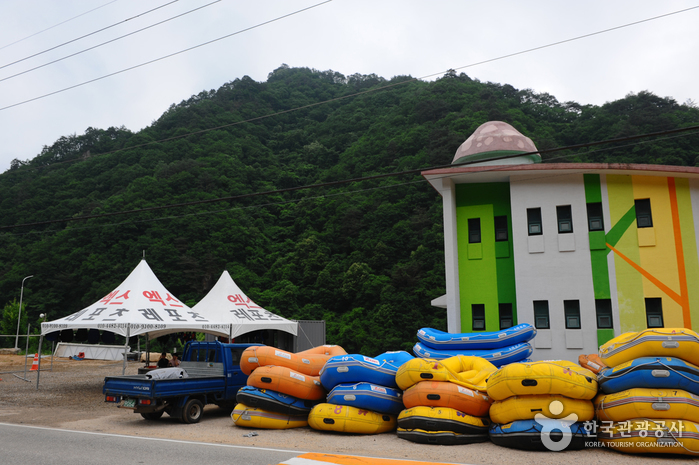
Naerincheon Stream Rafting (내린천 래프팅)
6221, Naerincheon-ro, Inje-gun, Gangwon-do
Rafting is a challenging recreational activity in which a team of six to eight people navigates fast-flowing rivers. Rafting not only offers excitement, but also gives an overview of the natural landscape. Training for rafting provides participants with an opportunity to gain self-confidence, learn to cooperate with their teammates, and relieve stress. Naerincheon Stream in particular is considered one of the top three rafting spots in Korea along with the Hantangang River and Donggang River. Consisting of over ten rapid sub-streams, Naerincheon is the only stream in Korea that runs from south to north. The stream stretches over 6km from Wondaegyo to Gosari Resting Spot; its narrow x_width and pointed rocks offer one of the most exciting and challenging rafting experiences. Rafts are often turned upside down, and each sub-stream is connected to the others, offering little time for rafters to make each maneuver. Naerincheon Stream Rafting is also known for its excellent amenities, like its modern shower facilities with warm water.
Naeunhospital (나은병원)
23 Wonjeok-ro, Seo-gu, Incheon
Naeun Hospital is a large general hospital with a high-quality medical system that is on par with university hospitals' scale and quality of care. We have advanced digital medical equipment such as MRI, MD-CT, SONO, and electronic chart software. Additionally, Naeun Hospital has been recognized as a certified medical institution by the Health Insurance Review and Assessment Service, receiving certification in the first cycle (2013), second cycle (2017), and third cycle (April 2021) of the general hospital accreditation program, confirming its status as a safe medical institution with the highest level of medical care. Furthermore, the hospital has demonstrated its objective credibility by achieving a first-place national ranking in the quality assessment for acute stroke, earning Platinum status from the World Stroke Organization (WSO), and ranking 16th nationwide in the Patient Experience Survey. In addition, Naeun Hospital operates three high-end health screening centers located in Gajwa, Songdo, and Geomdan. In response to the era of medical globalization, the hospital manages the Jian Health Promotion Center in Incheon Songdo International City, spanning 3,300 square meters, and the Gajwa Health Promotion Center, which boasts the largest and most advanced screening system in the country.
Naewonsa Temple (Yangsan) (내원사(양산))
207 Naewon-ro, Habuk-myeon, Yangsan-si, Gyeongsangnam-do
Naewonsa Temple, situated in Cheonseongsan National Park, is home to a monumental Buddha statue standing at 5.5 meters, crafted during the Silla dynasty. The temple complex features various structures, including Bogwangjeon and Geungnakjeon Halls, showcasing its captivating architectural style. Renowned for its picturesque mountain landscapes and as a popular destination for autumn foliage, the temple attracts numerous visitors every year.
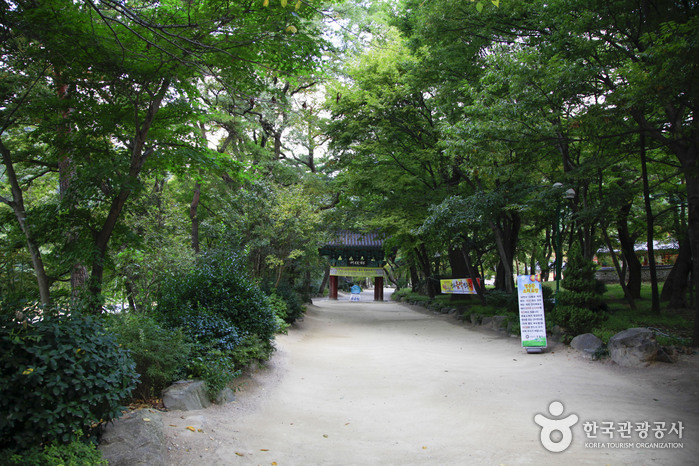
Naeyeonsan Bogyeongsa Municipal Park (내연산보경사시립공원)
533 Bogyeong-ro, Songna-myeon, Buk-gu, Pohang-si, Gyeongsangbuk-do
Naeyeonsan Bogyeongsa Municipal Park is a scenic area that encompasses both the historic Bogyeongsa Temple and the majestic Naeyeonsan Mountain. The mountain, rising to a x_height of 710 meters, is renowned for its stunning natural beauty, characterized by twelve waterfalls cascading through a 14-kilometer-long valley. These waterfalls, coupled with towering rock walls ranging from 50 to 100 meters in x_height, such as Sinseondae Cliff and Haksodae Cliff, along with unique rock formations, create a breathtaking landscape. On the southern side of the mountain lies Bogyeongsa Temple, a significant religious site with origins dating back to the Silla period. The temple complex includes attached hermitages like Seounam Hermitage and Munsuam Hermitage. Notably, the temple houses treasured artifacts, including the stele and stupa of State Preceptor Wonjin.
Naganeupseong Walled Town (순천 낙안읍성)
30, Chungmin-gil, Nagan-myeon, Suncheon-si, Jeollanam-do
Naganeupseong Walled Town is located in Jeollanam-do, and contains a fortress town that is over 59,504 ㎡ in size. The fortress walls were built using square-shaped stones to reach 4 meters in height, 3 to 4 meters in width, and 1,410 meters in total length. The town consists of three neighborhoods along the east, south and west of the fortress walls. The village is overall well preserved, allowing visitors to observe houses and lifestyles that have all been passed down from the past. The town is highly valued as a historical and cultural resource for studying traditional folk customs. ◎ Travel information discovering the charm of Hallyu - Drama This traditional village offers visitors a glimpse into the lives of Koreans from the Joseon Dynasty to the present day. Clusters of thatched-roof houses create a warm atmosphere, while the earth-and-stone walls and beautifully curved roofs add a simple yet elegant charm. Walking along the fortress wall offers a panoramic view of the village filled with traditional thatched-roof houses. The village is also known as the filming location of the home where Min Jae-yi lived in the drama .
](https://tong.visitkorea.or.kr/cms/resource/70/4020270_image2_1.jpg)
Nageunol Street Branch [Tax Refund Shop](나그놀 스트릿점)
50-14, Dongseong-ro 2-gil, Jung-gu, Daegu
Nageunol is a lifestyle select brand that conveys small daily joys through accessories and sundries with sensory designs. By curating props with individualistic designs, we help customers discover their own tastes.
](https://tong.visitkorea.or.kr/cms/resource/44/4018944_image2_1.jpg)
Nain - Lotte Department Store Mia Branch [Tax Refund Shop](나인 롯데백화점 미아점)
62, Dobong-ro, Gangbuk-gu, Seoul
NAIN is a contemporary brand aiming for 'clothes for women who cherish every moment.' Through clothing where trendy designs and refined sensibilities harmonize, we propose the pleasure of a new styling every single day.
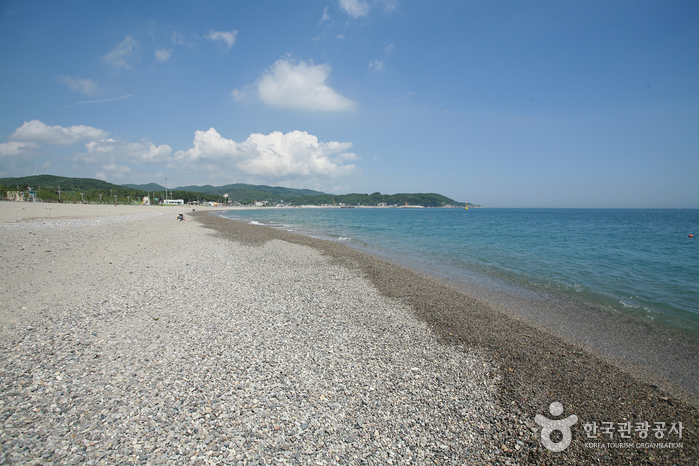
Najeong Beach (나정고운모래해변)
1915, Donghaean-ro, Gyeongju-si, Gyeongsangbuk-do
Najeong Beach is situated on the shores of the East Sea. The beach offers many facilities as well as a seawater hot spring. The parking lot and pine tree forest by the hot spring are open to the public. Various water sports are also available in the area.
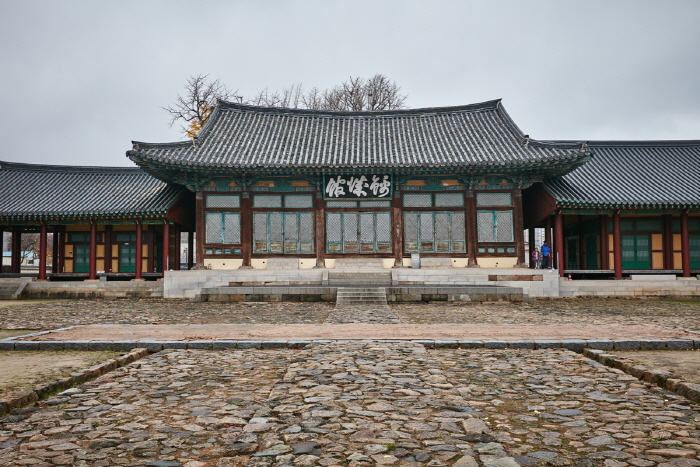
Naju Geumseonggwan Hall (나주 금성관)
8, Geumseonggwan-gil, Naju-si, Jeollanam-do
Naju Geumseonggwan Hall was a state-run guesthouse for government officials during the Joseon period. It was the venue for ceremonial praise rituals for the king, taking place on the first and 15th of each month, as well as banquets held in honor of visiting dignitaries. The building was constructed sometime between 1475 and 1479. The building was remodeled during the Japanese occupation, but was restored to its original design in 1977.
Naju Moksanaea (나주목사내아)
13-10, Geumseonggwan-gil, Naju-si, Jeollanam-do
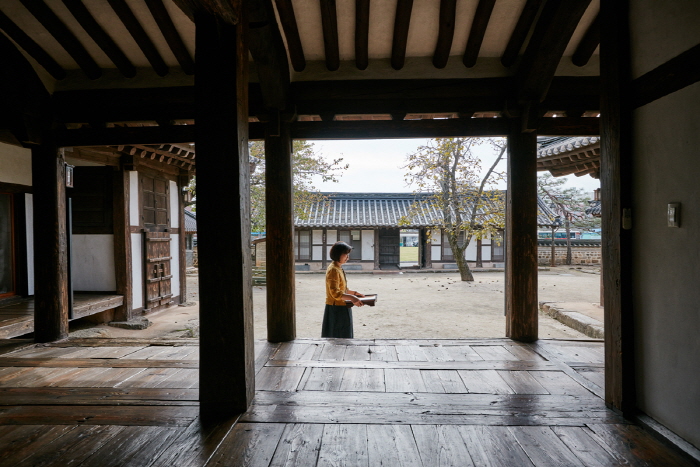
Naju Moksanaea was the private residence of Naju's moksa , the title of highest official in the region. This traditional hanok house was built in 1825 and follows the traditional hanok design of a wealthy aristocrat. It is recognized as Jeollanam-do Cultural Hertiage Material.
Naju National Museum (국립나주박물관)
747, Gobun-ro, Naju-si, Jeollanam-do
Naju National Museum displays artifacts found near the Yeongsangang River region and preserves artifacts excavated from throughout the Jeolla region. While most national museums are found within the city, Naju National Museum is the first national museum to be located in a rural countryside. Its location provides a perfect relaxing atmosphere for visitors to take time and appreciate what the museum has to offer. Although the museum may be isolated from urban cities, it uses modern technology to provide convenient museum experience. Naju National Museum is the first national museum to integrate NFC features within smart phones with the exhibition guide system for all exhibition halls. This integrated feature acts as a means to provide communication both ways, as visitors can receive information guides and upload them on social media via smart phones. In addition to the collection of artifacts, the open-type storage rooms and the hands-on activities offered at the experience center provide opportunities to personally witness and experience the process of preservation and storage of cultural assets.
Naju Pear Museum (나주배박물관)
5838, Yeongsan-ro, Naju-si, Jeollanam-do
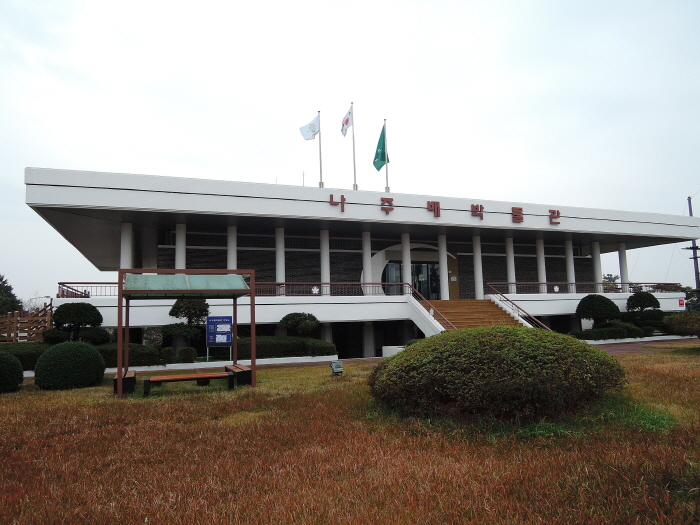
Known as the birthplace of Korean pears, Naju pears are well-known for its long history. The fruit was exported worldwide starting in 1967. The Naju Pear Museum promotes the fruit and is a learning center for its agricultural history. The museum opened on April 20, 1992 and is the world's only pear museum.
Nakdong River Victory Memorial Hall (낙동강승전기념관)
574-110, Apsansunhwan-ro, Nam-gu, Daegu (대명동)
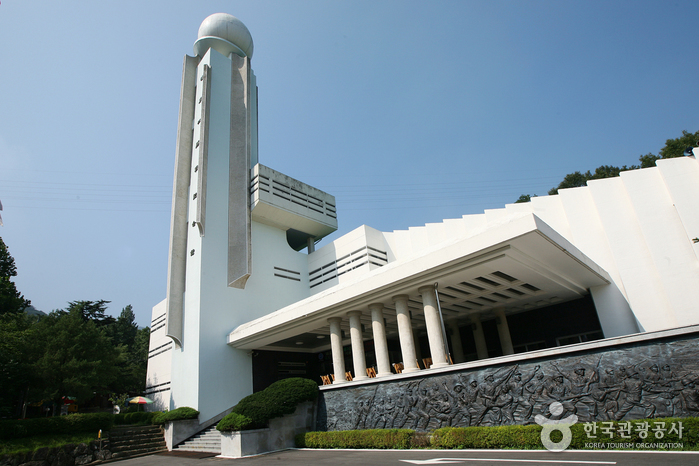
Nakdonggang River is a winding river that is filled with great strength to protect the people, representing the wisdom and deep meaning for the country's reunification. Thanks to its geographical advantage, it provided a good distance of ceasefire line between Korean soldiers and their enemies during the Korean War, reducing casualties. Opened on June 25, 1979, Nakdong Victory Memorial Hall was built in memory of the victory at the Nakdonggang defense line which was the last fortification to protect the country during the Korean War. The memorial hall was built with private donations from the residents of Daegu and Gyeongbuk province. In particular, postwar generations, especially the young generation people who did not experience the Korean War, can learn about the history from here.
Nakgangmulgil Park (낙강물길공원)
423 Sanga-dong, Andong-si, Gyeongsangbuk-do
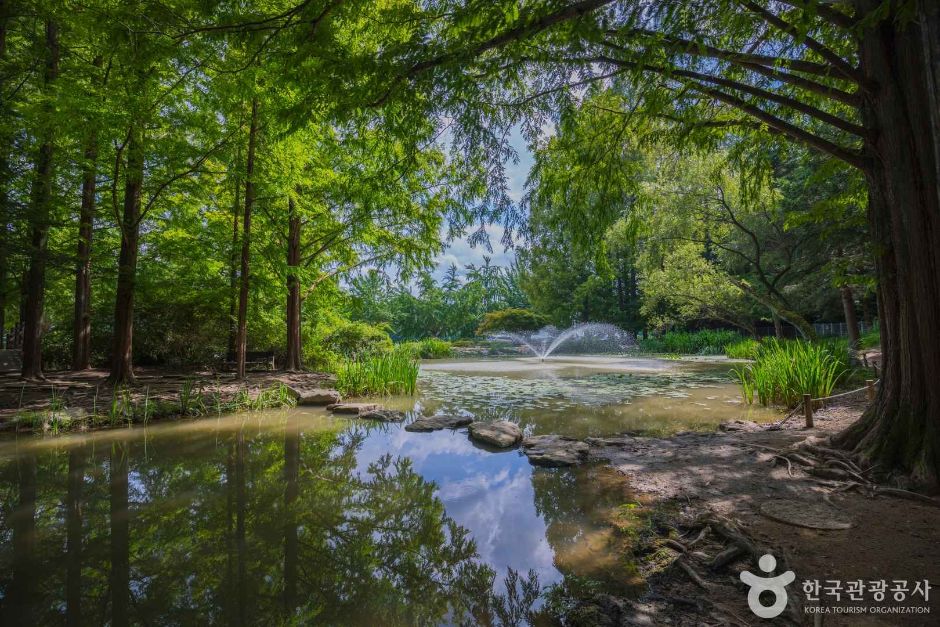
Nakgangmulgil Park, called the Giverny of Korea, is a small waterside park located near Andong Dam. The park is the perfect setting for a relaxing moment, with benches placed under trees and beside walkways throughout the park. The natural environment creates plenty of photo spots. Visitors looking for a longer walk in nature can follow the riverside deck to Wolryeong Park.
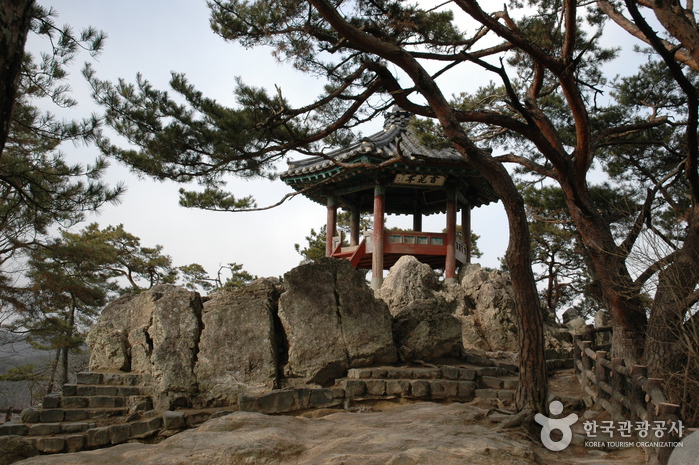
Nakhwaam Rock (낙화암)
Bukpo-ro, Buyeo-gun, Chungcheongnam-do
Nakhwaam is a rock cliff towering over Baengmagang River in the northern end of Busosan Mountain. According to the legend, this is where the royal court women of Baekje jumped off to kill themselves when the kingdom of Baekje was defeated during the invasion of Sabiseong Fortress (now Busosanseong Fortress in Buyeo) by the Shilla-Tang Alliance. The name of this rock, Nakhwaam, literally means "the cliff of falling flowers" and symbolizes the fidelity and loyalty of Baekje women.
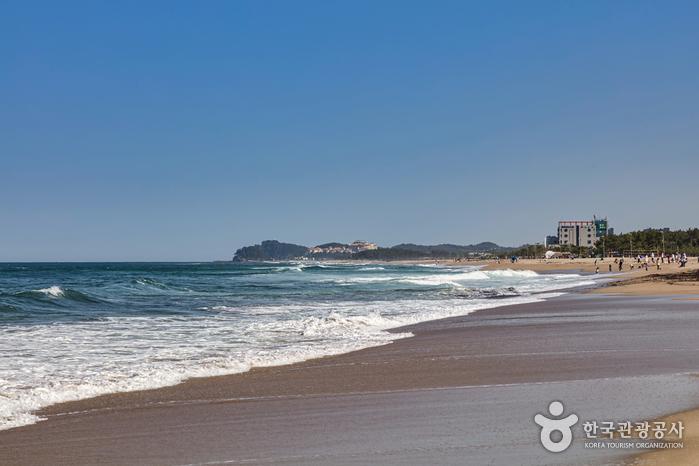
Naksan Beach (낙산해수욕장)
59 Haemaji-gil, Yangyang-gun, Gangwon-do
Naksan Beach is one of the most famous beaches in Yangyang, located in Joseon-ri, Yangyang-eup, Yangyang-gun, Gangwon-do. Since its opening in 1963, it has attracted more than 1 million visitors each year, its reputation being rivaled only by the Gyeongpodae Beach on the east coast of Korea. The 4 kilometer-long sand beach contrasts magnificently with the lush pine trees of the area. The water is less than 1.5 meter deep, making it a good place for all ages. Naksanhang Port marks one end of the beach, behind which Naksan Mountain, the location of Naksansa Temple, can be found. The other end has a lake formed at the delta of Namdaecheon Stream, which originates from Seoraksan Mountain. Many cafes, convenience stores, restaurants, and accommodations cater to the needs of the visitors. The beach sees considerable traffic in winter as well, when it serves as a popular venue for sunrise-watching, particularly for the New Year’s Day festival.
Plan your Korea trip
Korea travel FAQ
How do I use the travel search?
Enter a place or interest, then narrow the results by region, category or sort order.
Will my filters stay selected on the next page?
Yes. Your search and filter choices stay in the page URL while you move through the results.
Can I find directions to each place?
Place pages include an external Google Maps search when coordinates or an address are available.
Source: Korea Tourism Organization, official website (https://knto.or.kr).