TRAVEL IN KOREA
Korea Places to Visit
Find attractions, culture, festivals, stays, restaurants, shopping and travel courses for a clear Korea trip plan.
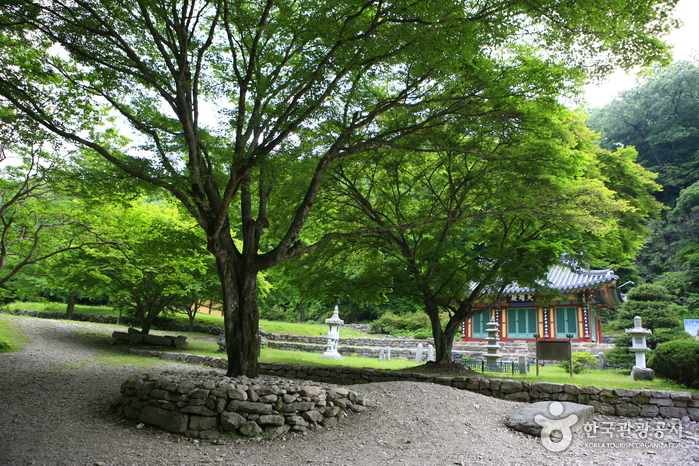
Sunchang Gangcheonsa Temple (강천사 (순창))
270, Gangcheonsan-gil, Sunchang-gun, Jeonbuk-do
Located approximately 1.8 kilometers from the entrance of Gangcheonsan County Park, Gangcheonsa Temple was built by Monk Doseon during the first year of Queen Jinseong of Silla (AD 887). In the third year of King Chungsuk of Goryeo (1316), the temple saw the addition of a five-story stone pagoda, built by Monk Deokhyeon. At its peak, the temple was said to have had 12 hermitages and housed 1,000 monks. It was burned down during the Imjin War (1592-1598), leaving only the pagoda, but was rebuilt a few years later by Monk Soyo during the 37th year of King Seonjo (1604). Unfortunately, the temple was burned down again in the Korean War, but was once again restored to its original state in 1959. Cultural assets found at the temple include Stone Guardian Post of Chungsin-ri & Namgye-ri, Sunchang Guesthouse, and the Three-story Stone Pagoda of Sunhwa-ri. Nearby tourist attractions include Geumseongsanseong Fortress, Yongsopokpo Falls, Gangcheonho Lake, Damyangho Lake, Chuwolsan Mountain, Huimunsan Mountain, and Naejangsan National Park.
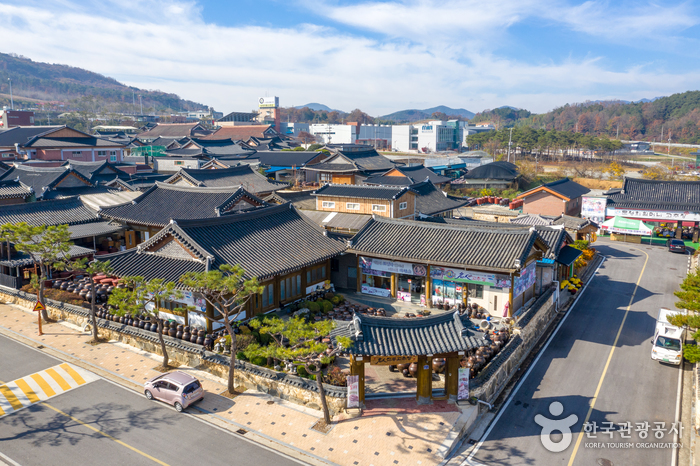
Sunchang Gochujang Village (순창고추장민속마을)
9 Baegya-gil, Sunchang-eup, Sunchang-gun, Jeonbuk-do
Sunchang Gochujang Village is home to expert gochujang (Korean chili paste) crafters using the traditional methods. Visitors can learn how to make gochujang and enjoy dishes using it, such as tteokbokki (rice cakes cooked with gochujang) and wild vegetables bibimbap. The village is fully equipped with accommodations, restaurants, seminar rooms, and other facilities, providing perfect conditions for a variety of hands-on experiences.
Sunchang Jangnyu Experience Center (순창장류체험관)
55, Minsokmaeul-gil, Sunchang-gun, Jeonbuk-do
Located in front of the Traditional Gochujang Folk Village in Sunchang, Jeollabuk-do, Sunchang Jangnyu Experience Center offers visitors the opportunity to sample and make delicious dishes using Sunchang's famous gochujang (red pepper paste). Visitors can make refined gochujang using traditional methods, along with a variety of other popular dishes such as injeolmi (rice cake coated with powdered soybeans) and twibap (popped rice snack). In addition to a range of experience programs, clean accommodation facilities are also available for program participants.
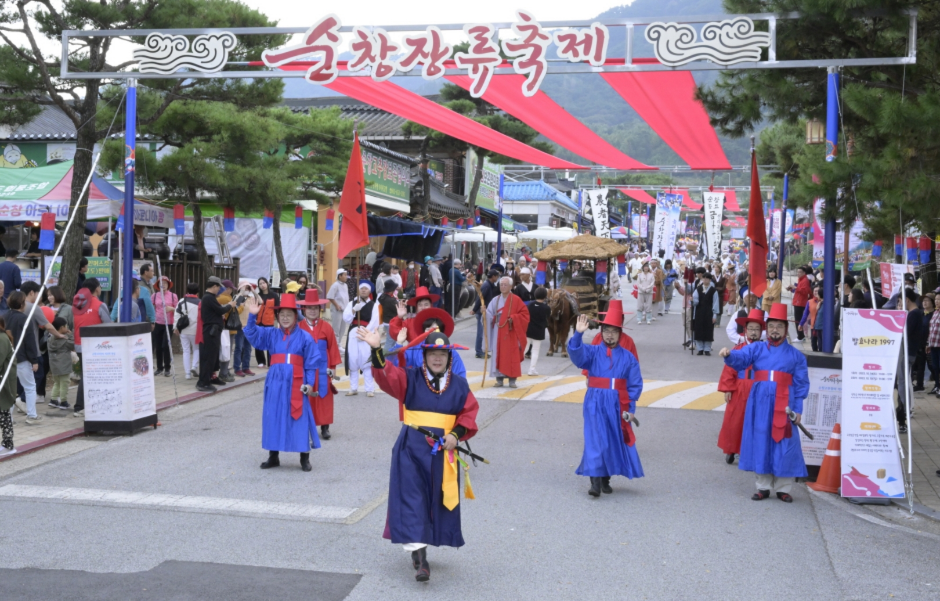
Sunchang Jangryu Festival (순창장류축제)
6-3 Minsongmaeul-gil, Sunchang-gun, Jeonbuk-do
*The information below is based on the 2025 festivals. Details for the 2026 festivals will be updated as they become available.*Experience the most iconic spicy flavor of Korean cuisine, gochujang (red chili paste). This festival takes place in Sunchang, the renowned home of gochujang. Visitors can try spicy and savory dishes made with Sunchang gochujang, partake in programs such as making red chili paste, and check out the festival’s performances, exhibitions, and shops. The biggest attraction is the “Sunchang gochujang offering procession to the King.” It is an reenactment based on the records of King Taejo's (born Yi Seong-gye), founder of the Joseon dynasty, love for the taste of Sunchang gochujang. During the event, a music procession and porters with a wagon loaded with crocks of chili paste perform a march around the village. Visitors can also check out the new Fermentation Theme Park, where they can learn the scientific principles of food through microbial experiments.◎ TipTteokbokki is a must-eat Korean street food. Don’t miss the “Sunchang Tteokbokki Town,” where you can try a variety of tteokbokki dishes made using Sunchang’s fermented sauces.
Sunchang Traditional Paste Museum (순창장류박물관)
43, Jangnyu-ro, Sunchang-gun, Jeonbuk-do
Sunchang Traditional Paste Museum offers visitors a look at different traditional paste culture from gochujang (pepper paste) to doenjang (soybean paste). Located across from the Sunchang Gochujang Village, a robot gochujang grandmother greets the visitors by telling the history of Sunchang pepper paste. The exhibition halls inside display the history of various traditional paste and visitors even have a chance to experience the process of making different pastes. The outdoor square attracts people with a terrace displaying earthen wares that are used to contain the fermented sauces, as well as a millstone worked by horse or ox, and an old tomb from the Baekje dynasty.

Suncheon Aretjang Market (순천 아랫장)
60 Jangpyeong-ro, Suncheon-si, Jeollanam-do
This accessible traditional market is located less than 1 kilometer away from KTX Suncheon Station. It is open at night as a night market as well, so the market is beloved by visitors and locals alike. The market is a fifth-day market (open on the 2nd, 7th, 12th, 17th, 22nd, 27th), and it is the largest of its kind in Korea. The market serves fresh agricultural and fishery goods from Suncheon and the surrounding areas. Aretjang Market’s pride, the night market, is open on Fridays and Saturdays, and serves everything from small snacks to pancakes, fried chicken, and more exotic fare.

Suncheon Filming Location (순천 드라마촬영장)
24 Biryegol-gil, Suncheon-si, Jeollanam-do
Suncheon Filming Location is the outdoor filming site of the drama "Love and Ambition" aired in 2006, and where houses from the '60s and '80s are recreated. It is also where various dramas such as "Giant," "East of Eden," "Bread, Love and Dreams" and "Chronicle of a Blood Merchant" were filmed. It is pleasant to tour the filming site by walking through the alleys and taking pictures of the unique vibe.
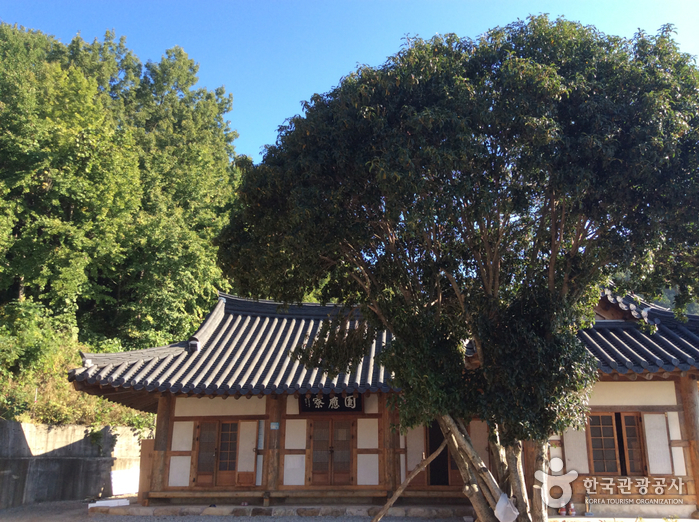
Suncheon Heungryunsa Temple (흥륜사 (순천))
102, Jangdae-gil, Suncheon-si, Jeollanam-do
Heungryunsa Temple is a missionary center of the Hwaeomsa Temple. Located in Jukdobong Park (downtown Suncheon), the site was previously used as an archery range. *History Heungryunsa Temple is a branch of Hwaeomsa Temple, which is the 19th local temple of Jogye Order. It is said that Heungryunsa Temple was constructed during the reign of King Seonjo of the Joseon dynasty and that the site was used as a place where naval forces practiced archery during the Imjin War in 1592. At the same time, the temple was the first military base of monk-turned-military officers from Hwaeomsa, Songgwangsa, and Seonamsa Temples. The current building was reconstructed in 1986 by Monk Jongwon, who is still the chief abbot of the temple.
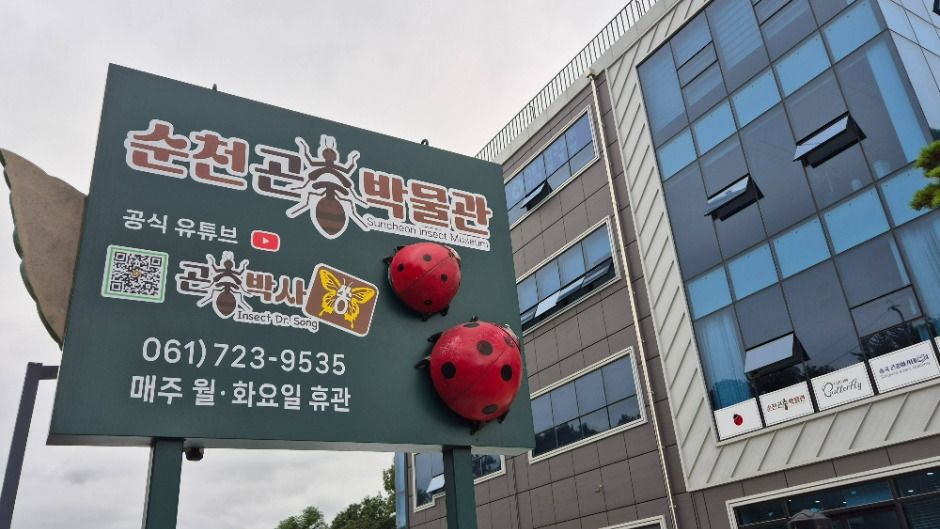
Suncheon Insect Museum (순천곤충박물관)
95 Birae-gil, Haeryong-myeon, Suncheon-si, Jeollanam-do
As the only outdoor ecological exploration type insect museum in Korea, Suncheon Insect Museum offers a high-quality outdoor ecological exploration course on Wanguisan Mountain, a tour of the Butterfly Ecological Greenhouse, explanations in the exhibition hall, microscope observation, and video viewing led by Dr. Song Kook, the museum's director. This place serves as an experiential insect museum where both children and adults can enjoy nature, facilitating communication among families and understanding wisdom for coexistence through the small creatures called insects, ultimately embarking on a journey to find a path to a happy life.
](https://tong.visitkorea.or.kr/cms/resource/82/4020482_image2_1.jpeg)
Suncheon Myeong Boseok [Tax Refund Shop](순천명보석)
13-1, Yeonja-ro, Suncheon-si, Jeollanam-do
Suncheon Myeong Jewelry is a specialized precious metal brand producing noble gemstones and pure gold products based on trust in the Suncheon region. Through exquisite craftsmanship and honest quality control, it showcases the best jewelry for commemorating precious moments.
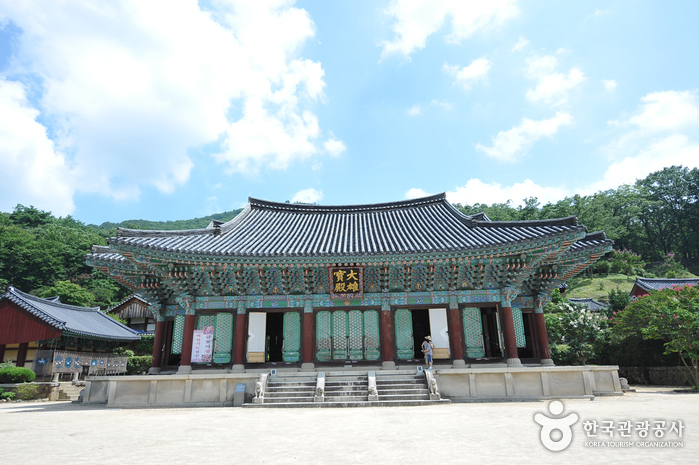
Suncheon Songgwangsa Temple (송광사(순천))
100 Songgwangsaan-gil, Songgwang-myeon, Suncheon-si, Jeollanam-do
Songgwangsa Temple is a temple located to the west of Jogyesan Mountain and is known as one of the three priceless temples along with Haeinsa Temple in Hapcheon and Tongdosa Temple in Yangsan. It was founded during the Silla dynasty and boasts cultural assets including four national treasures and 26 treasures, along with over 80 buildings including the Daeungbojeon Hall. Additionally, it operates the Buddhist Museum exhibiting temple cultural assets, a Buddhist university, and templestay programs.

Suncheon Traditional Wild Tea House (순천전통야생차체험관)
450-1 Seonamsa-gil, Seungju-eup, Suncheon-si, Jeollanam-do
Located on the road to Seonamsa Temple in Jogyesan Mountain, Suncheon Traditional Wild Tea House offers visitors a chance to experience the beauty and composure of a traditional Korean-style house. Surrounded by the scent of pine trees, guests can enjoy the delicate flavor and aroma of tea in a serene natural setting. Programs include darye (traditional tea etiquette), tea-making experiences, tea cookie tasting, and educational sessions on the tea ceremony.
Suncheon Utjang Market (순천 웃장)
40 Bukmun-gil, Suncheon-si, Jeollanam-do
Suncheon Utjang is a familiar five-day-interval market in Suncheon that combines the convenience of a permanent market with the charm of a traditional one. Every five days starting from the 5th of each month, this market opens for business and bustles with local street vendors, creating a vibrant atmosphere. A notable highlight is the Suncheon Utjang Gukbap Alley, a food street designated as both a Namdo Food Street by Jeollanam-do and a Suncheon Specialty Food Zone. It’s renowned for its flavorful Gukbap (rice soup dishes). In particular, when ordering two or more servings, diners receive complimentary dishes such as boiled pork slices or blood sausage, depending on the type of Gukbap ordered, making the meal even more appetizing and filling. A favorite of all ages, Utjang Gukbap has become a signature comfort food of the five-day-interval market. In addition, visitors can enjoy a variety of fresh seasonal produce and regional delicacies that capture the unique spirit of Suncheon.
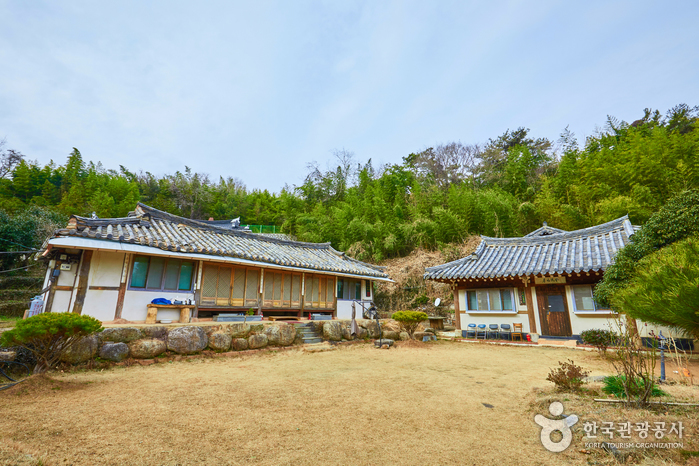
Suncheonbay house of sea castle (순천만 해룡성고택)
136 , Hongdu-gil, Suncheon-si, Jeollanam-do
Suncheon Bay Haeryongseong Old House is the head house of the Suncheon Mun clan, whose members - descendents of the Joseon courtier Mun Wi-se - have lived here for 300 years. Visitors to the house can gather wild water parsley, barbecue pork belly, and sample yellowtail duck for breakfast. Two of the buildings - Seungwon and Sabiwon - are self-catering, have living rooms, ktichens and bathrooms, and are very popular with families.
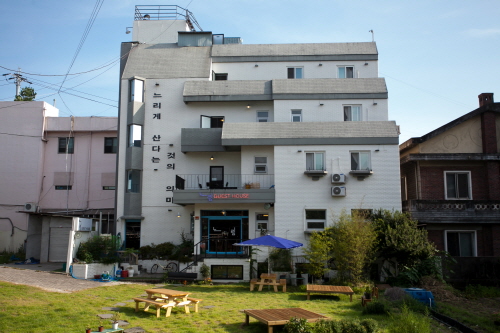
Suncheonguesthouse nreem / 순천게스트하우스느림
669 , Gangbyeon-ro, Suncheon-si, Jeollanam-do
Located near Suncheon Nambu Market, Suncheon Guesthouse Neurim (‘Slow’) offers rooms with single and double beds, as well as dormitories, and is popular with young travelers. The first floor lobby has tables for guests and a collection of books to read, while in the basement cafeteria guests will find a breakfast area, a kitchen where simple cooking is possible, a board game room with music facilities - and more books! Fun events such as chicken and beer parties are held from time to time, and visitors can book themselves on a night tour of Yeosu. The guesthouse provides discount coupons for admission to Suncheon tourist spots.

Suncheonman Bay (순천만습지)
513-25 Suncheonman-gil, Suncheon-si, Jeollanam-do
Suncheonman Bay is one of the world’s top five coastal wetlands, stretching along a 3-kilometer waterway with expansive mudflats and reed beds. The reed colonies serve as wintering and breeding grounds for various bird species, including hooded cranes. The tidal flats are home to diverse wildlife, including mudskippers and East Asian seepweed. It is an ecological tourism destination where visitors can enjoy spectacular sunsets over the S-shaped waterway from the observatory, often accompanied by flocks of birds soaring above the reeds.
Plan your Korea trip
Korea travel FAQ
How do I use the travel search?
Enter a place or interest, then narrow the results by region, category or sort order.
Will my filters stay selected on the next page?
Yes. Your search and filter choices stay in the page URL while you move through the results.
Can I find directions to each place?
Place pages include an external Google Maps search when coordinates or an address are available.
Source: Korea Tourism Organization, official website (https://knto.or.kr).